

Have you ever watched a movie where a spaceship explodes with a giant BOOM? It’s exciting, but it’s also pure fiction. In reality, space is eerily, profoundly silent. If you were floating beside that exploding ship, you’d see a blinding flash… but hear absolutely nothing.
It’s one of the universe’s most surprising truths. Why is that? The answer isn’t about the emptiness “out there,” but about what sound needs to travel right here. Let’s dive into the simple, fascinating science of why space is the ultimate quiet zone and what that means for our understanding of the cosmos.
1. Sound is a Traveling Vibration

First, let’s understand what sound actually is. It’s not a mysterious wave that magically appears. Sound is a mechanical wave. Imagine striking a tuning fork. The vibrating prongs push and pull on the air molecules next to them. Those molecules bump into their neighbors, passing the vibration along in a chain reaction, like a domino fall.
This chain of collisions eventually reaches your eardrum, making it vibrate, which your brain interprets as a tone. No molecules to push? No dominoes to fall. The vibration has nothing to travel through. That’s the core problem in space.
2. The Crucial Role of a Medium

The substance that carries the sound—whether air, water, steel, or even jelly—is called a medium. On Earth, we’re surrounded by our medium: the atmosphere. We’re so used to it, we forget it’s there. But try talking underwater. Your voice sounds funny because water is a denser, different medium.
In space, the medium is almost absent. It’s a near-perfect vacuum, meaning there are trillions of times fewer atoms per cubic inch than in the air you breathe. With virtually no atoms to bump into each other, a sound vibration gets nowhere.
3. Space is a (Mostly) Empty Vacuum

We often picture space as being filled with something, but it’s overwhelmingly empty. Between planets and stars, there are only a few atoms per cubic meter. For comparison, the air in your room has about *10,000,000,000,000,000,000* (that’s 10 quintillion) molecules in the same space.
In space, the atoms are so far apart that one vibrating atom would likely never find another to bump into. So, even if you screamed at the top of your lungs, the vibration from your vocal cords would have no air molecules to transfer its energy to. The sound dies instantly at your spacesuit helmet.
4. No Air Pressure, No Sound Waves
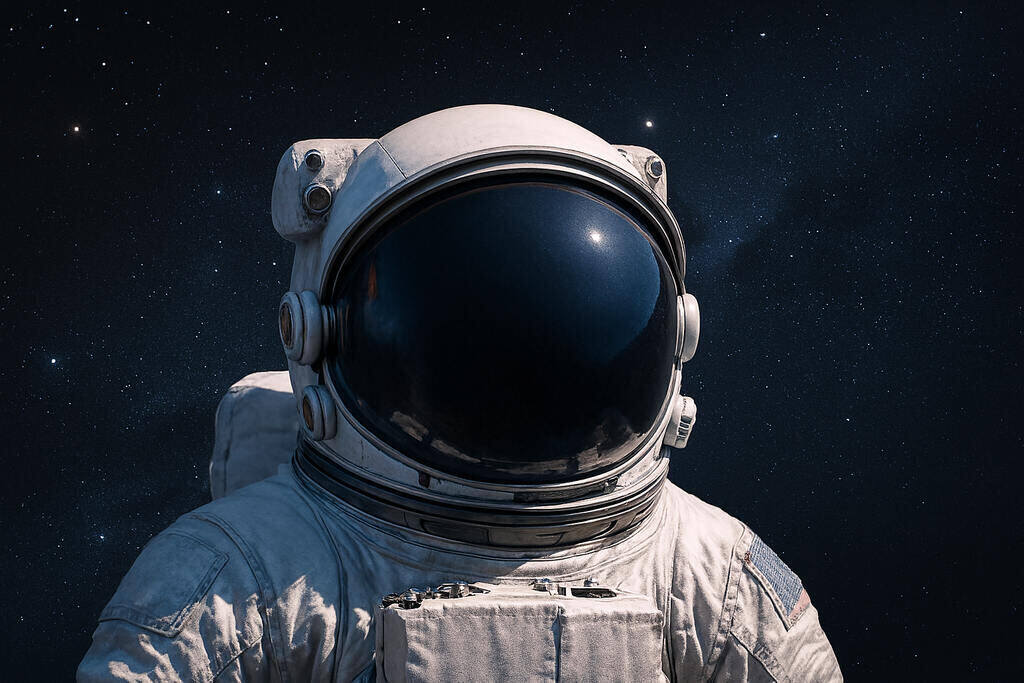
Sound waves are essentially traveling changes in pressure. A vibrating object creates zones of high pressure (where molecules are squeezed together) and low pressure (where they’re pulled apart). These alternating pressure zones move outward. In the vacuum of space, there is no ambient air pressure to begin with.
You can’t create a high-pressure zone if there’s no baseline pressure to increase from. It’s like trying to create a wave in a completely dry, empty pond. There’s no water to ripple. This lack of pressure isn’t just a sound issue—it’s the main reason astronauts need pressurized suits to survive.
5. “In Space, No One Can Hear You Scream” – Why It’s True
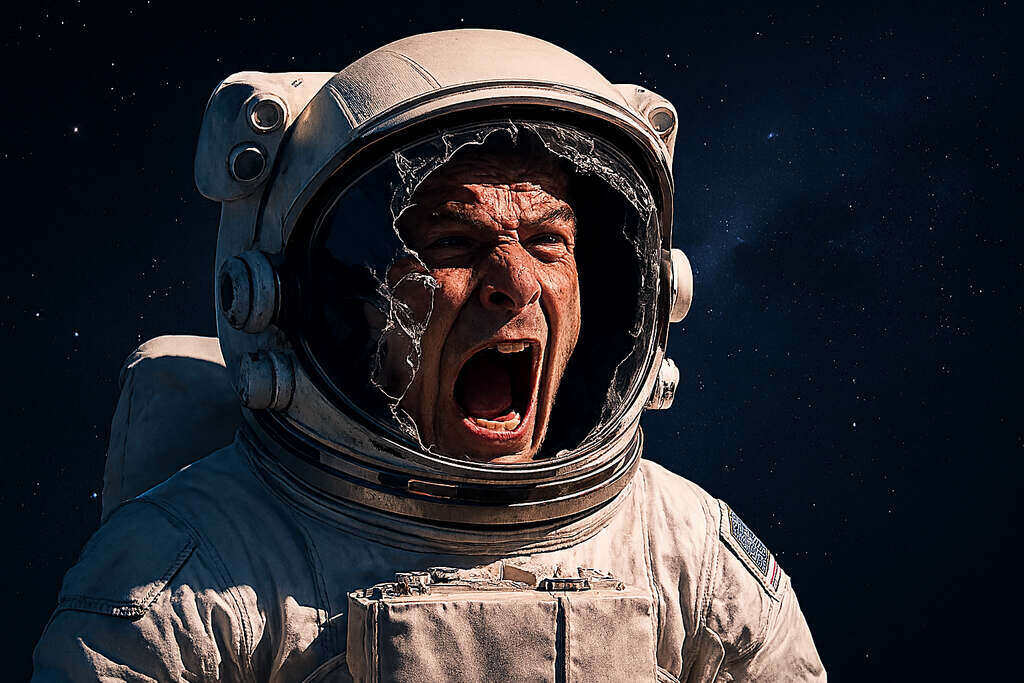
This famous tagline from the movie Alien is scientifically spot-on. Let’s picture it. You’re in a spacesuit, and a hole ruptures the helmet. Your last scream uses your lungs to vibrate the air inside your suit. That sound might travel through the suit material itself (a solid medium) for a moment.
But the second those vibrations hit the near-vacuum outside, they stop dead. There’s no medium to carry them to a friend floating nearby. They’d see the panic on your face, but your desperate scream would be lost the instant it left the confines of your suit’s atmosphere.
6. How Do Astronauts Communicate?
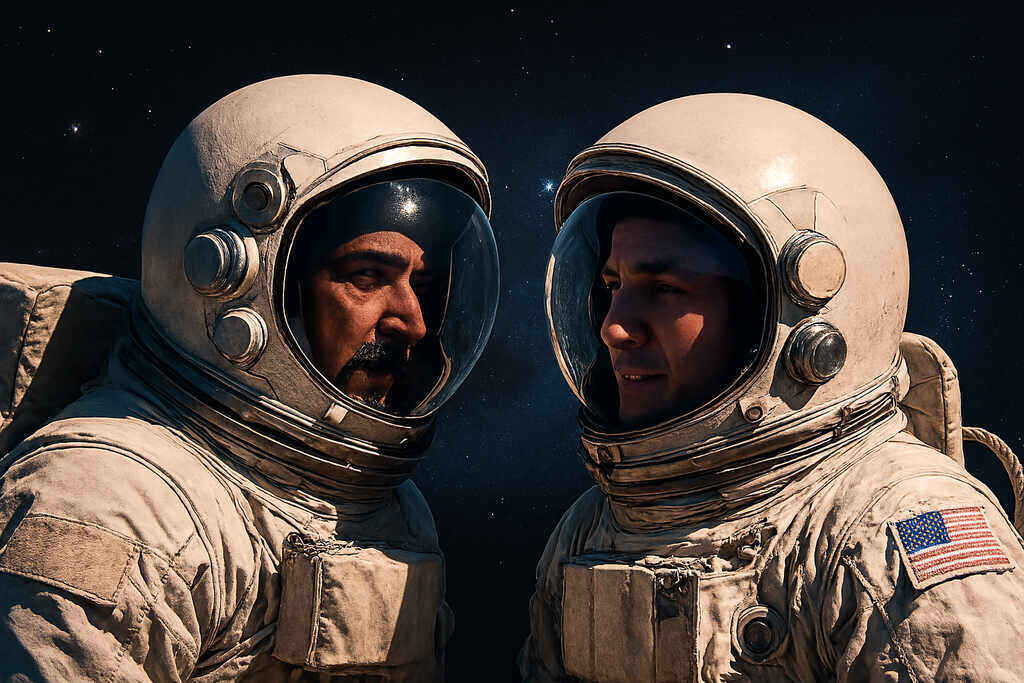
So, if sound can’t travel, how do astronauts talk on spacewalks? They use radio waves. Radio waves are electromagnetic waves, like light or X-rays. Crucially, these waves do not need a medium to travel. They can zip perfectly through the vacuum of space.
The astronaut’s microphone converts their spoken sound into an electrical signal, which is then sent via radio waves to the space station or another astronaut’s headset. There, it’s converted back into sound inside the helmet. The conversation happens electronically, bridging the silent gap that sound waves cannot cross.
7. Can Sound Travel on Other Planets?

Absolutely! Anywhere with an atmosphere (or another medium like liquid) can carry sound. The catch? It will sound different. Mars has a very thin atmosphere of carbon dioxide. Sound would travel more slowly there, and higher-pitched sounds might be almost inaudible over distance.
On a planet with a thick, dense atmosphere (like Venus, if you could survive the heat and pressure), sound would travel faster and farther. So, future Martian explorers will hear each other’s voices, but it will be eerily quiet, and a yell wouldn’t carry very far in the thin, alien air.
8. What About Sounds from Planets or Stars?
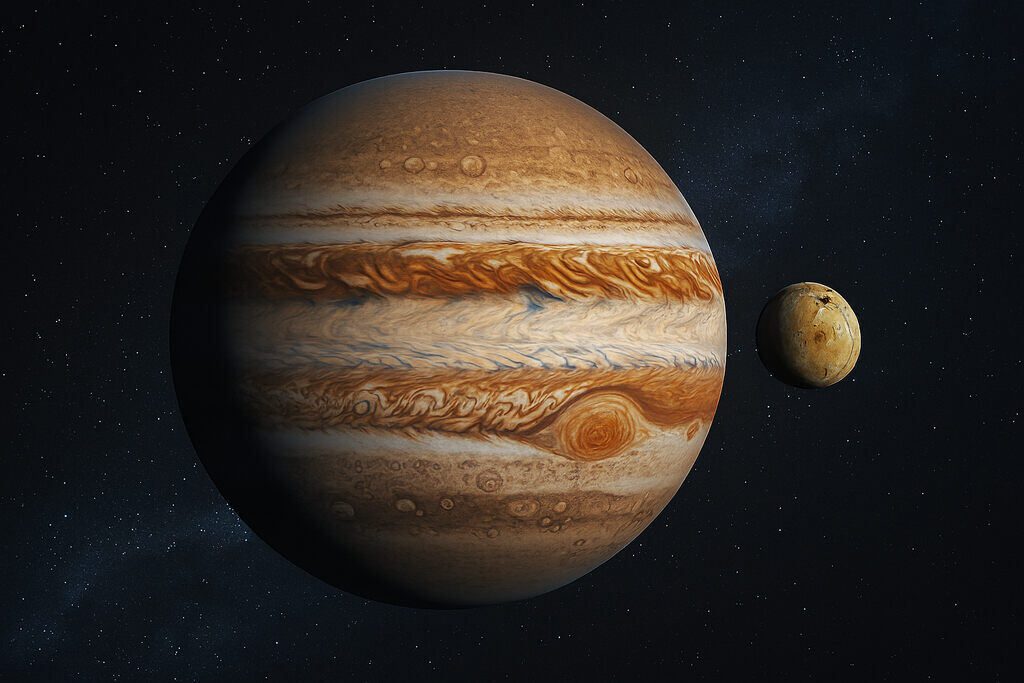
Planets and stars themselves don’t emit sound into space for the same reason: no medium. However, they emit other forms of energy we can detect and sometimes convert. For example, spacecraft have instruments that measure plasma waves and magnetic fields around planets.
Scientists can take this data and sonify it—shifting the frequencies into the range of human hearing so we can “listen” to the solar wind or Jupiter’s magnetosphere. It’s not sound that traveled to us; it’s a translation of data into audio, a beautiful example of using science to experience the universe in a new way.
9. The Myth of the “Big Bang” Sound
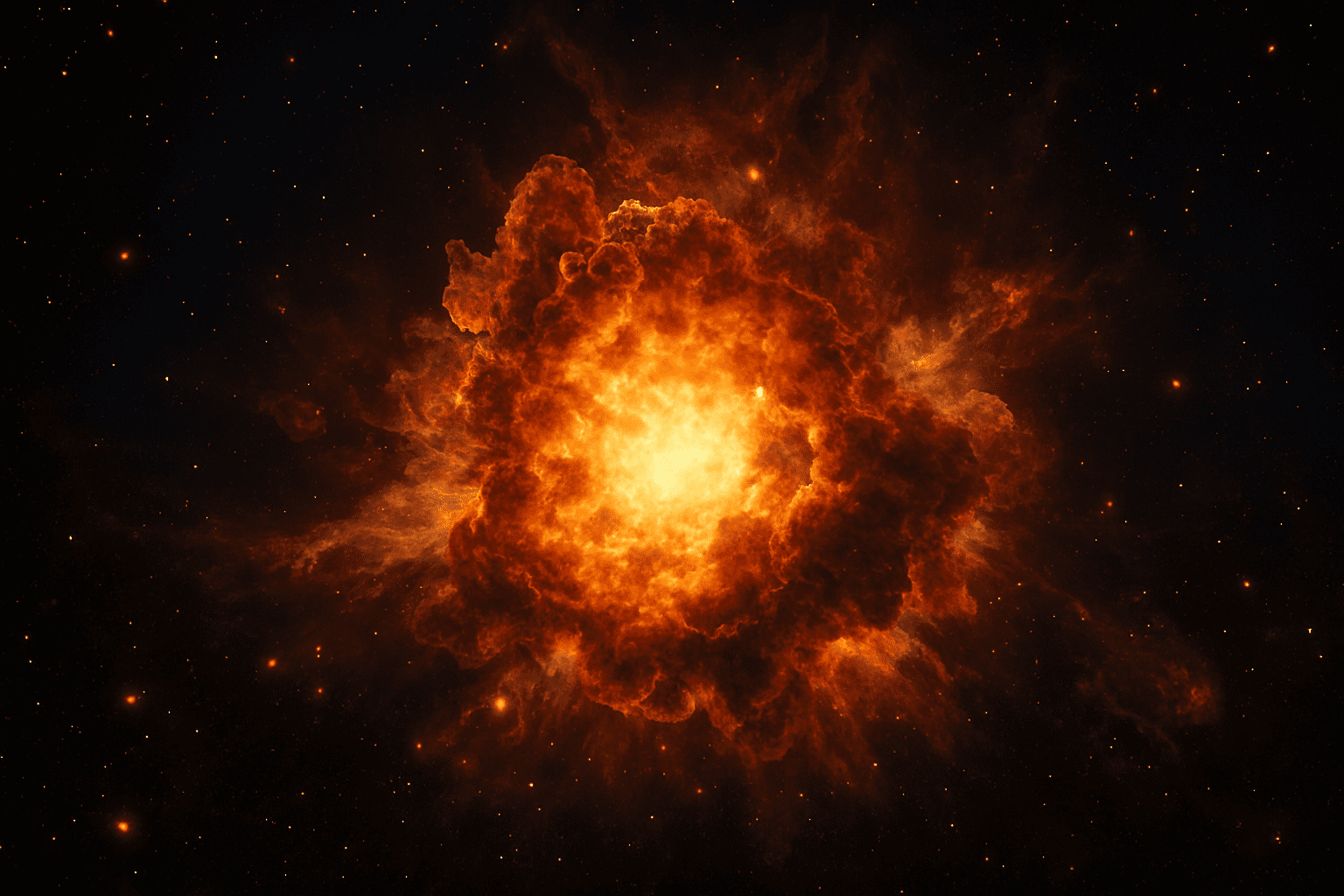
A common question: If the universe began with the Big Bang, what did it sound like? The answer is: there was no sound at the moment of the Big Bang. In the earliest, unimaginably dense state of the universe, there was no empty space for sound waves to travel through. Everything—energy, matter, space itself—was packed together.
Only about 380,000 years later, as the universe expanded and cooled into a hot, dense fluid of particles, could pressure waves move through it. Scientists have detected the imprint of these ancient pressure waves in the Cosmic Microwave Background—the afterglow of the Big Bang—and sonified that data for us.
10. Feeling Vibrations: The Solid Connection
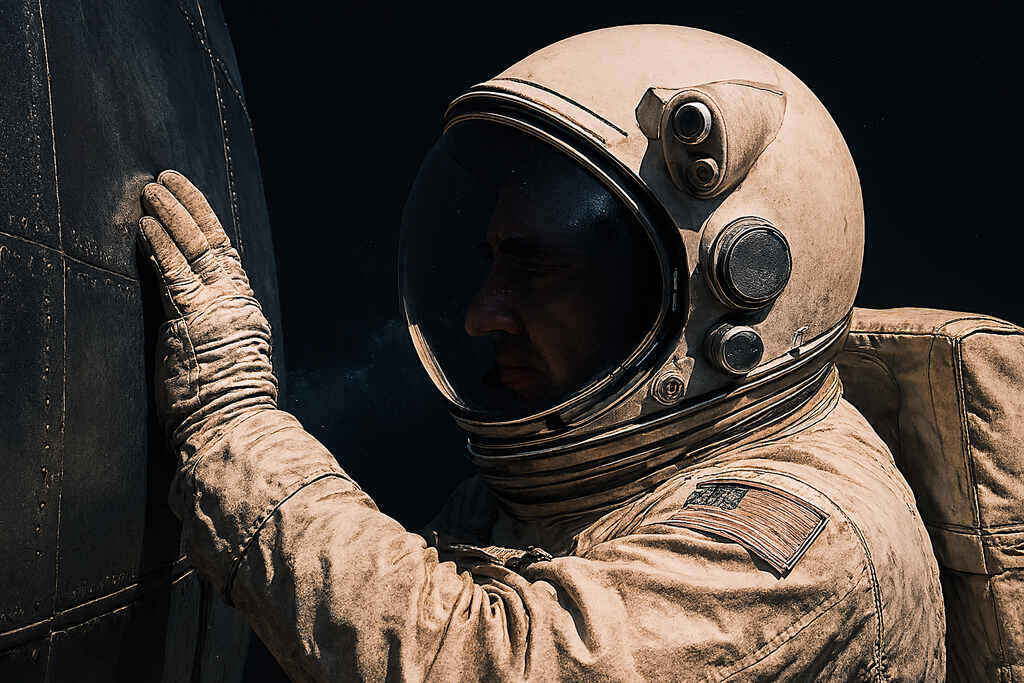
While you can’t hear sound in the vacuum of space, you could potentially feel it if you were in contact with a solid object. If you were floating while touching the hull of your spaceship, and something large hit the hull on the other side, the vibration could travel through the metal and into your body.
This is how sound travels through solids on Earth, like hearing footsteps through the floor. In space, this would feel more like a rumble or a shudder transmitted through your bones and suit, not a sound traveling through your ears. It’s a direct physical vibration, not a wave in the air.
11. Why Sci-Fi Movies Get It Wrong (And Why They Do It)
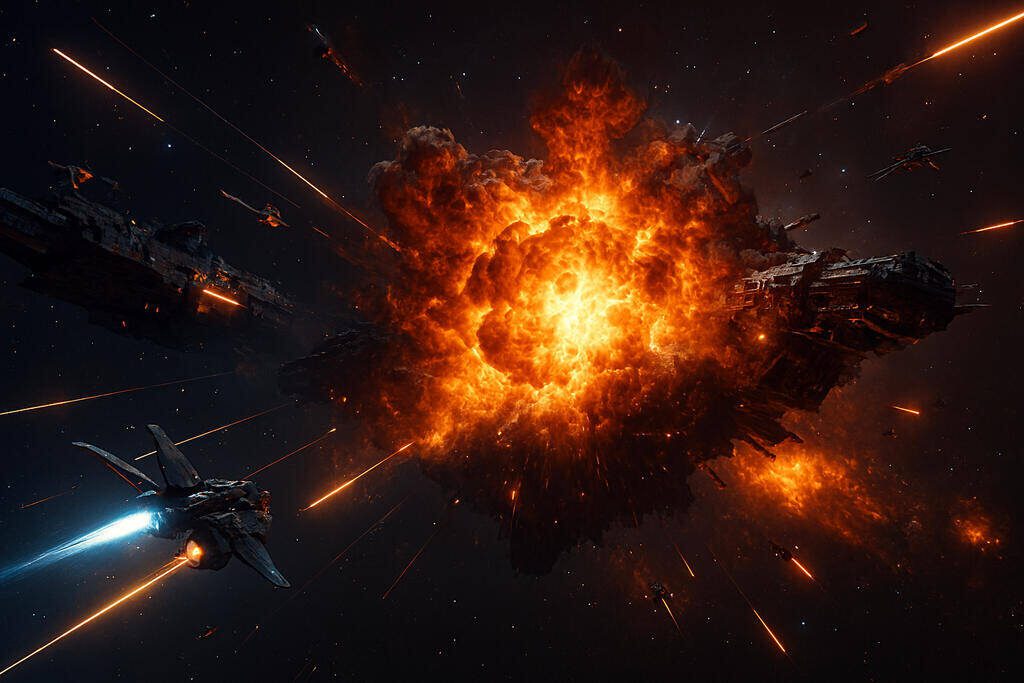
Almost every space battle movie is filled with roaring engines and thunderous explosions. This is a deliberate artistic choice, not ignorance. Filmmakers know it’s silent, but a completely silent battle would feel empty, confusing, and emotionally flat to an audience.
Sound is a powerful storytelling tool that conveys danger, power, and impact. Adding those roars and booms makes the scene relatable and thrilling. It’s a suspension of disbelief we gladly accept for entertainment, much like we accept musical scores in movies that characters supposedly can’t hear.
12. The Human Experience of Absolute Silence
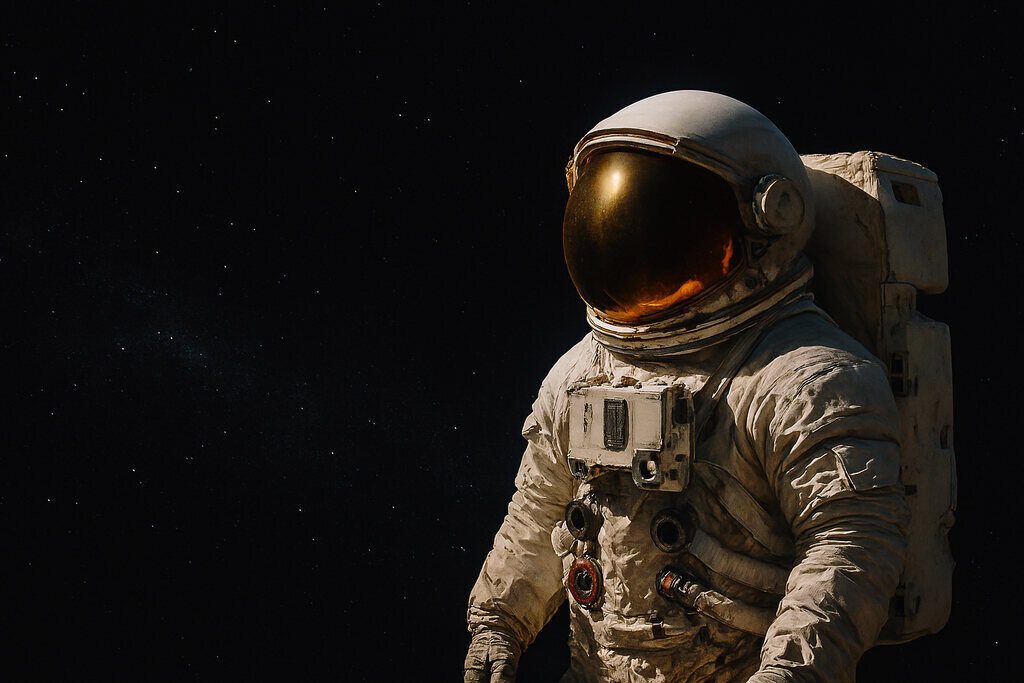
For humans, complete silence is almost unnatural and can be psychologically jarring. On Earth, even in a “silent” room, you hear your own breath, your heartbeat, and distant traffic. In the vacuum of space, outside a spacecraft, the silence would be absolute.
This profound quiet is something astronauts prepare for mentally. Inside the spacecraft, of course, there is constant noise from life support systems, computers, and crew—sounds carried perfectly well by the ship’s internal air. This ambient noise is often a comfort, a reminder of a functioning, livable environment.
13. How We “Listen” to the Universe Anyway
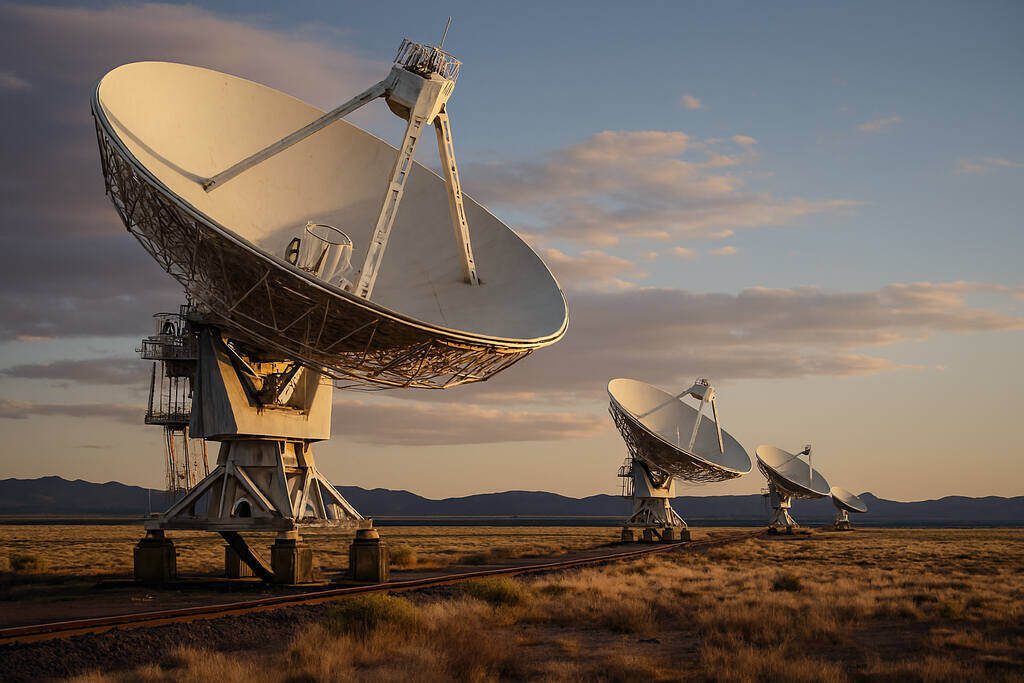
Since we can’t hear space directly, we use incredible technology to “listen” in other ways. Radio telescopes like the famous Arecibo or the VLA collect radio waves from space. These signals, emitted by stars, galaxies, and cosmic events, are often converted into audio formats we can hear.
The “sounds” of pulsars or the “hum” of the cosmic microwave background are famous examples. This practice, called sonification, is a vital scientific tool that helps researchers detect patterns in data they might miss with their eyes alone, giving us a new sense to explore the cosmos.
14. Practical Lessons from Space’s Silence

Understanding why sound can’t travel in space teaches us practical physics. It reinforces the concrete nature of waves and the importance of a medium. This principle applies on Earth, too: sound travels differently underwater (important for submarines and marine life studies) and through different ground materials (crucial for geology and earthquake detection). It reminds us that our senses are tailored to our specific environment on Earth. The universe operates by consistent rules, and by learning them, we learn more about our own planet and how to explore beyond it.
Conclusion: Embracing the Quiet Wonder

The silence of space isn’t a lack; it’s a testament to the universe’s stunning diversity. It forces us to explore with more than just our ears—with telescopes, radios, and our boundless curiosity. That quiet reminds us how special our noisy, air-filled Earth is. Every bird song, every conversation, every crash of a wave is a gift made possible by our unique atmosphere. So next time you hear a sound, appreciate the complex physics making it possible, and let it inspire you to learn more about the silent, magnificent cosmos waiting beyond.