
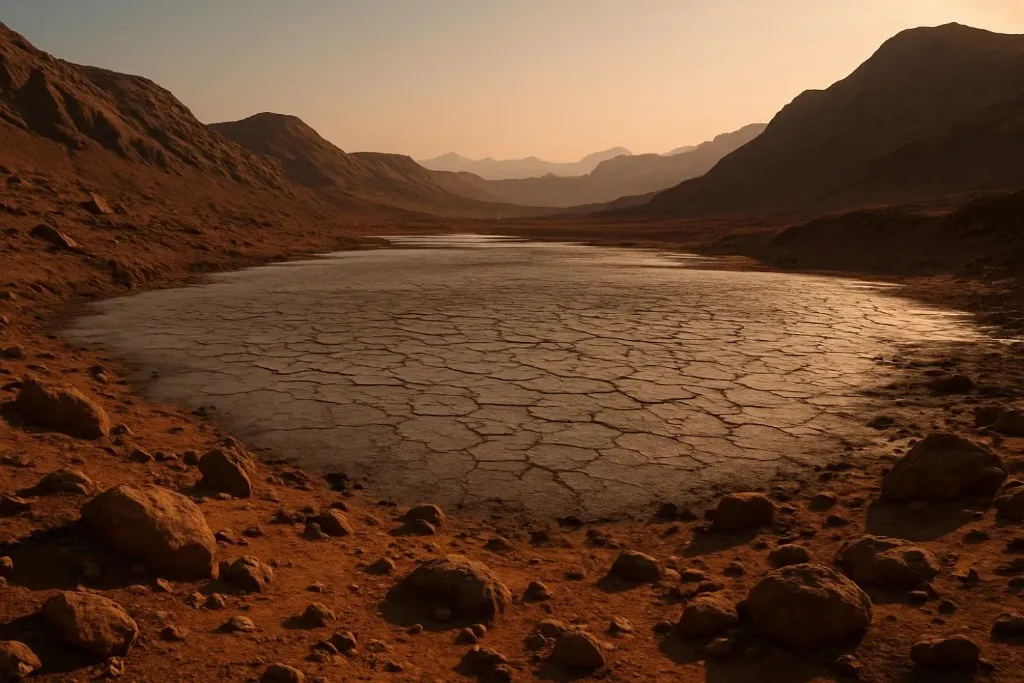
Mars has long fascinated humanity as the closest potentially habitable planet in our solar system. However, despite significant evidence pointing to the past existence of water, the red planet today appears dry, barren, and lifeless.
Understanding why Mars lacks liquid water on its surface involves exploring the planet’s unique environmental, geological, and atmospheric conditions. This question also sparks curiosity about whether Mars could one day support life again and how we might overcome these challenges in future exploration.
1. Low Atmospheric Pressure
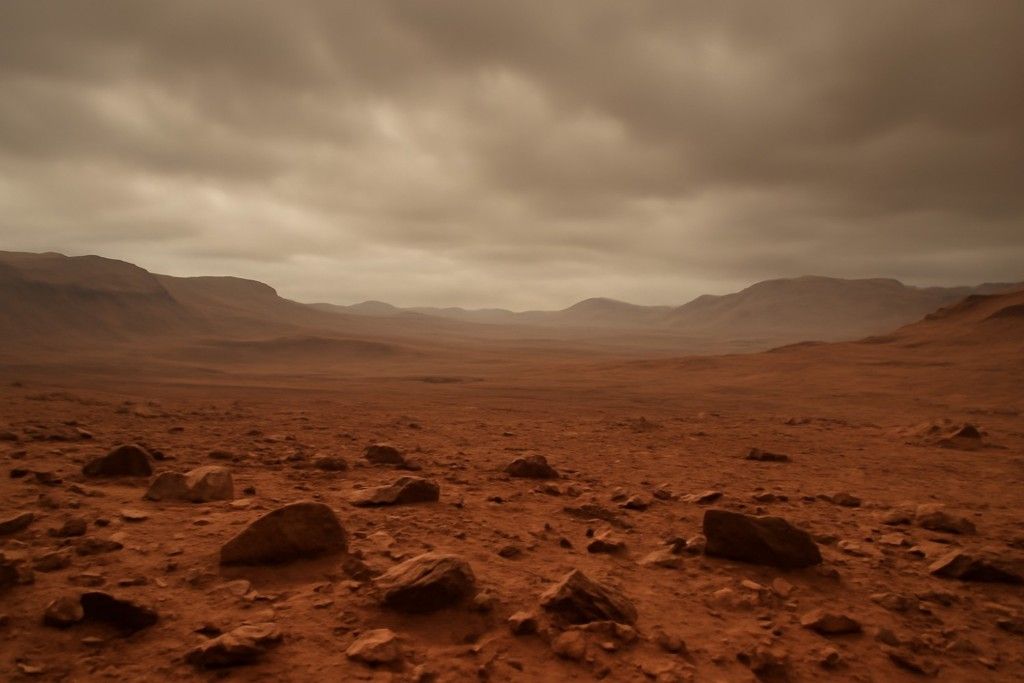
Mars has a very thin atmosphere, with only about 1% of Earth’s atmospheric pressure. This low pressure prevents liquid water from remaining stable on the surface. Water would either quickly evaporate or freeze due to the lack of sufficient pressure to keep it in a liquid state.
As the boiling point of water decreases with lower atmospheric pressure, Mars cannot sustain liquid water at its surface. Without a thick atmosphere, liquid water would constantly transition into vapor or ice, further hindering the possibility of water existing in a stable form on Mars today.
2. Lack of a Magnetic Field
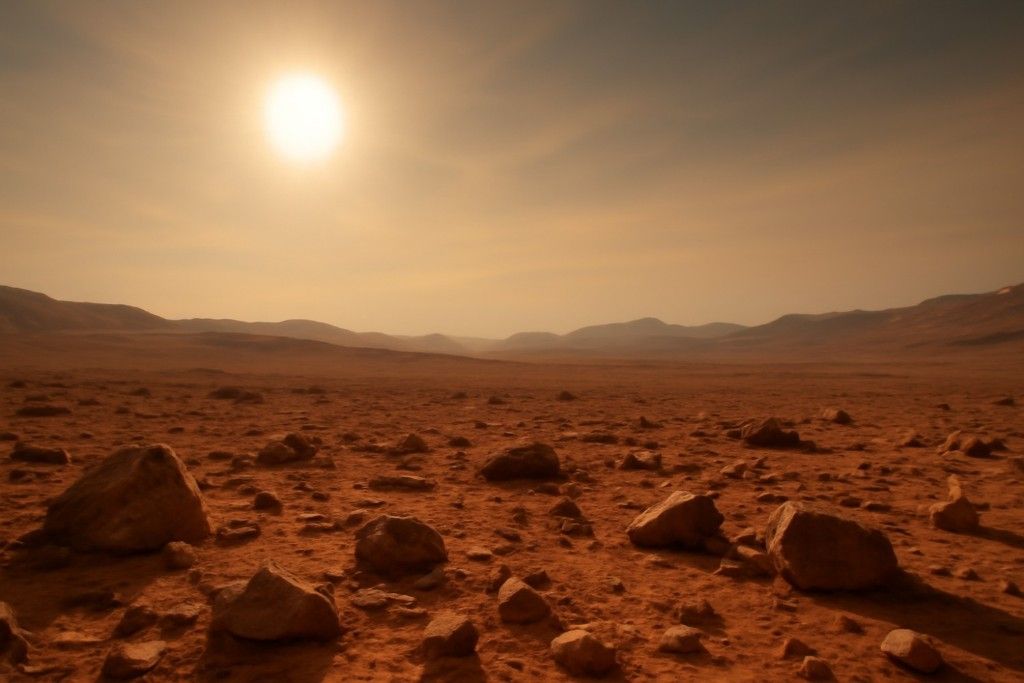
Earth’s magnetic field protects our atmosphere from being stripped away by solar winds, which carry charged particles from the Sun. Mars, however, lacks a global magnetic field, which makes it vulnerable to these solar winds. Over billions of years, these solar winds have gradually stripped Mars’ atmosphere of lighter elements, including water vapor.
With a thinner atmosphere, the planet’s ability to retain heat has diminished, causing Mars to become too cold to sustain liquid water. The absence of a magnetic field is, therefore, a critical factor in the planet’s current dry state.
3. Extreme Temperatures
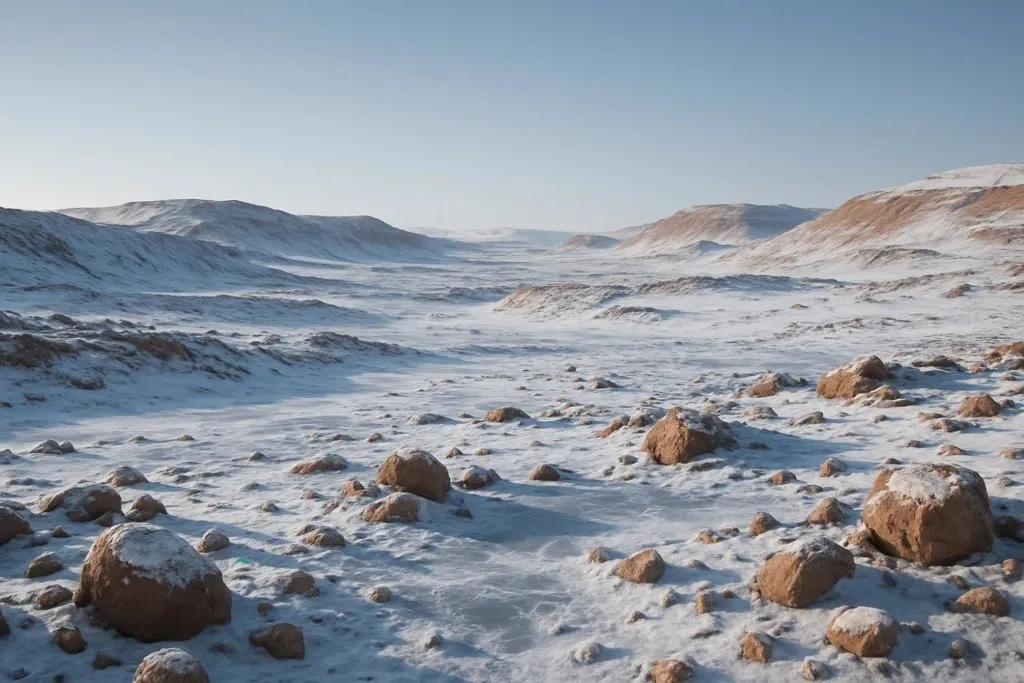
Mars is a frigid planet, with an average surface temperature of about -80°F (-60°C). In some regions, the temperature can plunge even further, reaching lows of -195°F (-125°C) at the poles during winter. Such extreme cold ensures that any water on the surface is either frozen into ice or sublimes directly into vapor.
The lack of warmth on Mars prevents liquid water from forming, as the freezing temperatures inhibit water from staying in its liquid state. This makes it impossible for the planet to support Earth-like conditions for liquid water or life as we know it.
4. Low Gravity
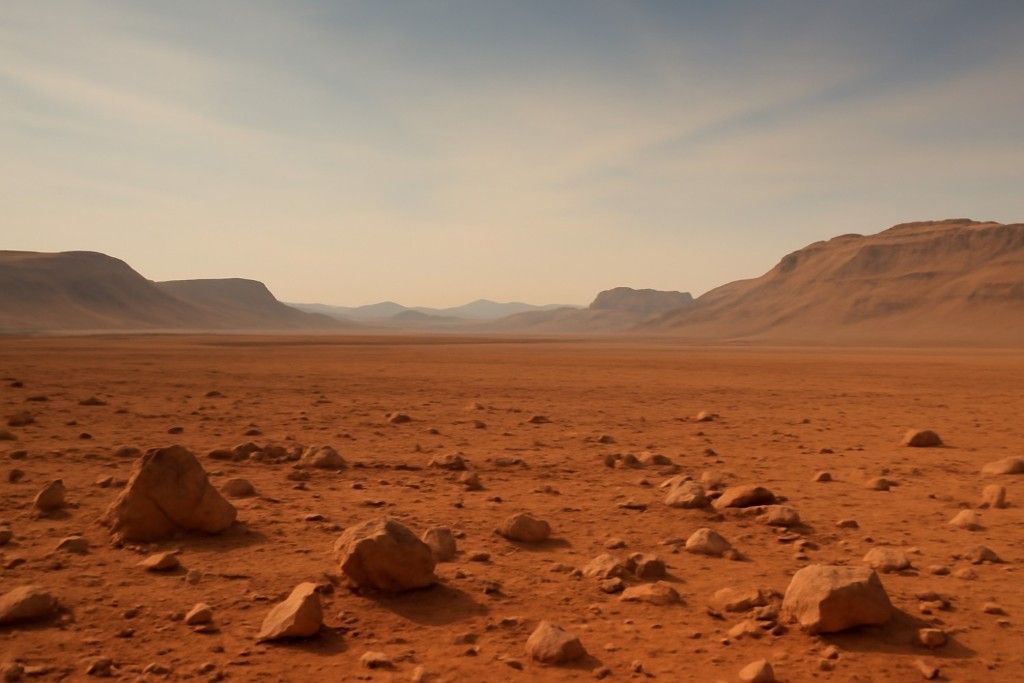
Mars has only 38% of Earth’s gravity, which is not strong enough to hold a dense atmosphere. Earth’s gravity allows it to maintain an atmosphere capable of supporting liquid water. In contrast, Mars’ weaker gravity means its atmosphere is thin, making it harder for gases like oxygen and carbon dioxide to stay in place.
The thin atmosphere further limits the planet’s ability to retain moisture, contributing to the scarcity of liquid water. Without sufficient atmospheric pressure, water cannot remain in its liquid form, and this further reinforces the inhospitable conditions for life on Mars.
5. Water Locked in Ice

Although liquid water is scarce on Mars, the planet does have significant water reserves in the form of ice. The Martian polar ice caps contain vast amounts of water ice, and traces of subsurface ice have been detected across various regions of the planet.
During winter, temperatures near the poles drop low enough for water vapor to freeze into ice. While this ice is a valuable resource, it is mostly inaccessible to human exploration and doesn’t contribute to the presence of liquid water. These frozen reserves are the only remaining forms of water on the Martian surface.
6. The Role of Ancient Rivers and Lakes
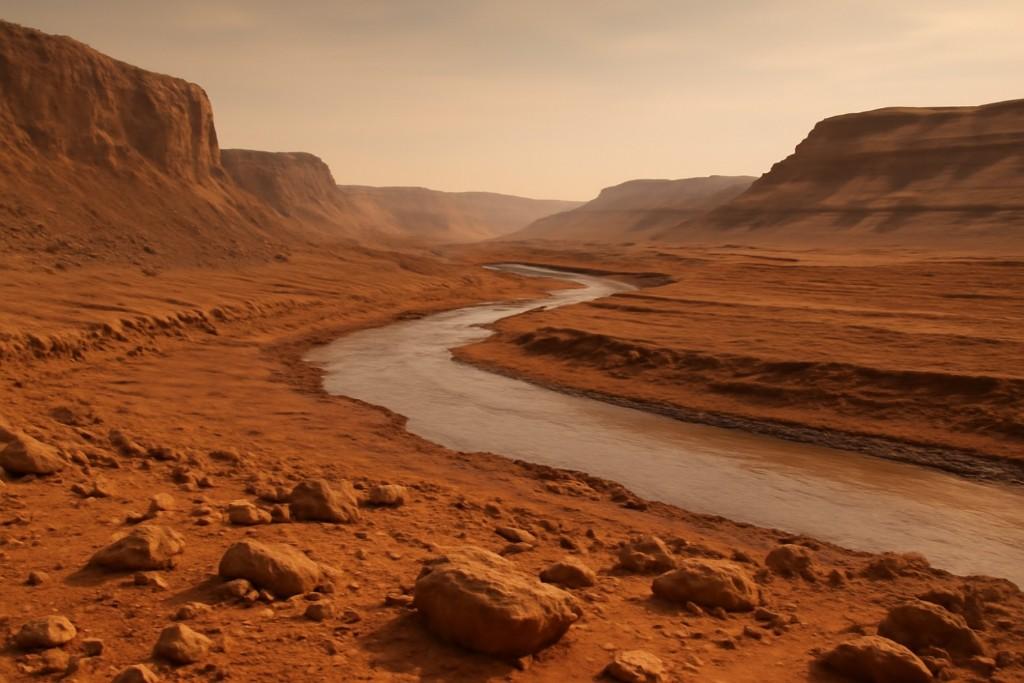
Mars was once a much warmer and wetter planet. Evidence from ancient riverbeds, valleys, and mineral deposits suggests that liquid water flowed across the surface in the distant past. These geological features indicate the presence of rivers, lakes, and possibly even oceans when the climate was more stable and conducive to liquid water. However, over billions of years, Mars’ climate has drastically changed, causing the planet’s water to evaporate into space or freeze into ice, leaving behind only geological remnants of its once watery past.
7. Atmospheric Composition
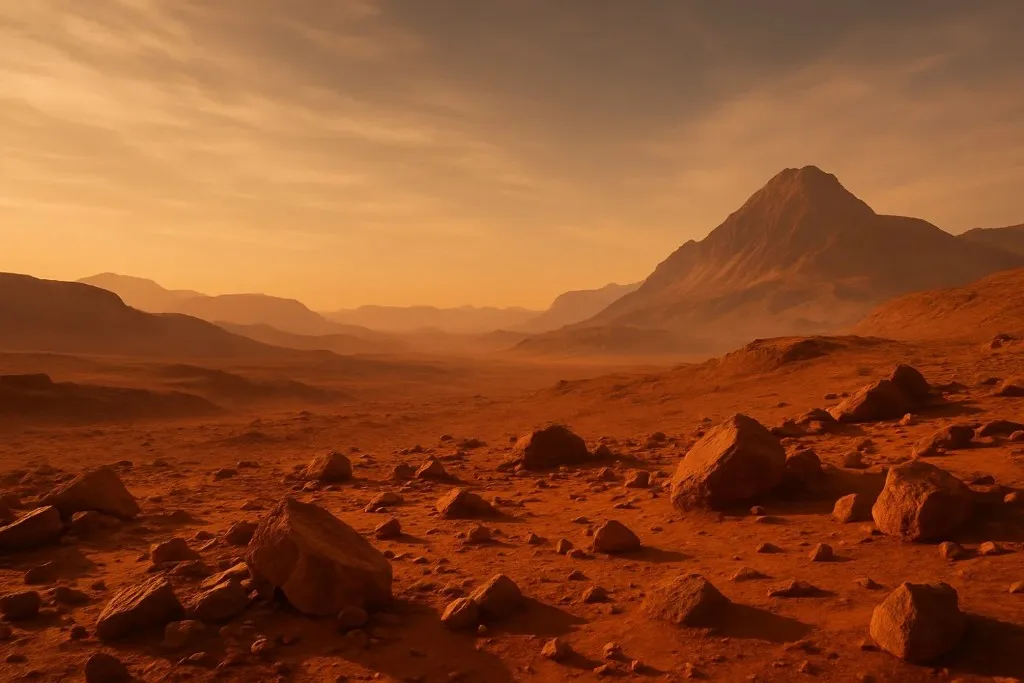
The Martian atmosphere is composed mostly of carbon dioxide (CO2), with traces of nitrogen and argon. Unlike Earth’s atmosphere, which is rich in oxygen and nitrogen, Mars’ atmosphere lacks the necessary ingredients to support liquid water.
The thick layers of CO2 on Mars create a weak greenhouse effect that is insufficient to warm the planet to the necessary temperatures for water to exist in a liquid state. Without the right atmospheric balance, the Martian surface is unable to retain sufficient warmth, further contributing to the planet’s lack of liquid water.
8. The Role of Volcanism
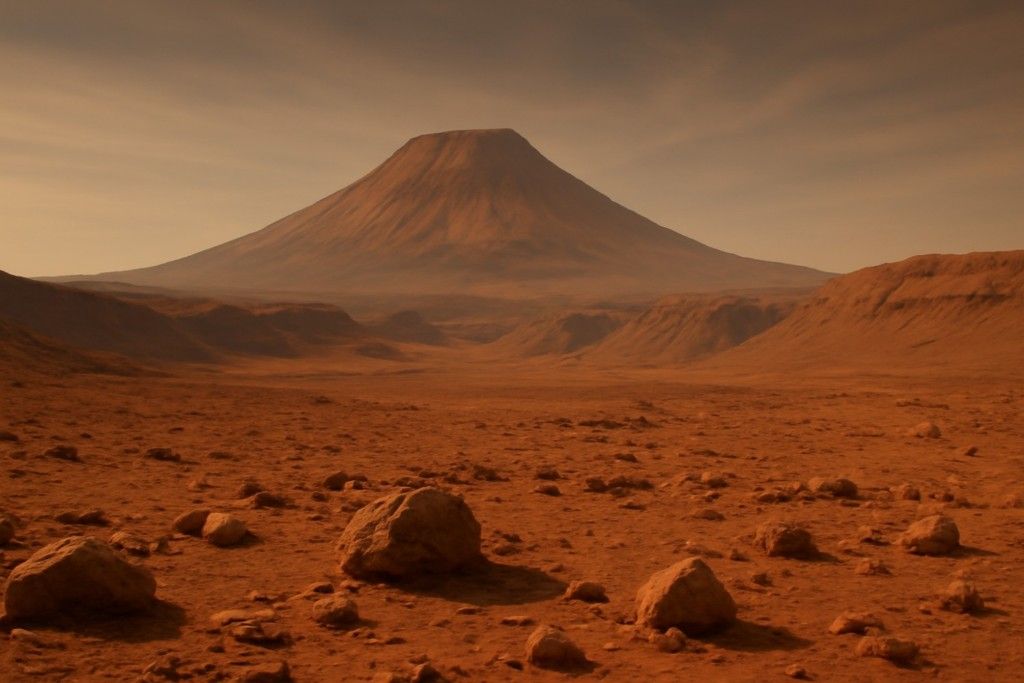
In Mars’ early history, volcanic activity played a significant role in shaping its climate. Volcanic eruptions would have released large amounts of carbon dioxide into the atmosphere, which could have created a greenhouse effect and helped warm the planet.nThis warming could have allowed water to exist in liquid form.
However, as volcanic activity declined over time, Mars’ atmosphere thinned, leading to a cooler and drier climate. Without the continuous volcanic activity to replenish atmospheric gases, Mars gradually became inhospitable to liquid water, contributing to the current dry conditions.
9. Mars’ Water Cycle
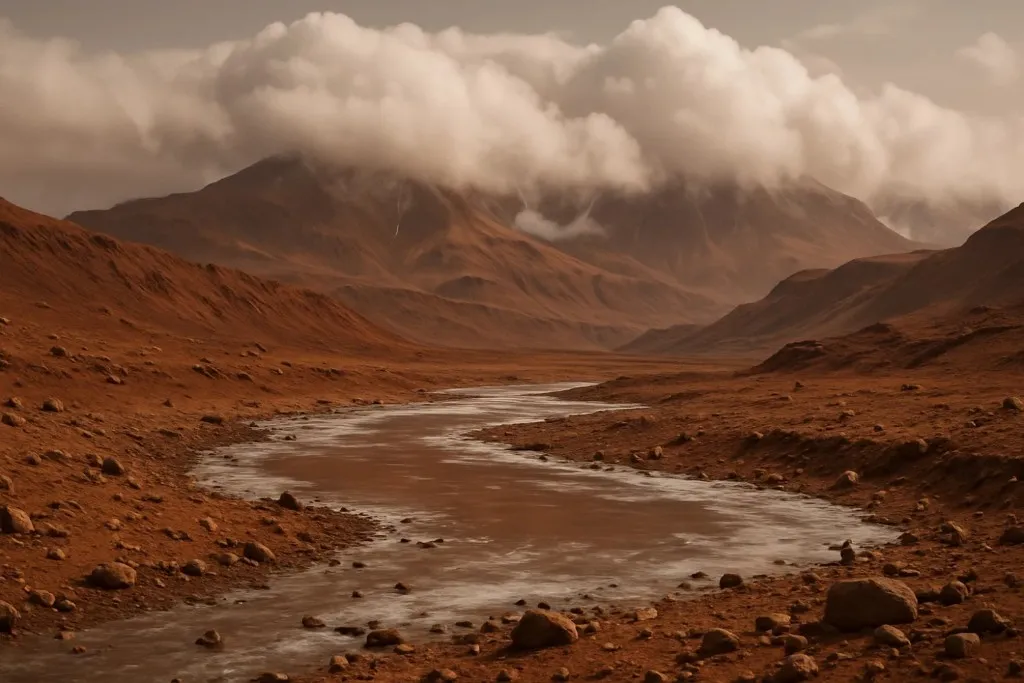
While Mars may have once had a water cycle similar to Earth’s, today the planet lacks a functional water cycle that can support liquid water. In the past, liquid water on Mars may have evaporated into the atmosphere, formed clouds, and precipitated as rain or snow.
Today, however, the low atmospheric pressure and freezing temperatures prevent this cycle from operating effectively. Water vapor on Mars quickly condenses and freezes, while any liquid water is either trapped beneath the surface or evaporates into space, making a traditional water cycle impossible.
10. Solar Winds Stripping Away Water
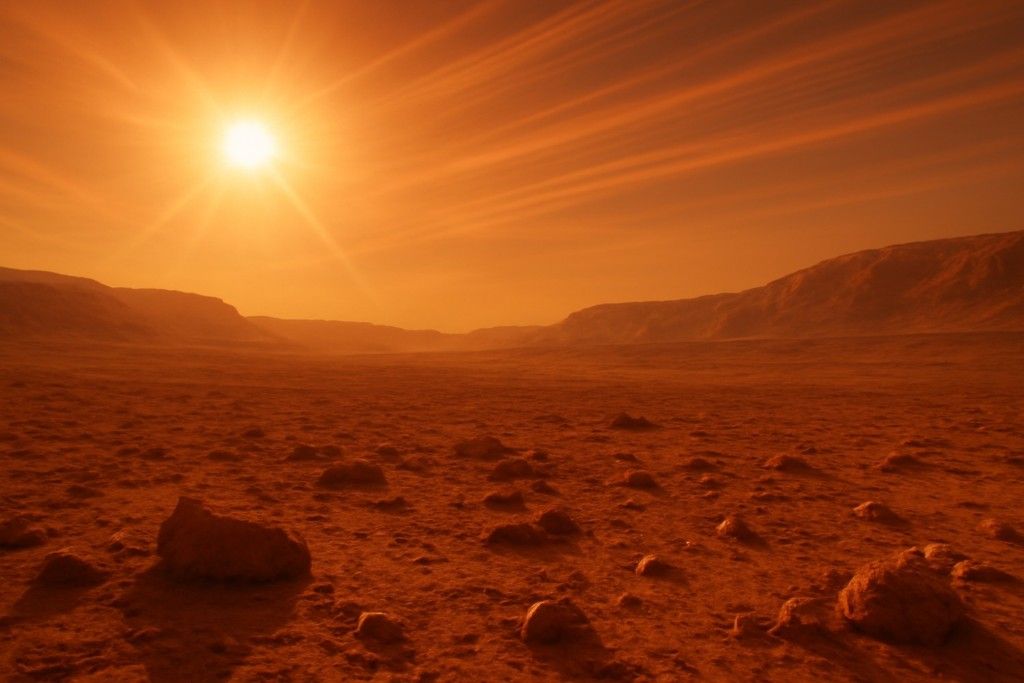
Solar winds, which are streams of charged particles from the Sun, have had a significant impact on Mars’ atmosphere. Without a magnetic field to protect it, Mars is vulnerable to these winds, which strip away lighter molecules like hydrogen and oxygen.
This gradual loss of the atmosphere has made it increasingly difficult for Mars to retain water vapor. Over millions of years, this process has contributed to the drying out of the planet, and much of the water that may have once existed has been lost to space due to the effects of solar wind.
11. Evidence of Subsurface Water
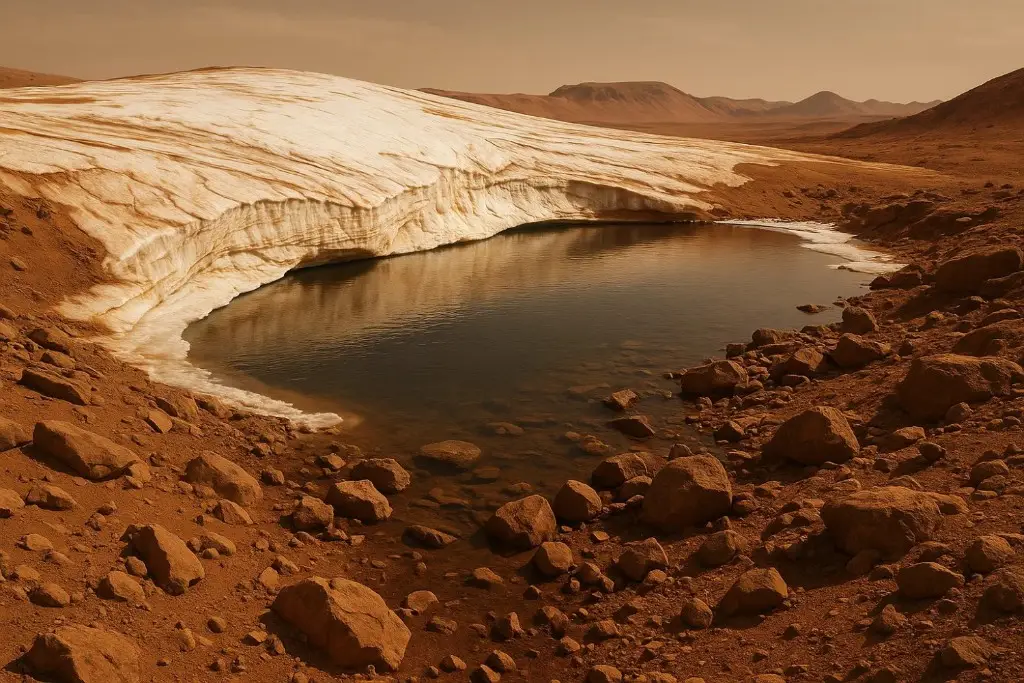
While liquid water may no longer be present on the Martian surface, there is compelling evidence suggesting that it may exist underground. Researchers have detected signs of liquid water beneath Mars’ polar ice caps, with radar signals pointing to possible subsurface lakes.
These findings suggest that conditions beneath the surface could allow liquid water to persist, possibly due to the insulation provided by the ice and the pressure beneath the surface. If these underground water reserves are confirmed, they could be crucial for future exploration and colonization of Mars.
12. The Impact of Mars’ Early Evolution
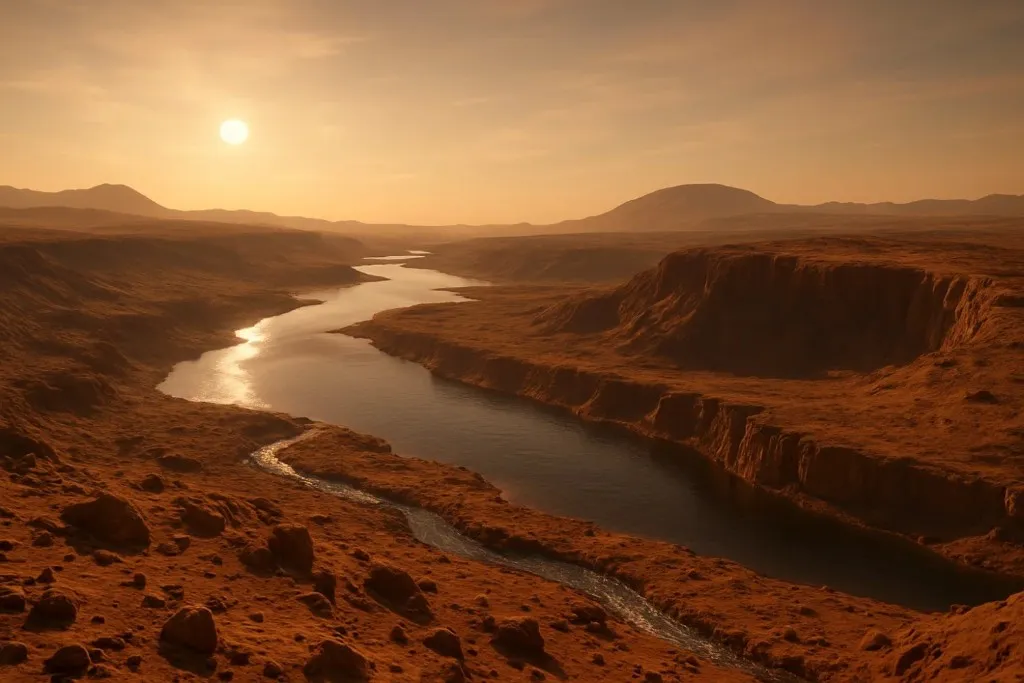
Mars was likely once similar to Earth in its early history, with a thicker atmosphere and a stable climate that could have supported liquid water. During this time, the planet may have had flowing rivers, lakes, and a more temperate climate.
However, as Mars evolved, volcanic activity slowed, and the planet’s magnetic field faded, leading to a gradual loss of its atmosphere. Over time, this led to a much colder and drier climate, ultimately preventing liquid water from remaining on the surface, resulting in the arid conditions we see today.
13. Mars’ Dry Soil
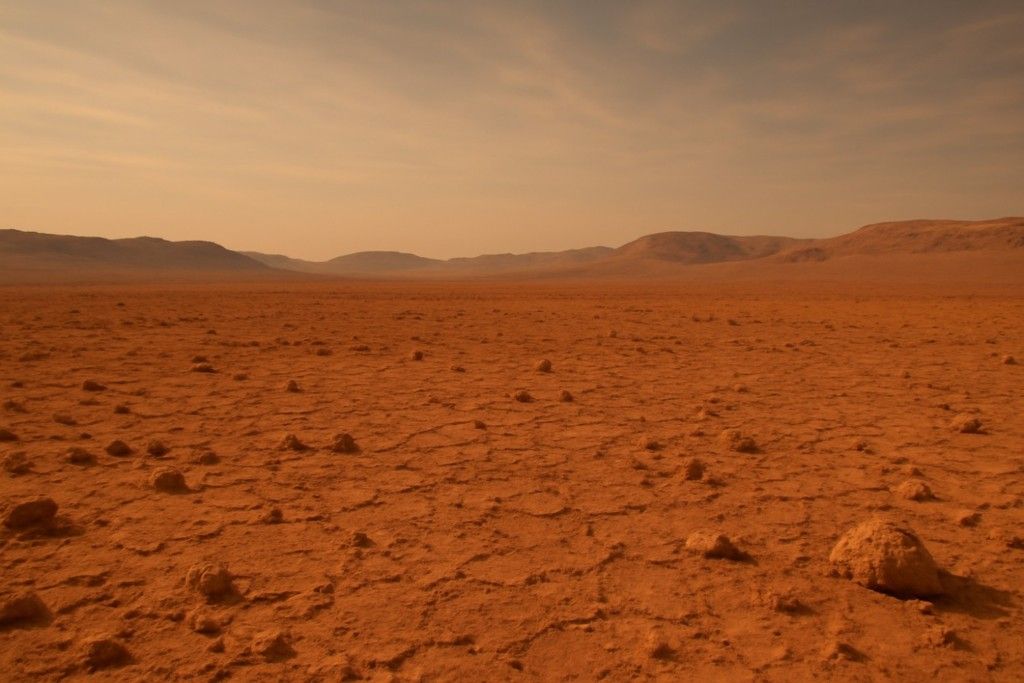
Mars’ surface is covered with regolith, a type of soil that is rich in minerals capable of binding with water. This hygroscopic soil draws moisture out of the atmosphere and locks it in the form of hydrated minerals, further preventing the presence of liquid water.
While these minerals are evidence that water may have interacted with Mars’ surface in the past, the planet’s soil is not conducive to sustaining liquid water today. The soil’s composition traps water in its mineral form, making it unavailable for use in its liquid state.
14. The Role of Dust Storms
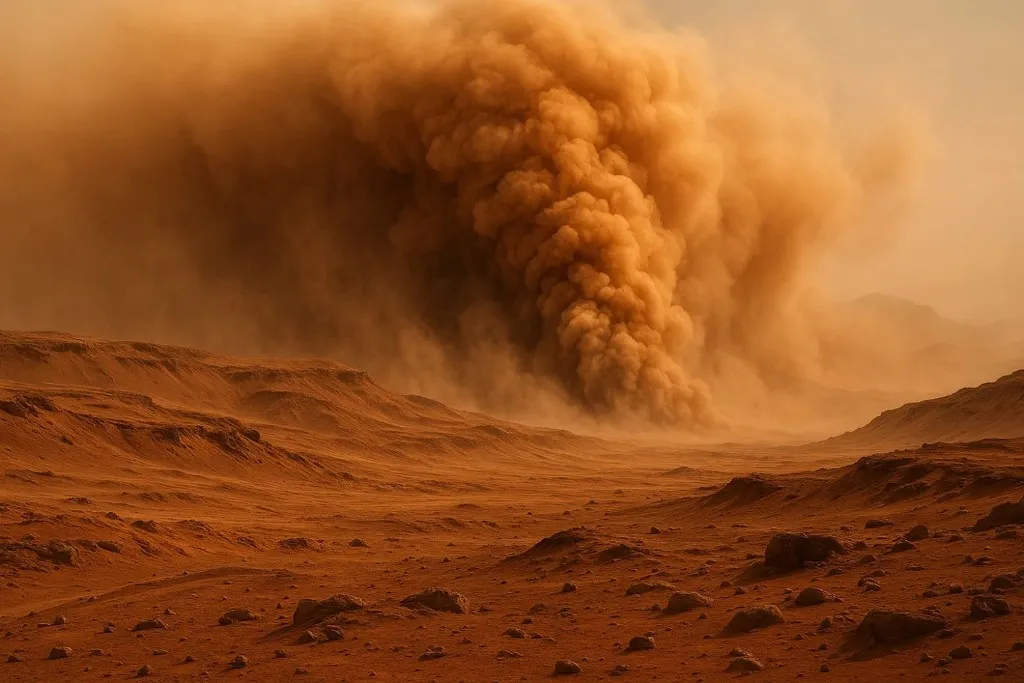
Dust storms are common on Mars, and they can cover vast regions of the planet for weeks or even months. These storms have a significant impact on the Martian climate by reducing sunlight, cooling temperatures, and causing fluctuations that can freeze any water vapor present in the atmosphere.
Additionally, the dust can alter the planet’s albedo, affecting heat distribution and further inhibiting the presence of liquid water. The constant occurrence of dust storms contributes to the planet’s dry environment and prevents the stabilization of liquid water on its surface.
15. The Search for Water on Mars
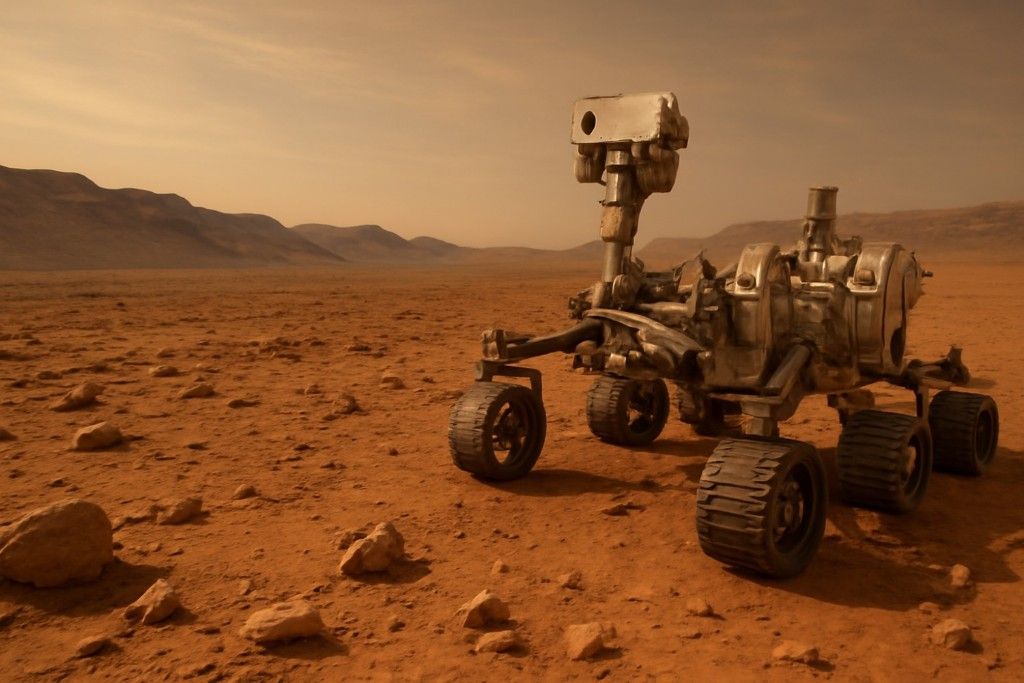
Despite the challenges of liquid water on the surface, scientists continue to search for signs of water on Mars. NASA’s Perseverance rover and the Mars Reconnaissance Orbiter are exploring the planet’s surface and subsurface to detect traces of water.
Recent discoveries, such as the detection of frozen water reserves and potential subsurface lakes, suggest that Mars might still hold secrets related to water. These ongoing missions aim to determine whether liquid water once existed in abundance and whether it could exist again in certain regions of Mars in the future.