

Modern engineers are no longer defined solely by technical calculations or drafting tables. They combine scientific knowledge, digital fluency, ethical judgment, and cross-disciplinary collaboration to solve real-world problems at scale. From designing sustainable infrastructure to building intelligent software systems, modern engineers work at the intersection of technology, society, and the environment. Their role evolves continuously with advances in automation, data, and global connectivity, making adaptability and lifelong learning just as important as core engineering fundamentals.
1. Problem Solvers Using Science and Creativity
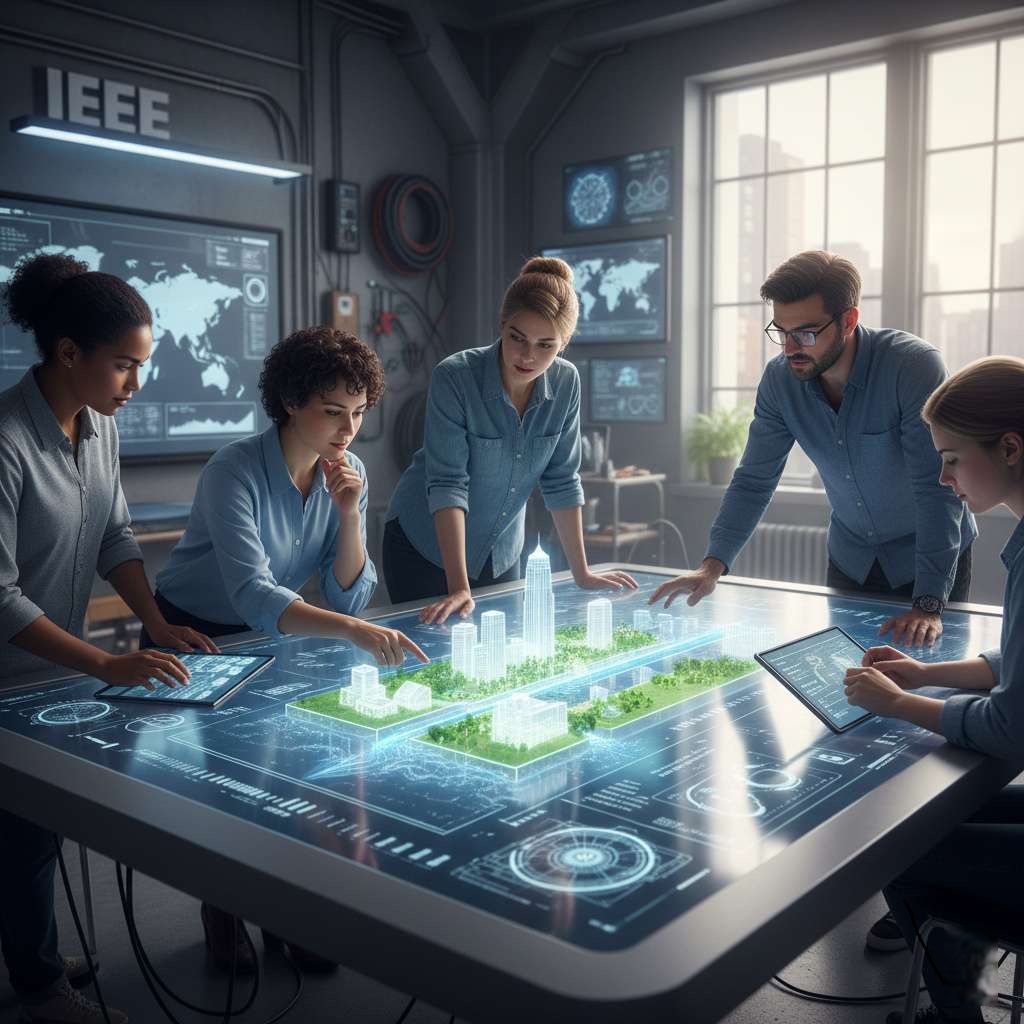
Modern engineers are fundamentally problem solvers who apply scientific principles with creativity to design practical solutions. Unlike traditional roles focused on fixed formulas, today’s engineers tackle open-ended challenges such as climate resilience, smart cities, and scalable digital platforms. For example, a civil engineer may combine physics with data modeling to design flood-resistant infrastructure. This blend of logic and innovation distinguishes modern engineering from purely theoretical science. Organizations like the IEEE emphasize problem-solving as a core competency in engineering practice.
2. Multidisciplinary Thinkers
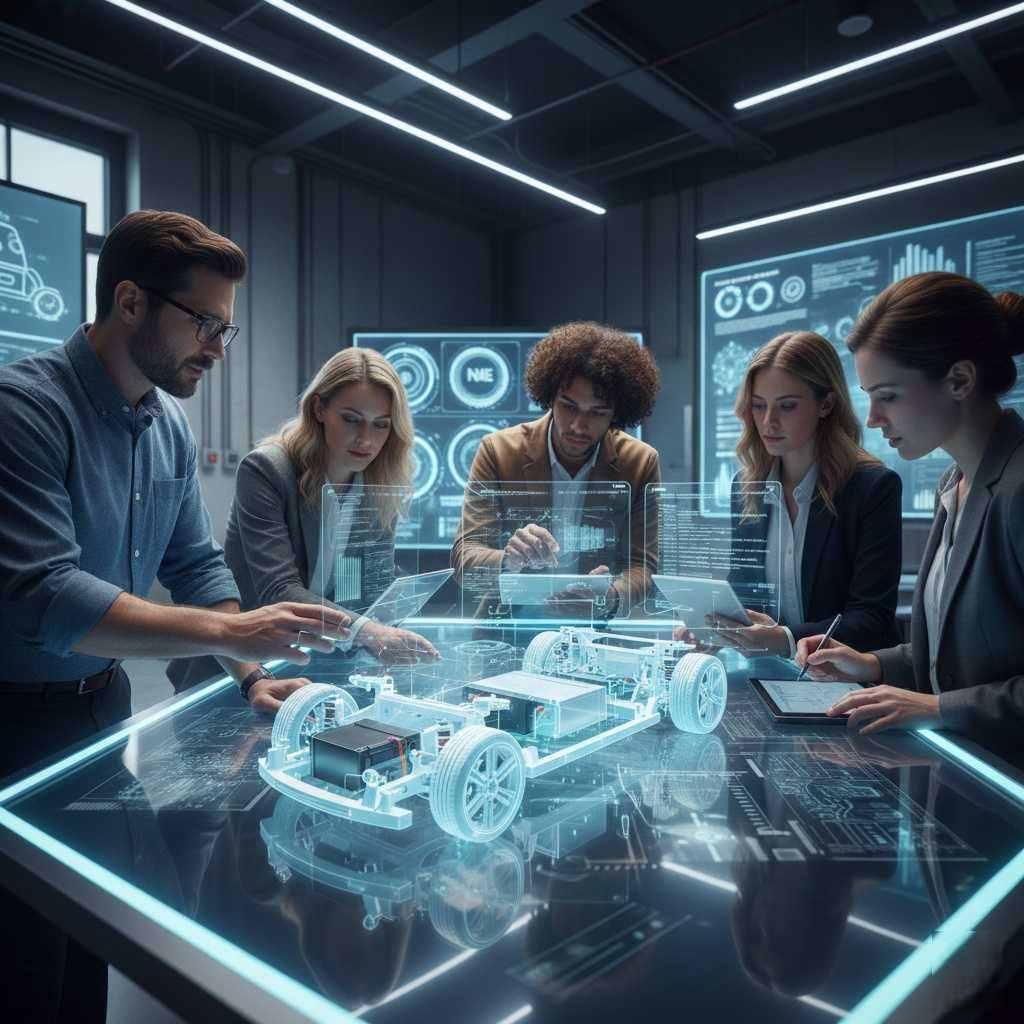
The definition of modern engineers includes the ability to work across disciplines. Mechanical engineers now collaborate with software developers, data scientists, and designers to build integrated systems. A good example is electric vehicle development, where mechanical, electrical, and computer engineers work together. This multidisciplinary approach improves efficiency and innovation while reducing design flaws. The National Academy of Engineering highlights cross-disciplinary collaboration as essential for addressing complex global challenges.
3. Technology-Driven Innovators

Modern engineers actively use advanced technologies such as artificial intelligence, simulation software, and automation tools. These tools allow faster prototyping, predictive maintenance, and data-driven decision-making. For instance, manufacturing engineers use digital twins to test processes virtually before real-world deployment. Compared to older manual methods, this reduces cost and error rates significantly. Institutions like MIT Engineering regularly publish research on how emerging technologies redefine engineering roles.
4. Ethical and Responsible Professionals

Ethics is a defining element of modern engineers. Decisions now have social, environmental, and privacy implications. Software engineers must consider data protection, while structural engineers must prioritize public safety over cost-cutting. Professional bodies such as ASME and IEEE publish ethical codes to guide responsible engineering practice. Compared to earlier eras, ethical accountability is more formalized and globally recognized today.
5. Sustainability-Focused Designers

Sustainability is central to how modern engineers are defined. Engineers design energy-efficient buildings, renewable energy systems, and low-waste manufacturing processes. For example, environmental engineers assess lifecycle impacts rather than just initial performance. This shift contrasts with older practices that focused mainly on functionality. The United Nations actively collaborates with engineers to achieve sustainable development goals (SDGs).
6. Data-Literate Decision Makers

Modern engineers rely heavily on data analysis to guide decisions. Whether optimizing traffic flow or improving product reliability, data-driven engineering improves accuracy and predictability. Industrial engineers, for example, use real-time analytics to reduce downtime in factories. Compared to intuition-based approaches, data-backed methods offer measurable performance gains. The World Economic Forum identifies data literacy as a critical engineering skill for the modern workforce.
7. Continuous Learners

The rapid pace of technological change defines modern engineers as lifelong learners. Skills can become outdated within years, making continuous education essential. Engineers now regularly upskill through online courses, certifications, and professional training. For instance, electrical engineers may learn machine learning to stay relevant. Platforms supported by institutions like Coursera and edX partner with top universities to support ongoing engineering education.
8. Global Collaborators

Modern engineers often work in globally distributed teams. Cloud platforms, version control systems, and virtual communication tools enable collaboration across countries and time zones. A software product may be designed in one country, tested in another, and deployed worldwide. This global mindset contrasts with earlier, location-bound engineering roles. Organizations such as ISO help standardize practices so engineers can collaborate effectively worldwide.
9. User-Centered Designers

User experience is now part of the modern engineer’s definition. Engineers consider usability, accessibility, and human behavior alongside technical performance; for example, biomedical engineers design devices that are easy for patients and clinicians to use, not just technically accurate. This human-centered approach reduces errors and improves adoption. The Interaction Design Foundation documents how engineering increasingly overlaps with user-centered design principles.
10. Agents of Social Impact

Modern engineers contribute directly to social progress. From clean water systems to affordable housing technologies, engineering solutions now aim for measurable social impact. Compared to profit-only models, impact-driven engineering balances economic viability with community benefit. Humanitarian engineering programs supported by Engineers Without Borders demonstrate how modern engineers apply skills to real-life challenges in underserved regions.