
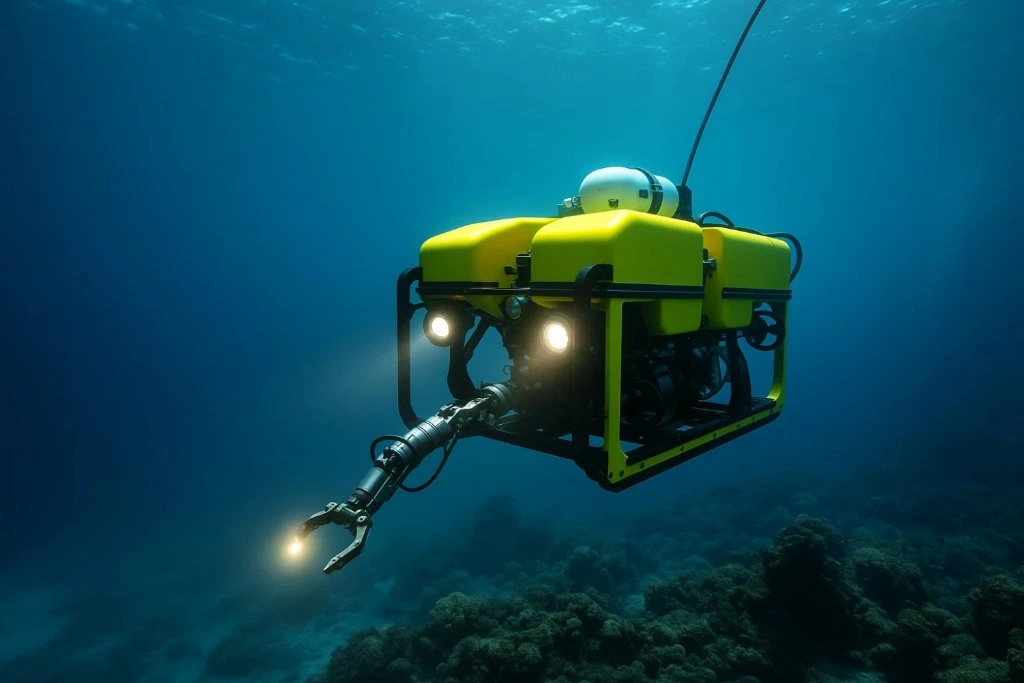
The depths of the oceans have long been a frontier for mystery and discovery, yet reaching these remote and often treacherous environments has historically been a challenge. Traditional methods of exploration have been limited by human and technological constraints. However, the rise of underwater robotics has transformed how we explore the depths, making it safer, more efficient, and more cost-effective.
These robots, equipped with advanced sensors and tools, are pushing the boundaries of oceanic research, uncovering unknown ecosystems, and assisting in important scientific and industrial endeavors. Here are 15 ways underwater robotics is changing ocean exploration.
1. Autonomous Underwater Vehicles (AUVs)

Autonomous Underwater Vehicles (AUVs) operate independently, making them crucial for ocean exploration. They collect vital data such as ocean temperature, salinity, and currents. AUVs, like the REMUS 6000, can reach depths of 6,000 meters and are deployed for various tasks, including environmental monitoring and underwater mapping.
Unlike manned vehicles, AUVs can work autonomously for extended periods, collecting large amounts of data without requiring constant human supervision. This increases efficiency and allows for detailed exploration of hard-to-reach areas. AUVs have been instrumental in gathering data on deep-sea ecosystems and mapping unexplored regions of the ocean floor, which was previously challenging and costly.
2. Remote Operated Vehicles (ROVs)
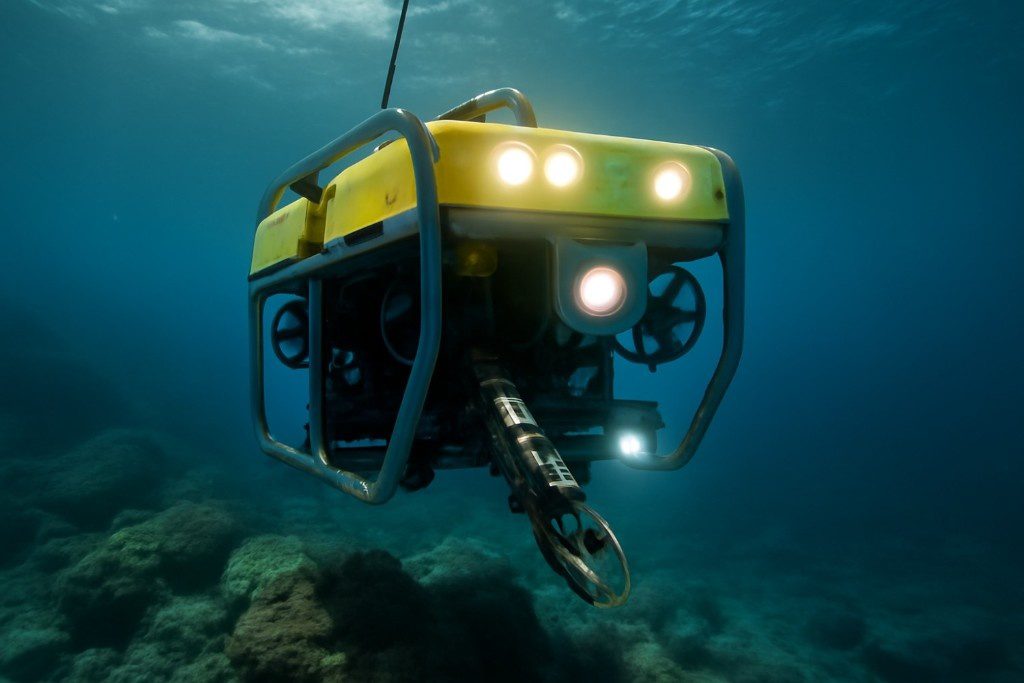
Remote Operated Vehicles (ROVs) are tethered robots operated from a surface vessel. These robots are indispensable for tasks like underwater infrastructure inspection, research, and environmental monitoring. An example is the Nautilus, used for deep-sea exploration and live-streaming marine life in real-time.
ROVs come equipped with cameras, robotic arms, and sensors to collect environmental data and perform physical tasks such as sampling or maintenance. Their ability to operate at great depths makes them ideal for investigating submerged shipwrecks, damaged pipelines, or unexplored ecosystems. ROVs are a reliable tool for both scientific research and industrial operations in the deep ocean.
3. Deep-Sea Mapping and Data Collection
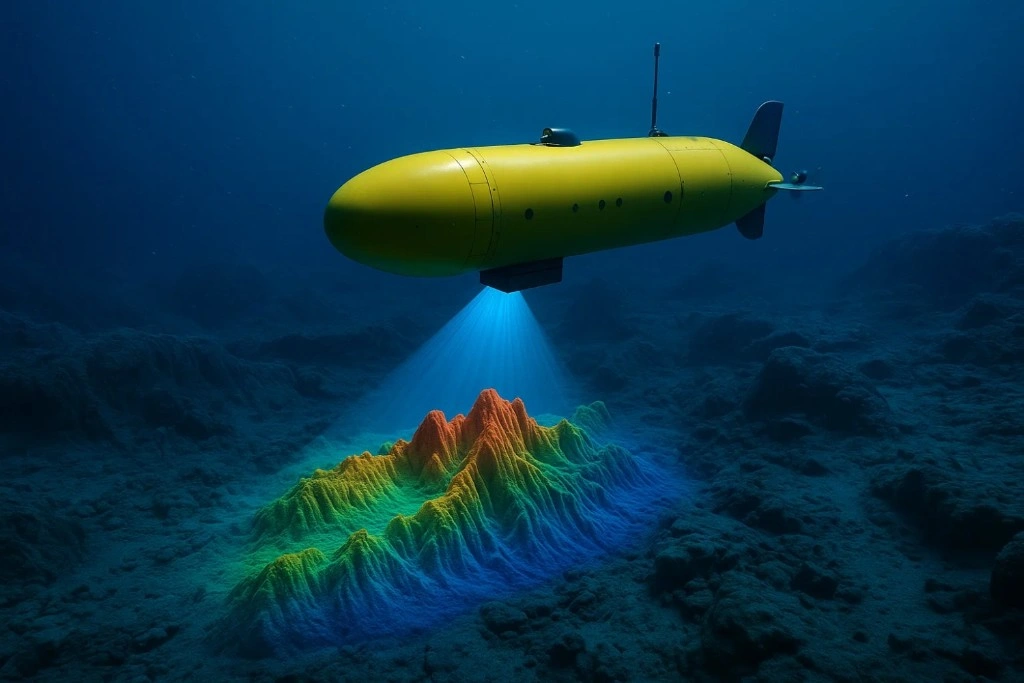
Underwater robots are revolutionizing deep-sea mapping, providing high-resolution images and data on the ocean floor. Using sonar systems like Kongsberg’s EM124, these robots create detailed 3D maps of underwater topography, identifying features like ridges, canyons, and volcanic activity. This mapping is crucial for oceanographic research, helping scientists understand the geography of ocean basins, plate tectonics, and potential mineral resources.
Additionally, these maps support the planning of offshore infrastructure like wind farms or pipelines. Robots enable continuous, large-scale mapping that would be too dangerous and costly for human divers, enhancing our understanding of deep-sea ecosystems and natural resources.
4. Environmental Monitoring and Conservation
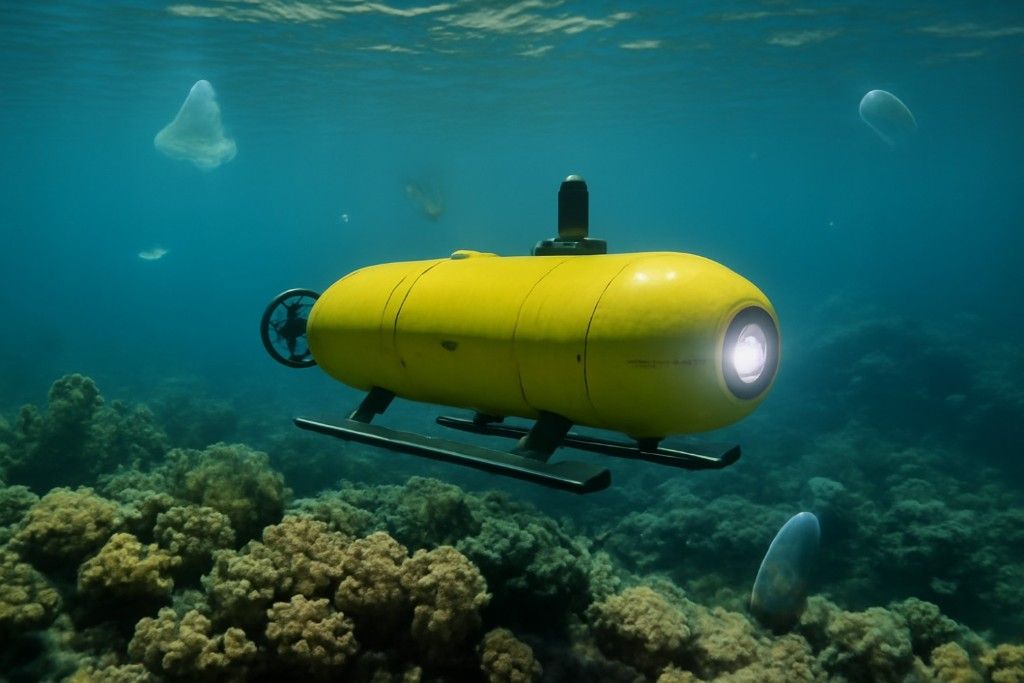
Robotic technology plays a vital role in monitoring ocean health, especially in the wake of climate change and pollution. Robots like the Seabed AUV are equipped with sensors that track water quality, including pollutants such as plastics and oil. These robots collect data on ocean conditions, helping scientists identify pollution hotspots and monitor marine biodiversity.
By detecting early signs of environmental stress, underwater robots enable quicker intervention in protecting marine ecosystems. Additionally, they assist in monitoring coral reefs, which are highly sensitive to changes in water temperature and acidity, thereby aiding conservation efforts in vulnerable areas.
5. Marine Life Research
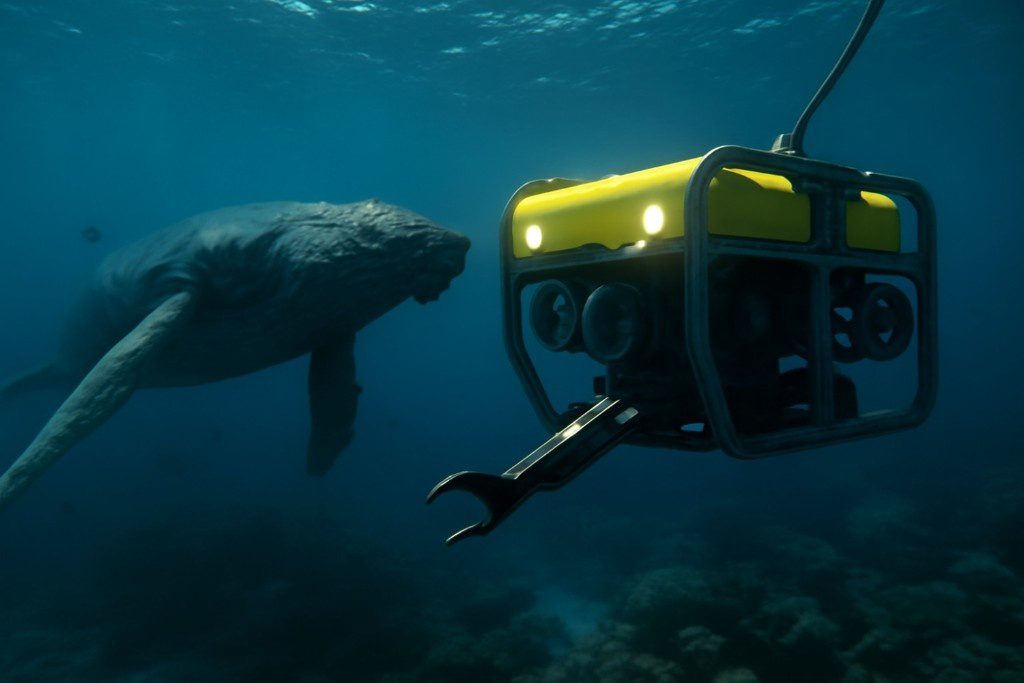
Underwater robotics are advancing marine biology by providing unprecedented access to deep-sea habitats. Robots such as the Ocean Infinity are used to study marine species that thrive at extreme depths. Equipped with high-definition cameras, these robots capture detailed footage of marine life and ecosystems, allowing scientists to observe species behavior, biodiversity, and interactions.
The ability to collect data from areas inaccessible to human divers or research vessels opens new avenues for understanding marine organisms. These discoveries help identify new species, explore unknown ecosystems, and contribute to overall marine conservation efforts.
6. Underwater Archaeology

Underwater robots have greatly advanced underwater archaeology, helping archaeologists study submerged historical sites, such as shipwrecks and ancient cities. The Argo ROV, for example, has been used to map the Titanic wreck, documenting its state and providing insight into the tragedy.
These robots provide high-definition imagery and are capable of retrieving artifacts from the ocean floor without risking human life. They are equipped with robotic arms for precise excavation and collection of artifacts. This technology allows archaeologists to conduct extensive surveys of underwater ruins, leading to new discoveries about ancient civilizations and maritime history.
7. Oil and Gas Industry Applications
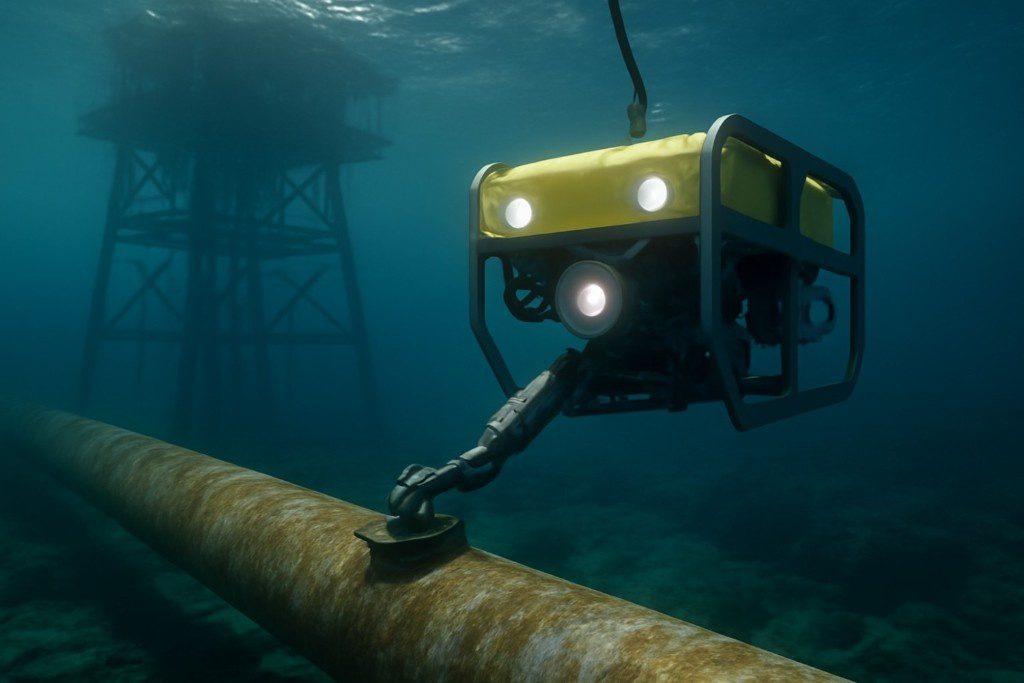
The oil and gas industry has benefited significantly from underwater robotics, especially in the inspection and maintenance of subsea pipelines and rigs. ROVs are regularly used to examine underwater infrastructure for damage or corrosion. For instance, Schilling Robotics’ ROVs are designed to inspect deep-water oil rigs, performing critical maintenance tasks like welding and installing equipment remotely.
These robots eliminate the need for costly and dangerous human divers, ensuring the safety and integrity of oil platforms. By using ROVs for routine inspections, companies can reduce downtime, improve operational efficiency, and prevent environmental disasters in remote underwater environments.
8. Renewable Energy Exploration
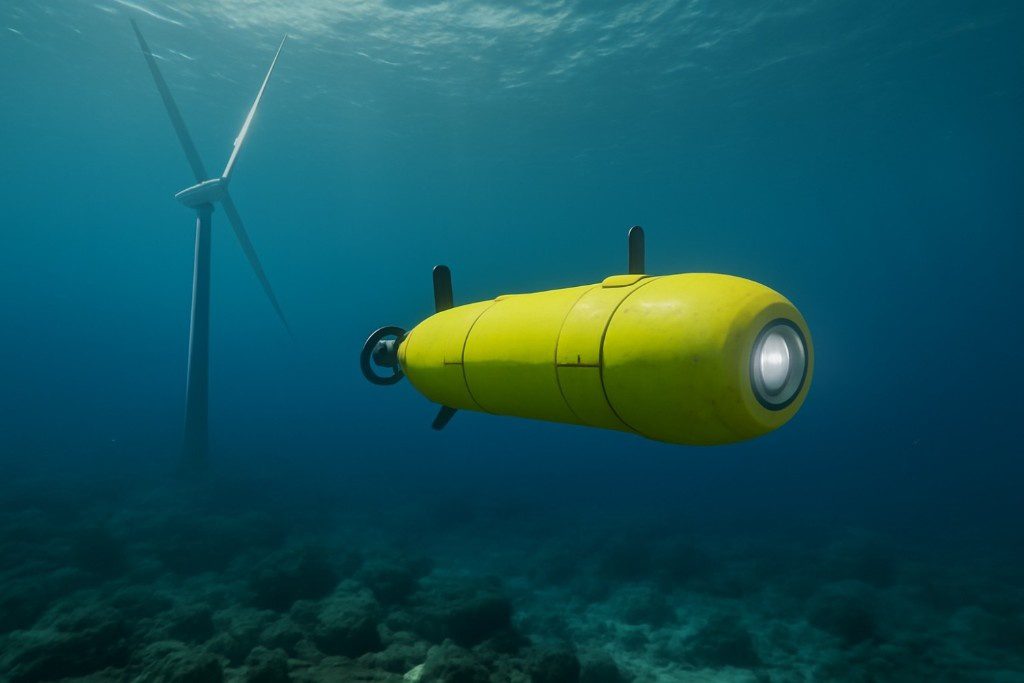
Underwater robots are helping to assess the feasibility of offshore renewable energy projects. For instance, robots are used to map the ocean floor for offshore wind turbine installations, measuring factors such as current strength, wave patterns, and seabed composition.
The Ocean Infinity company, for example, uses AUVs to conduct surveys for offshore wind farms, ensuring that the locations chosen are optimal for energy production. These robots help ensure the sustainability of renewable energy projects by reducing the time and cost associated with traditional survey methods, all while minimizing the impact on the environment.
9. Search and Rescue Operations

Underwater robots are playing a pivotal role in search and rescue operations, especially in locating missing vessels or aircraft. The Phoenix 6000 ROV was used in the recovery of Air France Flight 447, which crashed into the Atlantic Ocean.
Equipped with cameras and sensors, these robots can search vast underwater areas to locate wreckage or missing persons, providing valuable assistance in difficult or dangerous conditions. In rescue missions, ROVs help assess the situation by navigating dangerous or deep waters, ensuring that rescue teams can safely plan their operations and recover critical data from submerged wrecks.
10. Underwater Construction
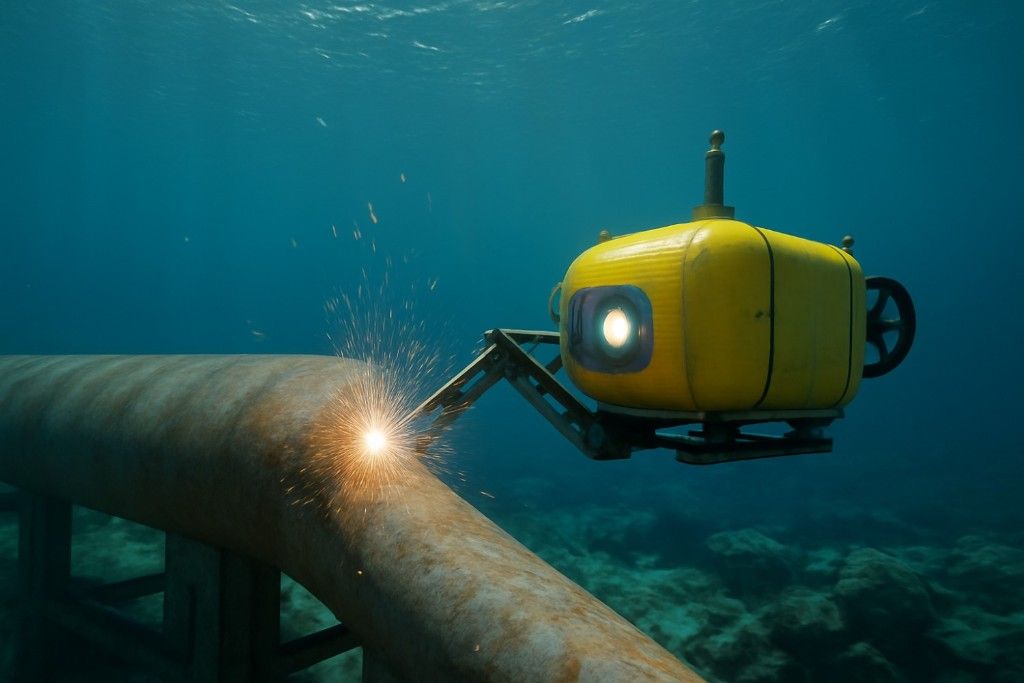
Underwater robotics are also transforming the construction of subsea infrastructure, such as pipelines, oil rigs, and underwater cables. Robots like the Hydroid Remus AUV are equipped with tools to inspect and even build underwater structures. These machines are capable of performing welding, cutting, and installation tasks, ensuring the construction and maintenance of infrastructure in hard-to-reach locations.
Their ability to work at great depths eliminates the need for expensive and risky human divers, improving efficiency while reducing costs. This technological advancement is critical for maintaining essential infrastructure in the world’s oceans.
11. Scientific Research Expeditions
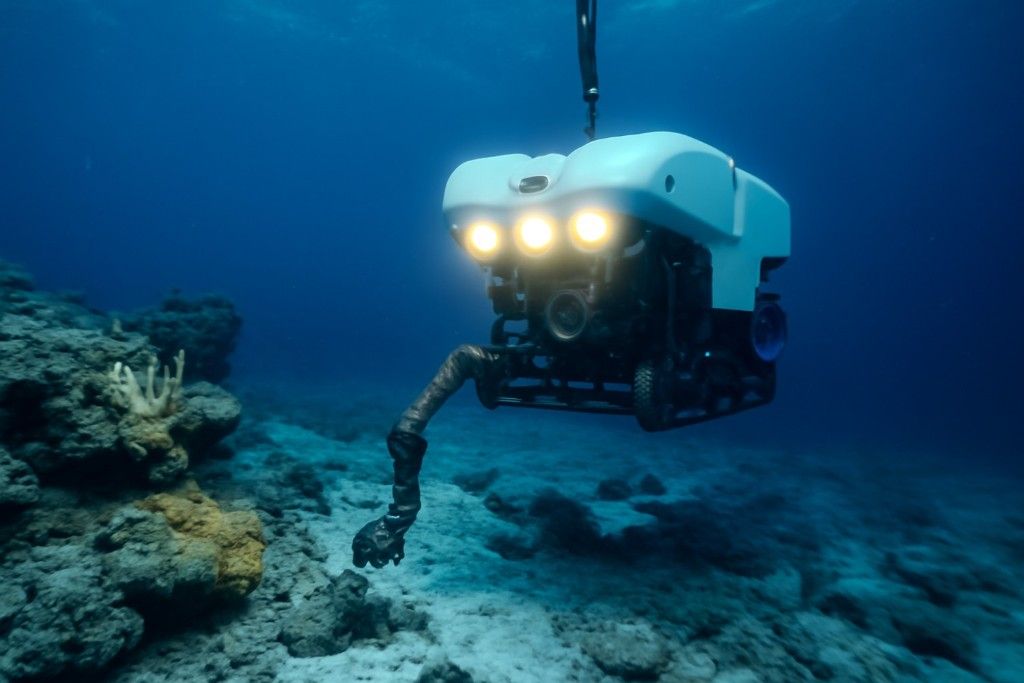
Underwater robots are an essential part of scientific research expeditions that explore ocean ecosystems, geology, and oceanography. Robots like the Deep Discoverer ROV are used to gather samples from the ocean floor, such as minerals, sediments, and biological specimens.
These robots allow scientists to explore areas that are otherwise too dangerous or deep for human exploration, extending the reach of scientific research. For example, NOAA’s Deep Discoverer has provided valuable data on underwater volcanic activity, helping researchers understand the dynamics of oceanic plate movements and their potential impact on global climate change.
12. Ocean Exploration for Rare Resources

Underwater robots are playing a major role in the search for rare minerals and resources in the deep ocean. They are used to map areas rich in resources like cobalt, rare earth metals, and other minerals critical for modern technology.
Companies like Schlumberger use specialized ROVs to conduct resource exploration deep in the ocean, ensuring that they can safely extract valuable materials without damaging fragile ecosystems. These robots use sonar and imaging tools to identify potential mining sites, helping to assess the environmental impact and feasibility of underwater resource extraction.
13. Subsea Infrastructure Inspections
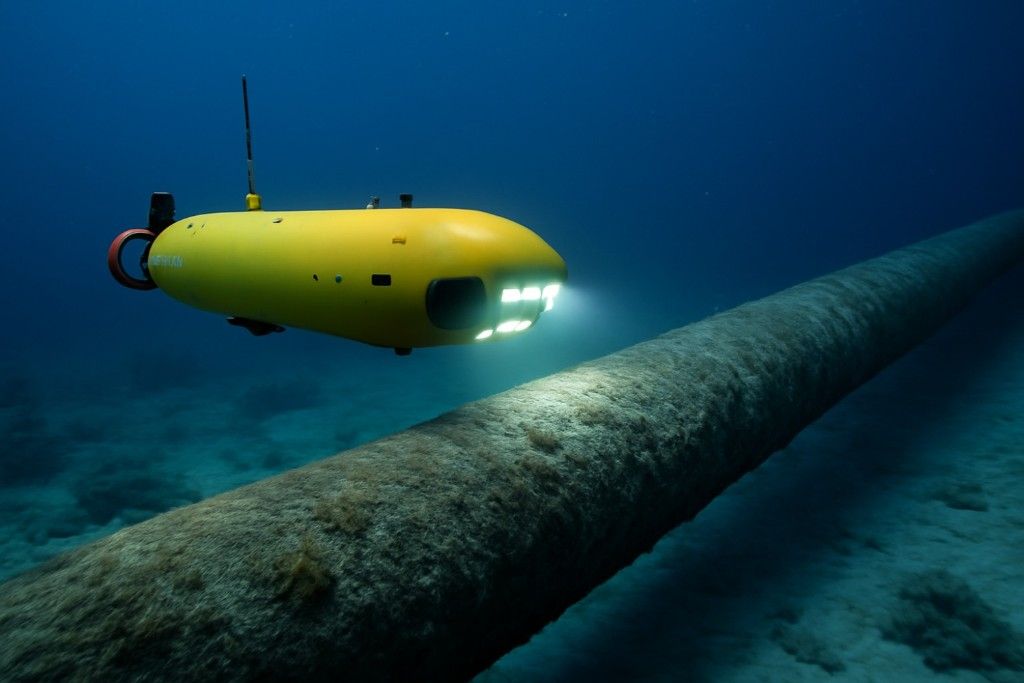
Routine inspection of subsea infrastructure is essential to prevent failures and ensure safety. Underwater robots like the Bluefin-12 AUV are employed to inspect subsea cables, pipelines, and oil rigs for signs of wear or damage. They are equipped with sonar systems and high-definition cameras to detect corrosion, leaks, or other structural issues.
The use of these robots reduces the need for human divers and allows for continuous monitoring, ensuring the integrity of vital infrastructure. This technology also helps detect issues early, preventing costly repairs and minimizing the risk of accidents or environmental damage.
14. Enhancing Navigation Systems
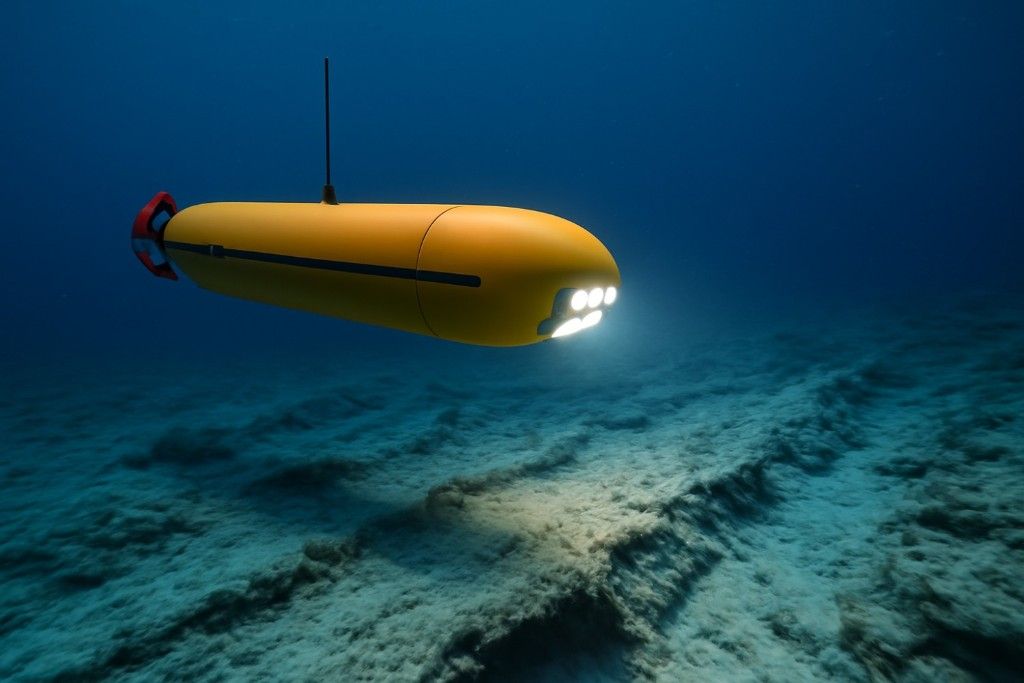
Underwater robots enhance navigation systems by mapping the ocean floor and identifying hazards in shipping lanes. These robots provide detailed maps and real-time updates to vessels navigating through difficult or uncharted waters. For instance, robots like the Kongsberg Maritime AUVs are used to map underwater terrain and create safe navigational routes for both civilian and military vessels.
This technology reduces the risk of collisions with underwater obstacles and improves the overall safety of oceanic transportation. By enhancing navigation systems, underwater robots play an important role in facilitating international shipping and military operations.
15. Future of Underwater Robotics
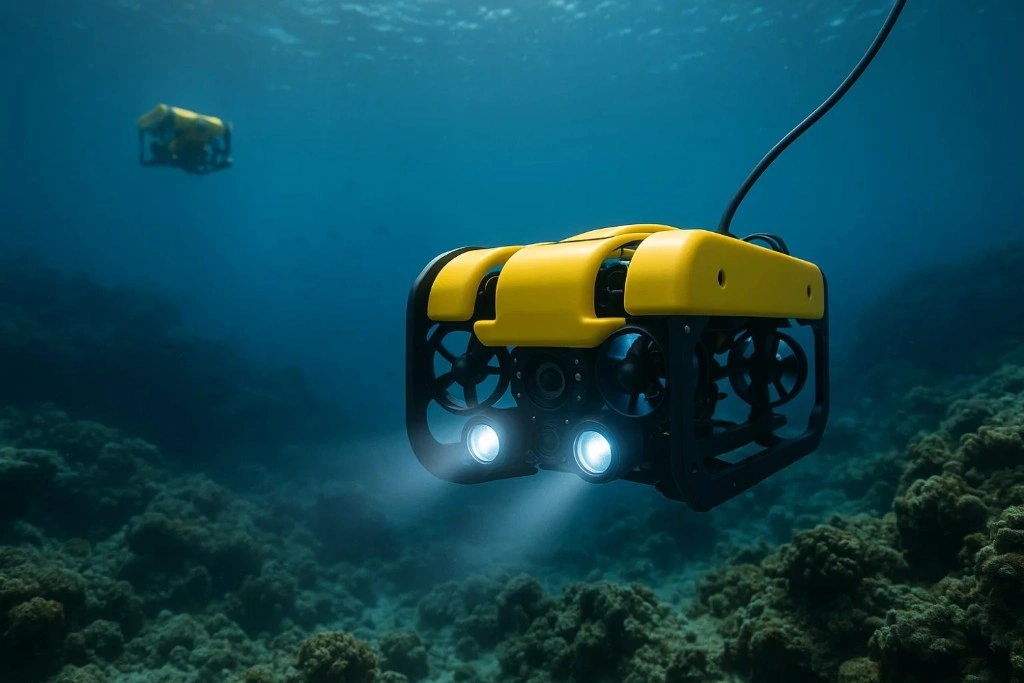
The future of underwater robotics is filled with exciting possibilities, with advancements in AI, communication, and sensor technologies leading the way. Researchers are developing robots that can operate at even greater depths, communicate with each other autonomously, and collect data over longer periods.
Companies like Blue Robotics are also working on making these robots more affordable and accessible. As these innovations continue, underwater robots will play an increasingly important role in ocean exploration, from conducting large-scale environmental assessments to uncovering new species, and enabling more sustainable interactions with the ocean.