
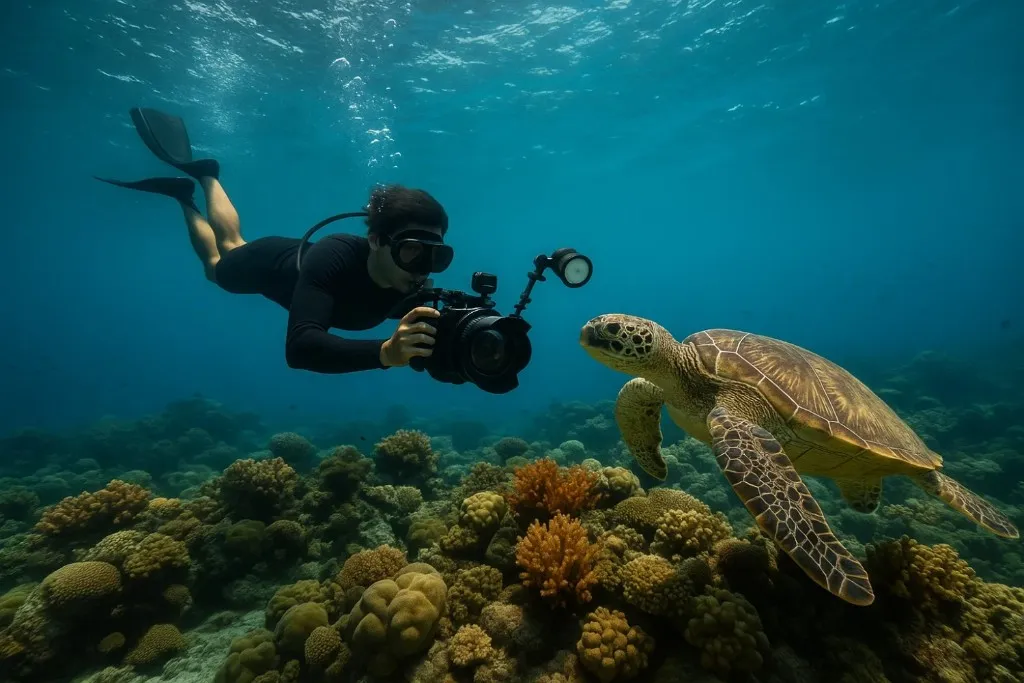
The ocean holds a world of wonder and mystery, from colorful coral reefs to majestic sea creatures. Underwater photography offers a unique way to document the beauty and complexity of marine life. However, it also presents specific challenges, such as managing lighting and composition in a constantly shifting environment.
For both beginners and seasoned photographers, mastering the right equipment, techniques, and an understanding of the underwater world is essential. Below, we explore key aspects of underwater photography that will help you create stunning images while navigating the depths of the deep sea water.
1. Understanding Underwater Lighting
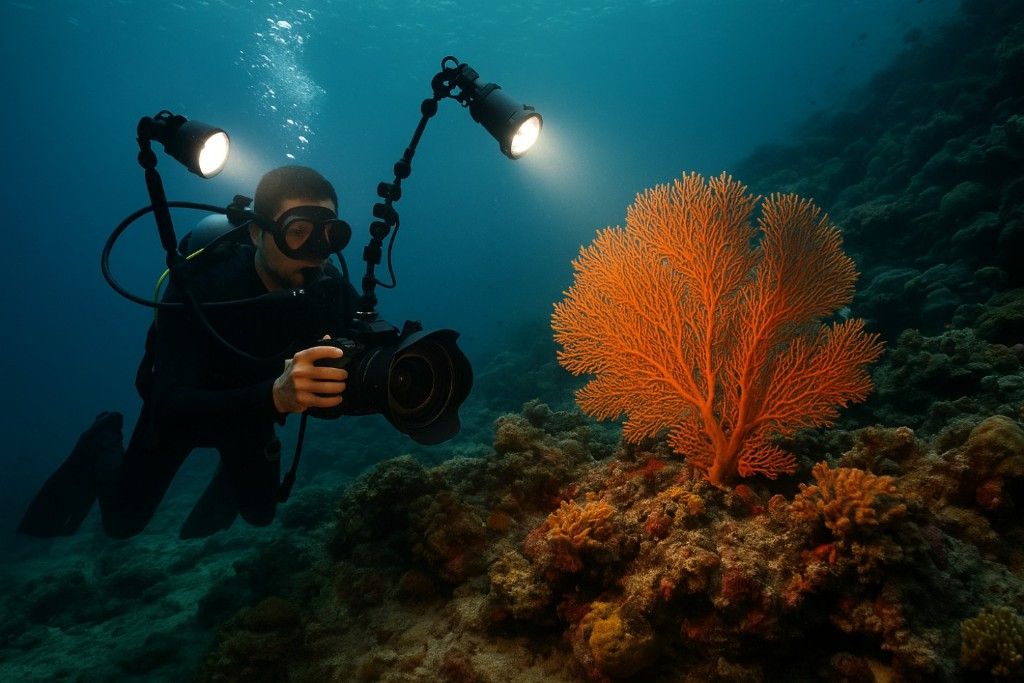
Lighting is a major challenge in underwater photography, as natural light fades quickly with depth. As water absorbs red and orange wavelengths, it creates a blue-green tint. To counteract this, external strobes or flashlights are essential for illuminating subjects, particularly in deep sea water.
Lighting from various angles can also reduce harsh shadows and bring out vibrant colors in your images. A balanced lighting setup allows you to capture clear, detailed images, even in low-light conditions. Photographers may also use filters to restore natural colors and correct lighting imbalances caused by the water.
2. Selecting the Right Camera Gear
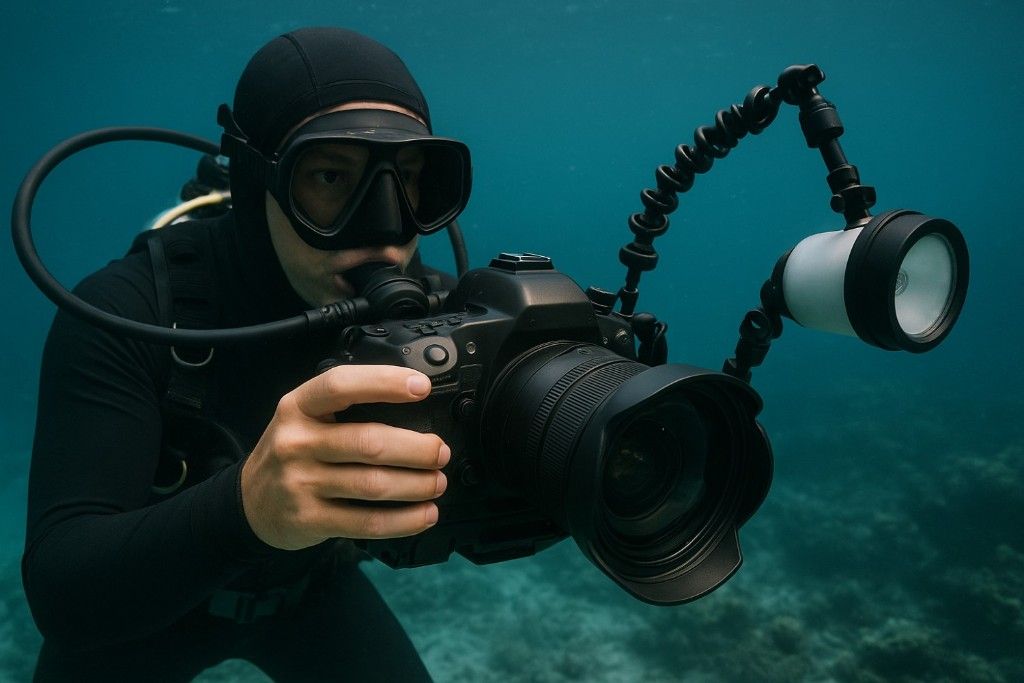
Underwater photography requires specialized equipment to ensure the safety of your camera and to capture high-quality images. DSLR and mirrorless cameras are common choices, offering advanced settings and excellent image quality. However, they need waterproof housings for protection against water damage.
These housings allow full control over the camera’s functions, such as shutter speed and aperture, while submerged. Additionally, choosing lenses with a wide aperture can enhance image clarity, especially in low-light environments. Always consider the durability and weight of your gear, ensuring it’s suitable for the specific diving conditions you’ll encounter.
3. Mastering the Basics of Composition
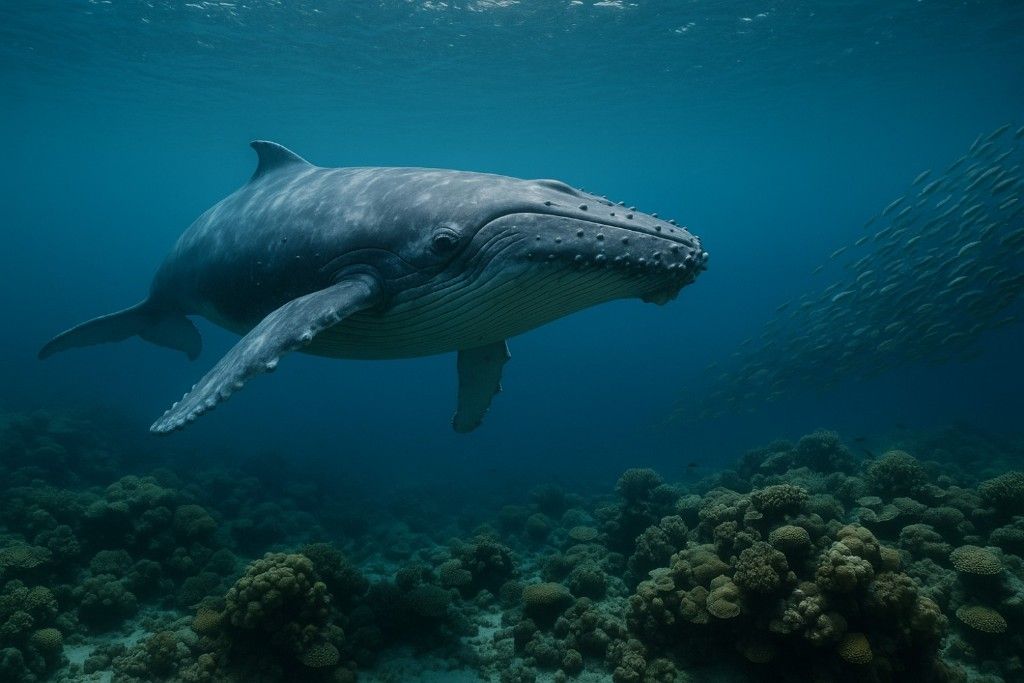
Composition is crucial in creating compelling underwater photographs. Just as with traditional photography, it’s important to consider the rule of thirds, leading lines, and framing in your underwater shots. Angles can also dramatically affect the perception of a subject.
Shooting from below, for example, can create a sense of grandeur, especially when photographing large marine animals like whales. Likewise, shooting from above can show the vastness of a coral reef or a school of fish. Pay attention to your subject’s placement in the frame to create more balanced and aesthetically pleasing images.
4. The Importance of White Balance
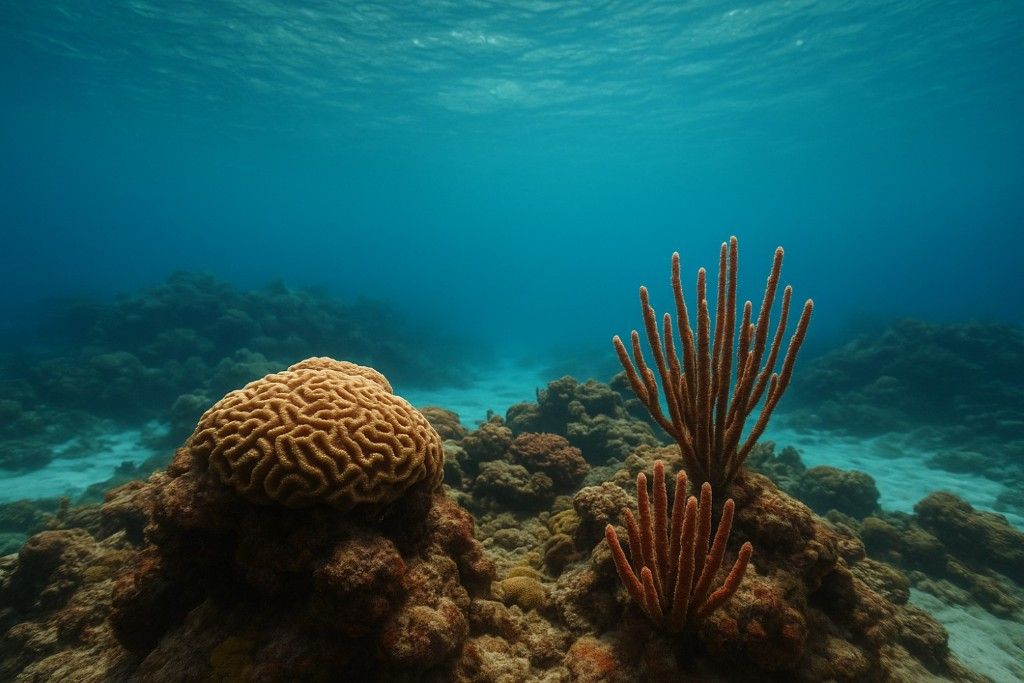
Water filters out light in different ways depending on depth, which can cause unnatural color shifts in underwater photos. To correct this, adjusting the white balance is critical for restoring true-to-life colors. Many cameras allow users to customize white balance settings to account for the blue-green tint typical in underwater scenes, including in deep sea water.
Without proper white balance, images may appear overly blue or green. Many underwater photographers also use custom white balance settings, particularly in shallow waters, to capture natural colors and avoid the artificial, washed-out look that often results from using auto white balance.
5. Understanding Depth and Visibility
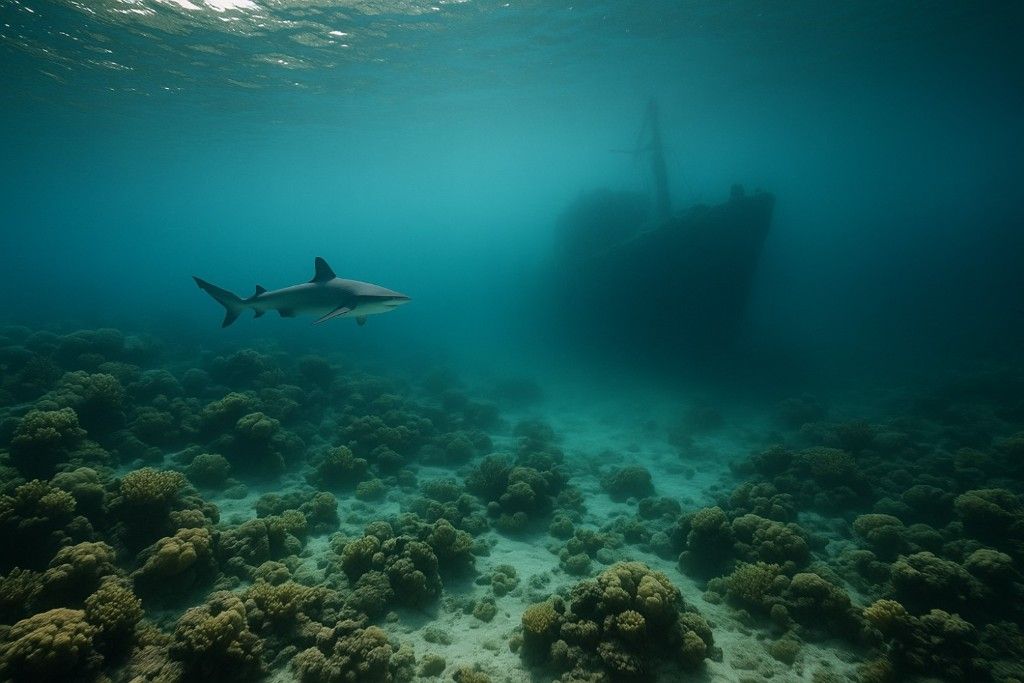
Underwater visibility varies greatly depending on the location, water temperature, and the presence of plankton or sediment. These factors can reduce how far you can see and affect the quality of your images. In general, shallow waters offer better visibility, with sunlight illuminating the scene naturally.
However, deep sea water provides the opportunity to photograph unique subjects such as shipwrecks and elusive creatures like sharks. To achieve the best shots in varying visibility, make adjustments to your camera settings, especially the ISO, shutter speed, and aperture, to accommodate for low-light conditions.
6. Choosing the Best Dive Locations

Choosing the right dive location is key to capturing breathtaking underwater photos. Popular dive sites like the Great Barrier Reef in Australia, the Maldives, and Belize’s Blue Hole offer clear water and a wide range of marine life. When selecting a location, think about the types of subjects you wish to photograph—whether vibrant coral reefs, diverse fish species, or large marine mammals.
Additionally, consider the dive’s difficulty level. Some sites may require advanced diving skills, while others are suitable for beginners. Prioritize clear waters, as murky conditions can hinder the quality of your shots, especially when diving into deep sea water.
7. Using Wide-Angle Lenses
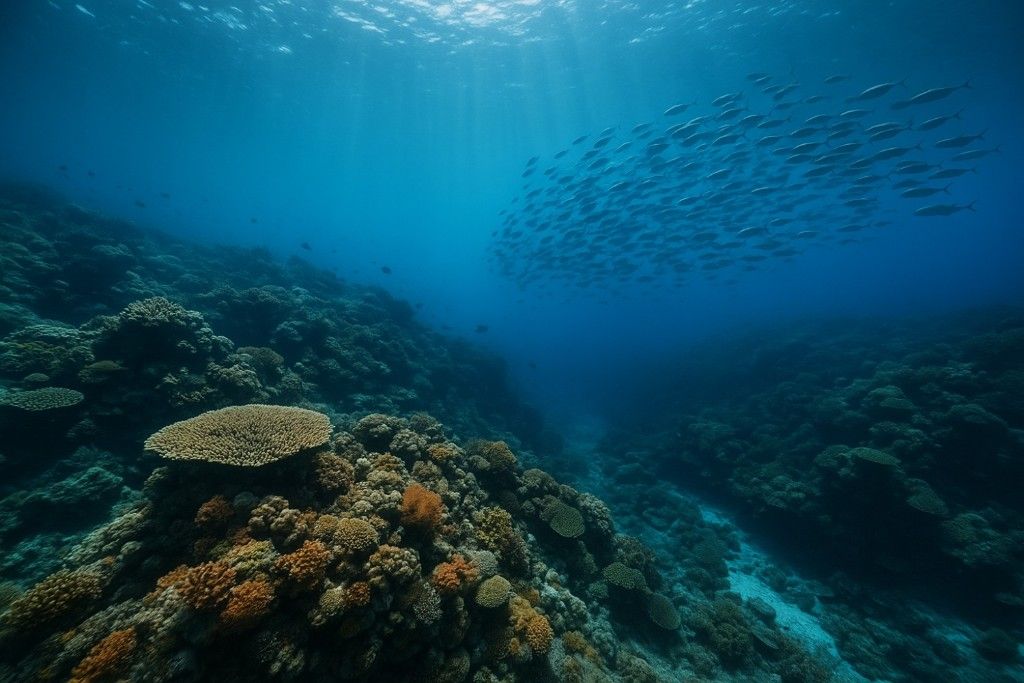
Wide-angle lenses are invaluable for capturing expansive underwater scenes, such as coral reefs, schools of fish, or the scale of ocean landscapes. These lenses provide a wider field of view, allowing you to fit more of the scene into your frame.
Wide-angle lenses are perfect for photographing large subjects or dramatic underwater backdrops. They also help you capture depth and dimension in your images, emphasizing the vastness of the underwater world. When using a wide-angle lens, be sure to get close to your subject to avoid distortion and to maintain sharp focus.
8. Macro Photography for Small Subjects
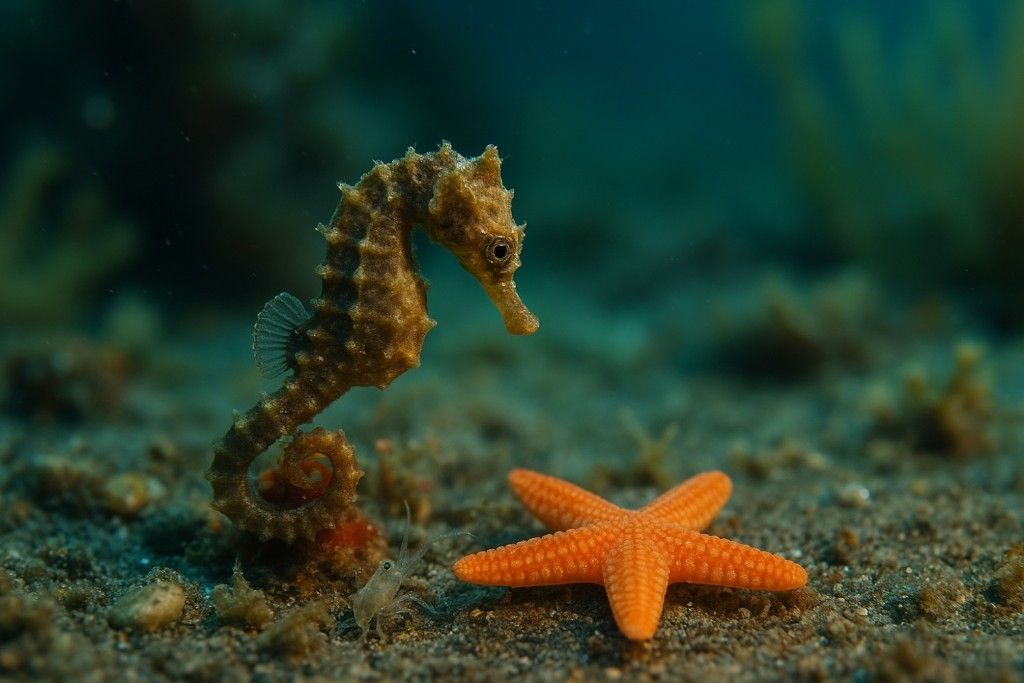
Macro underwater photography focuses on capturing the intricate details of small marine life, such as seahorses, starfish, and tiny invertebrates. This type of photography requires specialized macro lenses, which allow you to get extremely close to the subject without causing harm. To successfully photograph small creatures, patience is key.
These animals tend to be skittish, so moving slowly and deliberately is important. Ensure that your lighting is soft yet sufficient, as harsh light can overwhelm delicate subjects. A well-executed macro shot can reveal the stunning textures and colors of the ocean’s smallest inhabitants.
9. Stabilizing Your Camera
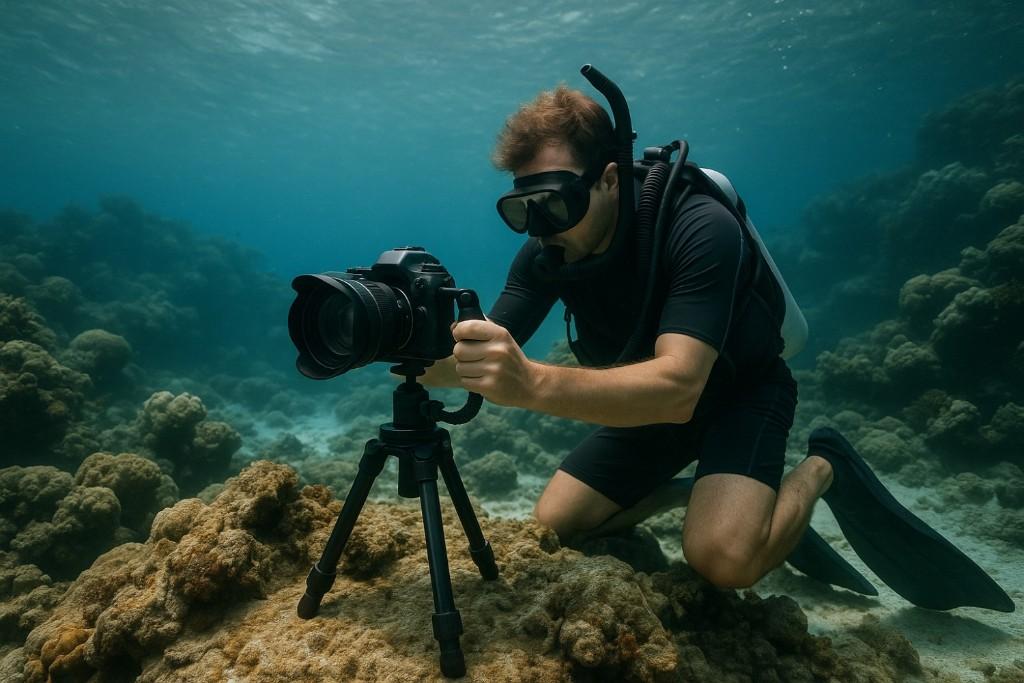
Underwater currents and movement can make it difficult to achieve sharp images. A stabilizing system, such as a tripod or handheld rig, can help reduce camera shake, especially in low-light conditions where slower shutter speeds are necessary.
In addition to stabilizing equipment, maintaining a steady body posture and controlling your breathing can help minimize unintended movements. In shallow water, you can stabilize the camera by holding onto a rock or coral. However, it’s important to avoid touching delicate marine life or damaging the ecosystem in the process.
10. Understanding Marine Life Behavior
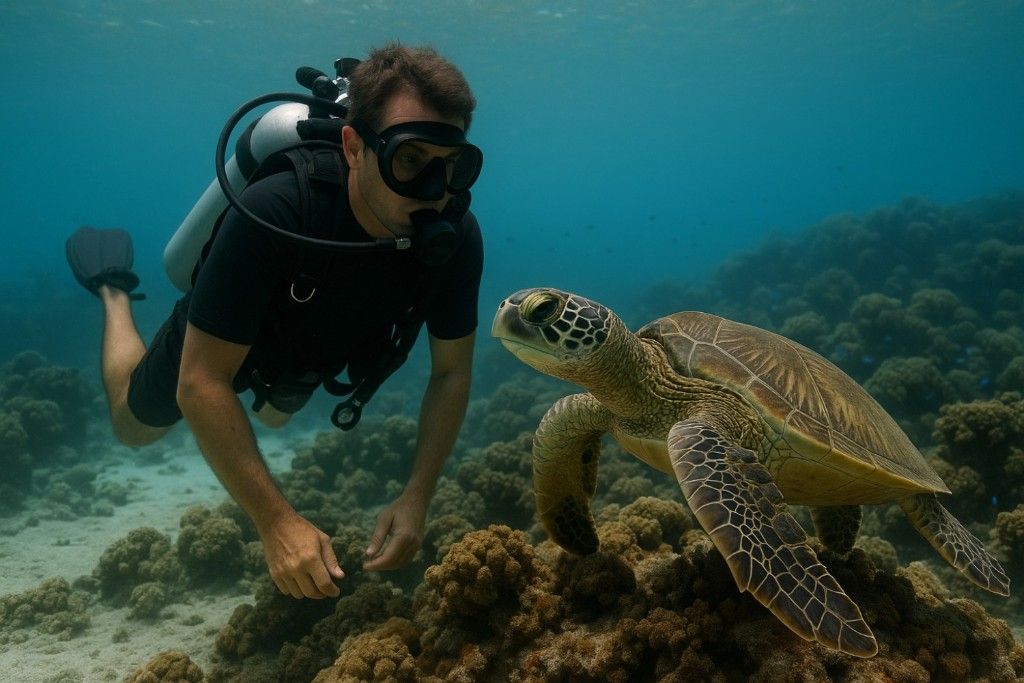
To capture the most authentic and compelling underwater images, understanding the behavior of marine life is essential. Many creatures, such as fish and sea turtles, may be curious and approach photographers, while others may be more elusive. Learning the habits of specific species can improve your chances of getting the perfect shot.
For example, knowing when certain fish species tend to feed or mate can help you anticipate their actions. It’s also important to be patient—some animals may take time to adjust to your presence, allowing you to capture natural behavior rather than staged poses.
11. Planning for the Right Depth
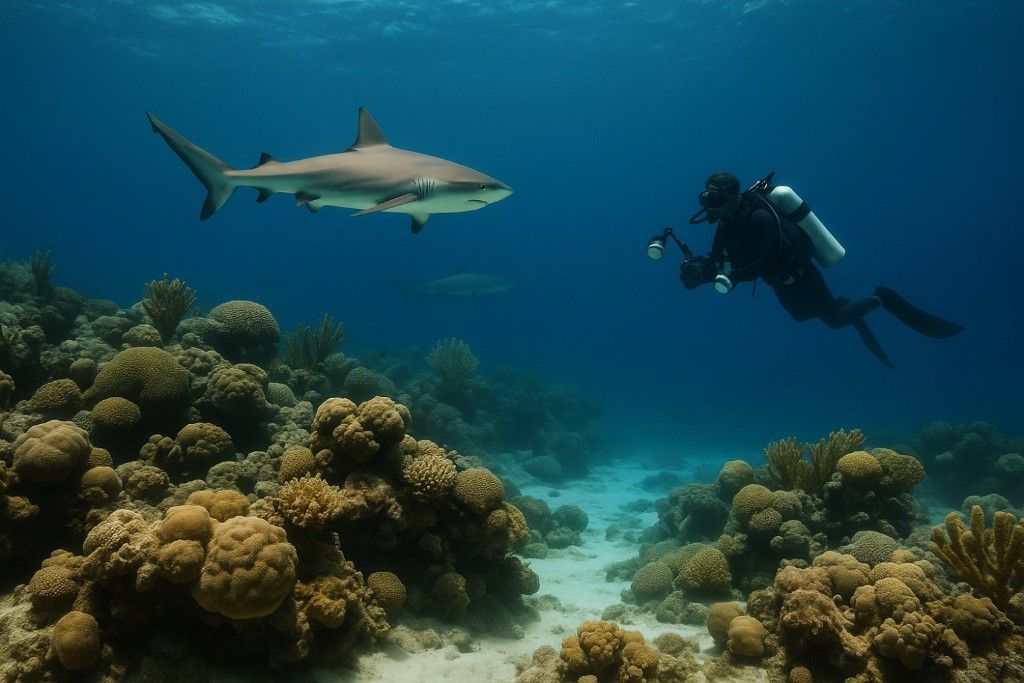
The depth at which you choose to shoot has a major impact on your underwater photography. Shallow water offers brighter lighting and better visibility, which makes it easier to capture vivid images of marine life. On the other hand, deeper dives open up opportunities to photograph larger or rarer subjects, such as shipwrecks, deep-sea creatures, or sharks.
However, shooting at greater depths in deep sea water requires specialized lighting equipment to compensate for the absence of natural light. Always consider the depth in relation to your camera settings, the availability of lighting, and your own safety when planning your dive.
12. Post-Processing Techniques
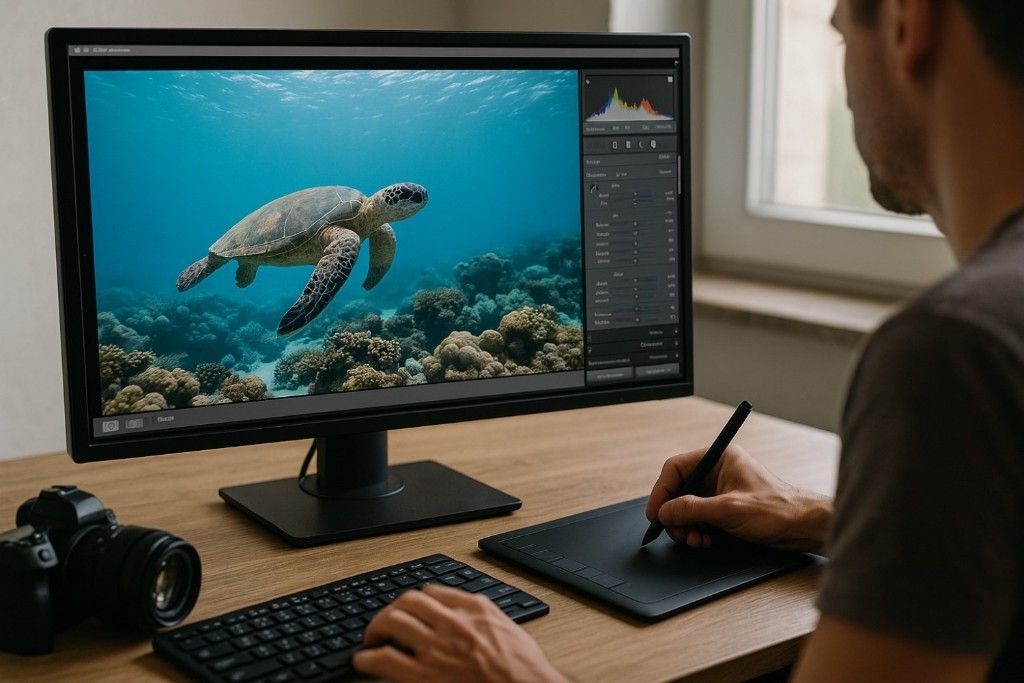
Post-processing plays a significant role in enhancing the quality of underwater images. Editing software like Adobe Lightroom or Photoshop allows you to correct color imbalances, sharpen images, and adjust exposure levels. Adjusting the contrast and saturation can bring out the vibrant hues that might have been lost due to water’s filtering effects.
While post-processing is essential, it’s important to avoid over-editing. A natural look is often more appealing, especially for showcasing marine life. Subtle adjustments can make your images pop while maintaining the authenticity of the underwater world.
13. Handling Equipment Safely
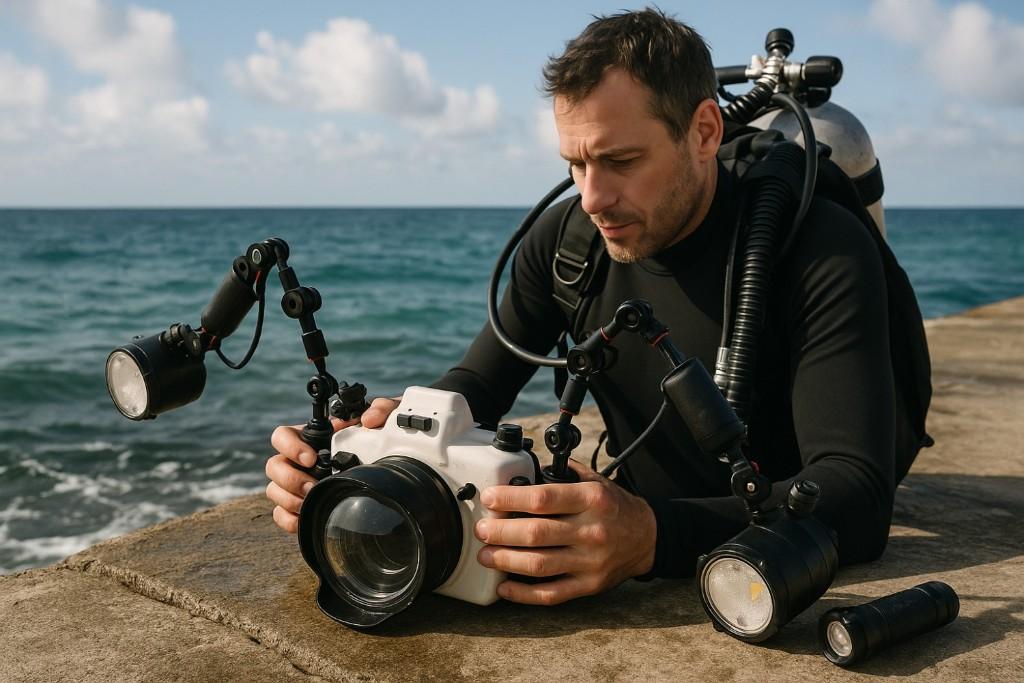
Proper care and maintenance of underwater photography equipment are crucial for ensuring its longevity and performance. Before every dive, check your camera housing for leaks and make sure all seals are tightly secured. Saltwater can quickly corrode and damage your gear, so always rinse your equipment thoroughly with fresh water after each dive.
Strobes, lights, and other accessories should also be inspected regularly to ensure they’re functioning properly. Handling your equipment with care, especially when transitioning between land and water, will ensure that your gear performs well and stays safe throughout your diving adventures.
14. Eco-friendly Photography Practices
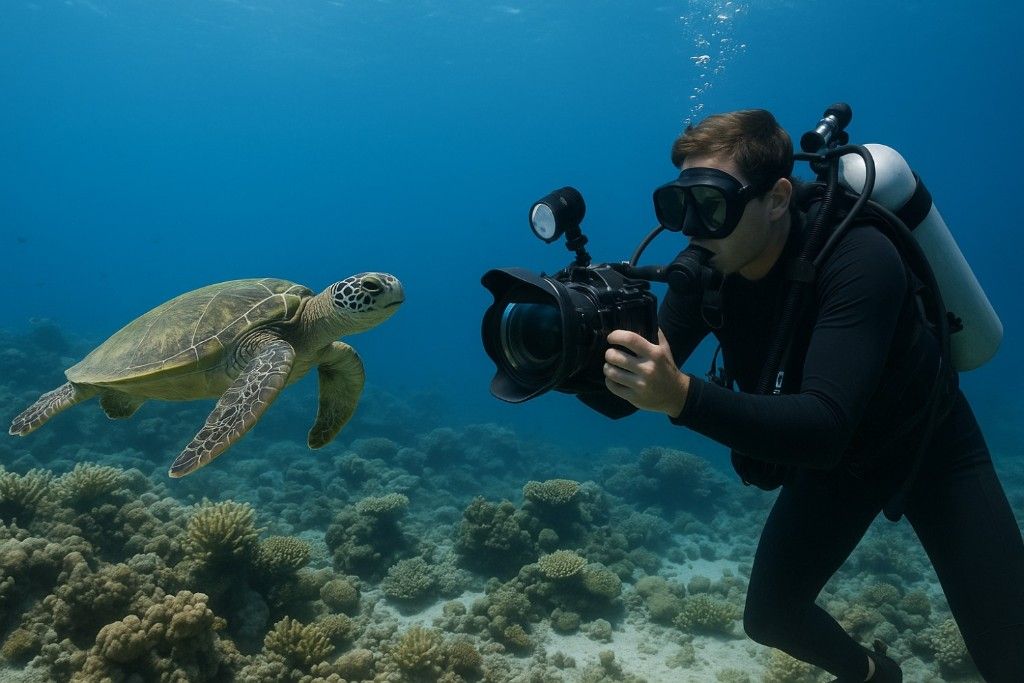
As an underwater photographer, it’s important to adopt eco-friendly practices to protect the environment. Avoid touching coral reefs or disturbing marine life, as both can have lasting negative effects on delicate ecosystems. Be mindful of your surroundings, and refrain from using harmful chemicals that can damage marine environments, such as certain sunscreens.
When photographing endangered species, respect local wildlife protection regulations, ensuring that you don’t cause harm or stress to the animals. By practicing sustainable photography techniques, you can help preserve the ocean’s beauty for future generations.
15. The Future of Underwater Photography
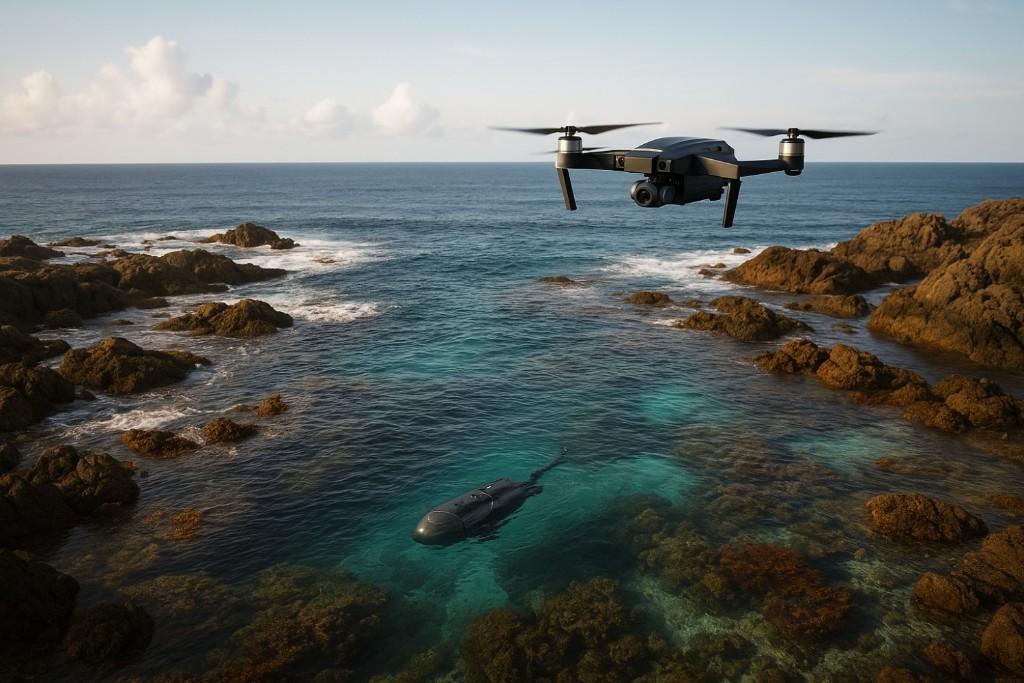
The future of underwater photography looks promising, with new technologies pushing the boundaries of what can be captured. Drones and remote-controlled submersibles are opening up new possibilities for photographing ocean depths from unique perspectives. These tools can capture both aerial and underwater shots, offering a wider range of angles and subjects.
Additionally, advances in camera sensors, lighting systems, and post-processing software are making it easier to achieve high-quality images in even the most challenging conditions. As technology continues to evolve, underwater photographers will have even more tools at their disposal to explore and capture the ocean’s wonders, including those hidden deep beneath the surface of deep sea water.