
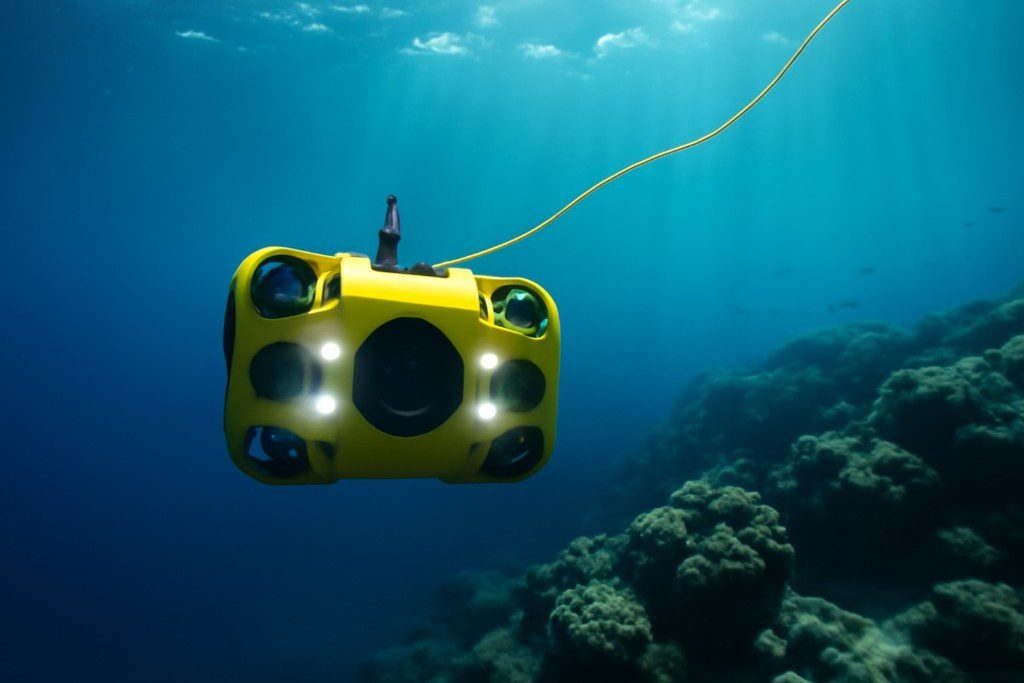
The deep ocean remains one of the most mysterious and least explored frontiers on Earth. As humanity continues to push the boundaries of science and technology, underwater drones have become a vital tool in ocean exploration. These cutting-edge vehicles are revolutionizing how we study marine ecosystems, discover underwater treasures, and monitor environmental changes.
With advancements in robotics, artificial intelligence, and remote sensing, underwater drones are quickly becoming indispensable in marine science, conservation, and even commercial industries. Here are 15 innovations that are shaping the future of underwater exploration.
1. Autonomous Underwater Vehicles (AUVs) Revolutionizing Deep Sea Water Exploration

Autonomous Underwater Vehicles (AUVs) are at the forefront of ocean exploration. Unlike remotely operated vehicles (ROVs), AUVs operate without direct human control. These vehicles are equipped with sophisticated sensors and GPS systems, allowing them to map vast areas of the seafloor, gather data on water temperature, salinity, and depth, and even take high-definition images of underwater ecosystems.
AUVs are particularly useful for studying hard-to-reach environments like deep sea water trenches, where human presence is impractical. Notable examples include the “Boaty McBoatface” AUV, which successfully completed Arctic missions for scientific research.
2. Advanced Sensors for Real-Time Environmental Monitoring
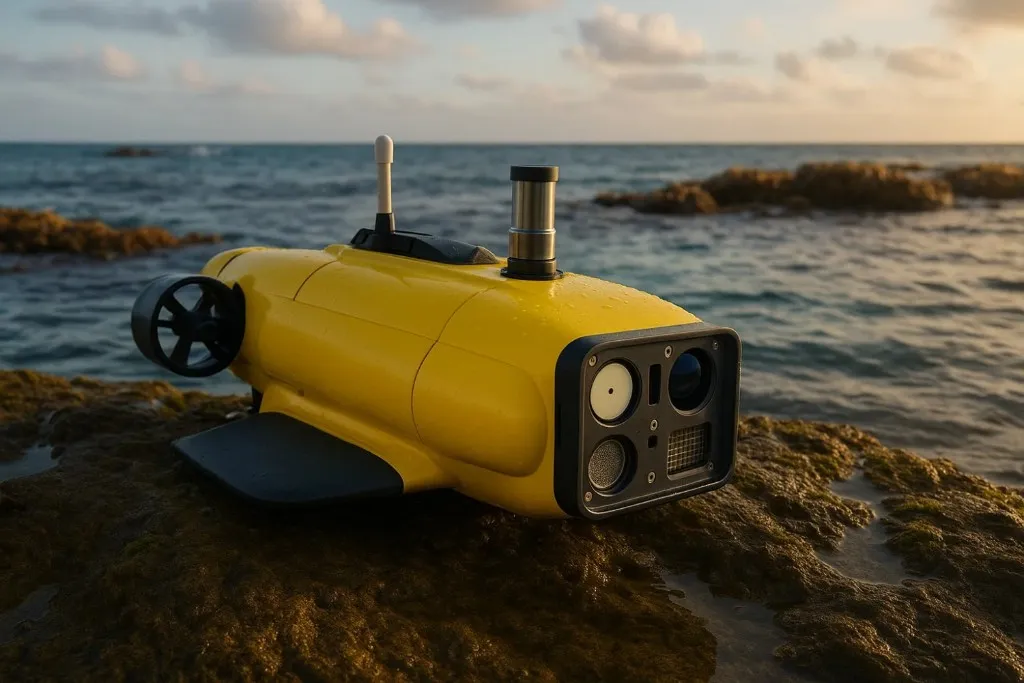
One of the most significant innovations in underwater drones is the integration of advanced sensors. These sensors are capable of measuring a wide range of environmental factors such as ocean temperature, salinity, pressure, and dissolved oxygen levels. More sophisticated models can also detect pollutants, including oil spills, microplastics, and heavy metals, helping to track and mitigate environmental damage.
The use of these sensors is critical in real-time monitoring of ocean health, especially in vulnerable areas like coral reefs. The Seabed 2030 project, for instance, uses these sensors to map the ocean floor in unprecedented detail.
3. High-Resolution Imaging and Mapping Capabilities
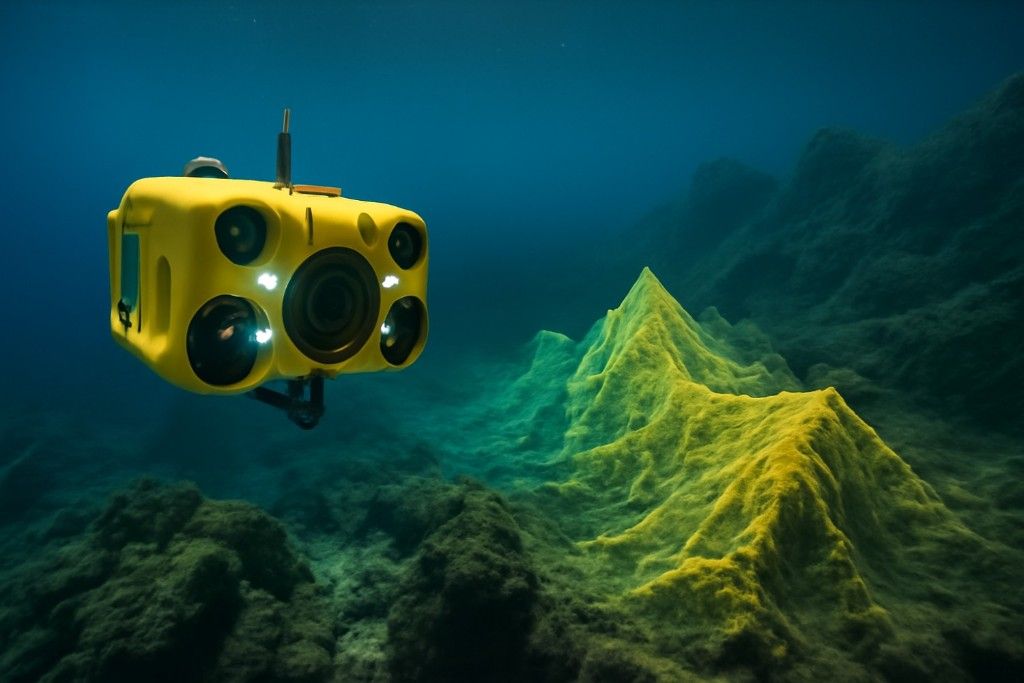
The latest underwater drones come equipped with high-resolution imaging systems, such as sonar and LiDAR technology, which provide detailed maps of the ocean floor. This innovation allows scientists to study underwater landscapes with incredible accuracy, revealing features like underwater volcanoes, deep-sea ridges, and submerged archaeological sites.
LiDAR, which stands for Light Detection and Ranging, uses laser light to create detailed 3D maps of the seafloor. For example, the Ocean Infinity company has utilized LiDAR-equipped drones to map the wreckage of the Titanic, giving new insights into the site’s condition and surrounding environment.
4. Enhanced Propulsion Systems for Faster Exploration
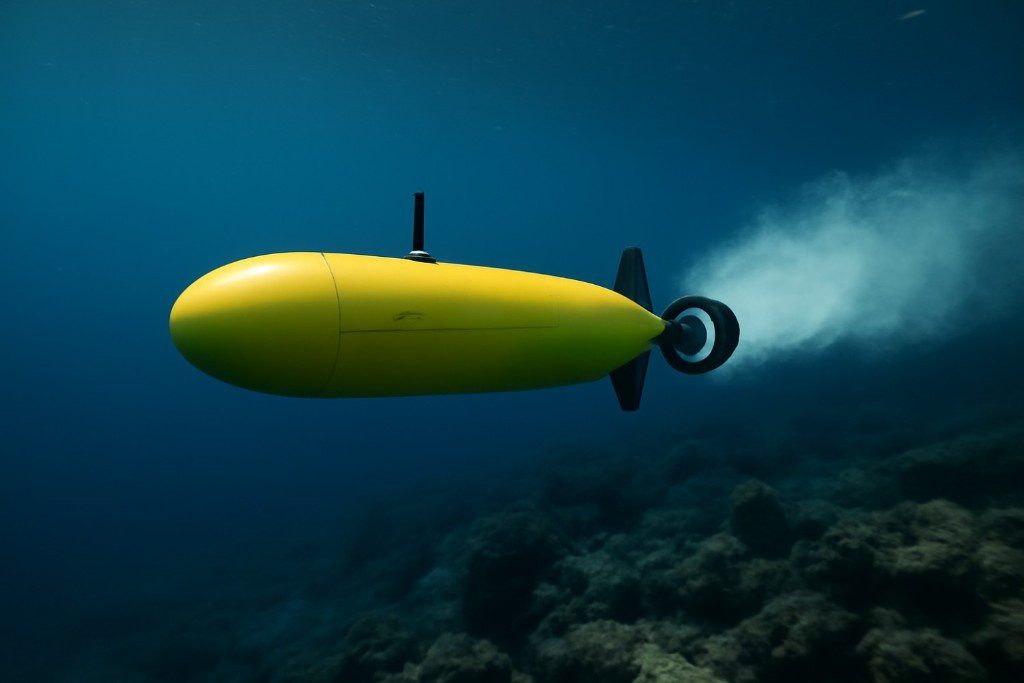
Underwater drone propulsion has significantly evolved, making exploration more efficient. Many modern drones use electric propulsion systems, which are quieter and more energy-efficient compared to traditional methods. This enhancement allows drones to operate for longer periods while reducing noise pollution in marine environments, which is crucial for avoiding disturbances to sensitive marine life.
The increased speed and maneuverability of these drones have made it possible to explore larger areas of the ocean in a shorter amount of time, improving both commercial and scientific exploration efforts.
5. Deep-Sea ROVs for Industrial and Research Applications
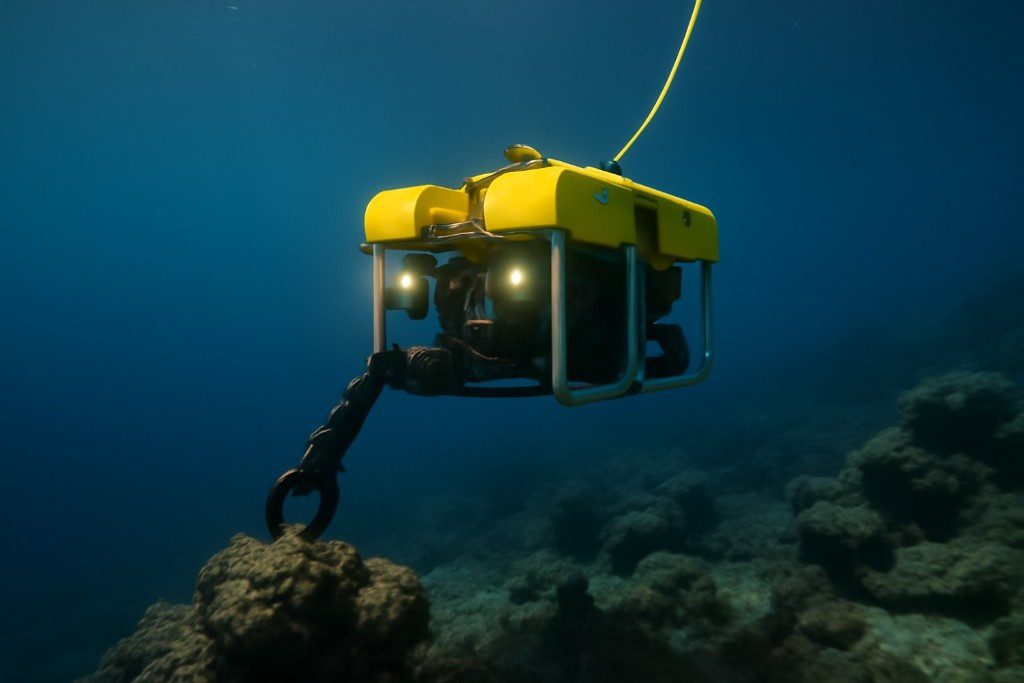
Remotely Operated Vehicles (ROVs) are specialized underwater drones used for tasks requiring direct human control. These drones are often deployed for deep sea water exploration, research, and industrial applications such as oil and gas drilling, underwater cable installation, and shipwreck recovery.
Unlike AUVs, ROVs are tethered to a surface vessel via a cable, which provides power and allows real-time video feed.The ability to manipulate objects and collect samples in extreme depths has made ROVs indispensable for scientific and commercial operations, as seen in the use of ROVs to assist with deep sea water oil spill cleanups.
6. Bio-Inspired Drones Mimicking Marine Life
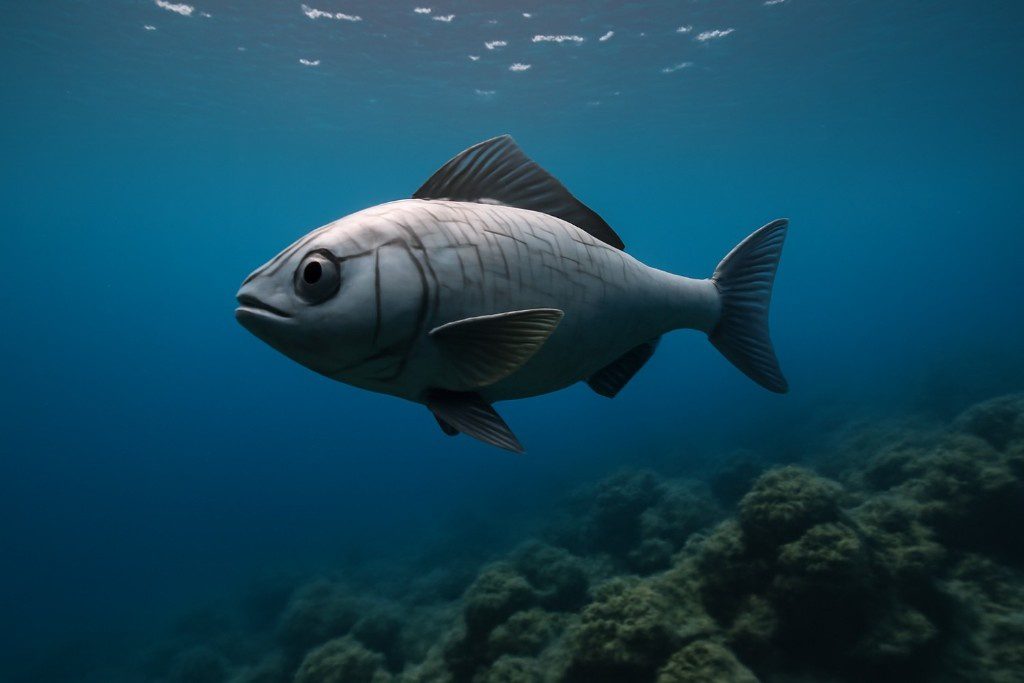
Nature often provides the best designs, and bio-inspired underwater drones are no exception. These drones replicate the movement patterns and functionality of marine creatures such as fish, jellyfish, and even octopuses.
For instance, researchers have developed robotic fish with flexible fins that mimic the natural propulsion of real fish, providing greater efficiency and maneuverability in complex underwater environments. These biomimetic drones are designed to be more energy-efficient and less disruptive to marine life, making them ideal for long-term environmental monitoring in ecologically sensitive regions.
7. Machine Learning for Autonomous Navigation and Data Analysis
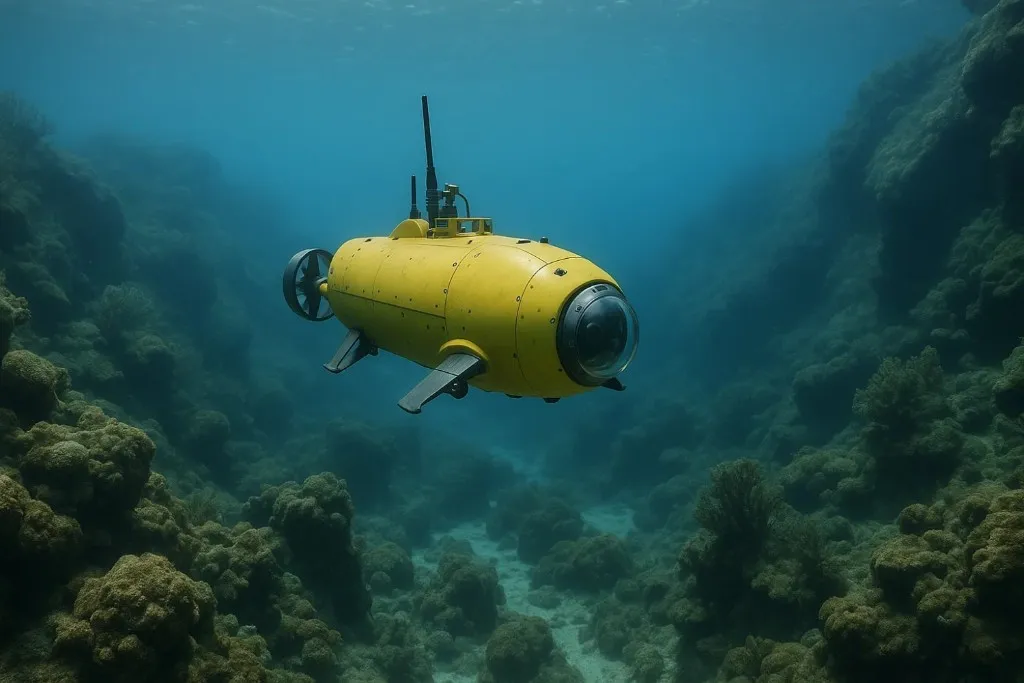
Machine learning is being integrated into underwater drones to enhance their autonomous capabilities. By using algorithms to process data in real-time, these drones can adapt to changes in their environment and optimize their navigation strategies. For example, AI-powered drones can detect and avoid obstacles, making them highly reliable for operations in narrow, complex underwater landscapes.
The ability to analyze vast amounts of data autonomously allows for more accurate environmental assessments and better decision-making in real-time. These drones are advancing the scope and precision of ocean exploration like never before.
8. Modular Drones for Customizable Missions
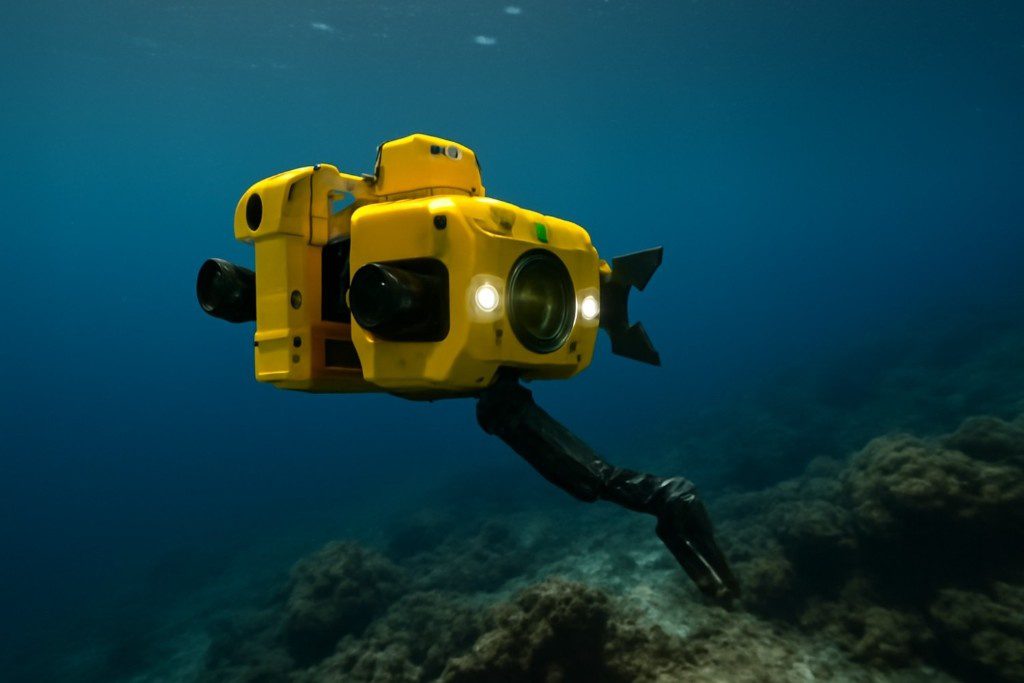
Modular underwater drones offer flexibility by allowing different components to be attached or removed based on the mission’s requirements. Whether it’s attaching extra sensors for scientific research, adding tools for underwater construction, or incorporating cameras for deep-sea exploration, these drones can be easily customized to meet specific objectives.
This flexibility makes modular drones valuable for a wide range of industries, from marine biology to underwater archaeology, as they can be reconfigured depending on the task at hand. The ability to scale functionality quickly saves time and costs for various missions.
9. Drones for Underwater Archaeology and Exploration
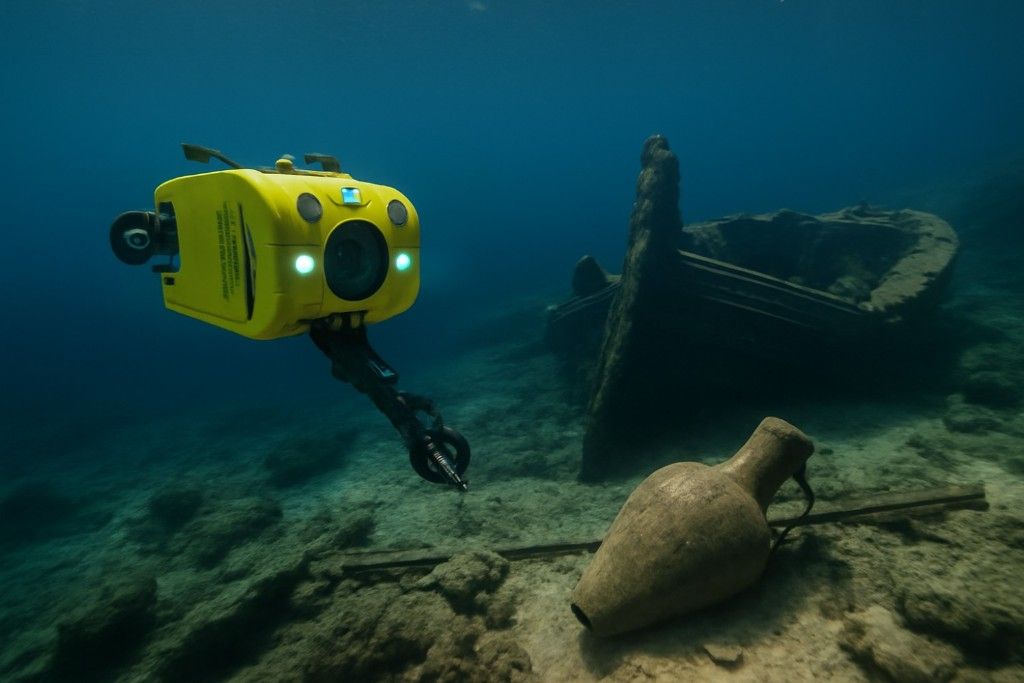
Underwater drones have revolutionized the field of archaeology by enabling the exploration of submerged sites that were previously inaccessible. Whether investigating sunken cities, shipwrecks, or ancient artifacts, these drones provide archaeologists with high-quality imaging and real-time video feeds from the seafloor.
These tools allow for the careful exploration of these sites without disturbing fragile relics. An example of this is the use of drones in exploring the lost city of Heracleion off the coast of Egypt, where drones have captured detailed images of the sunken ruins.
10. Hybrid Drones for Surface and Subsurface Exploration

Hybrid drones are designed to operate both above and below the water’s surface, providing versatility for a range of applications. These drones can seamlessly transition between aerial and underwater exploration, allowing for more comprehensive surveys of coastal areas, shallow seas, and even river ecosystems.
By combining aerial and underwater capabilities, hybrid drones can offer a complete view of the environment and collect diverse data sets without needing separate vehicles for different tasks. These drones are particularly useful in ecological studies, as they can explore multiple layers of an ecosystem in one mission.
11. Real-Time Data Transmission for Immediate Action
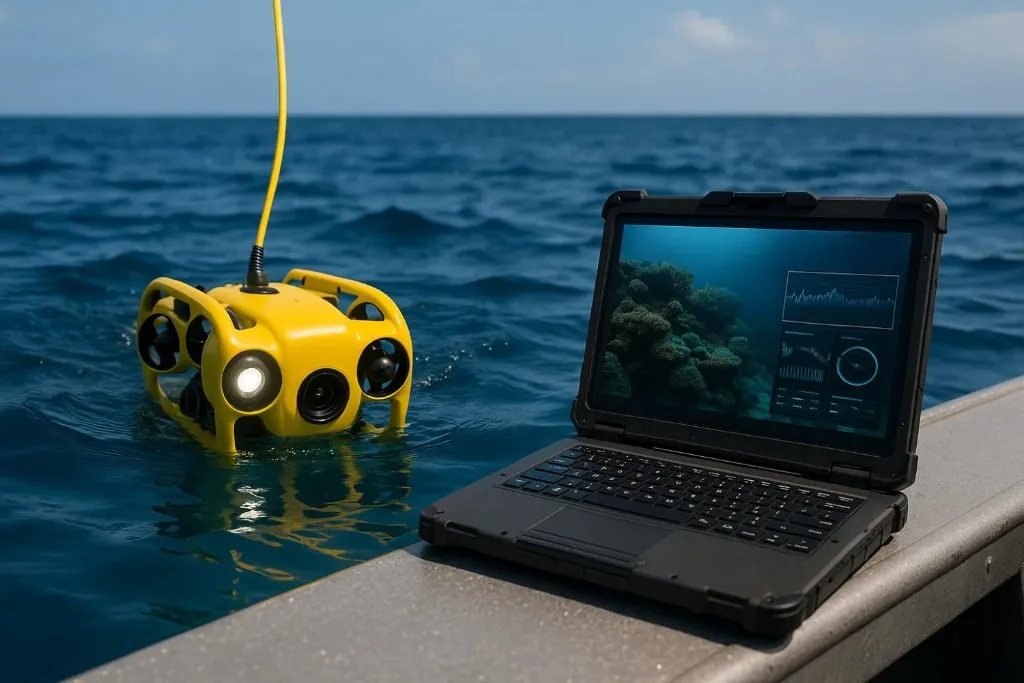
Modern underwater drones have the ability to transmit data in real-time, ensuring that scientists and researchers can access critical information as it’s being collected. This capability is especially important in time-sensitive missions, such as monitoring environmental disasters like oil spills or coral bleaching events.
For instance, when a drone captures footage of a marine life distress signal or an ecological anomaly, the data can be sent to specialists immediately, enabling swift response actions. Real-time data transmission also aids in more accurate decision-making during oceanographic expeditions.
12. Drone Swarms for Large-Scale Ocean Surveys
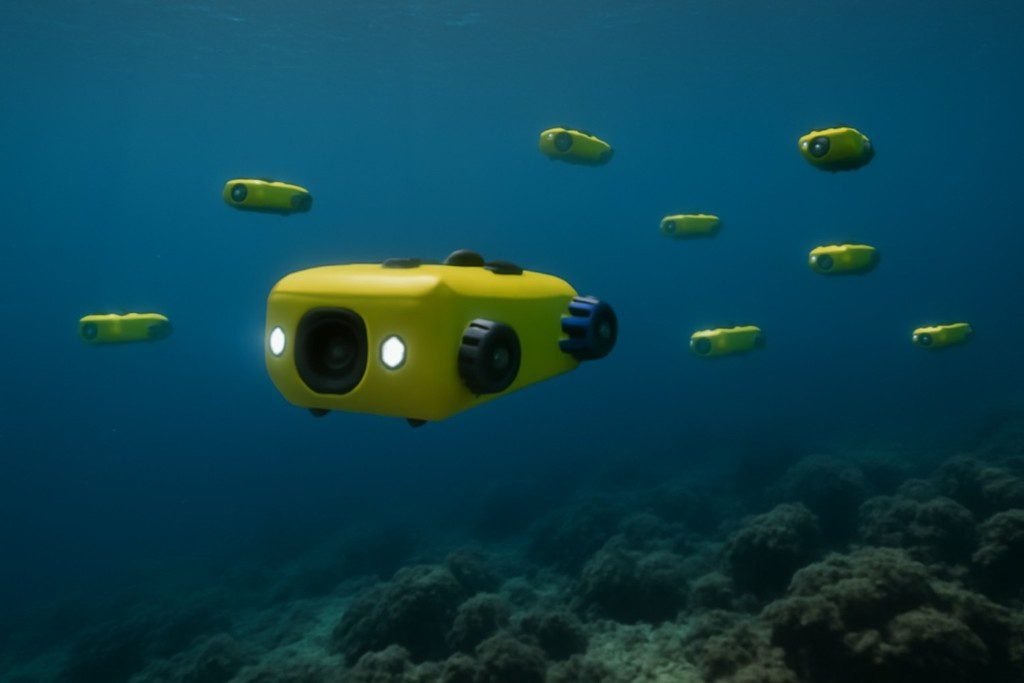
The use of drone swarms is a game-changer in large-scale ocean surveys. These drones can work in tandem, covering vast areas of the ocean more quickly and efficiently than a single drone could. Swarm technology allows for coordinated missions where multiple drones share data and autonomously communicate with each other.
This collective intelligence makes it possible to gather data over a much larger area, greatly improving the scope and speed of ocean mapping. The potential applications of drone swarms include monitoring marine biodiversity, detecting pollutants, and tracking ocean currents.
13. Underwater Drones for Marine Conservation
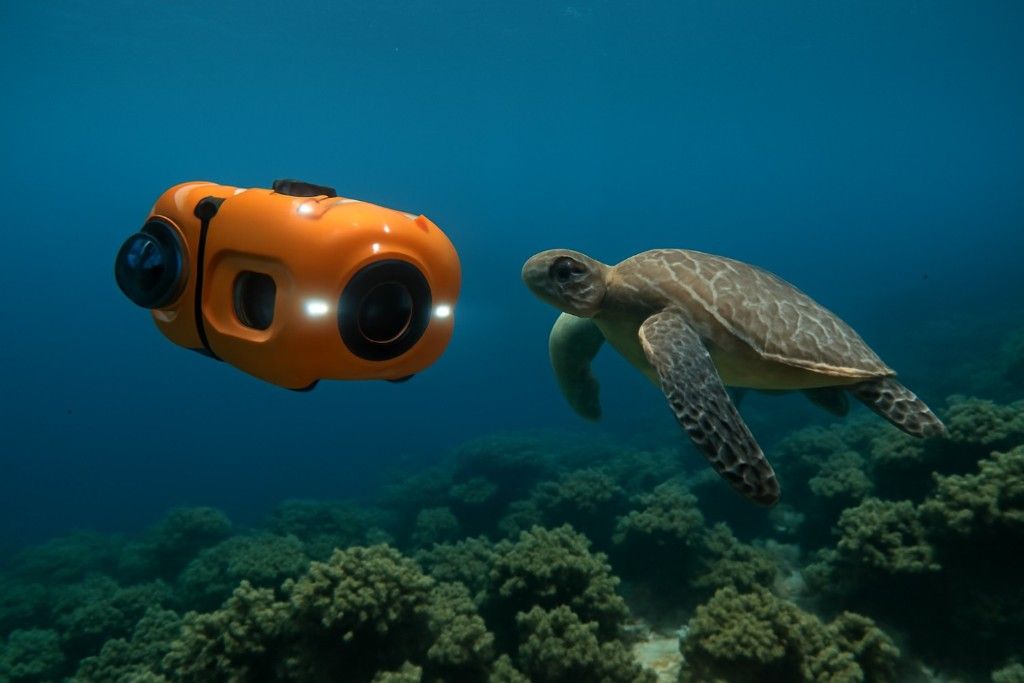
Underwater drones play a critical role in marine conservation by enabling scientists to monitor and protect vulnerable marine ecosystems. They are particularly useful in tracking endangered species, monitoring coral reefs, and assessing the health of marine habitats. Drones provide a non-invasive method of gathering data, ensuring minimal disruption to wildlife.
For instance, underwater drones have been used to study the migration patterns of sea turtles and monitor the condition of the Great Barrier Reef. By offering a continuous stream of information, drones contribute to the long-term protection of ocean ecosystems.
14. Cost-Effective Solutions for Commercial Industries
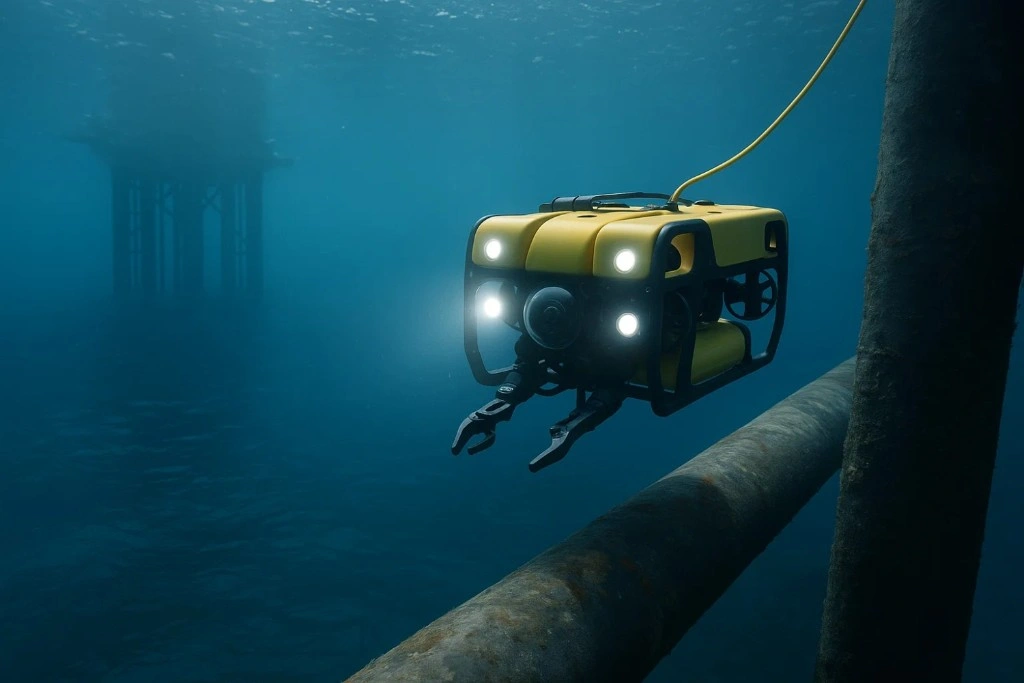
Underwater drones are providing cost-effective solutions for various commercial industries, including oil and gas, shipping, and mining. These drones are used for tasks like inspecting underwater pipelines, surveying the seabed for mining operations, and ensuring the safety of submerged infrastructure.
With the ability to operate autonomously and gather data without the need for expensive manned missions, drones are significantly reducing operational costs in these sectors. For example, underwater drones are increasingly being used for routine inspections of oil rigs, saving time and money while enhancing safety.
15. The Future of Underwater Drones: What Lies Ahead
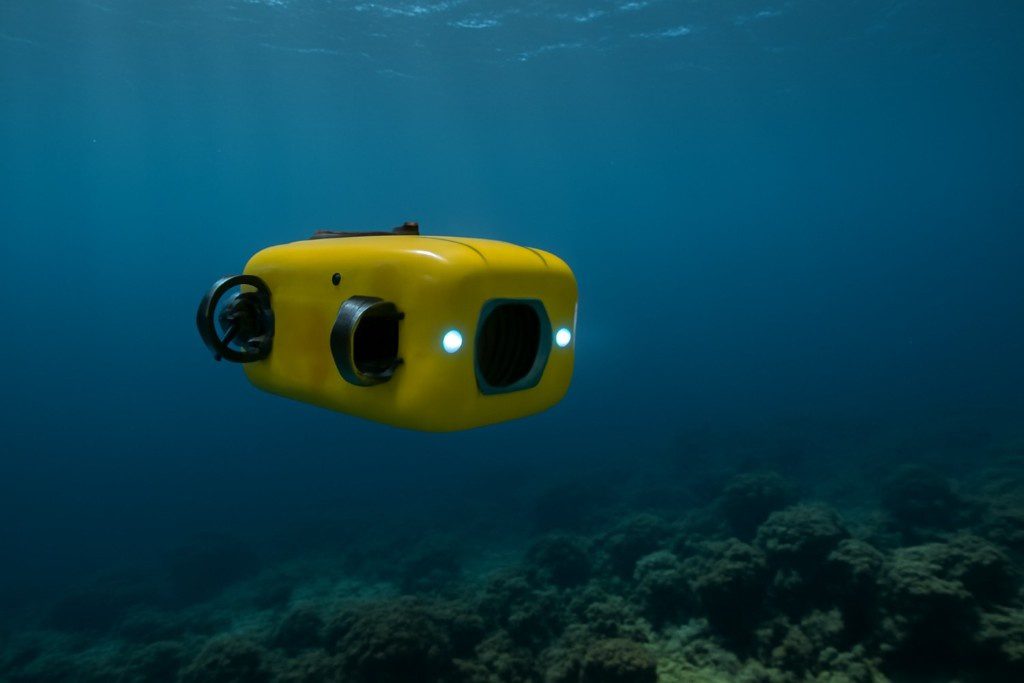
The future of underwater drones is bright, with ongoing advancements in AI, battery technology, and sensor systems. In the coming years, we can expect even more autonomous, energy-efficient drones capable of deep-sea exploration, environmental monitoring, and data collection on a global scale.
As these drones become more accessible, their applications will expand beyond scientific research to industries like tourism, disaster recovery, and oceanic resource management. The continued evolution of underwater drones promises to unlock new insights into the mysteries of our oceans, ultimately helping to preserve and protect our blue planet.