
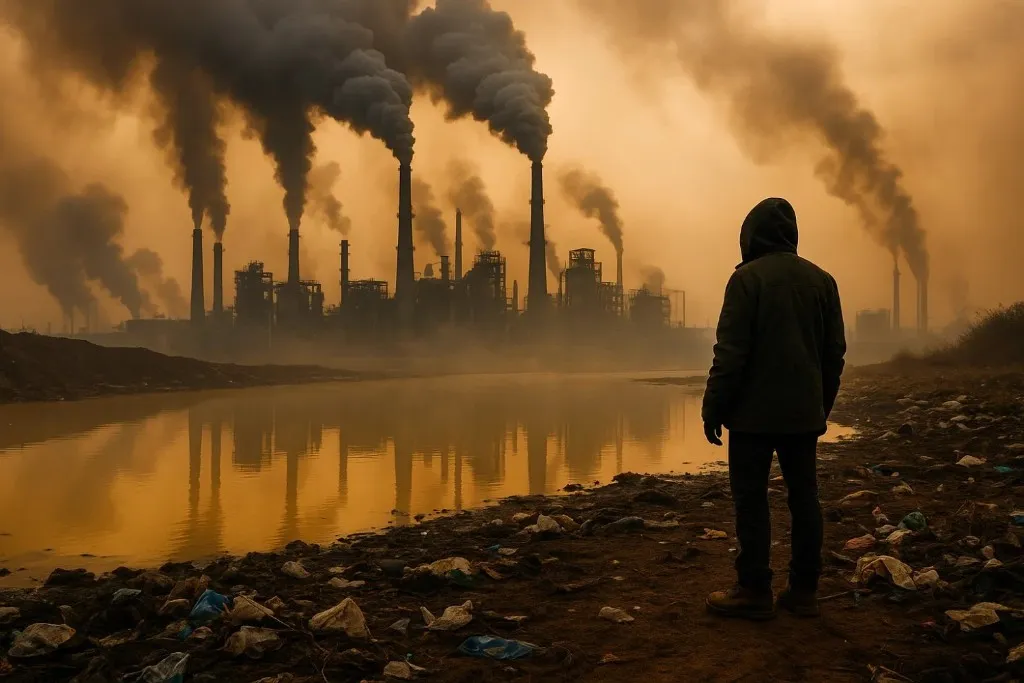
Pollution has become one of the most pressing issues of the modern world, leaving an indelible mark on our planet’s ecosystems, health, and climate. The pollutants humans release into the environment have profound, long-lasting effects that extend far beyond the immediate aftermath. From the air we breathe to the waters we rely on, the impact of pollution is undeniable. This toxic legacy continues to shape the future of life on Earth, with consequences that will be felt for generations to come.
1. Air Pollution: Breathing In Toxicity
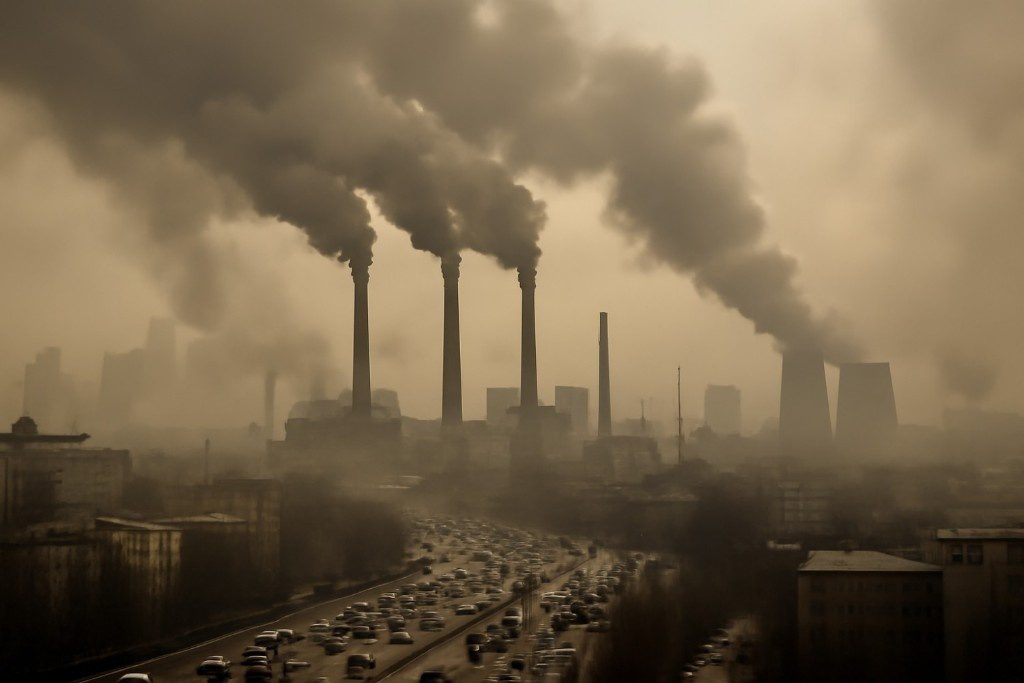
Air pollution is one of the most pervasive forms of environmental degradation. Industrial emissions, vehicle exhaust, and agricultural activities release harmful substances like carbon monoxide, sulfur dioxide, and particulate matter into the atmosphere. These pollutants not only pose significant health risks, leading to respiratory diseases such as asthma and lung cancer, but also contribute to global warming by trapping heat in the atmosphere.
Cities around the world suffer from smog, leading to reduced air quality and impacting the quality of life for millions. In some regions, air pollution levels have reached hazardous levels, straining healthcare systems and reducing life expectancy.
2. Ocean Pollution: Toxins in the Water
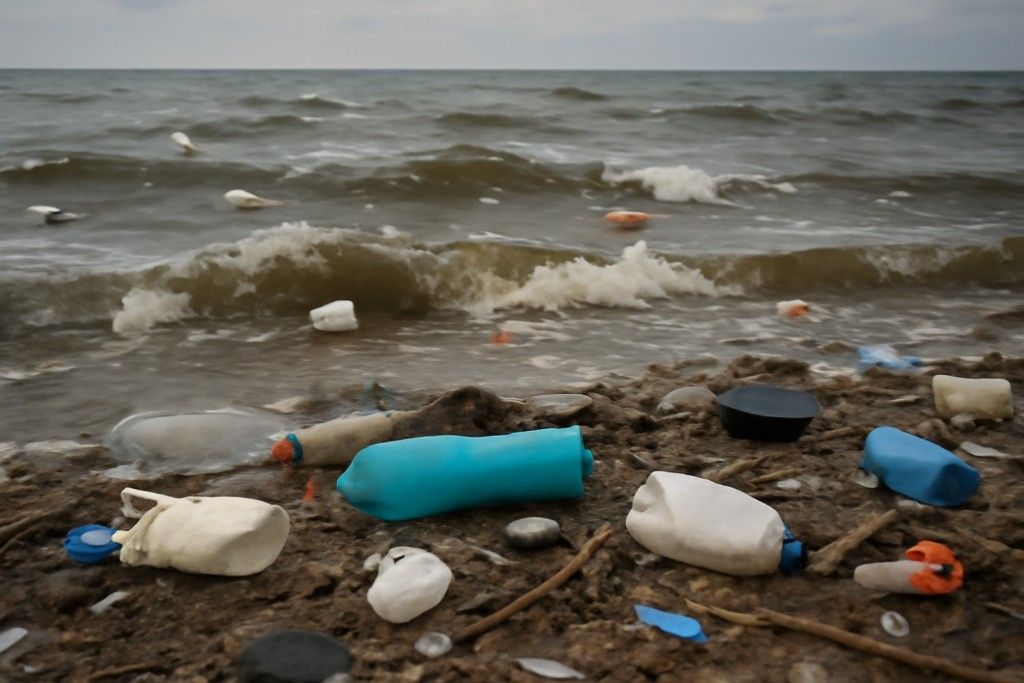
The oceans, which cover more than 70% of the Earth’s surface, are being suffocated by plastic waste, oil spills, and chemical pollutants. Plastic pollution alone is a major threat, with millions of tons of plastic entering the seas each year. This debris harms marine life, often leading to entanglement, ingestion, and death.
The toxic chemicals in the water, such as heavy metals and pesticides, accumulate in the food chain, affecting not only aquatic creatures but also humans who consume contaminated seafood. The loss of biodiversity in marine ecosystems due to pollution is an alarming consequence of human activity that is difficult to reverse.
3. Soil Contamination: Poisoning the Ground Beneath Us
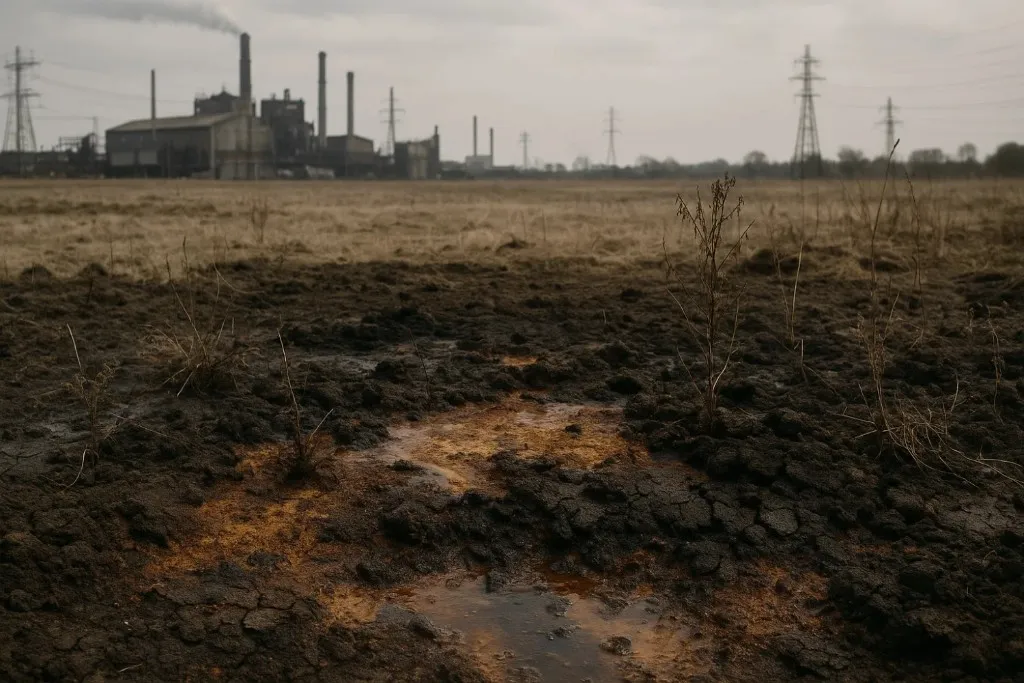
Soil contamination occurs when hazardous chemicals seep into the ground, often due to industrial activities, agricultural pesticides, or improper waste disposal. These toxins not only degrade the soil quality, making it less fertile, but also enter the food chain through crops grown in contaminated soil.
This poses serious health risks, including cancer, neurological disorders, and developmental issues in children. In some areas, contaminated soil has led to widespread agricultural loss, with farmers unable to cultivate their land. Soil pollution is a silent threat, with long-lasting consequences that are challenging to address.
4. Water Pollution: Poisoning Freshwater Sources
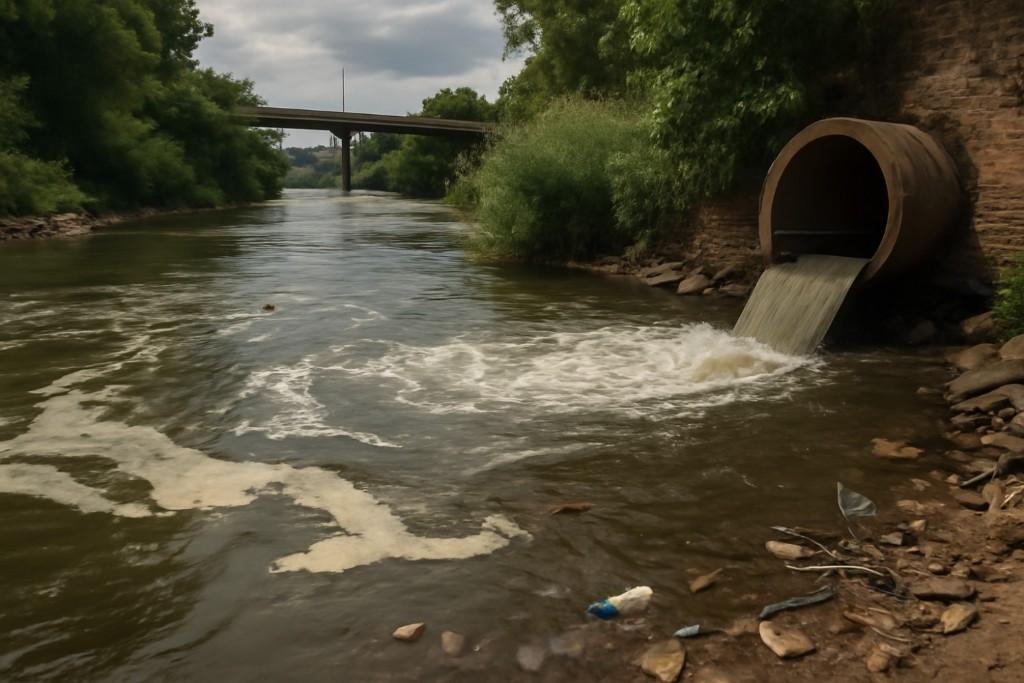
Water pollution, particularly in rivers, lakes, and underground aquifers, poses a severe threat to human health and the environment. Contaminants such as agricultural runoff, industrial waste, and untreated sewage introduce harmful chemicals, pathogens, and heavy metals into freshwater sources.
This makes water unsafe for drinking, irrigation, and recreational use, contributing to the spread of waterborne diseases like cholera and dysentery. The degradation of freshwater ecosystems also threatens biodiversity, with species that rely on clean water for survival facing extinction. The scarcity of clean water due to pollution is an emerging global crisis.
5. Climate Change: The Catalyst for Environmental Deterioration
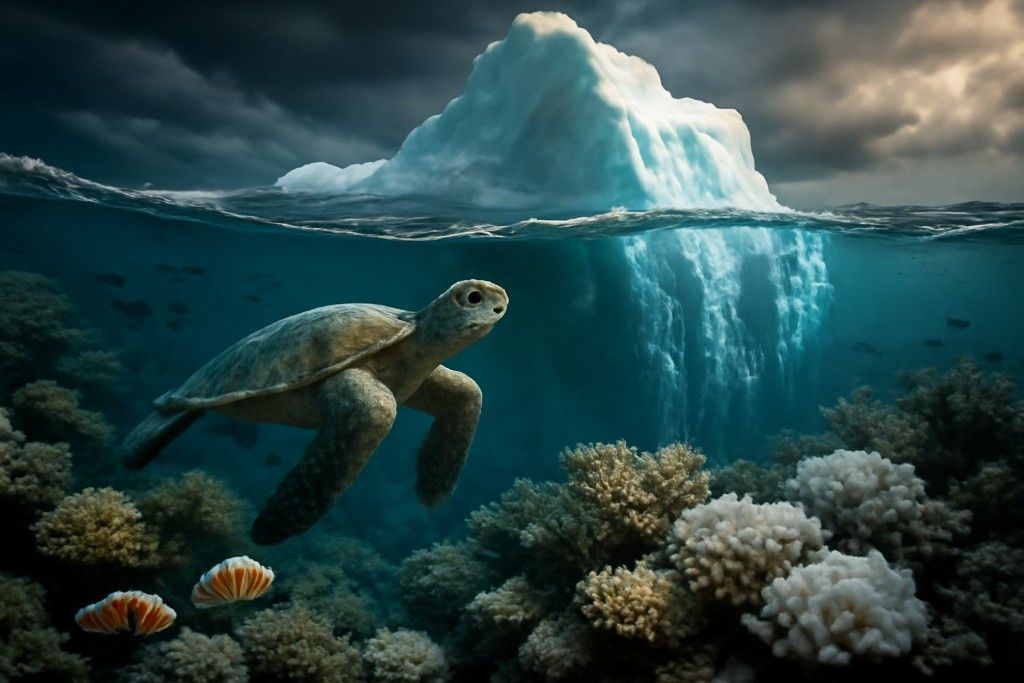
Climate change is both a result of pollution and a driving force for further environmental degradation. Greenhouse gases like carbon dioxide, methane, and nitrous oxide, primarily released by burning fossil fuels, are rapidly changing the Earth’s climate. This leads to rising global temperatures, melting ice caps, extreme weather events, and rising sea levels.
As climate patterns shift, ecosystems are disrupted, biodiversity is lost, and communities face increased vulnerability to natural disasters. The toxic legacy of pollution is contributing to a future where the planet’s climate is unpredictable and hostile to life.
6. Deforestation: Pollution’s Impact on Forests
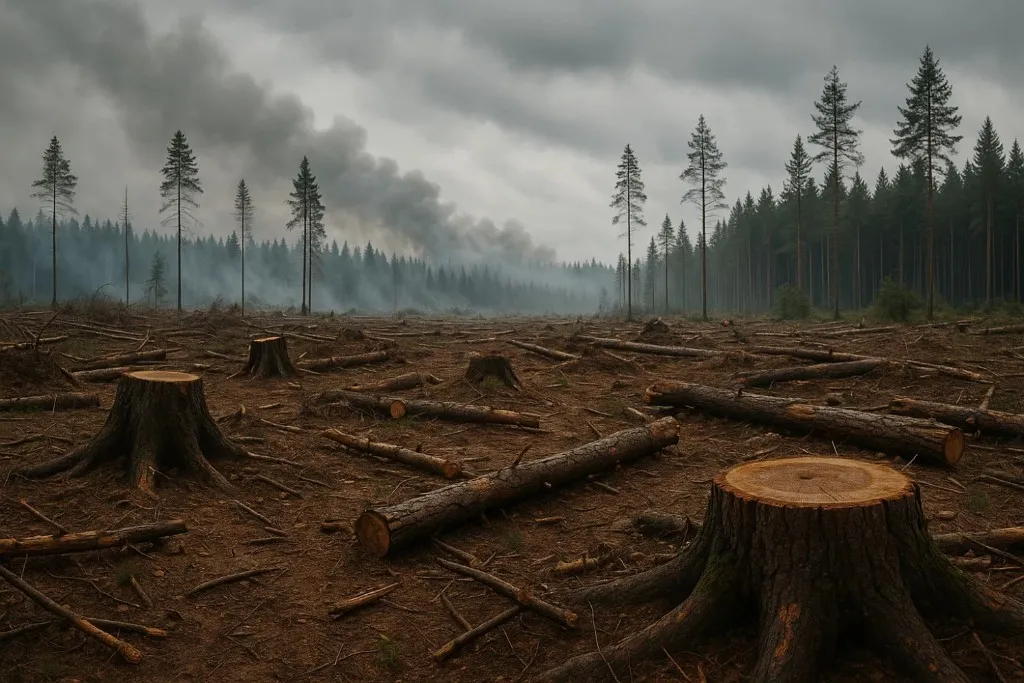
Deforestation, driven by logging, agriculture, and urbanization, significantly contributes to pollution. Trees act as natural air filters, absorbing carbon dioxide and releasing oxygen. When forests are cleared, not only is this valuable ecosystem destroyed, but the carbon stored in trees is released back into the atmosphere, exacerbating global warming.
Additionally, deforestation leads to soil erosion and reduces biodiversity, as many plant and animal species depend on forests for survival. The loss of forests is not only a blow to the environment but also to human health, as forests provide essential resources and regulate the water cycle.
7. Chemical Waste: The Legacy of Toxic Dumping
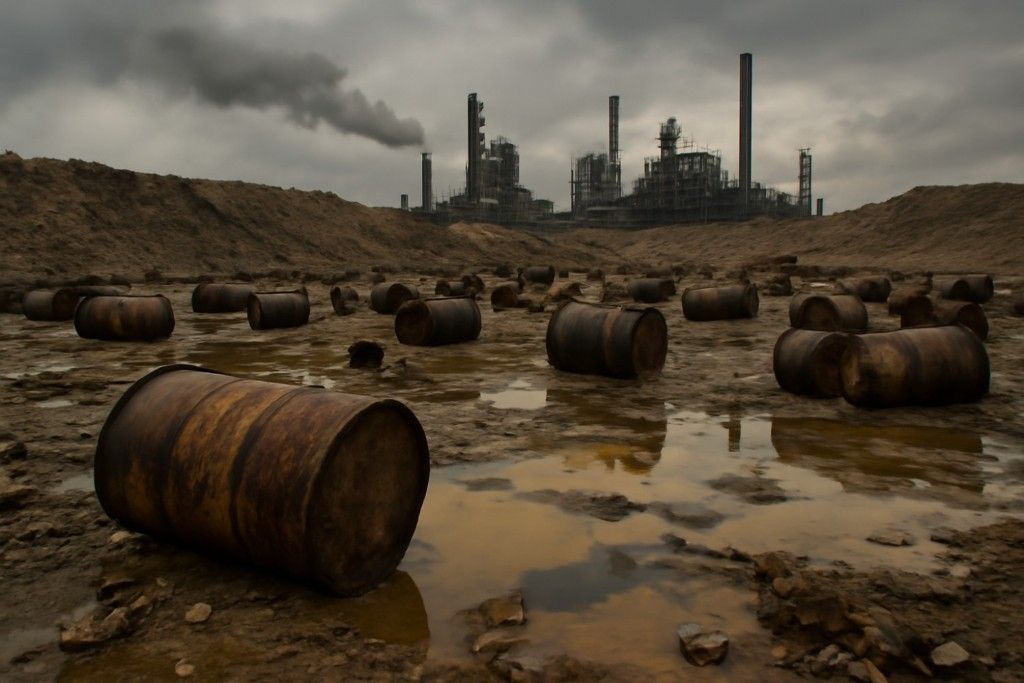
Industrial processes, mining, and chemical manufacturing produce hazardous waste that often ends up in landfills, rivers, and oceans. Many of these chemicals are persistent pollutants, meaning they don’t break down easily and remain in the environment for decades or even centuries.
Lead, mercury, and PCBs (polychlorinated biphenyls) are just a few examples of chemicals that have caused significant harm to ecosystems and human health. These toxic substances can cause neurological damage, cancer, and birth defects. Areas contaminated with chemical waste remain dangerous, often requiring costly and complex cleanup efforts to mitigate the damage.
8. Industrial Agriculture: The Pollutants in Our Food Chain
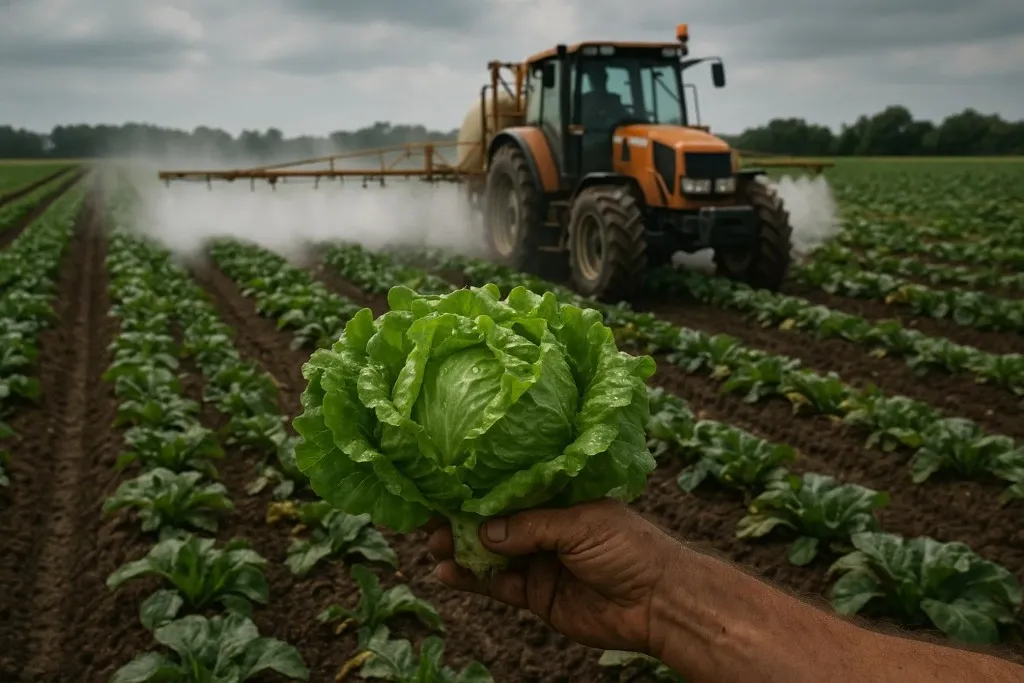
Industrial agriculture is a major contributor to pollution, releasing large quantities of pesticides, herbicides, and fertilizers into the environment. These chemicals not only contaminate the soil and water but also affect the health of those who consume them. Pesticide residues found on fruits and vegetables have been linked to a range of health issues, from hormonal disruption to cancer.
Moreover, the intensive farming practices often used in industrial agriculture deplete the soil, reducing its ability to filter out toxins. The impact of industrial agriculture extends beyond food safety, affecting biodiversity and soil health on a global scale.
9. The Great Pacific Garbage Patch: A Monument to Waste
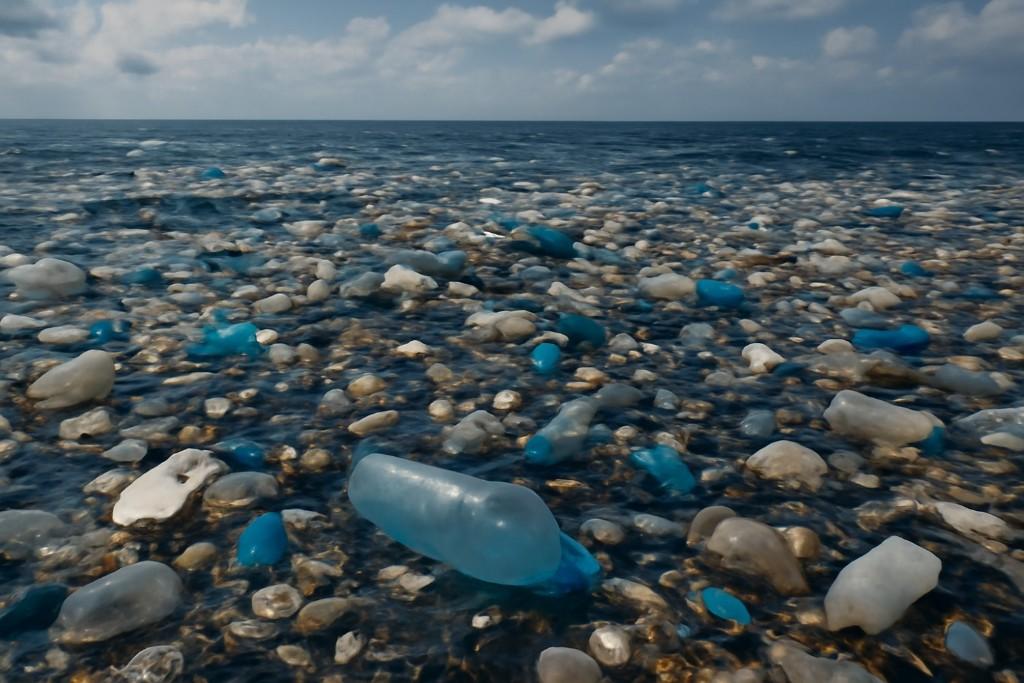
The Great Pacific Garbage Patch, located between California and Hawaii, is a floating mass of plastic debris that has grown to enormous proportions. It is estimated to contain over 80,000 tons of plastic waste, posing a severe threat to marine life. Marine animals often mistake plastic for food, leading to ingestion and death.
The pollution in the Great Pacific Garbage Patch is a result of human activity, with plastic waste flowing into the ocean from rivers and coastal areas. Efforts to clean up the patch are ongoing, but the scale of the problem makes it difficult to tackle.
10. Noise Pollution: The Silent, Invisible Threat
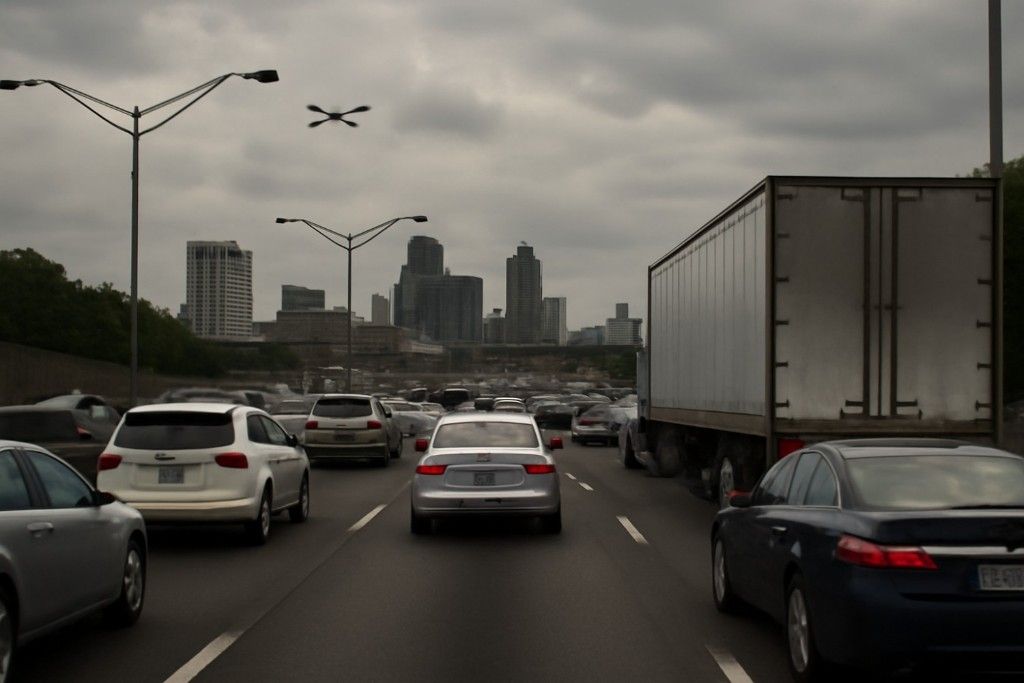
Noise pollution is often overlooked as a form of environmental harm, but its effects on both humans and wildlife are significant. Traffic noise, industrial machinery, and even the sounds of airplanes contribute to a constant barrage of noise in urban areas. This constant exposure can lead to stress, hearing loss, sleep disturbances, and even cardiovascular disease in humans.
In wildlife, noise pollution disrupts communication, mating rituals, and migration patterns, particularly in marine species such as whales and dolphins. As urban areas expand, noise pollution becomes an ever-growing issue that impacts the health and well-being of both humans and animals.
11. Toxic Metals: A Heavy Burden on Our Planet
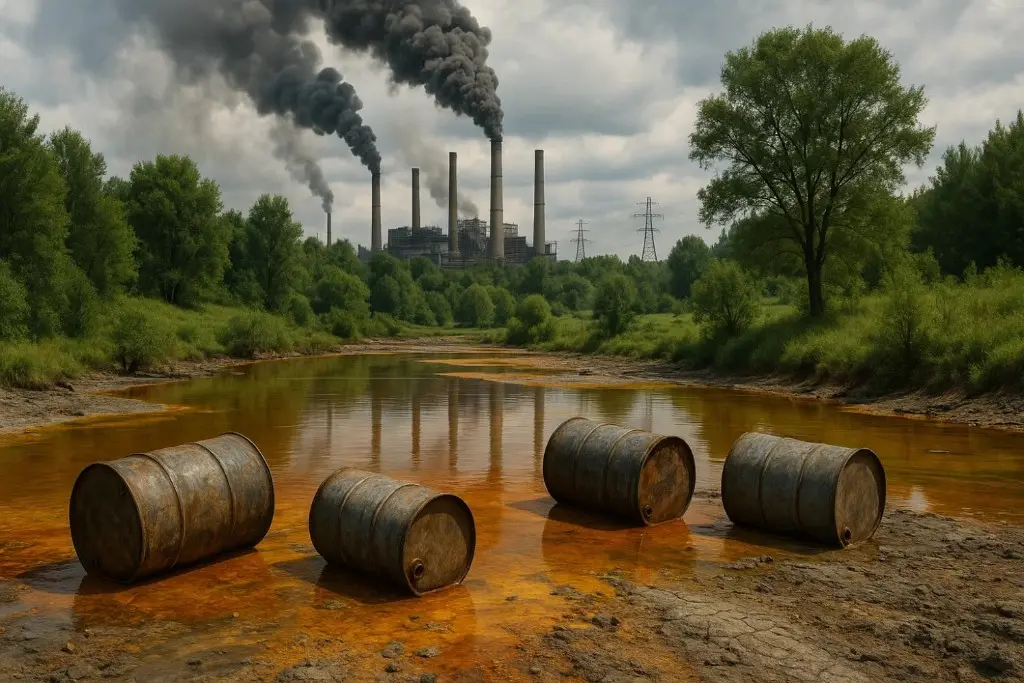
Heavy metals such as mercury, lead, arsenic, and cadmium are among the most dangerous pollutants in the environment. These metals are released into the air, water, and soil through industrial processes, mining, and the burning of fossil fuels. Once they enter the ecosystem, they can bioaccumulate, meaning they build up in the tissues of organisms over time, leading to poisoning and death.
Humans are particularly vulnerable to the effects of heavy metals, with exposure leading to neurological damage, cancer, and developmental issues in children. The persistence of these metals in the environment makes them a long-term threat to health and biodiversity.
12. Urbanization: Pollution in Our Cities
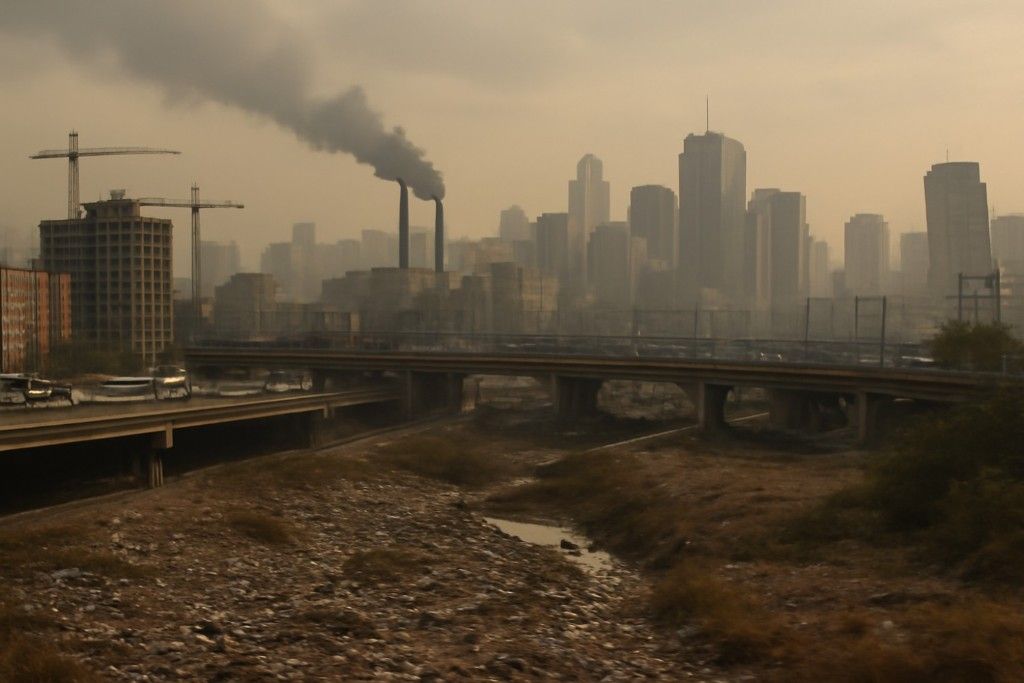
As the global population continues to grow, urbanization accelerates, leading to an increase in pollution levels in cities worldwide. Urban areas are hubs for industrial activity, transportation, and waste generation, contributing to higher levels of air and water pollution. The construction of roads and buildings often leads to the destruction of natural habitats, further exacerbating the loss of biodiversity.
In addition, urban heat islands, created by the concentration of buildings and infrastructure, intensify the effects of climate change by raising temperatures in densely populated areas. Urbanization is a complex challenge that requires sustainable solutions to reduce pollution.
13. Toxic Waste Sites: Legacies of Environmental Neglect
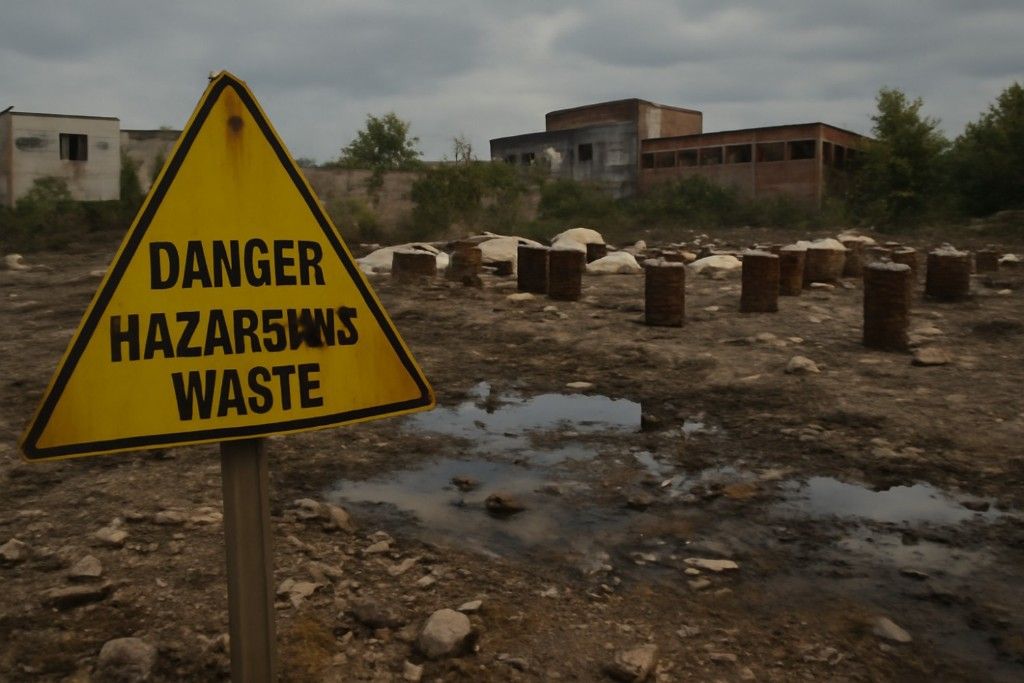
Toxic waste sites, often the result of improper disposal of industrial or hazardous waste, remain a dangerous environmental legacy. These sites pose a significant risk to local communities, with toxins leaching into the soil and water. Cleanup efforts are costly and time-consuming, and in many cases, toxic waste remains buried underground, continuing to pollute the environment.
The long-term health effects of exposure to toxic waste are profound, with cancer, birth defects, and neurological disorders being common among those living near contaminated sites. The management of toxic waste remains a critical issue in the fight against environmental pollution.
14. The Future of Pollution: A Planet at a Crossroads
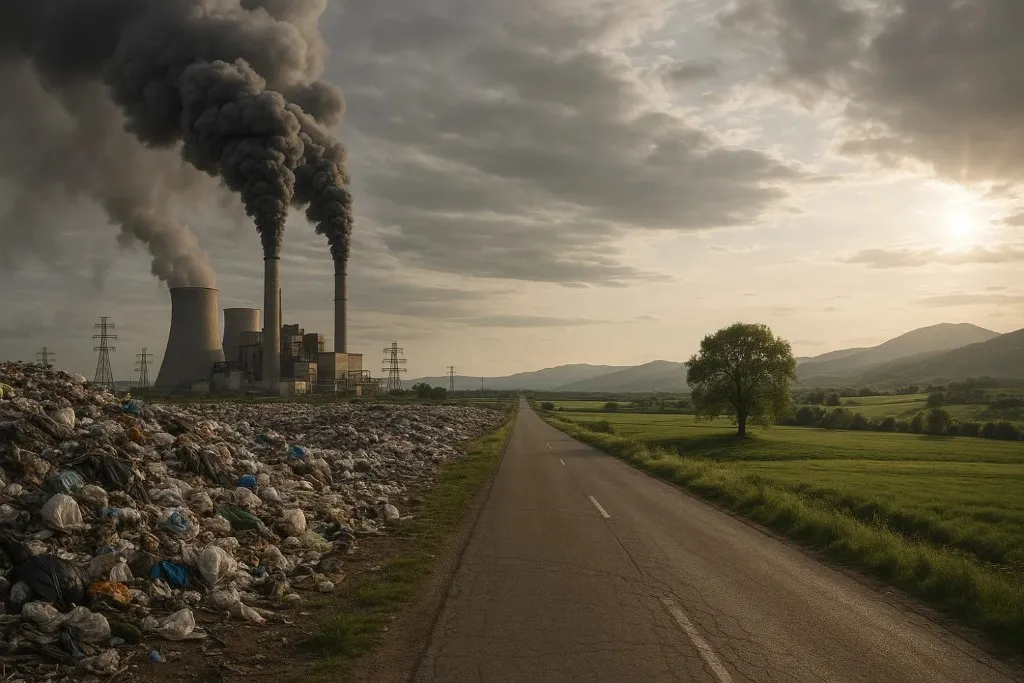
The future of pollution remains uncertain, as the toxic legacy of human activity continues to shape the planet’s environmental and social landscape. With increasing awareness of the harmful effects of pollution, efforts to combat environmental degradation have gained momentum. Governments, organizations, and individuals are beginning to take action, but significant challenges remain.
pollution requires large-scale changes in industry, transportation, and consumption patterns, as well as global cooperation. The road ahead is difficult, but with concerted effort, it is possible to mitigate the worst impacts and move toward a cleaner, healthier planet for future generations.