

If you’ve ever watched kids play on a frozen lake, you know the excitement of wondering what lies beneath the ice. Scientists feel the same way about Europa, one of Jupiter’s moons. Beneath its frozen surface, there may be a vast ocean deep enough to hold more water than all of Earth’s seas combined. And where there’s water, there might be life. In this article, we’ll explore how scientists study Europa, why it’s such a promising place to search for life, and what future missions may discover.
1. What Makes Europa Special?
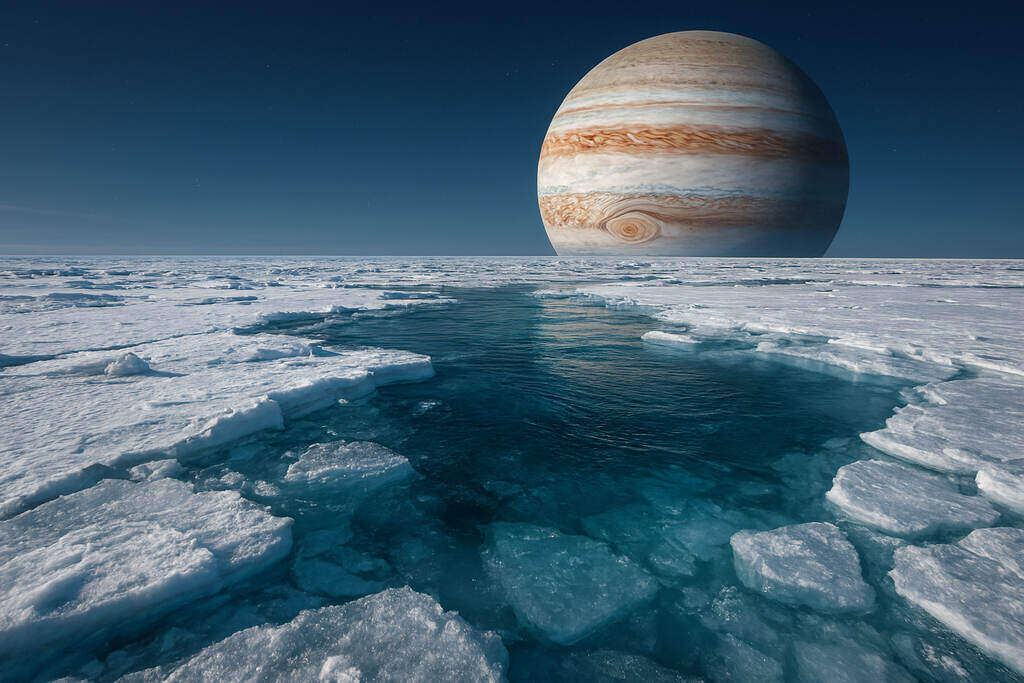
Europa stands out among the many moons in our Solar System because it appears to hide a global ocean under its icy shell. Unlike dry, dusty moons, Europa has a smooth, cracked surface that looks like frozen sea ice on Earth. The moon’s interior seems warm enough—thanks to tidal heating from Jupiter’s gravity—to keep water in liquid form below the surface.
This combination of ice, water, and warmth makes Europa one of the best places to search for life. In real-life science terms, Europa checks all three boxes used to identify habitable environments: water, energy, and chemistry. That’s why space agencies worldwide keep their eyes on this frozen world.
2. The Ice Shell: Europa’s Protective Shield
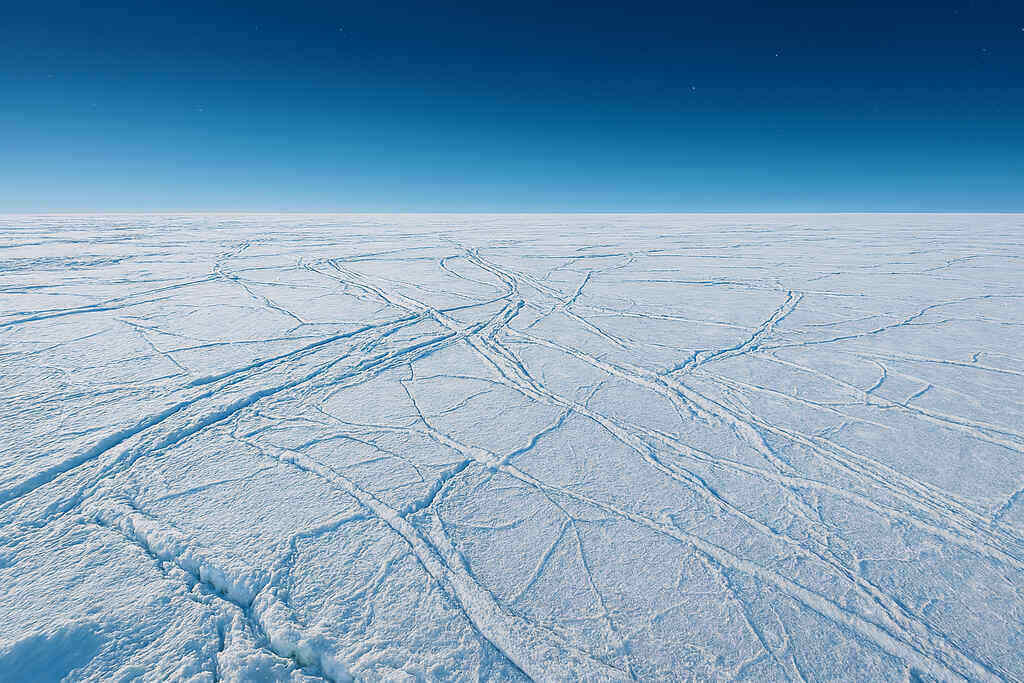
Europa’s ice crust may be between 10 and 30 kilometers thick. This might sound like a barrier, but it also acts as a shield that protects the ocean from harmful radiation. On Earth, ice-covered lakes and seas—like those in Antarctica—house thriving microbial communities beneath thick layers of ice. That gives scientists confidence that life could survive below Europa’s ice, too.
Cracks called “lineae” run across the surface, created by the moon’s shifting interior. These cracks may allow ocean water to push upward or exchange chemicals with the surface. Studying these features helps scientists understand how the ocean and surface interact, which is critical when imagining possible life.
3. The Hidden Ocean Beneath the Surface

Europa’s underground ocean may be over 100 kilometers deep—far deeper than any ocean on Earth. That means an enormous amount of water, more than twice the volume of Earth’s oceans. Since water is essential for life, Europa’s ocean is a prime location for astrobiologists. Real-life examples on Earth include Lake Vostok, a huge lake trapped under Antarctic ice for millions of years.
Scientists have found microbes living there despite extreme conditions. If life can survive under Antarctica’s ice, it’s reasonable to wonder if similar life-forms could survive beneath Europa’s much larger, warmer ocean. The possibility alone motivates new missions and experiments.
4. Heat from Below: Tidal Heating
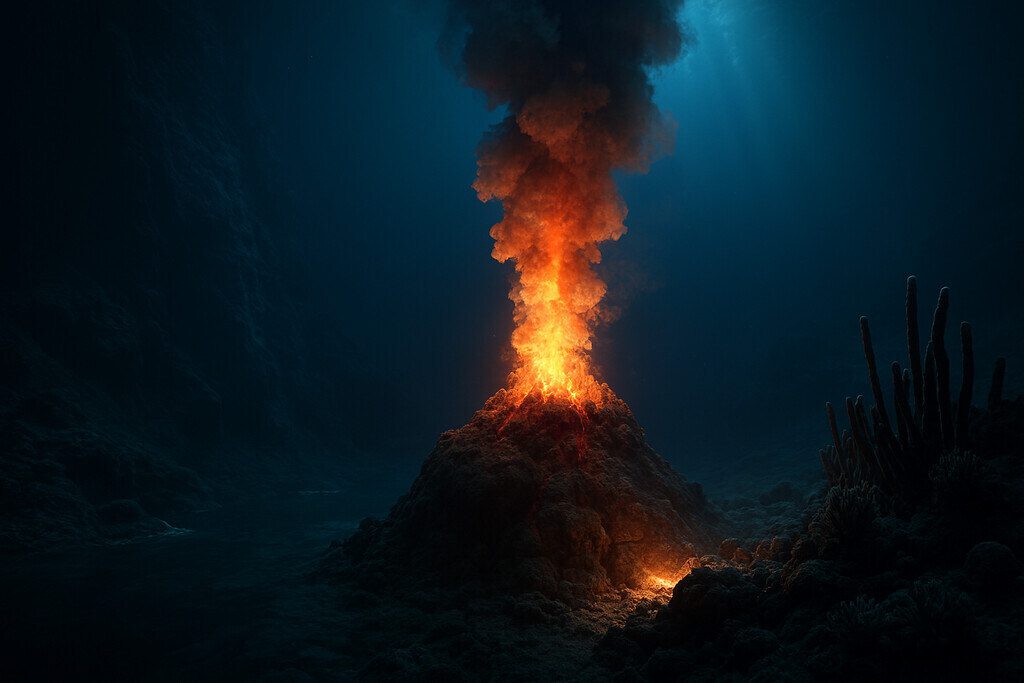
Europa doesn’t rely on sunlight to keep its ocean liquid. Instead, it gets energy from tidal heating. As Jupiter’s enormous gravity pulls and stretches Europa, friction inside the moon creates heat. This process is similar to bending a paper clip back and forth—the more you bend it, the warmer it becomes.
In Europa’s case, this internal heating could keep the ocean warm enough to remain liquid. Some scientists believe hydrothermal vents—similar to those on Earth’s seafloor—may exist on Europa’s ocean floor. These vents support entire ecosystems without sunlight on Earth, which shows us that life can thrive using chemical energy alone.
5. Chemistry Needed for Life
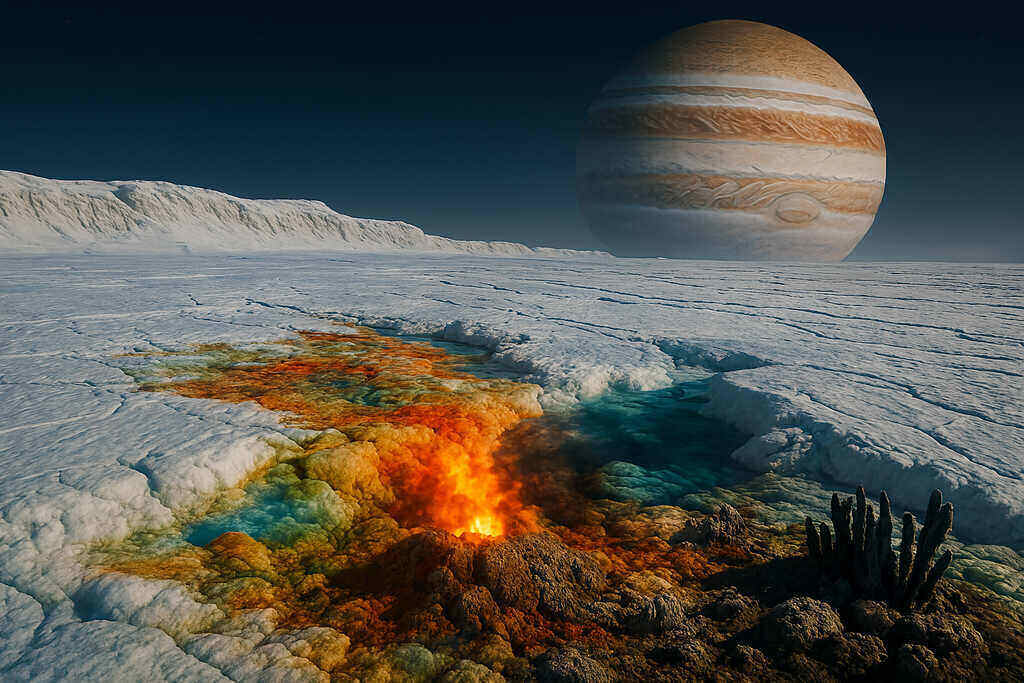
Life, as we know it, requires more than just water—it needs essential chemical ingredients like carbon, nitrogen, and energy-rich molecules. Europa’s surface contains compounds such as salts and possibly organic molecules. If these materials mix with the ocean below, they could form the building blocks of life.
When radiation from Jupiter hits Europa’s surface, it can break water and chemicals apart, creating new compounds. These compounds, if transported downward, could feed microbial life. Earth’s icy oceans demonstrate that life can adapt to extreme environments, giving scientists hope that Europa’s chemistry may support something similar.
6. Plumes: Windows Into the Ocean
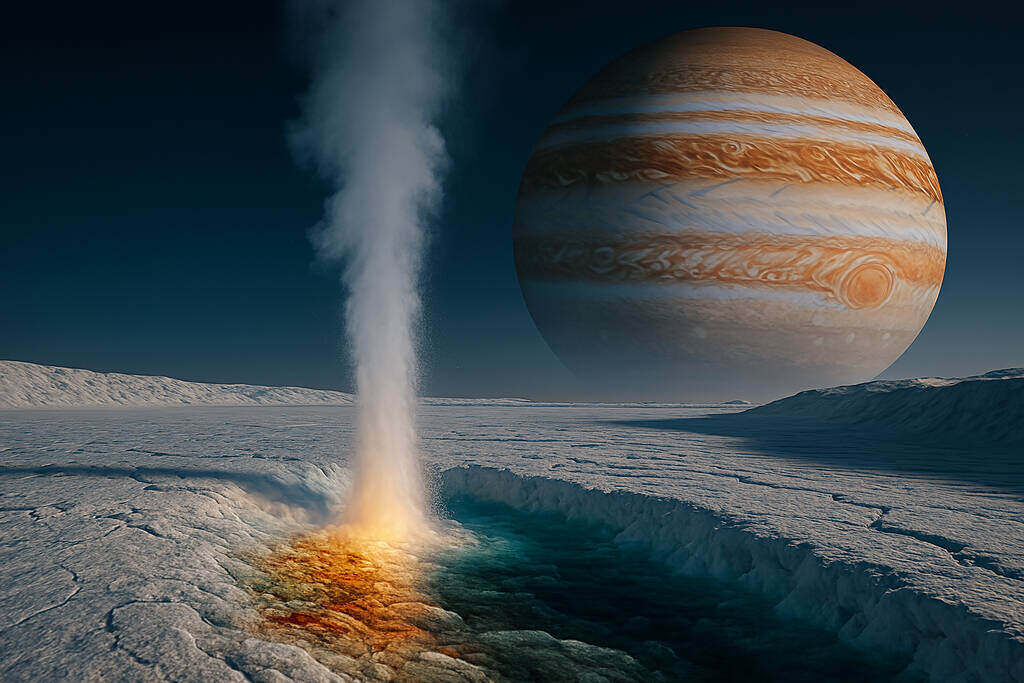
One of the most exciting discoveries in recent years is the possible detection of water vapor plumes erupting from Europa’s surface. These plumes might be jets of ocean water shooting through cracks in the ice. If confirmed, they could allow spacecraft to sample Europa’s ocean without drilling through kilometers of ice—a massive advantage.
NASA’s Hubble Space Telescope and the Europa Clipper mission both study these plumes. If the plumes contain organic molecules or signs of biological activity, they could give us our first evidence of life beyond Earth, all without landing astronauts or drilling equipment on the moon.
7. Europa’s Surface Features: Clues to the Ocean Below
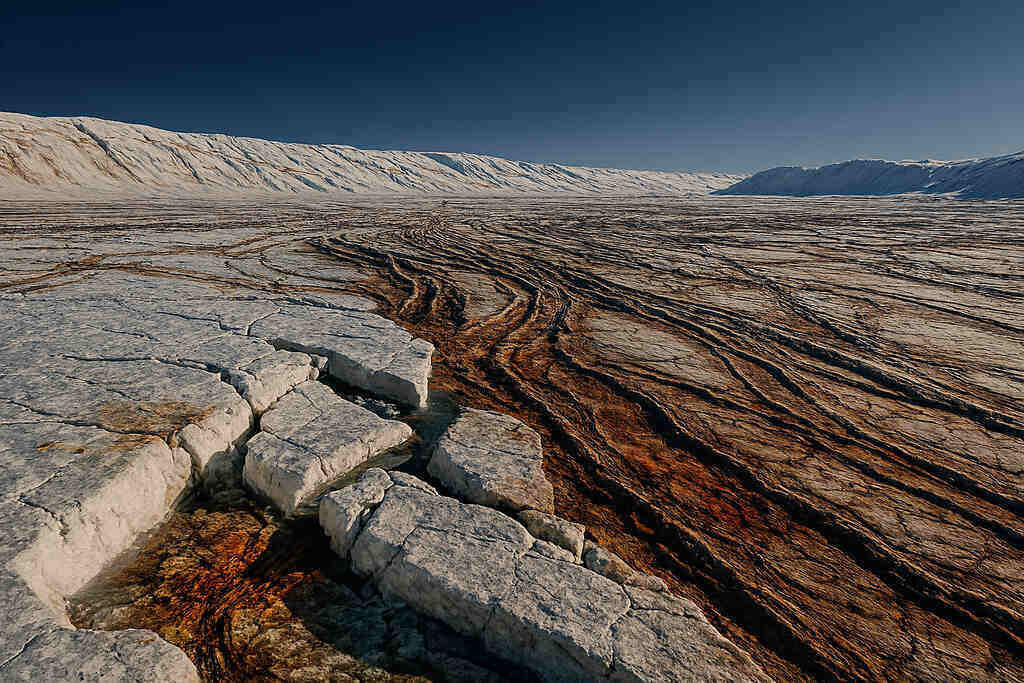
Europa’s surface is covered with long dark streaks, ridges, and chaotic terrain—regions where the ice seems broken and jumbled like a cracked sheet of ice on a frozen lake. These patterns suggest movement and possibly liquid water or slush just beneath the surface. Scientists compare this to sea ice in the Arctic, where similar cracks and pressure ridges form due to currents and shifting temperatures.
Europa’s chaotic regions may hold pockets of melted water close to the surface, offering easier access for future missions. Understanding these features helps map out Europa’s geology and points researchers to the most promising areas to study.
8. The Role of Jupiter’s Gravity
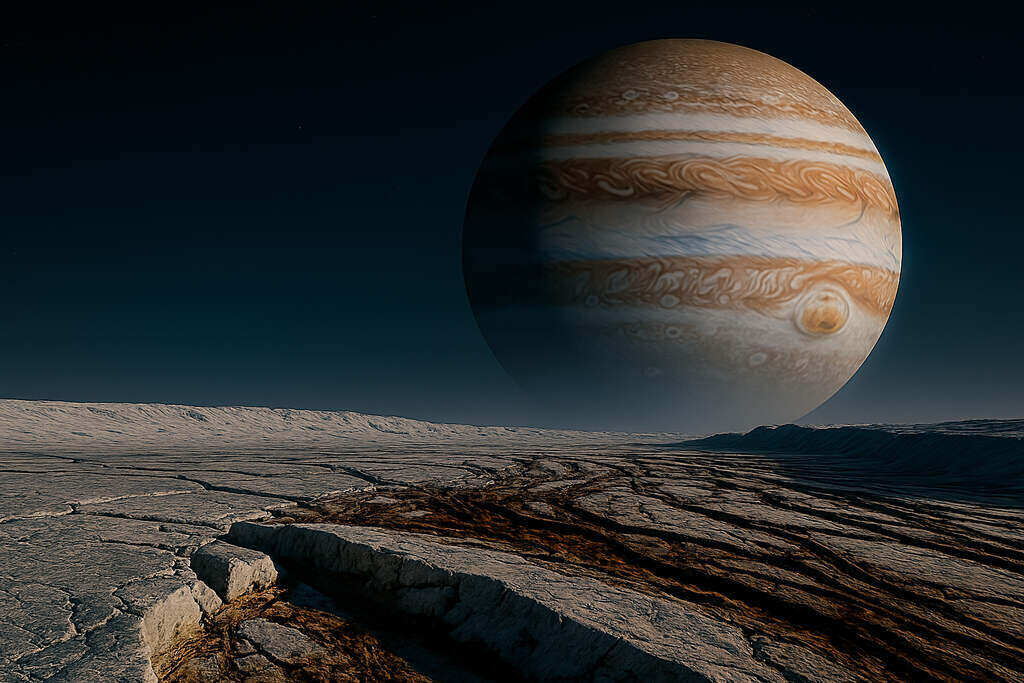
Europa’s environment is shaped dramatically by Jupiter’s powerful gravitational pull. This force stretches and squeezes Europa as it orbits, creating the internal heat that keeps its ocean from freezing. But Jupiter also emits strong radiation, especially near Europa’s surface. While dangerous for spacecraft electronics, this radiation helps create useful surface chemicals.
Protecting future landers or explorers from radiation is a big engineering challenge. Still, the benefits of studying Europa outweigh the difficulties. Jupiter’s influence makes Europa geologically active, warmed from within, and chemically rich—qualities that make it one of the Solar System’s most promising places to search for life.
9. Europa Clipper: A Mission of Discovery
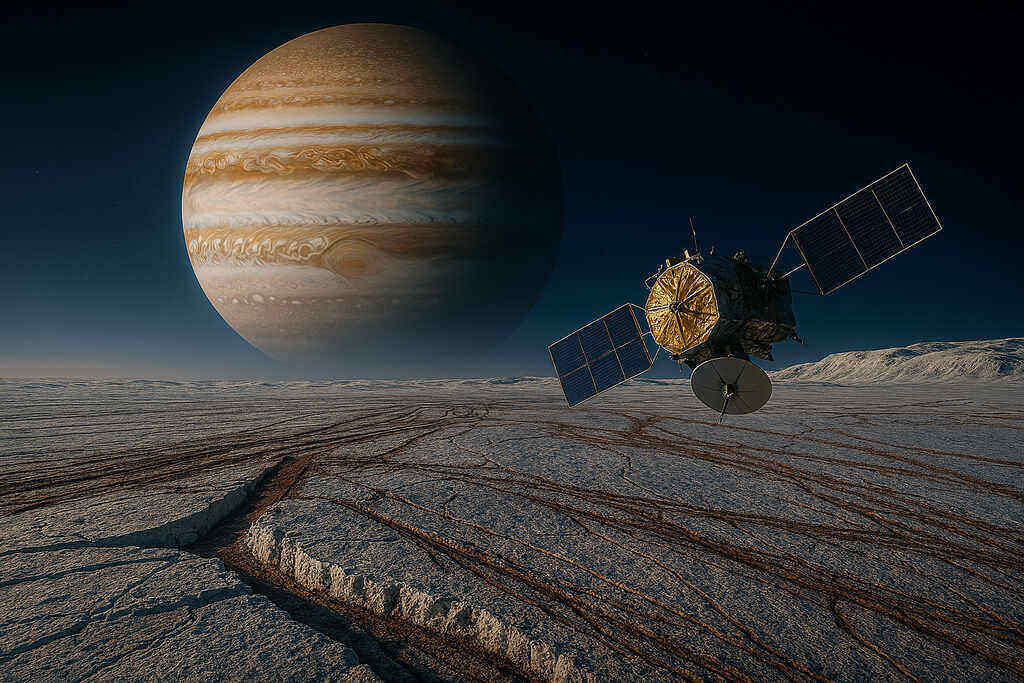
NASA’s Europa Clipper, set to explore the moon in the 2030s, will perform dozens of flybys to gather detailed information. Instead of landing, it will orbit Jupiter and repeatedly pass close to Europa. Its instruments include ice-penetrating radar, spectrometers, cameras, and magnetic sensors.
These tools will map the ice thickness, search for water plumes, analyze surface chemistry, and look for signs of subsurface oceans. Europa Clipper won’t directly search for life, but it will answer crucial questions: How deep is the ice? What chemicals are present? Could the ocean support living organisms? Its findings will guide future missions that may land on Europa.
10. Potential Landers and Future Missions
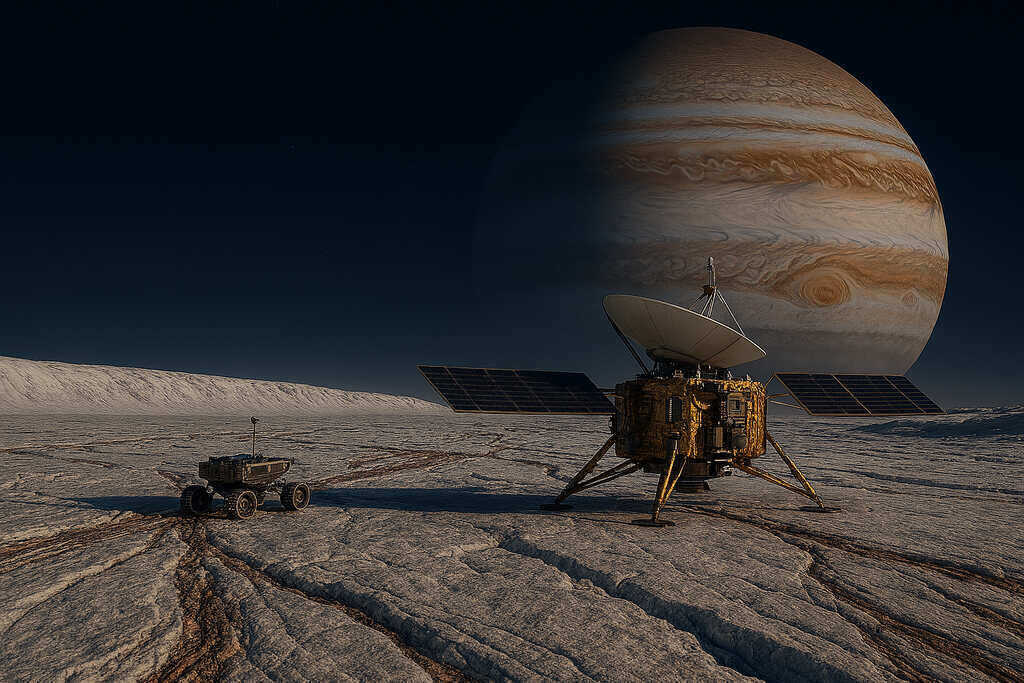
After Europa Clipper, the next step could be a lander that touches down on Europa’s surface. Its job would be to analyze ice samples for organic molecules or chemical signatures left behind by life. Another long-term vision is a “cryobot”—a heated probe that melts through the ice to reach the ocean. While this technology is not ready yet, research is ongoing.
NASA tests cryobot prototypes in Antarctica, where conditions resemble Europa’s. If a probe eventually reaches the ocean, it could release a small submarine-like rover to explore the dark waters below. Such missions may take decades, but they bring us closer to answering the biggest question: Are we alone?
11. What Life on Europa Might Look Like
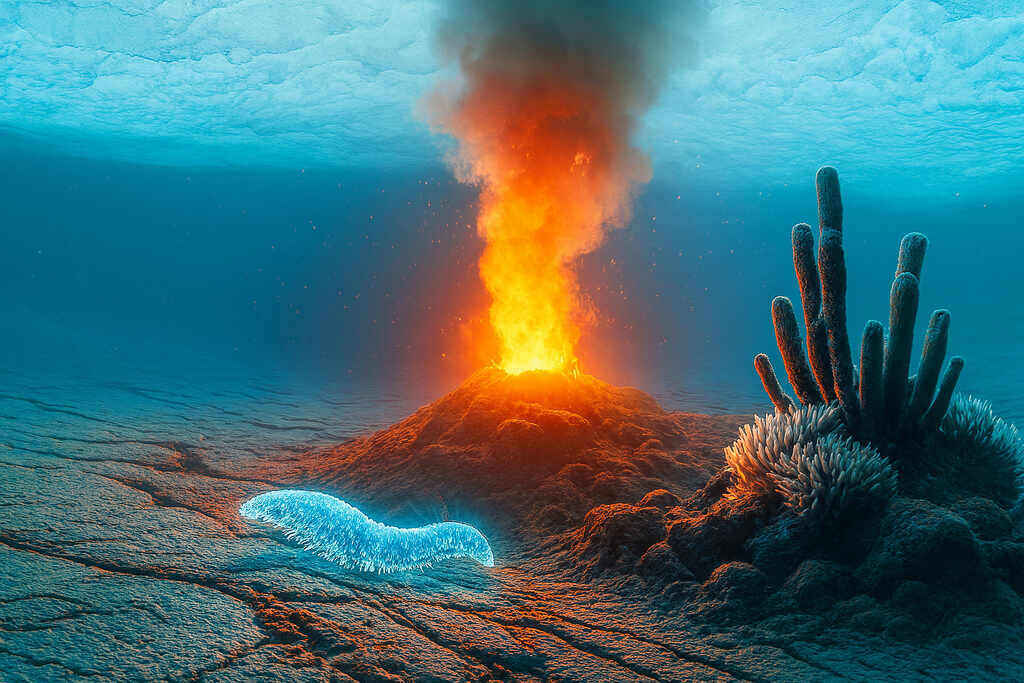
Any life on Europa is likely to be microbial—tiny, single-celled organisms similar to bacteria on Earth. These microbes could use chemical energy from hydrothermal vents or minerals in the ocean. They might resemble organisms found in Earth’s deep-sea vents, where no sunlight reaches, but life thrives.
Some scientists imagine simple multicellular organisms, but complex animals are less likely. Europa’s ocean is dark, cold, and under extreme pressure. But life on Earth has proven incredibly adaptable. We’ve found microbes in boiling springs, under ice sheets, and deep underground. If life exists on Europa, it may be just as resilient.
12. Lessons From Earth’s Extreme Environments
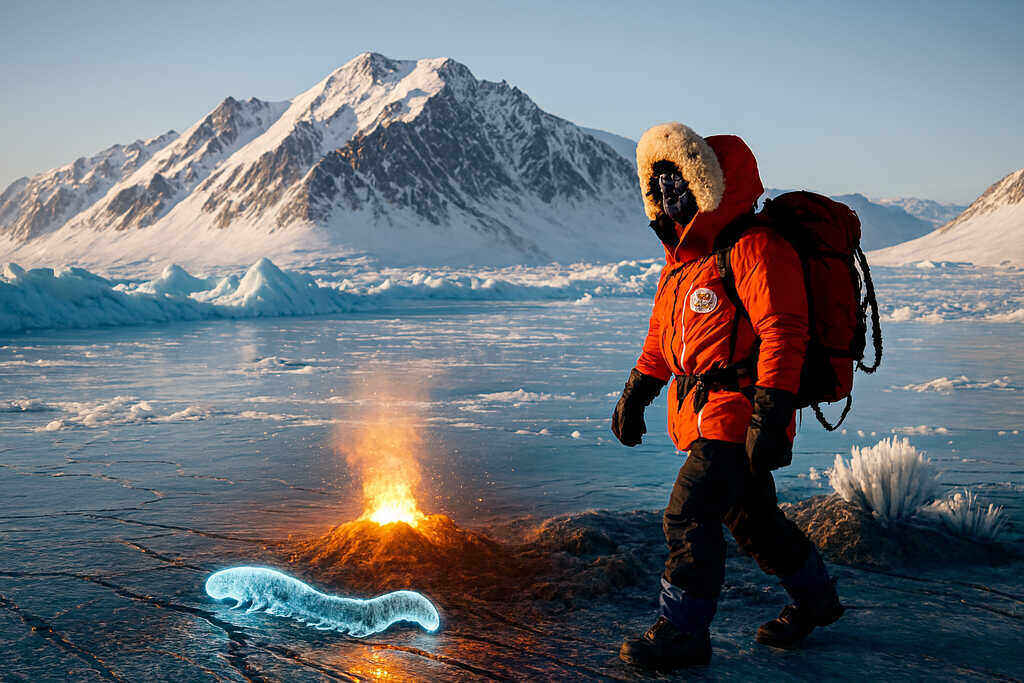
We often look to Earth’s harshest environments to imagine what life on Europa might need to survive. Antarctica’s frozen lakes, deep-ocean vents, and subglacial ecosystems offer great examples. In Lake Whillans, beneath 800 meters of ice, scientists discovered thriving microbes living completely without sunlight.
Similar discoveries in Iceland and the Arctic show that water, rock, and chemical energy can support life almost anywhere. These environments teach us that life doesn’t need perfect conditions—it just needs enough resources. Europa’s ocean has those resources, making it one of the most realistic places in the Solar System to find alien life.
13. Challenges of Exploring an Icy Moon
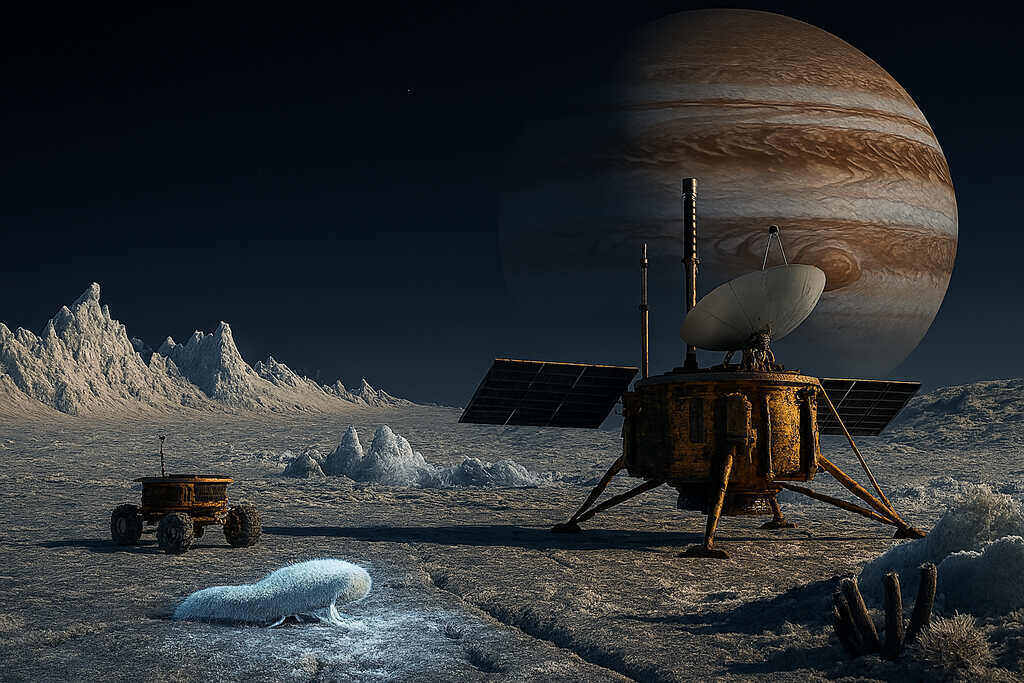
Studying Europa comes with major obstacles. Jupiter’s radiation can damage spacecraft electronics, the ice shell is extremely thick, and landing safely is complicated by slippery, cracked terrain. Communication delays make it hard to operate rovers directly, so missions need a high level of autonomy. Engineers must design tools that can drill or melt through ice without breaking.
On top of this, preventing contamination—ensuring Earth microbes don’t hitch a ride—is essential. Despite these challenges, the scientific reward is enormous. Solving these engineering problems teaches us how to explore other icy worlds, like Enceladus or Titan, in the future.
14. Why This Search Matters to Us
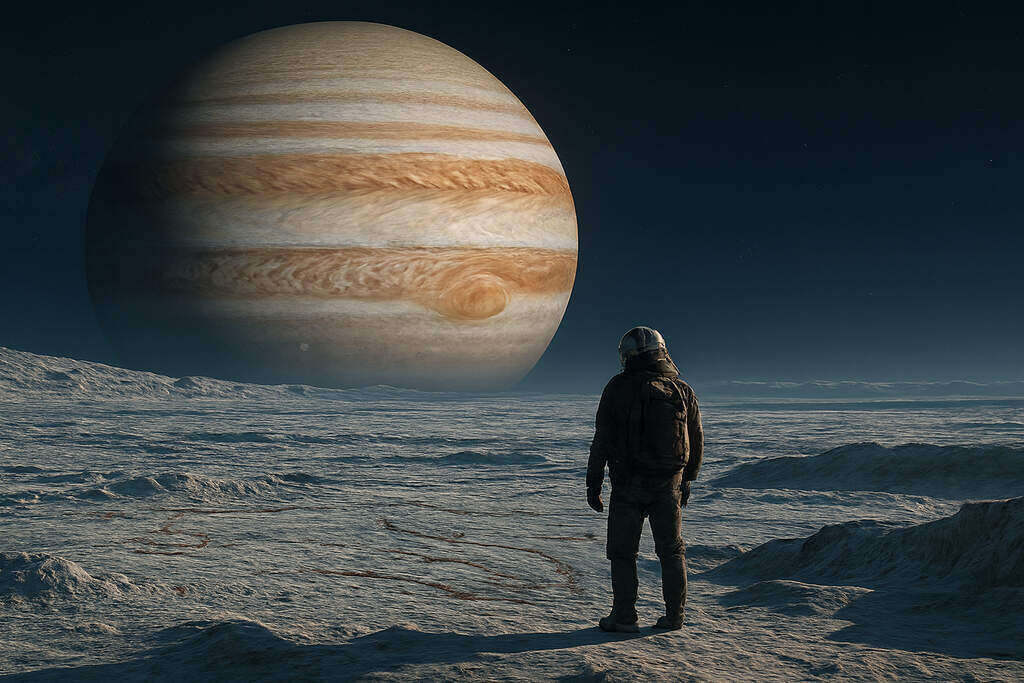
Searching for life on Europa is more than a scientific mission—it’s a human one. Discovering even microscopic life would change our understanding of biology, evolution, and our place in the universe. It would show that life can exist in more than one place, making the universe seem far more alive and connected.
This search inspires new technology, international cooperation, and generations of students who dream of exploring other worlds. Even if Europa turns out to be lifeless, the journey teaches us about oceans, geology, and the limits of habitability, helping protect Earth’s own environments.
15. Motivational Conclusion: A New Frontier of Hope
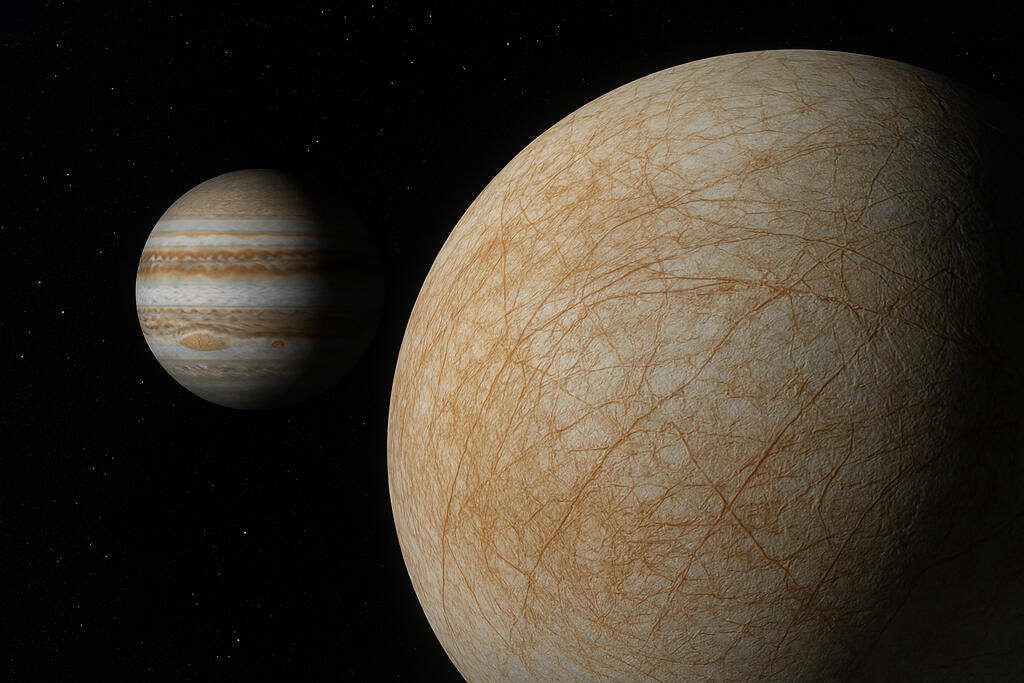
Europa reminds us that the universe is full of possibilities. Beneath a cold, silent surface may lie a thriving ocean waiting to be explored. Whether we discover life or simply learn more about this mysterious world, the journey expands our imagination and strengthens our curiosity.
Each mission, each experiment, and each question brings us a little closer to understanding our cosmic neighborhood. If you’ve ever wondered what lies beyond the familiar, Europa’s story is a reminder to keep exploring—because the next great discovery might be hiding under the ice, just waiting for someone brave enough to look.