

Picture yourself gazing at the night sky, wondering if someone far away is doing the same. For centuries, humans dreamed of other worlds. Now, science is turning that dream into reality. With powerful telescopes and daring missions, we’re searching for “Earth 2.0”—a planet that could host life. This isn’t just about curiosity; it’s about hope, survival, and imagination. The hunt has only just begun, but every discovery brings us closer to answering one of humanity’s oldest questions: Are we alone?
1. Why Humanity Needs Earth 2.0
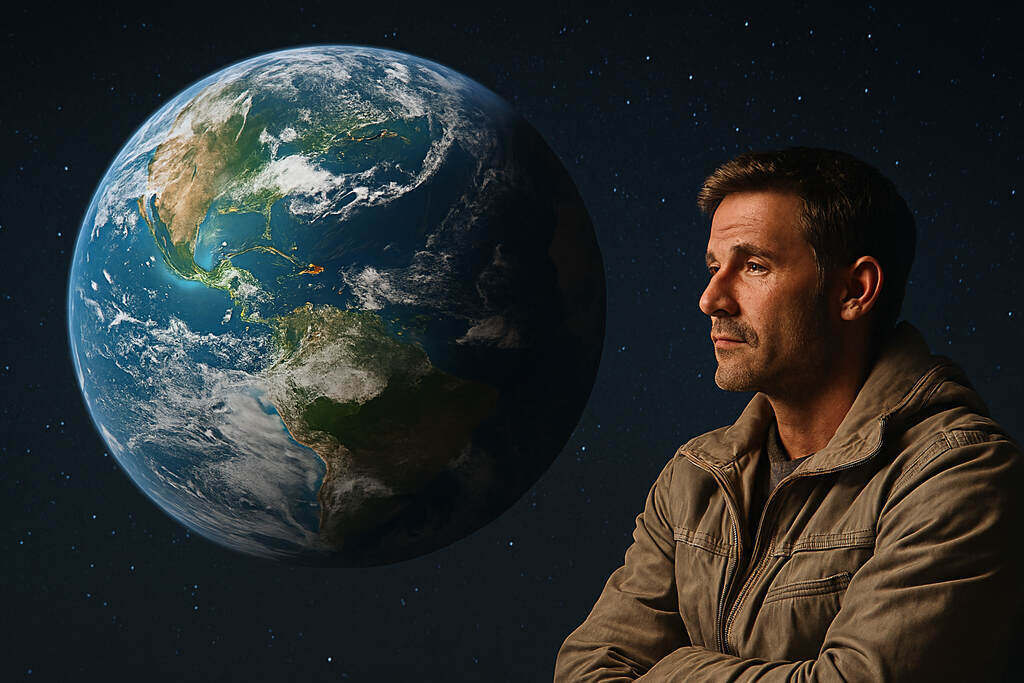
Earth is beautiful, but it’s fragile. Climate change, pollution, and resource shortages remind us that our planet has limits. Searching for Earth 2.0 is like having a safety net. If humanity ever faces a crisis too big to solve here, another habitable world could be our lifeline. But it’s not only about survival—it’s about curiosity. Humans have always explored: from crossing oceans to climbing mountains. Now, the frontier is space. The hunt for Earth 2.0 is the next chapter in our story of exploration.
2. What Makes a Planet Habitable

Scientists look for planets in the “Goldilocks Zone”—not too hot, not too cold, but just right for liquid water. Water is essential because it supports life as we know it. A habitable planet also needs an atmosphere to protect against harmful radiation and regulate temperature. Earth’s atmosphere acts like a shield, keeping us safe. Without it, life would struggle. So when astronomers find planets in the Goldilocks Zone, they get excited—it means the basic recipe for life might be there.
3. Telescopes: Our Eyes in the Sky
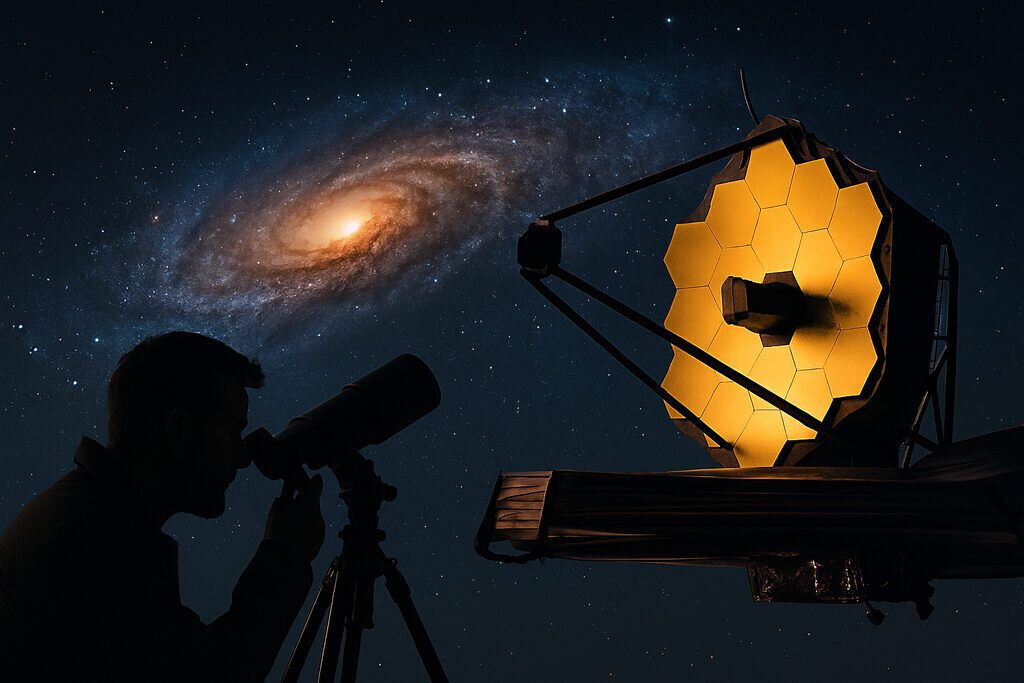
Telescopes are the tools that make this search possible. NASA’s Kepler Space Telescope discovered thousands of exoplanets. Today, the James Webb Space Telescope (JWST) goes further, analyzing atmospheres for signs of water, oxygen, or carbon dioxide. These clues hint at habitability.
Telescopes don’t just spot planets; they study their chemistry. Imagine reading a planet’s “fingerprint” from light-years away—that’s what modern telescopes do. They help us separate lifeless rocks from worlds that might resemble Earth.
4. Famous Discoveries So Far
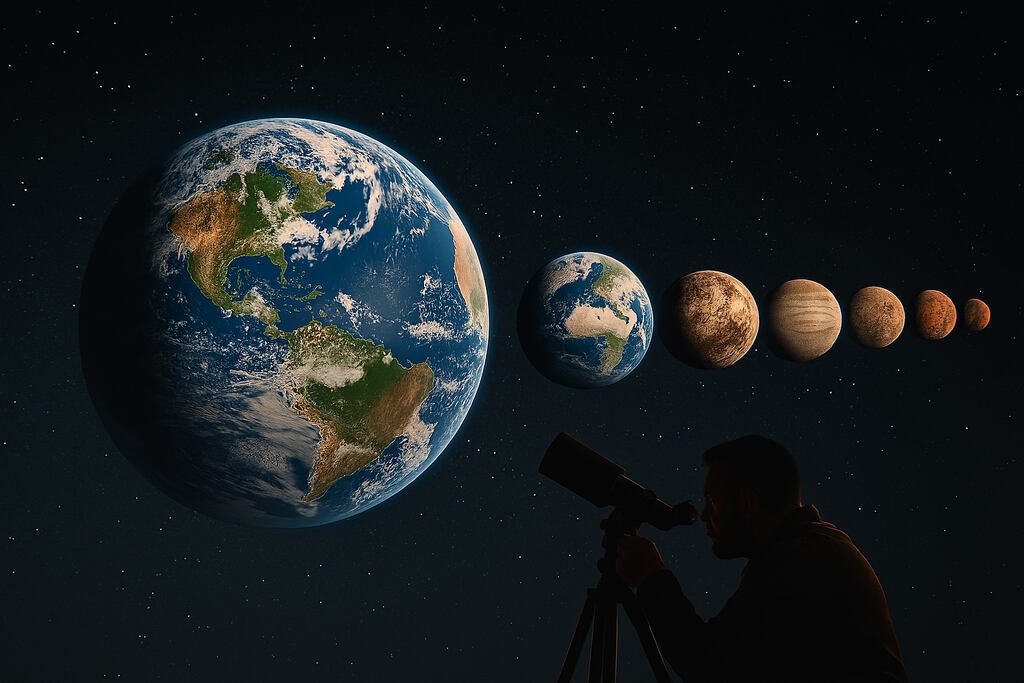
Some planets already look promising. Kepler-452b, nicknamed “Earth’s cousin,” orbits a star similar to our Sun. TRAPPIST-1, a system with seven Earth-sized planets, has several in the habitable zone. These discoveries show Earth-like worlds aren’t rare. Each new find is like opening a door to possibility. While none are confirmed as truly habitable yet, they prove the universe is full of potential homes. It’s like finding neighborhoods before choosing the perfect house.
5. China’s Earth 2.0 Mission
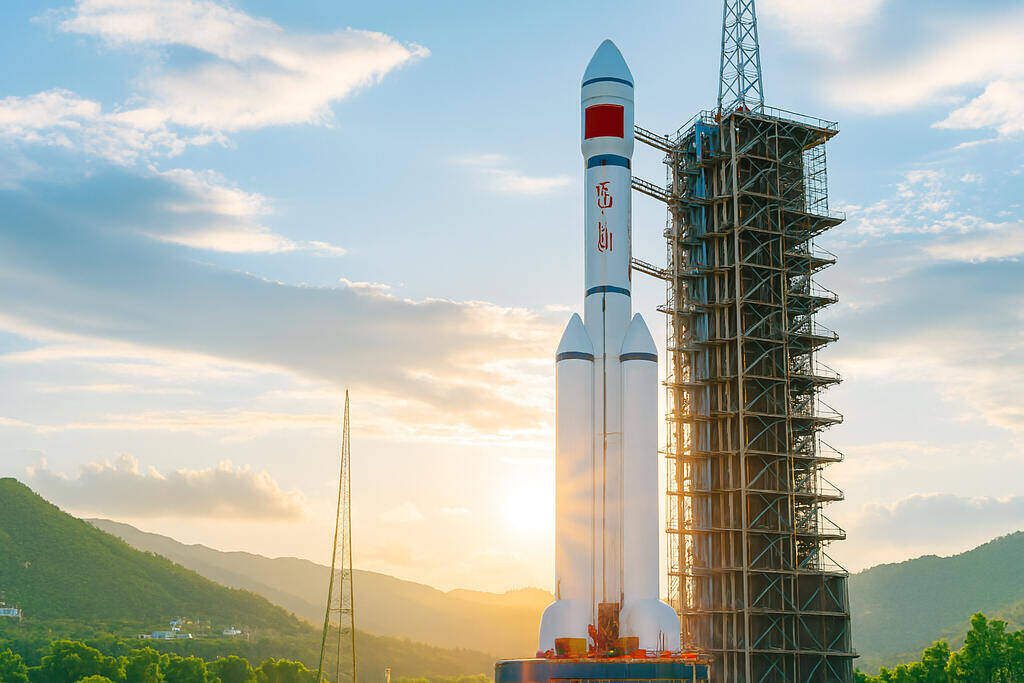
China is preparing an ambitious Earth 2.0 mission, set to launch in the late 2020s. It will use advanced telescopes to scan nearby stars for Earth-like planets. This mission highlights the global nature of the hunt. It’s not just NASA or Europe—it’s a worldwide effort.With more countries joining, the chances of discovery grow. Collaboration means more data, more technology, and faster progress. Humanity is pooling its resources to answer the biggest question of all.
6. NASA’s Chandra X-ray Observatory
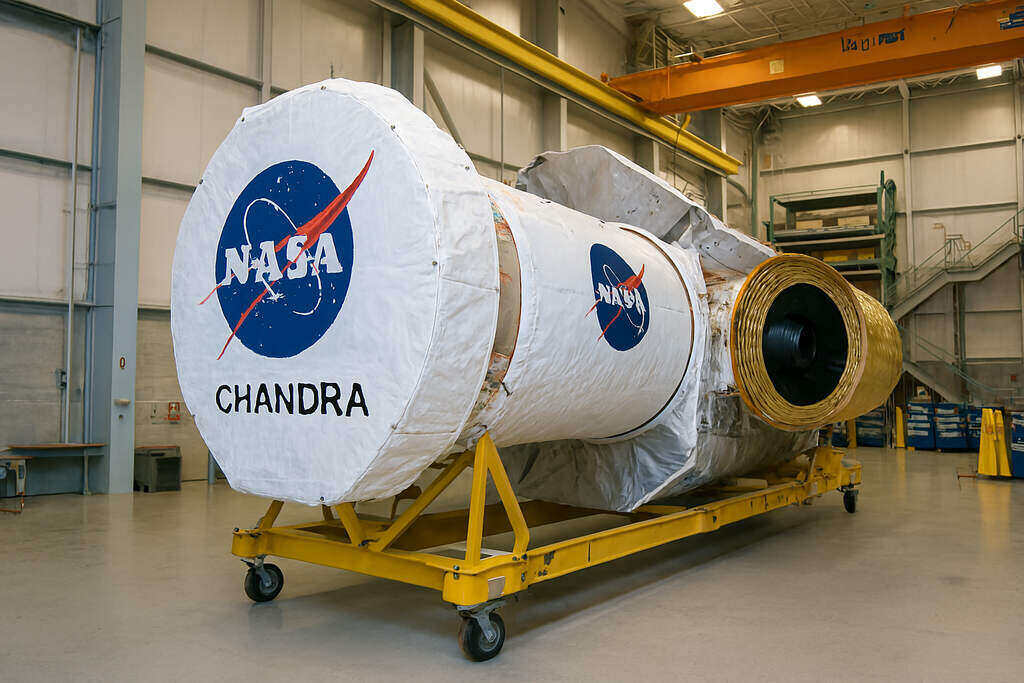
NASA’s Chandra Observatory studies radiation around stars. Too much radiation can strip away a planet’s atmosphere, making life impossible. By mapping safe zones, Chandra helps scientists narrow down which planets could truly support life. It’s like checking if a house has a roof before moving in. Without protection, even a planet in the Goldilocks Zone might be uninhabitable.
7. The TRAPPIST-1 System
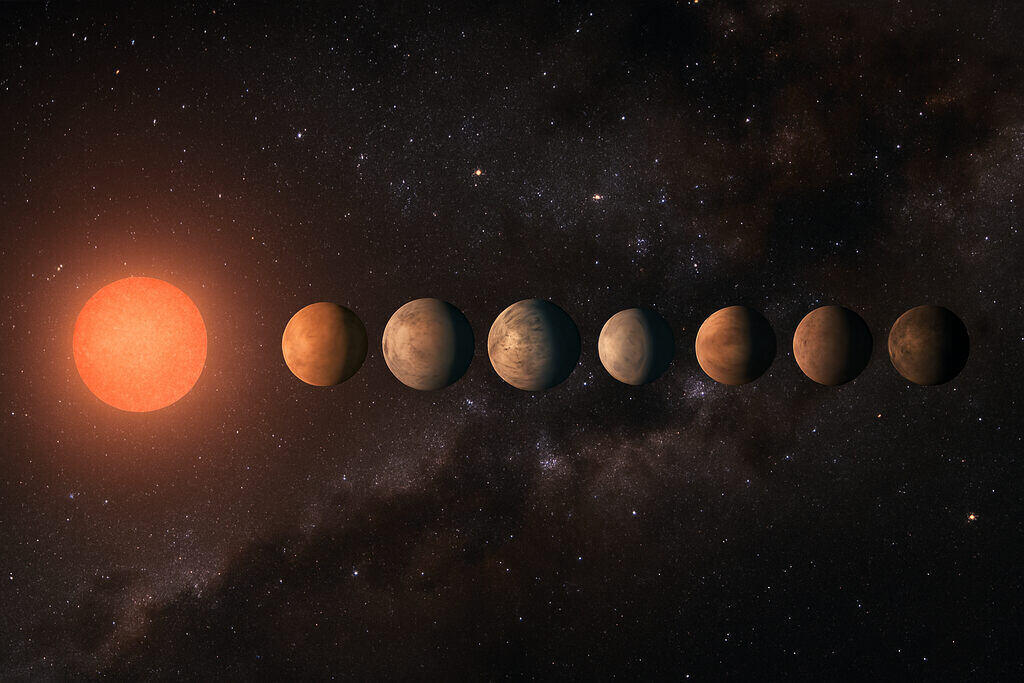
TRAPPIST-1 is one of the most exciting discoveries. Located about 40 light-years away, it has seven Earth-sized planets. Three of them sit in the habitable zone. Imagine an entire solar system with multiple “Earth candidates.” Scientists are studying their atmospheres, hoping to detect water or oxygen. TRAPPIST-1 shows that habitable worlds might not be rare—they could cluster together. It’s like finding not just one promising house, but an entire neighborhood ready for exploration.
8. Why Atmospheres Matter

Atmospheres regulate temperature, protect against harmful radiation, and enable the existence of liquid water. Earth’s atmosphere makes life possible, while Mars, with its thin atmosphere, struggles to hold water. When scientists study exoplanets, they look for atmospheres rich in gases like oxygen or methane. These could be signs of biological activity. Detecting atmospheres is hard, but telescopes like JWST are making progress. Atmospheres are the difference between a lifeless rock and a living world.
9. Light: The Cosmic Messenger
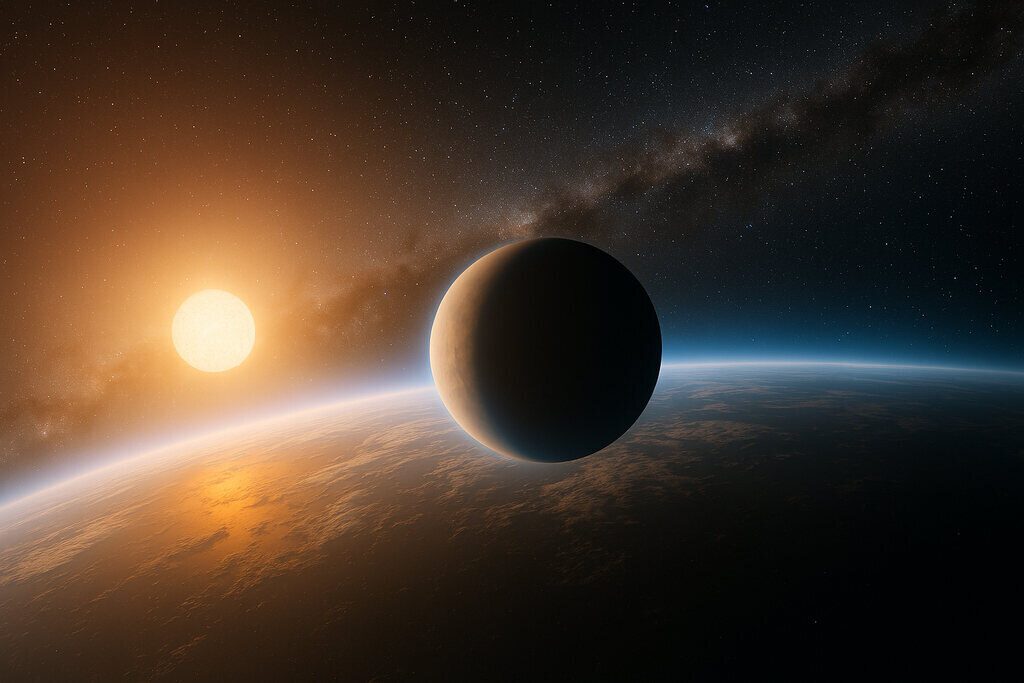
Light is the key to studying distant planets. When a planet passes in front of its star, it blocks some light. This “transit” reveals the planet’s size and orbit. Even more amazing, starlight passing through a planet’s atmosphere carries chemical fingerprints. By analyzing this light, scientists can detect water vapor, carbon dioxide, or methane. It’s like reading a planet’s recipe from millions of miles away. Light turns distant worlds into readable books.
10. The Challenge of Distance
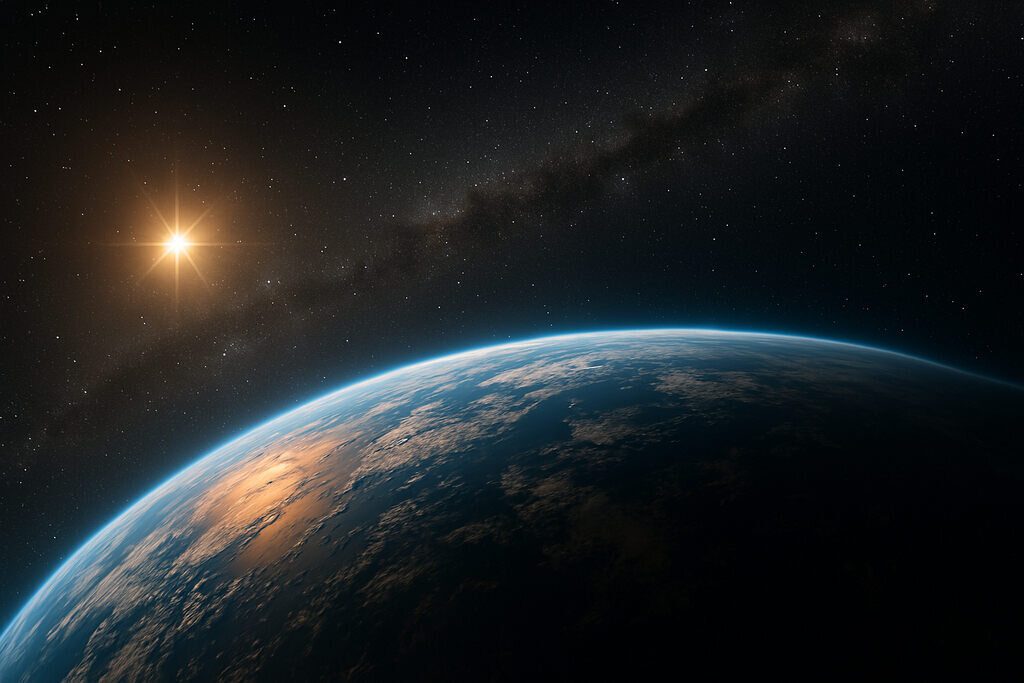
Most exoplanets are far away—hundreds or thousands of light-years. Even if we find Earth 2.0, reaching it is another story. Current spacecraft would take tens of thousands of years to get there. That’s why scientists focus on nearby stars, within 50 light-years. These are more realistic targets for future exploration. Distance is the biggest challenge, but it also pushes innovation. Ideas like faster propulsion or generation ships are being explored.
11. Could Life Be Different?
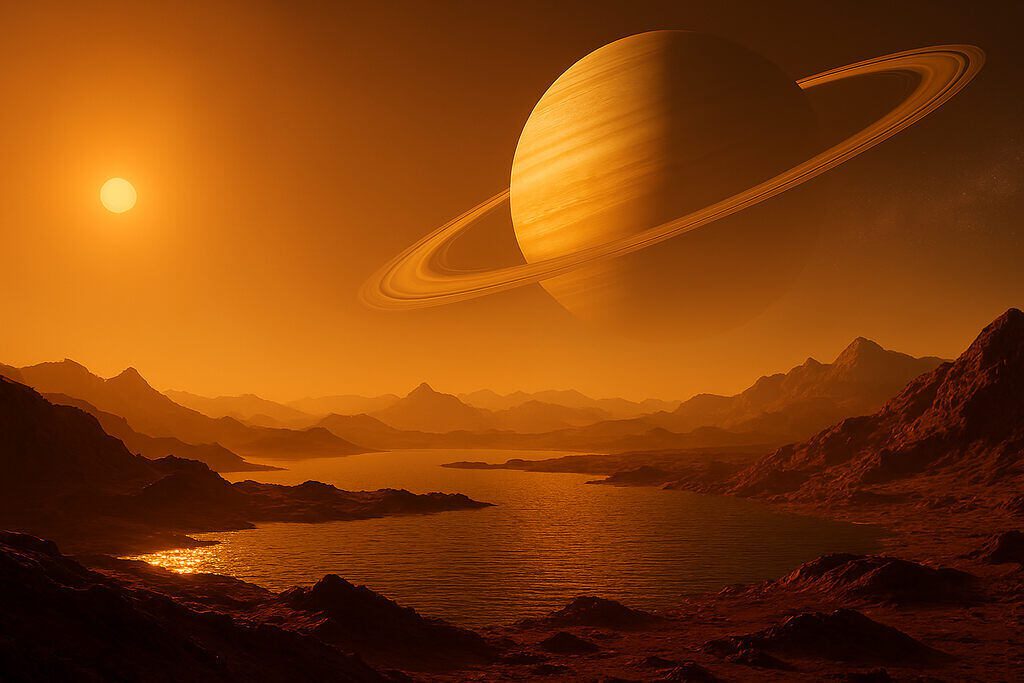
When we say “habitable,” we mean Earth-like. But what if life doesn’t need water or oxygen? Some scientists believe alien life could thrive in conditions very different from ours. For example, methane-based life on Titan, Saturn’s moon. The hunt for Earth 2.0 focuses on familiar conditions, but we must stay open-minded. Life might surprise us. The universe could host forms of existence we can barely imagine.
12. Private Companies Join the Hunt

It’s not just governments. Companies like SpaceX and Blue Origin are pushing space exploration forward. Their rockets make missions cheaper and more frequent. Private investment speeds up progress. Imagine if Columbus had corporate sponsors—it’s the same idea. By combining public science with private innovation, humanity moves faster toward discovering Earth 2.0.
13. The Human Drive to Explore

Exploration is part of who we are. From cave paintings to space stations, humans always looked beyond. The hunt for Earth 2.0 is the next chapter. It’s not just about science—it’s about hope, imagination, and survival. Every discovery reminds us that the universe is vast, and our story is still unfolding.
14. What Happens If We Find Earth 2.0?
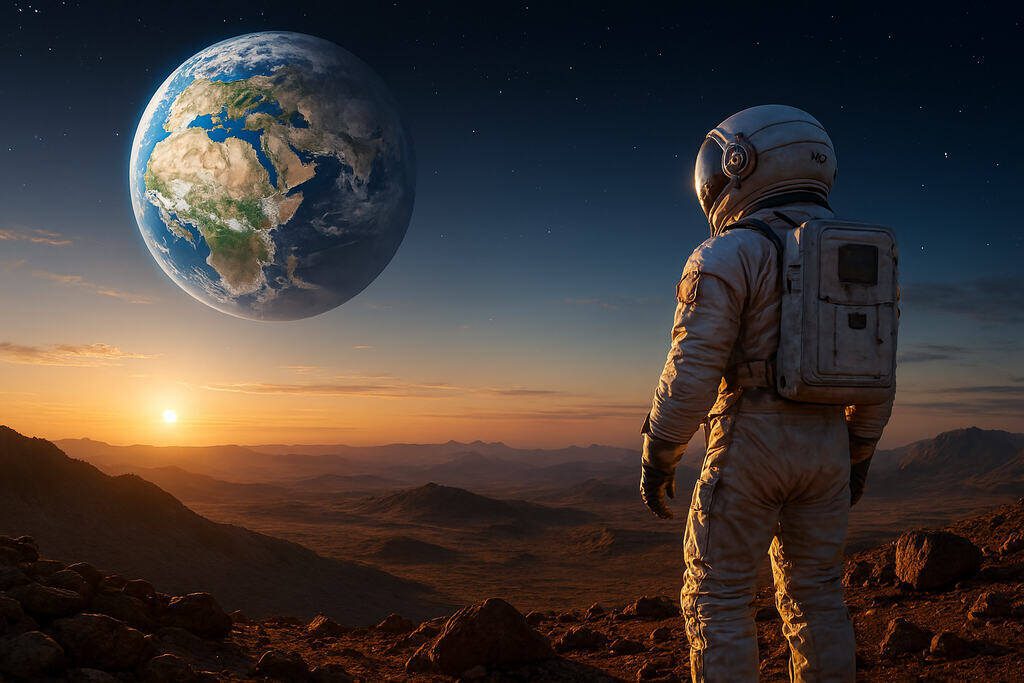
Finding Earth 2.0 would change everything. It would prove we’re not unique, and maybe not alone. It could inspire new generations, unite nations, and spark technologies for interstellar travel. Imagine the excitement of knowing another Earth exists. It would be humanity’s greatest discovery, reshaping our place in the cosmos.
15. Conclusion: Keep Looking Up

The hunt for Earth 2.0 has just begun, but it’s already inspiring millions. Each telescope, each mission, each discovery brings us closer to answering the ultimate question. Whether we find another Earth tomorrow or centuries from now, the journey itself matters. It reminds us to dream big, protect our own planet, and keep looking up. The stars are calling—and humanity is finally ready to answer.