
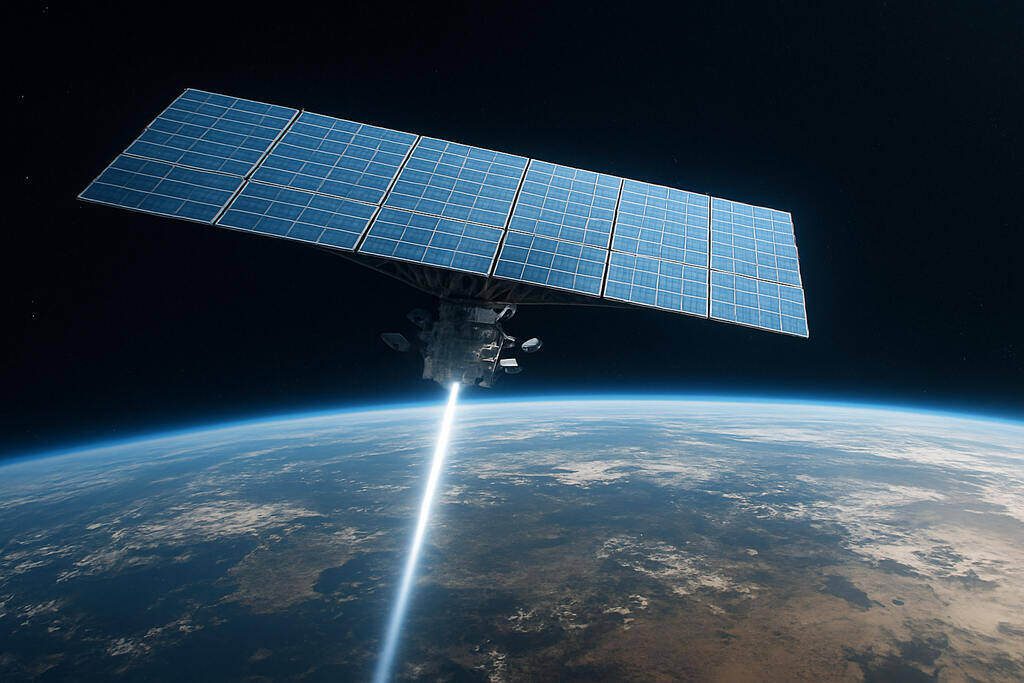
Imagine getting clean, steady power from giant solar panels floating high above Earth—panels that never see night, storms, or cloudy days. That’s the promise of space-based solar power. I first heard about it from a science teacher who joked that the “best solar farm is the one without weather,” and the idea stuck with me. Today, this once-sci-fi dream is becoming a serious energy option. In this article, we’ll explore how it works, why it matters, and what it could mean for everyday people—homes, cities, and even emergency crews.
1. What Is Space-Based Solar Power?
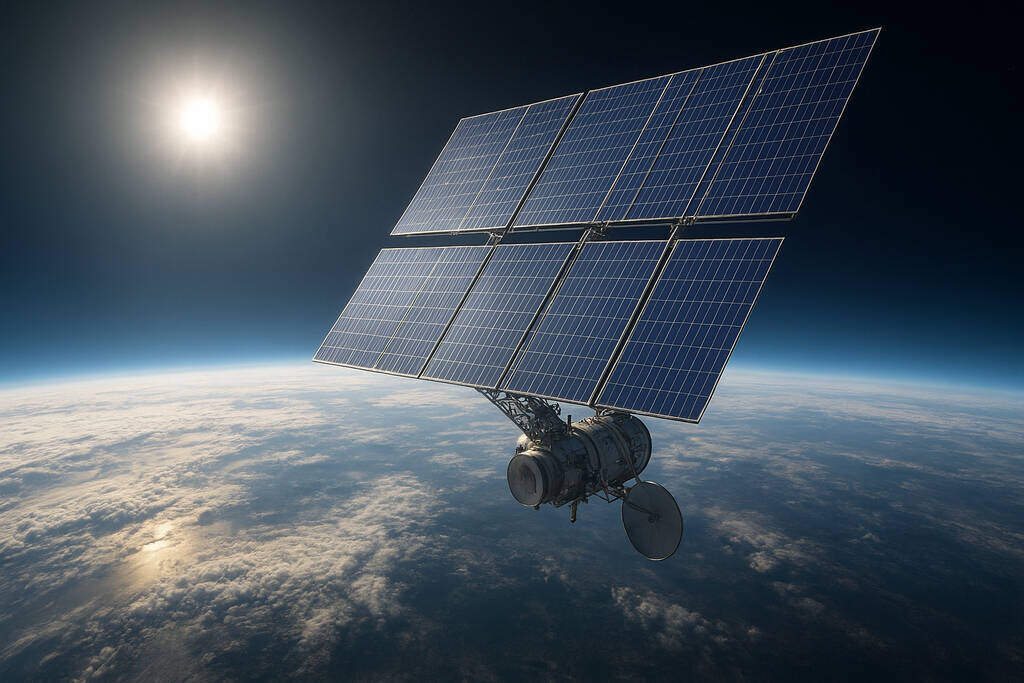
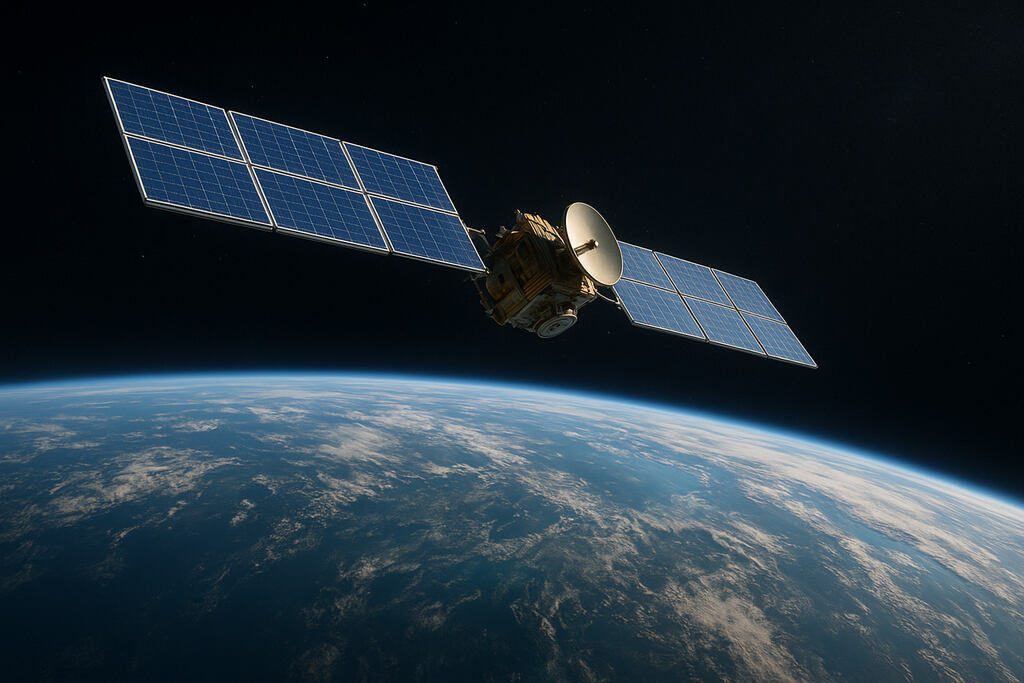
Space-based solar power (SBSP) is a system where huge solar collectors orbit Earth, gather sunlight, turn it into energy, and beam that energy down to the ground. Because these panels stay above clouds and at night, they collect far more consistent sunlight than anything on Earth. The idea has been studied since the 1970s, but advances in lightweight materials, robotics, and cheaper launches are finally giving it new momentum.
Think of SBSP like a power plant in the sky: sunlight goes in, electricity comes out—no smoke, no noise, no fuel deliveries. For ordinary people, that means cleaner air, more reliable electricity, and new possibilities for regions with weak grids or limited land for solar farms.
2. How SBSP Works: A Simple Explanation
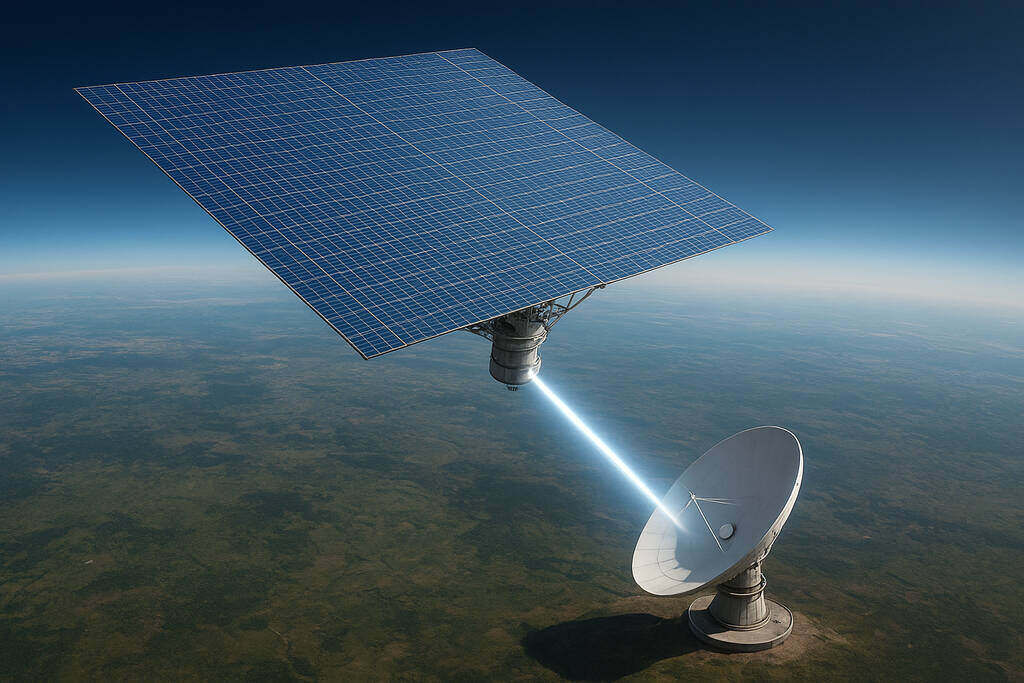
The process begins with sunlight hitting solar panels on a satellite. These panels convert sunlight into electricity, just like panels on rooftops. But instead of storing that energy in batteries, the satellite changes it into a microwave or laser beam. That beam is aimed at a receiver on Earth, which converts it back into usable electricity and feeds it into the grid.
Sounds futuristic, but the physics behind it is already proven. Imagine a Wi-Fi router, but instead of sending data, it sends power—and instead of your phone receiving it, a large ground station collects it safely and efficiently. Every step involves careful control, but the underlying idea is surprisingly straightforward once you break it down.
3. Why SBSP Is Valuable
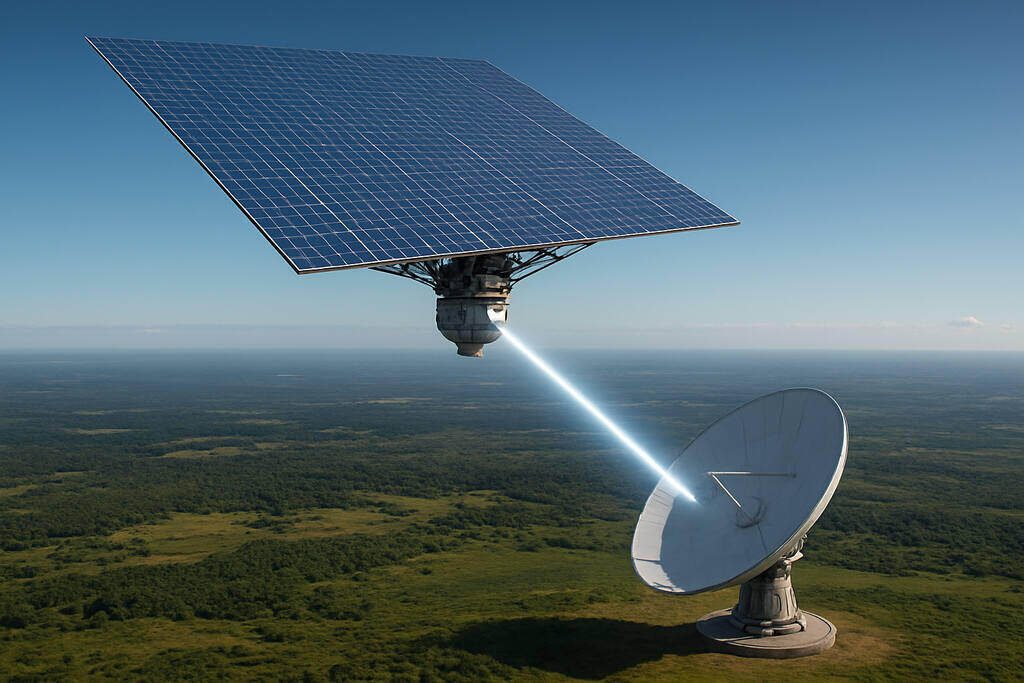
The main advantage of SBSP is its reliability. Normal solar power depends on weather and daytime, but space-based systems receive sunlight almost nonstop. This means fewer blackouts, smoother energy supply, and less dependence on high-cost energy storage. SBSP also avoids land use problems. Instead of covering fields or hillsides with solar panels, the equipment stays in orbit.
Ground receivers take far less space and can be placed near existing power stations. For communities prone to storms, SBSP could keep hospitals, shelters, and communication systems running even when local infrastructure fails. Imagine a coastal town that loses power during a hurricane but still receives stable energy from space—that reliability alone could save lives.
4. Modern Engineering Challenges

SBSP is promising, but not easy. The solar arrays must be enormous—sometimes kilometers wide—to produce enough power. Building and launching structures that large requires advanced robotics, lightweight materials, and careful assembly. Satellites also face harsh conditions: intense sunlight, radiation, and tiny space debris.
On top of that, transmitting power safely over long distances demands precise control systems. If the beam drifts even slightly, power efficiency drops. These aren’t problems that make SBSP impossible; they simply mean we must innovate. Think of early aviation—complex, risky, and expensive at first, but gradually refined until flying became routine. SBSP is at a similar stage today.
5. The Cost of Launching and Building
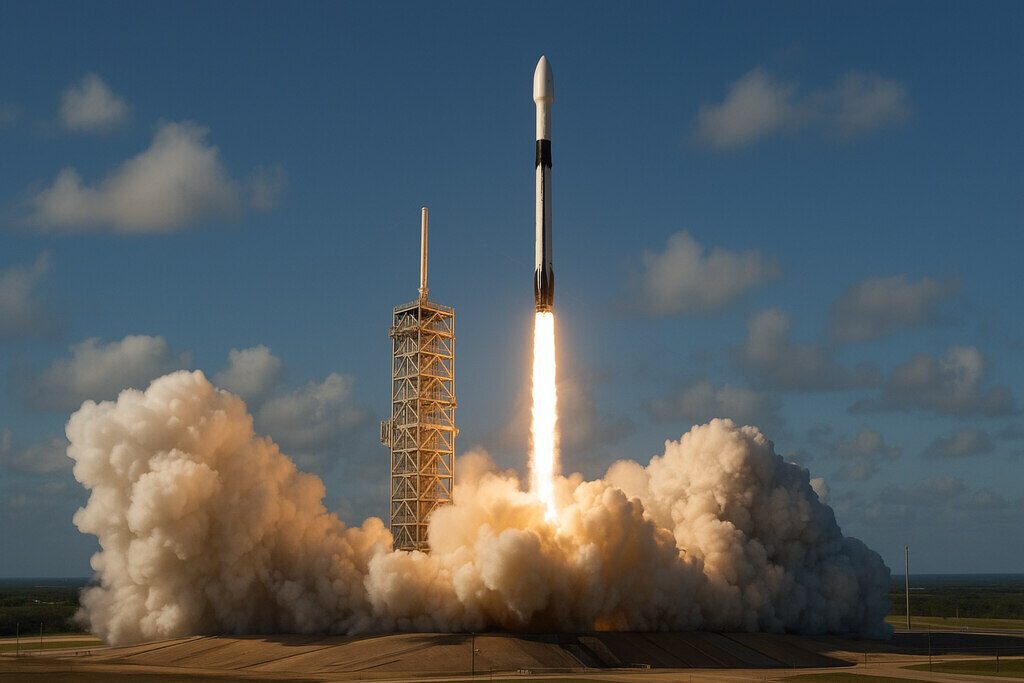
Getting hardware into space remains one of the most expensive steps. A single kilogram launched into orbit can cost thousands of dollars. Even with reusable rockets, costs add up quickly when you’re delivering large solar arrays, transmitters, and support equipment. However, the trend is moving in the right direction. New launch companies, improved rocket reuse, and larger payload capacities are driving prices down.
In the long run, the cost of SBSP may resemble the early days of computers—expensive at first but affordable as technology scales. If construction shifts partly to space using automated assembly or future space factories, costs could drop even further. For now, careful planning and modular designs help keep budgets manageable.
6. Power Transmission: Microwaves vs. Lasers
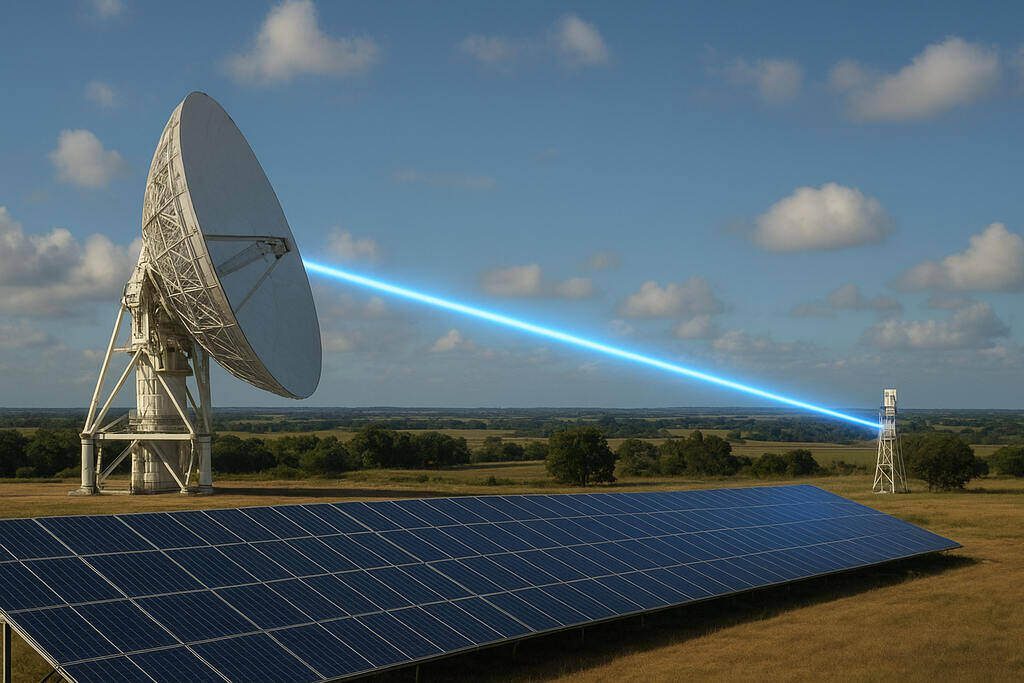
Both microwaves and lasers can send energy from orbit to Earth. Microwaves are the older, more tested option. They work consistently in most weather, and ground receivers can convert them efficiently. But microwaves require very large antennas—sometimes the size of sports fields.
Lasers, on the other hand, can use smaller receivers and offer more precise targeting, but clouds and fog weaken the beam, and safety rules must be stricter. Each method has its niche. If you imagine microwaves as a wide, steady flashlight beam and lasers as a thin, sharp laser pointer, you get the general idea. Engineers may use a mix of both depending on local climate and power needs.
7. Best Orbits for Collecting Power
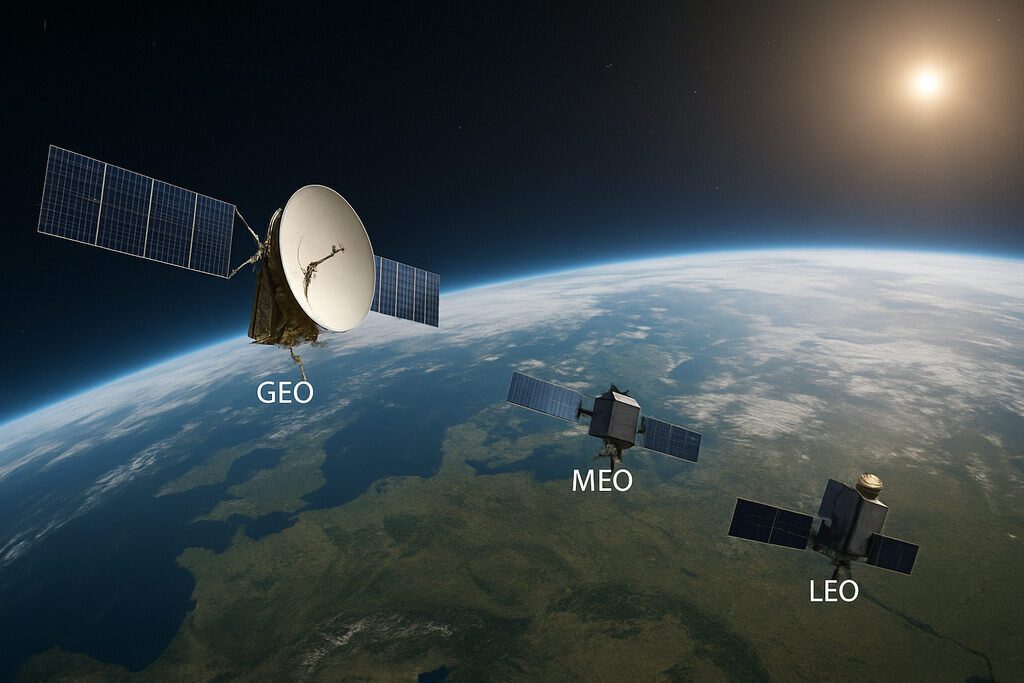
Different orbits offer different benefits. Geostationary orbit (GEO) is the favorite choice because satellites there stay fixed above one point on Earth, making power transmission stable and predictable. GEO also provides almost continuous sunlight, with only short dimming periods during certain seasons.
Low Earth orbit (LEO) is closer to Earth, which reduces energy transmission losses, but satellites move quickly and require large constellations to provide nonstop service. Medium Earth orbits fall somewhere in between. Picking the right orbit is like choosing a building location—you need the best balance of stability, access, and efficiency. Different regions may prefer different orbital setups depending on their grid needs.
8. Ground Receivers and How They Work
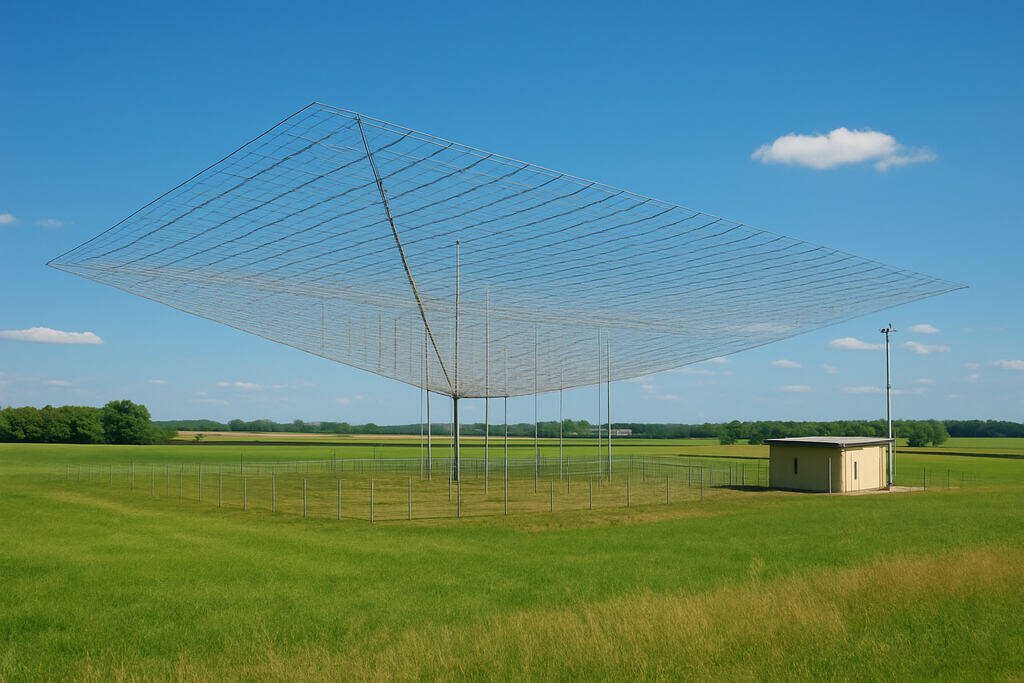
The energy from space lands on large receiving stations called rectennas when using microwaves, or photovoltaic receivers when using lasers. Rectennas look like wide, open meshes that let sunlight pass through, so they can be placed above grasslands or farmland without blocking use. People can safely walk near the edges because energy levels there are very low.
For lasers, receivers must be more precise and usually protected from the weather. These ground stations convert incoming energy into electricity and feed it into a local power plant or substation. Communities often worry about land use, but receivers typically require far less space than wind farms or giant solar fields, making them surprisingly practical.
9. Efficiency: What We Gain—and Lose
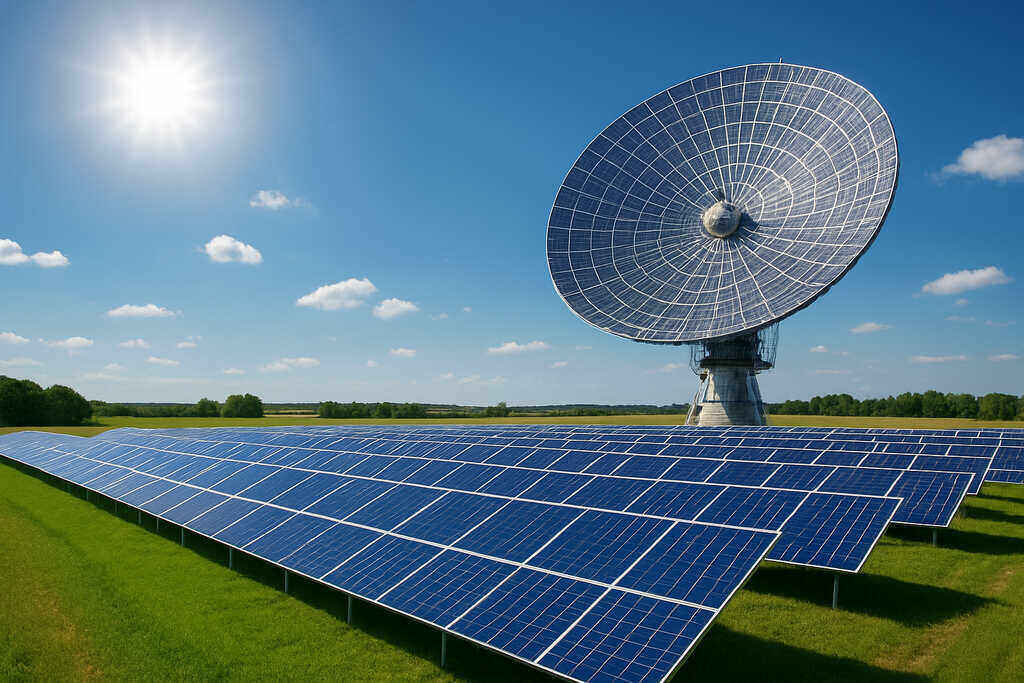
SBSP has unique efficiency challenges. Energy is lost in each conversion step: sunlight to electricity, electricity to microwave or laser, beam through the atmosphere, and reconversion on Earth. While each step can be efficient, the total efficiency is lower than local solar panels. But the advantage is constant energy production.
A 24/7 power source can deliver far more usable electricity over time than a solar farm that only works well on sunny days. Think of it like a restaurant that stays open all night: even if it’s not full each hour, the total sales can exceed a restaurant with perfect daytime efficiency. Improving materials and beam technology will help raise SBSP efficiency in the coming years.
10. Safety and Environmental Effects
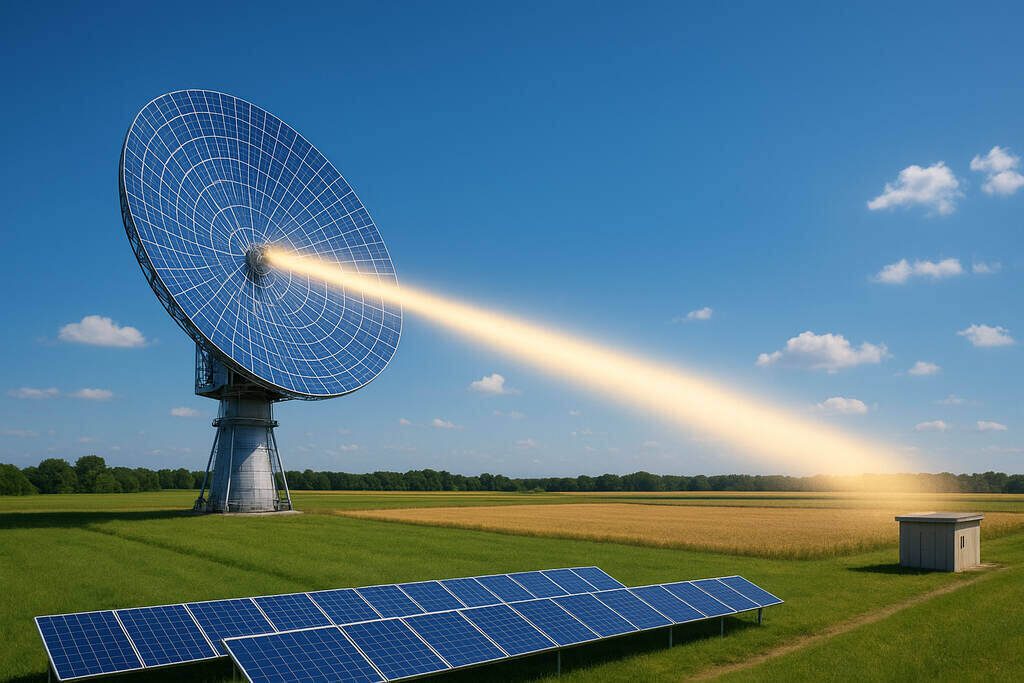
A common question is whether the beams from SBSP are dangerous. The answer: not when designed correctly. Microwave beams spread out enough that their center is strong but not harmful, and safety systems instantly shut the beam off if it leaves its target area. Airplanes and birds are routed safely around the zone, just as they avoid radio towers and wind turbines.
Environmentally, SBSP reduces greenhouse gases and doesn’t require large land installations. But there are concerns about space debris, satellite congestion, and the emissions from rocket launches. These challenges are manageable through better tracking, reusable rockets, and strict international rules. Transparent communication with local communities is essential for building public trust.
11. Economic Models and Real-World Use
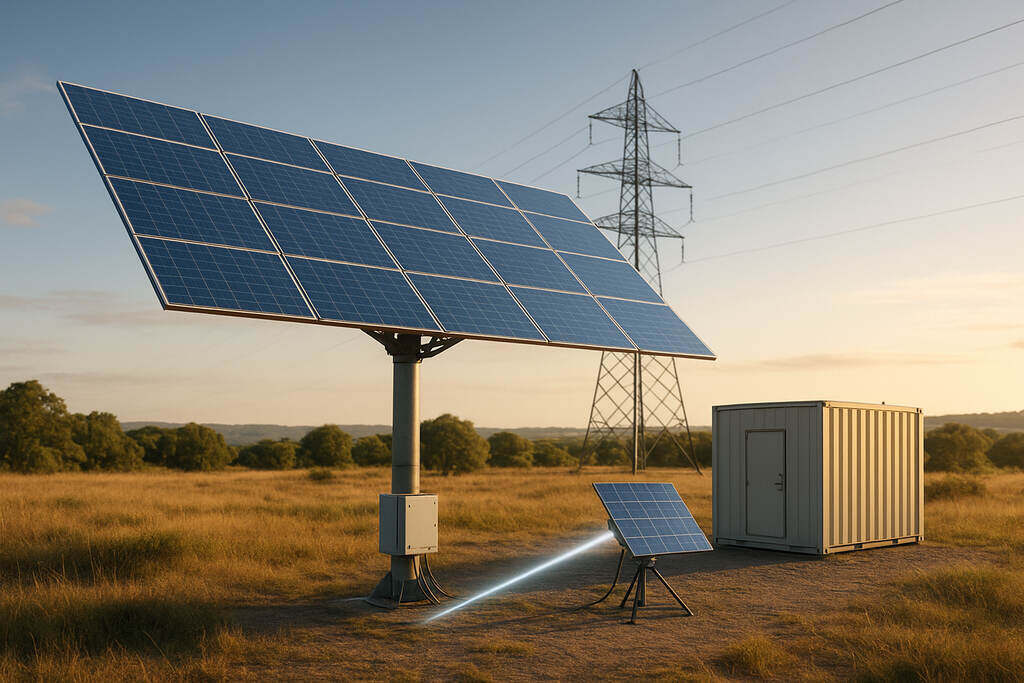
To pay for SBSP, companies and governments need clear business plans. One model is selling baseload power—steady electricity—to national grids. Another is delivering energy to remote islands, mining sites, or military bases where fuel is extremely expensive. Mobile disaster relief stations could also use portable rectennas to beam in emergency electricity after hurricanes or earthquakes.
Investors care about long-term stability, so partnerships between energy companies, space agencies, and private launch providers are becoming more common. As the cost of launches drops and technology improves, SBSP may shift from a government-led project to a commercially competitive energy source.
12. Policies and International Cooperation
Because satellites orbit above all nations, SBSP requires global cooperation. Countries must coordinate orbital slots, frequency use, and safety standards. Agreements also prevent conflicts—for example, ensuring one nation’s power beam does not interfere with another’s communication system. International space agencies already collaborate on debris cleanup and satellite tracking, and SBSP will require even stronger coordination.
Policies can also support research incentives, responsible launches, and environmental safeguards. Just as aviation and telecommunications developed global rules, SBSP will need fair, transparent frameworks to grow safely. Public understanding and cross-border trust will be key.
13. Early Experiments and Demonstrations

Small-scale demonstrations are already happening. Labs have beamed wireless power across short distances with impressive efficiency. Some universities have tested power beaming to drones to keep them flying indefinitely. Space agencies have launched small satellites to explore lightweight solar arrays, autonomous assembly, and beam control.
These prototypes may not power cities yet, but they prove essential pieces of the puzzle. Think of them as the Wright brothers’ first flights—tiny compared to modern jets but foundational to everything that came later. Each experiment reduces uncertainty, builds investor confidence, and moves us closer to practical SBSP systems in the next decade or two.
14. How Cities, Companies, and Citizens Can Prepare
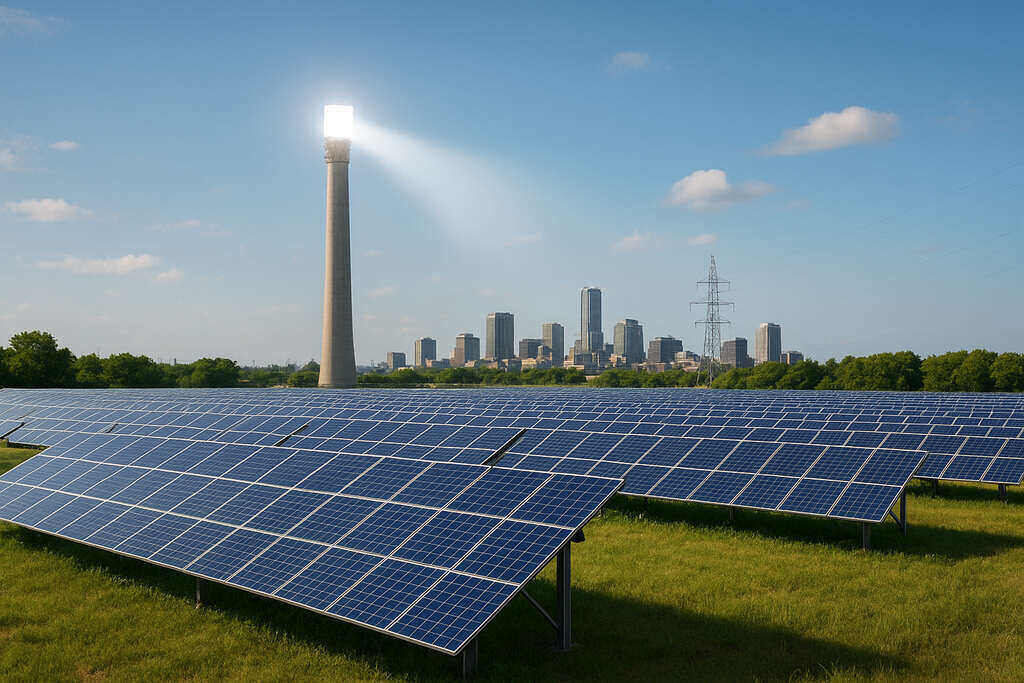
Communities don’t have to wait for SBSP to become mainstream. City planners can identify potential receiver locations and study how SBSP could support emergency power networks. Utilities can begin integrating smarter grids that can accept variable or wireless energy inputs. Tech companies can invest in materials, robotics, beam control systems, and satellite maintenance tools.
Individuals can stay informed, support clean-energy policies, and encourage their local schools to teach renewable-energy concepts. Even something as simple as attending a public energy workshop or writing to local representatives can shape future choices. SBSP may be a global technology, but its success depends heavily on local involvement and public support.
15. The Future of SBSP and a Motivation to Act
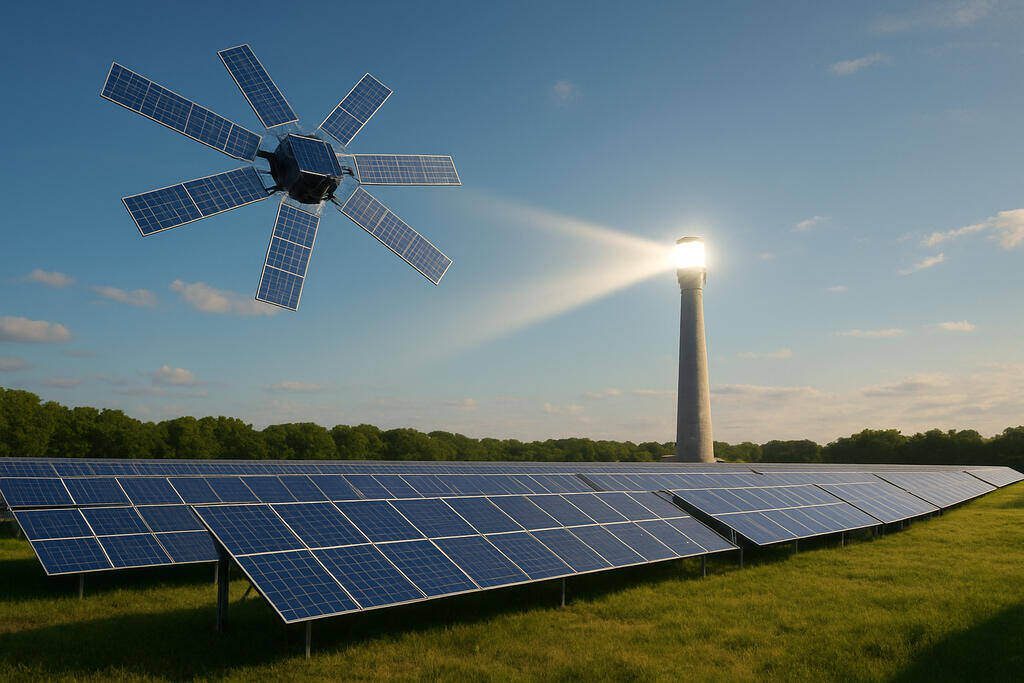
Space-based solar power won’t replace every energy source, but it could become a major piece of a cleaner, more resilient system. If development continues, future generations may grow up with lights powered partly by sunshine gathered in orbit. Imagine fewer blackouts, cleaner air, and energy access even in the most remote communities.
Getting there requires curiosity, patience, and public engagement. Whether you’re a student, a parent, a teacher, or simply someone who cares about the planet, your voice matters. Ask questions, support innovation, and stay open to new ideas. The future of energy isn’t just happening above us—it’s something we can help shape from the ground.