

Heart health is a cornerstone of overall well-being, yet it often requires a multifaceted approach to maintain. While traditional strategies like exercise and diet are well-known, the small, consistent changes you make in daily life can lead to substantial improvements in heart health. These subtle lifestyle adjustments not only support a healthier heart but also enhance your overall quality of life. Incorporating these simple habits can be a game-changer for long-term cardiovascular wellness.
1. Swap Saturated Fats for Healthier Alternatives

Replacing saturated fats with healthier alternatives is one of the most effective ways to improve heart health. Saturated fats, found in foods like red meat, butter, and full-fat dairy, can raise levels of LDL cholesterol, contributing to heart disease.
Opting for unsaturated fats, such as those in olive oil, nuts, and avocados, helps reduce bad cholesterol. These healthy fats support better blood flow and reduce inflammation, lowering the risk of heart conditions. Additionally, cooking with olive oil instead of butter can help you make this change without sacrificing flavor.
2. Prioritize Regular Physical Activity

Regular physical activity is crucial for maintaining heart health. Aerobic exercises like walking, running, swimming, or cycling improve cardiovascular endurance by strengthening the heart muscle and enhancing blood circulation. Aim for at least 150 minutes of moderate-intensity aerobic exercise each week.
Physical activity not only helps lower high blood pressure and cholesterol levels but also boosts overall stamina. If exercise feels like a chore, start small—walking after meals or taking the stairs can be a great beginning.
3. Stay Hydrated with Water, Not Sugary Drinks

Many overlook the impact of hydration on heart health. Sugary beverages, including sodas and sweetened coffee drinks, can contribute to weight gain, increase blood pressure, and elevate the risk of heart disease. On the other hand, water helps regulate blood flow, flush out toxins, and maintain healthy circulation.
If you find plain water bland, consider infusing it with fruits like lemon or cucumber for a refreshing twist. Staying hydrated also helps maintain electrolyte balance, which is vital for heart function.
4. Reduce Stress with Mindfulness Practices

Chronic stress has been linked to increased risk of heart disease, as it can raise blood pressure and contribute to unhealthy behaviors like overeating or smoking. Incorporating mindfulness techniques such as deep breathing, meditation, or yoga into your routine can significantly reduce stress levels.
Regular practice of these techniques promotes relaxation, lowers stress hormones, and enhances mental clarity. Even a few minutes of mindful breathing each day can help create a lasting positive impact on both mental and physical health.
5. Get Enough Quality Sleep

Sleep plays a critical role in heart health, yet many people struggle to get enough restorative sleep. Chronic sleep deprivation can elevate blood pressure and increase the risk of developing heart disease. Aim for 7-9 hours of quality sleep each night to allow the heart and body to recover and function properly. Establish a calming bedtime routine, limit screen time before bed, and maintain a consistent sleep schedule to improve sleep quality. Your heart will thank you for prioritizing rest.
6. Increase Fiber Intake
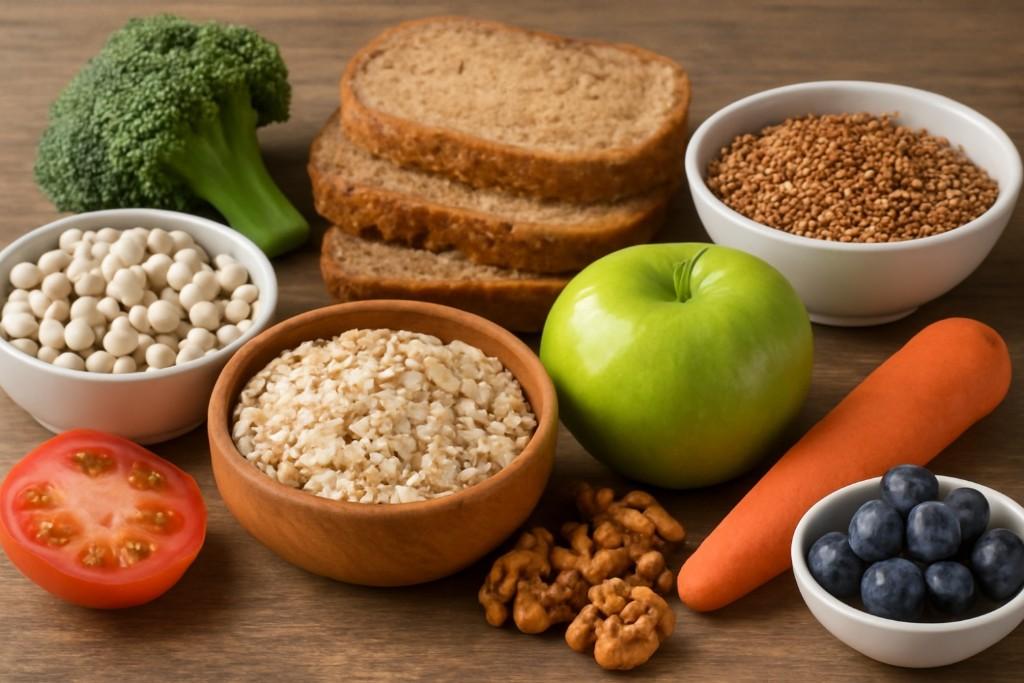
Dietary fiber plays a key role in maintaining a healthy heart by helping lower cholesterol levels and improving blood sugar control. Fiber-rich foods, such as whole grains, fruits, vegetables, legumes, and nuts, provide nutrients that promote heart health.
Soluble fiber, found in foods like oats and beans, binds to cholesterol and helps remove it from the body. A high-fiber diet not only supports healthy digestion but also helps regulate weight and prevent obesity, which can be a contributing factor to heart disease.
7. Cut Back on Salt

Excessive salt intake can contribute to high blood pressure, a major risk factor for heart disease. Many processed foods, such as canned soups, snack foods, and restaurant meals, are high in sodium. To protect your heart, aim to limit your daily salt intake to less than 2,300 milligrams, and ideally aim for 1,500 milligrams if you have high blood pressure. Cooking at home allows you to control the amount of salt in your meals, and using herbs and spices can add flavor without the extra sodium.
8. Maintain a Healthy Weight

Carrying excess weight places additional strain on the heart and increases the risk of developing hypertension, diabetes, and other cardiovascular conditions. Adopting a healthy diet and regular exercise routine can help you maintain a healthy weight.
Even small reductions in body weight can have significant benefits for heart health. For example, losing just 5-10% of your body weight can improve blood pressure and cholesterol levels. Focus on sustainable changes, such as eating smaller portions and incorporating more fruits and vegetables into your meals.
9. Limit Alcohol Consumption

While moderate alcohol consumption may have some cardiovascular benefits, excessive drinking can have serious consequences for heart health. Heavy drinking can raise blood pressure, increase triglycerides, and contribute to heart disease.
The American Heart Association recommends limiting alcohol intake to one drink per day for women and two for men. Opt for lighter alcoholic beverages, and be mindful of your intake to avoid the negative effects on your cardiovascular system. Drinking in moderation can help protect your heart while still allowing for occasional indulgence.
10. Avoid Smoking and Exposure to Secondhand Smoke

Smoking is one of the most damaging habits for heart health, as it causes the arteries to narrow and increases the risk of atherosclerosis (plaque buildup). Additionally, smoking raises blood pressure and reduces oxygen supply to the heart.
Quitting smoking is one of the best things you can do for your heart. If you don’t smoke, avoiding exposure to secondhand smoke is equally important. The benefits of quitting smoking begin almost immediately, with improvements in heart health seen within just a few weeks.
11. Regular Health Screenings

Monitoring key health metrics such as blood pressure, cholesterol, and blood sugar levels is essential for preventing heart disease. Regular checkups with your healthcare provider allow you to identify potential risk factors early and take action before they develop into more serious conditions.
Most heart-related conditions, such as high blood pressure, can be managed effectively with lifestyle changes or medication if detected early. Stay proactive about your health by scheduling regular screenings and working with your doctor to create a heart-healthy plan tailored to your needs.