
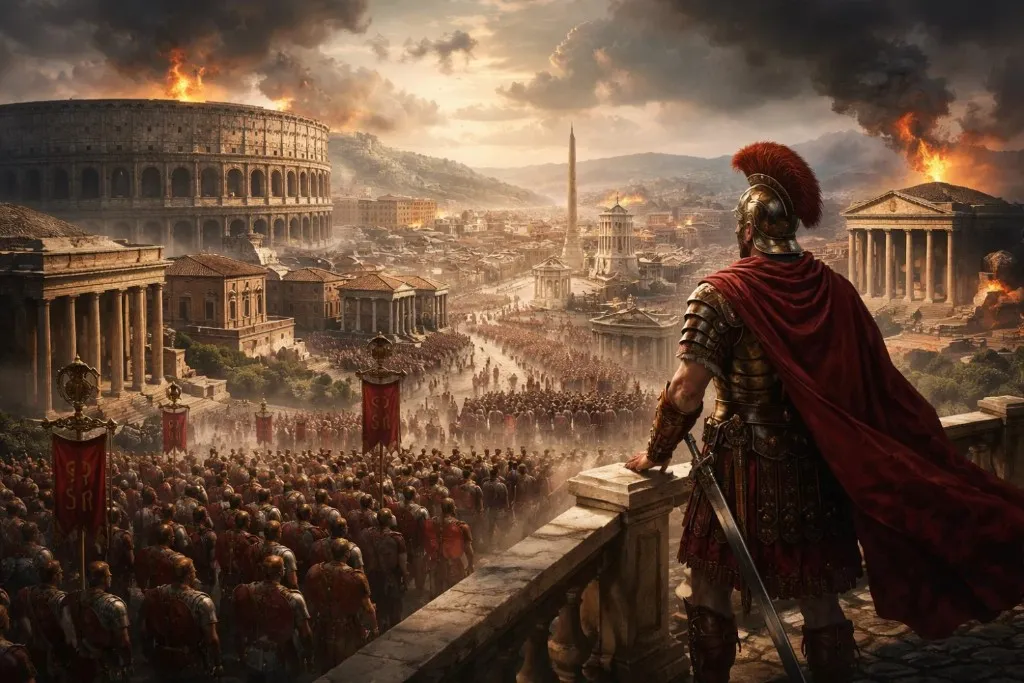
The Roman Empire, one of the most powerful civilizations in history, spanned centuries and left a profound legacy that shaped much of the modern world. From its humble beginnings as a small city-state to becoming a vast empire stretching across continents, the rise and fall of Rome are marked by remarkable achievements, cultural advancements, and eventual decline. Despite its fall, the influence of the Roman Empire is still felt today in various aspects of governance, law, architecture, and culture.
1. The Birth of Rome: A Humble Beginning
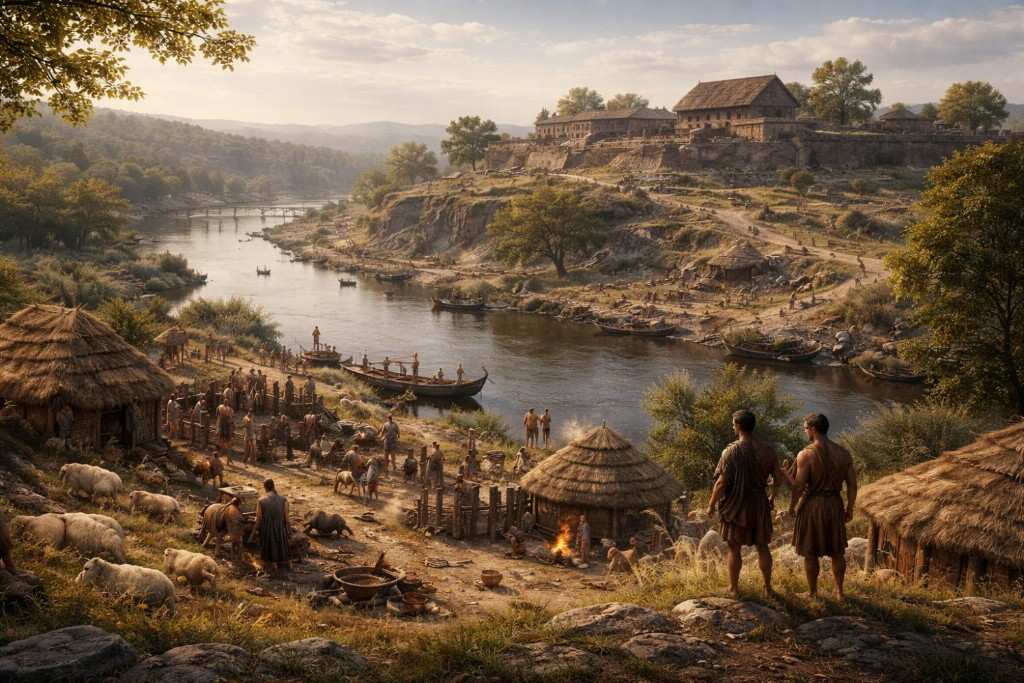
Rome’s origins can be traced back to 753 BC, when, according to legend, the twins Romulus and Remus founded the city. Located along the Tiber River, Rome began as a small settlement of farmers and shepherds. Initially ruled by kings, the city-state gradually transformed into a republic, marked by a complex political system with elected officials.
The transition from monarchy to republic played a pivotal role in shaping Roman governance, emphasizing civic duty and collective decision-making. This early period laid the foundation for what would become one of history’s greatest empires.
2. The Roman Republic: A Model of Governance
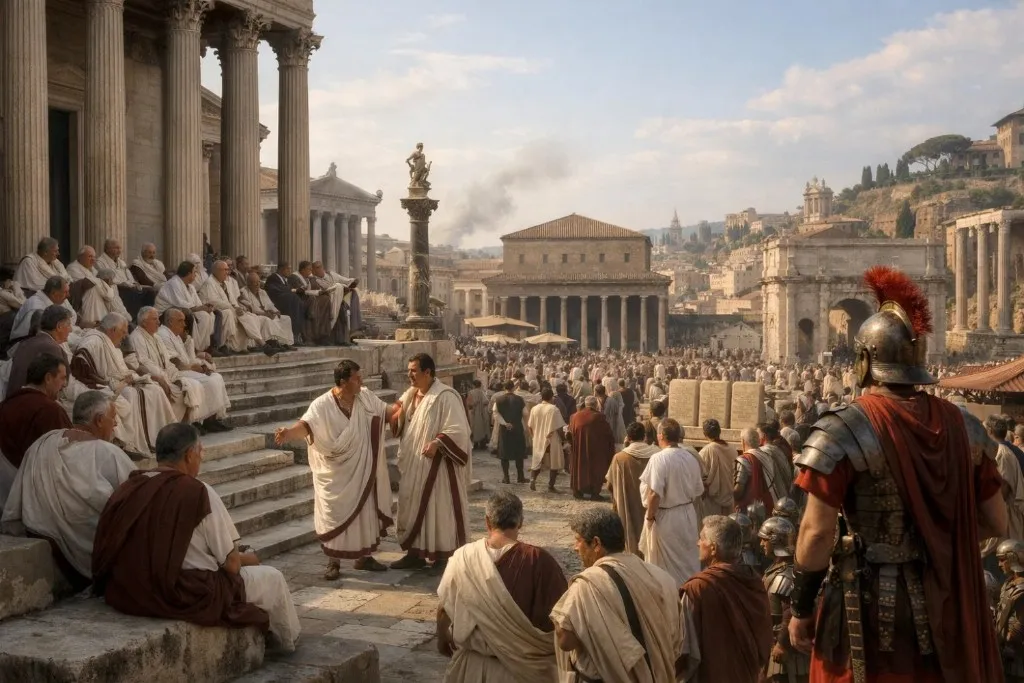
The Roman Republic (509–27 BC) introduced key political institutions that influenced modern governments. Power was divided among elected officials, including consuls and senators, with the Senate serving as a critical legislative body. The concept of checks and balances was integral, preventing any one individual from gaining too much power.
Roman citizens had the right to vote, and legal protections such as the Twelve Tables ensured justice was accessible. Despite its strengths, the Republic faced internal conflict and military challenges, setting the stage for its eventual transition to empire.
3. Julius Caesar: The Rise of Dictatorship
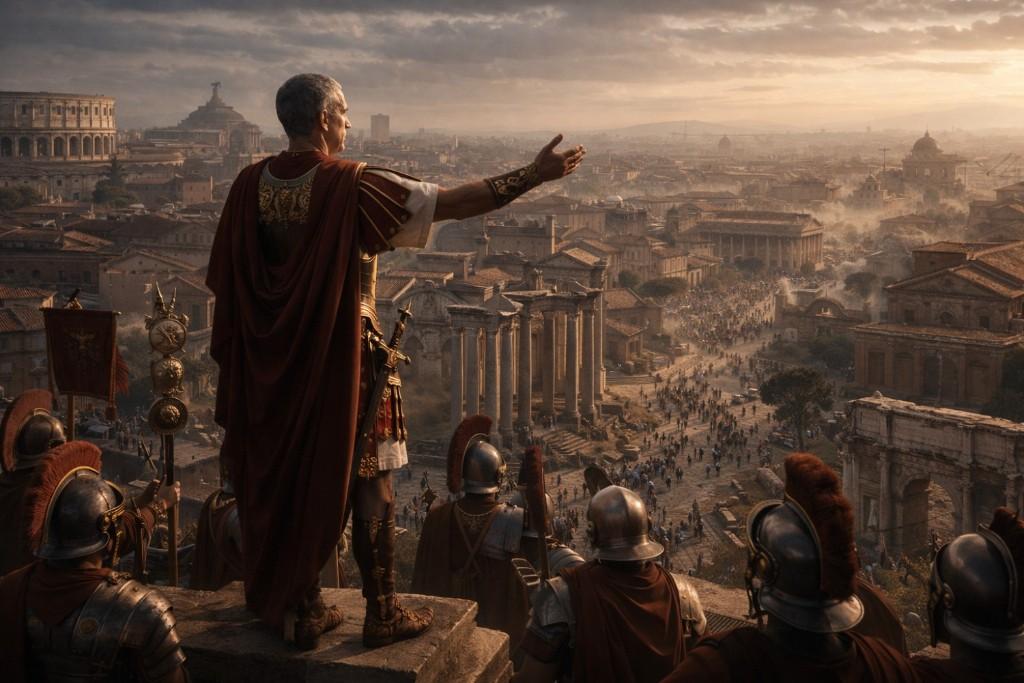
Julius Caesar stands as one of Rome’s most iconic figures. Initially gaining power through military conquest, particularly his victories in Gaul, Caesar’s popularity soared. In 49 BC, he famously crossed the Rubicon River, defying the Roman Senate and sparking a civil war.
After emerging victorious, Caesar assumed dictatorial powers, marking the end of the Republic. His assassination in 44 BC, carried out by his close associates, was a pivotal moment, as it triggered a series of events that ultimately led to the rise of the Roman Empire under Augustus.
4. Augustus and the Founding of the Empire
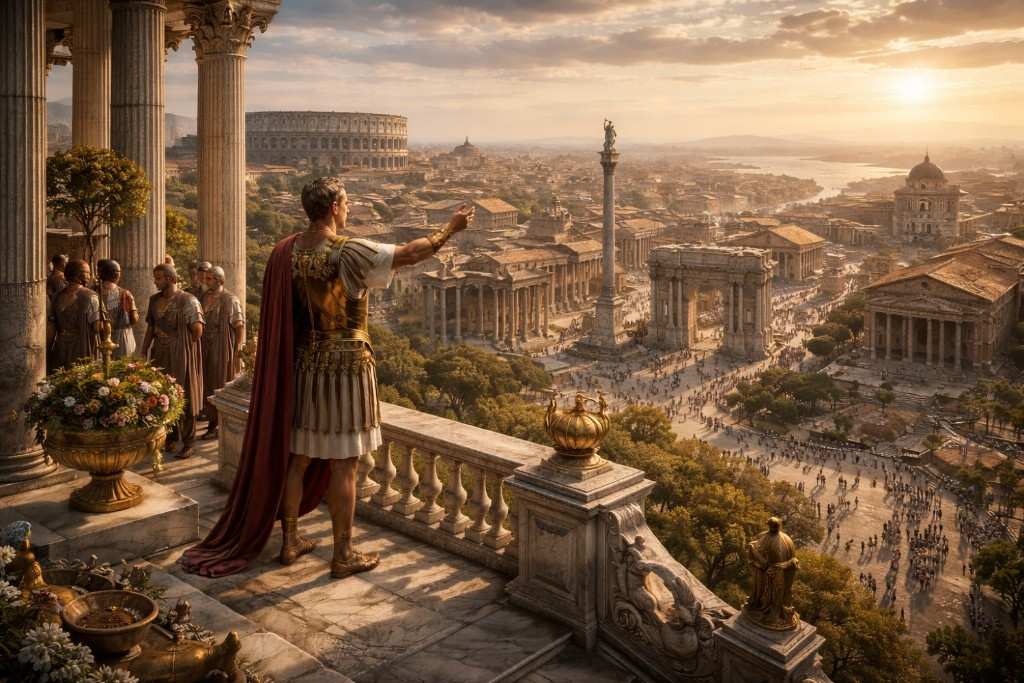
The reign of Augustus (27 BC – AD 14) marked the beginning of the Roman Empire. Augustus, known originally as Octavian, was the first emperor and transformed Rome from a republic into a centralized monarchy.
He implemented widespread reforms, including the establishment of a professional army, a vast infrastructure network, and the Pax Romana, a period of relative peace and stability across the empire. Augustus’s careful consolidation of power set the precedent for future emperors and solidified his legacy as one of Rome’s most influential leaders.
5. The Pax Romana: A Golden Age
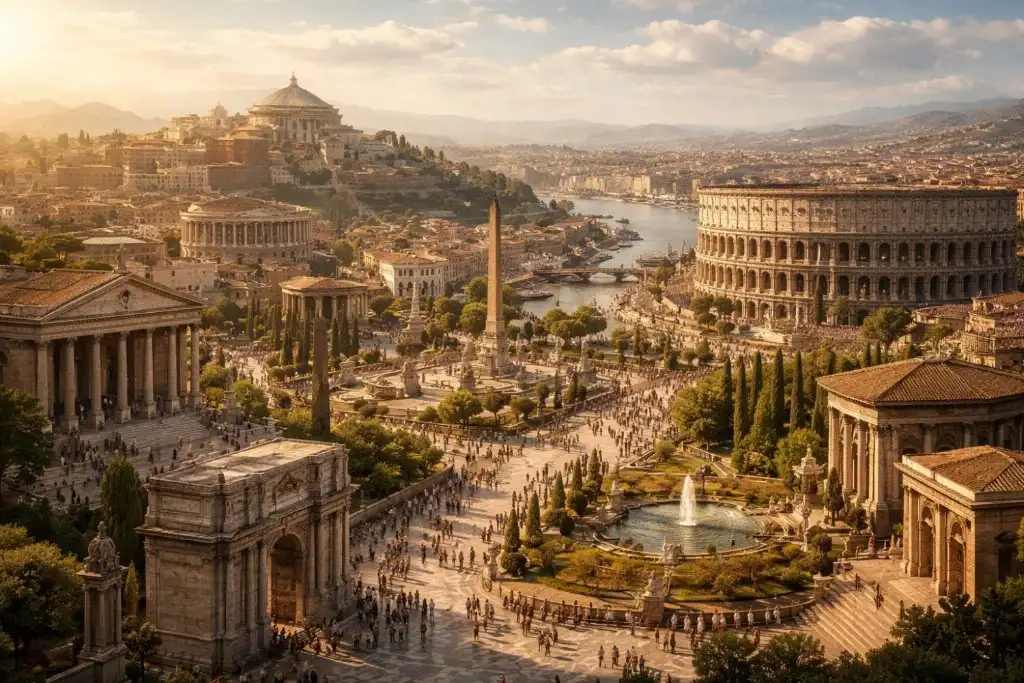
The Pax Romana, or “Roman Peace,” spanned from 27 BC to AD 180, during which Rome reached its greatest territorial extent and enjoyed unparalleled stability. This era saw significant cultural, economic, and architectural growth. Roads, aqueducts, and monumental buildings were constructed across the empire.
Roman law was codified, providing a legal framework that influenced modern legal systems. Trade flourished, connecting the far reaches of the empire, while literature, art, and philosophy thrived. The Pax Romana remains a symbol of the empire’s enduring power and cultural achievements.
6. Roman Military Might: A Force to Be Reckoned With
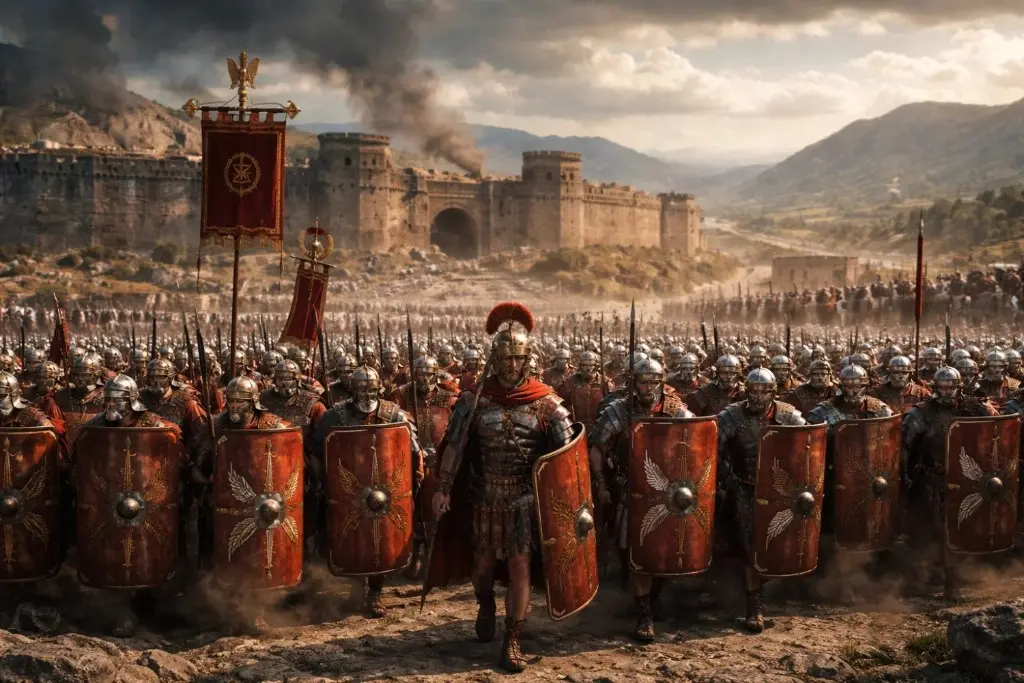
The Roman military was a cornerstone of the empire’s success. Renowned for its discipline, strategy, and innovation, the Roman army was a formidable force that expanded and defended the empire’s vast borders. Soldiers were trained rigorously, and military tactics such as the “testudo” (tortoise formation) became legendary.
The Roman legions not only ensured military dominance but also played a role in spreading Roman culture and infrastructure across conquered lands. Their ability to adapt to new challenges and their engineering feats, such as the construction of forts and roads, were key to Rome’s long-lasting empire.
7. The Colosseum: Roman Engineering and Entertainment
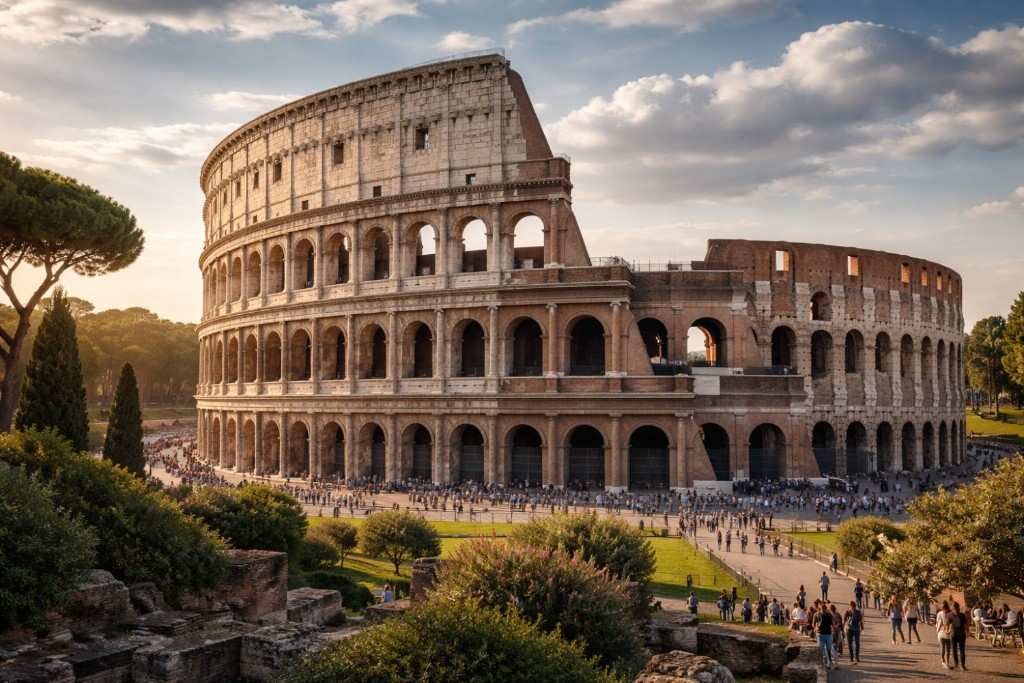
The Colosseum, one of Rome’s most iconic structures, exemplifies Roman architectural and engineering prowess. Completed in AD 80 under Emperor Titus, this amphitheater could hold up to 50,000 spectators and was used for gladiatorial contests, animal hunts, and mock naval battles.
Its construction required innovative engineering techniques, including a complex system of pulleys and trapdoors to stage elaborate events. The Colosseum not only served as a venue for entertainment but also symbolized Roman power and its capacity to control and entertain the masses. It remains a global symbol of Rome’s grandeur.
8. Roman Law: The Foundation of Modern Justice
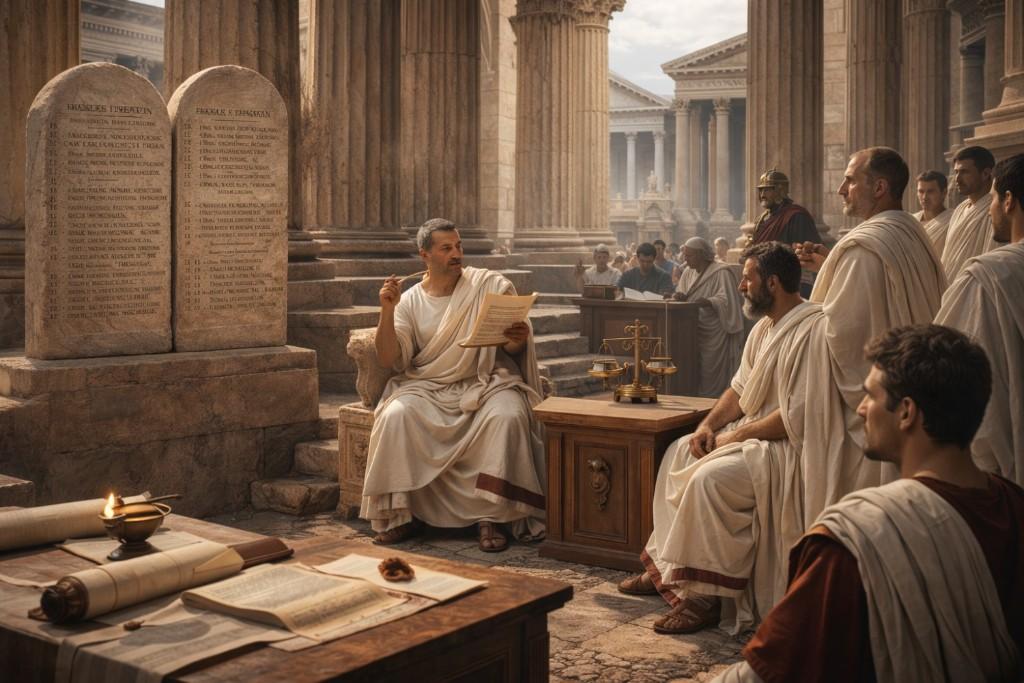
Roman law has had a lasting influence on legal systems around the world. The concept of “jus civile” (civil law) was developed to regulate relations among citizens, and it became the foundation for modern legal frameworks.
One of the most significant contributions was the codification of laws in the Twelve Tables, which ensured transparency and equality before the law. Roman law emphasized the rights of citizens, property ownership, and contractual agreements, all of which continue to form the backbone of contemporary legal systems in many countries.
9. Decline of the Roman Empire: Internal Struggles
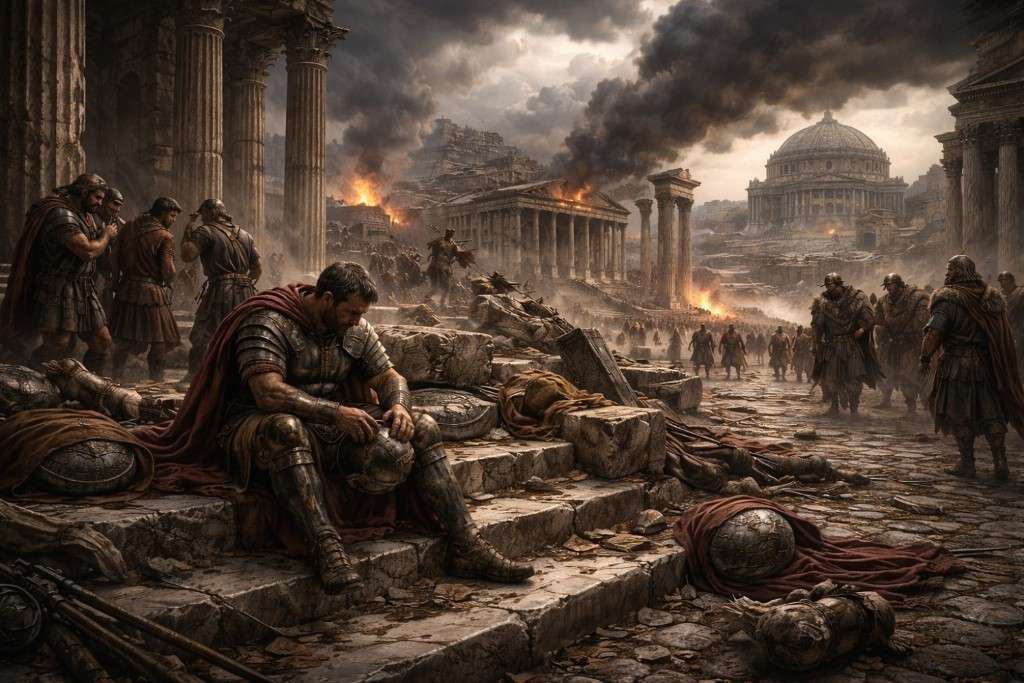
By the 3rd century AD, the Roman Empire began facing significant internal challenges. Political instability, economic decline, and military overextension weakened the empire. The division of the empire into the Western and Eastern Roman Empires in AD 395 marked a critical turning point.
The Western Roman Empire, plagued by internal strife and invasions from barbarian groups like the Visigoths and Vandals, eventually collapsed in AD 476. The Eastern Roman Empire, or Byzantine Empire, would continue for nearly another thousand years, though its influence was diminished by comparison.
10. The Fall of the Western Roman Empire: A Defining Moment
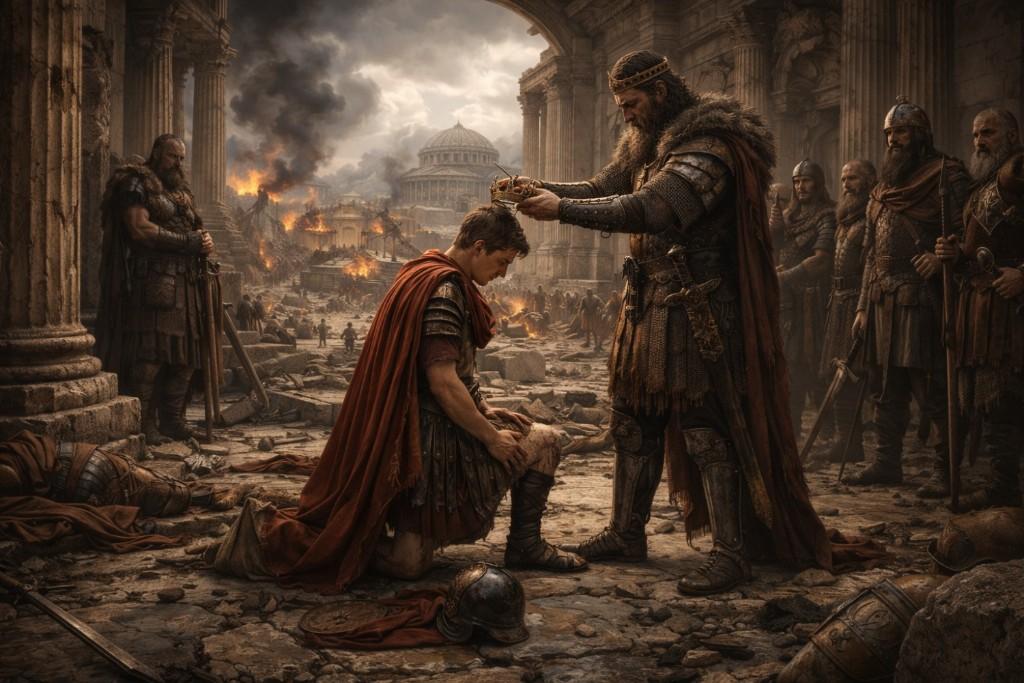
The fall of the Western Roman Empire in AD 476 is considered one of the most significant events in history. After a series of invasions by barbarian tribes, such as the Huns, Vandals, and Goths, the empire was unable to maintain control over its territories.
The last Roman emperor, Romulus Augustulus, was deposed by the Germanic chieftain Odoacer, marking the official end of the empire. The collapse led to the fragmentation of Western Europe, paving the way for the Middle Ages and the eventual rise of feudalism.
11. Christianity and Rome: A Transformative Relationship
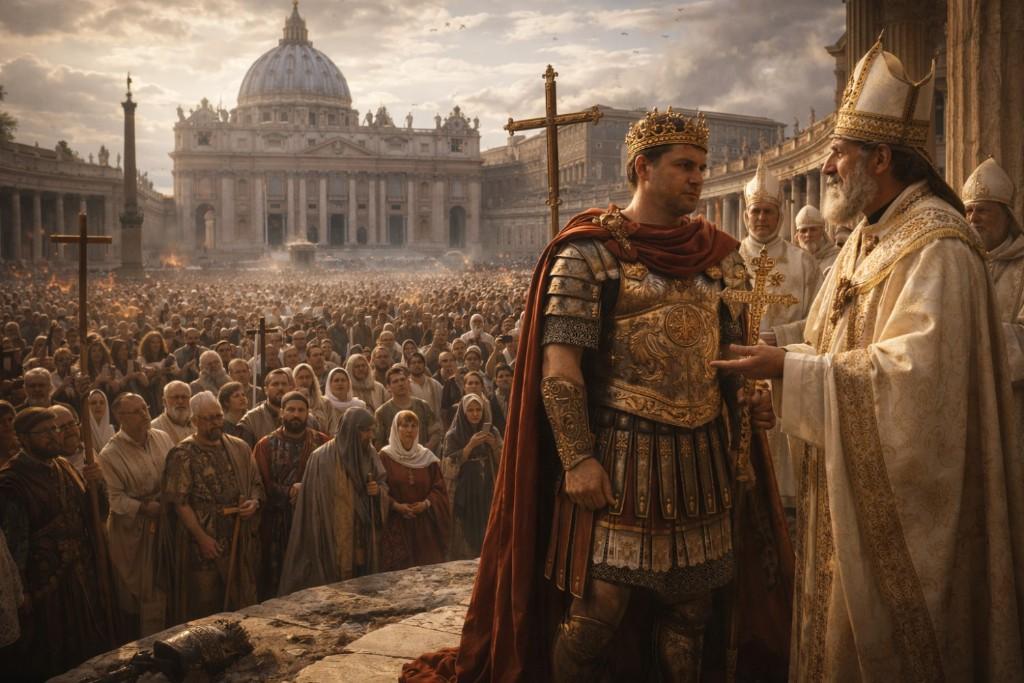
The relationship between Christianity and the Roman Empire played a critical role in shaping the course of history. Initially persecuted by Roman authorities, Christianity gained prominence after Emperor Constantine’s conversion in the early 4th century. Constantine’s Edict of Milan in AD 313 granted religious tolerance, allowing Christianity to flourish within the empire.
Over time, Christianity became the state religion, fundamentally altering Roman society. This shift had a profound influence on European culture, leading to the establishment of the Catholic Church as a central institution in medieval Europe.
12. The Legacy of Roman Architecture
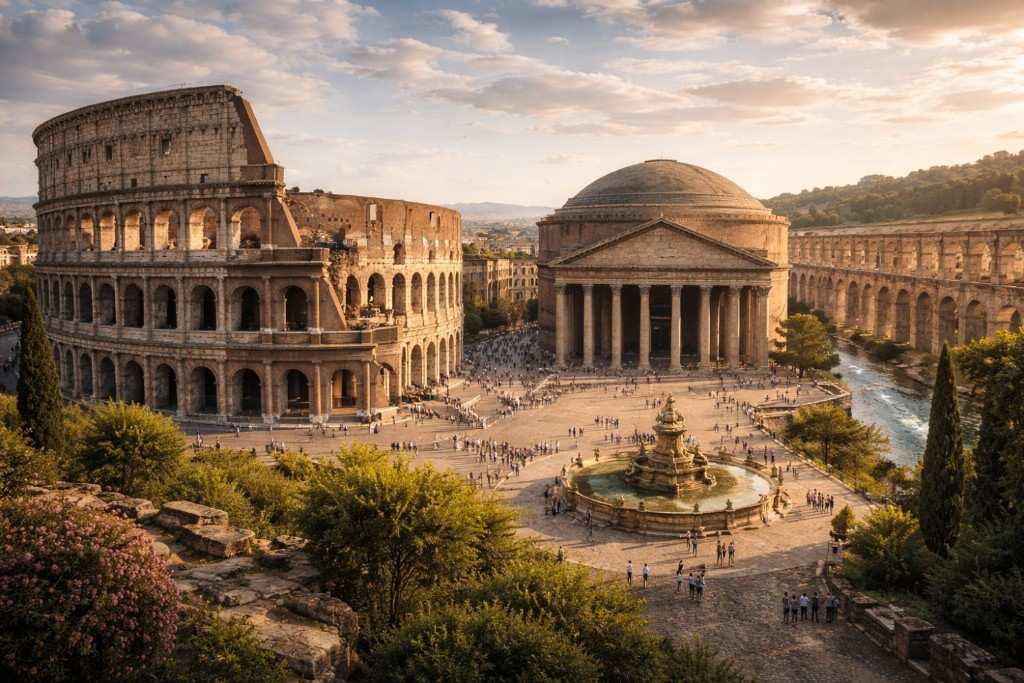
Roman architecture is known for its grandeur, functionality, and innovation. Structures like aqueducts, temples, roads, and public baths were built to last, many of which have survived for millennia. The Romans perfected the use of concrete, allowing them to build enduring structures like the Pantheon, which still holds the world record for the largest unreinforced concrete dome.
Roman architectural styles, particularly the use of arches, vaults, and domes, influenced Renaissance and modern architecture, ensuring Rome’s legacy in the field of design and construction.
13. The Eastern Roman Empire: The Byzantine Continuation
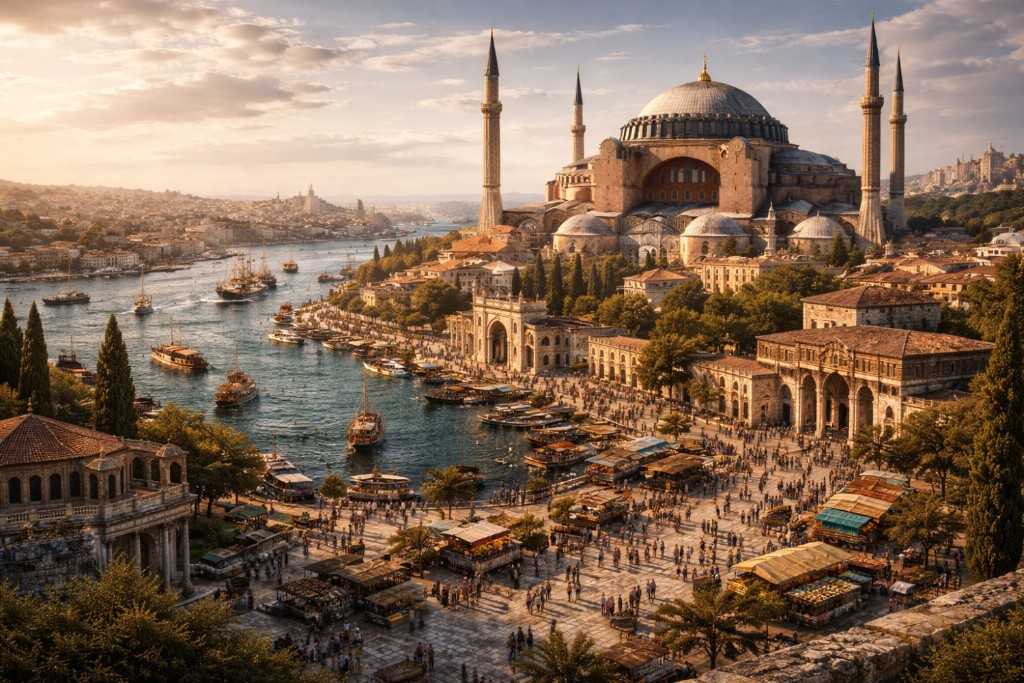
While the Western Roman Empire fell in 476, the Eastern Roman Empire, also known as the Byzantine Empire, continued for nearly another thousand years. With its capital at Constantinople (modern-day Istanbul), the Byzantine Empire preserved Roman law, governance, and culture.
Under emperors like Justinian I, the Byzantines reconquered parts of the Western Empire and codified Roman law in the “Corpus Juris Civilis.” The Byzantine Empire was a center of art, learning, and trade, and its influence on Eastern Europe, Russia, and the Middle East remains significant to this day.
14. Roman Influence on Modern Governance
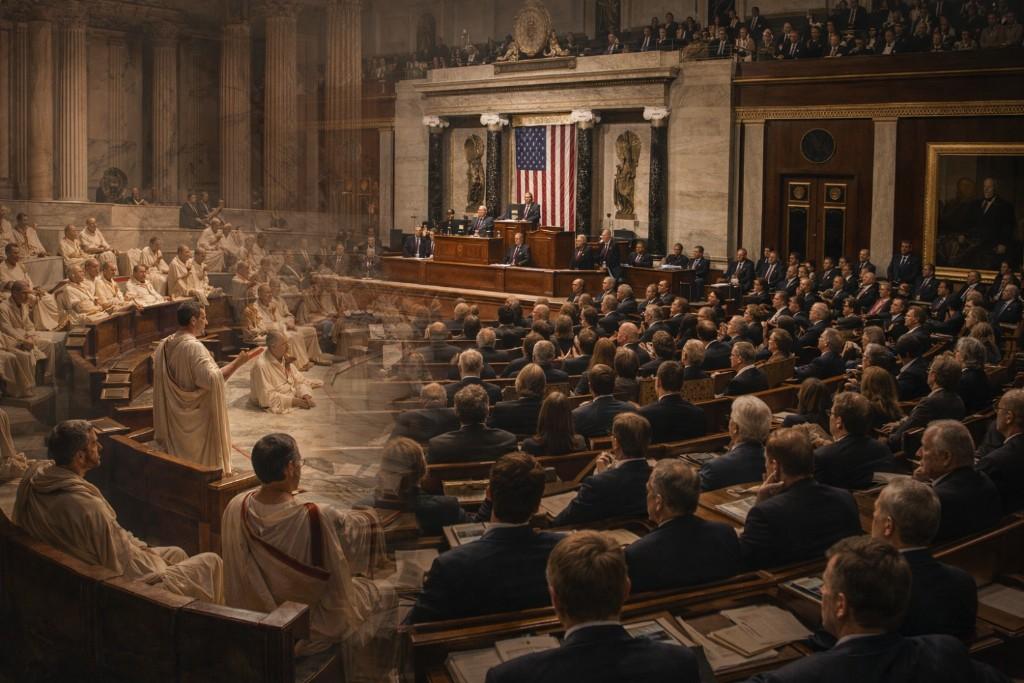
The governance systems established by the Romans have left a profound impact on modern political structures. Concepts such as republicanism, citizenship, and the rule of law are direct legacies of Roman political practices. The Roman Senate, although an advisory body, inspired modern legislative assemblies.
Furthermore, Roman ideas about leadership, governance, and civic responsibility have influenced the development of democratic institutions in the West. The U.S. Constitution, for example, incorporates several Roman principles, including checks and balances and the separation of powers.
15. The Enduring Roman Cultural Legacy
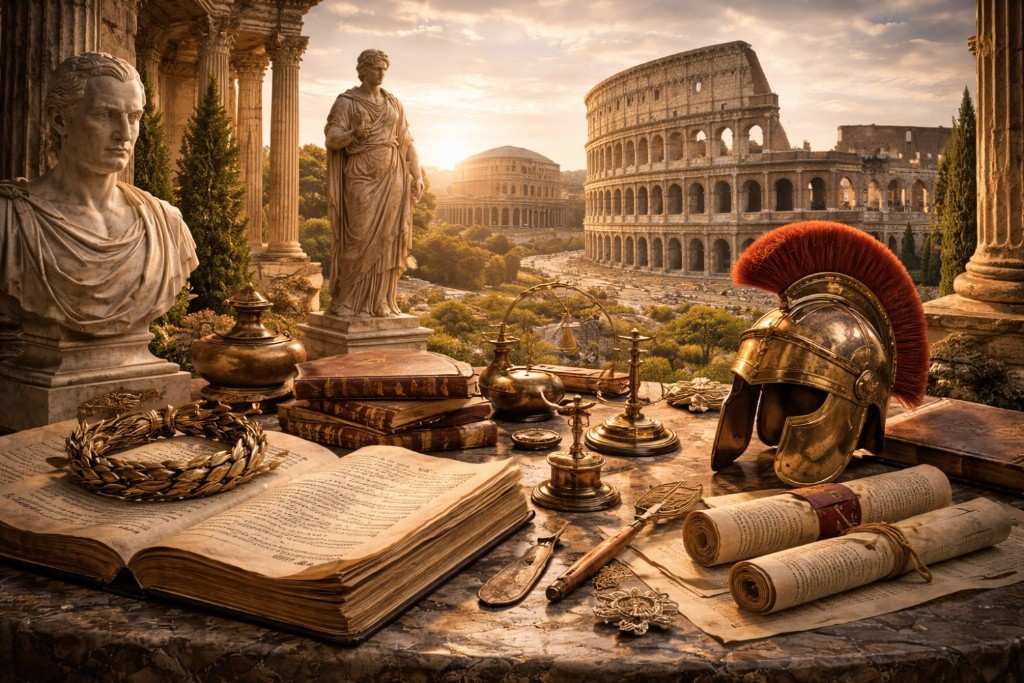
Roman culture, including its language, art, and customs, has had a lasting impact on the world. Latin, the language of Rome, evolved into the Romance languages (Spanish, French, Italian, etc.), which are spoken by millions today.
Roman literature, philosophy, and scientific advancements laid the groundwork for later intellectual developments during the Renaissance and the Enlightenment. Roman ideas about law, governance, and engineering continue to shape modern societies, demonstrating the enduring power of Rome’s cultural legacy long after its fall.
Disclaimer: This article is for informational purposes only and does not constitute professional advice. Please consult a qualified professional for specific guidance.