

Climate change is not a distant threat but a present reality, with rising temperatures, unpredictable weather, and more frequent natural disasters. Scientists and environmentalists have been sounding the alarm for years, warning that the damage we’re inflicting on the planet could soon be irreversible. From melting glaciers to devastating wildfires, the signs are everywhere. The question remains: can humanity take the necessary steps to save the planet before it’s too late?
1. The Green Energy Revolution
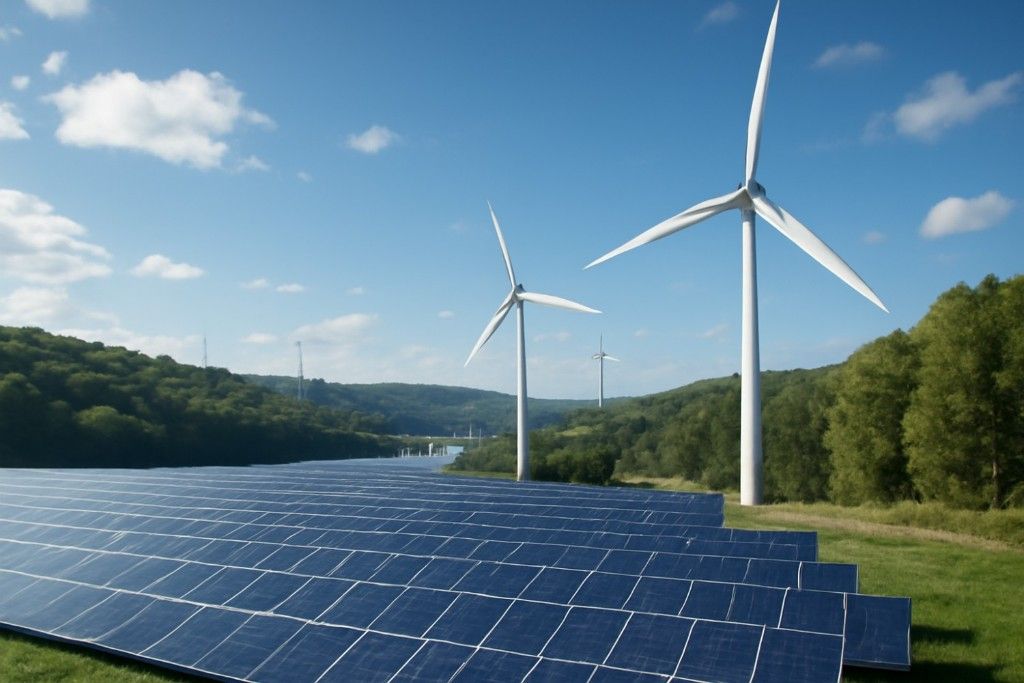
The shift to renewable energy sources like solar, wind, and hydropower is essential to mitigating climate change. These sources produce little to no carbon emissions, reducing the harmful impact of fossil fuels. As technology advances, energy efficiency improves, and renewable energy becomes more cost-effective.
Nations like Denmark and Germany are leading the charge, with plans to transition fully to green energy in the coming decades. However, widespread adoption requires overcoming challenges like energy storage and infrastructure overhaul. If we succeed, a green energy revolution could significantly slow climate change.
2. Reforestation Efforts

Forests play a crucial role in absorbing carbon dioxide from the atmosphere. Large-scale reforestation projects are gaining momentum around the world, with countries like India and China leading initiatives to restore degraded lands. In addition to capturing carbon, reforestation improves biodiversity and supports local ecosystems.
The Amazon rainforest, often referred to as the “lungs of the Earth,” is under threat from deforestation, but efforts to combat illegal logging and promote sustainable land management are underway. Protecting and expanding forests could be one of the most effective ways to reduce the planet’s carbon footprint.
3. The Circular Economy
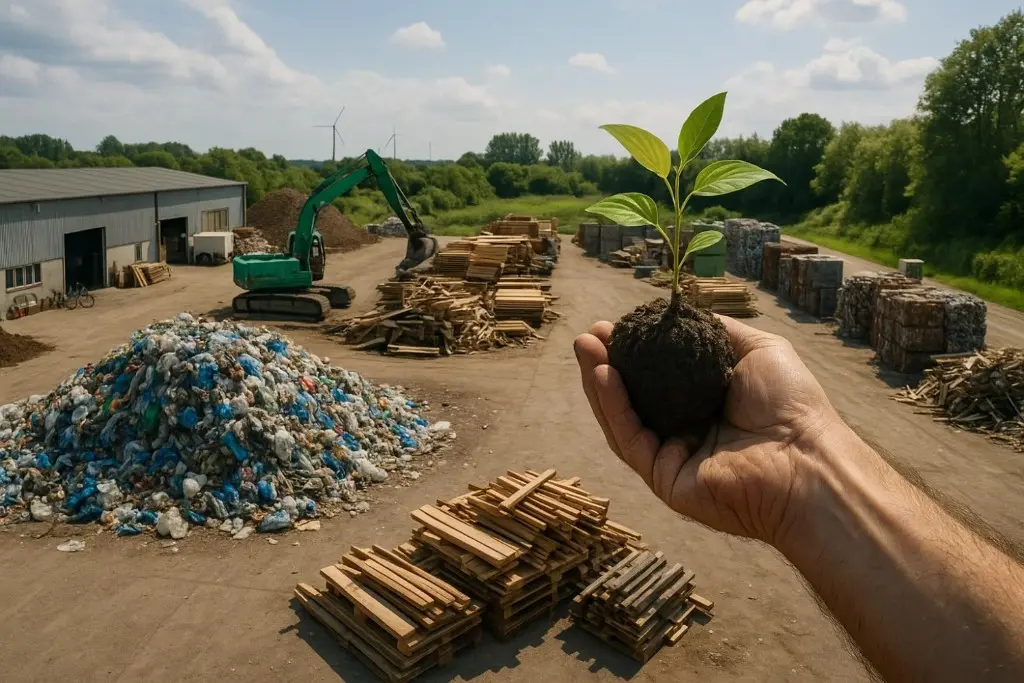
The concept of a circular economy aims to eliminate waste by keeping resources in use for as long as possible. Rather than the traditional linear model of “take, make, dispose,” a circular economy promotes recycling, reusing, and repurposing materials.
Companies like IKEA and Patagonia are embracing this approach by using recycled materials and designing products that are easier to repair. A circular economy could dramatically reduce the strain on natural resources and decrease the amount of waste polluting our oceans and landfills, making it a critical part of the solution.
4. Sustainable Agriculture Practices

Agriculture is a major contributor to greenhouse gas emissions, particularly through livestock farming and deforestation for crop production. Sustainable farming practices, such as crop rotation, agroforestry, and organic farming, can reduce emissions and improve soil health.
The adoption of plant-based diets also plays a role, as plant-based foods generally have a smaller carbon footprint than animal products. Innovations like lab-grown meat offer the potential to reduce the environmental impact of meat production. To truly protect the planet, we need to transform the way we grow and consume food.
5. Ocean Conservation Initiatives

The oceans are vital in regulating the Earth’s climate, but they are increasingly under threat from pollution, overfishing, and acidification. Initiatives like marine protected areas, sustainable fishing practices, and efforts to reduce plastic pollution are essential to preserving ocean health.
The Ocean Cleanup project, for instance, aims to rid the Pacific Ocean of plastic waste, while global efforts to regulate deep-sea mining are gaining traction. By prioritizing ocean conservation, we can protect biodiversity and maintain the ocean’s ability to absorb carbon dioxide and produce oxygen.
6. Electric Vehicles and Sustainable Transport

Transportation is one of the largest contributors to global carbon emissions, with cars, trucks, and planes releasing vast amounts of CO2. The rise of electric vehicles (EVs) presents an opportunity to reduce emissions from the transport sector.
Leading manufacturers like Tesla and Rivian are driving the EV revolution, while countries such as Norway aim to phase out gasoline-powered cars by 2025. Investment in public transportation, biking infrastructure, and alternative fuels will further contribute to reducing transportation-related emissions and making mobility more sustainable.
7. Carbon Capture Technologies
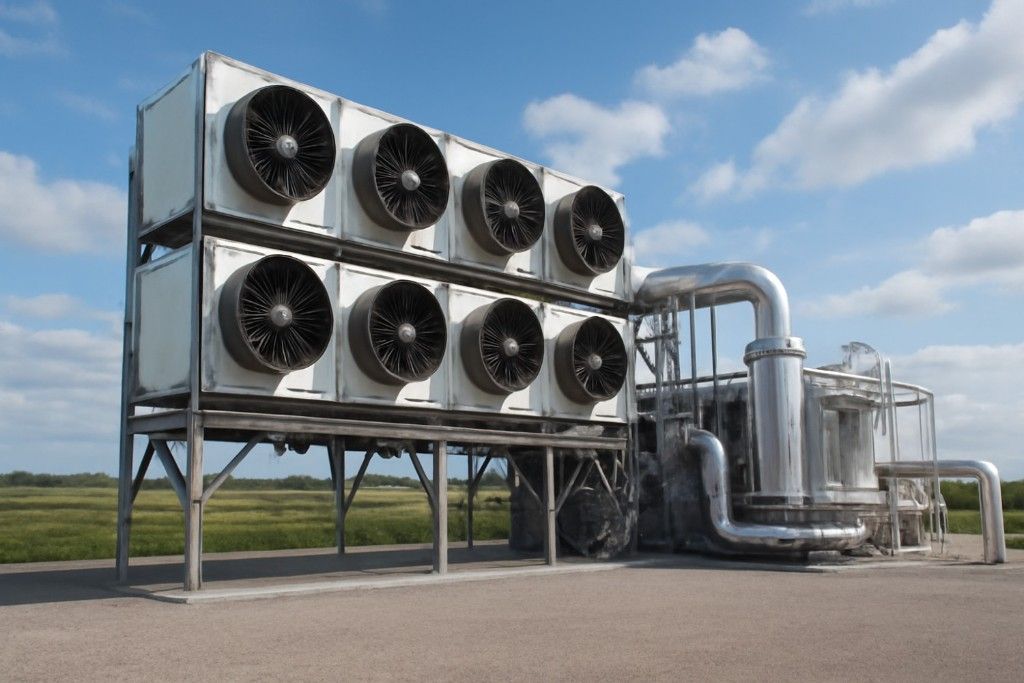
While reducing emissions is crucial, it may not be enough to prevent catastrophic climate change. Carbon capture and storage (CCS) technologies aim to remove CO2 from the atmosphere and store it underground. Companies like Climeworks are developing direct air capture systems, while others are exploring bioenergy with carbon capture and storage (BECCS).
Though still in early stages, these technologies could play a significant role in meeting global climate targets. However, scaling up these systems and making them commercially viable is a significant challenge.
8. Climate Resilience and Adaptation

As the effects of climate change intensify, adapting to its impacts becomes increasingly important. Climate resilience involves building systems, infrastructure, and communities that can withstand extreme weather events, such as floods, droughts, and heatwaves.
For example, cities like New York and Tokyo are implementing green infrastructure projects, such as flood barriers and green roofs, to mitigate the effects of rising sea levels and urban heat islands. In developing countries, initiatives like early warning systems and disaster-resistant housing are essential to saving lives and reducing damage.
9. Policy and Legislation

Government policies play a critical role in addressing climate change. The Paris Agreement, signed in 2015, represents a global effort to limit global warming to below 2°C above pre-industrial levels. However, achieving this goal requires stronger commitments from governments, especially the world’s largest emitters.
Policies that promote clean energy, enforce emissions reductions, and incentivize sustainable practices are necessary to drive change. Advocacy groups and citizens are also pushing for stronger environmental protections and corporate accountability, making policy reform a key pillar of climate action.
10. Education and Awareness Campaigns

Public awareness and education are crucial for garnering support for climate action. Campaigns like Extinction Rebellion and Fridays for Future, led by youth activists like Greta Thunberg, have sparked global conversations about the urgency of climate change. Educational programs at schools, universities, and community centers can foster a deeper understanding of environmental issues.
By making sustainability a part of everyday life, individuals can make informed decisions that contribute to long-term change. As more people recognize the threat of climate change, their collective actions can drive substantial progress.
11. The Role of Technology and Innovation
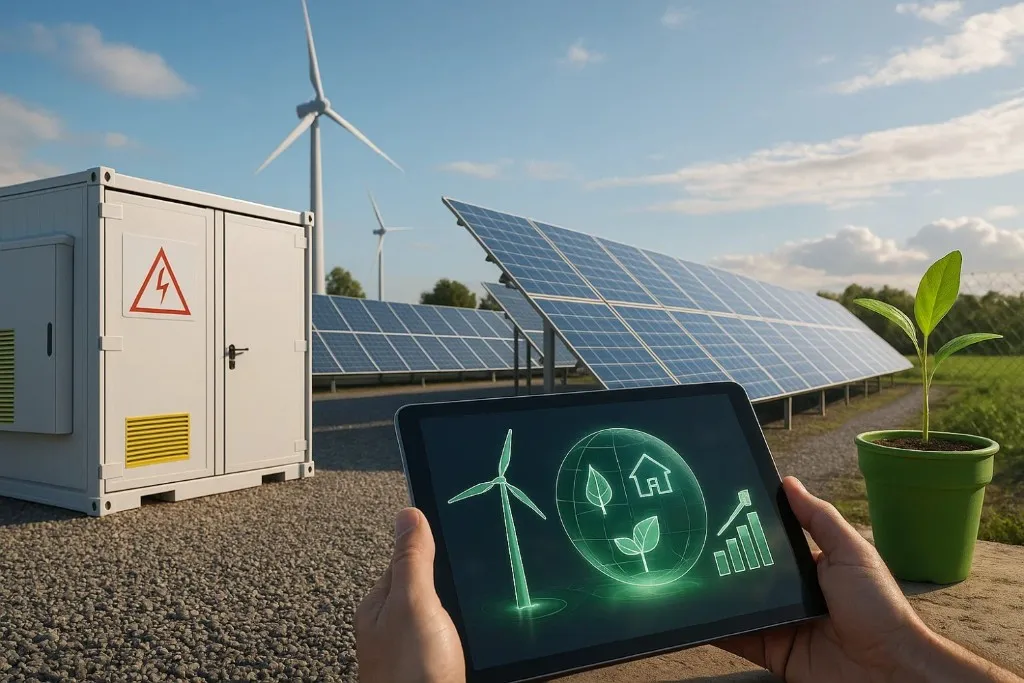
Technological advancements are revolutionizing the fight against climate change. Innovations in renewable energy storage, such as advanced batteries, are addressing one of the biggest challenges in solar and wind power. Artificial intelligence (AI) and machine learning are helping optimize energy use in buildings and transportation.
Moreover, new materials, such as biodegradable plastics and carbon-neutral concrete, are being developed to replace harmful substances. The key to success lies in harnessing these innovations and scaling them up to meet the needs of a growing population while reducing environmental harm.
12. Corporate Responsibility and Sustainability

Businesses play a significant role in shaping the future of the planet. Corporations are increasingly held accountable for their environmental impact, with pressure from consumers, governments, and shareholders driving them toward more sustainable practices.
Companies like Unilever and Microsoft have committed to achieving net-zero emissions, while others are focusing on reducing waste and sourcing materials responsibly. Greenwashing, or falsely claiming to be environmentally friendly, is a growing concern, but consumers are becoming more adept at recognizing authentic corporate sustainability efforts.
13. The Impact of Climate Change on Biodiversity

Biodiversity is being severely impacted by climate change, with rising temperatures, habitat loss, and pollution threatening countless species. Coral reefs, which support a vast array of marine life, are bleaching and dying due to ocean acidification and warming. On land, animals are struggling to adapt to changing ecosystems, with some species facing extinction.
Preserving biodiversity is essential not only for the health of ecosystems but for the wellbeing of humanity. Efforts to protect endangered species, create wildlife corridors, and reduce habitat destruction are crucial for maintaining a balanced environment.
14. Collective Action for a Sustainable Future

Ultimately, the battle against climate change requires collective action. No single individual, country, or organization can tackle the issue alone. Collaboration between governments, businesses, scientists, and citizens is necessary to drive meaningful change. The Paris Agreement demonstrated the power of international cooperation, but more aggressive action is needed.
Every effort, from reducing personal carbon footprints to lobbying for stronger environmental laws, contributes to a larger movement. Together, humanity has the potential to slow the tide of climate change and safeguard the future of our planet.