
Anxiety is a common struggle for many individuals, often making daily life feel overwhelming. While medication can be an effective treatment, it’s not the only option for managing anxiety. In fact, there are numerous natural techniques and lifestyle adjustments that can help reduce anxiety without relying on pharmaceuticals.
Whether it’s incorporating mindful habits into your routine or practicing relaxation exercises, small changes can make a big difference in your mental well-being. Here are 11 practical ways to alleviate anxiety without medication.
1. Practice Deep Breathing Exercises
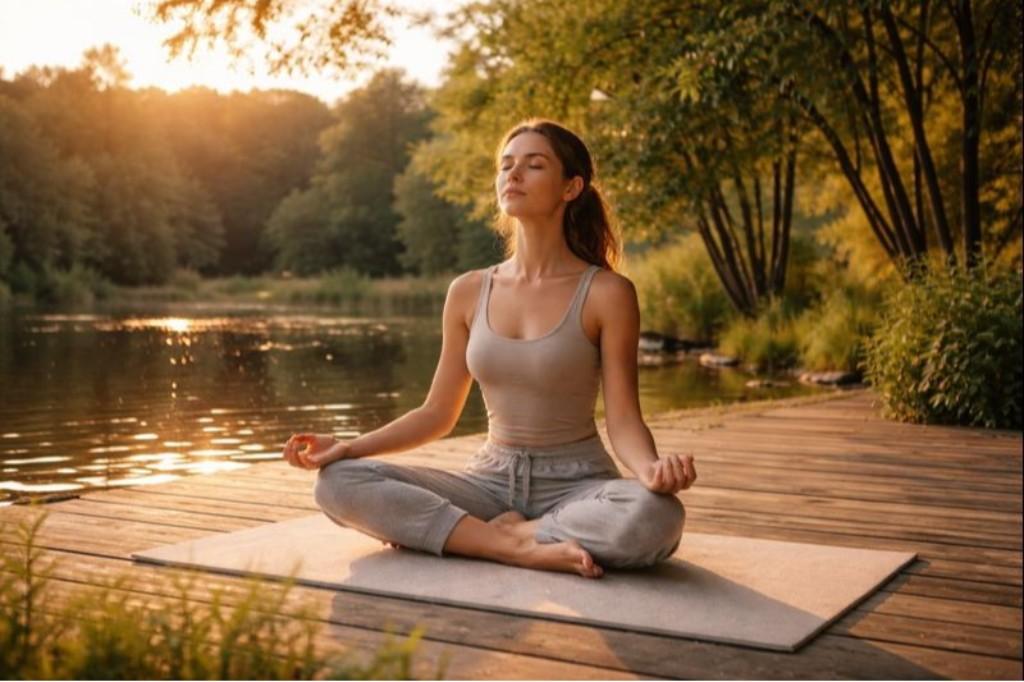
Deep breathing exercises are a simple and effective way to calm your body and mind. The goal is to activate your parasympathetic nervous system, which helps counteract the stress response. Techniques like diaphragmatic breathing, where you focus on expanding your diaphragm as you inhale and exhale slowly, can help reduce heart rate and ease tension.
By dedicating just a few minutes each day to deep breathing, anxiety levels can significantly decrease. This technique is especially useful during moments of acute anxiety or stress, offering immediate relief without requiring any special equipment or medications.
2. Engage in Regular Physical Activity

Exercise is a proven stress reliever and an effective way to manage anxiety. Physical activity increases the production of endorphins, the body’s natural mood boosters. Activities like walking, jogging, yoga, or even dancing can help release built-up tension and improve overall well-being.
Studies show that people who engage in regular exercise report lower levels of anxiety. It’s important to choose activities that you enjoy, as consistency is key to achieving long-term benefits. Even short, brisk walks can make a noticeable difference in mood and anxiety levels.
3. Prioritize Quality Sleep
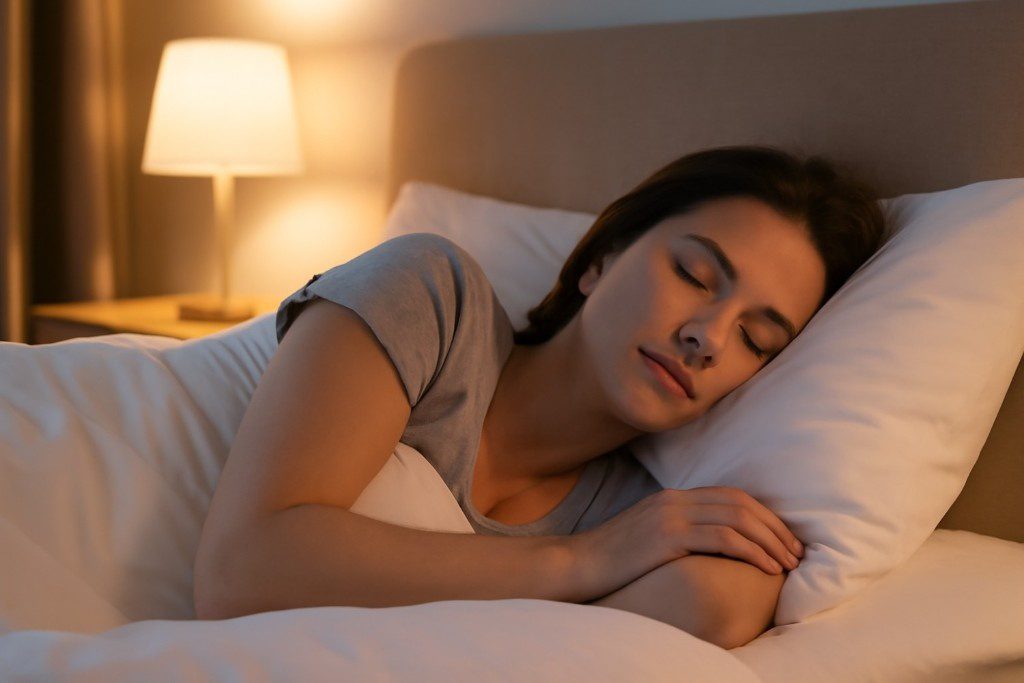
Lack of sleep can exacerbate feelings of anxiety, as the body’s ability to cope with stress is impaired when it’s fatigued. Ensuring that you get 7 to 9 hours of quality sleep each night can significantly improve your mental health.
A regular sleep schedule, reducing screen time before bed, and creating a calm sleep environment can help improve sleep quality. Incorporating relaxation techniques, such as progressive muscle relaxation or reading a book, can also make it easier to unwind and get a restful night’s sleep, helping reduce anxiety in the long run.
4. Practice Mindfulness and Meditation
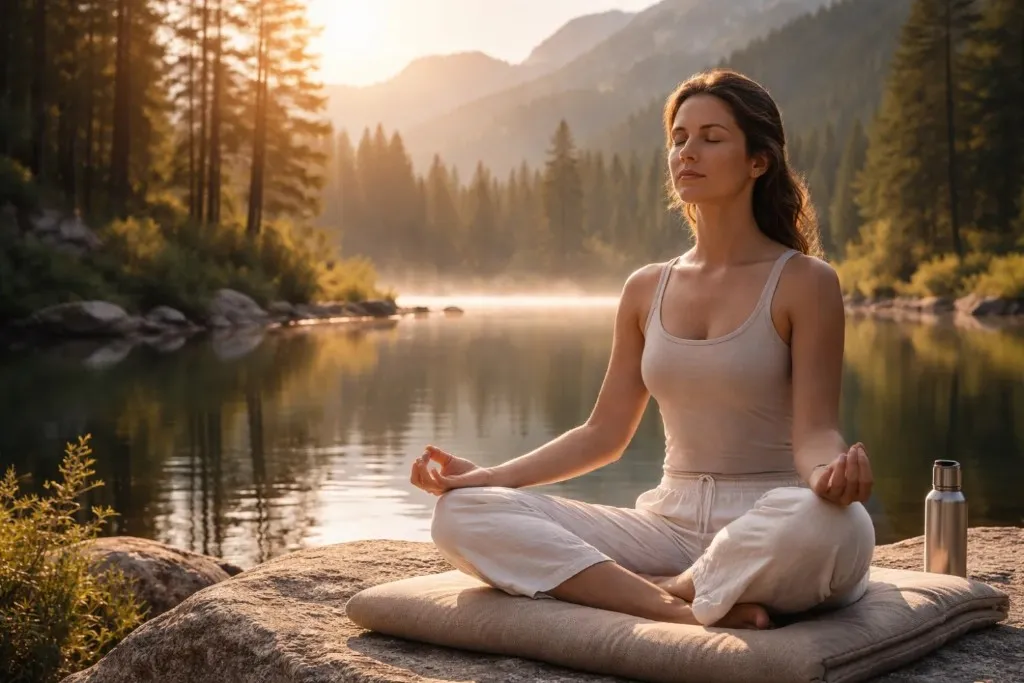
Mindfulness and meditation are powerful tools for managing anxiety. These practices involve focusing on the present moment, which can help break the cycle of anxious thoughts. Mindfulness encourages you to observe your feelings without judgment, while meditation can teach you how to clear your mind and remain calm.
Research has shown that regular meditation can reduce the activity in the amygdala, the part of the brain responsible for fear and stress. Apps like Headspace and Calm can guide beginners through meditation, making it easier to incorporate this practice into daily life.
5. Limit Caffeine Intake

Caffeine is a stimulant that can increase anxiety, especially in those sensitive to its effects. While a cup of coffee in the morning may seem harmless, consuming too much caffeine can elevate heart rate, trigger jitteriness, and heighten feelings of unease.
If you’re prone to anxiety, consider reducing your caffeine consumption or switching to decaffeinated beverages. Opting for herbal teas like chamomile or peppermint can provide a calming effect while offering a soothing alternative to caffeinated drinks.
6. Connect with Nature

Spending time in nature has been shown to reduce anxiety and promote a sense of calm. Whether it’s a walk in the park, hiking in the woods, or simply sitting outside, exposure to green spaces can lower cortisol levels and improve mood.
Nature provides a quiet and serene environment, helping to quiet the mind and encourage relaxation. If you’re unable to spend extended time outdoors, try incorporating more plants into your indoor space, as studies suggest that even having greenery around can promote a peaceful atmosphere.
7. Practice Gratitude

Focusing on the positive aspects of life can help shift your mindset and reduce anxiety. Practicing gratitude involves regularly reflecting on the things you’re thankful for, which can foster a sense of contentment and reduce negative thinking patterns.
Keeping a gratitude journal, where you write down a few things you’re grateful for each day, can help redirect your attention from anxious thoughts to positive experiences. Over time, this habit can help reframe your perspective and build emotional resilience, leading to lower anxiety levels.
8. Use Aromatherapy
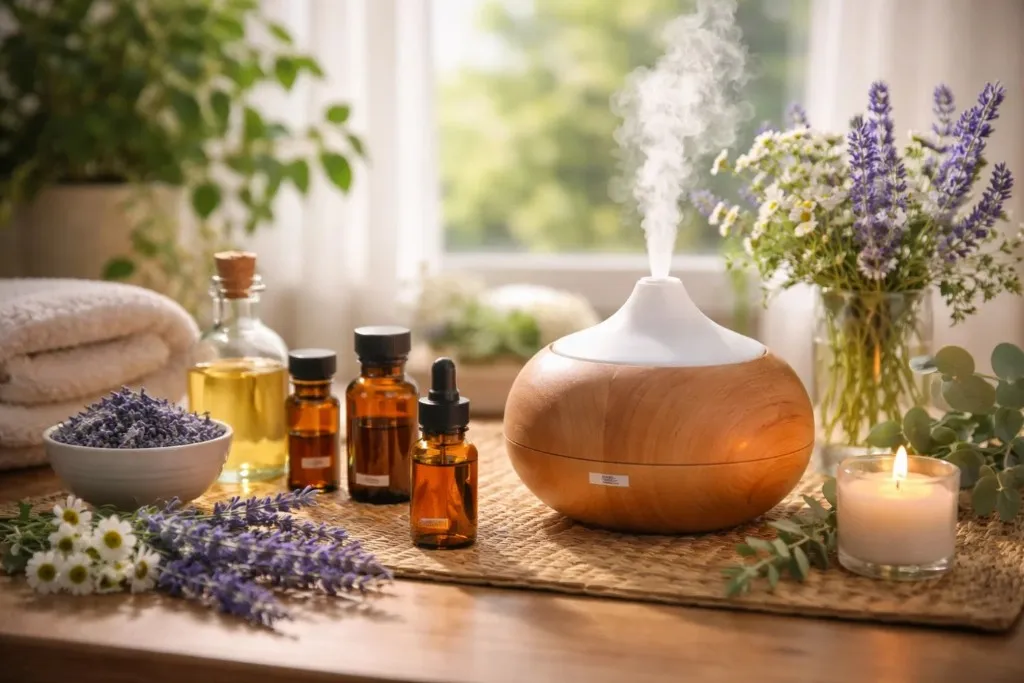
Aromatherapy is a natural method that can help reduce anxiety by influencing the brain’s limbic system, which controls emotions. Scents like lavender, chamomile, and eucalyptus are known for their calming effects. Essential oils can be used in a diffuser, applied topically with a carrier oil, or even added to a warm bath.
Research has shown that aromatherapy can help lower heart rate, reduce blood pressure, and improve mood. Using aromatherapy throughout the day, especially in moments of stress, can be a soothing and effective way to combat anxiety naturally.
9. Stay Socially Connected

Isolation can increase feelings of anxiety, while strong social support networks can have the opposite effect. Engaging in regular social activities with family and friends, or simply reaching out for a conversation, can offer comfort and distraction.
Social interactions also provide opportunities for emotional expression, helping to relieve stress. Volunteering, joining community groups, or even participating in online forums with like-minded individuals can be great ways to stay connected and improve mental health.
10. Establish a Routine
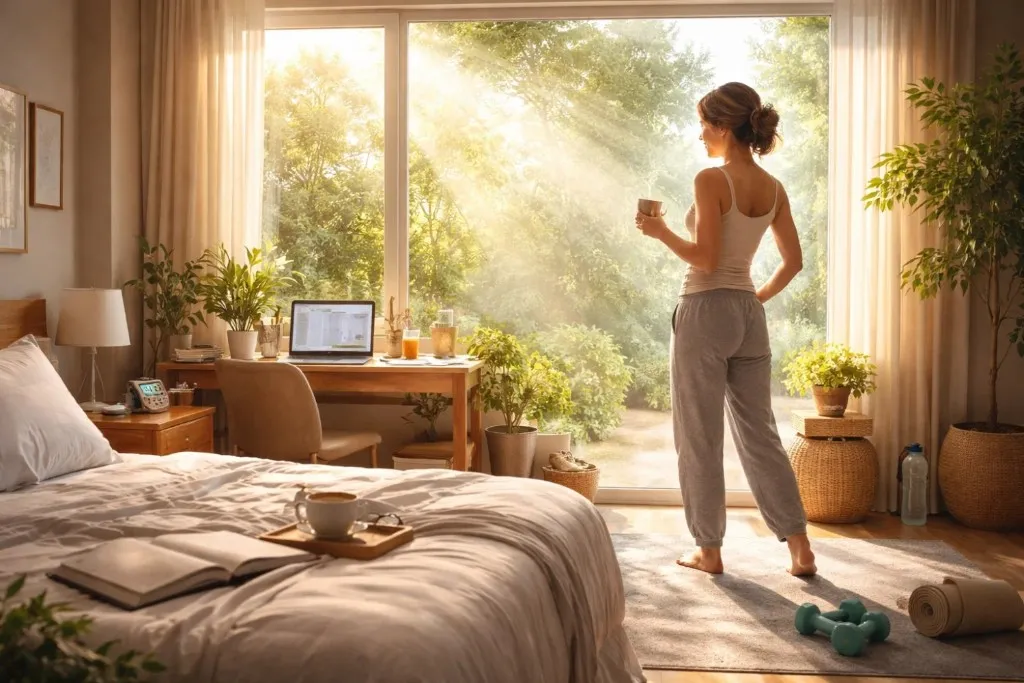
Having a daily routine can provide structure and predictability, which can significantly reduce anxiety. A well-established routine helps prevent feelings of overwhelm and gives you control over your day. Include time for work, relaxation, self-care, and exercise in your schedule.
Having designated times for each activity can reduce the mental load of decision-making, making the day feel more manageable. Whether it’s following a morning ritual or setting aside time for hobbies, structure can provide much-needed calm in times of stress.
11. Seek Professional Therapy

If anxiety continues to affect your life, speaking with a therapist can provide valuable support. Cognitive-behavioral therapy (CBT), in particular, is an evidence-based treatment that helps individuals recognize and change unhelpful thought patterns contributing to anxiety.
Therapy offers a safe space to explore your feelings and develop coping mechanisms. Many therapists also offer online sessions, making it easier to access support from the comfort of your home. Therapy can be a powerful tool in managing anxiety and providing long-term relief without medication.