
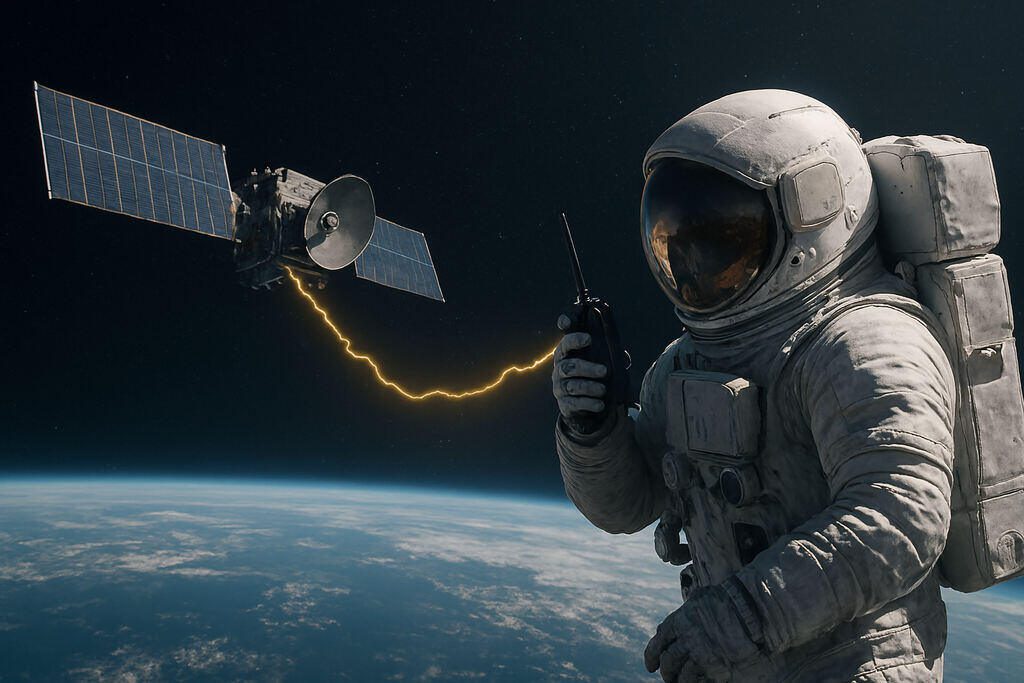
Imagine astronauts sending messages across millions of miles without worrying about hackers listening in. That’s the promise of quantum communication. Just like locks keep our homes safe, this technology could protect space data, satellites, and even future colonies. It’s not science fiction—it’s already being tested here on Earth. In this article, we’ll explore how quantum communication works, why it matters, and how it could shape the future of space exploration.
1. What Is Quantum Communication?
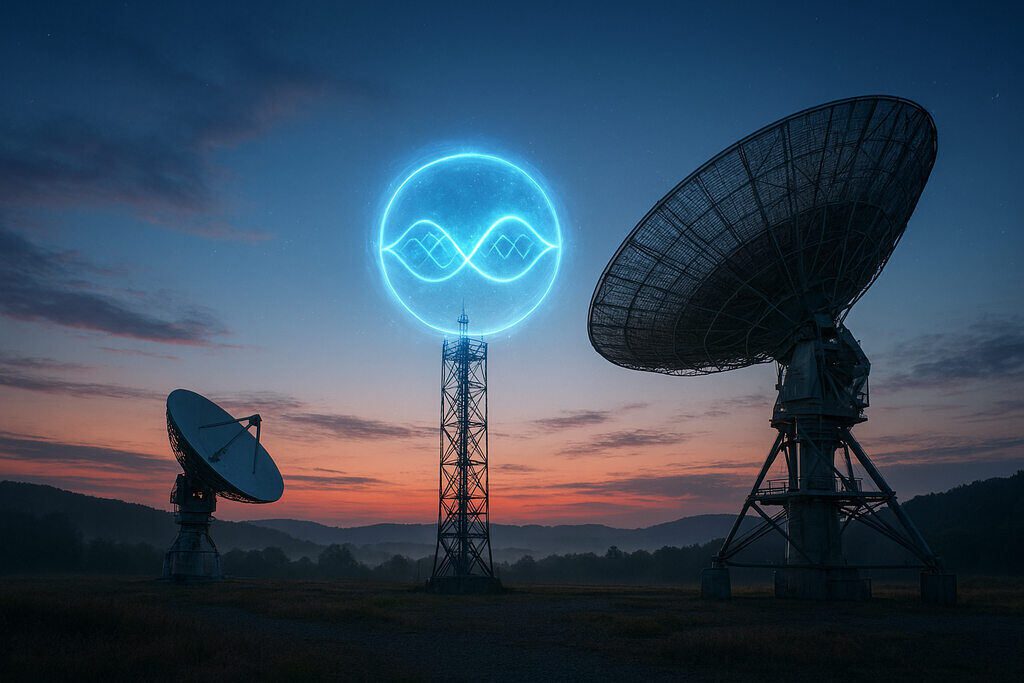
Quantum communication is a new way of sending information using the rules of quantum physics. Instead of radio waves or fiber optics, it uses particles of light called photons. These photons can be “entangled,” meaning they share a mysterious link no matter how far apart they are.
If someone tries to intercept the message, the connection breaks, and the sender knows instantly. This makes quantum communication far more secure than traditional methods. Think of it as sending a letter that disappears the moment someone else tries to open it.
2. Why Space Needs Stronger Security

Space missions depend on constant communication—whether it’s astronauts talking to Earth, satellites sharing data, or rovers sending back discoveries. Traditional radio signals can be intercepted or jammed, which is a big risk when dealing with sensitive information like defense satellites or scientific research.
Imagine hackers trying to control a satellite or spy on private data. Quantum communication offers a shield against these threats. In space, where distances are huge and risks are high, stronger security isn’t just helpful—it’s essential for survival and trust.
3. The Role of Satellites
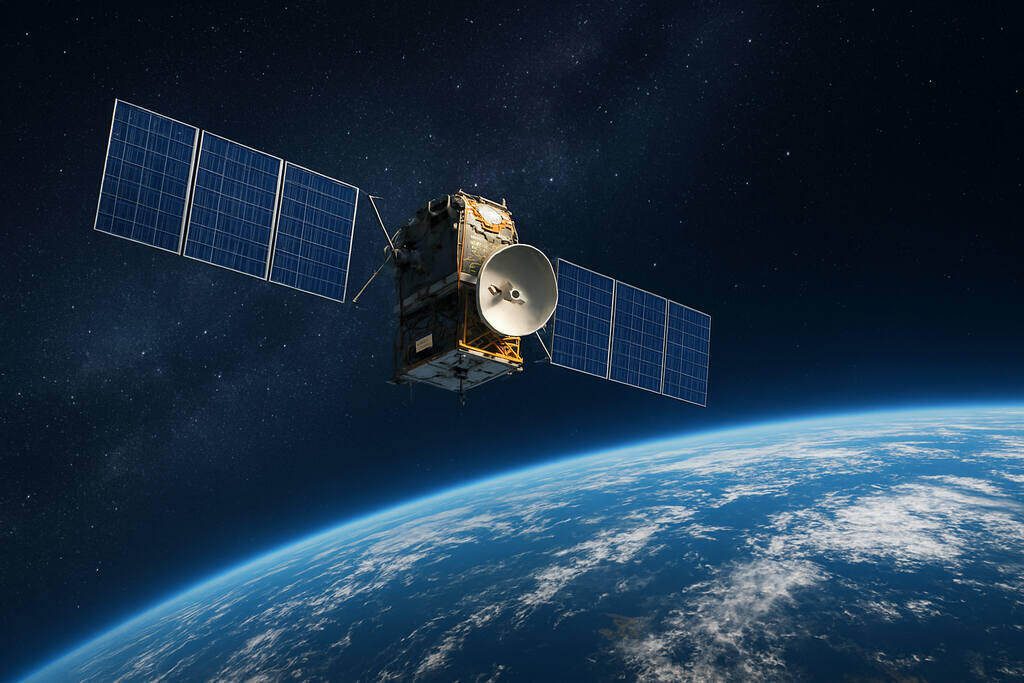
Satellites are the backbone of modern communication. They orbit Earth and relay signals across continents. With quantum communication, satellites could carry entangled photons and beam them down to ground stations. China has already tested this with its “Micius” satellite, proving that quantum keys can be shared securely over thousands of kilometers.
In the future, fleets of quantum satellites could form a global network, ensuring that every message sent from space is protected against eavesdropping. This would make space communication as safe as locking your front door.
4. How Quantum Entanglement Works
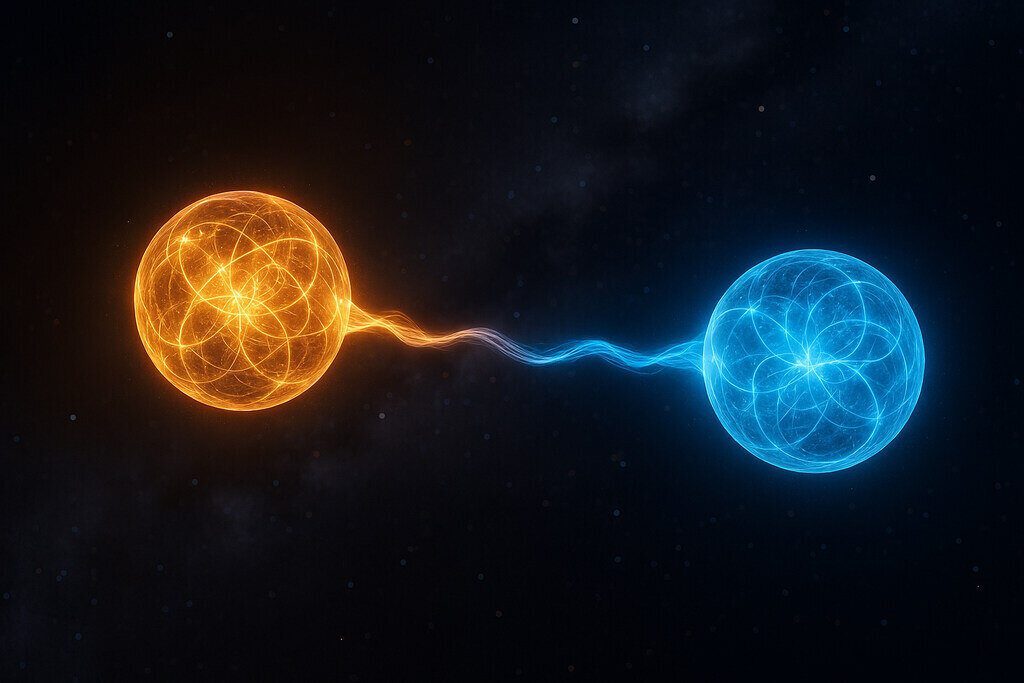
Entanglement is one of the strangest phenomena in physics. When two photons are entangled, their states are linked—even if they’re light-years apart. If one changes, the other reacts instantly. Einstein famously called it “spooky action at a distance.”
This strange connection is the foundation of quantum communication. By using entangled particles, scientists can create encryption keys that are impossible to copy. It’s like having two identical locks that only open together, no matter how far apart they are. This makes hacking virtually impossible.
5. Quantum Key Distribution (QKD)
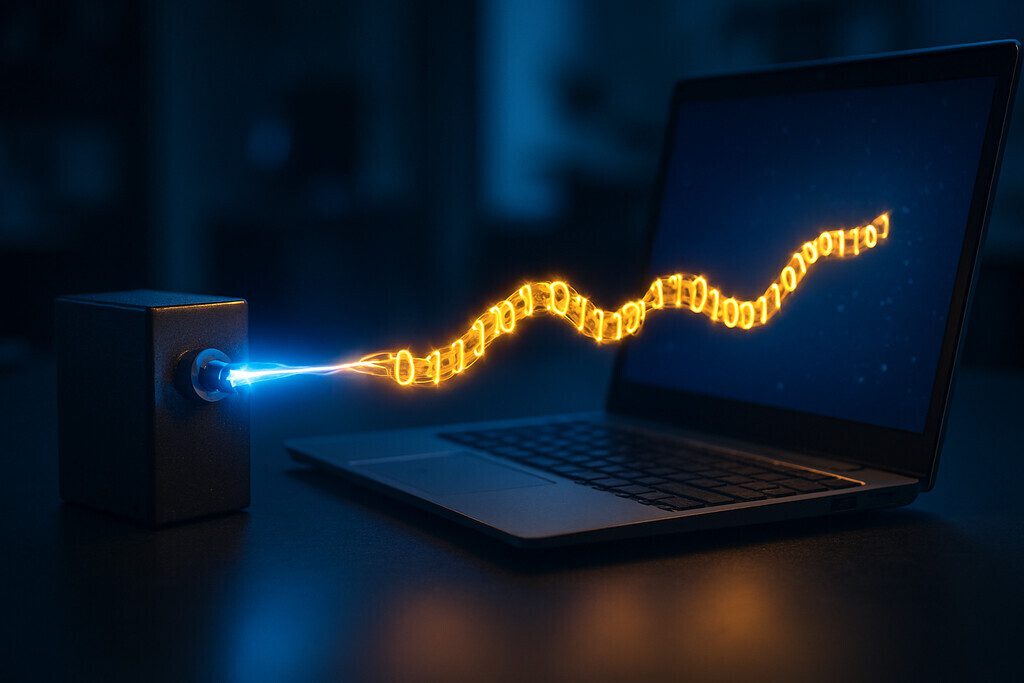
At the heart of quantum communication is Quantum Key Distribution (QKD). This method uses photons to create secret keys between two parties. If anyone tries to intercept the photons, their state changes, and the intrusion is detected.
Banks and governments are already experimenting with QKD to protect sensitive data. In space, QKD could secure astronaut communications, satellite signals, and even an interplanetary internet. It’s like giving every message a self-destruct feature if tampered with, ensuring trust and safety in every exchange.
6. Protecting Astronaut Missions
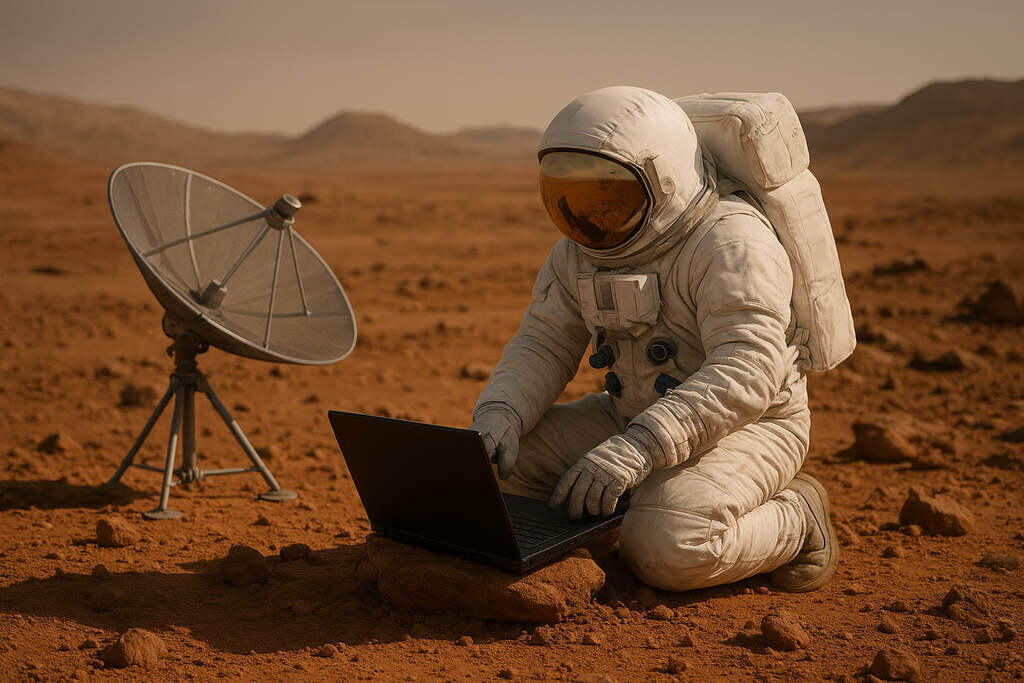
Astronauts rely on secure communication for safety. Imagine a Mars mission where hackers disrupt navigation or life-support data. Quantum communication could prevent such risks by ensuring that every signal is authentic and untouchable. It’s not just about privacy—it’s about survival.
As humans travel farther into space, the need for unbreakable communication grows. Quantum systems could become as vital as oxygen tanks or food supplies, giving astronauts peace of mind that their lifeline to Earth is secure.
7. Defense and National Security
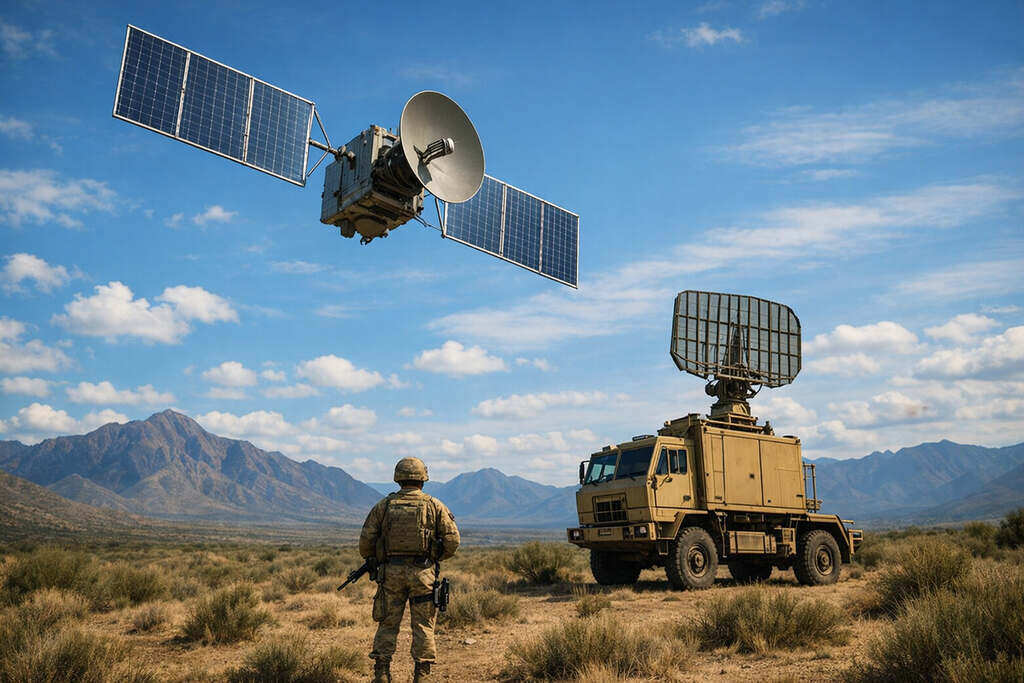
Space isn’t just about exploration—it’s also about defense. Satellites monitor borders, track missiles, and guide navigation systems. If these signals are hacked, the consequences could be severe. Quantum communication offers military-grade security that even the most advanced computers cannot break. Countries are already racing to build quantum networks, knowing that whoever masters this technology will have a huge advantage in both space and cybersecurity. It’s a new frontier where science and security meet.
8. Challenges of Distance
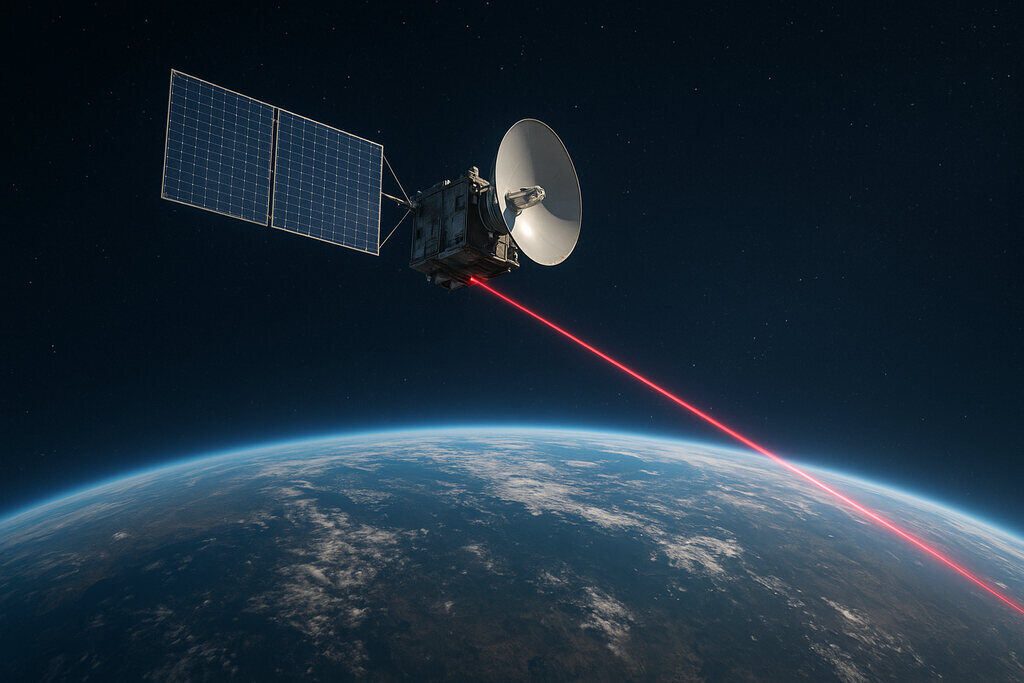
Space is vast, and sending quantum signals across millions of miles isn’t easy. Photons can get lost or scattered, especially when traveling through Earth’s atmosphere. Scientists are working on ways to extend the range, such as using satellites as repeaters or developing new materials that protect photons during transmission. Solving these challenges is key to making quantum communication practical for deep-space missions. Without it, secure communication beyond Earth would remain a dream.
9. Quantum Repeaters
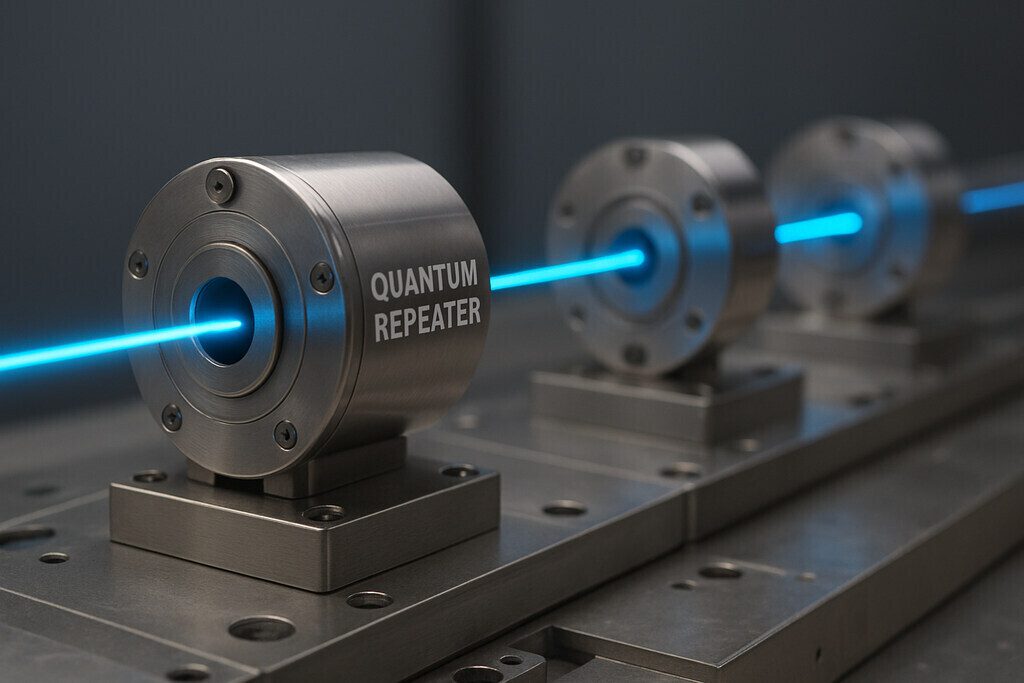
To cover long distances, scientists are developing quantum repeaters. These devices help maintain entanglement over vast ranges by refreshing the signal without breaking its quantum state. Think of them as pit stops for photons, keeping them strong during their journey. With quantum repeaters, communication could stretch from Earth to Mars, or even farther, without losing security. This technology is crucial for building a truly global quantum network.
10. Space Internet of the Future
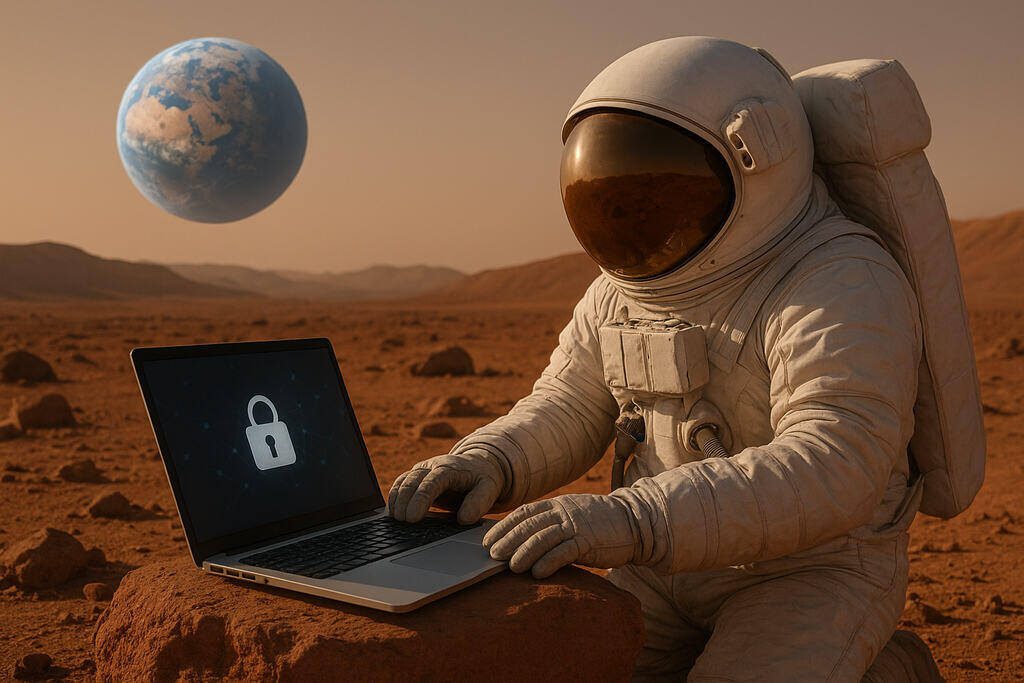
Imagine astronauts on Mars browsing the internet securely, or colonies on the Moon sending encrypted video calls to Earth. Quantum communication could make this possible. A “quantum internet” in space would allow instant, secure sharing of data across planets. It could connect research stations, spacecraft, and satellites into one protected network, ensuring that space exploration remains safe and collaborative. This would be the backbone of future interplanetary societies.
11. Real-Life Experiments
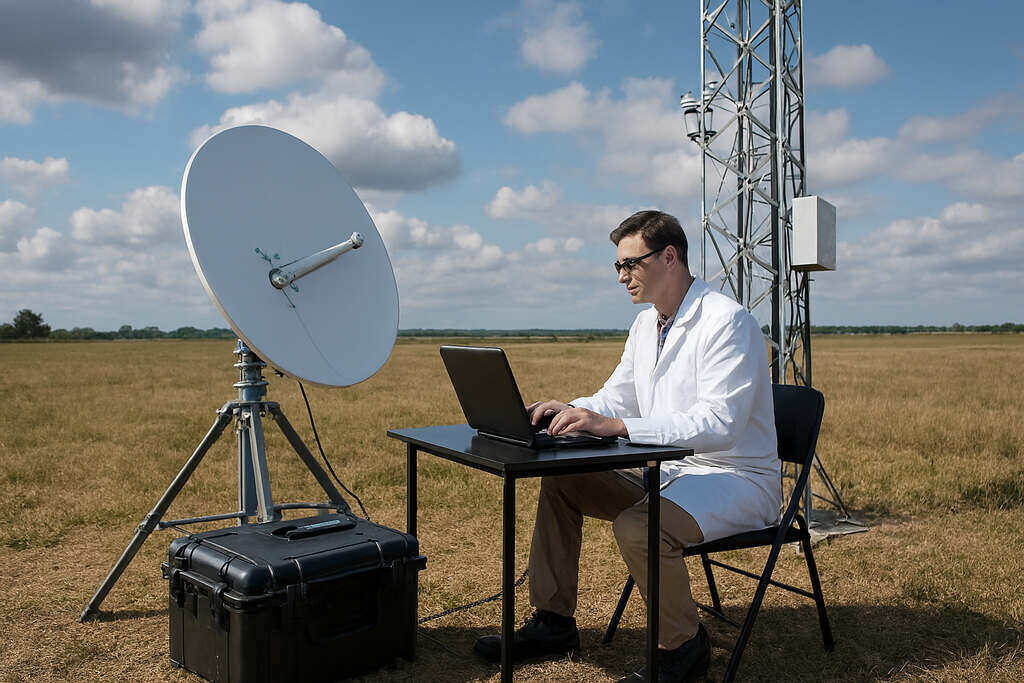
Quantum communication isn’t just theory—it’s already being tested. China’s Micius satellite has successfully sent quantum keys between Earth stations. Europe and the U.S. are also investing in quantum networks. These experiments prove that the technology works and can be scaled up. Each success brings us closer to a future where quantum-secure communication is the norm, not the exception. It’s happening faster than most people realize.
12. Benefits for Everyday Life
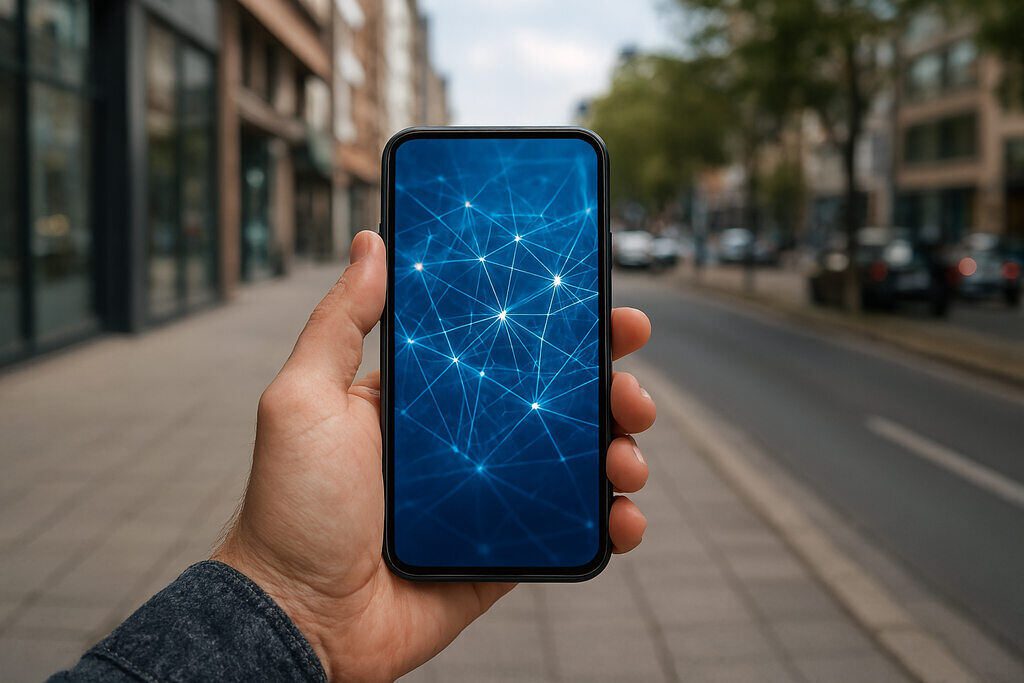
While space missions are the focus, quantum communication could also benefit life on Earth. Secure banking, healthcare records, and government data could all be protected by quantum systems. Just as GPS started as a military tool and became part of daily life, quantum communication could move from space missions to smartphones, making everyday communication safer. It’s a reminder that space technology often finds its way into our homes.
13. The Race for Quantum Supremacy

Countries are competing to lead in quantum technology. China, the U.S., and Europe are investing billions in research. Whoever builds the first large-scale quantum network will set the standard for global communication. This race isn’t just about science—it’s about power, security, and influence. Space will be the ultimate testing ground for these technologies, shaping the future of geopolitics.
14. Future of Deep-Space Missions
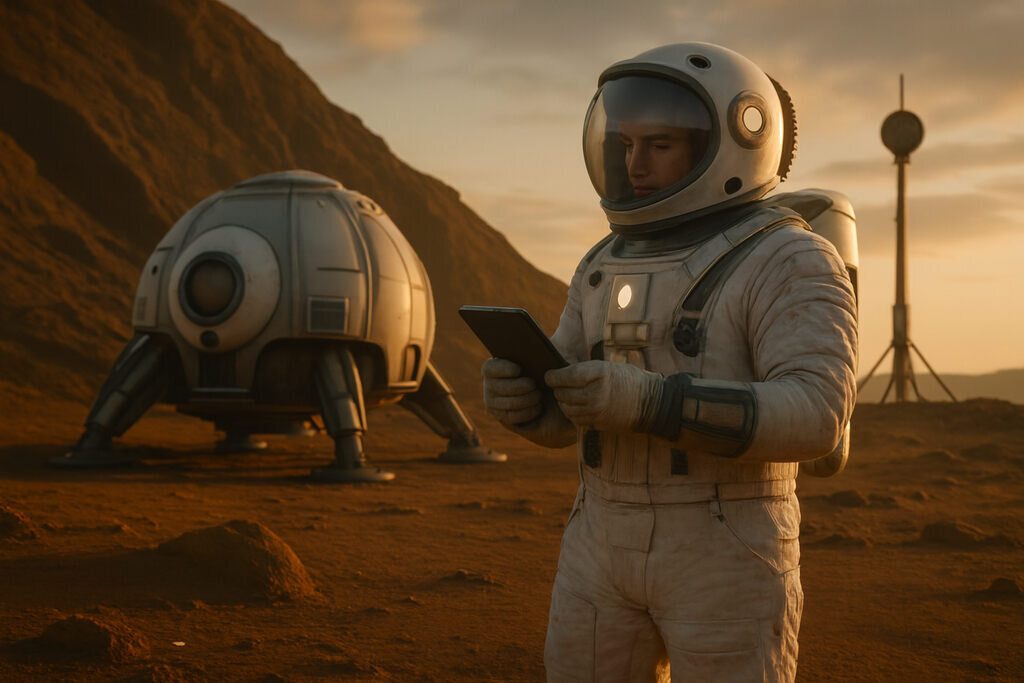
As humanity dreams of missions to Mars, Europa, or beyond, communication becomes a critical challenge. Quantum systems could allow explorers to send secure data back to Earth without delay or risk. Whether it’s scientific discoveries, medical updates, or personal messages, quantum communication ensures that deep-space missions remain connected and safe. It’s the invisible lifeline of exploration.
15. A Safer Tomorrow

Quantum communication may sound complex, but its goal is simple: keeping our messages safe. Just as locks protect our homes, quantum systems will protect our future in space. With each experiment, we move closer to a world where astronauts, satellites, and even everyday people can share information without fear. The future of space data security is bright, and quantum communication is the key to unlocking it.