
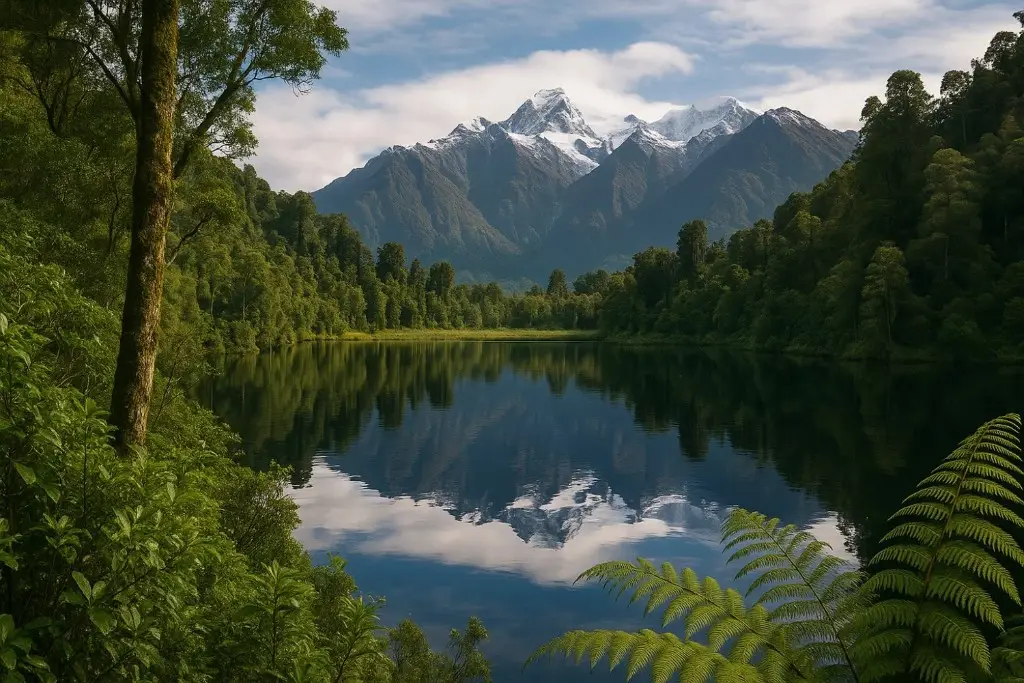
The fight to protect Earth’s remaining wild ecosystems is intensifying as human development continues to threaten the delicate balance of nature. From rainforests to coral reefs, these irreplaceable habitats are critical to the health of the planet. Their survival is now more uncertain than ever, requiring global attention and urgent conservation efforts. In this article, we explore the various ecosystems at risk and the ongoing fight to preserve them for future generations.
1. The Amazon Rainforest: The Lungs of the Earth
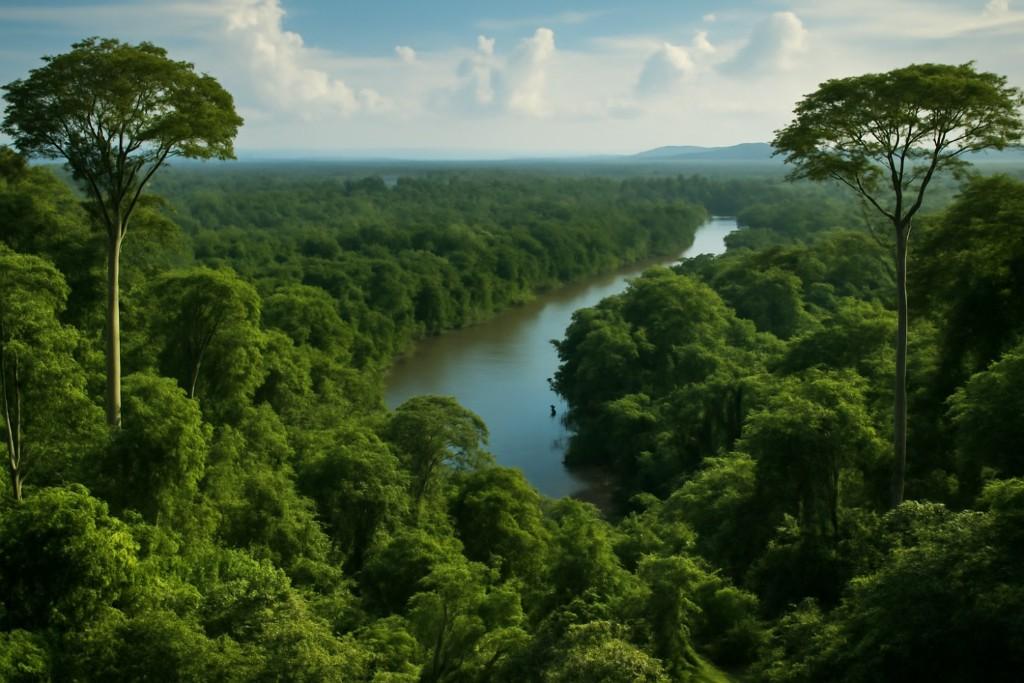
The Amazon Rainforest, spanning over 5.5 million square kilometers, plays a crucial role in regulating the global climate. As the largest tropical rainforest in the world, it produces 20% of the Earth’s oxygen and absorbs vast amounts of carbon dioxide. However, rampant deforestation driven by agriculture, logging, and mining threatens this vital ecosystem.
Recent reports show that the Amazon is approaching a tipping point where it may no longer be able to recover, with devastating effects on biodiversity, climate stability, and indigenous communities. Protecting the Amazon is essential not just for its survival but for the health of the entire planet.
2. The Arctic Tundra: Melting Under Pressure
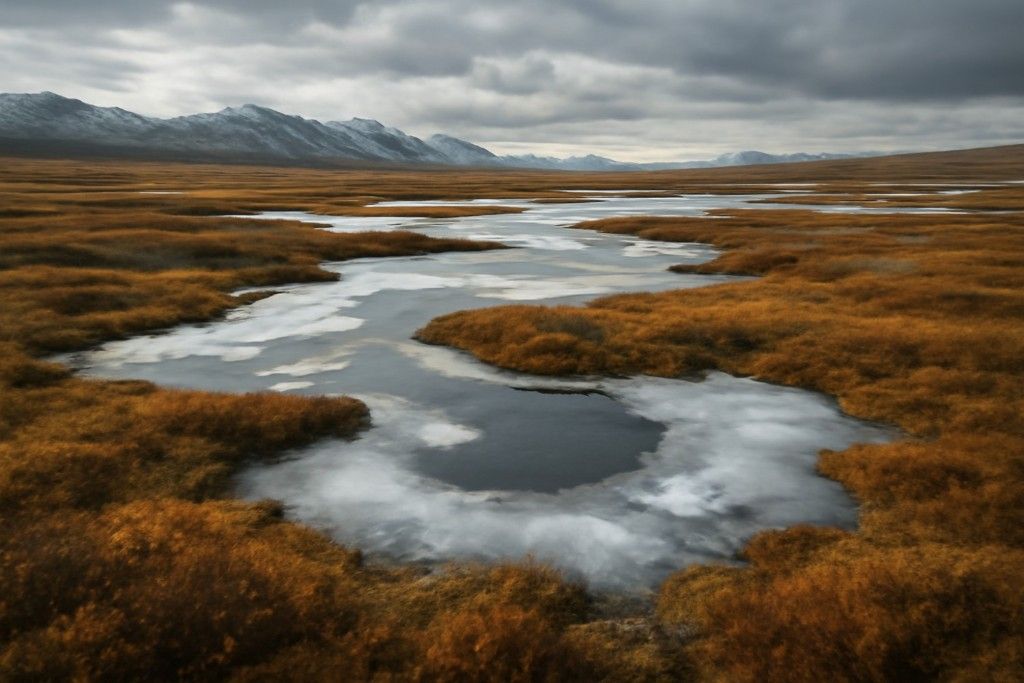
The Arctic Tundra, characterized by its frozen landscape and harsh climate, is one of the most fragile ecosystems on Earth. The rapid warming of the region due to climate change is causing the permafrost to thaw, releasing stored carbon and further accelerating global warming.
This melting is also threatening the native wildlife, including polar bears, reindeer, and migratory birds, and disrupting the livelihoods of indigenous people who depend on this land. As the Arctic melts, it is not only the ecosystem that is at risk but the entire planet’s climate stability, making it a focal point in the fight for environmental preservation.
3. Coral Reefs: Oceans’ Vital Biodiversity Hotspots
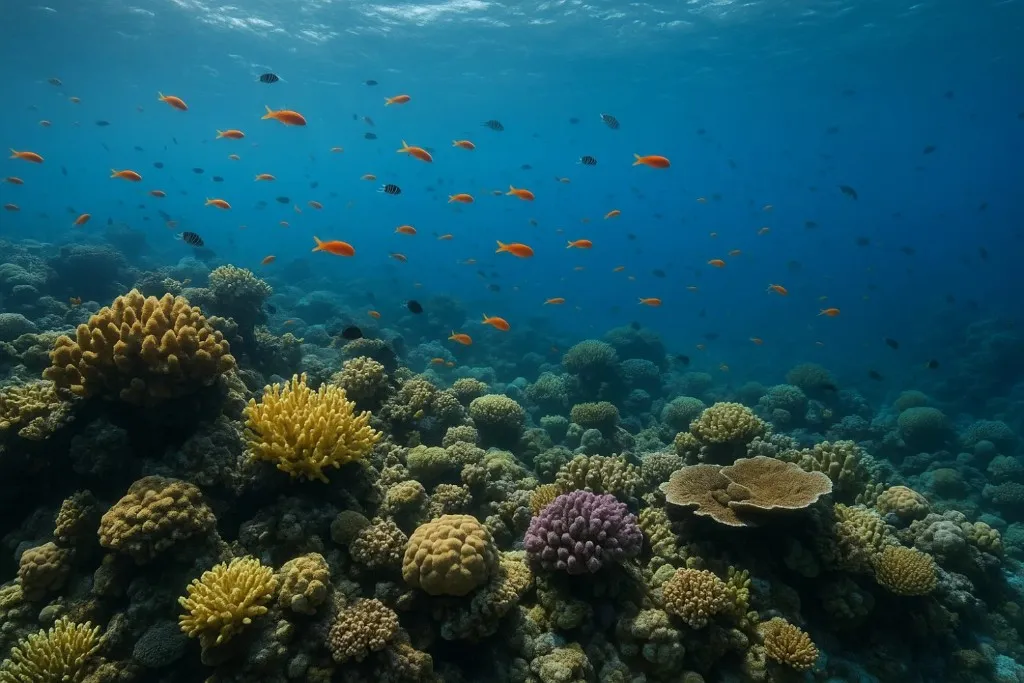
Coral reefs, often referred to as the rainforests of the sea, support a staggering array of marine life, providing food and shelter to thousands of species. However, they are under grave threat from rising sea temperatures, ocean acidification, and overfishing. The Great Barrier Reef, the world’s largest coral reef system, has already experienced significant coral bleaching events.
Without urgent action to combat climate change and reduce pollution, these fragile ecosystems could disappear within decades, leading to a collapse of marine biodiversity and the loss of livelihoods for millions who depend on them.
4. The Congo Basin: Africa’s Heartbeat
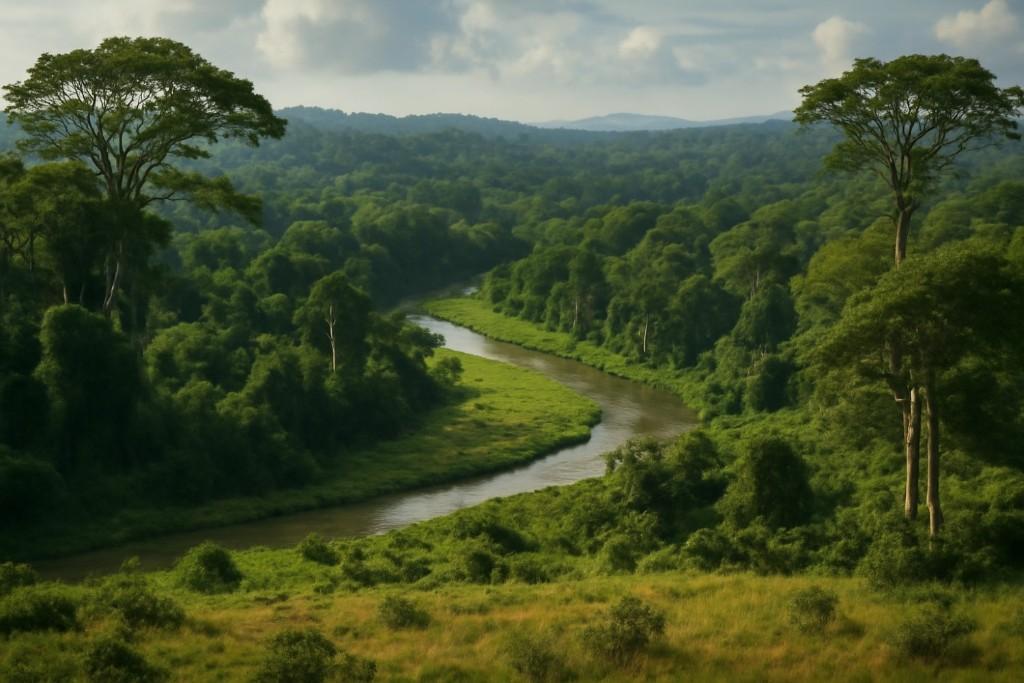
The Congo Basin, home to the world’s second-largest tropical rainforest, is vital for global biodiversity and climate regulation. It houses rare species such as gorillas, elephants, and forest buffalo, and plays a key role in the global water cycle. Yet, the region faces significant threats from illegal logging, mining, and land conversion for agriculture.
With an expanding population and growing demand for resources, the Congo Basin is under increasing pressure. Effective conservation strategies, including enforcing wildlife protection laws and promoting sustainable development, are crucial for safeguarding this vital ecosystem.
5. Madagascar’s Unique Ecosystems: A World Apart
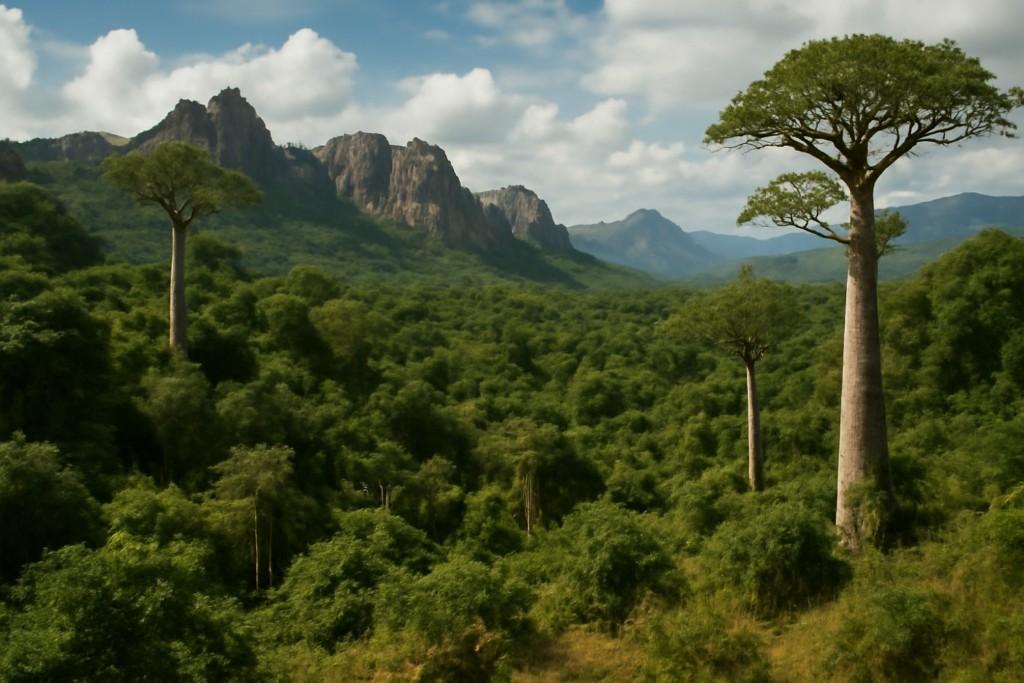
Madagascar, an island off the coast of Africa, is a biodiversity hotspot with many species found nowhere else on Earth. However, the island’s ecosystems are incredibly vulnerable due to deforestation, illegal wildlife trade, and climate change. The rainforests, home to lemurs, chameleons, and countless endemic plants, are disappearing at an alarming rate.
The loss of Madagascar’s biodiversity is not just a tragedy for the island but for global ecology, as many of these species play important roles in their ecosystems. Conservation efforts on the island are critical to preserving its unique biodiversity.
6. The Amazon River: A Lifeline for Ecosystems
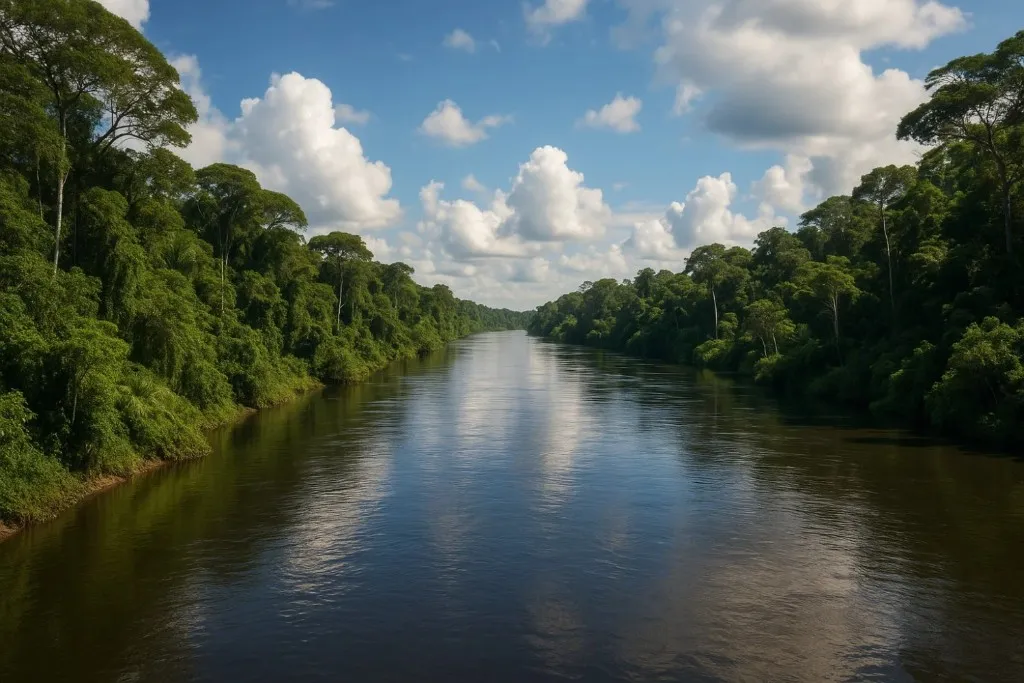
The Amazon River and its extensive network of tributaries form one of the largest river systems on Earth. This river is central to the ecosystem’s functioning, providing water to countless species of flora and fauna. The river also plays a critical role in the global carbon cycle by sequestering carbon from the atmosphere.
Yet, deforestation and mining activities are polluting the river and threatening its biodiversity. Protecting the Amazon River is key to maintaining both local and global ecological balance. Efforts to clean up pollution and restore ecosystems along the river are urgent priorities for conservationists.
7. The Great Barrier Reef: Global Icon of Marine Health
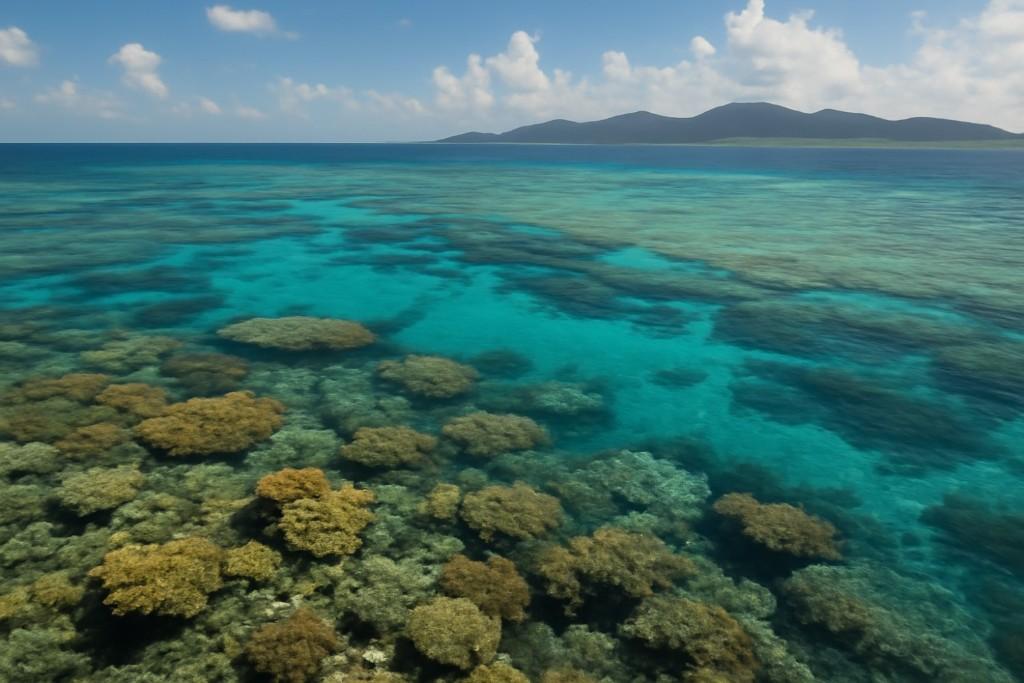
The Great Barrier Reef, located off the coast of Australia, is one of the planet’s most famous and diverse marine ecosystems. Spanning over 2,300 kilometers, the reef supports a rich variety of marine life, from fish to turtles to sharks. However, the reef has been severely affected by coral bleaching due to rising ocean temperatures.
The degradation of this unique ecosystem is a major concern, not only for Australia but for the world’s marine biodiversity. Immediate action to reduce emissions, manage tourism sustainably, and restore reef habitats is crucial to preserving this natural wonder.
8. The Sumatran Rainforest: A Vanishing Paradise
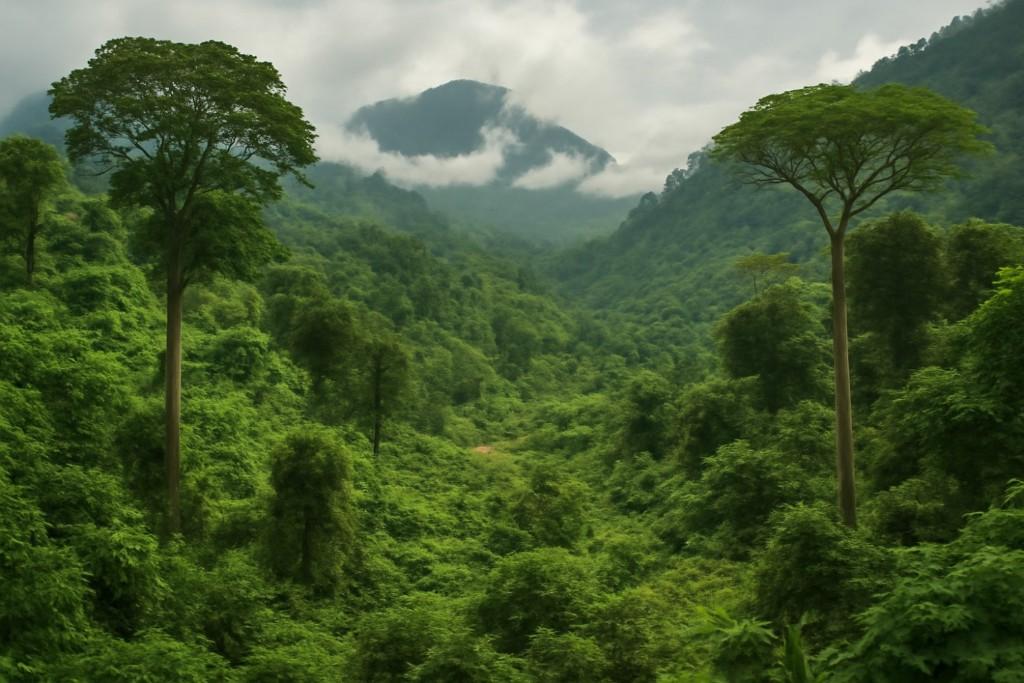
The Sumatran Rainforest, located on the Indonesian island of Sumatra, is home to critically endangered species such as the Sumatran tiger, orangutan, and rhinoceros. Unfortunately, this rich ecosystem is disappearing due to deforestation, illegal logging, and the expansion of palm oil plantations.
As one of the most biodiverse regions on Earth, the loss of Sumatran rainforests would be catastrophic, not only for the wildlife that relies on it but for the planet’s biodiversity as a whole. Effective enforcement of environmental laws and promoting sustainable agricultural practices are crucial steps in safeguarding this unique ecosystem.
9. The Amazon Basin Wetlands: A Diverse Haven at Risk
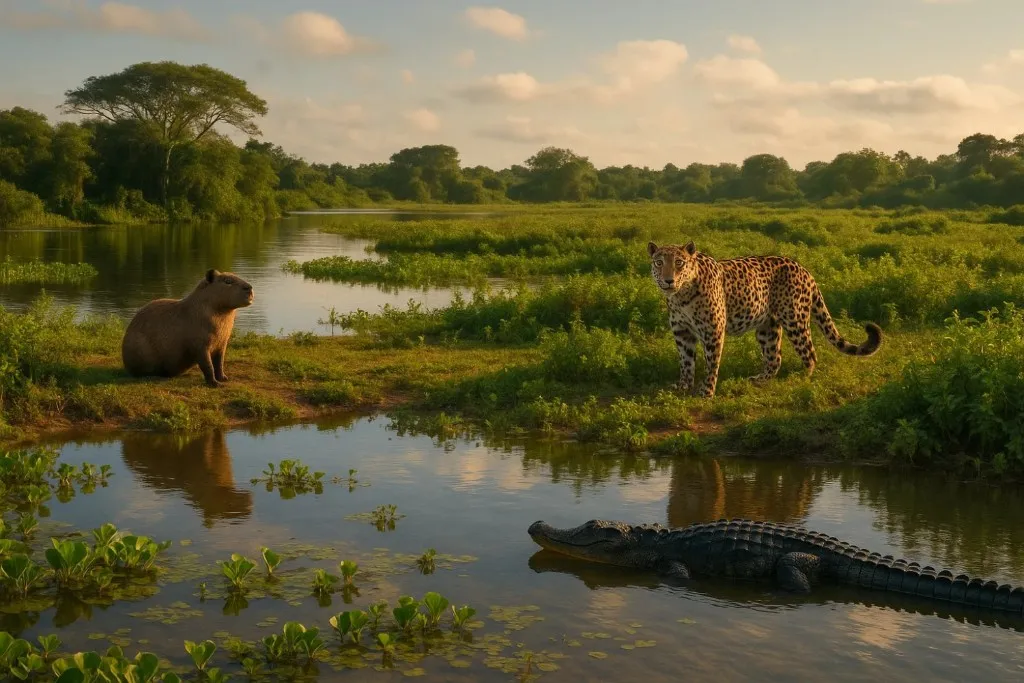
The Amazon Basin Wetlands, also known as the Pantanal, are the world’s largest tropical wetland. This vast area is home to a diverse range of species, including jaguars, capybaras, and caimans. However, it is under threat from agricultural expansion, mining, and increasingly frequent wildfires.
The Pantanal’s delicate ecosystem plays a significant role in regulating the global climate by storing carbon and controlling floods. Protecting this area requires stronger legal protections against illegal land use and fires, alongside promoting sustainable land management practices.
10. Borneo’s Rainforest: An Endangered Treasure
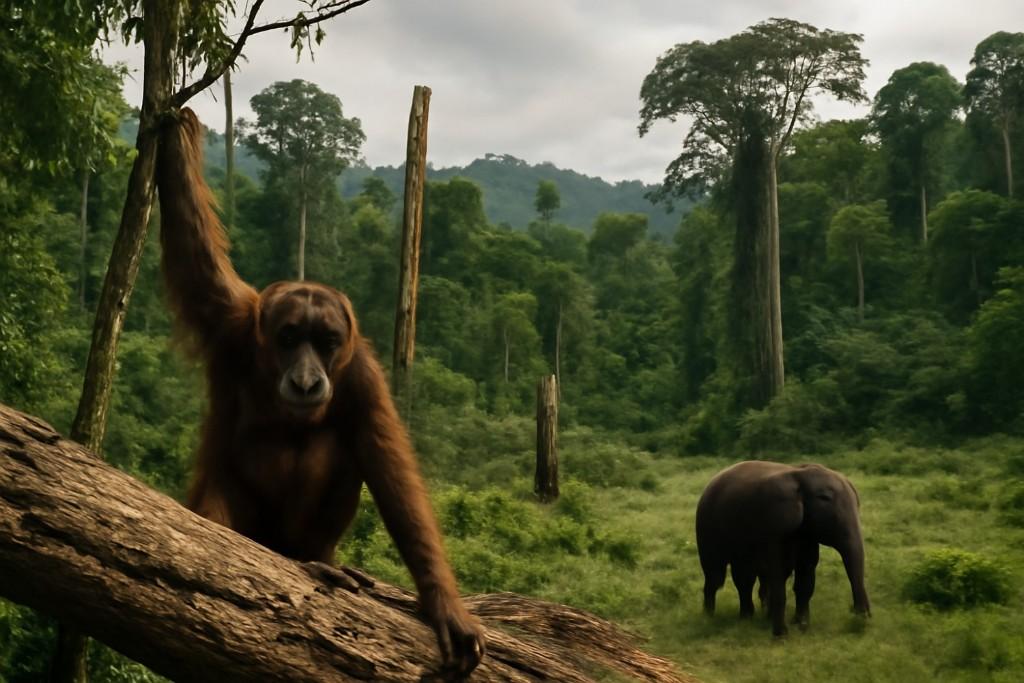
Borneo, home to the world’s oldest rainforest, is known for its exceptional biodiversity, including endangered species such as the Bornean orangutan and pygmy elephant. However, the island is suffering from extensive deforestation due to illegal logging and the palm oil industry.
The loss of Borneo’s rainforests not only threatens these unique species but also disrupts the climate regulation that the forests provide. Conservation efforts must focus on creating protected areas, enforcing sustainable land-use practices, and promoting ecotourism to generate income while preserving the rainforest’s ecological integrity.
11. The Galápagos Islands: Isolated Ecosystems at Risk
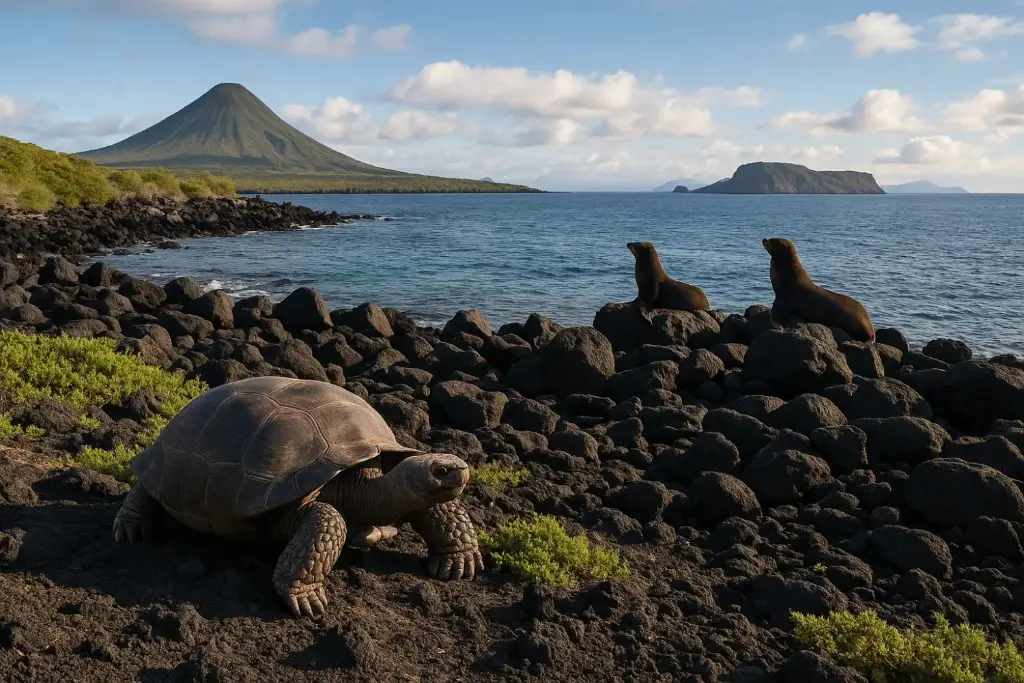
The Galápagos Islands, located in the Pacific Ocean, are famous for their unique species that inspired Charles Darwin’s theory of evolution. The islands’ ecosystems are fragile, with many species found nowhere else on Earth.
However, invasive species, overfishing, and climate change pose serious threats to this natural wonder. Efforts to control invasive species, protect marine life, and promote responsible tourism are essential to maintaining the Galápagos as a living laboratory for evolutionary biology and conservation.
12. The Siberian Taiga: A Vast, Vanishing Forest
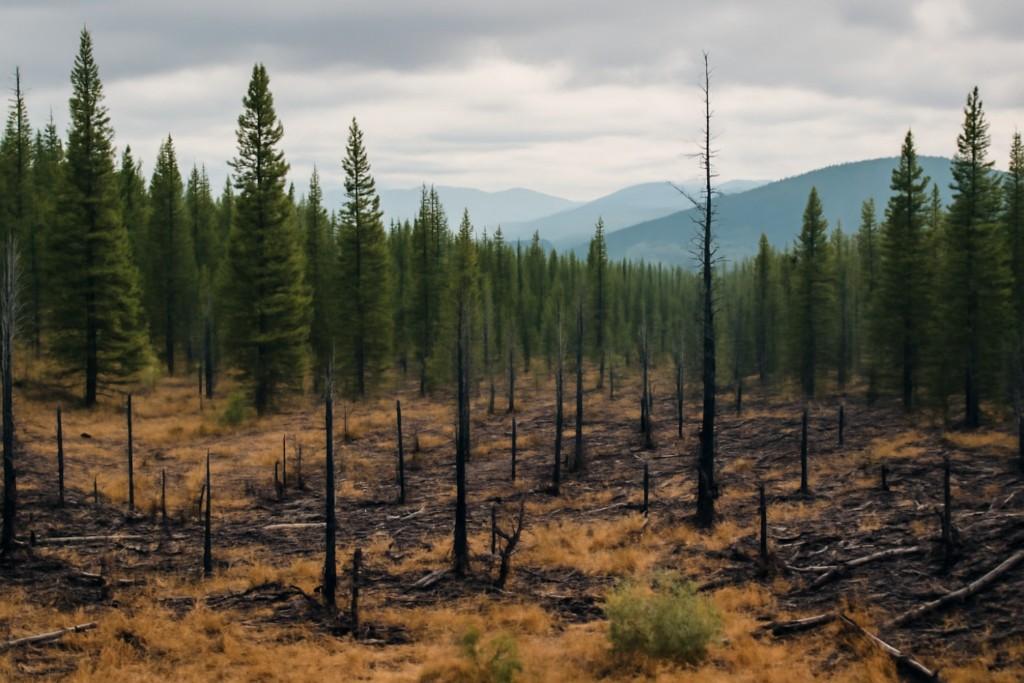
The Siberian Taiga, one of the largest forests in the world, covers vast stretches of Russia, China, and Mongolia. This boreal forest is home to many endangered species, including the Siberian tiger and Amur leopard. However, logging and the impacts of climate change, including forest fires, are putting the Taiga’s biodiversity at risk.
As the climate warms, the taiga’s ability to store carbon may diminish, exacerbating global warming. Protecting the Siberian Taiga is critical not only for preserving its unique species but for maintaining its role in regulating the Earth’s carbon balance.
13. The African Savannah: Balancing Wildlife and Development
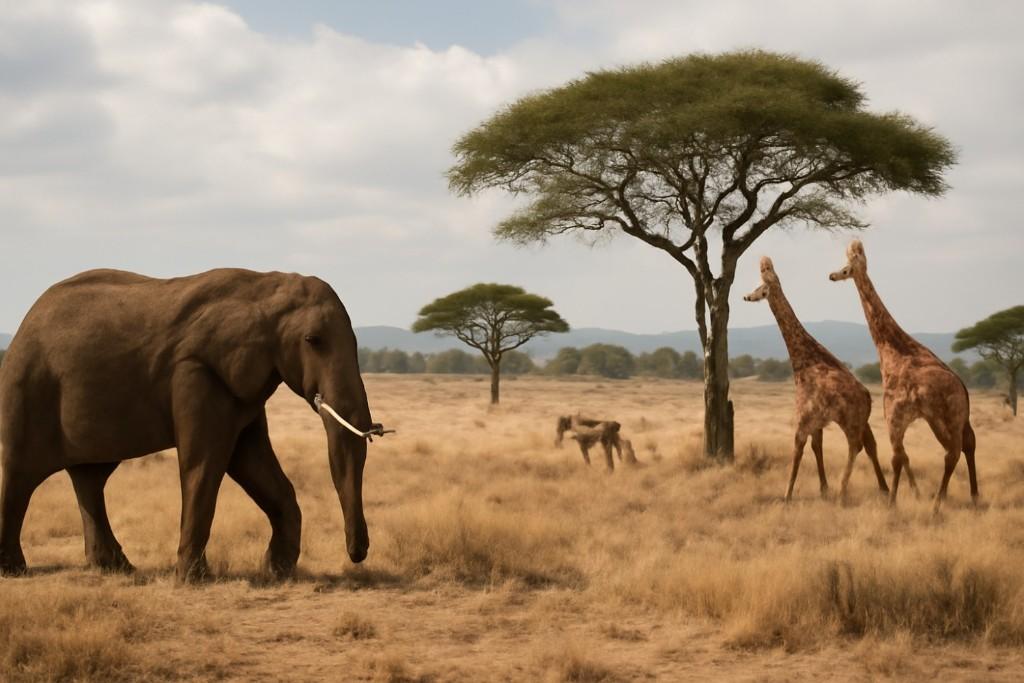
The African Savannah is a vast ecosystem that spans across multiple countries, providing a home to iconic wildlife like elephants, lions, and giraffes. Unfortunately, this ecosystem is under threat from human encroachment, poaching, and climate change. Overgrazing and deforestation further degrade the land, threatening the delicate balance of wildlife populations.
Conservation initiatives that balance the needs of local communities and wildlife are essential for preserving this iconic landscape. These efforts can include sustainable tourism, anti-poaching patrols, and community-led conservation programs.
14. The Indonesian Archipelago: Home to Endemic Riches
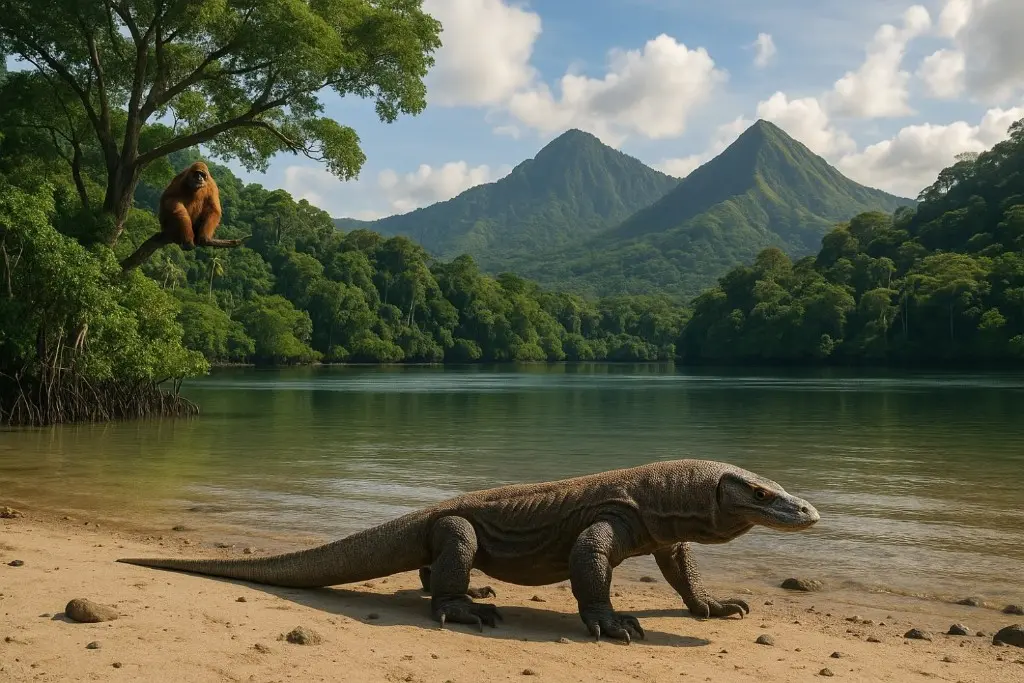
Indonesia’s islands are rich in biodiversity, with ecosystems ranging from rainforests to coastal mangroves. These ecosystems support a wealth of endemic species, including the orangutan and the Komodo dragon.
However, deforestation, illegal mining, and the expansion of palm oil plantations are causing irreparable harm to these ecosystems. Protecting Indonesia’s wildlife requires urgent action, including halting illegal logging, improving environmental governance, and supporting indigenous conservation efforts to safeguard these unique habitats.
15. The Congo River: Vital for Central Africa’s Survival
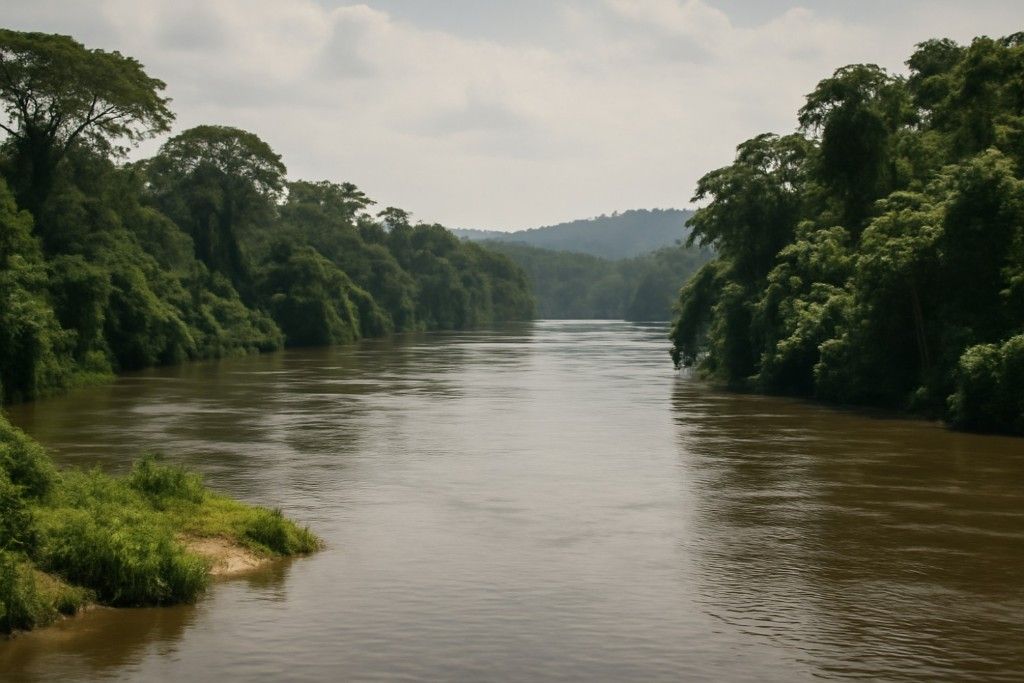
The Congo River is one of the largest and most vital river systems in Africa, providing water to millions of people and supporting a diverse range of wildlife. This river sustains the Congo Basin’s rainforest ecosystem and plays a crucial role in regulating the regional climate.
However, the river is threatened by pollution, overfishing, and climate change. Protecting the Congo River involves regulating water use, ensuring sustainable fisheries, and addressing the broader environmental threats to the Congo Basin’s rainforest, ensuring the survival of both people and wildlife.
Disclaimer: This article is for informational purposes only and does not constitute professional advice. Please consult a qualified professional for specific guidance.