
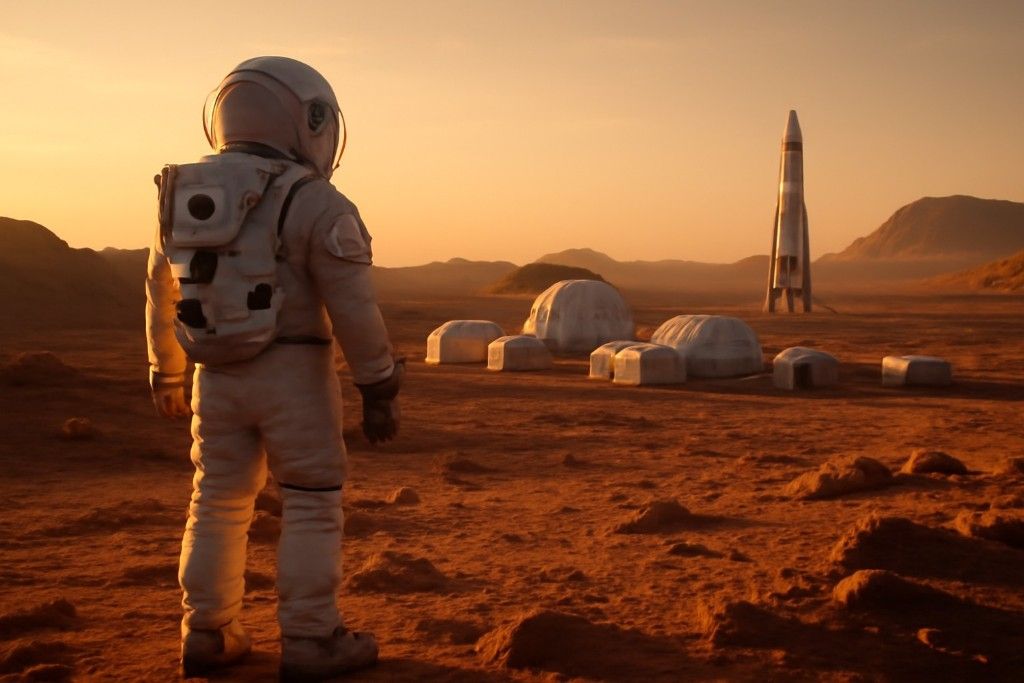
Living on Mars has long captured the human imagination, with advancements in space exploration bringing us closer to the possibility of colonization. However, the reality of settling on the Red Planet presents numerous challenges that must be overcome.
Mars, with its barren landscapes and inhospitable environment, is far from being a second home for humanity. From survival in its thin atmosphere to the long-term impacts on human health, the problems of living on Mars are multifaceted. In this article, we explore the key obstacles that must be addressed before humanity can truly thrive on Mars.
1. Thin Atmosphere and Lack of Oxygen
Mars’ atmosphere is over 100 times thinner than Earth’s, consisting mostly of carbon dioxide with very little oxygen. This poses an immediate danger to human life since breathing is impossible without a pressurized environment.
In order to survive, colonists would need to rely on habitats with controlled atmospheres, and advanced technology would be required to generate oxygen. Systems such as the MOXIE (Mars Oxygen ISRU Experiment) on the Perseverance rover demonstrate the potential for in-situ resource utilization, but scaling this up for long-term habitation remains a major hurdle.
2. Low Gravity
Mars has only 38% of Earth’s gravity, which could have profound effects on human health. Long-term exposure to low-gravity environments has been shown to cause muscle atrophy and bone density loss in astronauts.
While studies are still ongoing, the potential for these effects to become more pronounced over time raises serious concerns for Martian settlers. Solutions such as artificial gravity through rotating habitats or regular exercise routines may be necessary to mitigate these issues.
3. Radiation Exposure
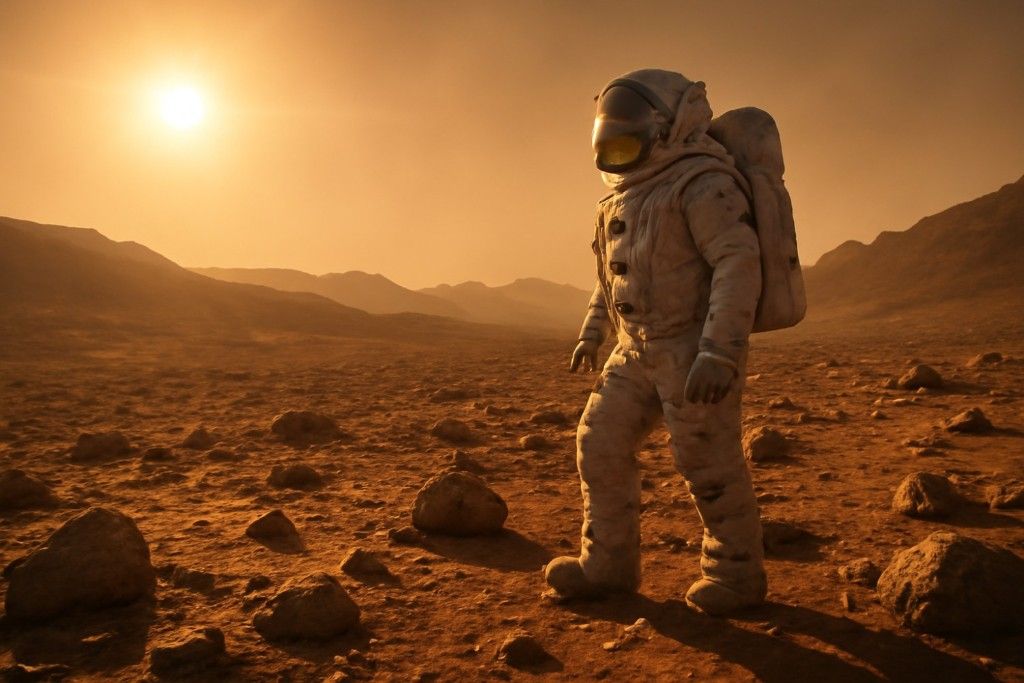
Unlike Earth, which is protected by a robust magnetic field and thick atmosphere, Mars has little protection from harmful solar radiation and cosmic rays. This means that prolonged exposure to radiation could increase the risk of cancer, radiation sickness, and genetic damage for anyone living on the surface. Protective shielding in habitats, spacesuits, and underground living quarters will be essential to mitigate this danger. However, the effectiveness of these solutions over extended periods remains uncertain.
4. Temperature Extremes
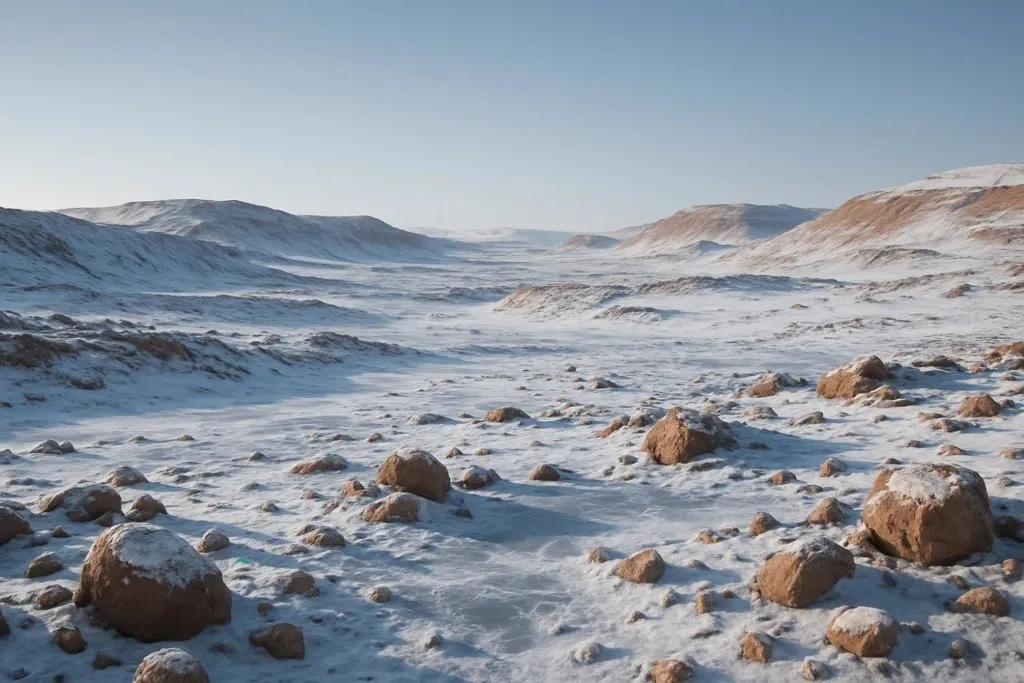
Mars experiences extreme temperatures that range from a frigid -195°F (-125°C) at its poles during winter to a relatively warm 70°F (20°C) during the day at the equator. These dramatic temperature fluctuations create a need for highly specialized equipment to regulate the internal climate of Martian habitats.
A system that can maintain livable temperatures for humans while also preventing equipment from freezing or overheating is crucial. This could mean relying on sustainable energy sources like nuclear power to generate heat.
5. Limited Water Resources
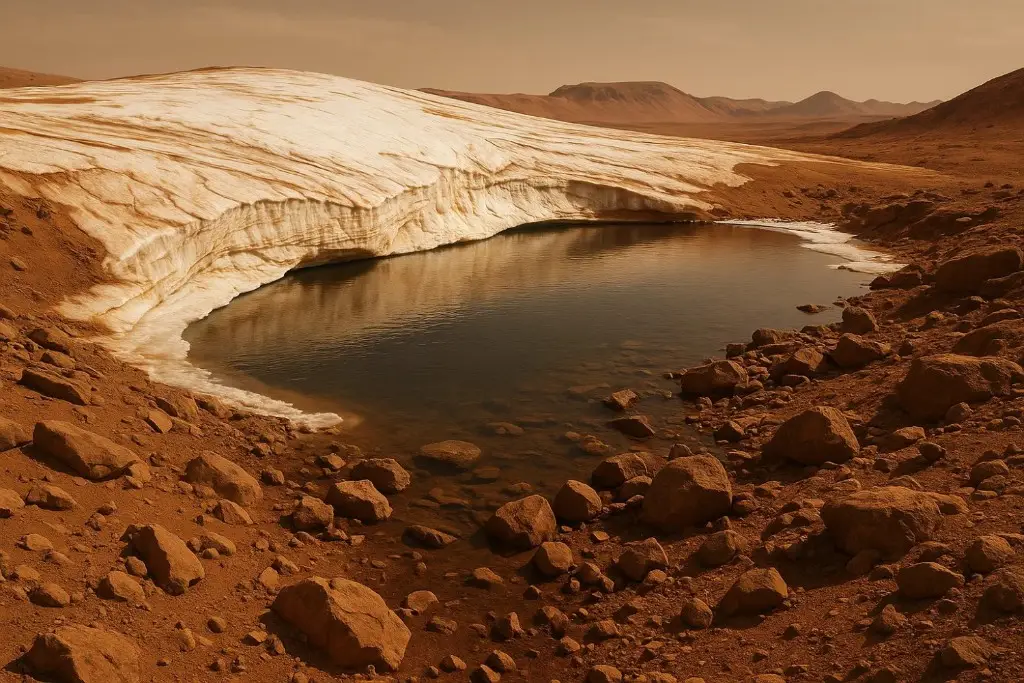
Water is essential for survival, yet Mars has no liquid water on its surface. While evidence suggests there may be water ice beneath the surface, accessing and extracting this resource would require complex infrastructure.
The process of extracting water from ice or regolith, purifying it, and recycling it for human consumption and agricultural use is challenging. Advanced technologies, such as water recycling systems and in-situ resource utilization, will be necessary to ensure a sustainable water supply.
6. Food Production
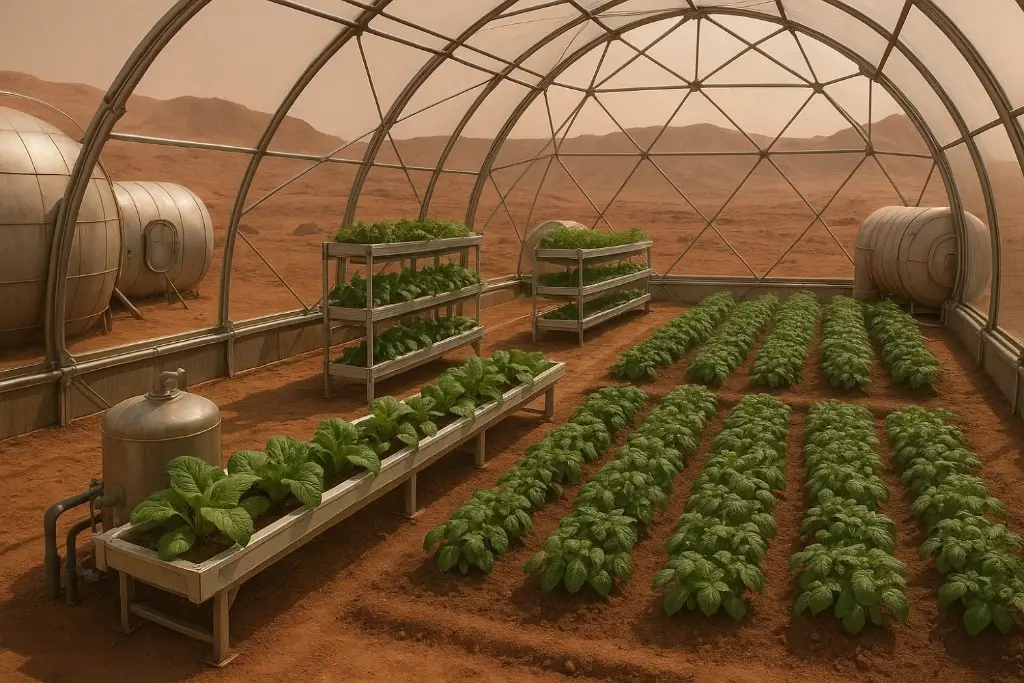
Growing food on Mars presents multiple challenges, including the planet’s lack of a suitable environment for traditional agriculture. The thin atmosphere and weak sunlight limit photosynthesis, and the absence of fertile soil makes planting crops difficult.
To overcome this, closed-loop systems such as hydroponics and aeroponics could be used to grow food inside controlled environments. Additionally, food preservation and nutrient management systems will be necessary to support long-term habitation, as importing food from Earth would not be feasible.
7. Communication Delays
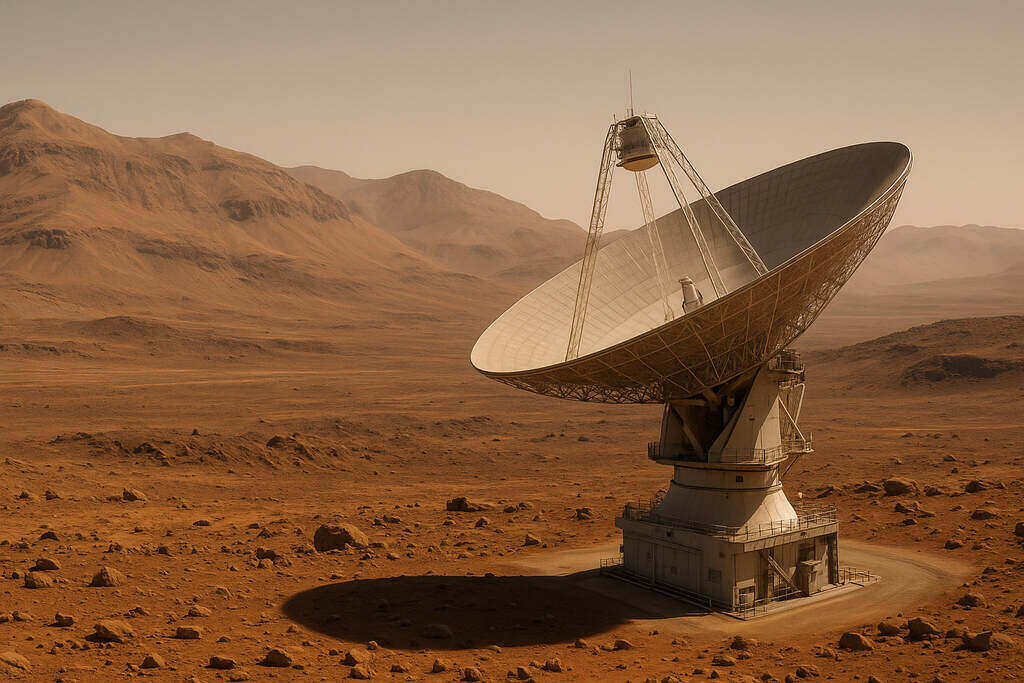
One of the significant hurdles for Martian colonization is the communication delay. Mars is, on average, about 225 million kilometers away from Earth, meaning that messages can take anywhere from 13 to 24 minutes to travel one way.
This delay would make real-time communication with Earth impossible, posing challenges for decision-making and problem-solving. Colonists would have to rely on autonomous systems and artificial intelligence to handle emergencies and routine operations, while also developing new methods for delayed communication.
8. Psychological Strain
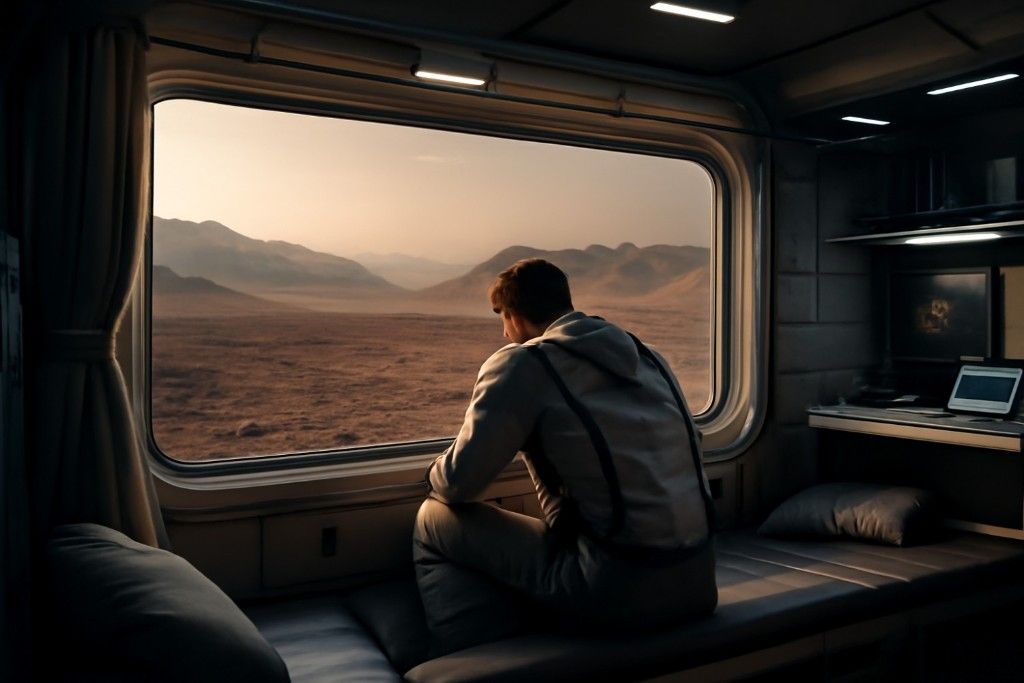
Living on Mars would mean extreme isolation and confinement for extended periods. The psychological impact of being far from Earth, in an environment that is barren and unchanging, could cause stress, anxiety, and depression.
The lack of social interactions, limited entertainment options, and a lack of connection to Earth’s natural beauty could take a toll on mental health. Solutions such as virtual reality, regular communication with Earth, and providing psychological support systems will be essential for maintaining the well-being of Martian settlers.
9. Infrastructure and Construction Challenges
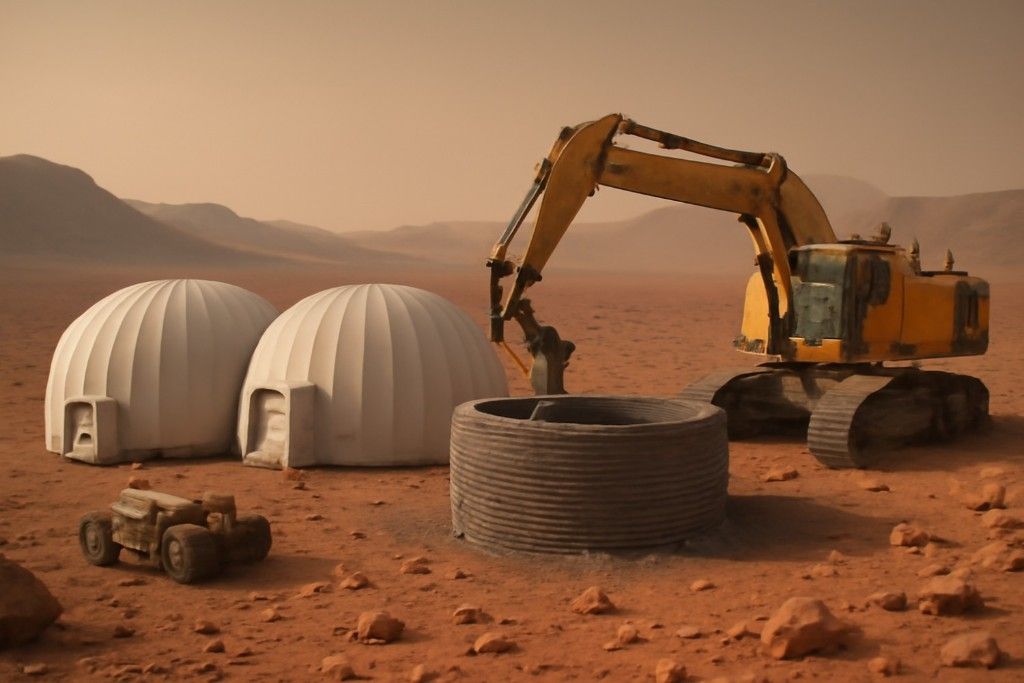
Building sustainable infrastructure on Mars presents unique challenges due to the lack of building materials and the planet’s harsh environment. Structures would need to be airtight, shielded from radiation, and insulated against temperature extremes.
The lack of traditional construction materials means that technologies like 3D printing using Martian regolith could play a vital role in building habitats and other essential structures. However, developing reliable construction methods that are both cost-effective and durable is a significant challenge.
10. Energy Generation and Storage
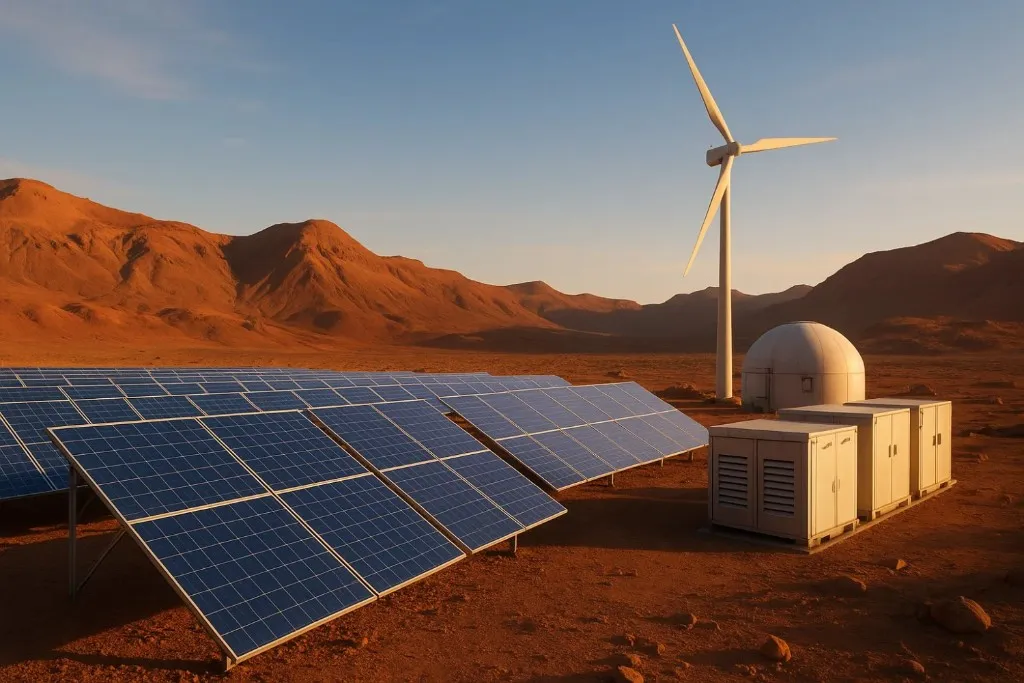
Mars receives only about 43% of the sunlight Earth does, making solar energy less effective compared to what is available on Earth. To address this, Mars settlers will need alternative energy sources, such as nuclear power, to provide a steady supply of electricity for habitats, life support systems, and manufacturing processes. In addition, energy storage systems will need to be developed to ensure that power is available during the long Martian nights or during dust storms, which can last for weeks.
11. Dust Storms and Environmental Hazards
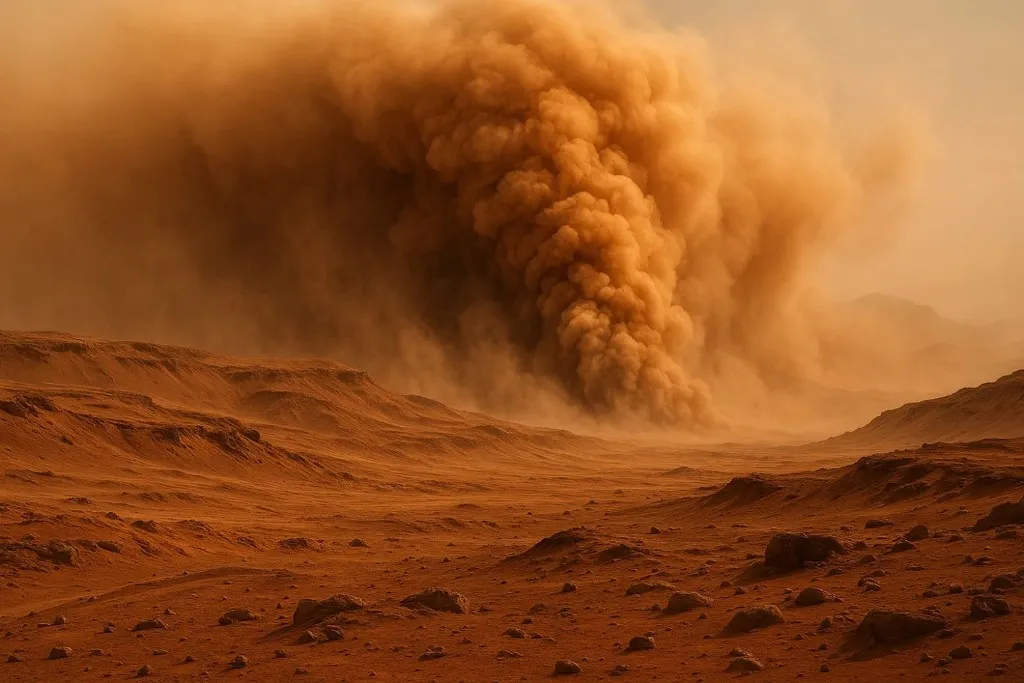
Mars is known for its global dust storms, which can last for months and reduce visibility while also interfering with solar power generation. These storms also create the risk of dust infiltrating habitats, machinery, and life support systems.
The fine dust on Mars is electrically charged and can cause damage to equipment and pose health risks to settlers. Mitigating the effects of dust storms will require developing durable, self-cleaning materials and systems that can protect both people and equipment from the harsh Martian environment.
12. Medical Care and Emergencies
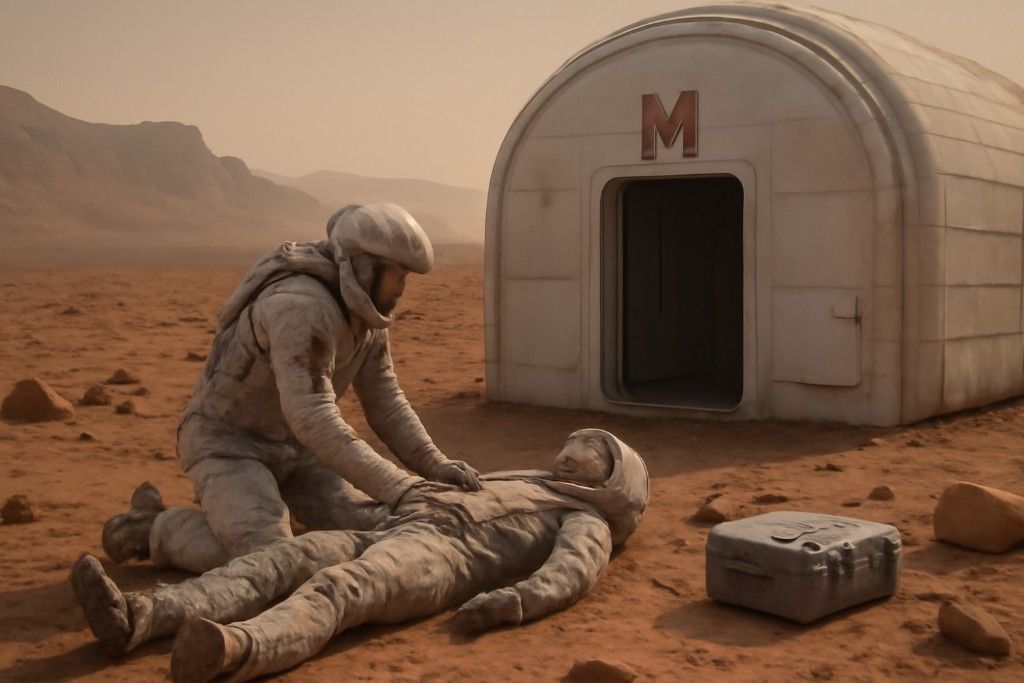
On Mars, access to medical care would be limited, and handling emergencies could be a matter of life and death. While telemedicine and robotic surgery could help with basic medical needs, the lack of specialized expertise and equipment would make it difficult to address complex health issues.
Colonists would need to be trained in first aid and medical procedures, while advanced diagnostic tools would need to be developed. In the event of a serious emergency, evacuation back to Earth could take several months, which may not be an option for many medical conditions.
13. Resource Scarcity
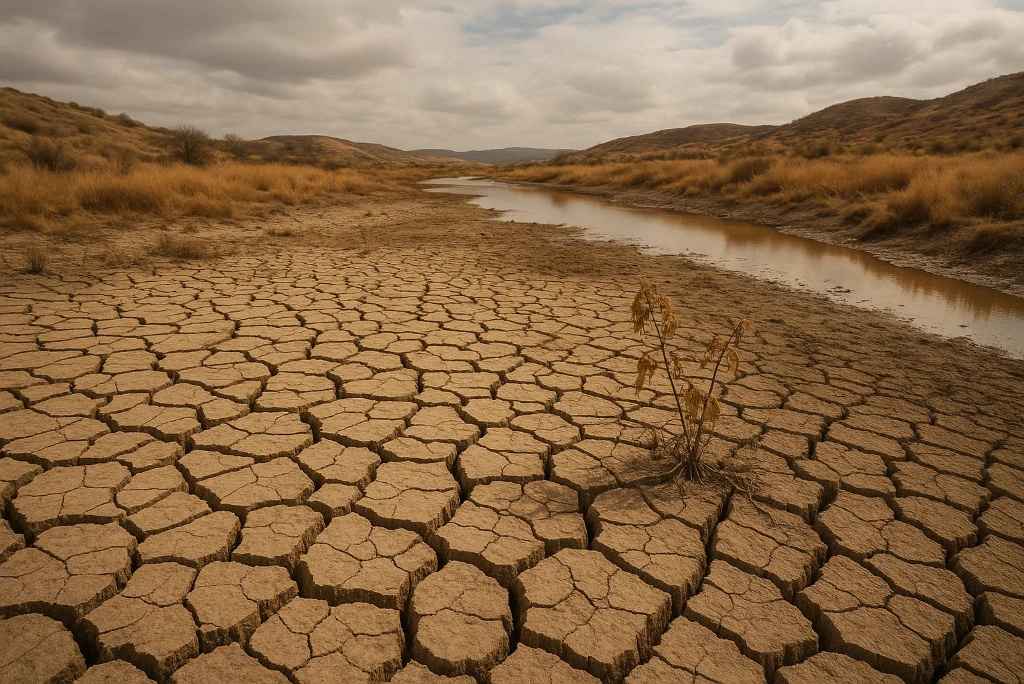
Mars lacks many of the resources that are readily available on Earth, making resource extraction a critical challenge. Elements like iron, nickel, and rare earth metals are vital for manufacturing tools, equipment, and life support systems.
While the concept of using Martian resources for construction and life support (in-situ resource utilization) is promising, the process of identifying, extracting, and processing these materials in a harsh and unfamiliar environment remains an obstacle.
14. Long-Term Sustainability
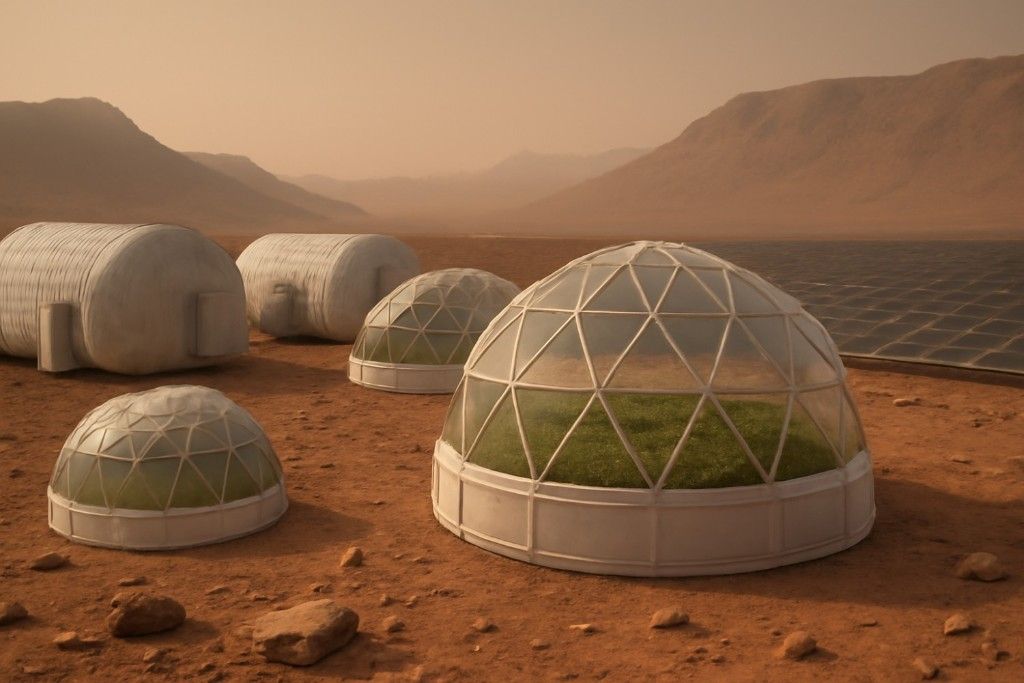
Mars is not a self-sustaining environment for humans. In order to thrive, settlers would need to establish a cycle of resource regeneration that ensures long-term survival. This could involve recycling air, water, and waste, as well as cultivating food, but creating a truly closed-loop system will require overcoming numerous technological and logistical challenges. Ensuring that these systems function reliably over long periods, especially with limited human resources, is vital to the success of any Martian colony.
15. Political and Ethical Concerns
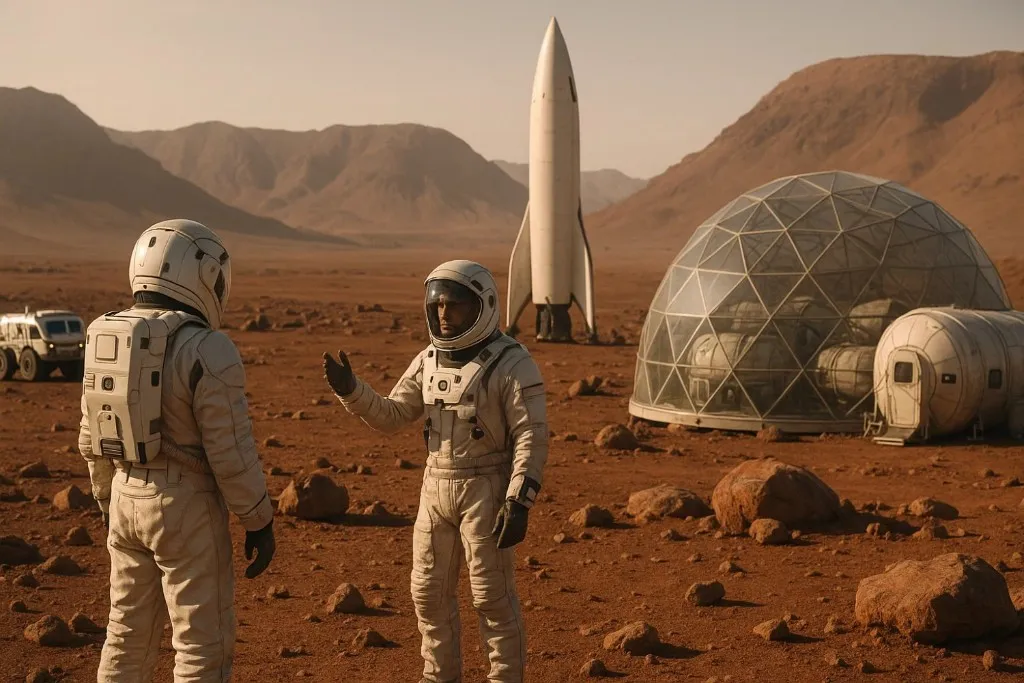
As Mars colonization advances, questions regarding governance, property rights, and ethical considerations will arise. Who owns Martian land? What laws govern activities on the Red Planet? Ethical concerns about the potential exploitation of Mars and its resources will need to be addressed, particularly when it comes to protecting the Martian environment. Additionally, international cooperation will be crucial to ensure that space exploration remains peaceful and beneficial to all humanity, rather than being driven solely by corporate or national interests.