
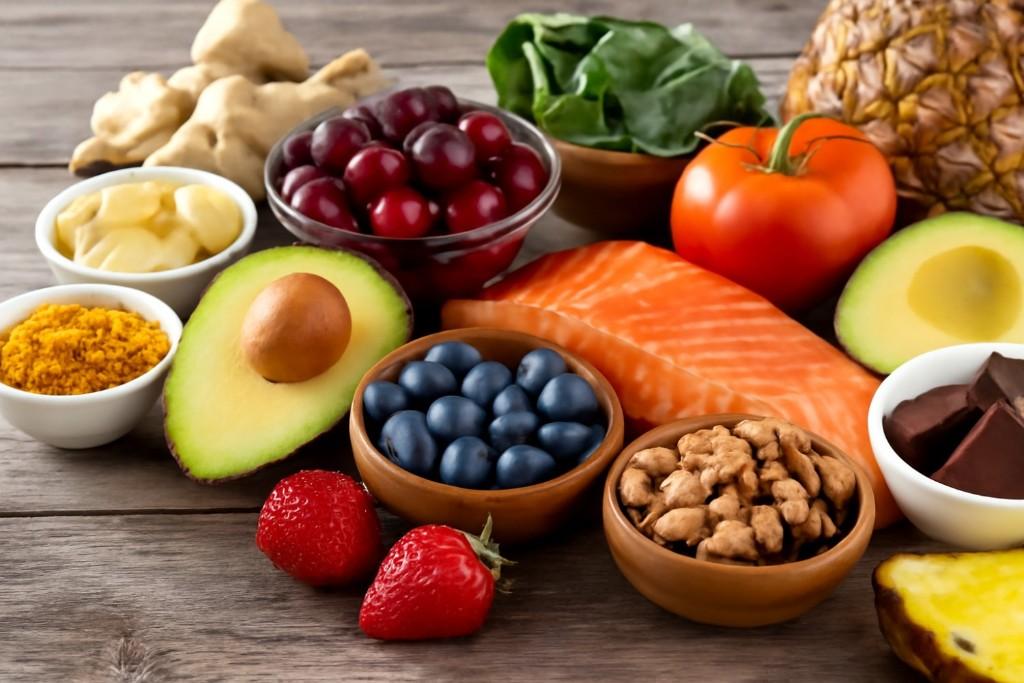
Inflammation is a natural response by the body to injury or infection, but when it becomes chronic, it can lead to various health problems such as heart disease, diabetes, and arthritis. Managing inflammation is crucial for long-term health, and one of the most effective ways to do so is through diet.
Many foods have potent anti-inflammatory properties that can help reduce inflammation and improve overall well-being. Incorporating these powerful foods into your daily meals can be a game-changer for your health.
1. Turmeric
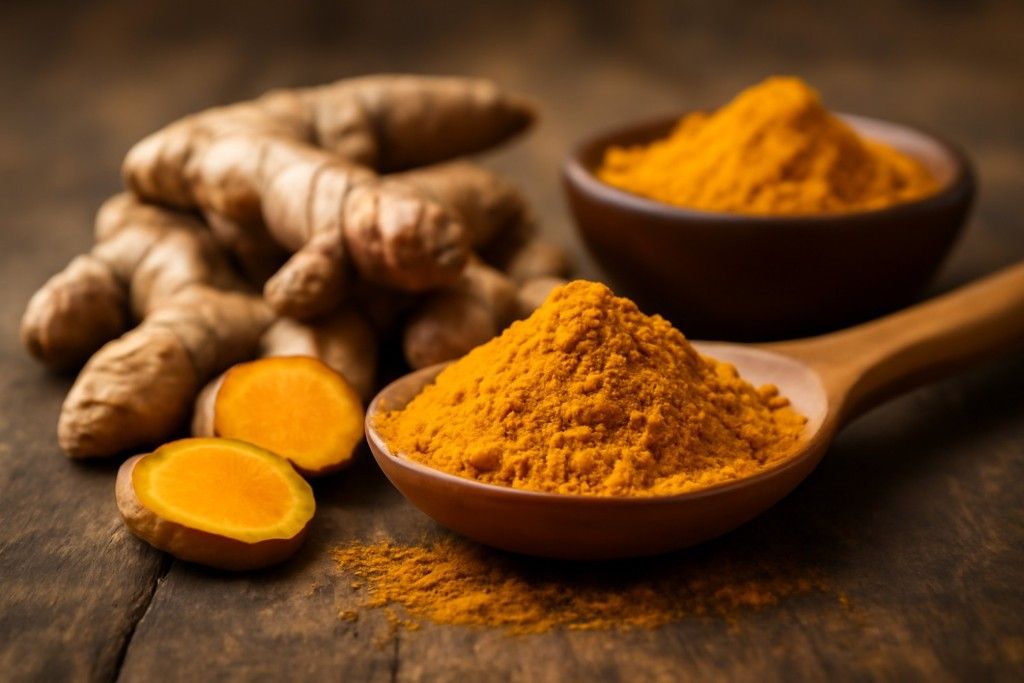
Turmeric, the golden spice often used in Indian cuisine, contains curcumin, a compound with powerful anti-inflammatory properties. Curcumin works by blocking certain molecules that trigger inflammation in the body. Studies have shown that turmeric can be particularly beneficial in reducing inflammation associated with chronic conditions like arthritis and heart disease.
Adding turmeric to your diet can be as simple as sprinkling it on your dishes, adding it to smoothies, or incorporating it into curries and soups. To enhance absorption, pair it with black pepper, which helps increase curcumin’s bioavailability.
2. Fatty Fish
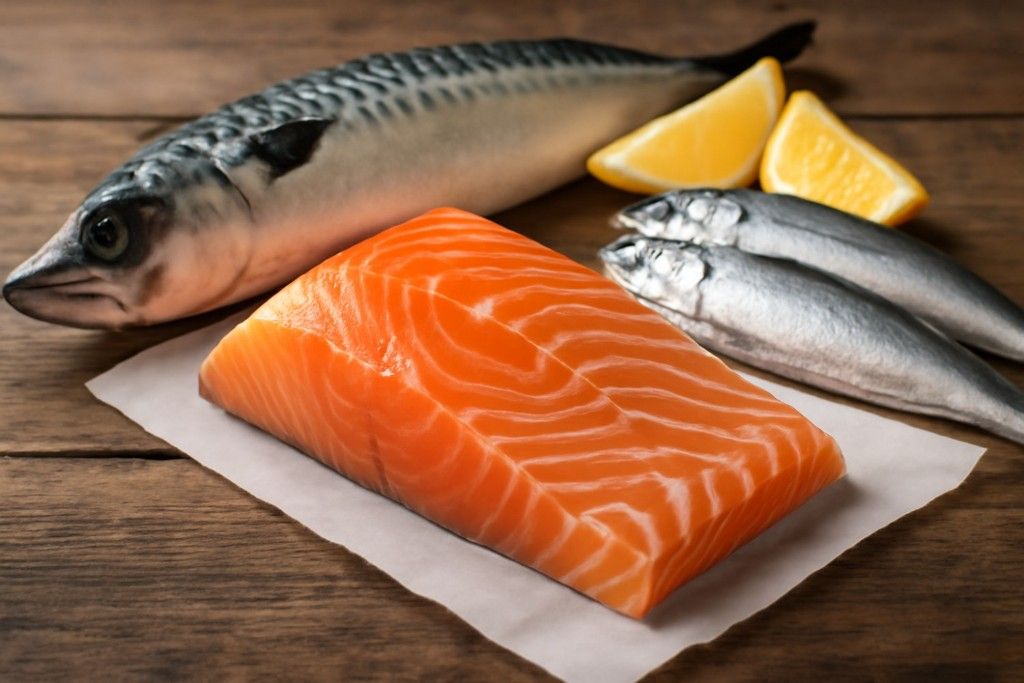
Fatty fish like salmon, mackerel, and sardines are rich in omega-3 fatty acids, which are well known for their ability to reduce inflammation. Omega-3s help decrease the production of molecules that promote inflammation in the body.
Regular consumption of fatty fish has been linked to lower risks of chronic inflammatory diseases, such as rheumatoid arthritis and cardiovascular disease. For optimal health benefits, aim to include fatty fish in your diet at least twice a week. If you’re vegetarian or vegan, consider omega-3 supplements derived from algae.
3. Ginger
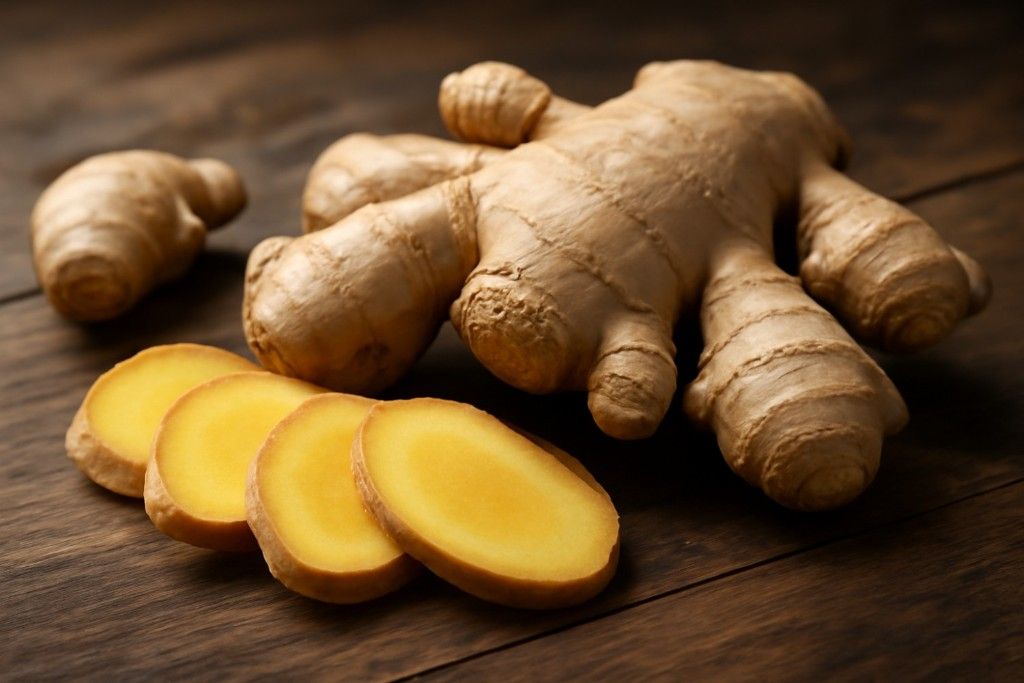
Ginger is not only a popular spice but also a powerful anti-inflammatory agent. It contains bioactive compounds like gingerol that have been shown to inhibit the inflammatory pathways in the body. Research suggests that ginger can effectively reduce inflammation and pain, especially in conditions like osteoarthritis and muscle soreness. You can add ginger to your diet by using it fresh in smoothies, juices, or teas. It also works wonderfully in stir-fries, soups, and baked goods, offering both flavor and health benefits.
4. Berries
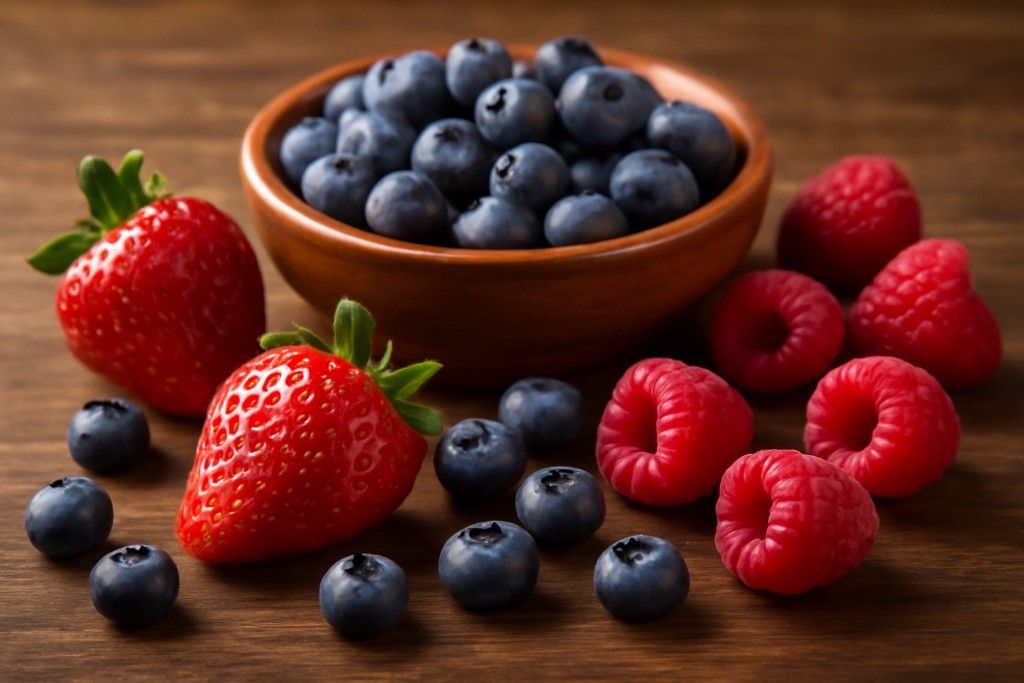
Berries, including strawberries, blueberries, and raspberries, are packed with antioxidants known as anthocyanins, which give them their vibrant colors. These antioxidants have been shown to combat oxidative stress and reduce inflammation.
Berries also contain high levels of vitamin C, which supports immune health and further aids in reducing inflammation. Incorporating a variety of berries into your diet is simple, whether as a snack, in smoothies, or as a topping for oatmeal, yogurt, or salads.
5. Olive Oil

Extra virgin olive oil is a staple of the Mediterranean diet, which is renowned for its anti-inflammatory effects. The primary compound in olive oil, oleocanthal, mimics the action of ibuprofen, a common anti-inflammatory drug. Studies suggest that consuming olive oil regularly can help reduce markers of inflammation in the body.
Drizzling olive oil on salads, using it in cooking, or adding it to vegetables or grain bowls can provide both flavor and anti-inflammatory benefits. Just be sure to choose extra virgin olive oil for the highest quality and health benefits.
6. Green Tea

Green tea is rich in polyphenols, particularly epigallocatechin gallate (EGCG), which has been found to have potent anti-inflammatory effects. Drinking green tea regularly can help reduce the levels of inflammatory markers in the body.
Beyond its anti-inflammatory benefits, green tea is also packed with antioxidants that promote overall health and may protect against chronic diseases. For maximum benefits, opt for freshly brewed green tea and enjoy it throughout the day.
7. Leafy Greens
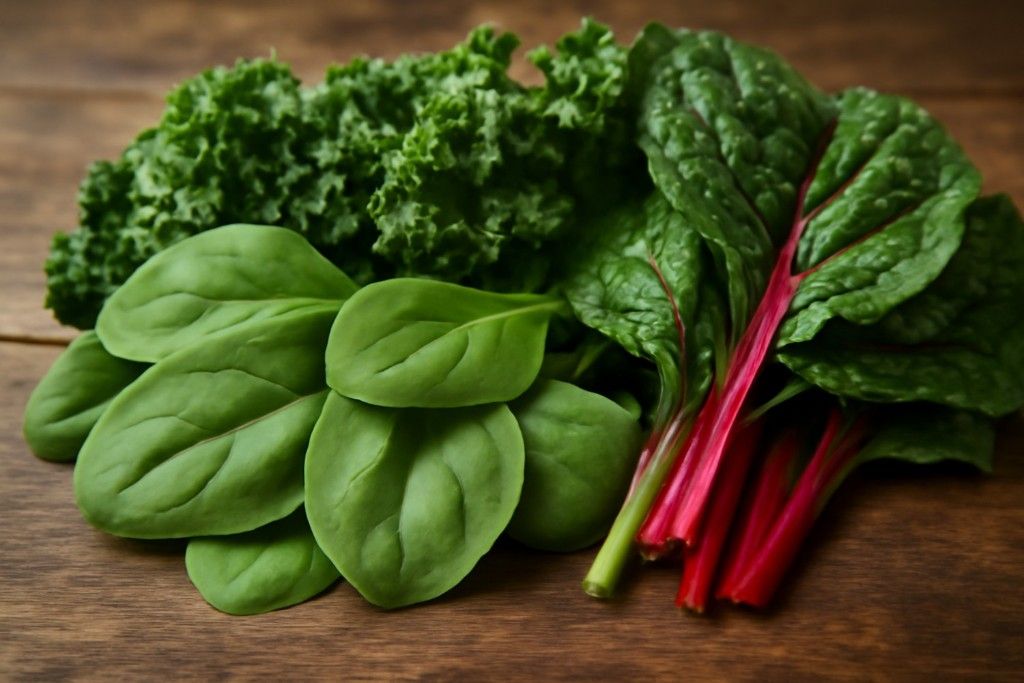
Leafy greens like spinach, kale, and Swiss chard are not only nutrient-dense but also have powerful anti-inflammatory properties. These vegetables are rich in antioxidants, vitamins, and minerals, such as vitamin K, which plays a role in reducing inflammation.
Additionally, they are high in fiber, which can improve gut health, further aiding in inflammation reduction. Including a variety of leafy greens in your diet is easy, whether in salads, smoothies, or as a side dish to your main meals.
8. Walnuts
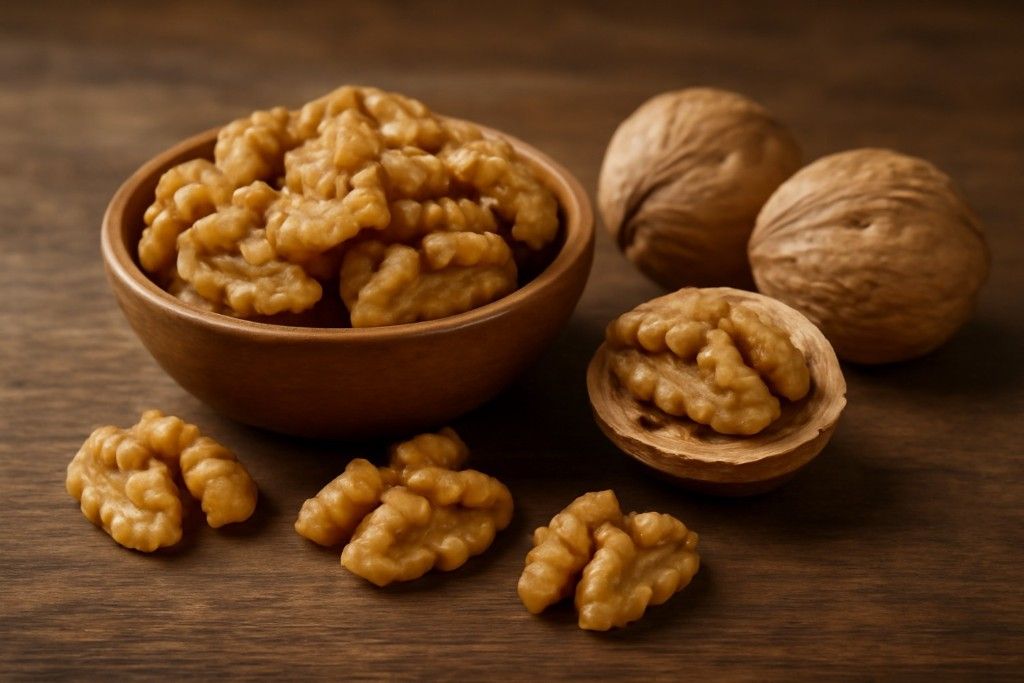
Walnuts are a great source of plant-based omega-3 fatty acids, which are essential for managing inflammation. These healthy fats help reduce the production of inflammatory molecules in the body. Walnuts also contain antioxidants like polyphenols, which fight oxidative stress and protect cells from damage. Snacking on a handful of walnuts or adding them to salads, oatmeal, or baked goods is an excellent way to include this anti-inflammatory food in your daily diet.
9. Avocados
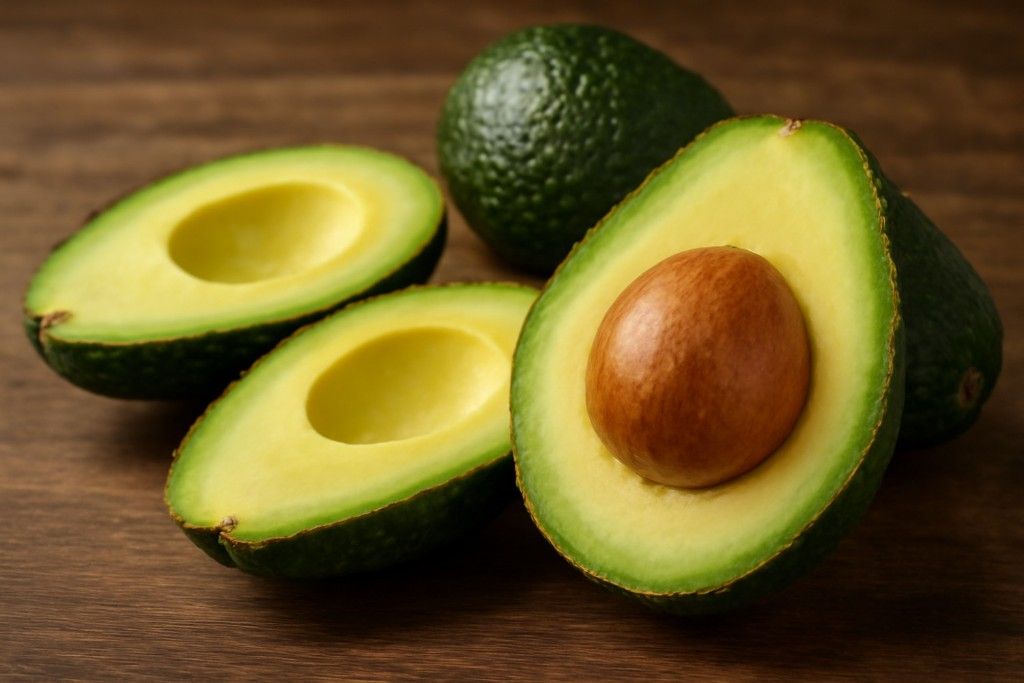
Avocados are not only delicious but also packed with healthy fats, particularly monounsaturated fats, which have been shown to reduce inflammation. They also contain antioxidants like vitamin E and carotenoids, which protect the body from oxidative damage.
Additionally, avocados have been linked to lower levels of C-reactive protein (CRP), a marker of inflammation in the body. Incorporating avocados into your diet is easy—add them to salads, sandwiches, or smoothies, or enjoy them simply with a sprinkle of salt and pepper.
10. Pineapple

Pineapple contains bromelain, an enzyme that has natural anti-inflammatory properties. Bromelain helps reduce swelling and pain by breaking down proteins that trigger inflammation. Studies suggest that consuming pineapple or bromelain supplements can alleviate symptoms of inflammation, especially in conditions like arthritis and sinusitis. Fresh pineapple is a tasty addition to smoothies, salads, and salsas, or simply enjoy it as a refreshing snack.
11. Tomatoes

Tomatoes are rich in lycopene, a powerful antioxidant that has been shown to reduce inflammation. Lycopene is particularly effective in combating inflammation linked to chronic conditions such as heart disease and cancer. Cooking tomatoes increases the bioavailability of lycopene, making it easier for your body to absorb. Including tomatoes in your diet is easy—add them to salads, sauces, soups, or sandwiches, or enjoy them fresh as a snack.
12. Dark Chocolate

Good news for chocolate lovers: dark chocolate with a high cocoa content (70% or more) contains powerful anti-inflammatory compounds. It’s rich in flavonoids, particularly epicatechins, which help reduce inflammation and protect the body from oxidative stress. Eating dark chocolate in moderation can also improve heart health. Choose dark chocolate with minimal sugar content and enjoy a small piece as a treat or incorporate it into desserts like fruit salads or smoothies.
13. Cherries

Cherries, particularly tart cherries, are known for their anti-inflammatory properties, largely due to their high levels of anthocyanins. These antioxidants help reduce the production of inflammatory markers in the body. Studies have shown that consuming cherries can help alleviate inflammation-related pain, especially in conditions like gout and arthritis. Enjoy cherries as a snack, add them to smoothies, or mix them into yogurt and oatmeal for a tasty, anti-inflammatory boost.
14. Garlic
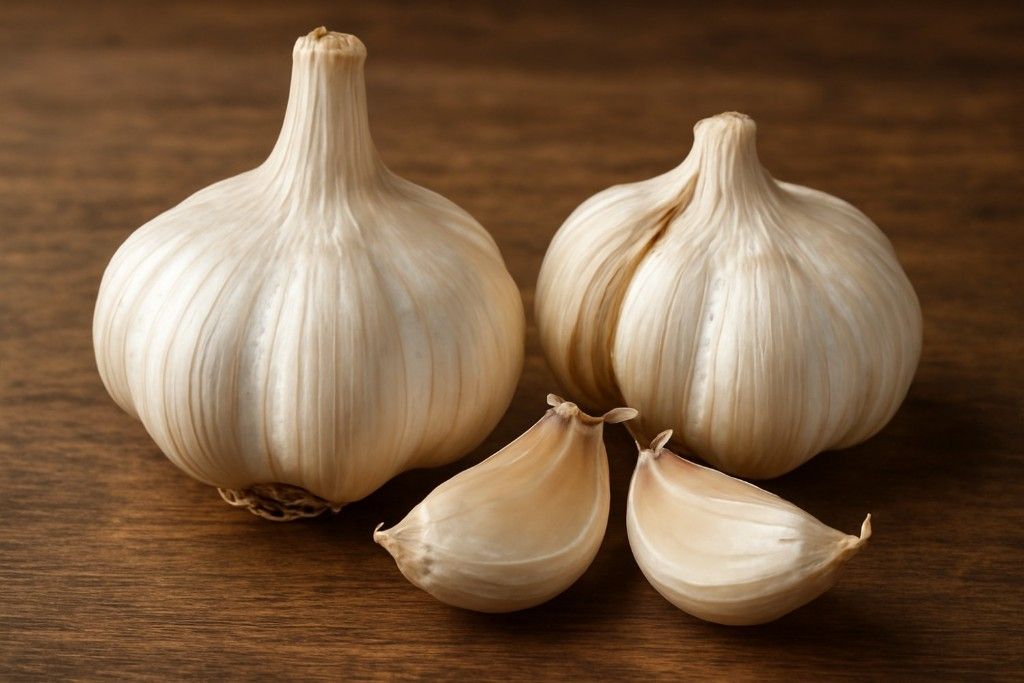
Garlic is not just a flavorful addition to your meals, but it also has potent anti-inflammatory properties. It contains sulfur compounds, like allicin, which help reduce the production of pro-inflammatory cytokines in the body.
Garlic has been studied for its potential to reduce inflammation linked to conditions like arthritis and cardiovascular disease. Adding garlic to your diet is simple—use it in cooking, add it to soups, sauces, or roasted vegetables, or enjoy it in homemade salad dressings.