

Biodiversity, the vast variety of life forms on Earth, is the intricate network of ecosystems, species, and genetic diversity that sustains the planet. It’s not just an environmental concern; it is fundamental to our health, economy, and well-being.
Understanding the power of biodiversity is crucial as we face global challenges like climate change, resource depletion, and ecosystem degradation. By unlocking nature’s secrets, we can safeguard our future, ensuring a balance that benefits both human progress and the planet’s health.
1. Forests: The Lungs of the Earth
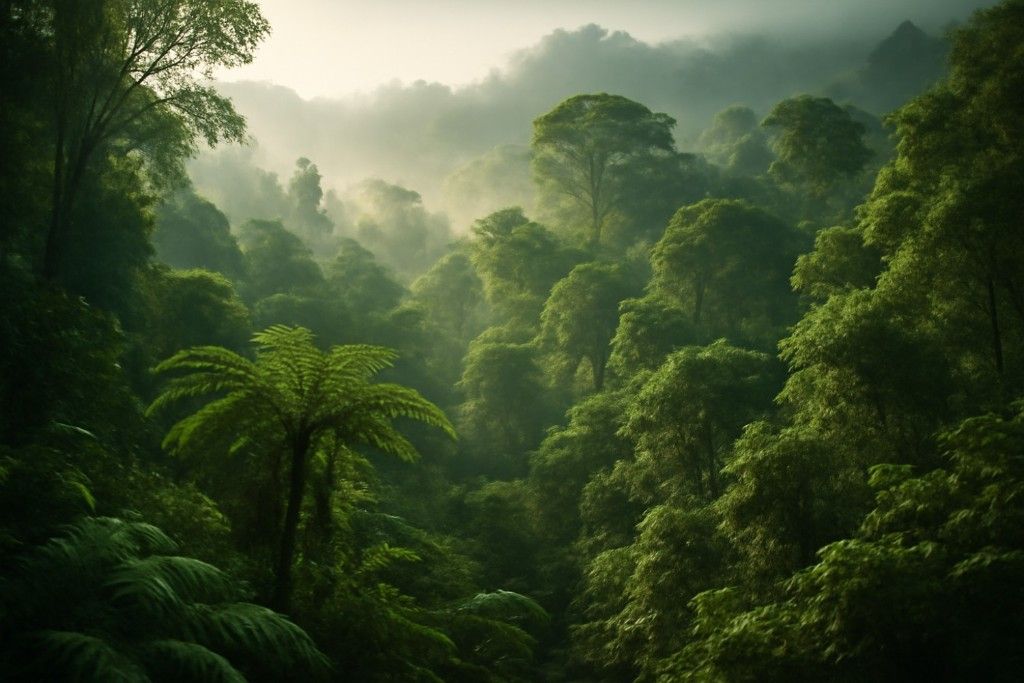
Forests are among the most vital ecosystems, providing essential services like carbon sequestration, oxygen production, and habitat for countless species. They house more than 80% of terrestrial biodiversity, making them critical to life on Earth.
Rainforests, such as the Amazon, are especially significant, acting as carbon sinks that help mitigate climate change. The loss of forests, however, leads to habitat destruction, contributing to biodiversity loss and altering global weather patterns. Protecting these ecosystems is key to combating environmental crises.
2. Coral Reefs: Underwater Wonderlands
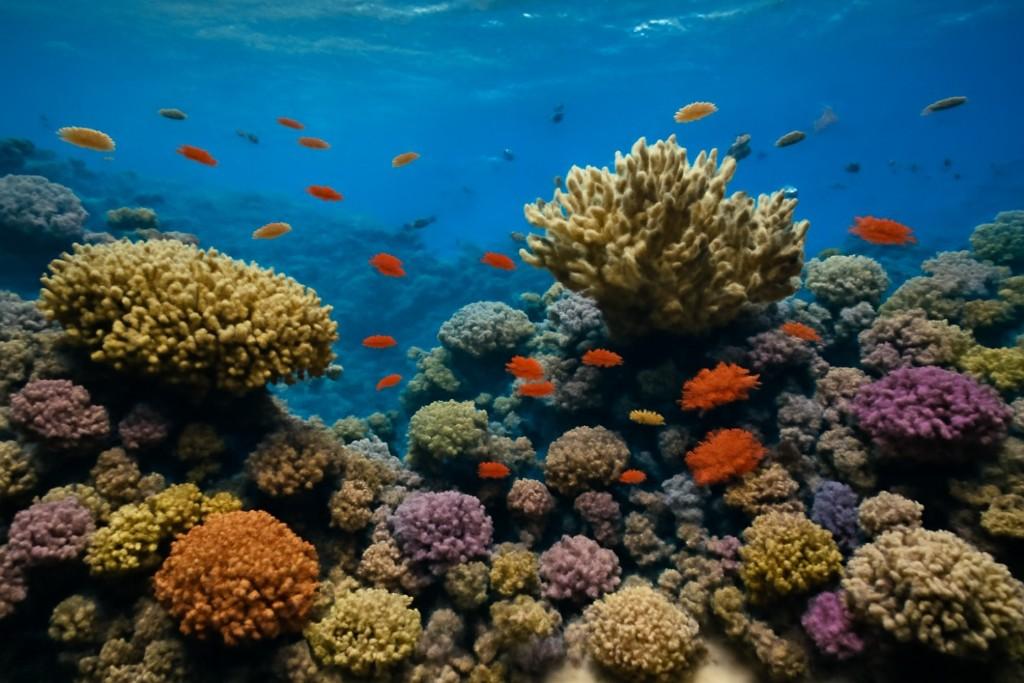
Coral reefs, often called the “rainforests of the sea,” are home to about 25% of marine species. These ecosystems support an incredible variety of life, from vibrant fish to unique invertebrates. Coral reefs play an essential role in protecting coastlines by reducing the impact of waves and storms.
Unfortunately, they are highly vulnerable to threats like ocean acidification, overfishing, and bleaching due to rising ocean temperatures. Their decline could result in the loss of marine biodiversity, making the preservation of coral reefs a global priority.
3. Pollinators: Nature’s Unseen Heroes
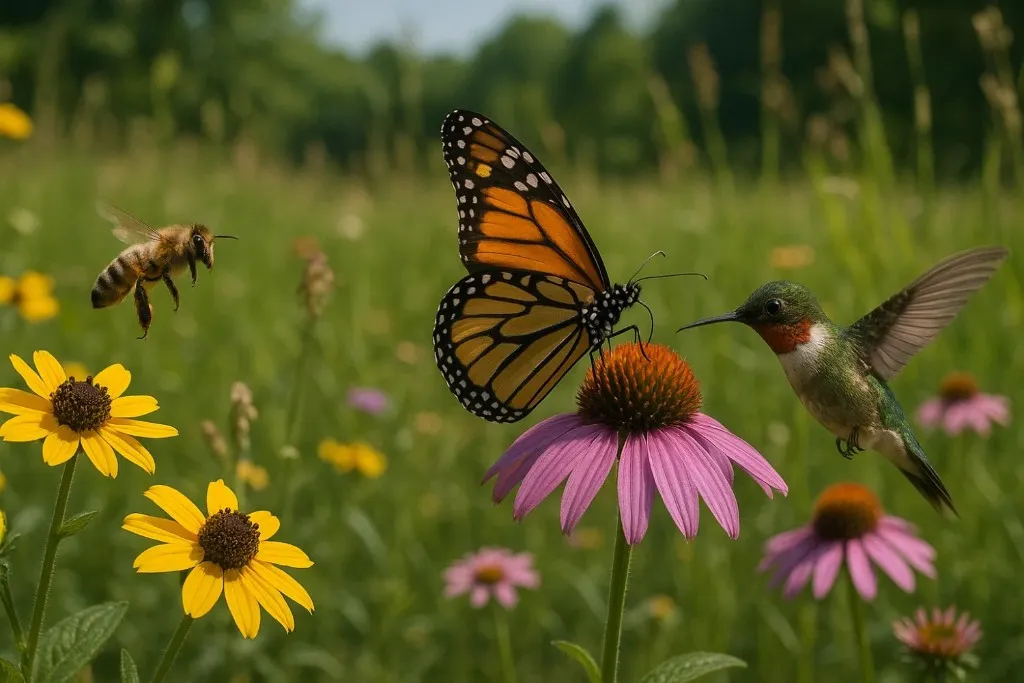
Pollinators, including bees, butterflies, and birds, are responsible for the reproduction of around 75% of flowering plants and about 35% of global food crops. Without pollinators, many of the foods we rely on, such as fruits, vegetables, and nuts, would cease to exist.
Habitat destruction, pesticide use, and climate change are driving pollinators to extinction, threatening food security worldwide. Protecting pollinators is essential not only for biodiversity but also for ensuring sustainable agriculture and food systems.
4. Wetlands: Nature’s Water Filters
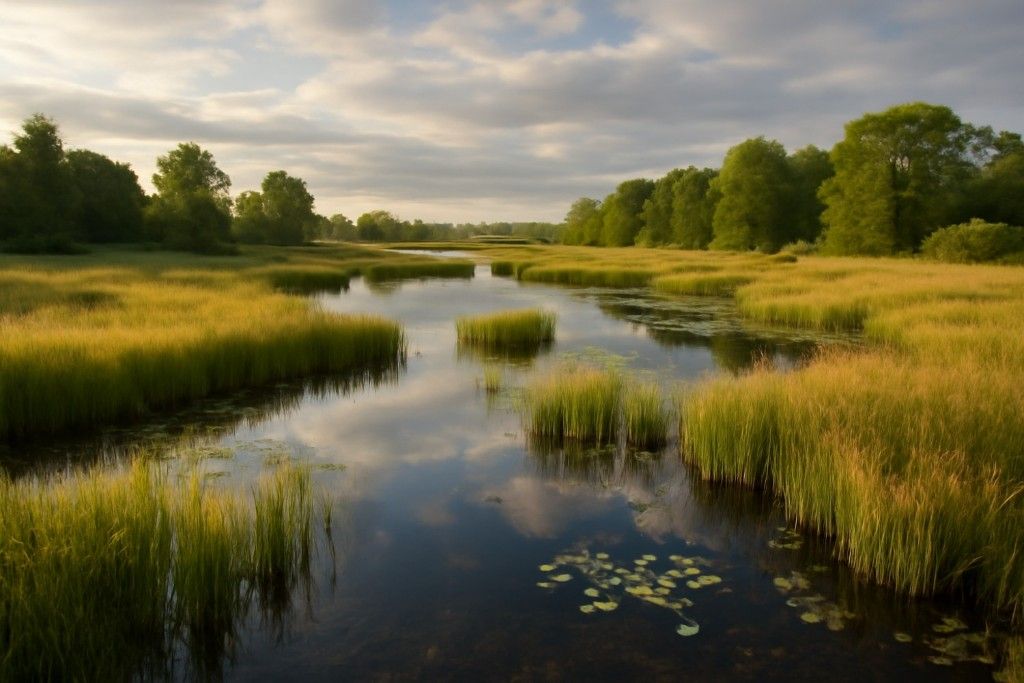
Wetlands, including swamps, marshes, and bogs, are critical for water purification, flood control, and supporting biodiversity. They act as natural filters, removing pollutants and excess nutrients from water before it reaches larger bodies of water.
Wetlands are also a sanctuary for migratory birds and countless aquatic species. However, draining and development of wetland areas have led to habitat loss, threatening these ecosystems’ ability to perform their vital functions. Restoring and preserving wetlands is crucial to maintaining a balanced environment.
5. Medicinal Plants: Nature’s Pharmacy

Many of the medicines we use today have their origins in plants found in biodiverse ecosystems. Over 50% of pharmaceutical drugs are derived from natural sources, with plants like the pacific yew providing treatments for cancer, and the rosy periwinkle aiding in the treatment of leukemia.
The destruction of biodiversity, particularly through deforestation, poses a significant risk to the discovery of new life-saving drugs. By protecting plant species and their habitats, we ensure continued access to untapped medicinal resources, crucial for medical advancements.
6. Grasslands: Vital Carbon Stores
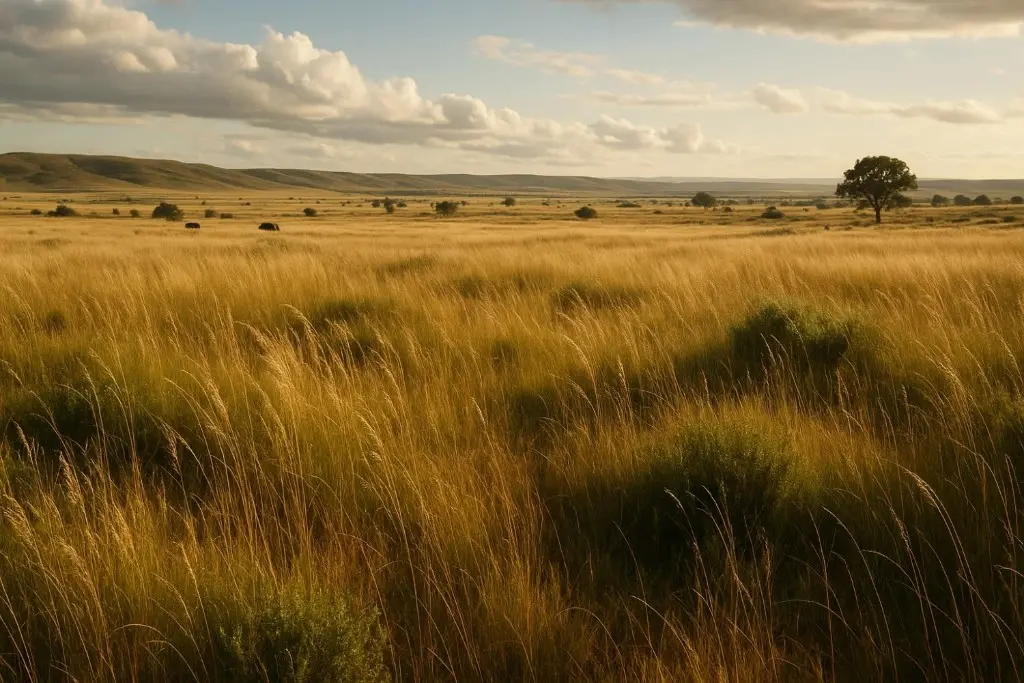
Grasslands, which make up about 40% of Earth’s land area, are often overlooked in discussions about biodiversity. However, they provide essential ecosystem services such as carbon storage, soil fertility, and water retention. Grasslands support a diverse range of species, including large herbivores and predator species.
They are also crucial in maintaining the global carbon cycle, as they store vast amounts of carbon in the soil. Unfortunately, human activities like agriculture and urbanization have severely altered these ecosystems, threatening their ability to regulate the environment.
7. Tropical Rainforests: Biodiversity Hotspots

Tropical rainforests are the most biodiverse ecosystems on Earth, home to about half of the world’s species despite covering only 7% of the planet’s land area. These forests are incredibly rich in plant and animal life, from towering trees to unique species like the jaguar and the orangutan.
Rainforests play a crucial role in regulating the climate, controlling rainfall patterns, and absorbing carbon dioxide. Deforestation and illegal logging threaten the survival of rainforests, which has profound implications for global biodiversity and climate stability.
8. Oceans: The Blue Heart of the Planet

Oceans are the largest and most diverse ecosystems on Earth, covering over 70% of the planet’s surface. They regulate global climate, provide oxygen, and serve as habitats for marine life. The health of our oceans is directly tied to biodiversity, with species like whales, sharks, and plankton playing key roles in maintaining the balance.
However, ocean pollution, overfishing, and habitat destruction are endangering marine life. Protecting oceans through sustainable practices and conservation efforts is essential to maintaining biodiversity and the health of our planet.
9. Soil: The Foundation of Life
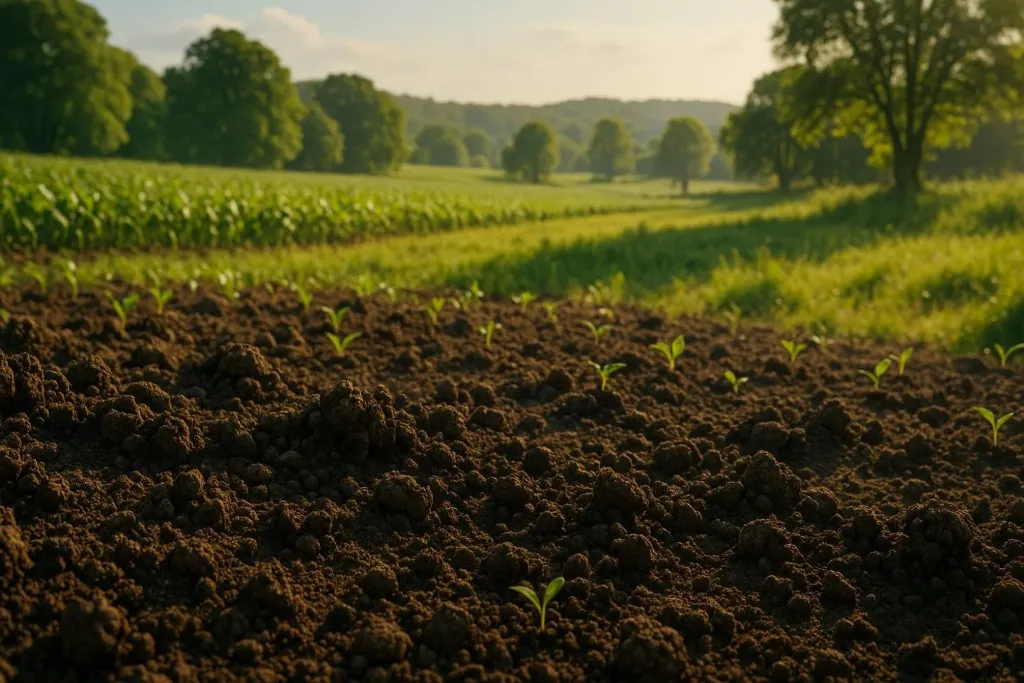
Healthy soil is the foundation of all terrestrial life. It is home to billions of microorganisms that play a critical role in nutrient cycling, plant growth, and ecosystem stability. Soil supports crops, forests, and grasslands, making it a key player in food production and carbon storage.
Unfortunately, soil degradation, caused by overuse, deforestation, and climate change, is threatening biodiversity. Restoring soil health through sustainable farming practices and conservation efforts is crucial for ensuring the survival of ecosystems that depend on it.
10. Arctic Tundra: A Fragile Ecosystem
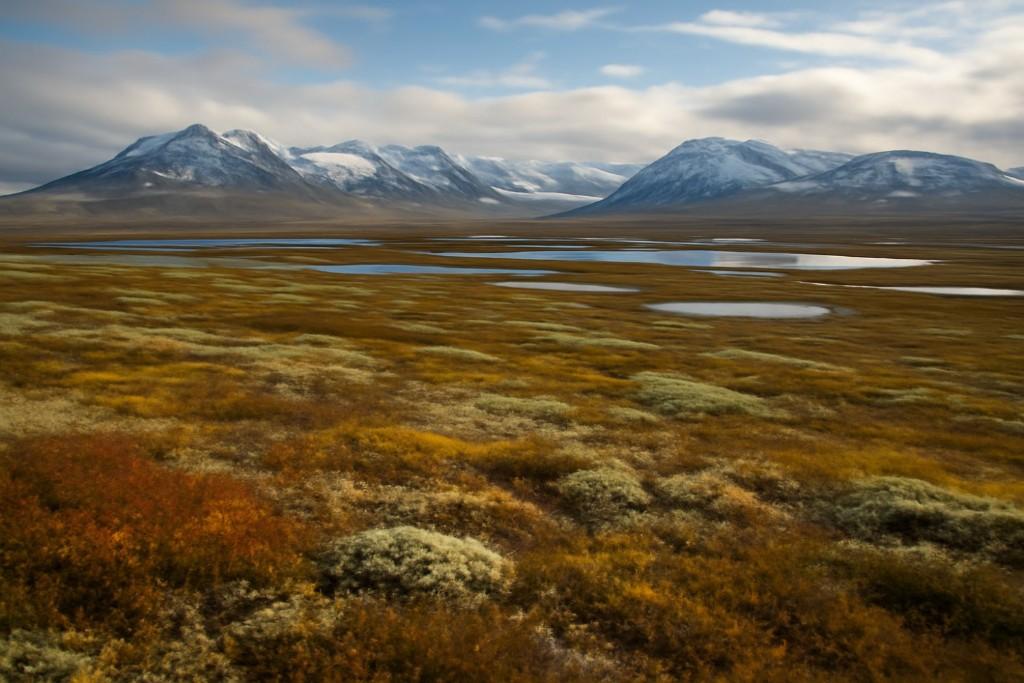
The Arctic tundra may seem inhospitable, but it is home to a surprising variety of life, including polar bears, arctic foxes, and migratory birds. This ecosystem plays a crucial role in regulating the Earth’s climate by storing carbon in its frozen soils.
However, warming temperatures due to climate change are rapidly altering the tundra, leading to habitat loss and the release of stored carbon into the atmosphere. Protecting the fragile Arctic ecosystem is vital for both its biodiversity and global climate stability.
11. Deserts: Life in Extreme Conditions

Deserts, though often seen as barren landscapes, are home to an array of specially adapted species. Plants like cacti and animals such as camels have evolved to thrive in harsh, dry conditions. Deserts also provide important ecosystem services, such as carbon storage and mineral resources.
However, desertification, caused by human activity and climate change, threatens the fragile balance of these ecosystems. Preserving deserts and managing their resources responsibly is vital for maintaining their unique biodiversity and environmental functions.
12. Mountains: Ecological Pillars
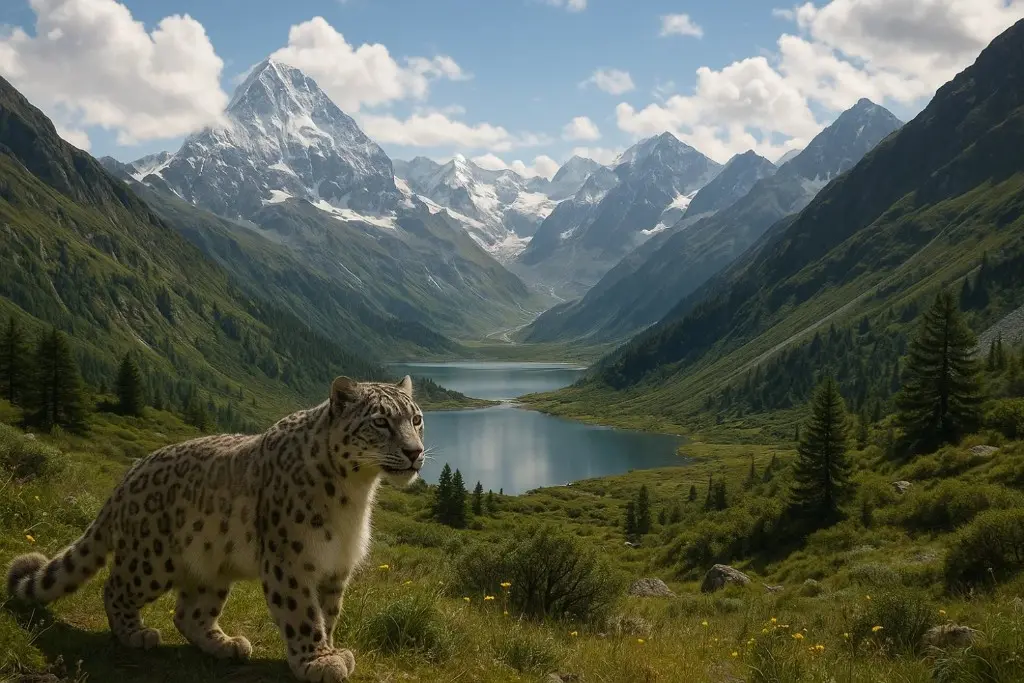
Mountains are among the most biodiverse regions on Earth, providing habitat for unique species that cannot survive in lower altitudes. From snow leopards in the Himalayas to alpine plants, mountain ecosystems support life in a variety of extreme conditions.
They also play a vital role in water cycles, feeding rivers and providing fresh water to millions of people. Climate change and human encroachment threaten mountain biodiversity, making their protection a key focus in global conservation efforts.
13. The Role of Genetic Diversity: The Blueprint of Life
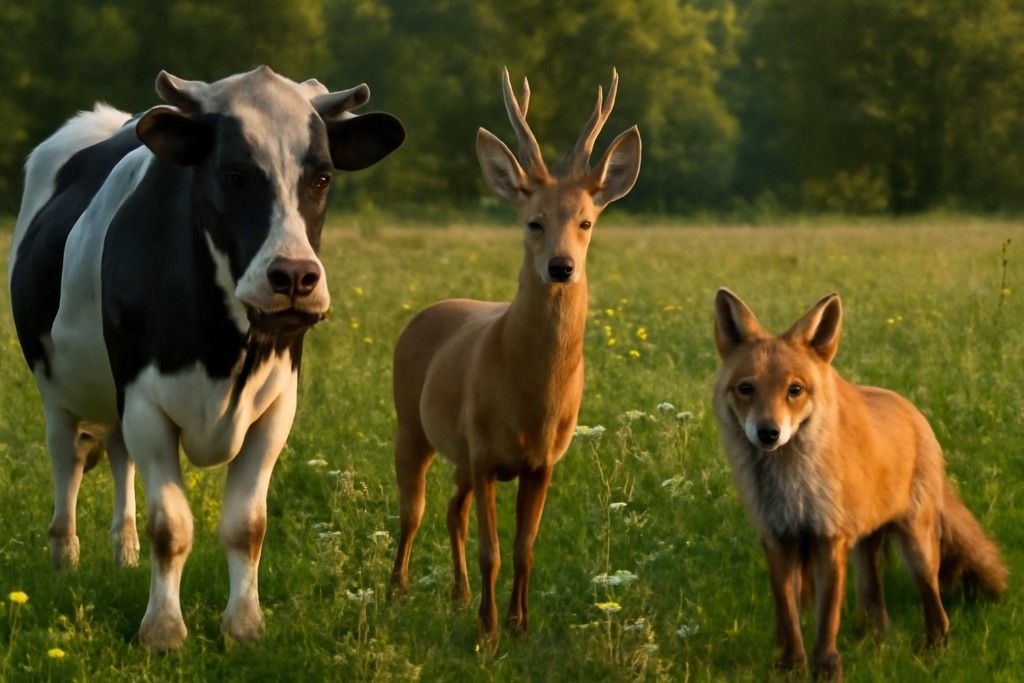
Genetic diversity, the variation of genes within a species, is crucial for adaptation and survival. It allows species to adapt to changing environments and resist diseases. The loss of genetic diversity can lead to the collapse of populations, especially in the face of environmental changes or disease outbreaks. Conservation efforts focused on maintaining genetic diversity ensure the resilience of species and ecosystems, safeguarding biodiversity for future generations.
14. Biodiversity and Human Well-being: A Symbiotic Relationship

Biodiversity directly impacts human health and well-being, providing resources such as clean air, water, food, and medicine. It also contributes to mental health, with natural landscapes offering spaces for recreation and relaxation.
The destruction of biodiversity can lead to the collapse of essential services, such as clean water and climate regulation, which are vital for human survival. By recognizing the intrinsic connection between biodiversity and human life, we can develop sustainable practices that protect both our future and the planet’s.