

When NASA’s New Horizons spacecraft finally reached Pluto in 2015, it was like meeting a long-lost friend we’d only seen from afar. Before then, Pluto was just a blurry dot in telescopes—cold, distant, and forgotten. But that tiny probe changed everything. It revealed a world full of color, mystery, and motion. From glowing skies to moving glaciers, Pluto turned out to be alive in its own frozen way. Here’s how New Horizons uncovered the real face of this icy world—piece by piece.
1. The Journey to Pluto
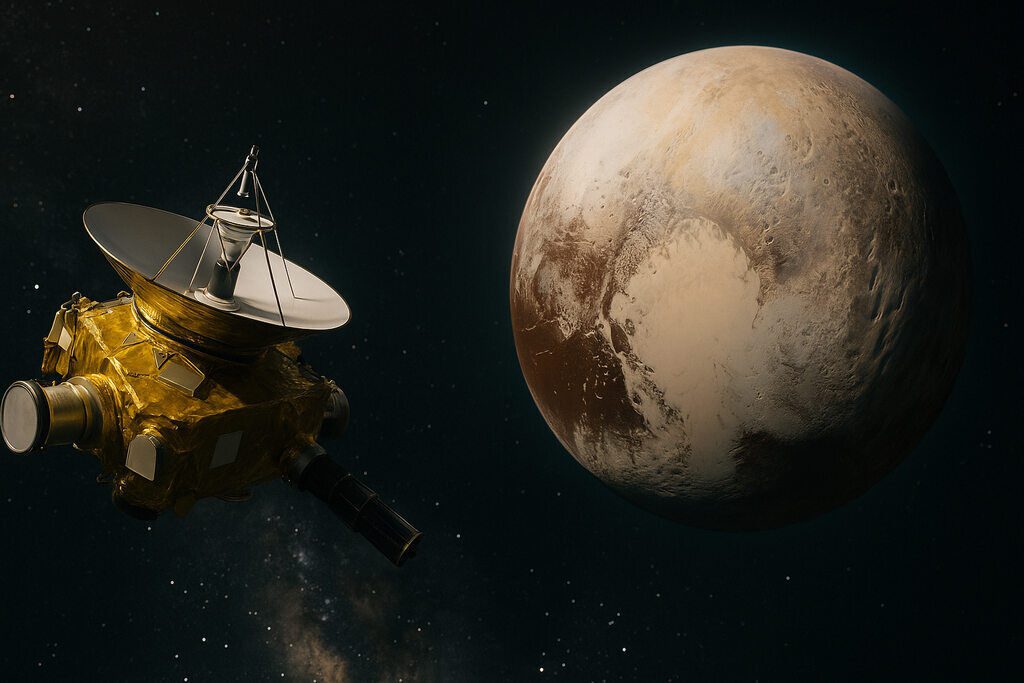
New Horizons began its nine-year journey in 2006, traveling over 3 billion miles to reach Pluto. It was the fastest spacecraft ever launched, speeding past Jupiter to pick up a gravitational boost. Scientists waited nearly a decade for those first close-up photos.
When the images arrived, they were breathtaking—Pluto wasn’t a dull rock but a vibrant, changing world. The flyby lasted only a few hours, but the data it gathered took months to transmit back to Earth. This mission proved that patience and curiosity can unlock wonders hidden at the edge of our solar system.
2. The First Glimpse: A World of Surprises

As New Horizons approached Pluto, scientists expected a cratered, gray world. Instead, they found shimmering plains, towering mountains, and a glowing atmosphere. The spacecraft’s instruments captured details as small as city blocks, revealing an unexpectedly active planet.
Each photo showed something new—a patchwork of colors, strange textures, and patterns that didn’t match anything seen before. It was a reminder that assumptions can be misleading; Pluto had more to say than anyone imagined. This discovery reshaped how we view distant worlds and opened the door for fresh questions about the outer solar system.
3. The Blue Haze Mystery

One of the most stunning surprises was Pluto’s blue haze. When sunlight passes through the planet’s thin atmosphere, tiny particles scatter the light, just like our own sky. But on Pluto, the haze comes from complex hydrocarbons formed when sunlight breaks apart methane gas.
These particles rise, cool, and fall, creating beautiful blue layers that stretch far above the surface. Scientists were amazed—such chemistry wasn’t expected on a frozen world so far from the Sun. Pluto’s haze reminds us that beauty and complexity can appear even in the coldest, loneliest places.
4. The Hidden Atmosphere
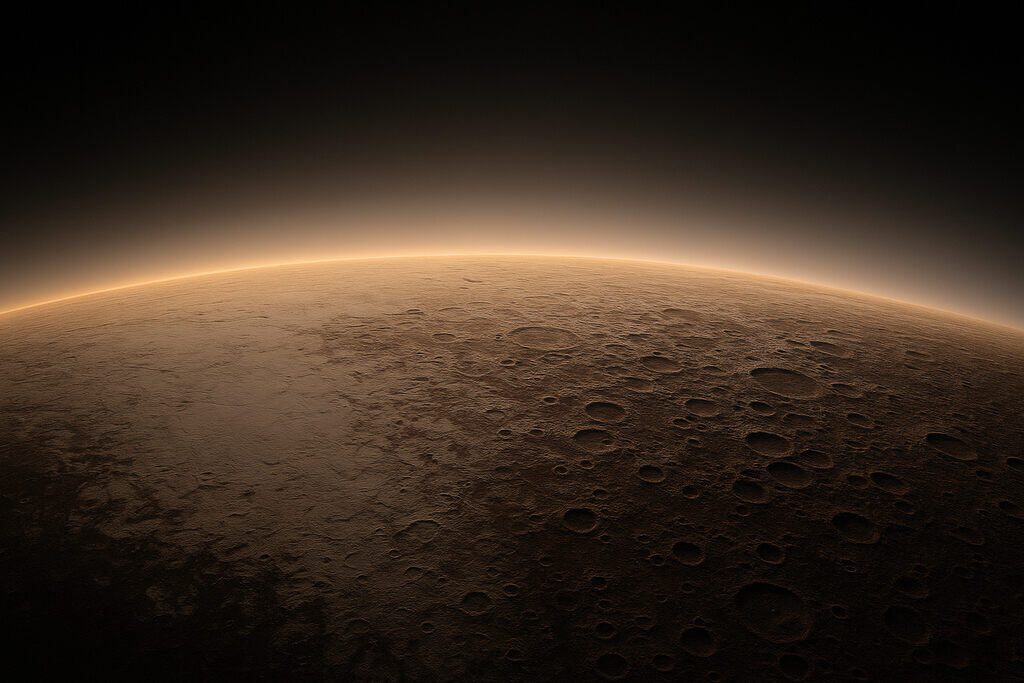
Before New Horizons, astronomers knew Pluto had an atmosphere, but not how dynamic it was. The spacecraft revealed that Pluto’s air is made mostly of nitrogen, with traces of methane and carbon monoxide. This atmosphere expands and contracts as the planet moves closer or farther from the Sun.
Sometimes, it even snows methane ice onto the surface. Though thin, the air creates hazes, winds, and chemical reactions that shape the landscape. The discovery showed that even a small, distant world can breathe and change—just more slowly than Earth.
5. Escaping Air and Solar Winds
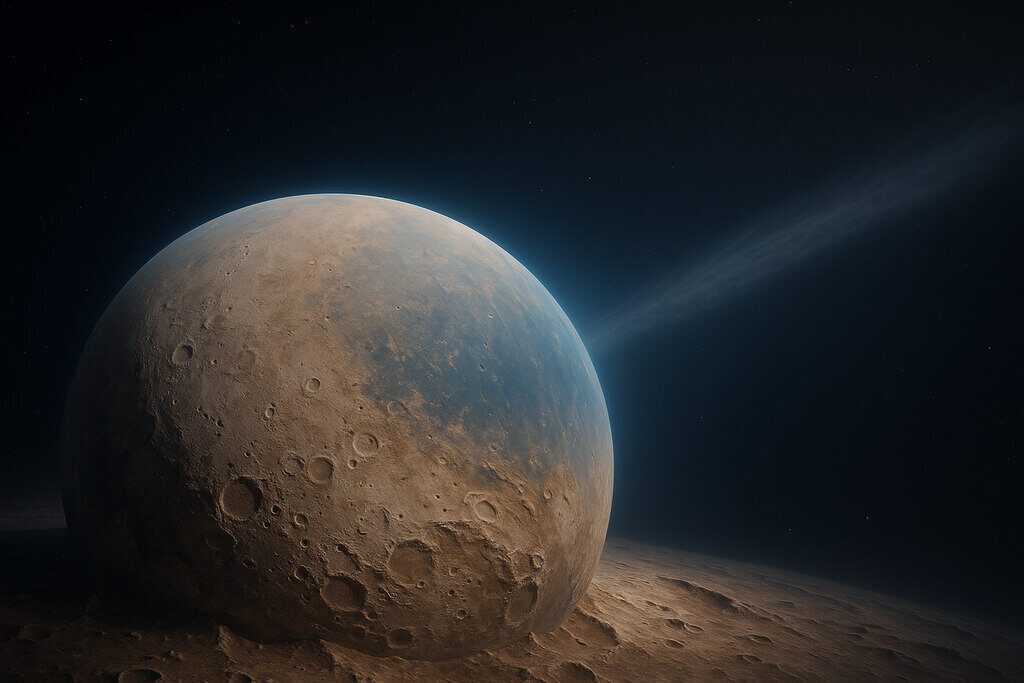
New Horizons found that Pluto’s atmosphere doesn’t stay still—it’s slowly escaping into space. The Sun’s charged particles, known as solar wind, pull gases away, forming a long, invisible tail behind Pluto. Instruments detected nitrogen ions drifting thousands of miles out.
Over billions of years, this process could reshape the planet’s surface and atmosphere balance. It’s like a slow leak from a balloon that never pops. This finding helped scientists understand how small planets and moons lose their atmospheres and evolve over time, adding a crucial piece to the puzzle of planetary science.
6. The Heart of Pluto: Tombaugh Regio
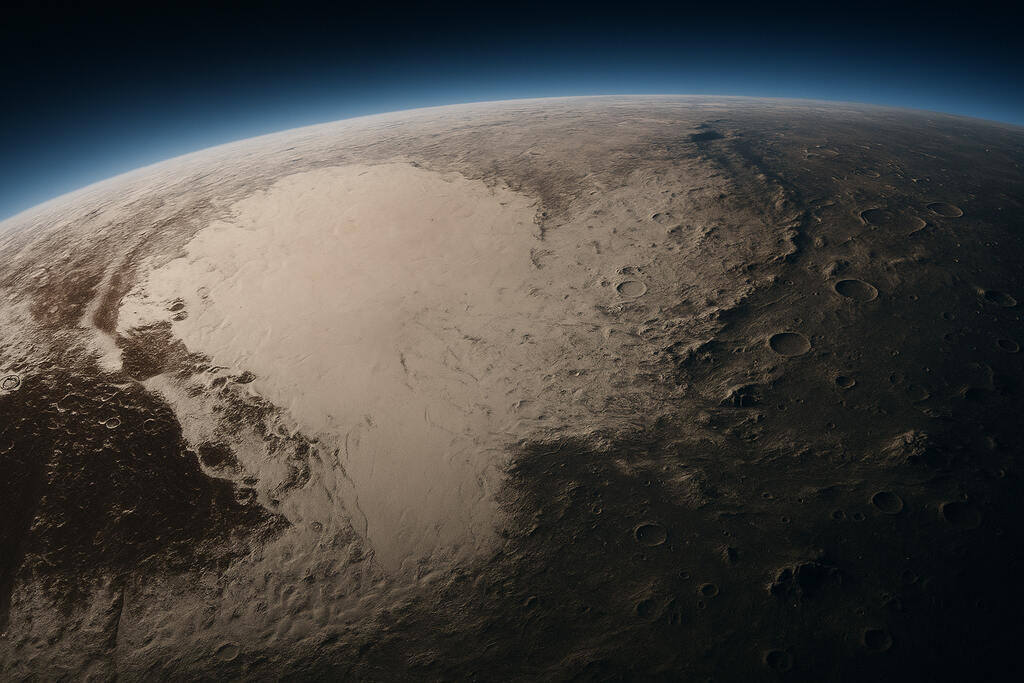
The heart-shaped feature that stole the world’s attention is called Tombaugh Regio, named after Pluto’s discoverer. Its left half, Sputnik Planitia, is a vast plain of frozen nitrogen. Unlike old, cratered areas, this region looks smooth and young—possibly less than 10 million years old.
That means Pluto is still active. Beneath the surface, slow-moving ice cells rise and fall like a lava lamp, constantly renewing the terrain. This discovery shocked scientists, who thought such activity was impossible on a small, frozen body. Pluto’s heart became a symbol of hidden vitality.
7. Mountains Made of Water Ice

When New Horizons’ cameras zoomed in, they spotted enormous mountains towering up to 3 miles high. But on Pluto, those peaks aren’t made of rock—they’re built from solid water ice, hard as stone in the frigid temperatures. Some of these mountains, like Wright Mons and Piccard Mons, may even be cryovolcanoes, where slushy ice once oozed to the surface. These structures proved Pluto’s crust is strong, dynamic, and geologically diverse. For scientists, the mountains were a sign that internal heat and ancient energy still linger deep below Pluto’s icy shell.
8. The Story of Sputnik Planitia
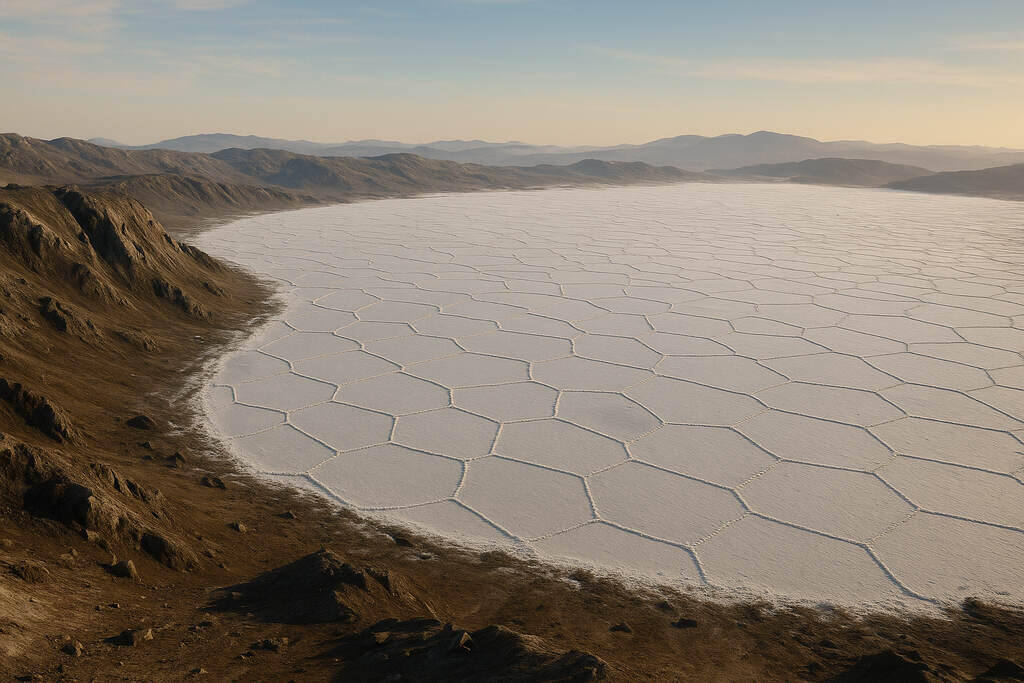
Sputnik Planitia is one of Pluto’s most fascinating regions. Its smooth, icy surface is divided into polygonal cells—evidence of convection, where warm nitrogen ice slowly circulates upward while cooler ice sinks. This slow movement reshapes the plain, erasing craters and keeping it fresh-looking.
Some scientists think this area may hide a buried ocean below, which could still influence surface motion. The bright “heart” of Pluto isn’t just pretty—it’s proof that heat, chemistry, and motion continue to shape this tiny world even today.
9. The Role of Methane and Nitrogen Ice

Pluto’s surface isn’t uniform; it’s made of a mix of frozen nitrogen, methane, and carbon monoxide. These ices shift with the seasons, sublimating from solid to gas and refreezing elsewhere. This slow cycle acts like a global conveyor belt, constantly refreshing certain regions.
Methane ice, in particular, reflects sunlight, giving Pluto its pale tone, while nitrogen flows like glaciers across Sputnik Planitia. These ices also interact with sunlight, creating reddish compounds that color parts of the surface. Even in a deep freeze, Pluto’s chemistry is alive and restless.
10. The Red Color of Pluto
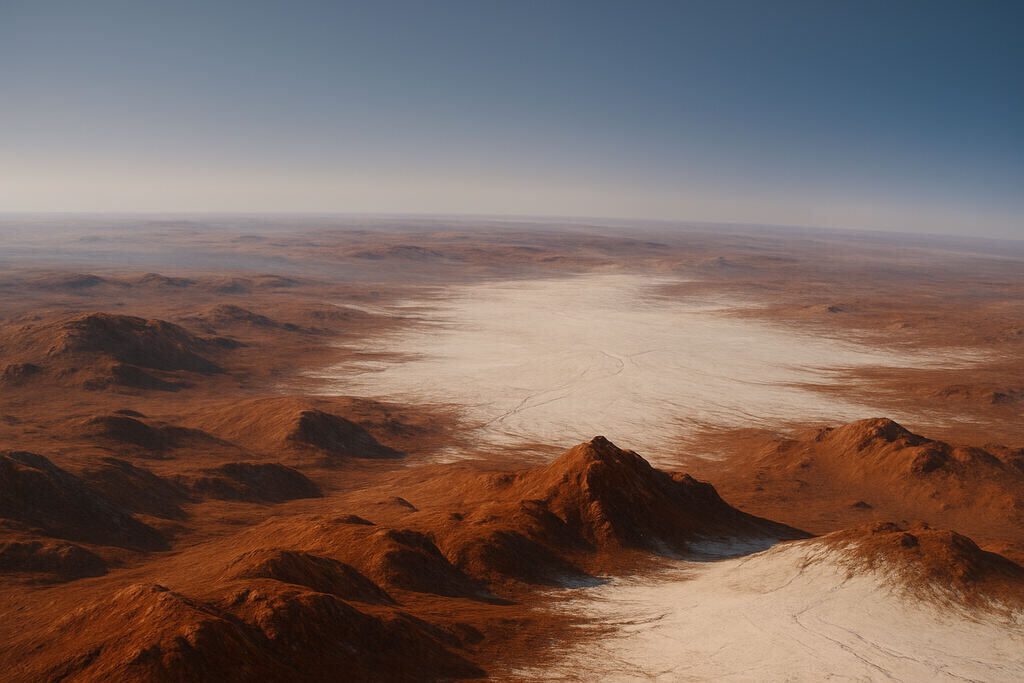
Those rusty-red patches seen on Pluto’s surface come from “tholins”—complex organic molecules created when sunlight hits methane and nitrogen in the atmosphere. Over time, these molecules fall to the ground, tinting the landscape shades of orange and red. It’s a slow, invisible rain of chemistry.
Similar tholins may also exist on Saturn’s moon Titan and in comets. The discovery of tholins on Pluto shows that organic chemistry doesn’t need warmth or life to thrive—it just needs time, energy, and a little sunlight, even billions of miles away.
11. Evidence of Cryovolcanoes

Scientists found large domes on Pluto that look like volcanoes—but instead of molten lava, they likely erupted with ice and gas. Wright Mons and Piccard Mons are two examples, each over 100 miles wide and a few miles tall. Their shapes and textures suggest past eruptions of water-ice slurries mixed with ammonia or nitrogen.
This means Pluto once had, or still has, internal heat strong enough to push material upward. The idea of icy volcanoes changed how we think about cold worlds—proving they can be just as geologically active as rocky planets.
12. Pluto’s Slow Seasons

Pluto’s orbit is stretched and its axis tilted, giving it long, extreme seasons. A single year lasts 248 Earth years, meaning each season lasts decades. As the planet moves closer to or farther from the Sun, ices sublimate, forming a temporary atmosphere, and later freeze again.
New Horizons helped scientists track these changes by comparing data from ground telescopes. This revealed a delicate balance—Pluto breathes in rhythm with its orbit. It’s a reminder that even in the far reaches of space, nature keeps its steady, patient cycles.
13. The Influence of Charon
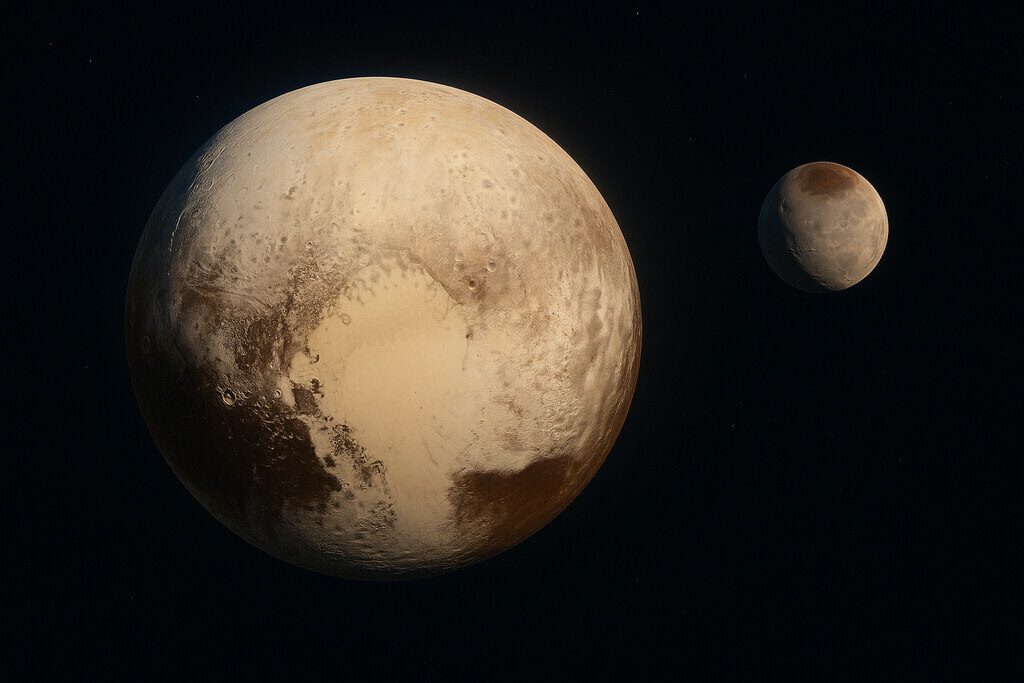
Pluto’s largest moon, Charon, isn’t just a companion—it’s part of a double system. The two bodies orbit a shared center of gravity, locked in a cosmic dance. New Horizons found that Charon’s surface has a dark red polar region likely coated with material from Pluto’s escaping atmosphere.
This shows how closely the pair interact, exchanging gases and dust. Studying them together gives scientists insight into binary systems across the universe. Their partnership proves that even in space, balance and connection are essential for survival.
14. Lessons for Planetary Science
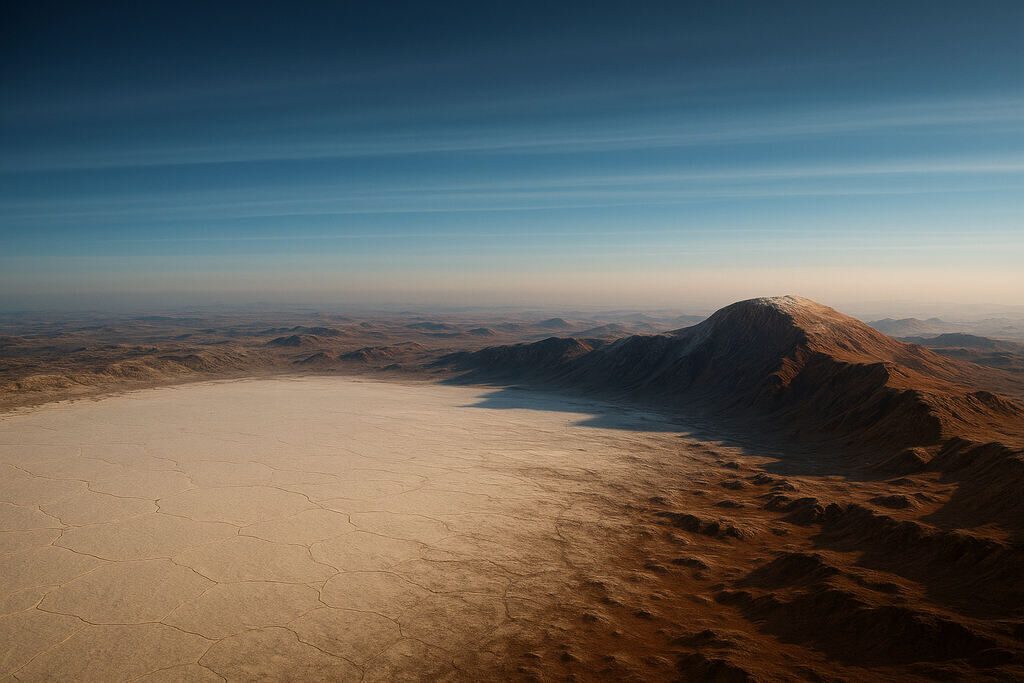
The discoveries from Pluto forced scientists to rethink what small planets can be. Once dismissed as a frozen rock, Pluto turned out to be active, layered, and surprisingly Earth-like in behavior. It’s moving glaciers, hazy skies, and complex chemistry show that even distant worlds can evolve and change.
The findings suggest that many Kuiper Belt objects might also have internal activity, perhaps even subsurface oceans. Pluto became a reminder that exploration never truly ends—each discovery opens doors to new mysteries.
15. A Message from the Edge

New Horizons didn’t just reveal Pluto’s secrets—it showed the power of curiosity and persistence. Thousands of people worked for years to make this single moment possible. The mission proved that no distance is too great for human imagination. Every byte of data sent back from 4.8 billion kilometers away carries a simple message: exploration is worth it. Pluto’s icy heart beats quietly at the edge of the solar system, whispering to all who dream big—keep going, there’s always more to discover.