
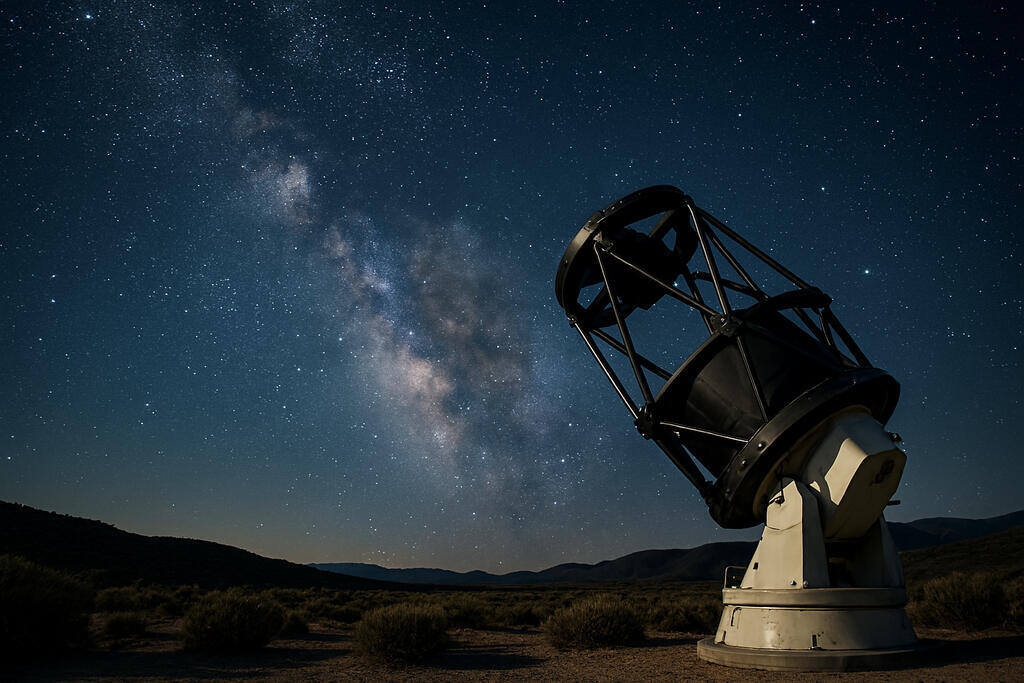
Think of the universe as the greatest mystery novel ever written. But instead of words on a page, the clues are written in starlight. For centuries, all we could do was look up and wonder. Then, we invented the telescope. It wasn’t just a tool for seeing farther—it was a translator.
It taught us how to read the light, to see patterns in the darkness, and to begin sketching a map of the cosmos. So, how do we go from a single point of light to a detailed cosmic atlas? Let’s explore the incredible art and science of mapping the universe.
1. The First Maps: Seeing With Our Own Eyes
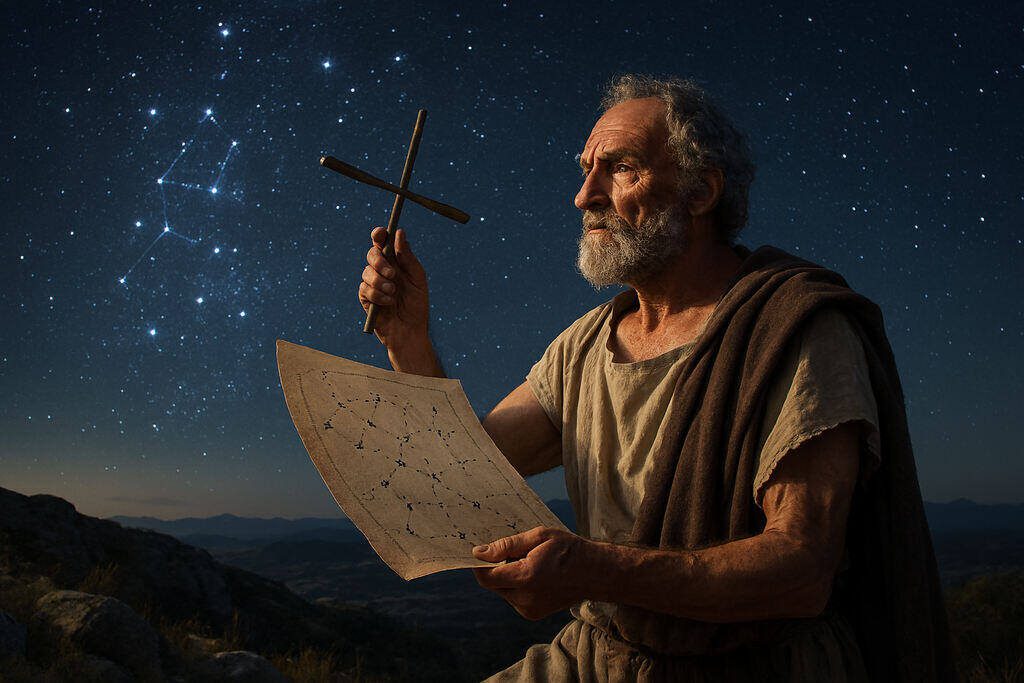
Before lenses and mirrors, we mapped the sky with our eyes and simple tools. Ancient cultures connected stars into constellations—like Orion the Hunter or Ursa Major. These were the first star maps, used for storytelling, navigation, and marking seasons. Sailors used the unchanging North Star to guide ships.
The first real star catalog was made by the Greek astronomer Hipparchus over 2,000 years ago. This taught us a crucial lesson: to map something, you first need to carefully note what you see, measure its position, and record it. This fundamental process hasn’t changed; only our tools have.
2. The Optical Revolution: Galileo’s Leap
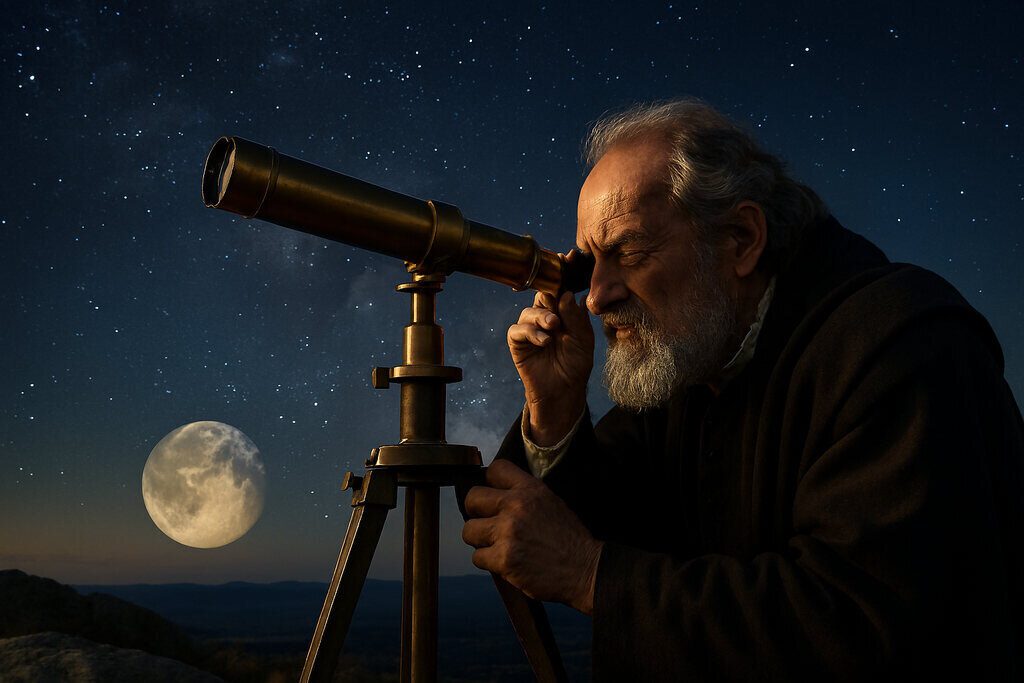
In 1609, Galileo pointed his simple spyglass at the sky and revolutionized everything. Suddenly, the Milky Way wasn’t a cloud but a river of countless stars. He saw moons orbiting Jupiter and mountains on our Moon. This proved the universe had details far beyond our naked eye.
The optical telescope became our primary tool. By collecting more light, it revealed fainter objects. Magnifying the view, it allowed us to measure the positions of stars with incredible precision. This was the first major upgrade to our cosmic eyesight, turning vague dots into worlds.
3. Not Just Pictures: Spectroscopy is the Secret Code
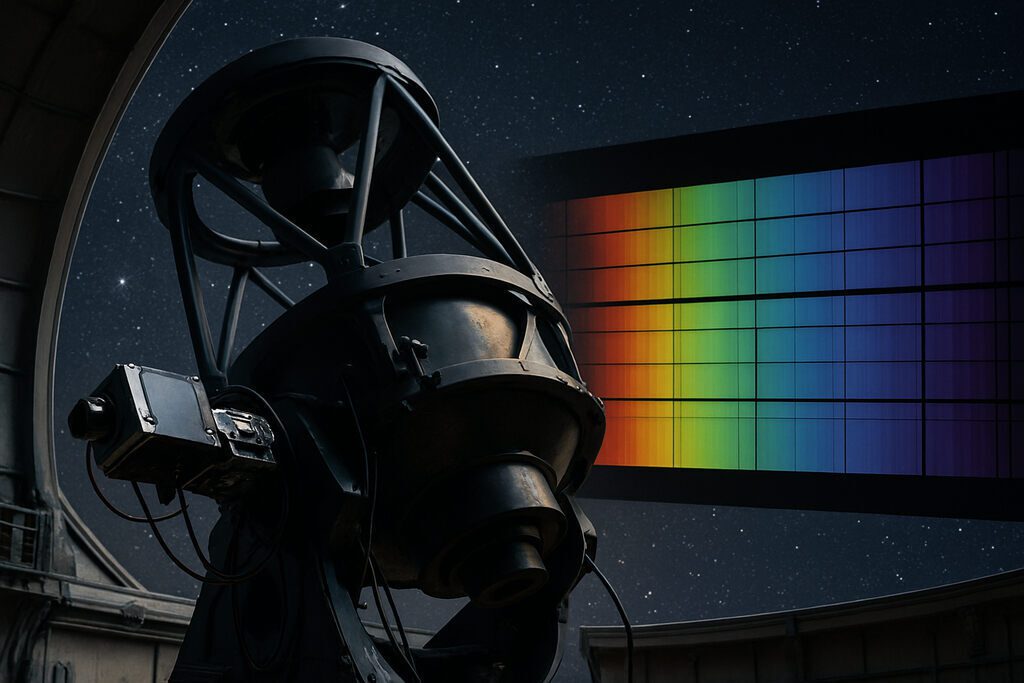
Here’s the real magic. A telescope doesn’t just take pictures. Using a device called a spectrograph, it splits starlight into a rainbow spectrum. This rainbow holds barcodes—dark and bright lines. These lines tell us a star’s chemical composition (what it’s made of), its temperature, how fast it’s moving toward or away from us, and even its magnetic field. It’s like getting a DNA report from a speck of light. Spectroscopy turns a telescope from a camera into a cosmic detective kit, allowing us to understand the physical nature of objects billions of light-years away.
4. Measuring Distance: The Cosmic Ladder
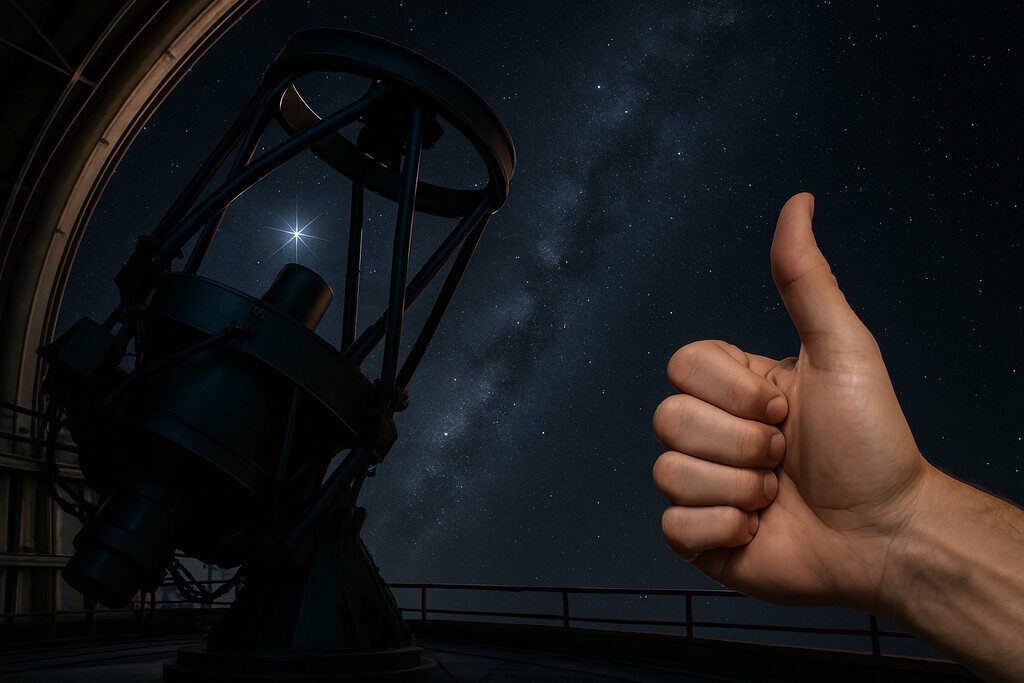
Knowing what something is means nothing if you don’t know where it is. The first rung on the cosmic distance ladder is parallax. Hold your thumb up, close one eye, then the other. Your thumb seems to shift. We do this with stars, observing them from opposite sides of Earth’s orbit.
The tiny shift calculates distance for nearby stars. For farther objects, we use “standard candles” like Cepheid variable stars or Type Ia supernovae—objects with known intrinsic brightness. By comparing how bright they look to how bright they are, we can calculate their vast distances.
5. The Power of Mirrors: How Modern Telescopes Work
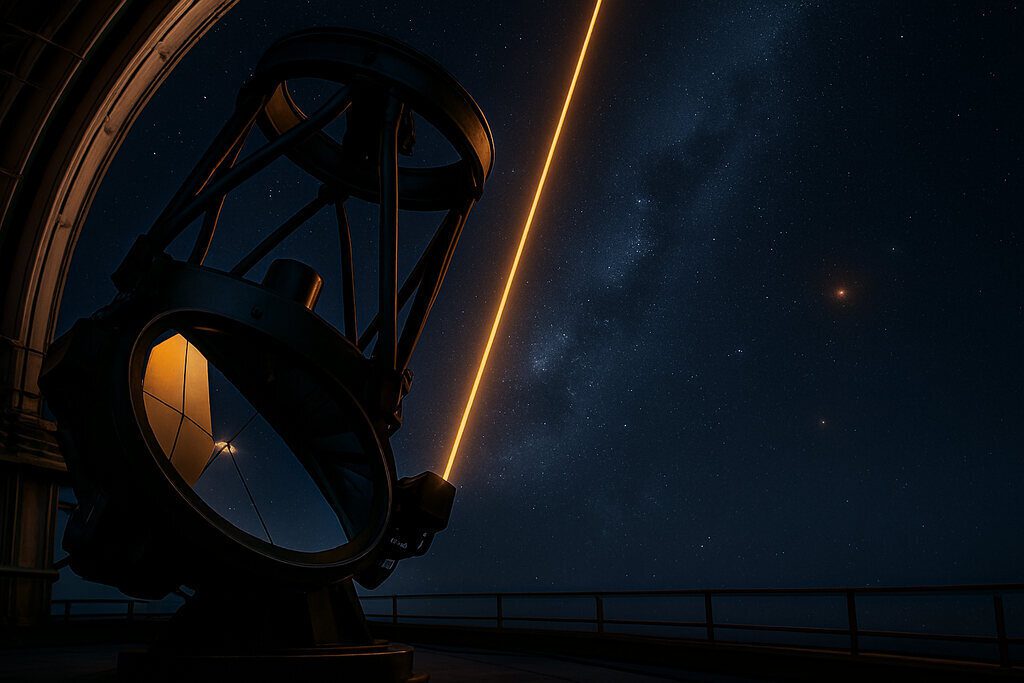
Today’s giant telescopes, like Keck or the upcoming Extremely Large Telescope, use mirrors, not lenses. A large primary mirror collects faint light from the universe and focuses it. Bigger mirrors collect more light, letting us see fainter, more distant objects.
The mirror’s surface must be perfect to within a fraction of a wavelength of light. Modern telescopes also use adaptive optics. This system uses a laser to measure atmospheric blurring and then deforms the mirror hundreds of times a second to cancel it out, giving us crystal-clear views from the ground.
6. Seeing the Invisible: Beyond Visible Light
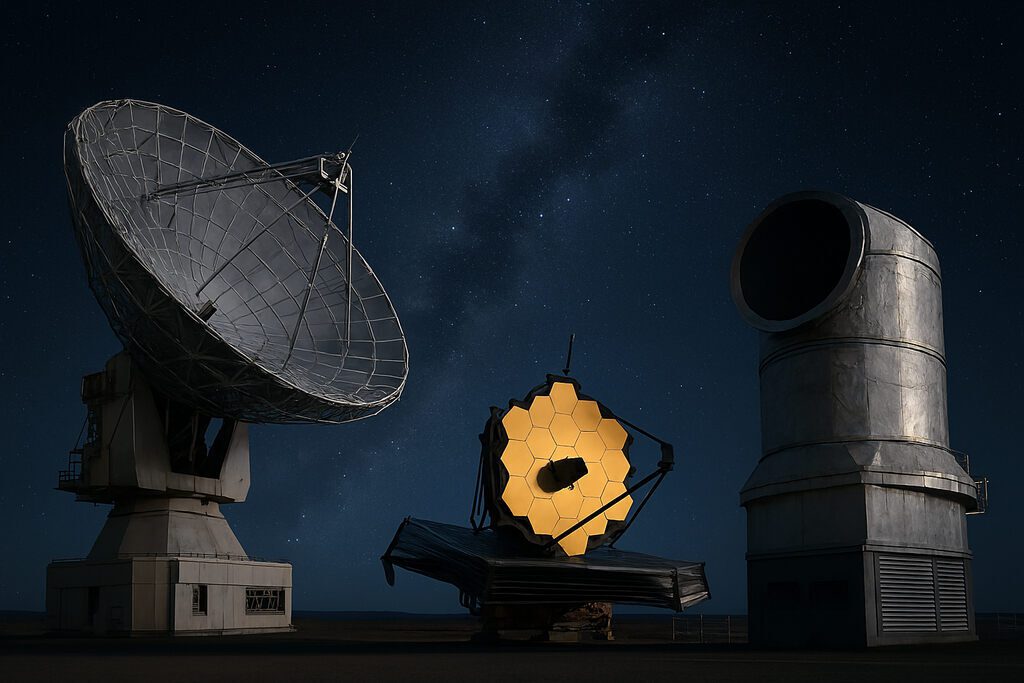
Our eyes see only a tiny slice of the light spectrum. The universe broadcasts in radio, infrared, ultraviolet, X-ray, and gamma-ray channels. Specialized telescopes listen in. Radio telescopes (like ALMA) see cold gas and dust where stars are born.
Infrared telescopes (like JWST) peer through cosmic dust to see hidden galaxies. X-ray telescopes (like Chandra) observe violent events around black holes. Each type of telescope adds a new layer to our map, revealing parts of the cosmic story that were completely invisible just a few decades ago.
7. The Puzzle Pieces: Sky Surveys
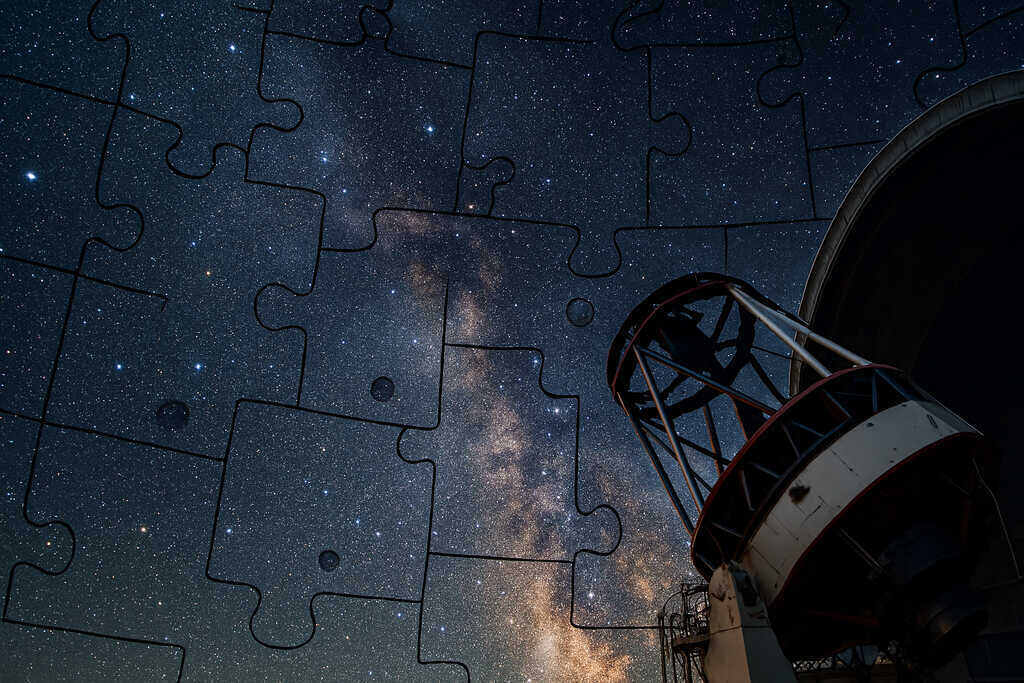
Mapping the entire sky, bit by bit, is called a sky survey. Projects like the Sloan Digital Sky Survey (SDSS) don’t just look at one pretty object. They systematically scan vast swaths of sky, recording the position, brightness, and spectrum of millions of galaxies, stars, and quasars.
This creates a massive, uniform database—a census of the cosmos. It’s from these huge surveys that we find rare objects, understand the large-scale structure of the universe, and train machine-learning algorithms to make new discoveries.
8. Cosmic Cartography: Making a 3D Atlas
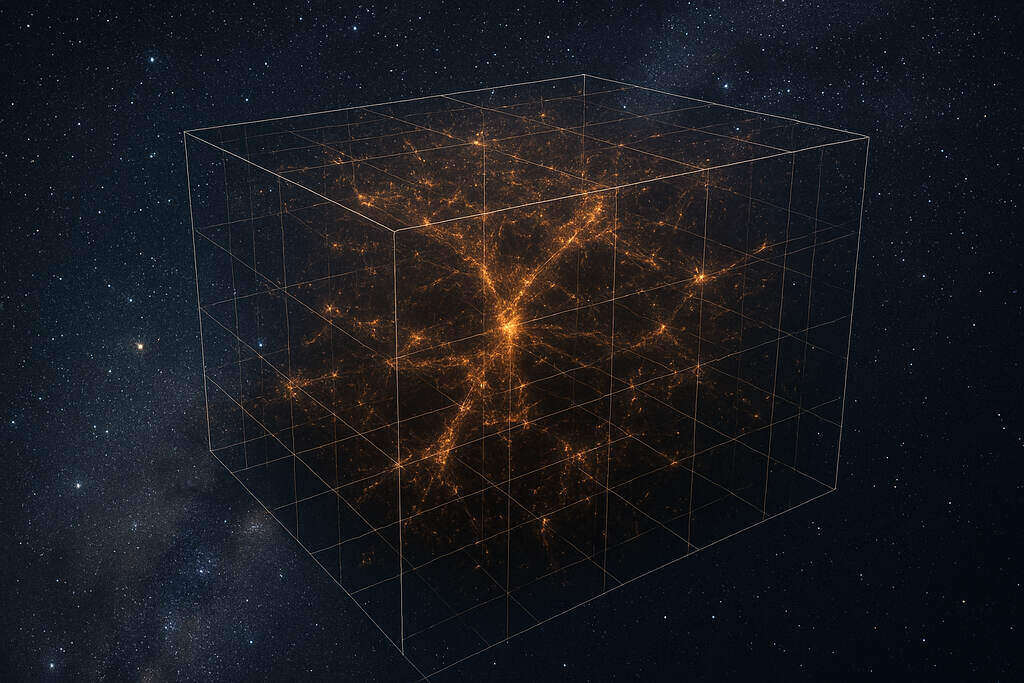
Using survey data and distance measurements, we can create 3D maps of the universe. We plot galaxies like dots, with their distance as the third dimension. The result is breathtaking: a cosmic web of galaxies forming vast filaments, walls, and immense empty voids.
The most famous is the Sloan Great Wall, one of the largest known structures. These 3D maps show us that matter isn’t scattered randomly; it’s structured on the grandest scales by gravity over billions of years. They are the ultimate proof of our mapping success.
9. Looking Back in Time: The Ultimate Time Machine
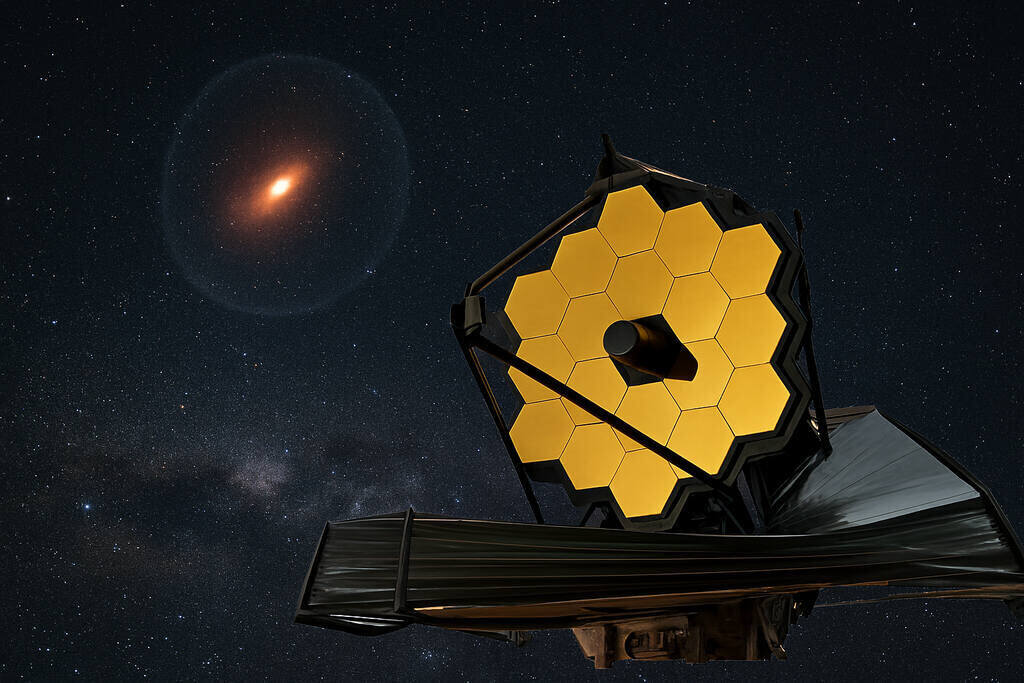
Light takes time to travel. When we look at the Sun, we see it as it was 8 minutes ago. When the James Webb Space Telescope looks at a galaxy 13 billion light-years away, it sees it as it was 13 billion years ago—a baby galaxy. By mapping objects at different distances, we are literally looking back through cosmic history. We can watch galaxies form and evolve. This time-travel aspect is built into every deep-space map, allowing us to create a family album of the universe from infancy to the present day.
10. The Computers’ Role: Crushing the Data
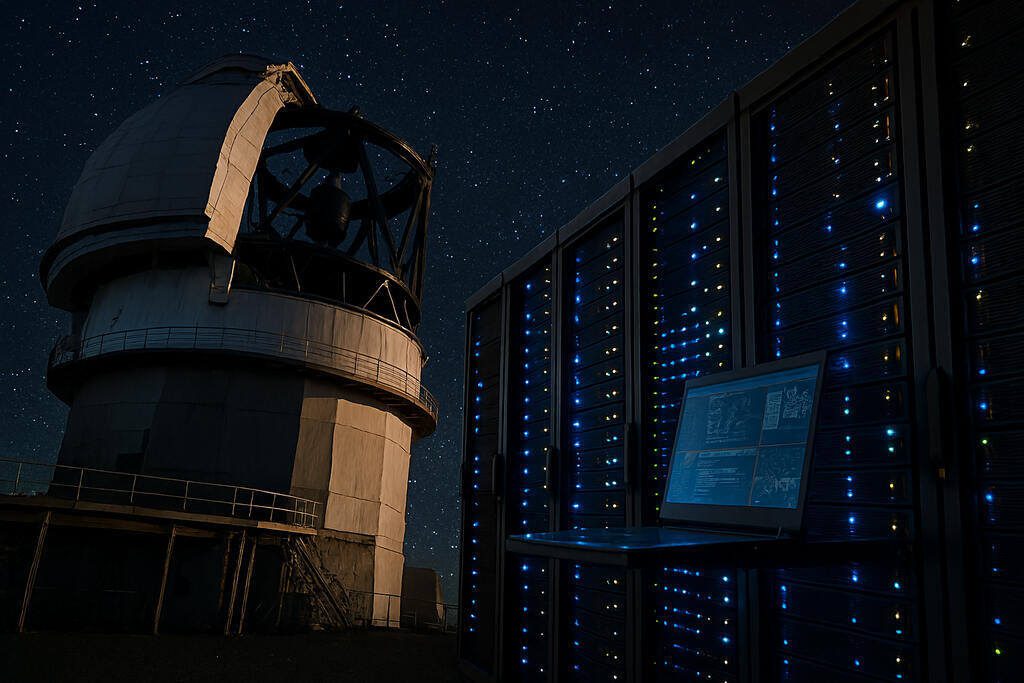
A modern telescope like the Vera C. Rubin Observatory will generate 20 terabytes of data every night—that’s about 5,000 HD movies. Humans can’t sift through this. Supercomputers and sophisticated algorithms do the heavy lifting.
They find moving asteroids, classify galaxy shapes, detect subtle brightness changes, and flag anomalies. Citizen science projects also help, where volunteers classify galaxies online. Mapping the universe today is as much about data science and software engineering as it is about astronomy.
11. Mapping Dark Matter: Using Gravity’s Lens

We can’t see dark matter, but we can map it. How? Through gravitational lensing. The gravity of a massive object (like a galaxy cluster) bends the light from a more distant object behind it, acting like a cosmic magnifying glass.
By studying how this background light is distorted, we can calculate the mass (including invisible dark matter) of the foreground cluster. This technique has been used to create stunning maps of the dark matter scaffolding that holds the cosmic web together, revealing the universe’s hidden architecture.
12. The Cosmic Microwave Background: The First Map
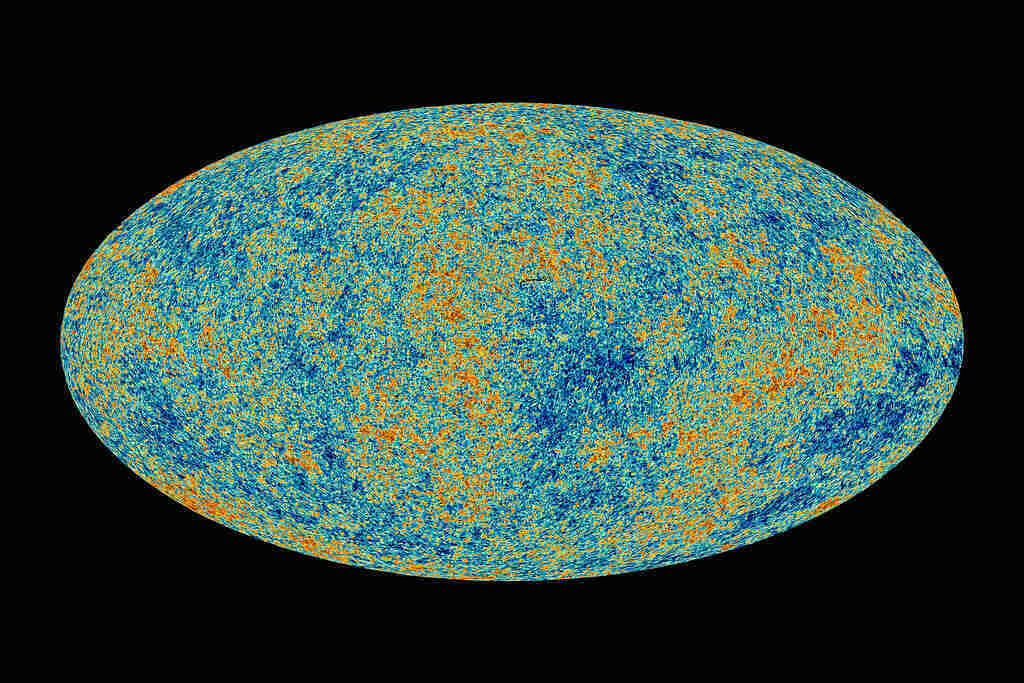
The oldest “map” we have is of the Cosmic Microwave Background (CMB). This is the faint afterglow of the Big Bang, a snapshot of the universe when it was just 380,000 years old. Satellites like WMAP and Planck have mapped its tiny temperature variations across the entire sky. This map is like a baby picture of the cosmos, showing the seeds that would later grow, under gravity, into all the galaxies, stars, and planets we see today. It is the foundational chart for all of cosmology.
13. Why Map It? More Than Just Curiosity
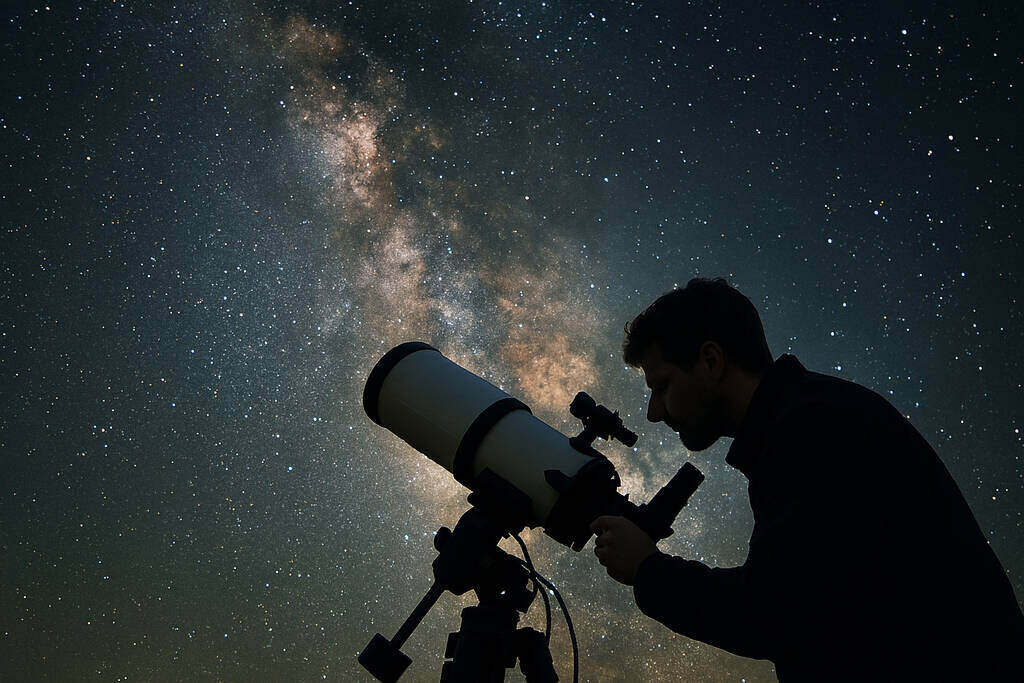
Mapping has practical benefits. Tracking near-Earth asteroids protects our planet. Understanding solar weather protects our satellites and power grids. The technology developed—from precision optics to image-processing software—filters into everyday life, improving medical imaging and communications.
But deeper, it answers fundamental human questions: Where are we? How did we get here? Are we alone? A map gives us context, telling us our address in space and time, and fostering a sense of connection to the cosmos.
14. The Future of Mapping: New Eyes on the Sky
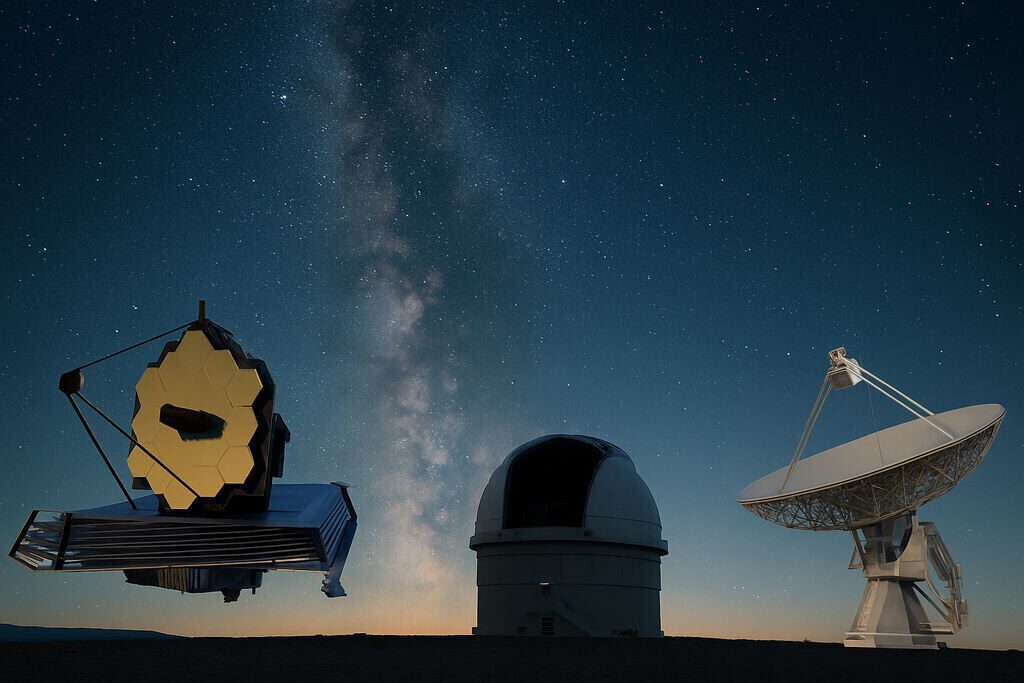
The next decade will transform our maps. The James Webb Space Telescope is peering into the era of the first galaxies. The Vera C. Rubin Observatory will make a 10-year movie of the sky, discovering billions of new objects. The Square Kilometre Array, a giant radio telescope, will map hydrogen gas across the universe. These projects will fill in blank spots, add incredible detail, and surely reveal phenomena we haven’t even dreamed of yet. Our cosmic atlas is about to get a major, breathtaking update.
15. Conclusion: You Are Part of the Map
Every time we build a telescope and point it at the sky, we are adding a detail to the greatest map ever made. It’s a map that shows us our past and hints at our future. The most beautiful part? You are already on it. You are here, on a tiny planet, looking out and adding your species’ curiosity to the story. So next time you see a star, remember: it’s not just a dot. It’s a data point in an epic, collaborative project of discovery that spans generations. Keep looking up.