
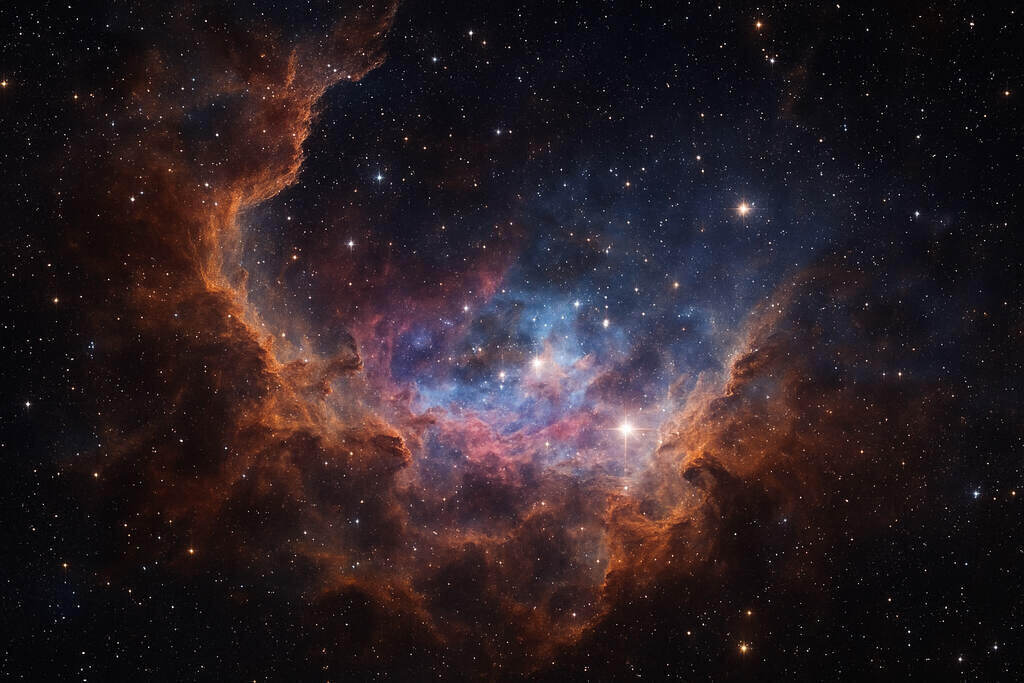
Have you ever looked up at the night sky and wondered where those twinkling lights came from? Stars aren’t just hanging decorations; they are born, live, and eventually die. Their birthplace is something magical—vast clouds of gas and dust called cosmic nurseries.
Imagine them as the universe’s maternity wards, where new stars take their first breath. Just like babies need care, stars need the right conditions to form. Learning how stars are born reminds us that even in the darkest places, light can emerge.
1. The Cosmic Nursery: Giant Clouds of Gas and Dust
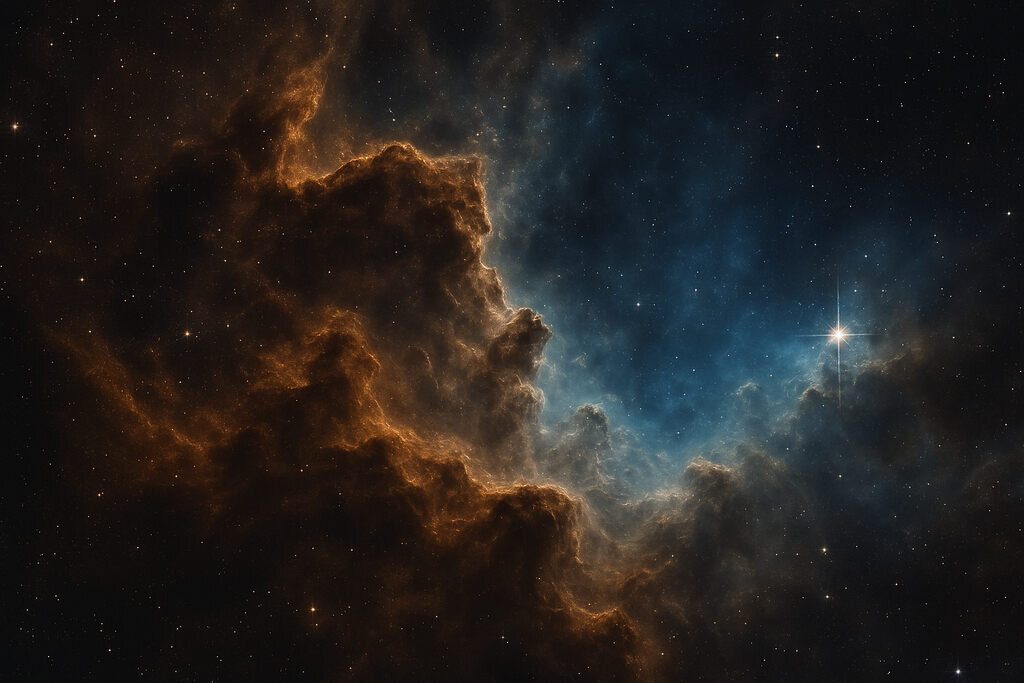
Stars begin in enormous clouds called nebulae. These clouds are mostly hydrogen, the simplest element, mixed with dust particles. They can span hundreds of light-years, making them larger than anything we can imagine on Earth.
Think of them as giant blankets floating in space. Inside these clouds, gravity slowly pulls material together. Over millions of years, small clumps form, and these clumps are the seeds of future stars. Without these nurseries, the universe would be a dark, empty place.
2. Gravity: The Silent Sculptor

Gravity is the invisible force that makes star birth possible. Just as gravity keeps us grounded on Earth, it also pulls gas and dust together in space. When enough material gathers, the clump becomes denser and heavier. Imagine rolling a snowball—each push adds more snow, and it grows bigger. In space, gravity does the same with hydrogen and dust. Eventually, the clump becomes so massive that it starts collapsing inward. This collapse is the first step toward creating a star.
3. The Role of Turbulence
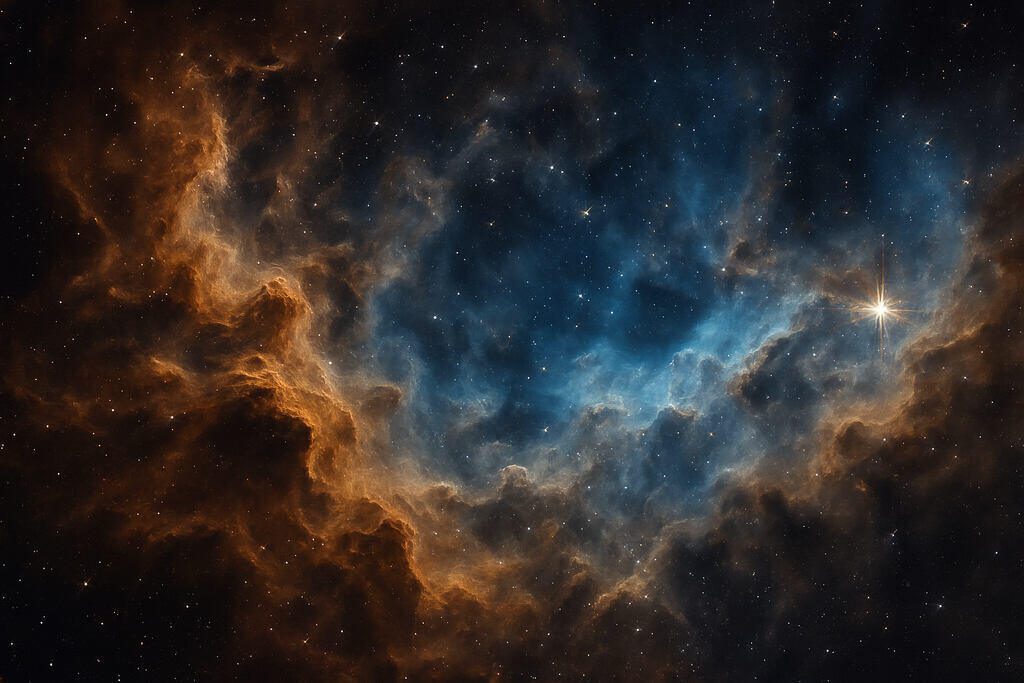
Cosmic nurseries aren’t calm places. They are full of turbulence—winds, shock waves, and magnetic fields constantly stirring the gas. This chaos helps break the giant cloud into smaller pockets. Each pocket can become a star system. It’s like kneading dough: the more you mix, the more lumps form. Turbulence ensures that stars don’t form all in one place but spread out across the cloud. This is why we see clusters of stars in the sky, born together but shining individually.
4. Protostars: The First Glow
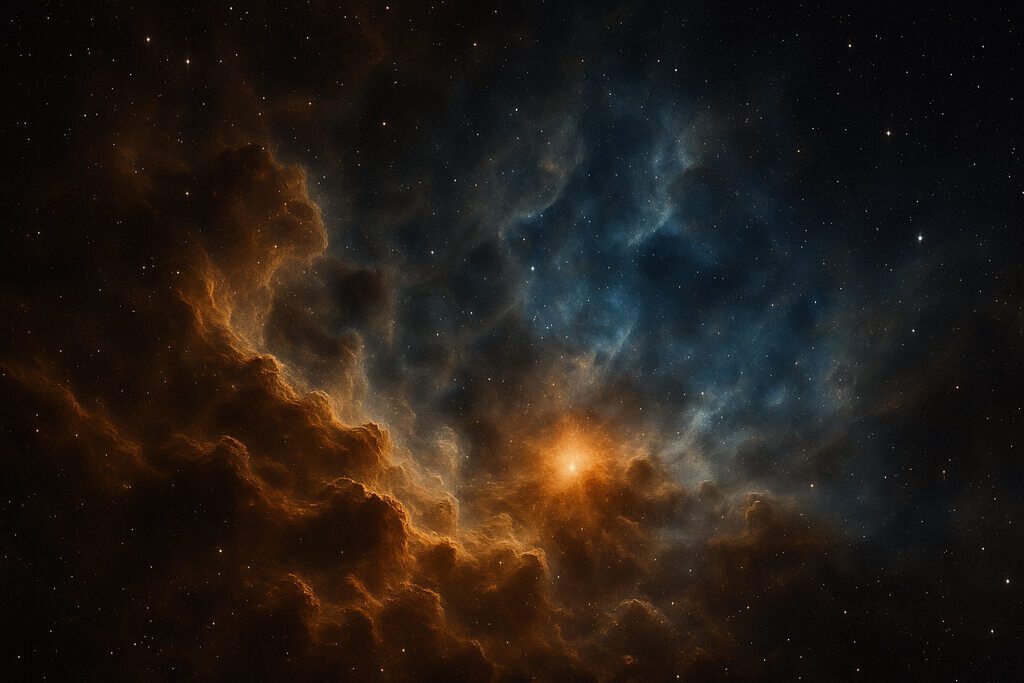
When a clump of gas collapses under gravity, it heats up. The center becomes so hot that it starts glowing faintly. This is called a protostar. It’s not a full star yet, but it’s on its way. Imagine a campfire just starting—you see smoke and a faint glow before the flames burst out. Protostars are like that early spark. They are hidden inside thick clouds, so telescopes often detect them using infrared light, which can pierce through the dust.
5. Accretion: Feeding the Baby Star

A protostar grows by pulling in more gas and dust from its surroundings. This process is called accretion. Material spirals inward, forming a disk around the protostar. From this disk, matter falls onto the star, making it bigger and hotter. It’s similar to how a baby needs food to grow strong. Without accretion, the protostar would remain small and fade away. With steady feeding, it gains enough mass to ignite nuclear fusion—the process that makes a star truly shine.
6. Nuclear Fusion: The Spark of Life

The defining moment in star birth is nuclear fusion. When the protostar’s core becomes hot enough—about 10 million degrees—hydrogen atoms fuse into helium. This releases enormous energy, creating light and heat. It’s like striking a match: suddenly, the star bursts into life. Fusion is what powers the Sun and every star we see. Once fusion begins, the star enters its main life stage, shining steadily for millions or billions of years, depending on its size.
7. Star Clusters: Siblings in Space

Stars rarely form alone. Most are born in clusters, sharing the same cosmic nursery. These clusters can contain dozens or even thousands of stars. Think of them as siblings growing up together. Over time, some drift apart, while others remain bound by gravity. Our Sun likely had siblings too, though they’ve long scattered across the galaxy. Studying star clusters helps astronomers understand how stars influence each other during their early years, shaping their growth and movement.
8. The Role of Supernovae

Sometimes, the death of one star triggers the birth of others. When a massive star explodes as a supernova, it sends shock waves through nearby clouds. These waves compress the gas, sparking new star formation. It’s like a falling tree scattering seeds in a forest. The end of one life becomes the beginning of many. This cycle of death and rebirth keeps the galaxy alive with new stars, ensuring the night sky never runs out of light.
9. Brown Dwarfs: Failed Stars
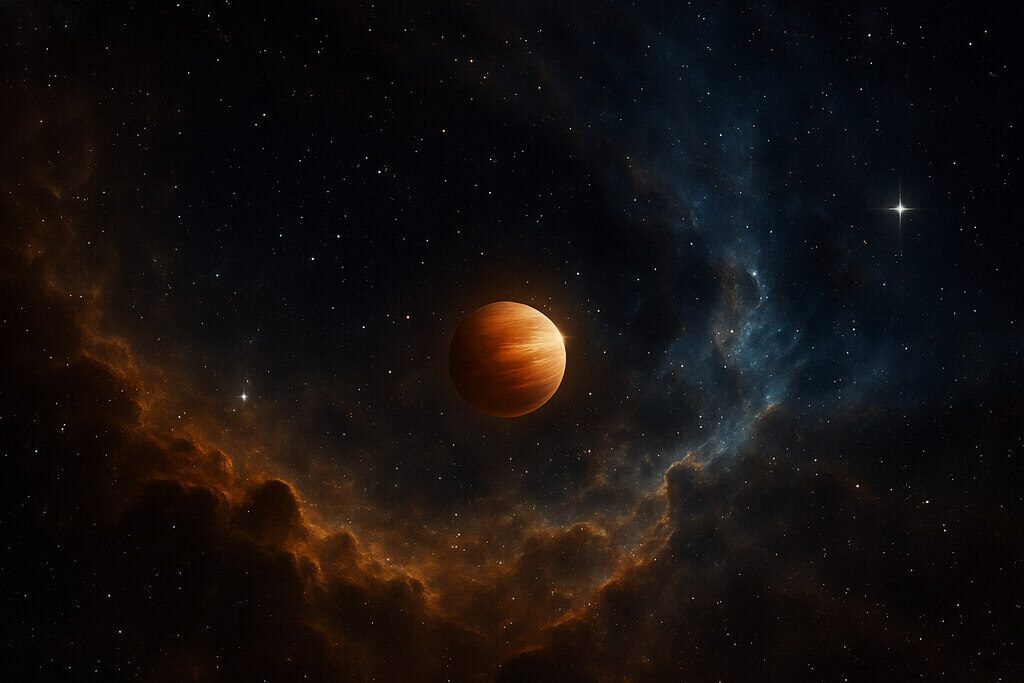
Not every clump of gas becomes a full star. Some are too small to ignite nuclear fusion. These are called brown dwarfs—objects stuck between planets and stars. They glow faintly but never shine like true stars. Imagine a candle that never quite catches fire. Brown dwarfs remind us that star birth is a delicate balance. Without enough mass, the journey stops halfway. Still, they play a role in the cosmic story, adding variety to the universe’s cast of characters.
10. The Importance of Dust
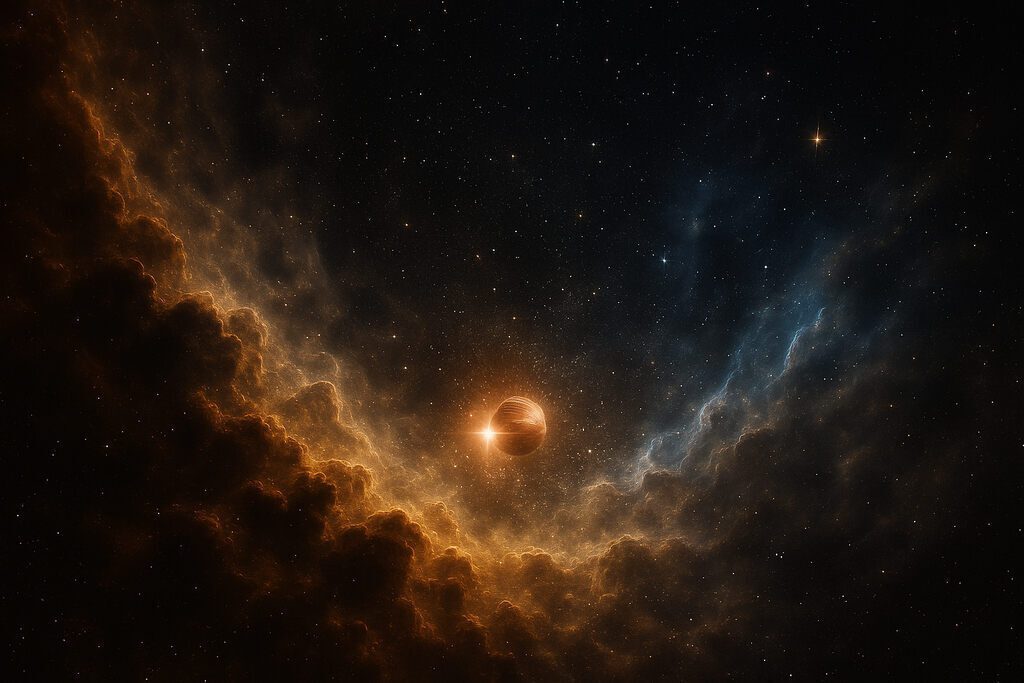
Dust may sound insignificant, but it’s crucial in star formation. Dust grains help cool collapsing clouds, allowing gravity to work more effectively. They also block visible light, hiding newborn stars from our eyes. But dust is more than a curtain—it’s the raw material for planets. The same disks that feed stars also give rise to planets, moons, and asteroids. In a way, dust is the universe’s building block, shaping not just stars but entire solar systems.
11. Magnetic Fields: Invisible Architects
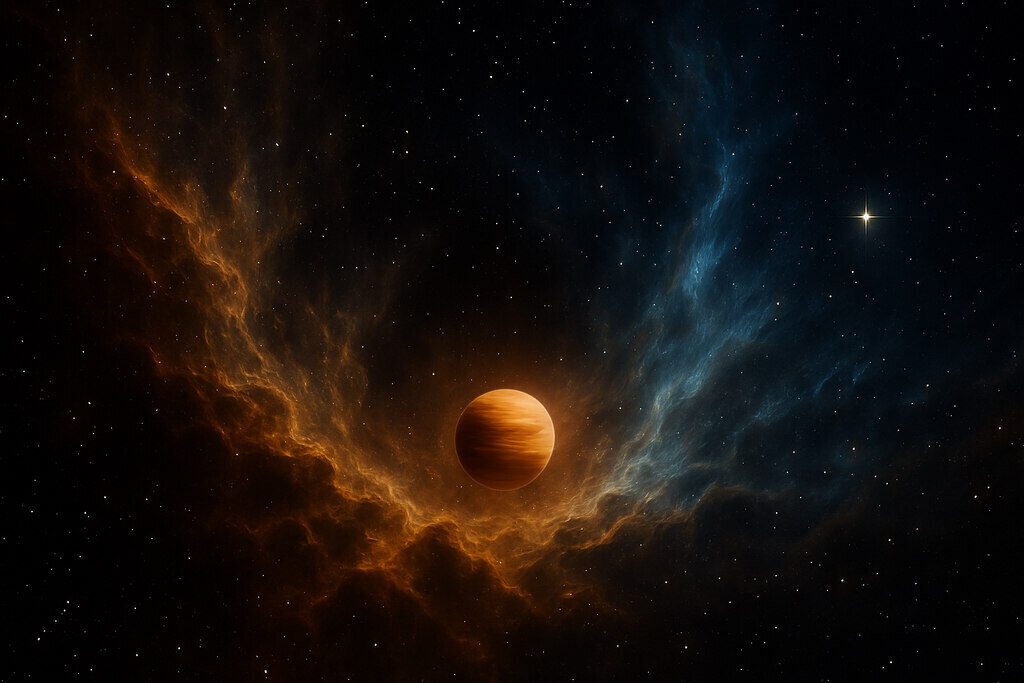
Magnetic fields thread through cosmic nurseries, guiding the movement of gas and dust. They act like invisible scaffolding, slowing down collapse in some areas while speeding it up in others. Without magnetic fields, star formation would be chaotic and uncontrolled. Scientists use radio telescopes to study these hidden forces, revealing how they shape the birth of stars. It’s a reminder that even unseen forces can have powerful effects, much like the unseen values guiding our own lives.
12. The Birth of Massive Stars
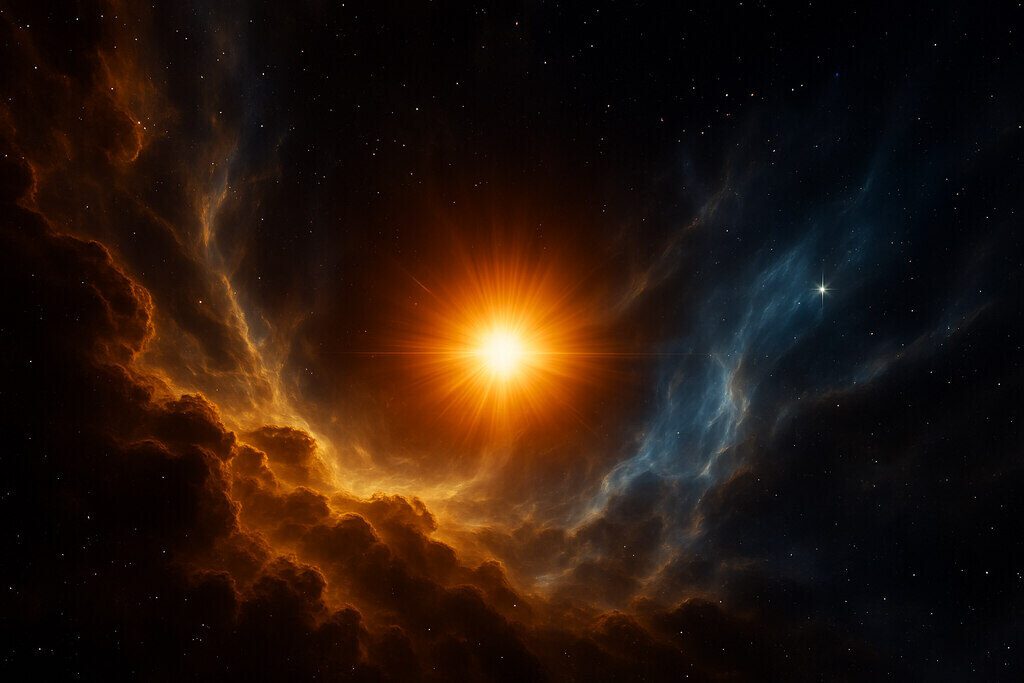
Massive stars form differently from smaller ones. Their intense gravity pulls in material so quickly that they grow much faster. But this rapid growth creates strong radiation, pushing gas away and making the process turbulent. These stars shine brighter and live shorter lives, often ending in supernova explosions. Despite their brief existence, massive stars enrich the galaxy with heavy elements like carbon and iron—ingredients essential for life. Without them, planets and people wouldn’t exist.
13. Star Formation in Our Milky Way
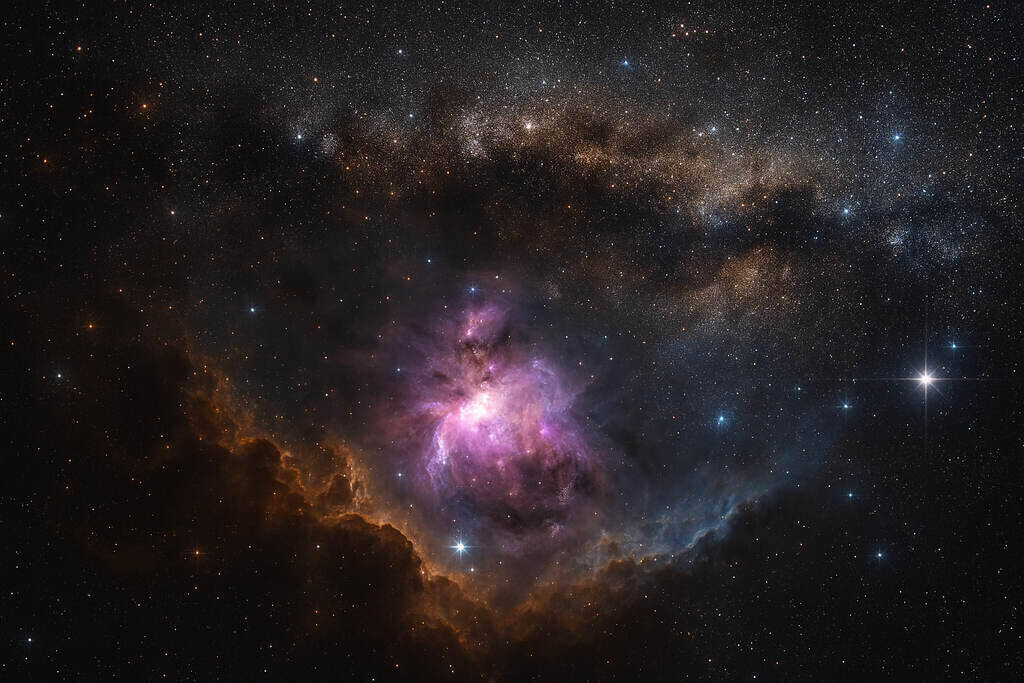
Our galaxy, the Milky Way, is full of star-forming regions. Famous nurseries include the Orion Nebula, visible even with small telescopes. These regions are like cosmic laboratories, showing us the process in action. Astronomers study them to understand how stars like our Sun were born. Knowing our origins helps us appreciate our place in the universe. Next time you see Orion’s belt in the sky, remember—it’s not just stars, but a nursery where new stars are still being born.
14. The Link Between Stars and Life
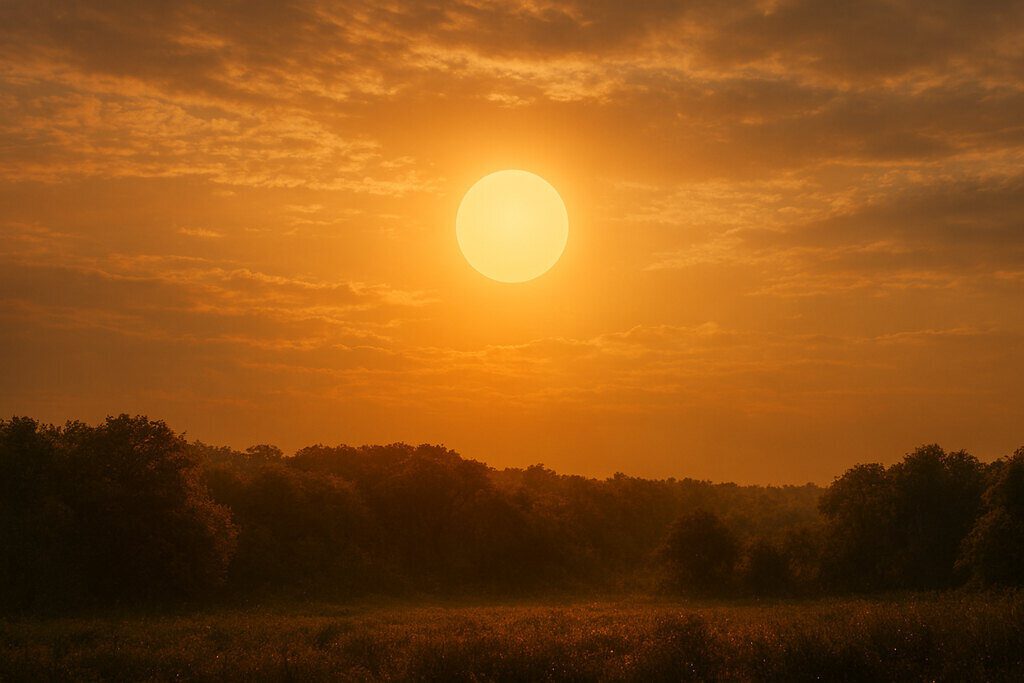
Stars aren’t just pretty lights; they are life-givers. The Sun provides energy for plants, animals, and humans. Elements like oxygen, carbon, and iron were forged inside stars and spread across space when they died. In a very real sense, we are made of stardust. Every breath we take connects us to the stars. Understanding star birth isn’t just science—it’s a way of seeing our deep connection to the cosmos. It reminds us that life itself is a cosmic gift.
15. A Motivational Conclusion: Light from Darkness
The story of star birth is a story of hope. From cold, dark clouds, brilliant light emerges. Even in chaos, gravity and fusion create beauty. It’s a reminder for us, too: challenges and struggles can lead to growth and brightness. Just as stars are born in cosmic nurseries, our dreams can be born in difficult times. So next time you look at the night sky, let it inspire you. Remember—every star is proof that light can rise from darkness.