
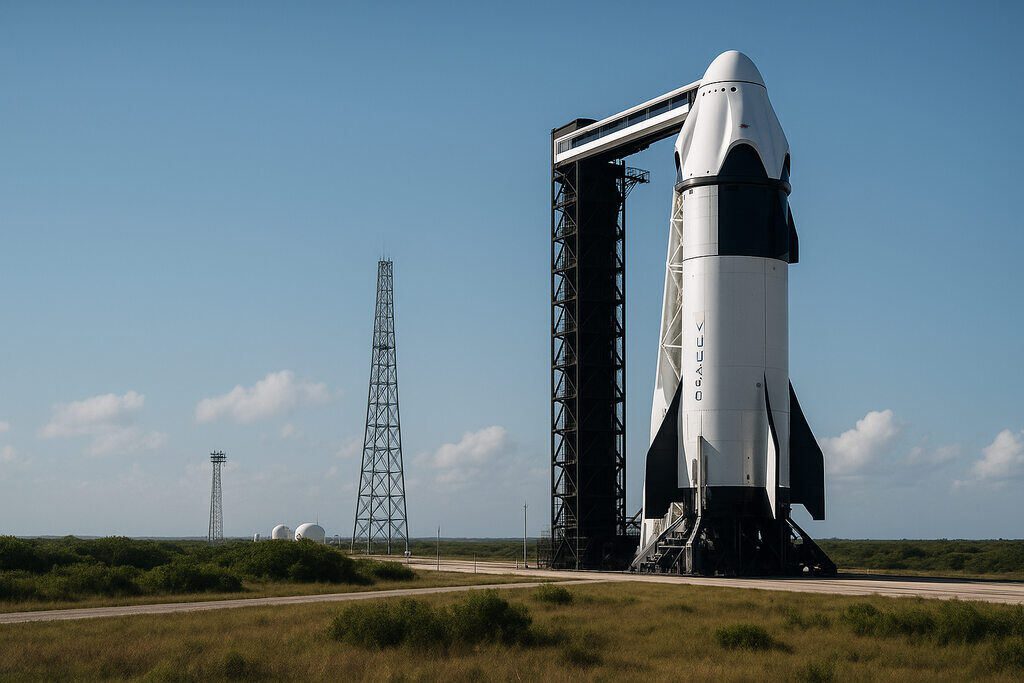
Space travel once felt like something only a few astronauts could ever experience. But today, things are changing quickly. SpaceX’s Dragon spacecraft is opening the door for more people to reach space by making missions safer, cheaper, and more comfortable.
Whether it’s carrying astronauts, supplies, or even private travelers, Dragon is proving that space isn’t just for government agencies anymore. In this article, we’ll explore the key ways Dragon is breaking old limits and bringing space closer to everyday people.
1. Lowering the Cost of Space Missions

Space travel has always been expensive because rockets were used once and thrown away. SpaceX changed this by creating reusable rockets that return to Earth and fly again. This reduces mission costs dramatically, making space more affordable for researchers, universities, and private companies.
With lower launch prices, more experiments can reach space and more flights can take place each year. Dragon benefits directly from this system, helping create a future where going to space is no longer rare or reserved for the wealthy.
2. Strong Safety Systems for Crew Flights
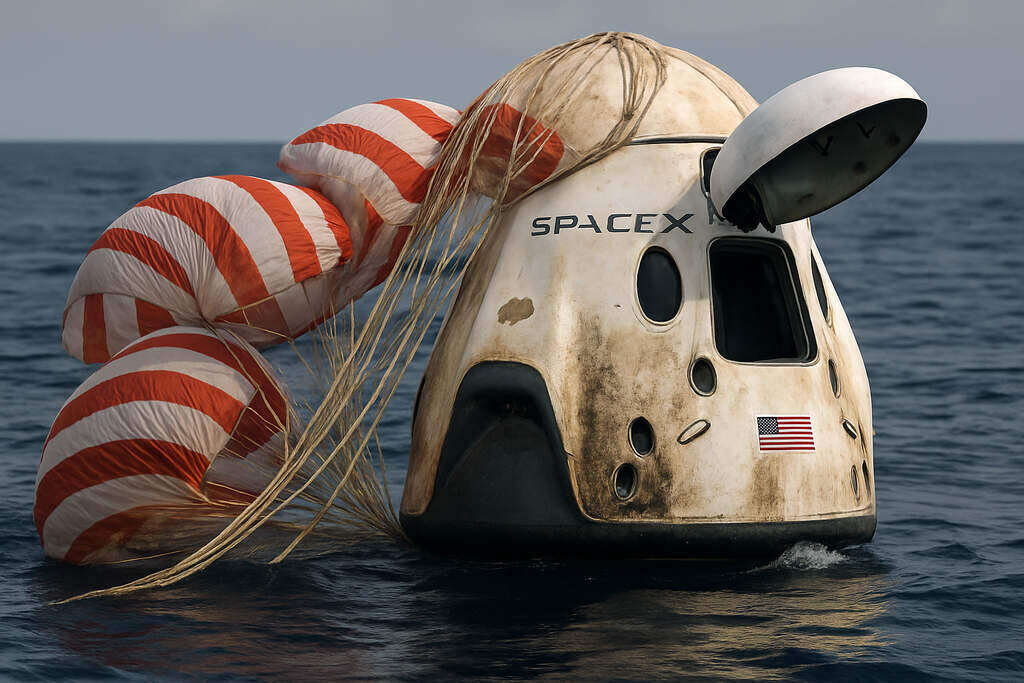
Dragon includes advanced safety features designed to protect astronauts at every stage of the mission. Its built-in launch escape system can pull the capsule away from danger within seconds if something goes wrong. Automated controls guide the spacecraft during docking and landing, reducing human error.
These safety improvements give confidence not only to astronauts but also to private travelers who may fly in the future. Dragon shows that modern technology can make space travel safer and more reliable than ever before.
3. Comfortable and Modern Interiors
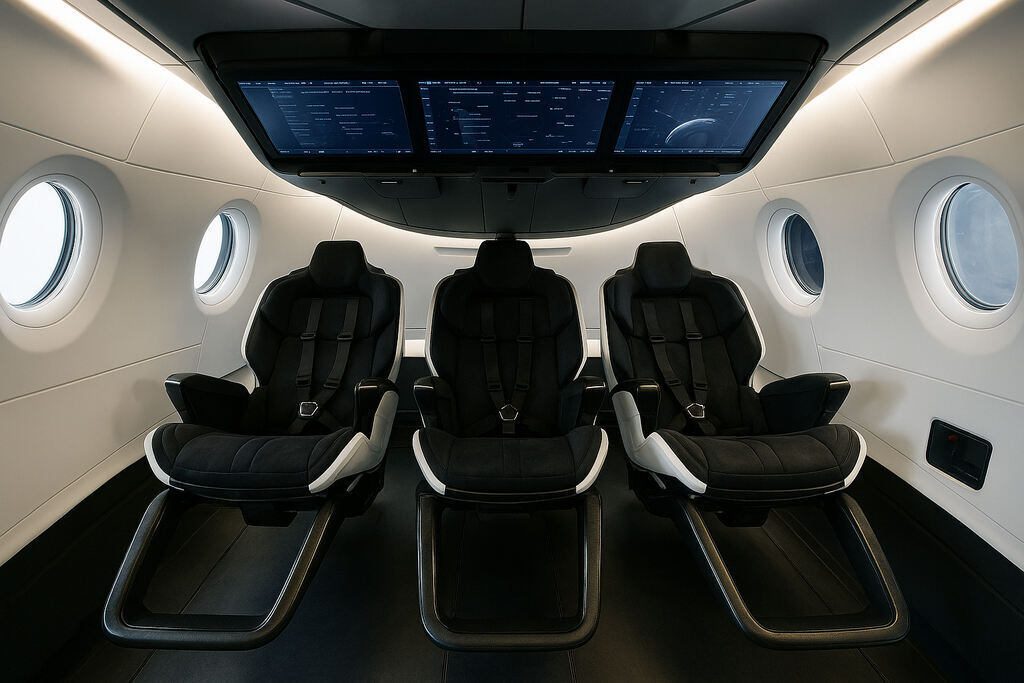
Dragon’s interior is designed with people in mind. Instead of hundreds of buttons, astronauts use large touchscreens that make controls easier to understand. The seats are custom-shaped to support the body during launch and landing.
Soft lighting and organized space help create a calm environment. For private passengers or first-time flyers, comfort plays a big role in reducing stress. Dragon proves that space travel doesn’t have to feel cramped or outdated—it can feel like riding in a modern, high-tech vehicle.
4. Making Space Travel Available to Non-Astronauts

Dragon has made it possible for private citizens—not just government astronauts—to travel to space. The Inspiration4 mission showed that with proper training, everyday people can safely complete an orbital mission.
Companies like Axiom Space are planning more trips for private travelers, scientists, and educators. These missions mark a major shift: space is becoming open to people from many backgrounds. Dragon is helping turn space travel from a distant dream into something real and achievable for future generations.
5. Reliable Supply Deliveries to the ISS
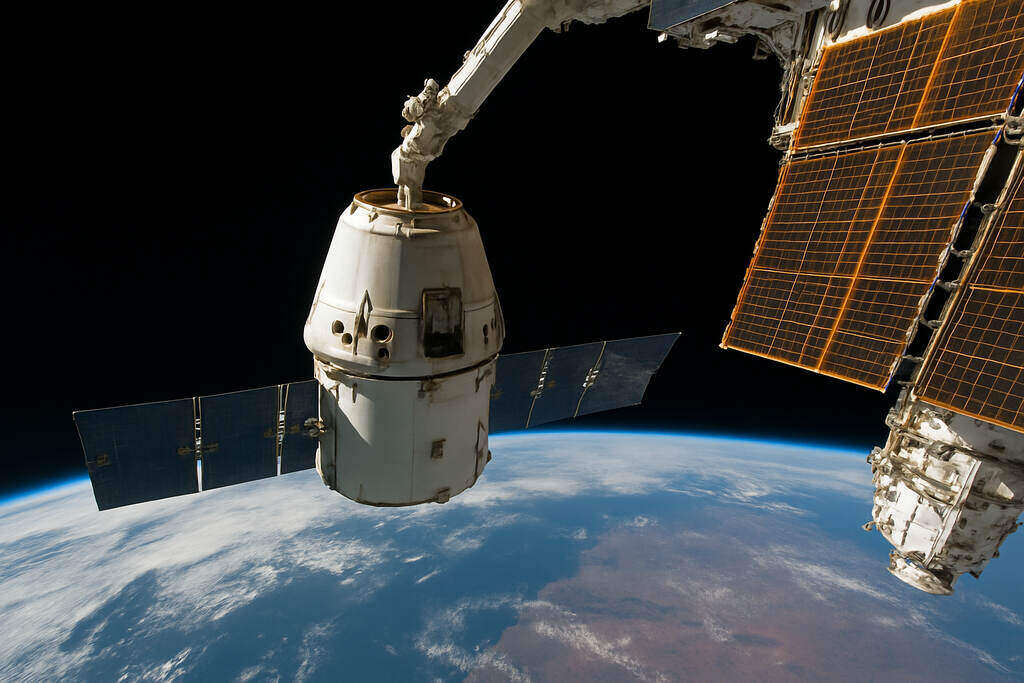
The International Space Station depends on steady shipments of food, research equipment, and tools. Dragon Cargo is one of the most dependable spacecraft for this job. It can carry large amounts of supplies and also bring materials safely back to Earth—something most spacecraft cannot do.
This two-way capability supports ongoing scientific research and helps astronauts live comfortably in orbit. Dragon’s regular missions keep the ISS running smoothly and allow more researchers to send experiments to space.
6. Bringing Scientific Experiments Back to Earth
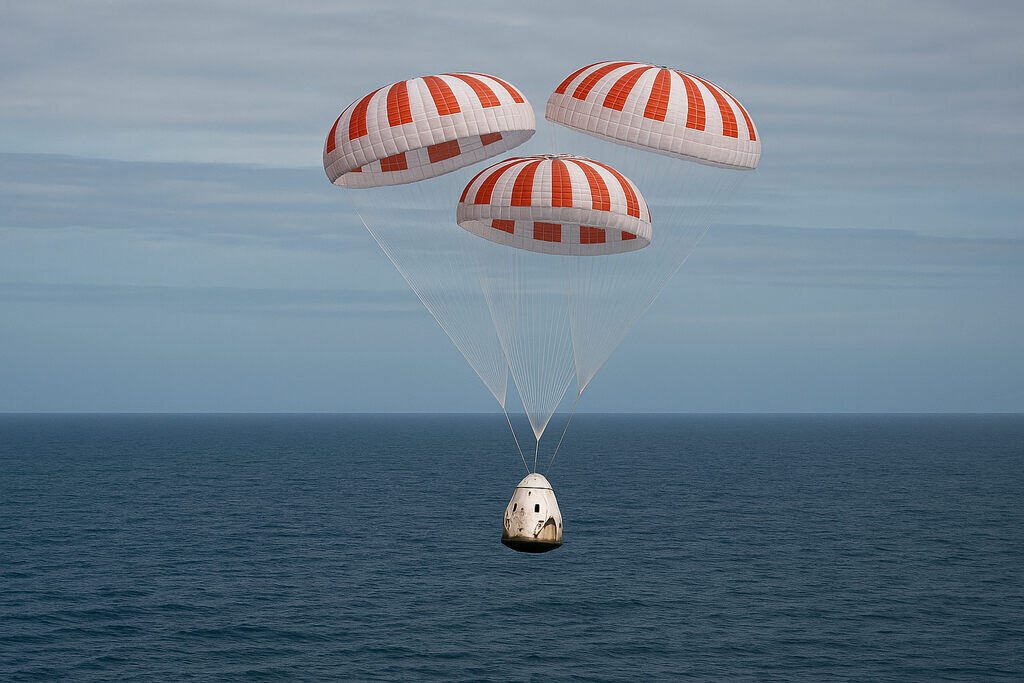
Many experiments done in space require careful study back on Earth. Dragon’s heat shield and parachute system allow it to return delicate samples safely. Researchers studying medicine, biology, and materials science rely on Dragon to transport their work.
Schools and universities also send small experiments, known as CubeSats or student projects. Dragon’s ability to return cargo expands scientific possibilities, making space research more accessible to groups that previously couldn’t participate.
7. Automated Docking with the ISS

Docking a spacecraft with the ISS used to require extreme skill and manual control. Dragon changed this with a fully automated docking system that uses cameras, sensors, and computer guidance. This reduces risk and makes missions smoother for astronauts.
Automation also means that future private passengers don’t need years of piloting experience. The Dragon’s smart docking system demonstrates how technology can simplify complex tasks and make spaceflight more accessible to a wider audience.
8. Supporting Future Space Stations

As companies plan private space stations and orbital hotels, Dragon will play a key role in transporting people and supplies. Its flexibility makes it useful for construction, maintenance, and regular crew visits. Affordable and frequent flights make these missions possible.
Dragon is helping lay the foundation for a future where working or visiting space becomes normal—much like long-distance air travel today. Without reliable spacecraft like Dragon, commercial space stations would remain only ideas.
9. Expanding Space Research Opportunities
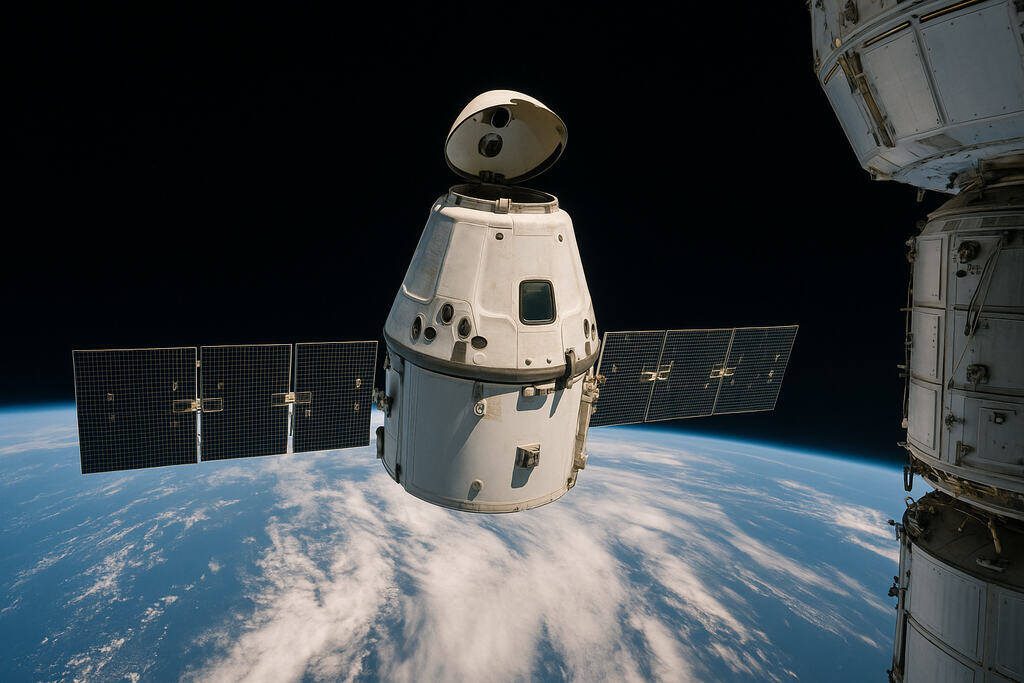
Dragon’s frequent and affordable missions allow more scientists to send experiments to space. In the past, only government agencies could afford such research. Now, universities, startups, and even student groups can participate. Microgravity helps scientists develop new medicines, test advanced materials, and study human health. These discoveries can lead to real improvements on Earth. Dragon helps open the doors of space science to more people and ideas.
10. Creating New Careers and Industries
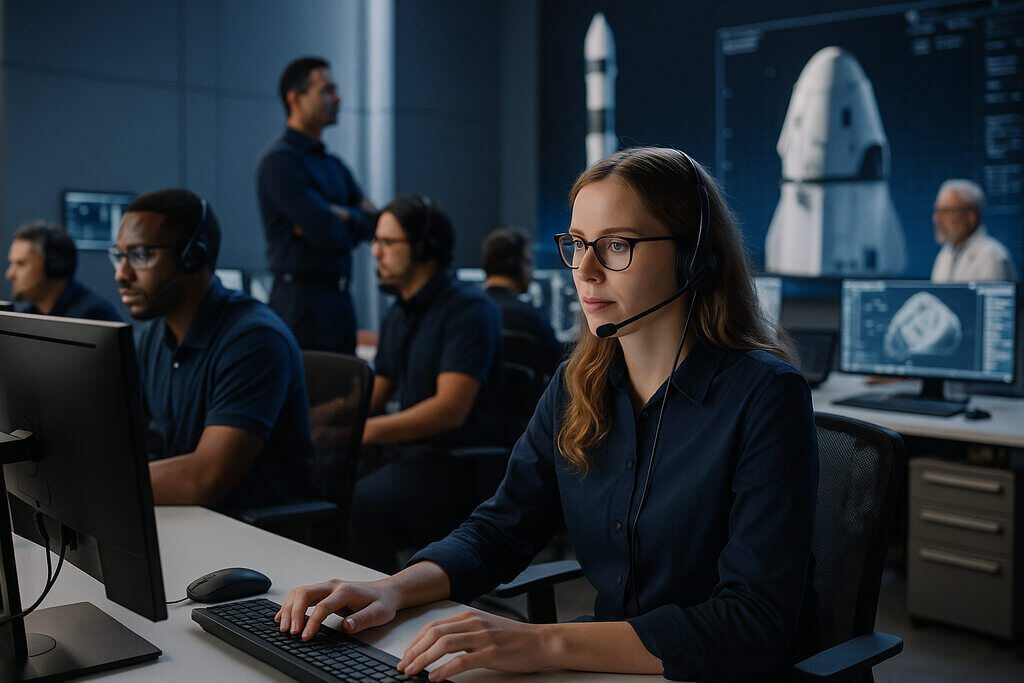
The rise of Dragon has created jobs in engineering, robotics, software, manufacturing, and mission support. But it also inspires new careers—like commercial astronaut trainers, space tourism planners, and microgravity research managers. As space travel becomes more common, entire industries grow around it. Young students watching launches today may become part of the space workforce tomorrow. Dragon is helping build an economy that reaches beyond Earth.
11. Faster and More Frequent Missions
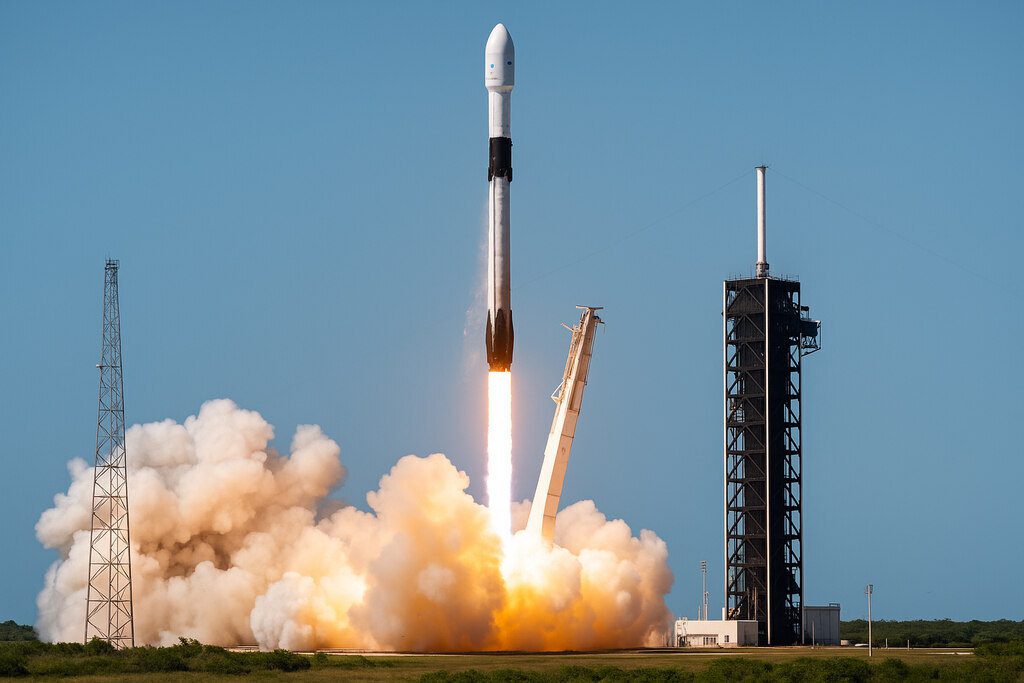
Dragon’s design allows for quicker preparation and shorter turnaround times between flights. Combined with reusable rockets, this means more launches can happen each year. Frequent missions benefit scientists, astronauts, and future private travelers. A regular flight schedule also helps lower costs further over time. This routine access to space is essential for making space travel feel normal rather than rare.
12. Helping Prepare for Moon and Mars Missions

Dragon’s success supports bigger goals, including future missions to the Moon and Mars. By gaining experience with safe crew transport, SpaceX improves its technology for long-distance spaceflight. Lessons learned from Dragon help shape the development of Starship, the spacecraft designed for deep-space travel. Dragon acts as the bridge between Earth orbit and future exploration, preparing humanity for journeys beyond our planet.
13. Enabling Global Participation in Space
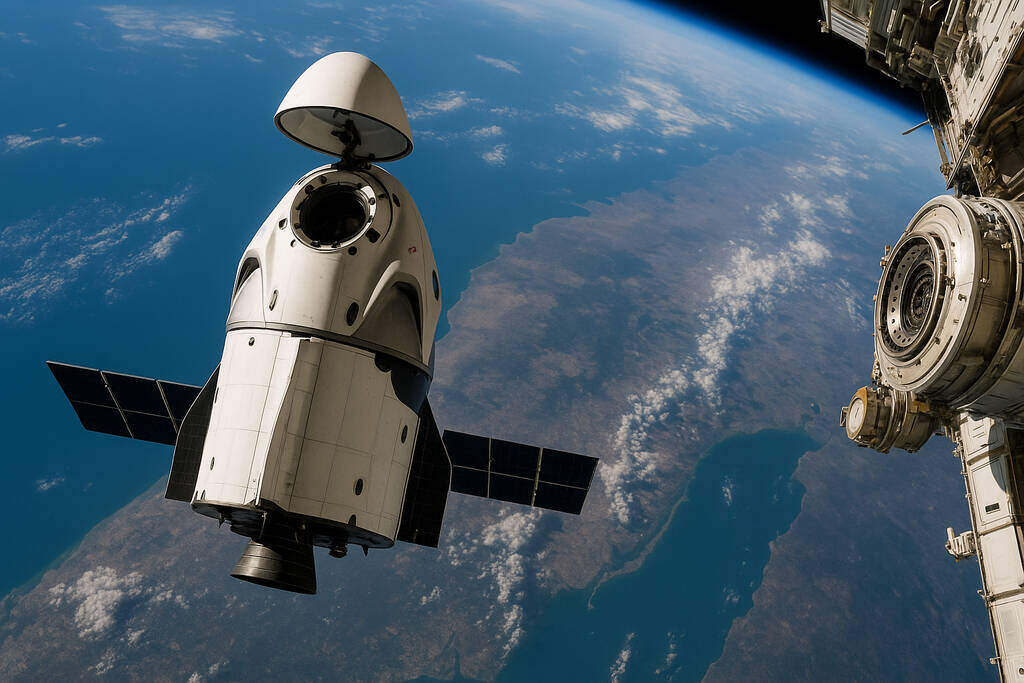
Not every country has its own spacecraft, but many want to send astronauts or experiments to space. Dragon helps make this possible. Nations from Europe, Asia, and other regions can partner with SpaceX to access the ISS. This allows countries without launch systems to participate in space exploration. More global involvement leads to more discoveries and a stronger sense of international cooperation in space.
14. Inspiring Public Excitement and Education
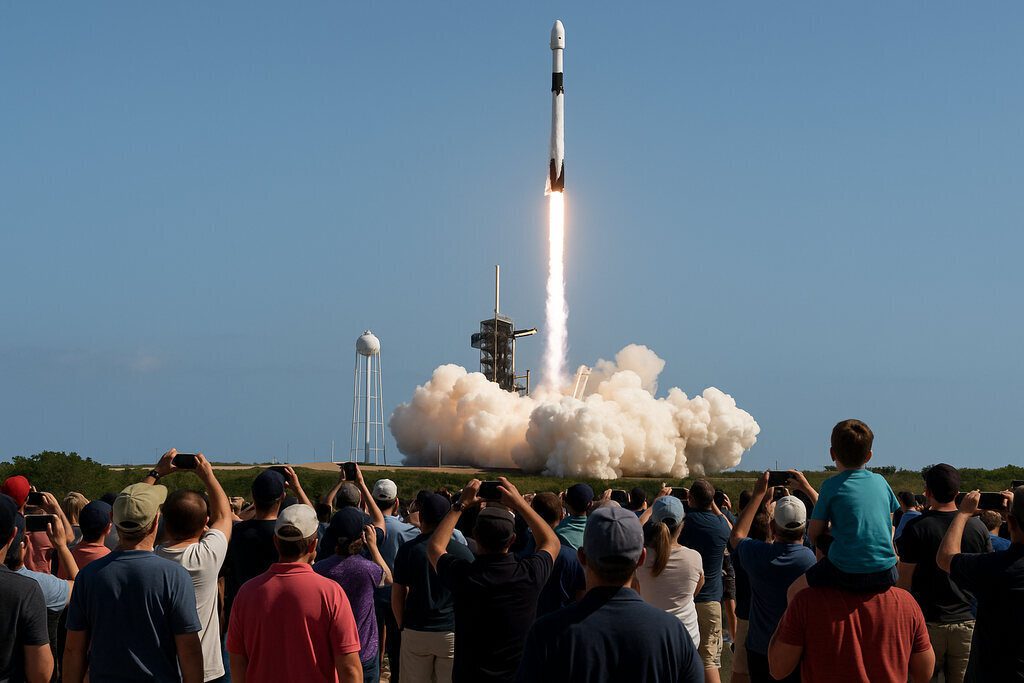
Dragon launches attract millions of viewers online. People follow astronauts’ stories on social media and feel inspired by their journeys. This excitement encourages students to study science and motivates adults to support space programs. When people see that private citizens can fly to space, the idea becomes more relatable. Dragon helps keep space exploration alive in the public imagination, inspiring future explorers.
15. A Future Where Space Is For Everyone

SpaceX’s Dragon is more than just a spacecraft—it’s a symbol of progress. By lowering costs, improving safety, and opening space to new groups, Dragon is building a future where space travel is possible for many, not just a few. Each mission brings us closer to a world where scientists, tourists, teachers, and curious dreamers can experience space firsthand. Dragon is helping turn humanity’s biggest dream into a reachable reality.