
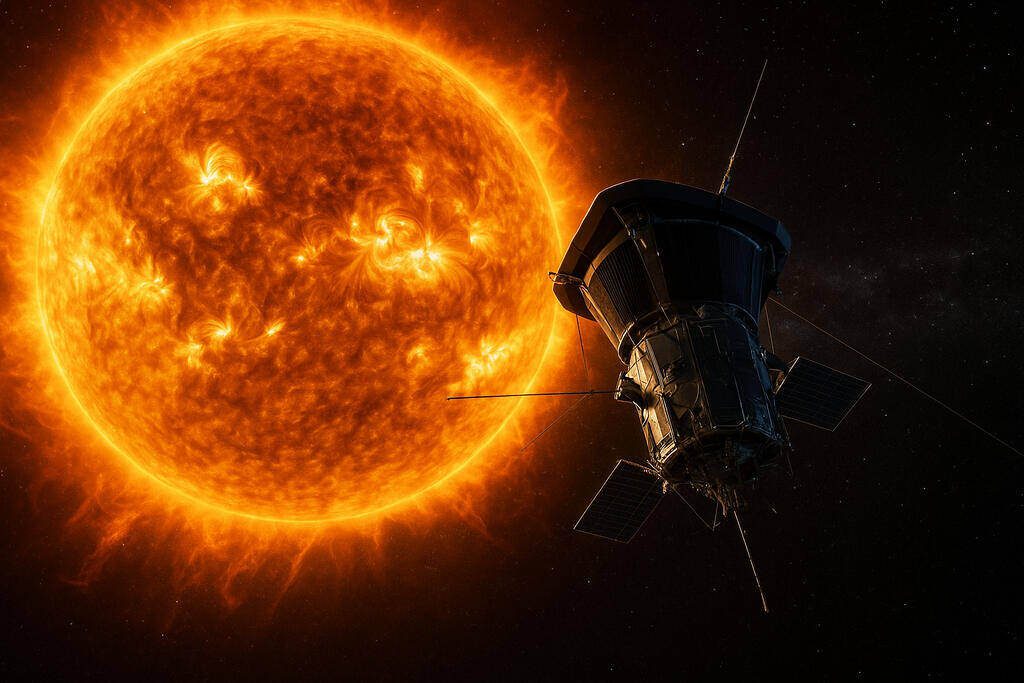
The Sun sits at the centre of our solar system, shaping our weather, powering life, and guiding every planet. Yet for most of history, we’ve only been able to study it from a safe distance. NASA’s Parker Solar Probe is changing that. It’s the first spacecraft brave enough to fly directly into the Sun’s outer atmosphere.
By getting closer than any mission before, it’s uncovering secrets that affect our technology, our safety, and our understanding of space. Let’s explore how this tiny spacecraft is rewriting what we know about our biggest and brightest neighbour.
1. The Mission That Gets Closer Than Ever

The Parker Solar Probe is the closest any spacecraft has ever gotten to the Sun. Previous missions stayed far away to avoid extreme heat, but Parker was built for danger. It orbits the Sun in loops, each time getting a little closer. At its nearest point, it flies only a few million kilometres above the Sun’s surface—closer than Mercury.
This distance allows it to measure particles, magnetic fields, and radiation directly. Getting this close opens doors to understanding how the Sun works at its core. Parker isn’t observing from afar; it’s flying inside the Sun’s atmosphere itself. This one-of-a-kind closeness is what makes the mission groundbreaking.
2. Why NASA Wanted to Study the Sun Up Close
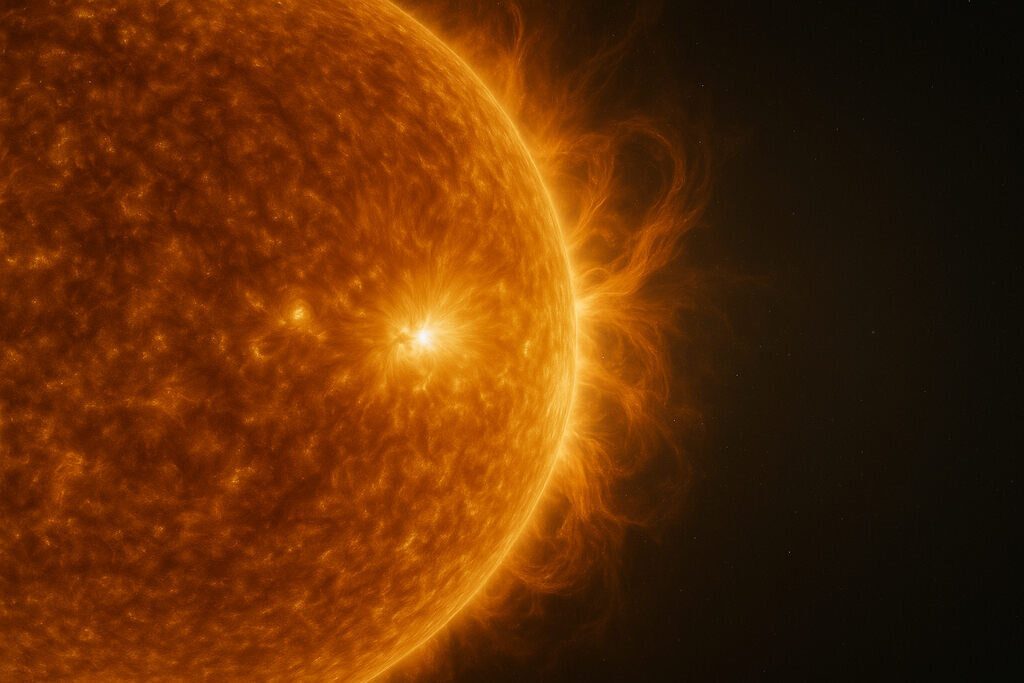
The Sun affects everything—from radio signals to satellite operations. Solar storms can disrupt power grids, GPS systems, and even airline communication. NASA wants to study these solar events at their source to predict them more accurately. Scientists have long wondered why the Sun’s atmosphere is far hotter than its surface and how solar particles escape into space.
These questions can only be answered by getting close enough to sample the Sun’s environment directly. Parker helps us understand how solar activity influences Earth, helping protect modern technology. It also teaches us how stars behave, giving clues about the universe beyond our solar system.
3. The Heat Shield That Makes the Mission Possible
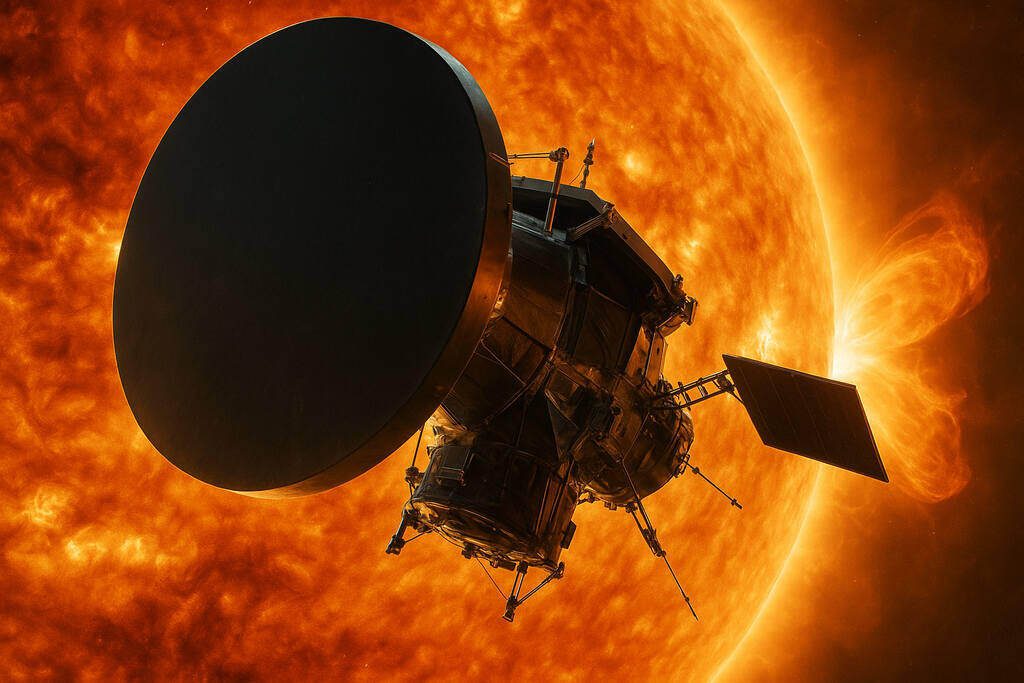
One of the most impressive parts of the probe is its giant heat shield, called the Thermal Protection System. This shield faces the Sun at all times. Even when temperatures outside reach over 1,300°C, the inside stays cool—about room temperature. The shield is made of carbon foam and carbon plates, materials strong enough to handle intense heat without melting.
This simple-but-powerful design lets the spacecraft survive conditions no other mission has ever faced. Without the heat shield, the probe would burn up instantly. It’s a perfect example of how smart engineering can turn impossible missions into achievable ones.
4. Using Venus to Slow Down and Get Closer
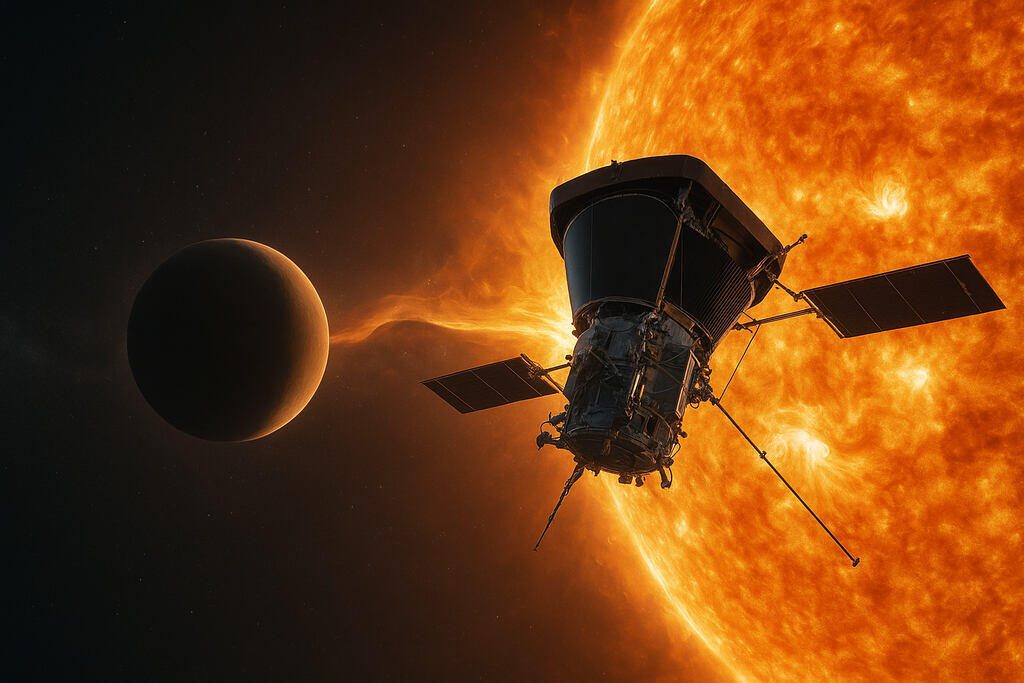
Getting closer to the Sun sounds like speeding up, but Parker actually needs to slow down. If it approached the Sun directly, gravity would pull it in too fast. NASA solves this by using Venus for “gravity assists.” Each time the probe passes Venus, the planet’s gravity helps reduce its speed a bit. This allows Parker to spiral gradually inward.
Over several flybys, its orbit tightens, bringing it closer to the Sun than any mission in history. Gravity assists save fuel and allow long-term exploration. Without Venus, Parker would never reach the distances needed to gather groundbreaking data.
5. Entering the Sun’s Atmosphere—The Corona
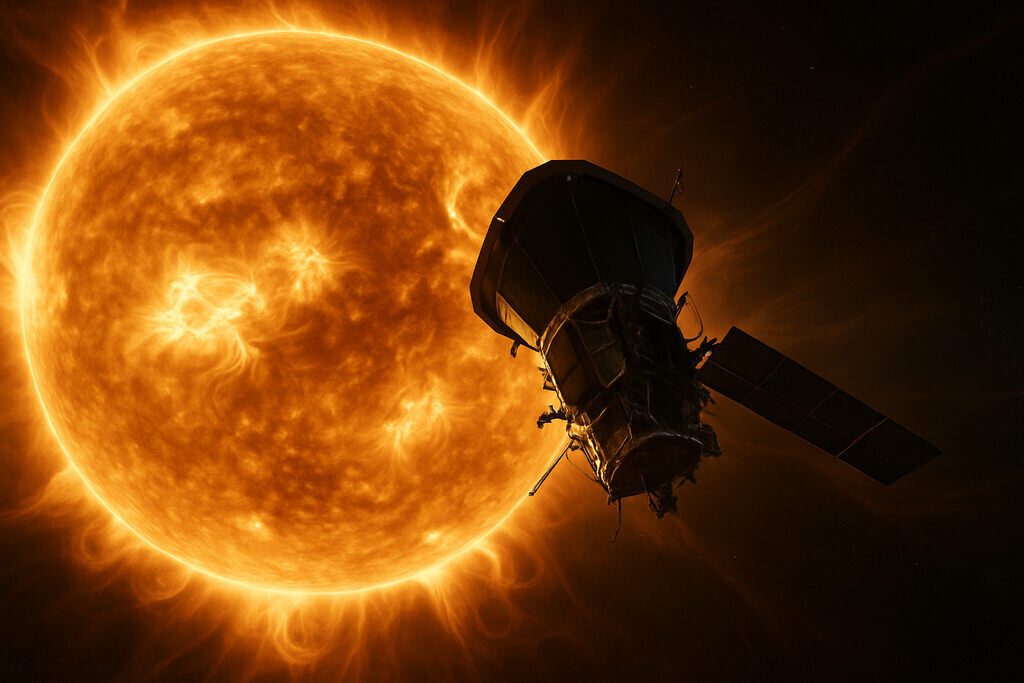
The Sun’s atmosphere, called the corona, is a mysterious region filled with hot gases, radiation, and magnetic activity. It is millions of degrees hotter than the Sun’s surface—something scientists have struggled to explain for decades. Parker became the first spacecraft to actually enter the corona.
Inside this region, it measures solar particles, waves, and magnetic fields directly. This firsthand data helps explain how the corona is heated and why solar wind accelerates as it leaves the Sun. Entering the corona is like stepping into the engine room of the Sun and watching how all the systems work together.
6. Understanding Solar Wind at the Source
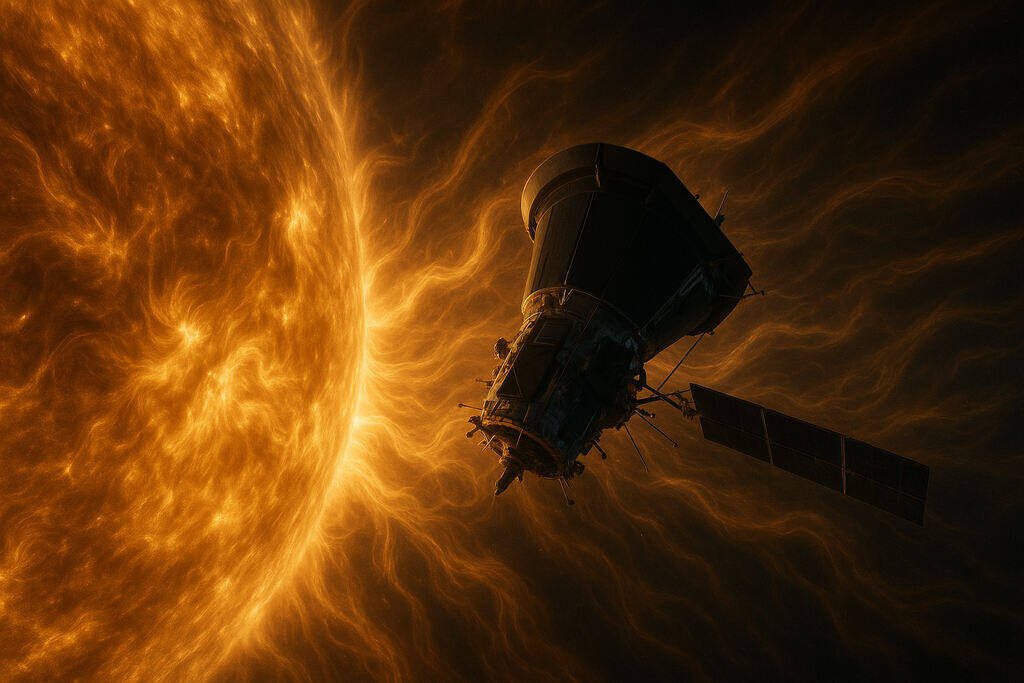
Solar wind is a constant stream of charged particles flowing from the Sun into space. It shapes Earth’s magnetic environment and can trigger auroras. But scientists didn’t know exactly how or where it began. Parker’s close-up measurements show that solar wind starts in bursts and waves within the corona.
Tiny jets of energy push particles outward, eventually forming the streams we detect near Earth. These discoveries help scientists predict how solar wind behaves and protect satellites and spacecraft from potential damage. Understanding solar wind is essential for both science and the future of human space travel.
7. The Mystery of the Sun’s Magnetic Fields

The Sun’s magnetic fields control many of its behaviours—sunspots, flares, and massive energy eruptions. But until Parker, scientists could only observe them from afar. By flying inside the corona, the probe collects direct measurements of these fields. It reveals how they twist, reconnect, and release energy.
One of Parker’s major discoveries is the presence of rapid, unexpected flips in the magnetic field—something scientists call “switchbacks.” These flips may explain how solar wind gets accelerated. Understanding magnetic fields helps us forecast space weather and protect technology on Earth. Parker’s data is helping fill in major gaps in solar physics.
8. Discovering Switchbacks—One of Parker’s Biggest Surprises

Switchbacks are sudden zigzag-like changes in the direction of the solar wind’s magnetic field. Before Parker, scientists only guessed they existed. Now, Parker has shown they are common and powerful. These switchbacks likely come from magnetic field lines snapping and reconnecting near the Sun.
This motion releases bursts of energy that push solar wind particles outward. Switchbacks might be the key to explaining why the corona is so hot and why solar wind speeds vary. This discovery alone has changed how scientists think about the Sun’s atmosphere and energy flow.
9. Solving the Mystery of the Corona’s Extreme Heat
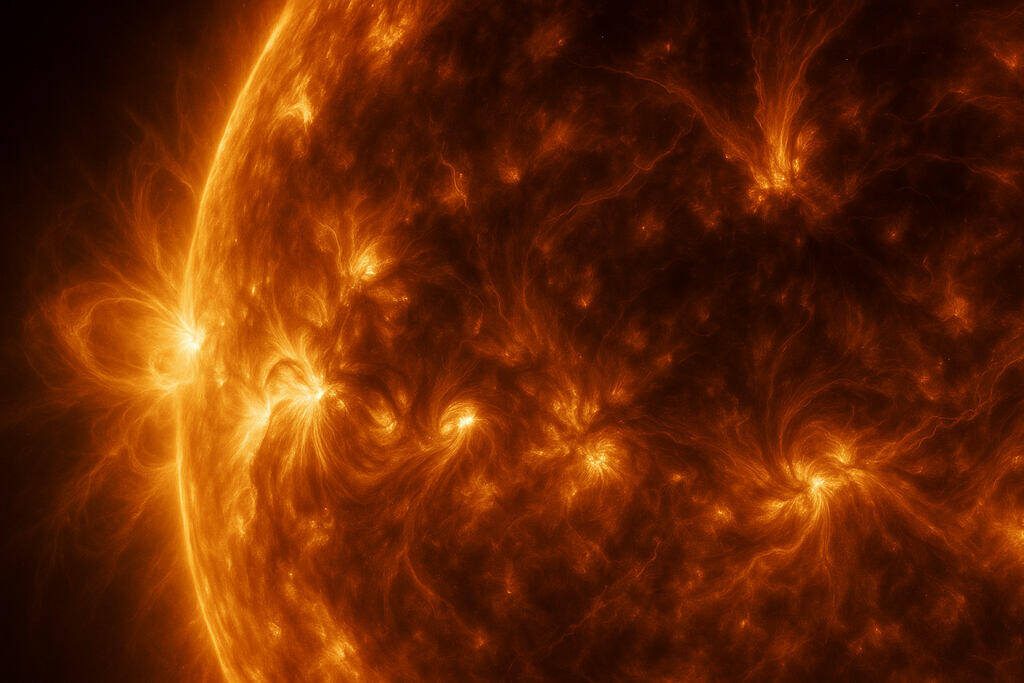
One of the oldest solar mysteries is why the corona is hotter than the Sun’s visible surface. It seems impossible—how can the atmosphere be hotter than the actual star beneath it? Parker’s data suggests the answer lies in magnetic waves and switchbacks. These waves shake and twist magnetic field lines, releasing large amounts of energy.
Instead of cooling as it gets farther from the surface, the corona gets heated by this constant activity. Parker’s close-up measurements give scientists the clearest evidence yet that magnetic motion, not sunlight, causes the corona’s extreme temperatures.
10. Tracking Solar Storms Before They Reach Earth
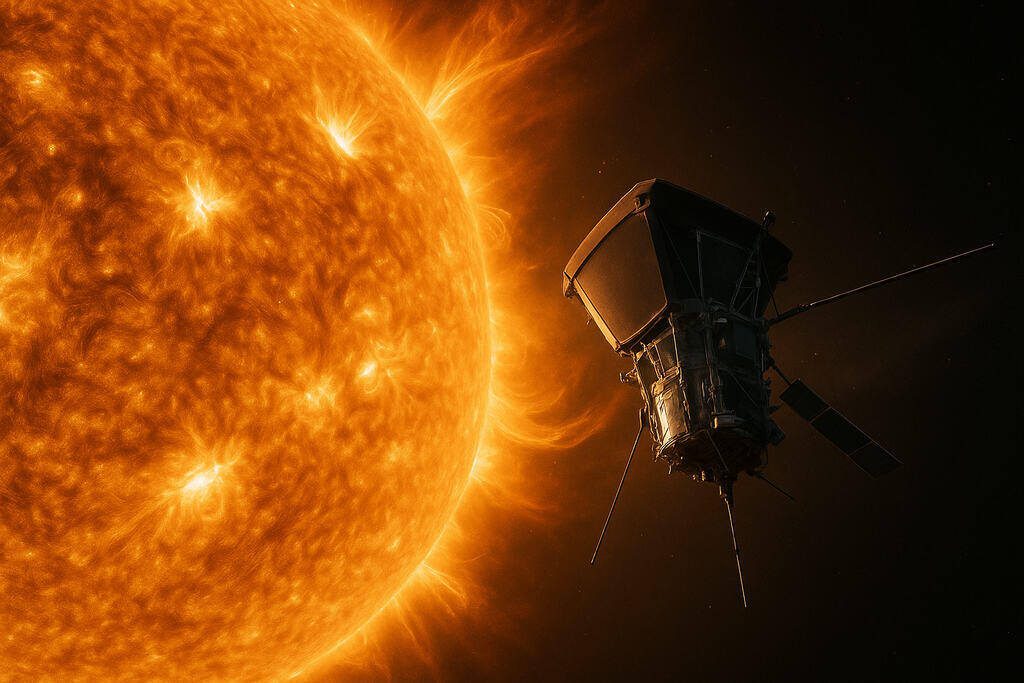
Solar storms happen when the Sun releases sudden bursts of energy and charged particles. These storms can disrupt GPS signals, affect radio communication, and damage satellites. Parker studies these storms near their origin, giving scientists earlier and more accurate data.
The closer we observe the storm’s beginning, the better we can predict its path. This helps protect power grids, communication systems, and even astronauts in space. Parker plays an essential role in improving space-weather forecasts—a growing need as our world relies more on technology.
11. Mapping Dust-Free Zones Around the Sun

Another unexpected discovery from Parker is the presence of dust-free areas near the Sun. Space around our solar system is filled with tiny dust particles from comets and asteroids. Scientists long believed that near the Sun, this dust should vaporise—but they had never proved it.
Parker’s measurements confirm that the intense heat destroys dust particles, creating a clearer, dust-free region. This discovery helps scientists understand how dust moves through space and how sunlight affects it. It also provides clues about how early planets formed in the young solar system.
12. How This Mission Helps Future Space Travel
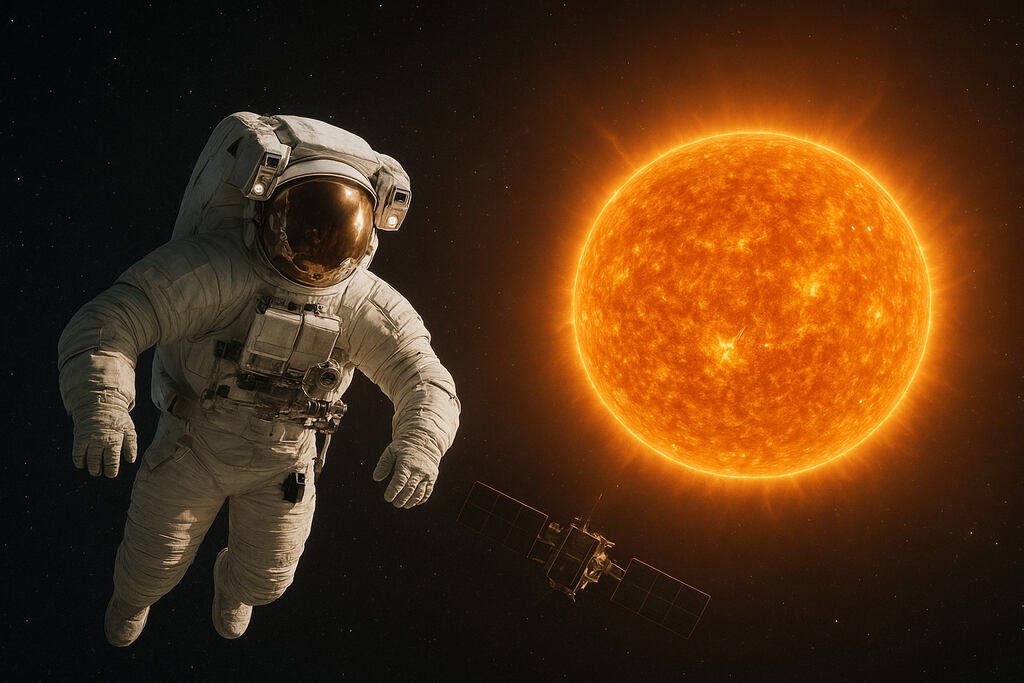
Future astronauts heading to the Moon, Mars, or beyond will face dangers from radiation and solar storms. Parker’s discoveries help scientists design better shielding and safer mission plans. By understanding solar wind and magnetic fields, engineers can build spacecraft that resist space weather.
This mission also helps future explorers know when to avoid dangerous solar events. Parker’s data is shaping the next generation of space travel, making deep-space missions safer and more reliable. It’s preparing us for the day humans travel deeper into the solar system.
13. The Fastest Human-Made Object Ever
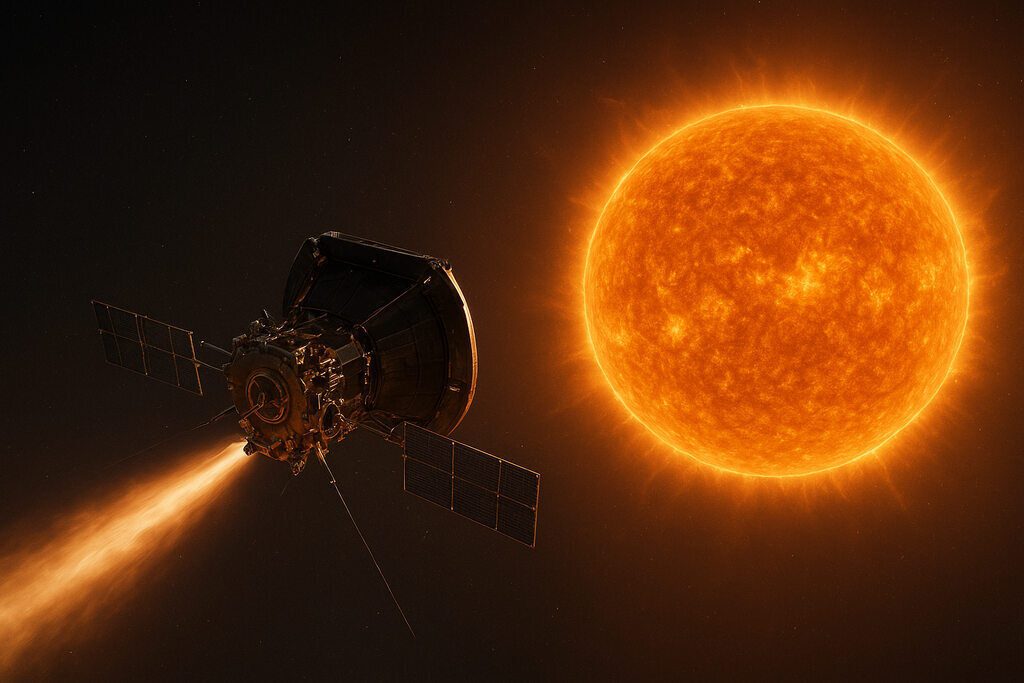
As Parker gets closer to the Sun, it speeds up dramatically. At its fastest, it travels nearly 700,000 kilometres per hour—faster than any spacecraft in history. This incredible speed is necessary to maintain its orbit and survive the Sun’s pull. For comparison, Parker could travel from New York to Tokyo in less than a minute! This speed helps it collect data in different regions quickly and repeatedly. Each orbit gives scientists more detailed information, making the mission even more valuable.
14. What the Mission Still Has Left to Discover

Parker’s journey isn’t over. With every orbit, it dives deeper into the Sun’s atmosphere. Scientists expect even more discoveries about magnetic fields, particle movement, and solar heating. Future flybys will let Parker reach record-breaking closeness to the Sun. The data collected in the coming years may answer questions we haven’t even thought to ask yet. As the spacecraft continues its mission, researchers around the world eagerly wait for each new download of information.
15. A Mission That Changes How We See Our Star
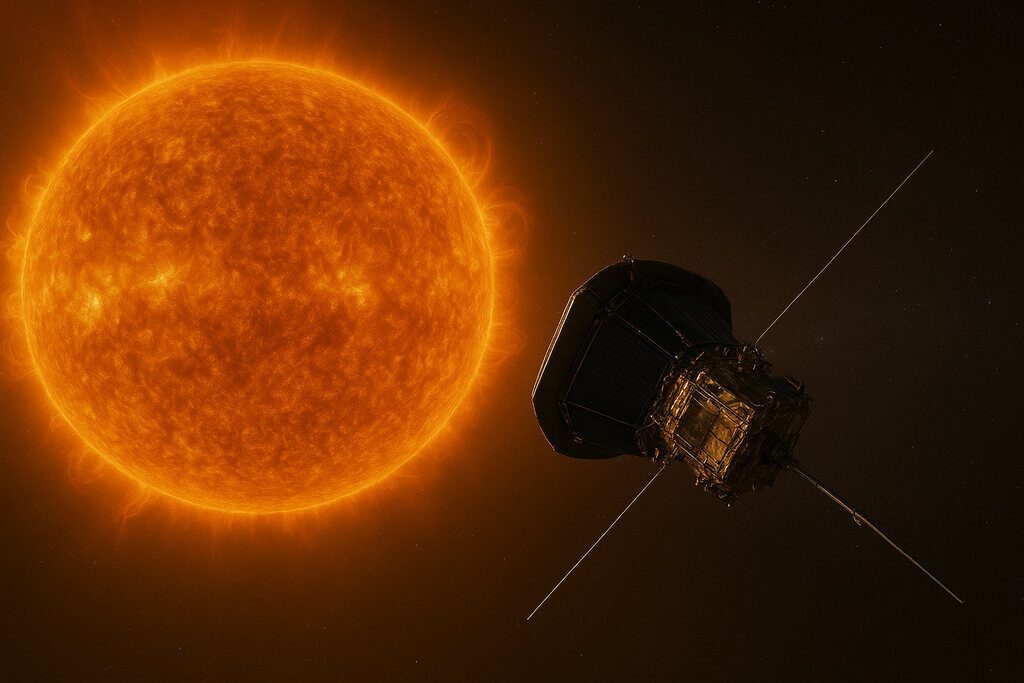
The Parker Solar Probe represents a bold step forward in our understanding of the Sun. By flying where no spacecraft has ever flown it reveals how solar energy shapes our world and the wider universe. Its discoveries help protect technology, guide future space missions, and deepen our knowledge of the star that gives us life. Parker shows what humanity can achieve when curiosity meets innovation. The mission reminds us that even the most familiar objects—like the Sun—still hold mysteries waiting to be uncovered.