
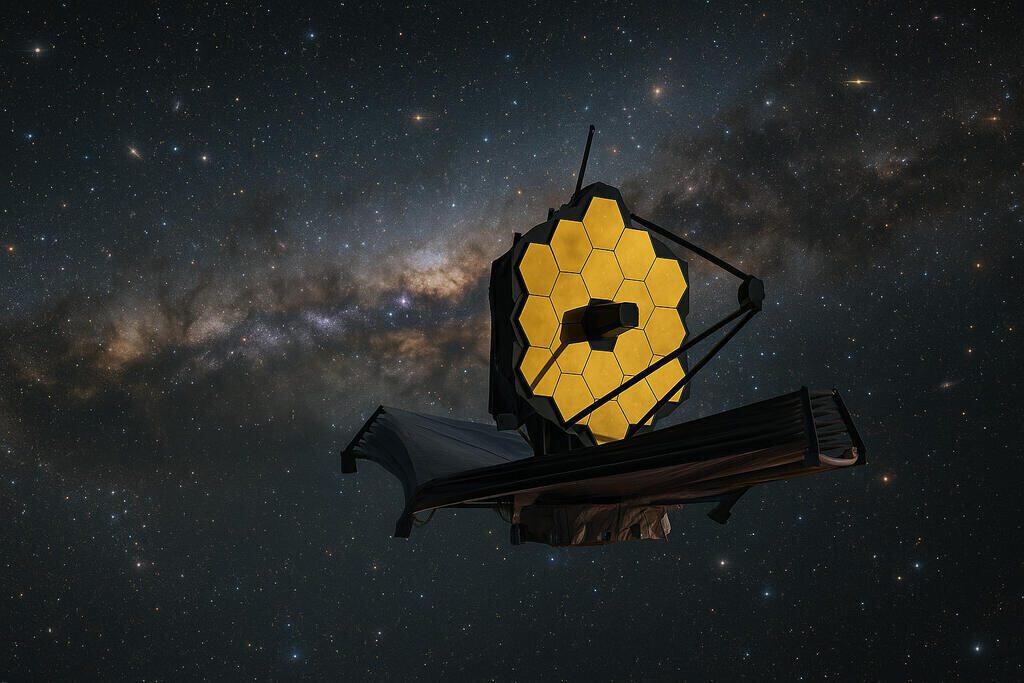
When NASA launched the James Webb Space Telescope (JWST) in December 2021, it wasn’t just another space mission—it was humanity’s new pair of eyes. Imagine a telescope so powerful it can look back in time, seeing the first stars and galaxies that ever existed.
That’s what Webb is doing right now. From distant galaxies to hidden planets, it’s rewriting what we thought we knew about space. In this article, we’ll explore 15 incredible ways JWST is transforming our understanding of the universe—and why it’s inspiring a new generation of dreamers and explorers.
1. Looking Back in Time

The James Webb Space Telescope doesn’t just look at distant stars—it looks back billions of years into the past. Because light takes time to travel, when Webb captures light from a galaxy 13 billion light-years away, it’s seeing that galaxy as it was 13 billion years ago.
This ability makes Webb a true time machine. Scientists can now study how the first galaxies formed after the Big Bang, helping us understand how our own Milky Way came to be. It’s like flipping through the universe’s oldest photo album and finding the first snapshots of creation itself.
2. Seeing the Universe in Infrared
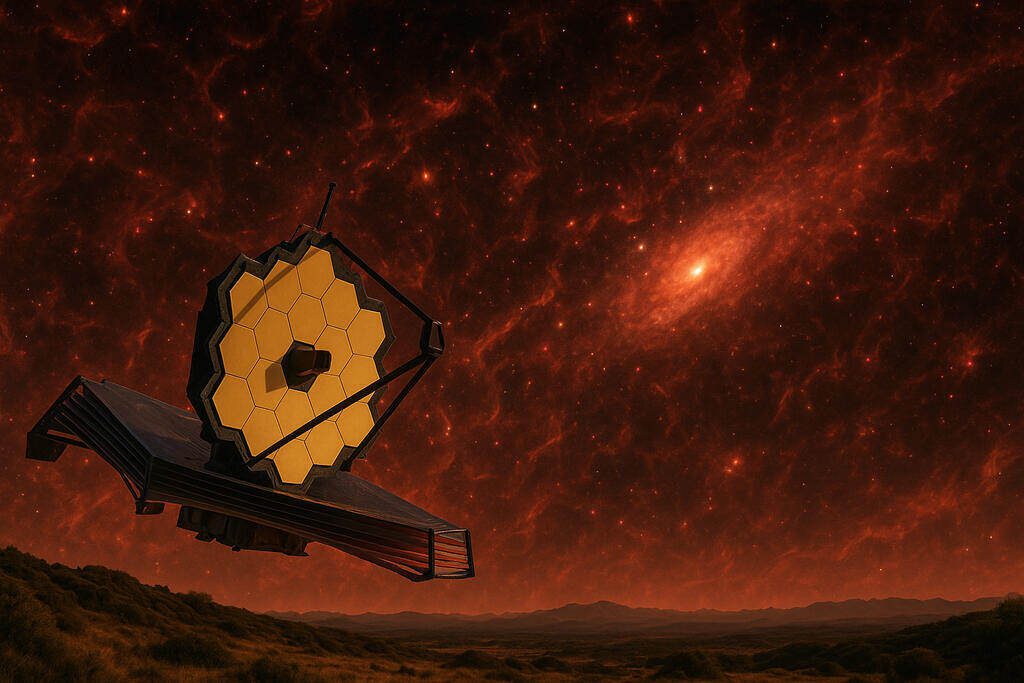
Unlike the Hubble Telescope, which sees mostly visible light, Webb uses infrared technology. This means it can see through cosmic dust that hides young stars and planets. Infrared light also stretches as the universe expands, so Webb can detect faint, ancient light that other telescopes miss.
This feature allows scientists to study areas of space that were once completely invisible. Imagine being able to see through fog—suddenly, hidden worlds appear. Webb’s infrared eyes are revealing new details about how stars and galaxies are born, live, and eventually die.
3. Revealing the First Galaxies
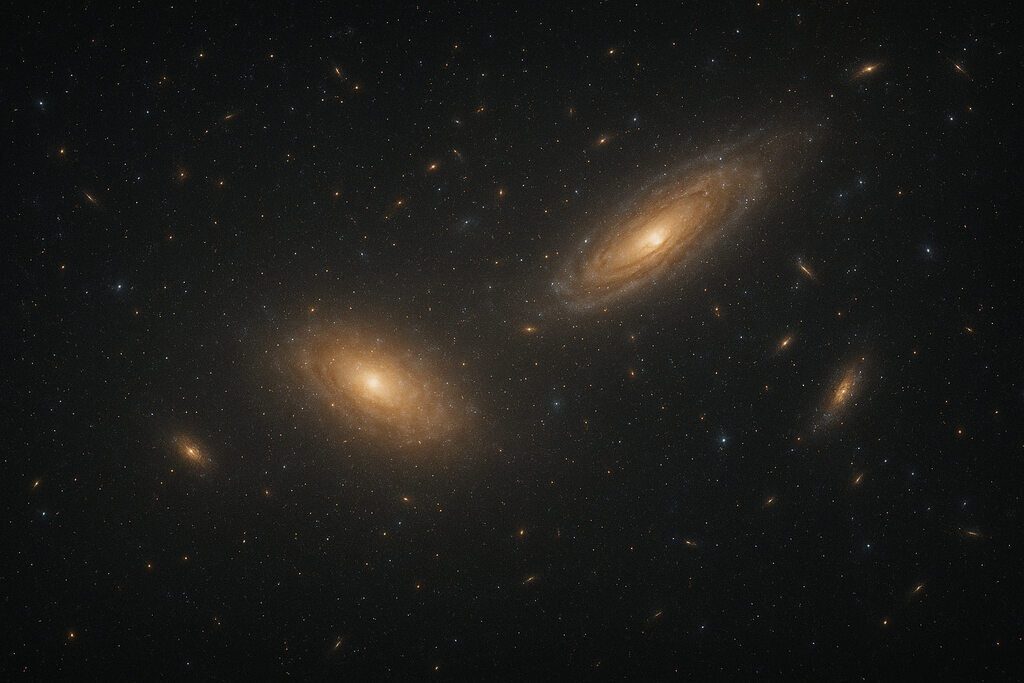
One of Webb’s most breathtaking achievements is capturing images of the earliest galaxies ever formed—some just a few hundred million years after the Big Bang. These galaxies are surprisingly complex, showing that the early universe wasn’t as chaotic as scientists once thought.
They even contain heavy elements, meaning stars lived and died quickly, enriching their surroundings. This finding changes how we view cosmic evolution. It tells us that galaxies grew faster and smarter than expected, rewriting the timeline of how structure and order emerged in the universe.
4. Discovering Exoplanet Atmospheres
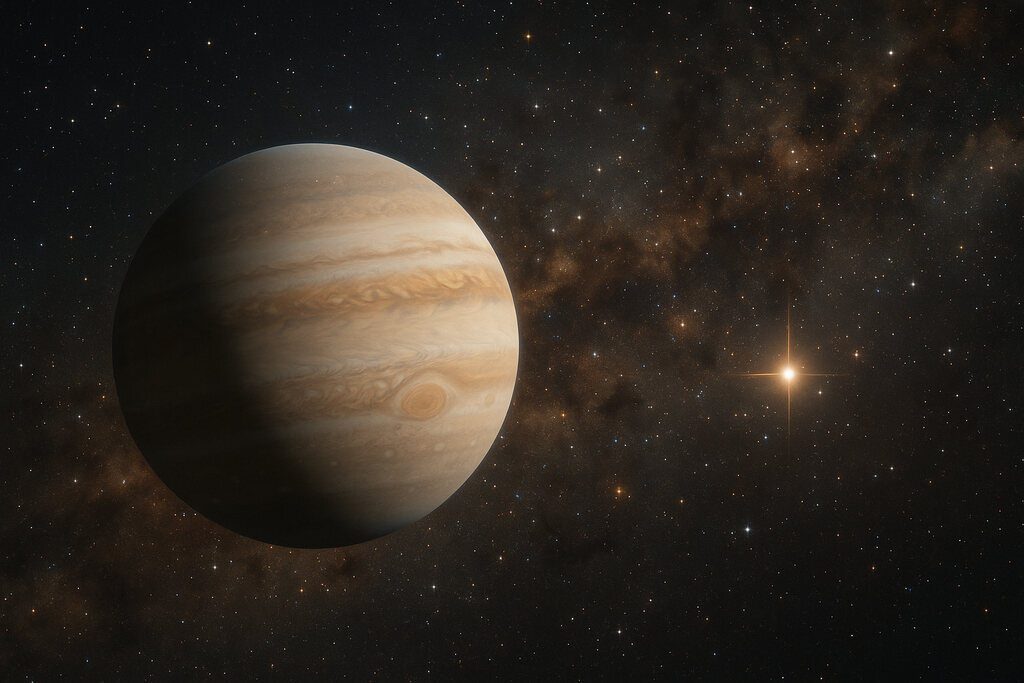
Webb is not just peering into deep space—it’s also studying planets orbiting other stars. Using its powerful spectrograph, it can detect gases like water vapor, carbon dioxide, and methane in distant exoplanet atmospheres. These molecules could indicate whether a planet might support life.
Already, Webb has detected water in exoplanets hundreds of light-years away. Imagine that—a telescope so sensitive it can “sniff” the air of alien worlds. It’s the first step toward answering one of humanity’s oldest questions: Are we alone in the universe?
5. Studying the Birth of Stars

Webb’s infrared vision allows it to see deep into star-forming regions cloaked in dust. These cosmic nurseries, like the famous “Pillars of Creation,” are now visible in stunning detail. Scientists can watch how gas and dust collapse under gravity to form new stars, witnessing the earliest stages of stellar birth. This helps us understand where stars—and eventually planets—come from. Every star we see in the night sky once formed in a dusty cocoon like this, and Webb is finally revealing that hidden process in real time.
6. Exploring the Origins of Planets
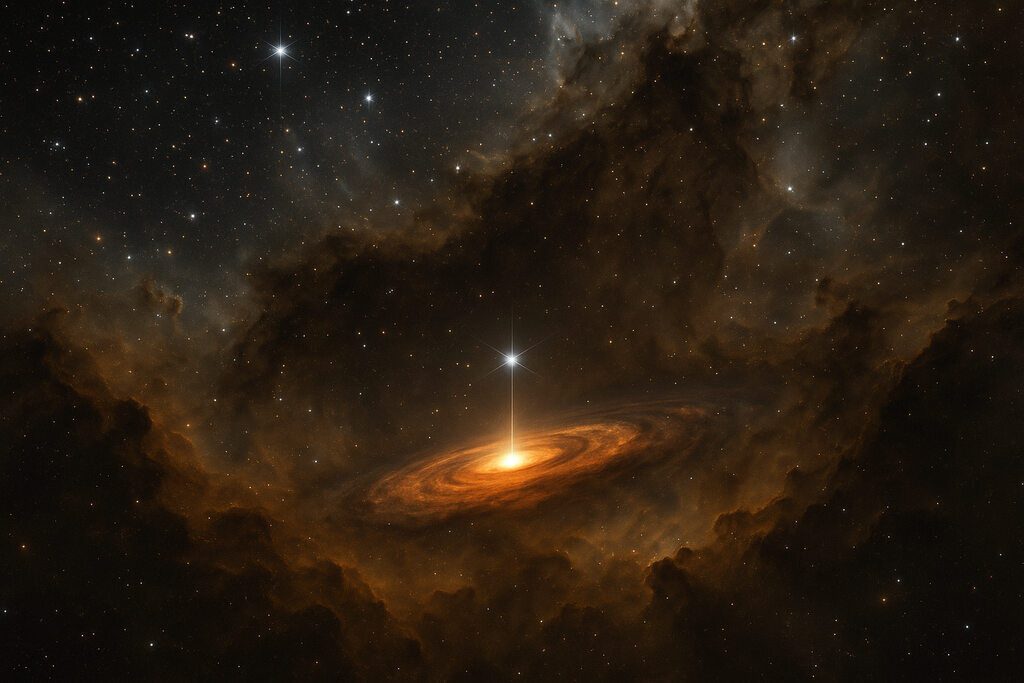
Planets are born in swirling disks of gas and dust around young stars. Before Webb, much of this process was hidden. Now, it can see the faint heat from these disks and even detect the chemical ingredients that may form planets and life. Webb’s findings suggest that many planetary systems might have the building blocks for life. Understanding this process helps us trace our own origins—how Earth formed from cosmic dust into a living world. It’s a reminder that our story began among the stars.
7. Mapping the Chemistry of the Cosmos
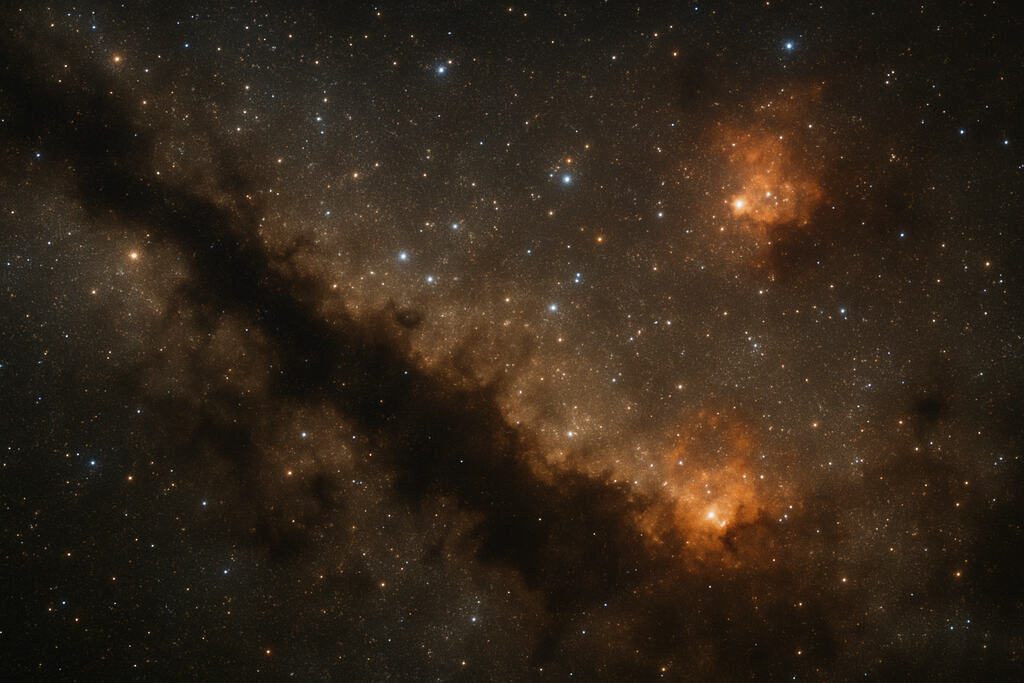
Webb can analyze the light from distant objects to reveal their chemical makeup—a bit like cosmic forensics. By studying different wavelengths, scientists can determine what elements and molecules exist in stars, planets, and galaxies. This information shows how elements like carbon, oxygen, and nitrogen—essential for life—spread across the universe. Webb is proving that the universe is a grand chemical factory, turning hydrogen into the ingredients for stars, planets, and perhaps even life itself.
8. Unveiling the Secrets of Black Holes
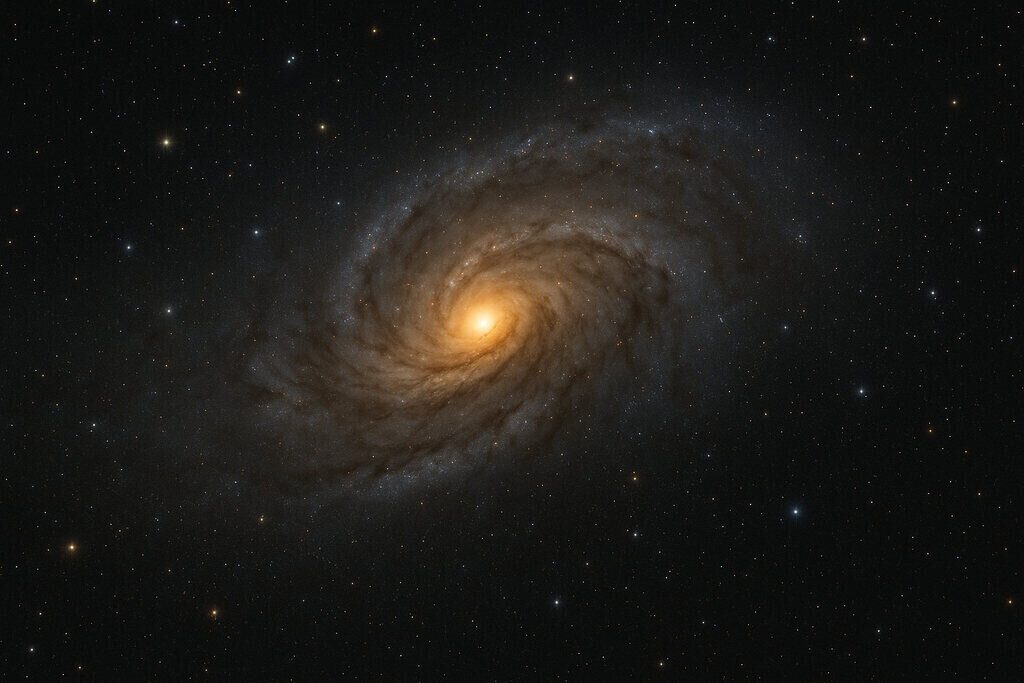
Webb is giving us a clearer view of how black holes shape the galaxies around them. In its early images, scientists found supermassive black holes already existing in very young galaxies—a huge surprise. This challenges current theories about how long it takes black holes to form.
Webb also observes how these cosmic giants pull in gas and dust, influencing star formation. By watching black holes at work, we’re learning how they both destroy and create—helping balance the cosmic ecosystem.
9. Studying Distant Supernovae
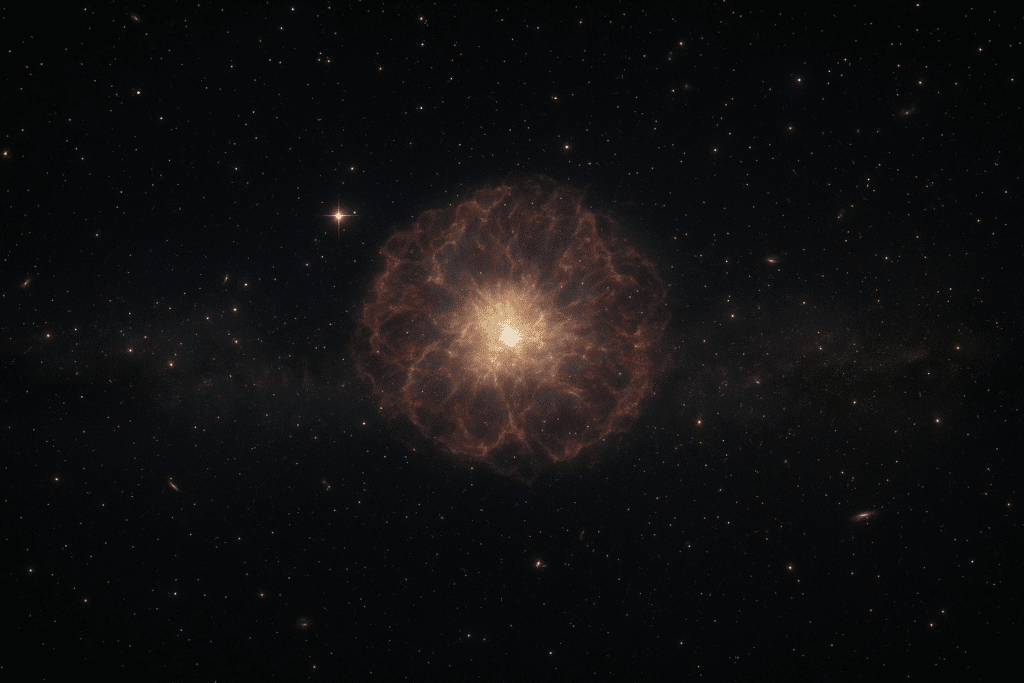
Supernovae are the dramatic deaths of massive stars, and Webb can see them happening billions of light-years away. By observing their light, astronomers learn about the life cycle of stars and how heavy elements are formed.
Supernova explosions scatter materials that later form planets and even human bodies. Webb’s data is helping us trace that story, showing how everything in existence is connected—from the life of a star to the life of a person. As Carl Sagan once said, “We are made of star stuff.”
10. Redefining Cosmic Expansion
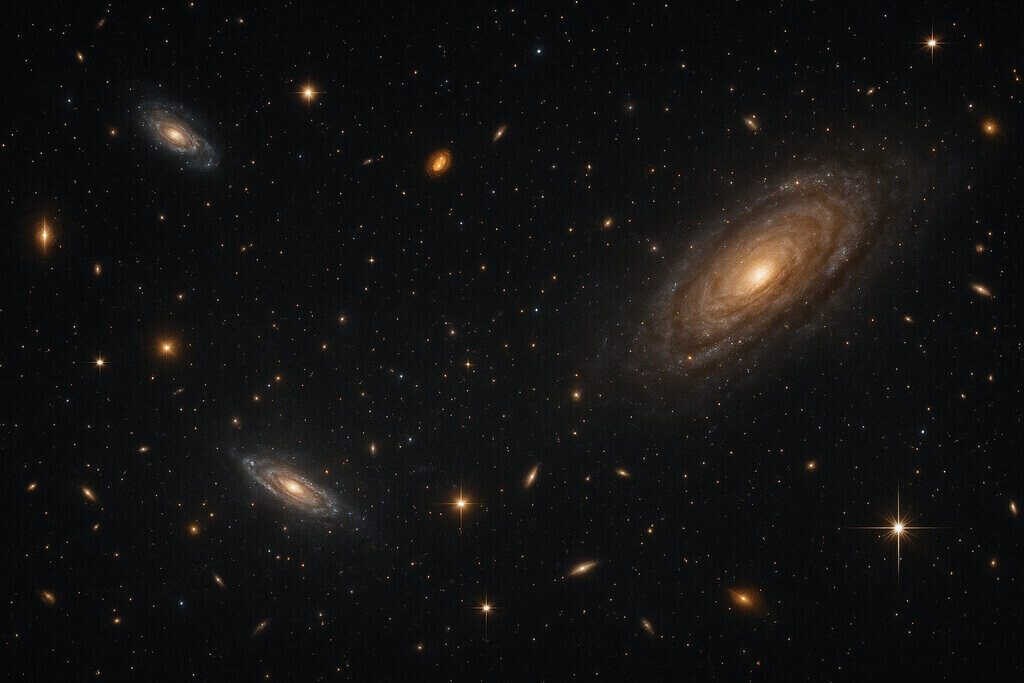
The rate at which the universe expands—called the Hubble constant—has long puzzled scientists. Webb’s precision measurements of distant galaxies and supernovae are helping refine this number. Surprisingly, the data suggest the universe may be expanding faster than expected.
If true, this could mean our understanding of physics and dark energy is incomplete. Webb is pushing scientists to rethink some of the most fundamental laws of the cosmos—proof that science is never truly settled.
11. Observing Star Death and Rebirth
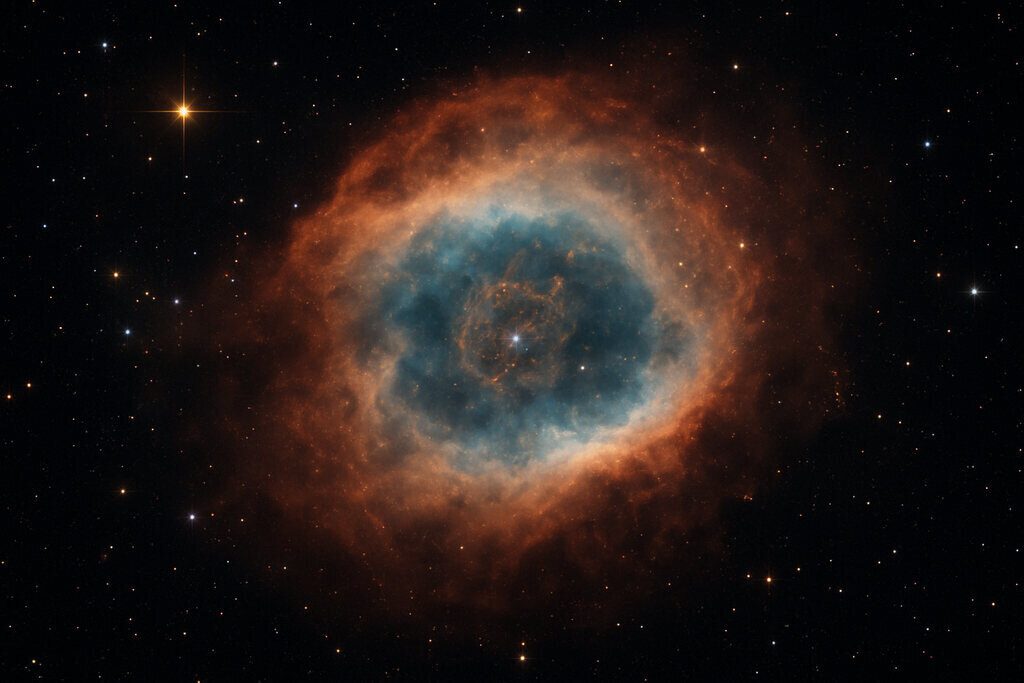
When stars die, they leave behind beautiful nebulae filled with gas and dust. Webb’s detailed images of objects like the Southern Ring Nebula reveal the final moments of stars similar to our Sun. These remnants become the raw material for new stars and planets. Webb shows us that the universe is constantly recycling itself—death giving birth to new life. It’s a comforting thought: even in the vastness of space, nothing truly ends; it just transforms.
12. Studying the Milky Way’s Hidden Regions

Our own galaxy still holds many mysteries. Webb is now exploring areas of the Milky Way that were once invisible due to dust clouds. From the galactic center to distant star clusters, Webb is helping scientists map our cosmic home with incredible detail. We’re finally seeing how stars form and move within our galaxy, deepening our understanding of where we fit in the grand structure of the cosmos.
13. Helping Understand Dark Matter and Dark Energy
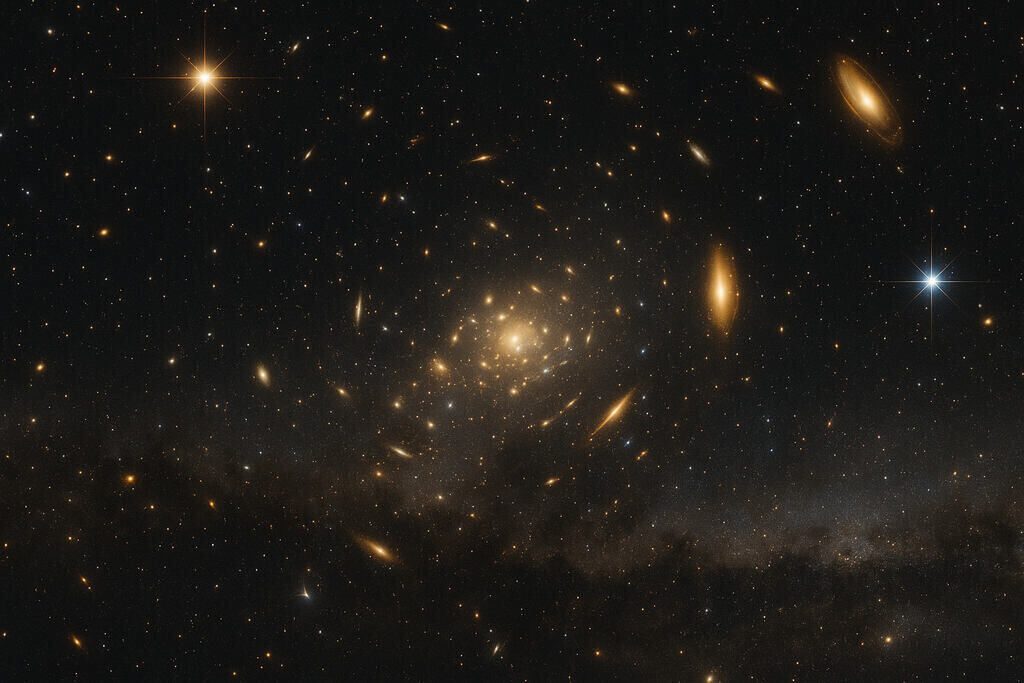
Dark matter and dark energy make up 95% of the universe, yet we can’t see them directly. Webb’s observations of galaxy clusters and gravitational lensing help scientists study how invisible forces shape cosmic structures. These insights could one day reveal what dark matter and energy really are. In many ways, Webb is shining light on the unseen—literally helping us map the invisible fabric of the universe.
14. Inspiring Future Scientists and Dreamers
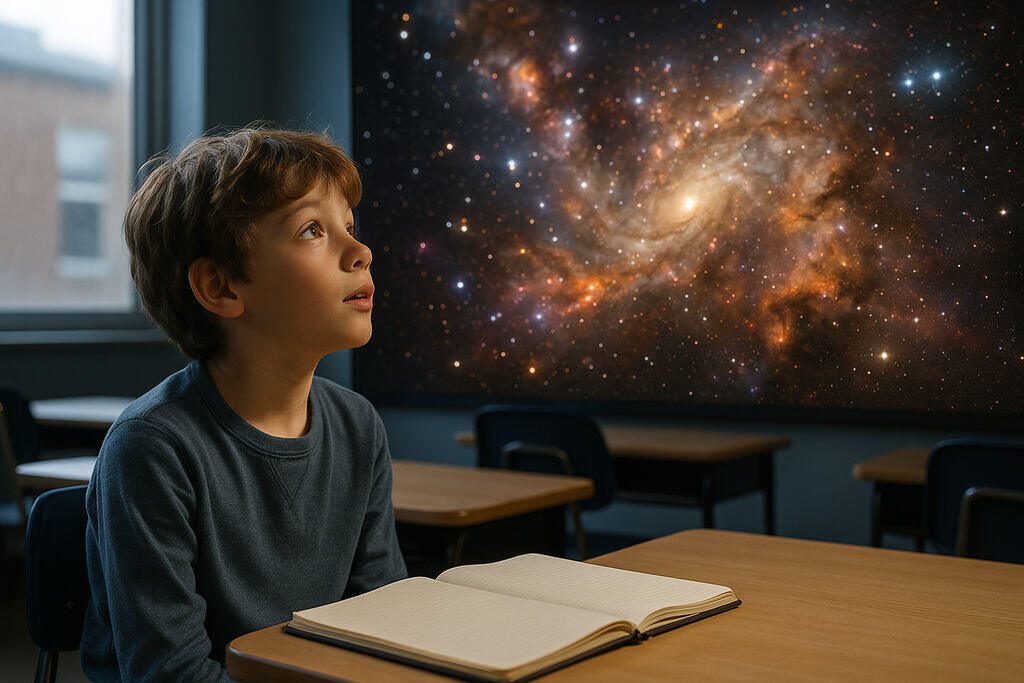
Beyond discoveries, Webb’s biggest achievement might be inspiration. Its breathtaking images remind people—especially young minds—that space exploration is still full of wonder. Around the world, students and educators are using Webb’s data to learn about science, art, and technology. It proves that curiosity can change the world. Every image Webb captures tells a story that invites the next generation to ask, “What’s out there?”
15. Redefining Humanity’s Cosmic Perspective
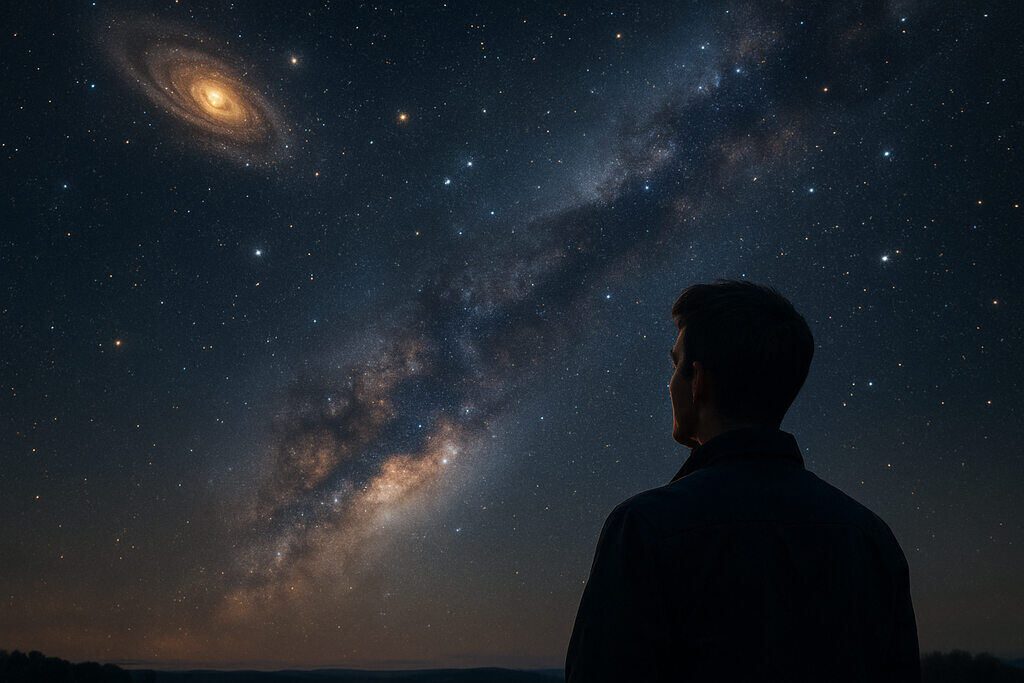
Ultimately, the James Webb Space Telescope is more than a scientific tool—it’s a mirror reflecting our place in the universe. It reminds us how small we are, yet how powerful our curiosity can be. By peering across billions of years, Webb connects us to the origins of everything we know. Each discovery challenges us to dream bigger, explore further, and never stop asking questions. The universe may be vast and mysterious, but with Webb, we’re learning it’s also beautifully within reach.