
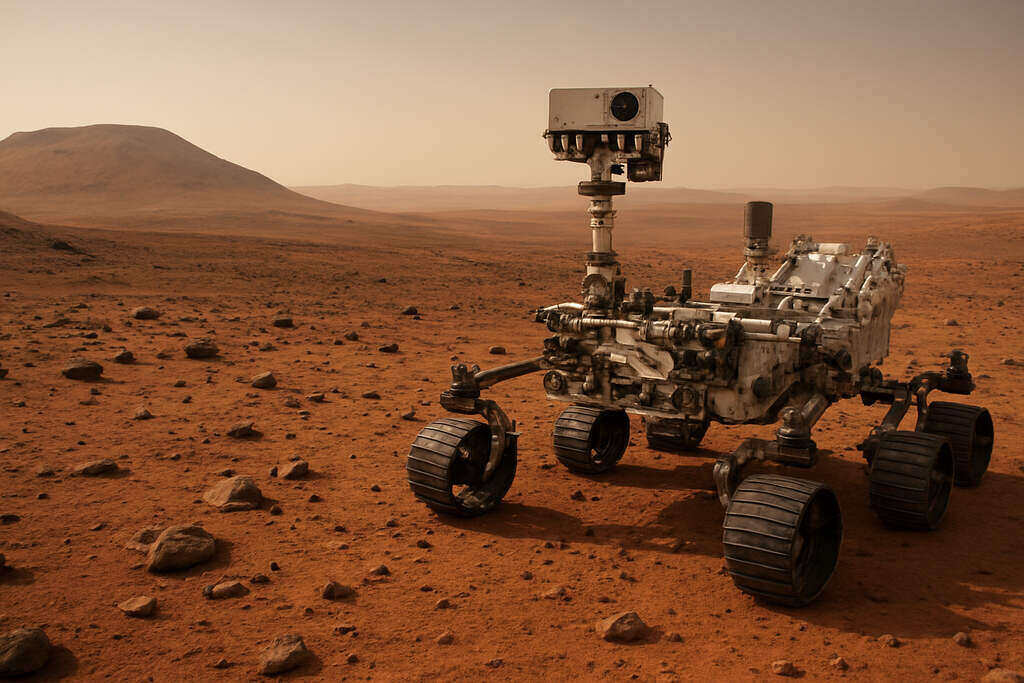
Mars has always felt like that mysterious neighbor we wave at but never truly know. But with the ExoMars mission, that could finally change. This European-led adventure isn’t just another trip to the Red Planet—it’s a mission designed to dig deeper, hunt harder, and look closer than ever before.
Think of it like finally getting the keys to a locked room we’ve wondered about for years. What ExoMars discovers could reshape everything we believe about life, history, and the future of human exploration. Let’s explore how this mission might rewrite the story of Mars.
1. A Mission Built to Find Signs of Life
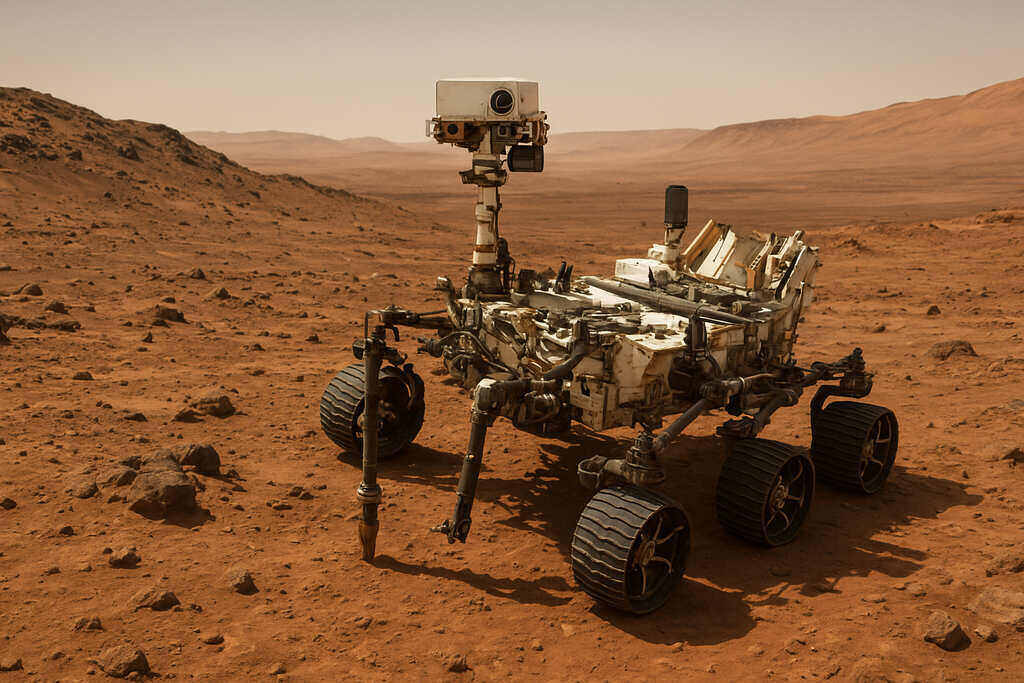
One of the boldest goals of ExoMars is its search for signs of life—past or present. Unlike previous rovers that mostly studied the surface, ExoMars goes deeper. It carries a drill capable of digging two meters below the ground, where harsh radiation hasn’t destroyed potential biological clues. Scientists believe that if life ever existed on Mars, the evidence is more likely to be preserved underground.
This mission will analyze soil samples in ways we’ve never done before, using advanced instruments to detect organic molecules, chemical patterns, and tiny structures linked to life. If ExoMars finds anything that even hints at biology, it would be one of the most important scientific discoveries in human history—changing how we see not just Mars but our place in the universe.
2. Digging Deeper Than Any Mars Rover Before
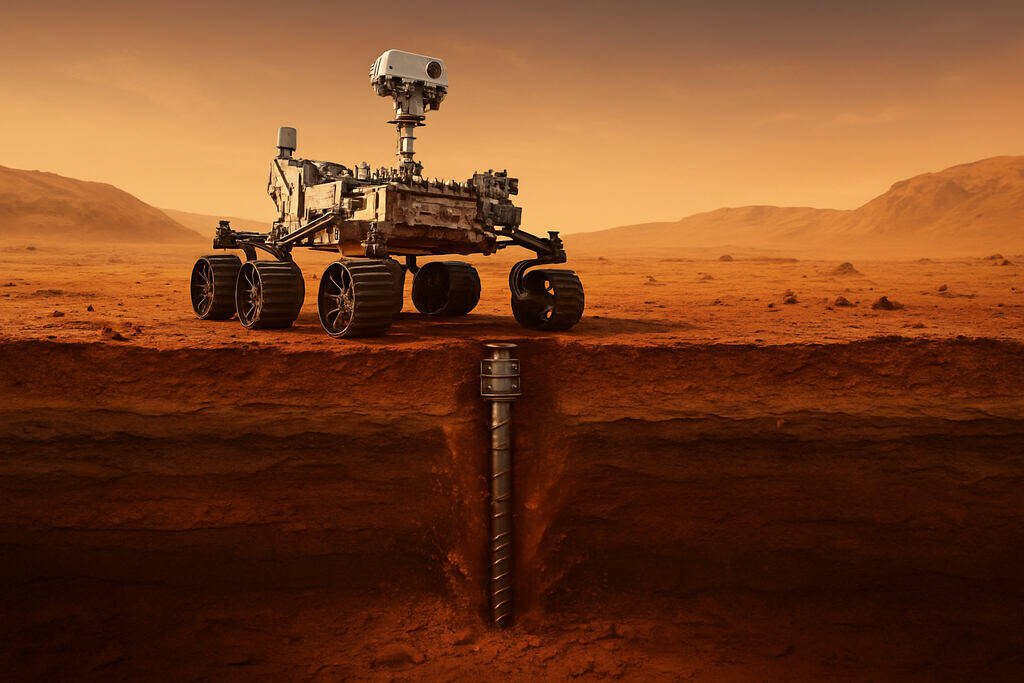
Most Mars missions only scratch the surface—literally. Dust, wind, and intense radiation destroy many clues that may once have existed on the planet’s outer layers. ExoMars is different. Its powerful drill can reach depths of 2 meters, making it the deepest digger ever sent to Mars. Why does this matter? Because underground layers act like a time capsule.
They can protect chemical signatures for billions of years. The Rover’s instruments will analyze these hidden layers, uncovering minerals created in watery environments or organic materials that never appear on the surface. This deeper digging ability gives scientists a chance to explore Mars’ more ancient, untouched history, possibly revealing periods when the planet was warmer, wetter, and far more Earth-like.
3. Understanding Mars’ Watery Past
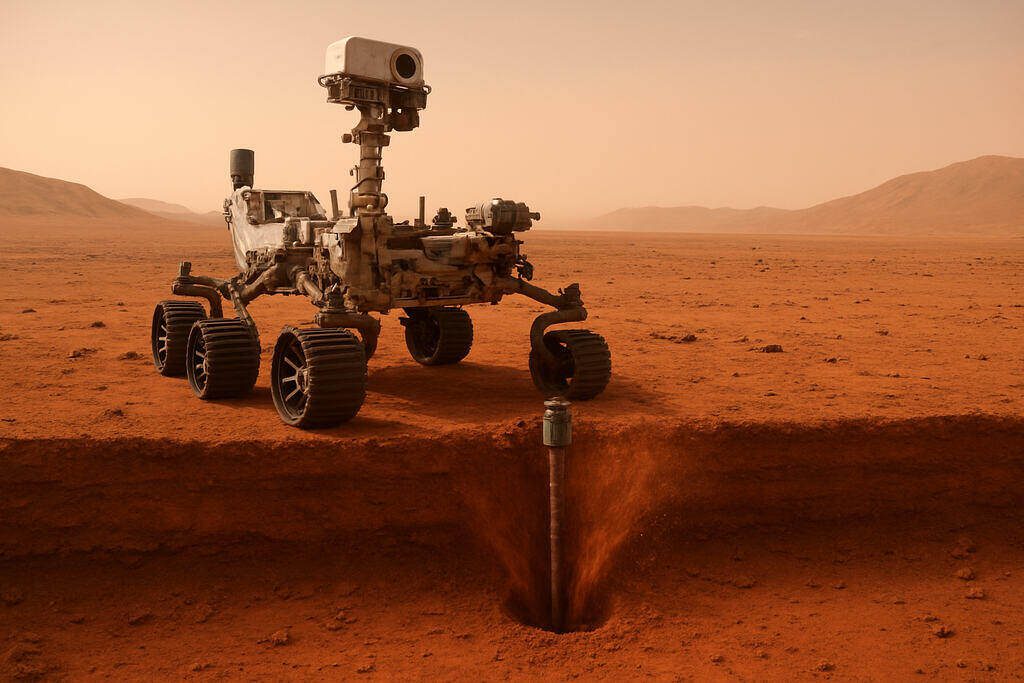
ExoMars could answer one of the longest-standing mysteries: how much water Mars once had. The rover carries tools that can study salts, hydrated minerals, and chemical fingerprints left behind by ancient lakes and rivers. By examining underground layers, it can confirm whether Mars once had stable bodies of water capable of supporting life.
These findings matter today because water tells a story—where it flowed, how long it lasted, and why it disappeared. Understanding Mars’ water cycle also helps scientists see whether conditions were ever similar to early Earth. If ExoMars proves that Mars once had long-lasting water, it strengthens the possibility that life could have developed there—and maybe still exists in protected underground pockets.
4. Revealing Mars’ Hidden Organic Chemistry
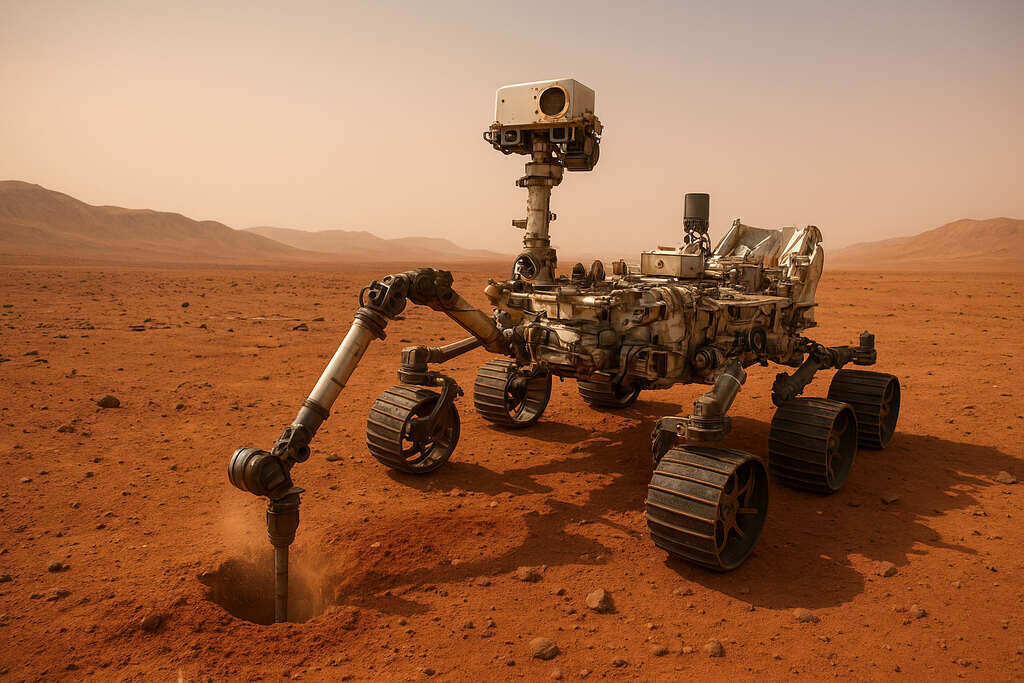
Organic molecules are the building blocks of life. They’re not proof of living organisms by themselves, but they’re an important clue. ExoMars carries specialized instruments like the Mars Organic Molecule Analyzer (MOMA), one of the most advanced chemical labs ever sent to another planet. It can detect complex organic compounds that older missions missed.
What makes MOMA special is its ability to gently heat samples or zap them with lasers, releasing tiny molecules without destroying them. These techniques allow scientists to study delicate chemical signatures with high precision. If ExoMars uncovers rich organic chemistry, it would reshape our understanding of Mars’ potential to support life and help scientists plan future missions to search even deeper.
5. Studying Mars’ Underground Radiation Shield
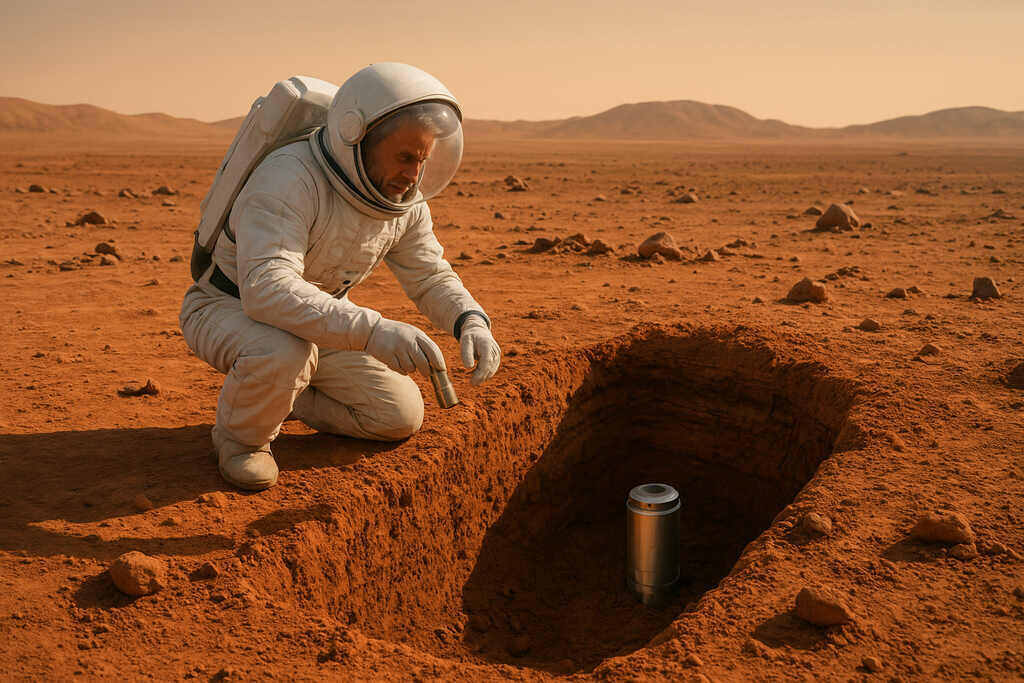
One major challenge for life on Mars is radiation. The planet lacks a strong magnetic field and thick atmosphere, leaving its surface exposed to harmful cosmic rays. But below the ground, it’s a different story. ExoMars will study how well Mars’ soil protects deeper layers from radiation.
By analyzing chemical changes in buried sediments, scientists can estimate how long potential biological molecules may have remained intact. This data is crucial not just for understanding past life, but also for future human missions. If underground areas prove to be safer environments, they could become key locations for human habitats, research bases, and long-term exploration.
6. Mapping Subsurface Ice and Water Sources
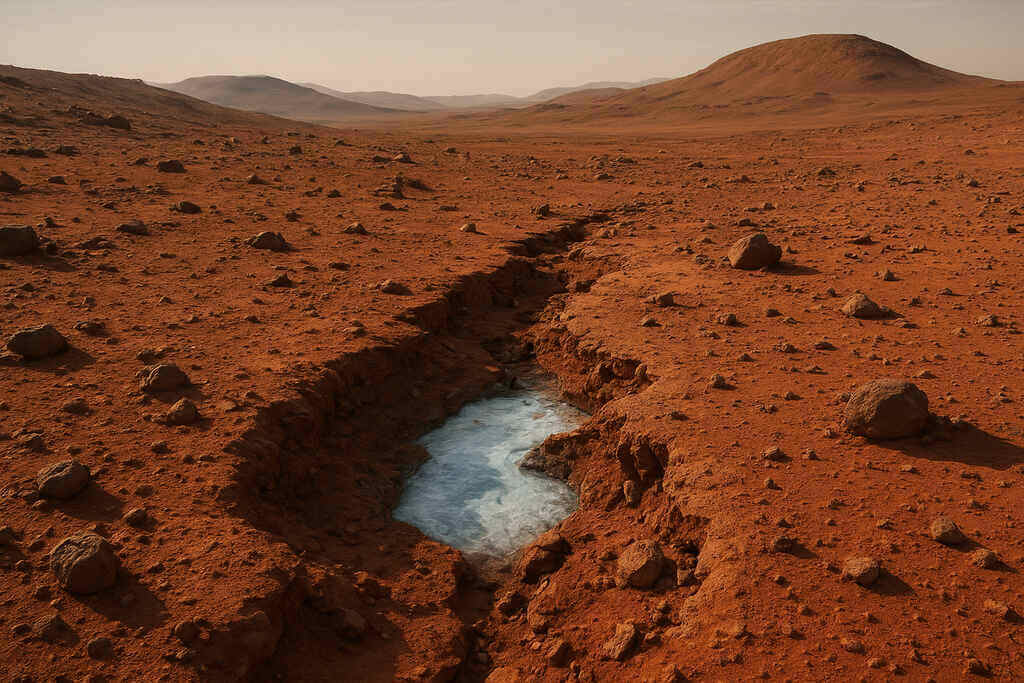
ExoMars has the ability to detect hidden ice and potential underground water sources. Using instruments that measure water-rich minerals and subsurface moisture, it can reveal frozen deposits that satellites have only hinted at. Finding underground ice is a game-changer for multiple reasons. For scientists, it confirms Mars’ past climate cycles.
For future explorers, it represents a survival resource—water for drinking, oxygen production, and even rocket fuel. If ExoMars discovers accessible ice beneath the surface, it would shift discussions about Mars colonization from imagination to serious planning. This mission may help identify the safest and most resource-rich locations for future explorers to land.
7. Redefining the Timeline of Mars’ Habitability
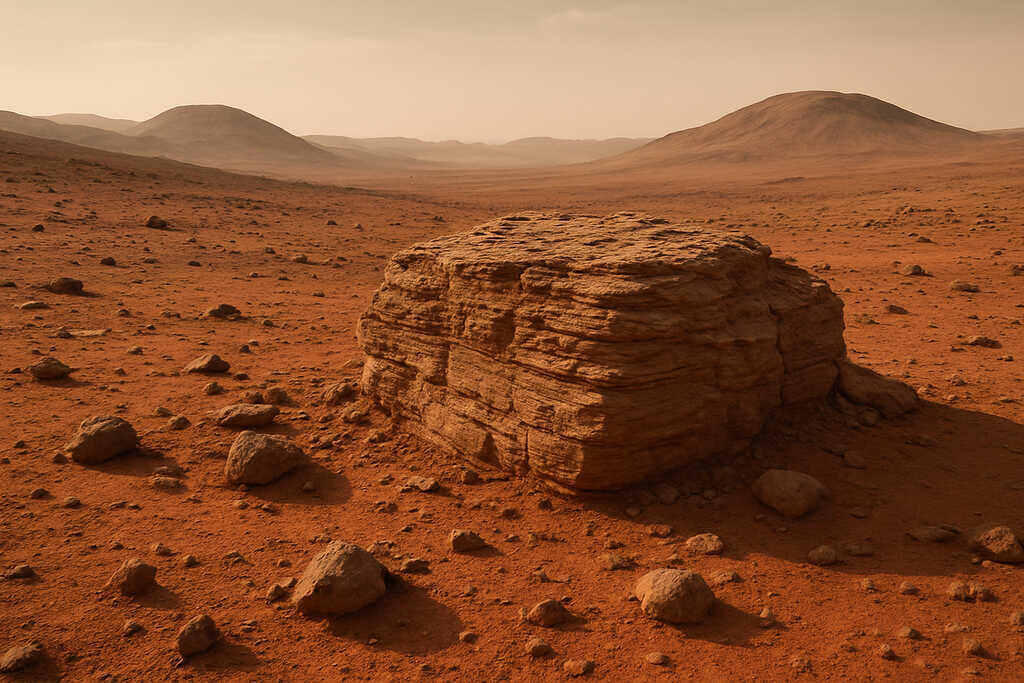
When was Mars most suitable for life? Did conditions improve or decline slowly over billions of years? ExoMars aims to answer these questions by studying ancient rocks buried beneath the surface. These rocks contain minerals that form only in wet environments. By dating these minerals and analyzing their chemistry, scientists can reconstruct the planet’s climate timeline.
If ExoMars finds evidence that Mars stayed habitable longer than we thought, it would expand the potential window for life to emerge. This could change everything about how we compare Mars to early Earth. It may also help scientists understand why Mars became cold and dry—and whether similar changes could happen to Earth.
8. Examining Minerals That Form in Water
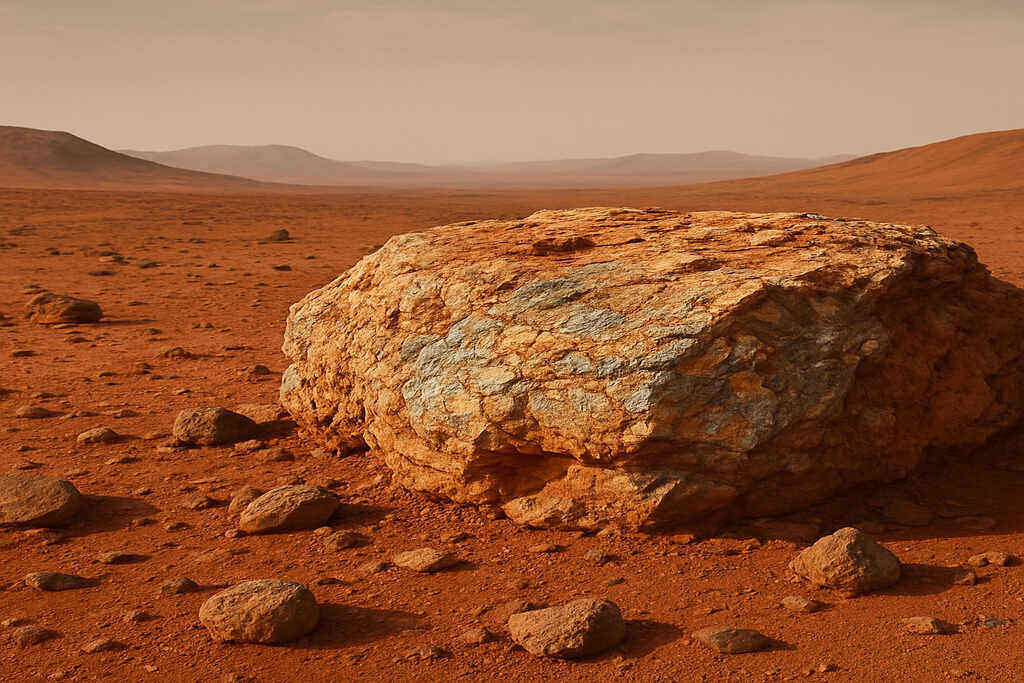
Mars’ minerals act like storytellers. Some form only in specific conditions, such as acidic water, salty lakes, or hydrothermal systems. ExoMars carries instruments that can identify these minerals with great precision. By studying their distribution and composition, scientists can understand what Mars’ environment was like billions of years ago.
For example, clay minerals suggest long-lasting water, while sulfates point to evaporation in shallow lakes. Finding the right combination of minerals could prove that Mars once had stable environments where microbial life could survive. The mission may also uncover minerals never seen before on Mars, expanding our knowledge of its geology and hidden processes.
9. Exploring Methane Mysteries
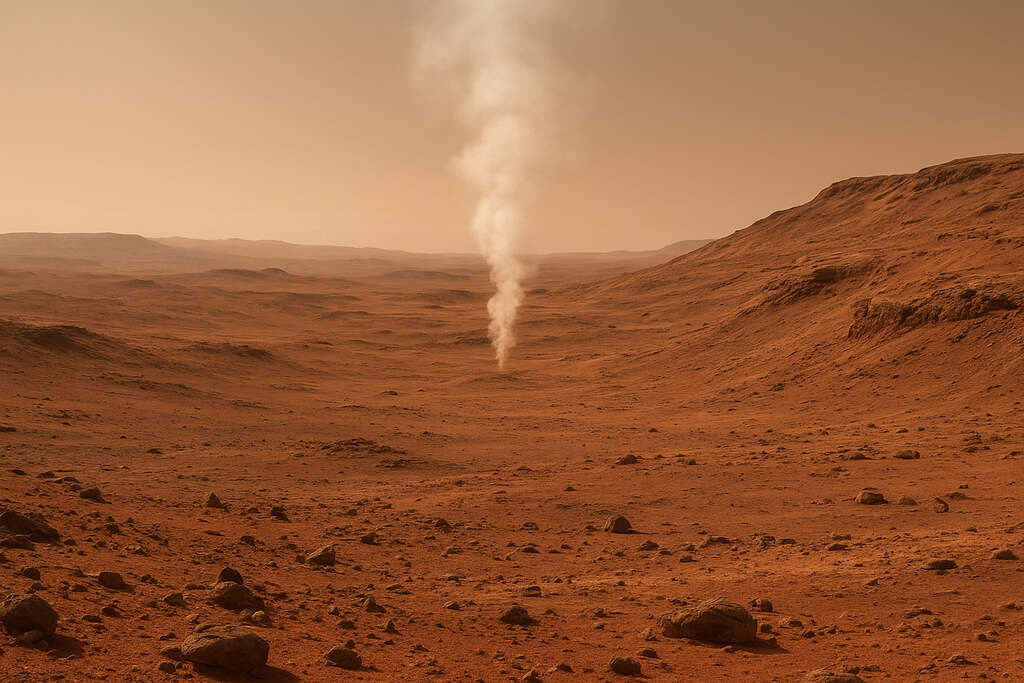
Methane on Mars is one of the most puzzling discoveries of the past decade. On Earth, most methane comes from living organisms or geological activity. ExoMars carries the Trace Gas Orbiter, which can detect methane with amazing sensitivity. What makes methane mysterious is that it appears and disappears unexpectedly.
ExoMars aims to study where it comes from, how it moves through the atmosphere, and whether it has a biological or geological source. If methane “hotspots” match underground features or ice-rich areas, it could suggest ongoing processes beneath the surface. A biological source would be groundbreaking—proof that Mars might still be active in a way we never imagined.
10. Understanding Mars’ Climate and Weather Systems
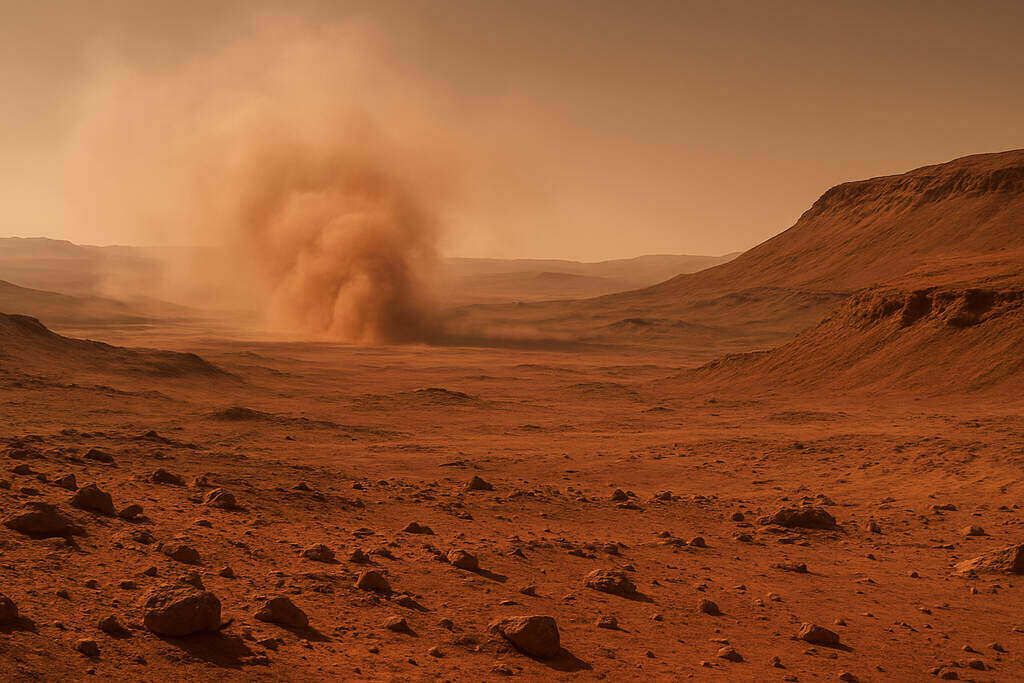
The Trace Gas Orbiter doesn’t just study methane—it monitors dust storms, temperature changes, and seasonal cycles across the planet. Mars’ weather may seem simple, but it’s surprisingly dynamic. Dust storms can cover the entire planet, temperatures swing sharply, and thin clouds form in unexpected places.
ExoMars helps scientists build more accurate climate models by tracking these patterns. Understanding Mars’ climate helps predict how its environment changed over time and what future explorers might face. The more we learn, the safer and smarter future missions will become. This knowledge is essential for planning landings, building habitats, and designing exploration strategies.
11. Providing the Best Map of Mars’ Atmosphere Yet
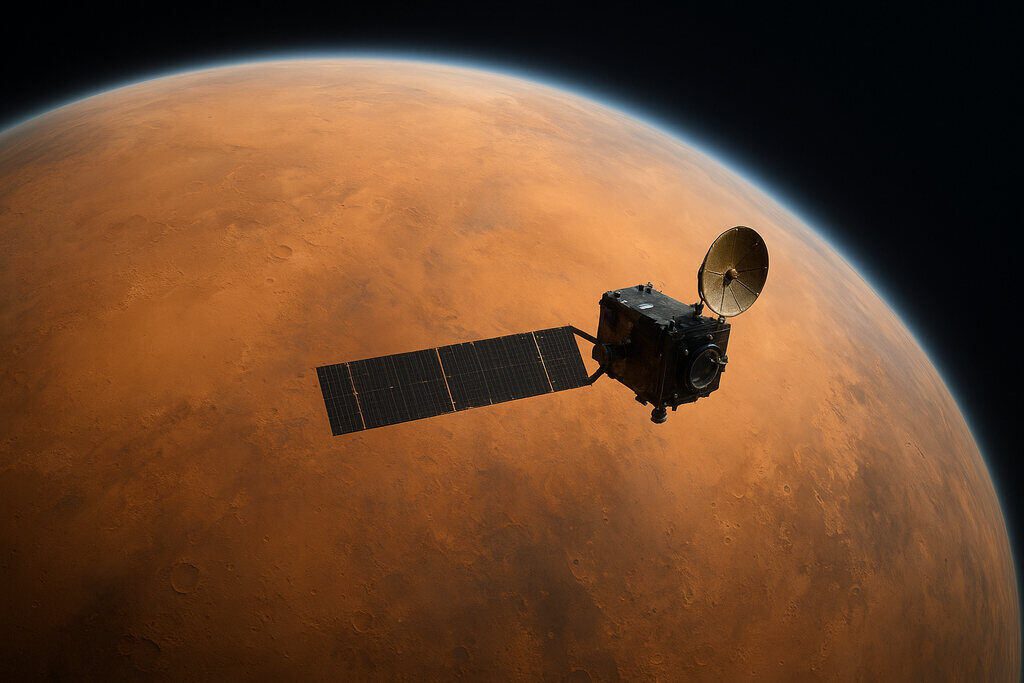
The Trace Gas Orbiter is creating the most detailed map of Mars’ atmosphere ever produced. It studies how gases move, how sunlight affects them, and how they interact with dust and ice crystals. These measurements help scientists understand the planet’s chemistry and weather patterns with higher accuracy than ever before.
This matters because Mars’ atmosphere reveals clues about volcanic activity, climate change, and potential biological processes. A detailed atmospheric map also guides future landing missions by predicting safe conditions and identifying valuable scientific targets. ExoMars is giving us a clearer picture of Mars’ “air system,” which has long remained a mystery.
12. Improving Future Mars Landing Techniques
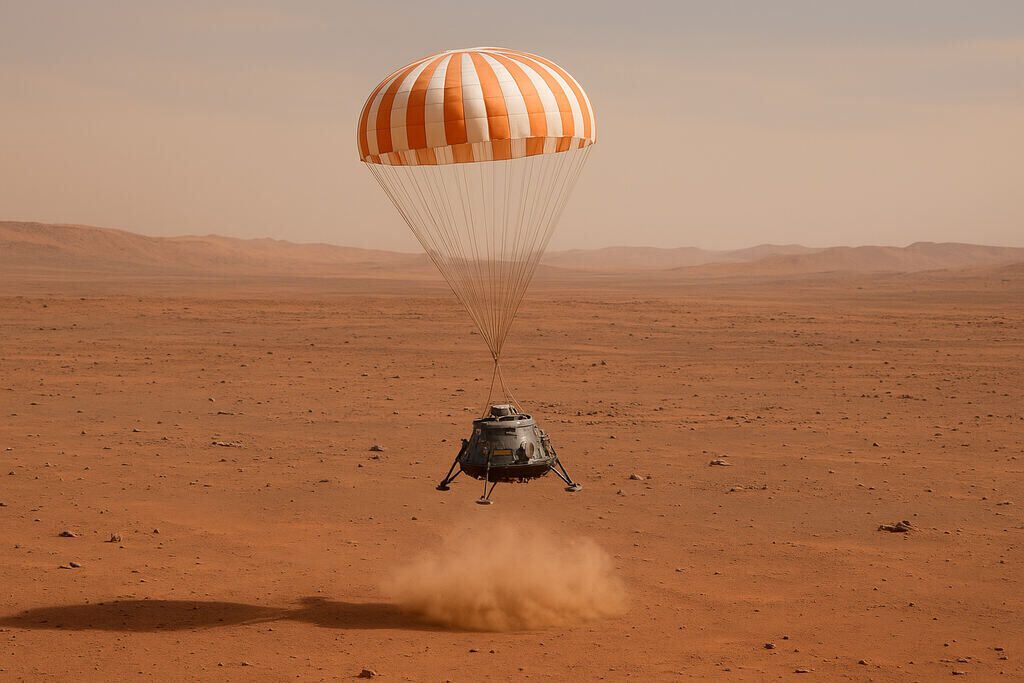
Landing on Mars is incredibly difficult. The atmosphere is too thin to slow spacecraft easily, yet too thick to ignore. ExoMars tested advanced entry, descent, and landing technologies designed to make future missions safer. Even though one part of the early mission had a landing failure, the data collected was extremely valuable.
Engineers gained insights into parachute mechanics, atmospheric conditions, and braking systems. These improvements will directly benefit future European missions and potential joint missions with other space agencies. Every lesson learned from ExoMars helps build a more reliable future for robotic and human explorers.
13. Strengthening International Space Collaboration
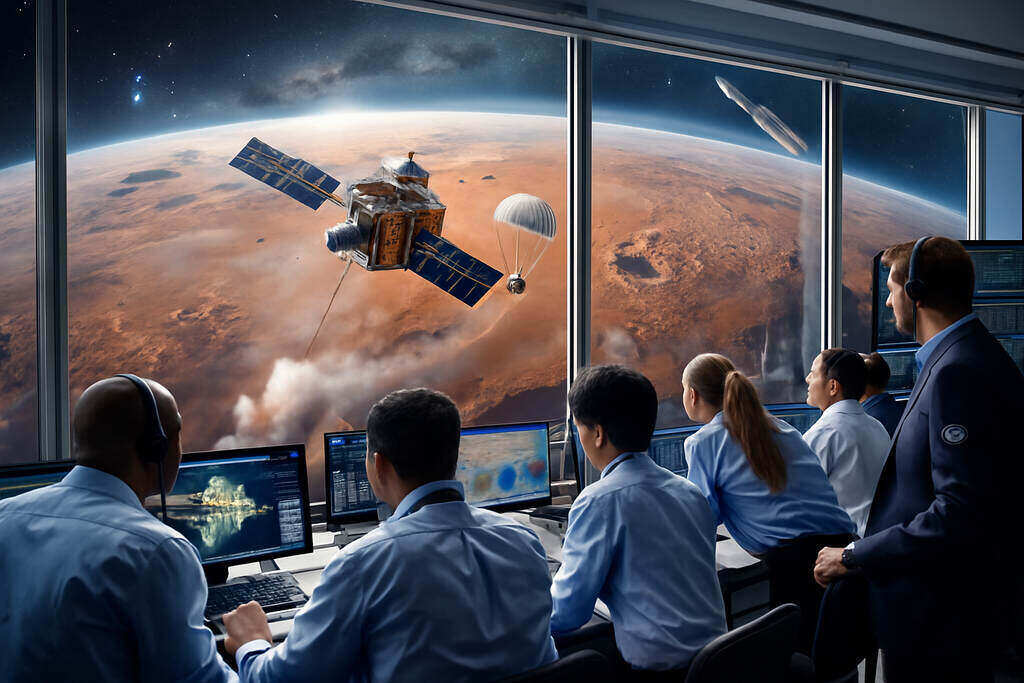
ExoMars represents collaboration between the European Space Agency (ESA) and several global partners. Mars exploration is expensive, complex, and full of risks—working together makes missions more effective. ExoMars sets an example of how countries can pool expertise, technology, and funding to achieve breakthroughs that no single nation could manage alone.
These partnerships lead to more advanced spacecraft, better instruments, and wider scientific participation. They also help standardize data-sharing and mission planning. This collective effort increases the chances of major discoveries and ensures that humanity moves forward together in exploring other worlds.
14. Preparing the Path for Human Exploration
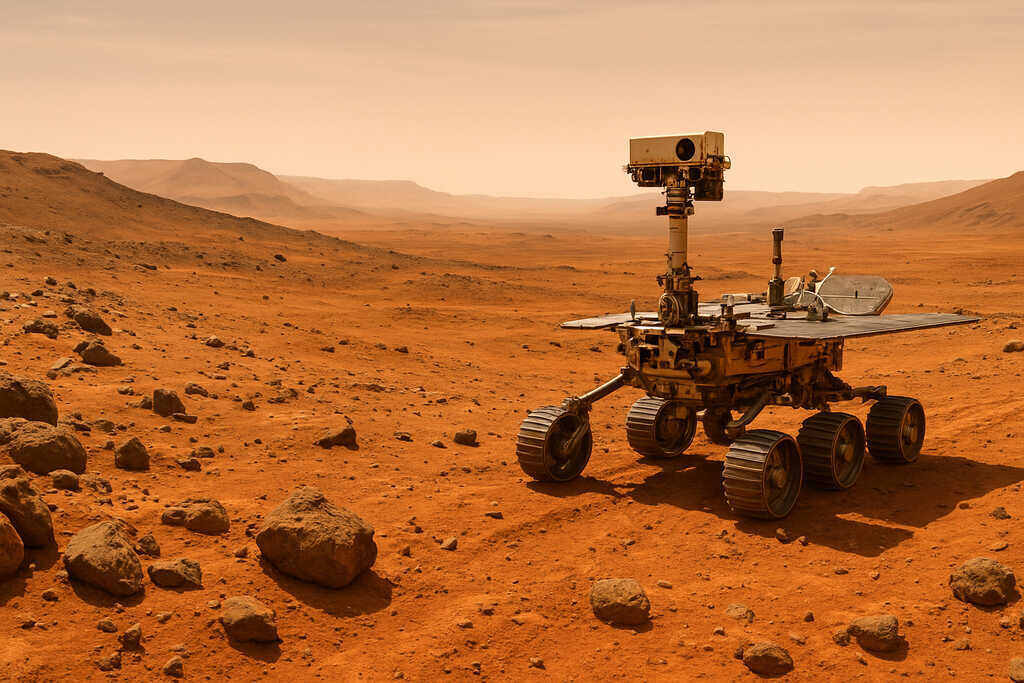
One day, humans may walk on Mars. For that to happen safely, we need to understand radiation levels, toxic soil chemistry, water sources, and resource availability. ExoMars provides insights into all of these. Its study of underground environments is especially important because future astronauts may live in sheltered habitats to avoid radiation.
The mission’s findings help planners understand where to land, where to build, and where to search for resources like ice. ExoMars also teaches engineers how to design better rovers, drills, and scientific tools for long-term missions. It’s laying the foundation for human footsteps on Mars.
15. Inspiring a New Generation of Space Exploration
Missions like ExoMars ignite curiosity around the world. Whether you’re a student, researcher, engineer, or simply someone who enjoys looking up at the night sky, the discoveries from this mission remind us how much we still have to learn. Mars may feel far away, but every new piece of information brings it a little closer.
ExoMars encourages young people to pursue careers in science, engineering, and space exploration. It shows that big questions—like “Are we alone?”—are worth chasing. The mission pushes humanity forward and reminds us that every discovery, no matter how small, builds a brighter future for space exploration.