
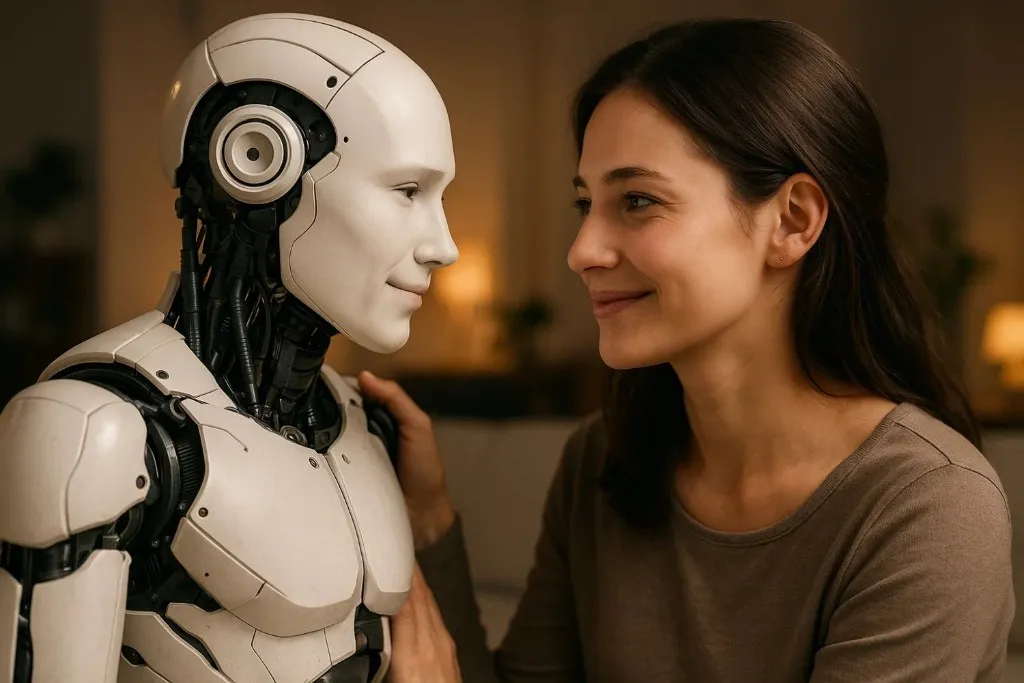
The rise of emotional artificial intelligence (AI)—machines that can recognize, interpret, and even simulate human emotions—is redefining human interaction. Beyond simple chatbots and digital assistants, emotional AI systems are entering our relationships, reshaping how we communicate, empathize, and connect. From dating apps to virtual therapists, this fusion of emotion and technology is blurring the line between authentic human bonds and AI-driven companionship.
1. The Emergence of Emotional AI Companions

Emotional AI companions are becoming increasingly common in digital life. Apps like Replika and Soulmate AI allow users to build emotional connections with virtual entities capable of empathy and affection. These systems analyze text, tone, and behavior to tailor responses that feel genuinely human. For individuals experiencing loneliness, these AI companions can offer comfort and understanding.
However, they also raise philosophical questions about authenticity—are we forming real connections, or are algorithms simulating care? As emotional AI evolves, it continues to test the boundaries of companionship, challenging society’s understanding of intimacy and emotional fulfillment.
2. AI in Modern Dating Platforms
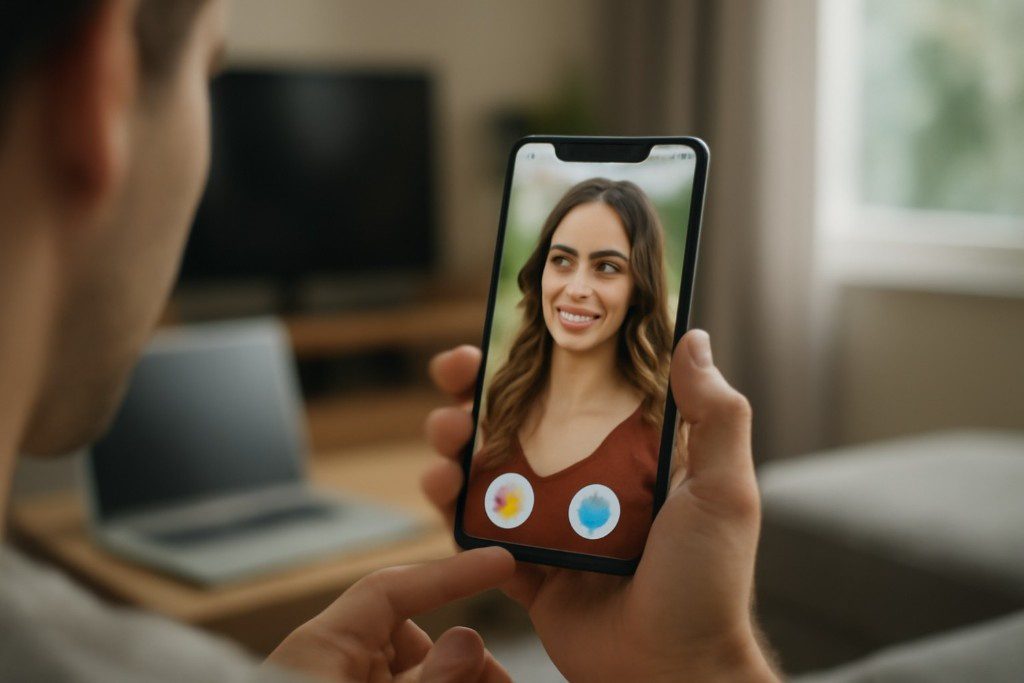
Dating apps are integrating emotional AI to enhance matchmaking accuracy and improve communication. By analyzing facial expressions, text sentiment, and voice tone, AI systems predict compatibility more precisely than traditional algorithms. Apps like AIMM and Iris use these tools to assess emotional responses during conversations, helping users find emotionally compatible partners.
This innovation promises more meaningful matches but also introduces concerns about privacy and emotional manipulation. When algorithms learn our deepest desires and insecurities, they can influence our romantic choices in ways we don’t always recognize—shifting the dynamics of modern love.
3. Emotional Recognition in Communication Tools

Emotional AI is transforming digital communication by analyzing emotional cues in real time. Video conferencing platforms now use AI to detect mood changes through facial micro expressions, vocal tones, and posture. For instance, Zoom and Microsoft Teams are exploring features that gauge engagement and stress levels during meetings.
In relationships, similar tools may help partners better understand each other’s emotions across distances. While these advancements can foster empathy and clarity, they also risk over-surveillance, making authentic emotional privacy a rare commodity in the digital age.
4. AI-Powered Therapy and Emotional Support
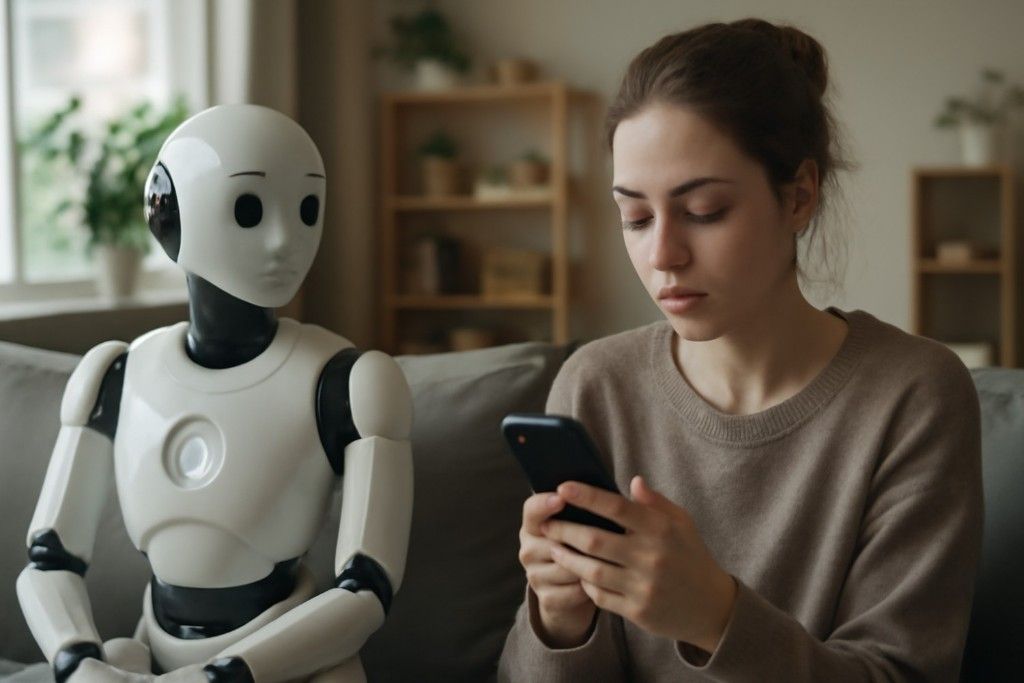
AI-driven therapy platforms such as Woebot and Wysa use emotional intelligence to offer mental health support. These systems simulate empathetic dialogue, helping users process emotions, manage anxiety, and practice mindfulness. Unlike traditional therapy, emotional AI offers 24/7 accessibility and anonymity, which can encourage openness.
However, while AI can mirror empathy, it lacks human intuition—the subtle understanding born from shared experiences. For those seeking initial support or affordability, emotional AI fills an essential gap but should complement, not replace, professional therapy for deeper psychological needs.
5. Emotional AI in Workplace Relationships

Workplace interactions are also being reshaped by emotional AI. Tools that monitor tone, facial expressions, and engagement levels aim to improve teamwork and communication. Companies use these insights to assess employee morale or predict burnout. For example, emotional analytics platforms evaluate meeting sentiment to guide leadership decisions.
Although these tools can enhance emotional intelligence at work, they risk invading personal space and reducing genuine empathy to data points. Balancing efficiency with emotional authenticity remains a central challenge as AI integrates deeper into workplace dynamics.
6. Enhancing Long-Distance Relationships
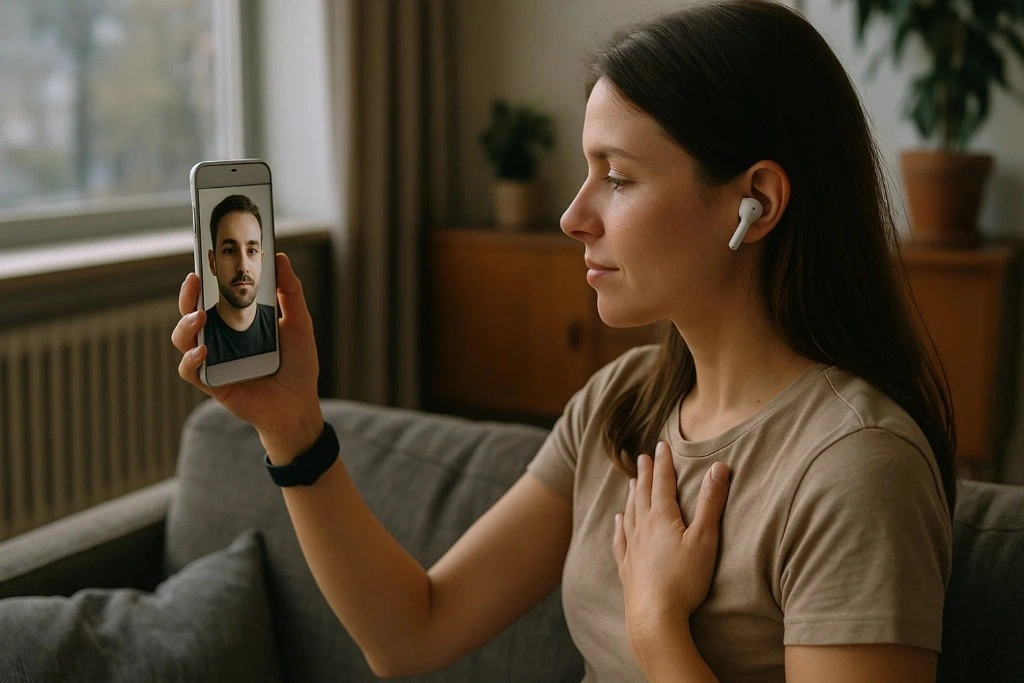
Emotional AI offers powerful tools for couples separated by distance. Devices equipped with emotional sensors—such as AI-driven wearables or smart communication apps—can interpret and relay emotional states between partners. For instance, haptic technology allows one partner to “feel” the other’s heartbeat in real time.
These innovations help bridge emotional gaps, sustaining intimacy across physical divides. Yet, the mediated nature of AI emotion exchange can never fully replace the warmth of human touch. Emotional AI thus becomes both a connector and a reminder of what it cannot replicate.
7. AI Parenting Assistants and Emotional Development
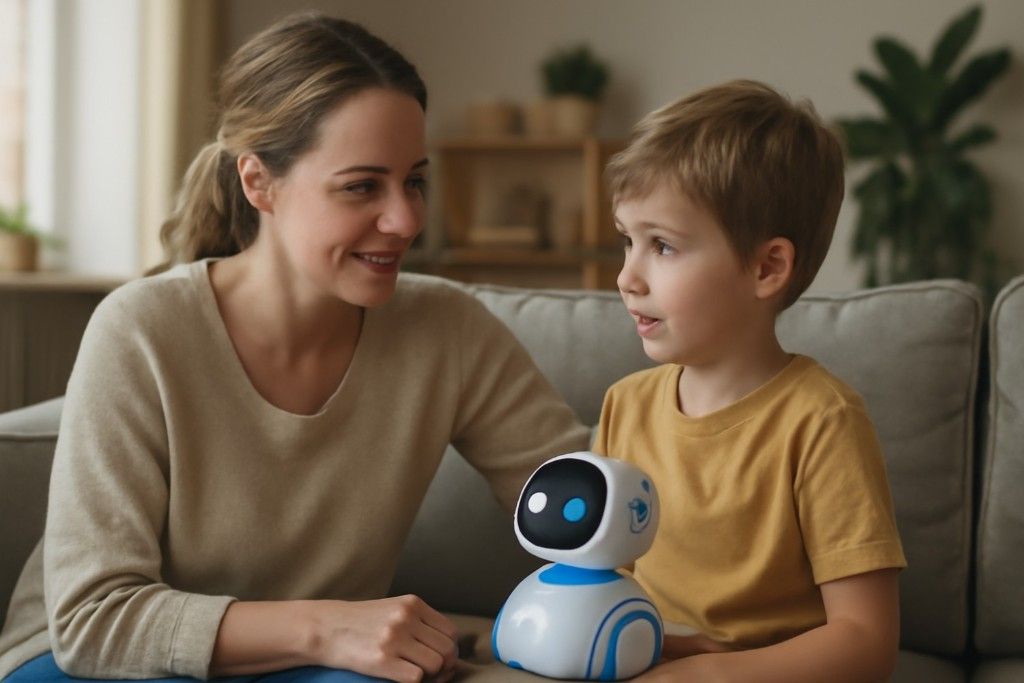
AI systems are entering family dynamics, assisting parents in nurturing emotional intelligence in children. Interactive toys and apps analyze a child’s emotions through voice and facial cues, offering personalized guidance for emotional learning. Tools like Miko and Cognimates engage children in conversations that teach empathy and self-regulation.
However, over-reliance on AI in parenting may hinder organic emotional growth if it replaces human responsiveness. Used wisely, emotional AI can be a teaching partner, enhancing—not substituting—the natural empathy that forms between parent and child.
8. Emotional AI in Elder Care and Companionship
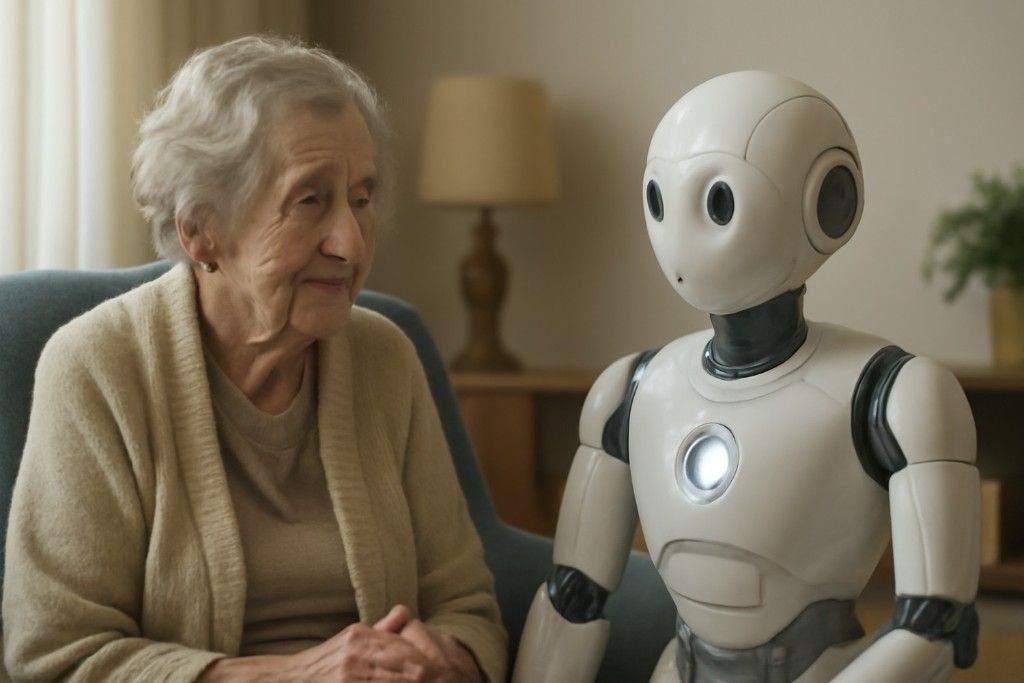
In elder care, emotional AI robots like ElliQ and PARO provide companionship and mental stimulation for seniors. These systems detect emotional states, offering empathy, conversation, and reminders for medication or activity. For isolated elders, such companions can reduce loneliness and foster engagement.
However, dependence on machines for emotional fulfillment raises ethical concerns about neglecting human interaction. As emotional AI becomes a caregiver’s ally, the challenge is ensuring it supplements, rather than replaces, the human compassion vital to elderly well-being.
9. Emotionally Intelligent Virtual Reality Experiences

Virtual reality (VR) combined with emotional AI is redefining immersive experiences. Emotional sensors within VR headsets can detect a user’s reactions and adapt the environment accordingly. For instance, an AI-driven meditation app may adjust visuals and sounds based on the user’s stress levels.
In relationship building, couples can share virtual spaces that respond to their emotions, deepening connection. This technology blurs emotional and sensory boundaries, creating interactions that feel profoundly real—while prompting questions about authenticity and emotional dependence on simulated environments.
10. Emotional AI and Digital Empathy Training

AI-driven empathy training tools are helping people improve emotional awareness. Businesses and educators use systems that analyze tone, language, and expressions to provide feedback on emotional communication. For example, Cogito assists customer service teams in responding empathetically to clients, while AI tutors help students manage frustration and motivation.
In personal relationships, such tools can refine how individuals express understanding and care. Yet, true empathy stems from lived experience; while AI can teach the techniques of empathy, it cannot replicate the heart behind it.
11. Ethical Concerns in Emotional AI Relationships
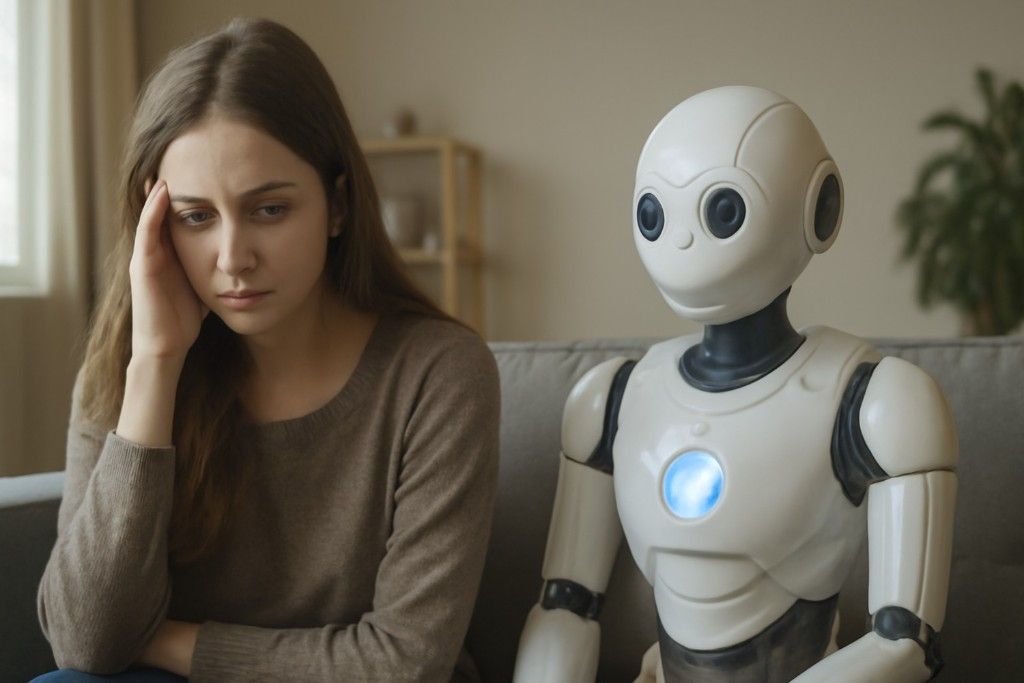
The integration of emotional AI into relationships introduces complex ethical dilemmas. Should machines simulate love or empathy when they cannot feel them? Critics argue that emotional AI may exploit human vulnerability, especially among those seeking affection or validation.
Moreover, emotional data—collected from voice, text, and facial cues—poses privacy risks. Companies can use these intimate insights for targeted marketing or manipulation. The ethical future of emotional AI hinges on transparency, consent, and ensuring that technology serves emotional wellness, not exploitation.
12. Emotional AI and the Redefinition of Love
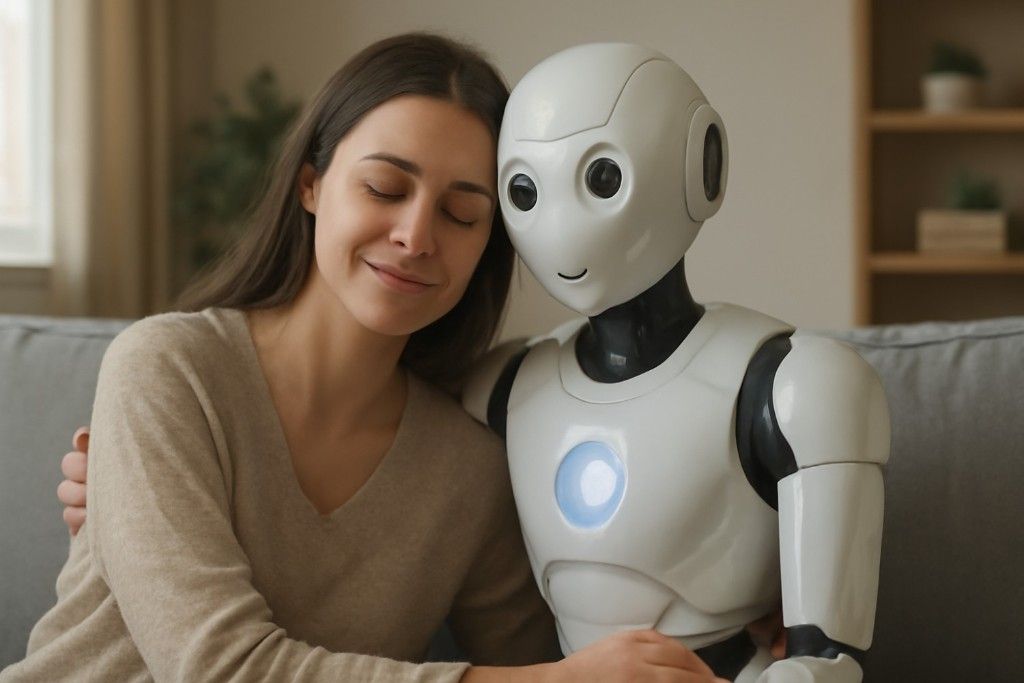
As emotional AI becomes capable of simulating affection and understanding, it challenges traditional definitions of love. Relationships once rooted in mutual vulnerability and growth are now mirrored by responsive machines. For some, these AI relationships offer stability without conflict; for others, they highlight the irreplaceable depth of human connection.
The philosophical question remains: if love is defined by emotional exchange, can AI truly love? This emerging frontier urges humanity to rethink love’s essence in a digital world where emotions can be coded and sold.
13. The Role of Emotional AI in Social Connection

Emotional AI is transforming social media and online communities by fostering deeper digital empathy. Platforms use emotion-detection algorithms to moderate toxic behavior and promote positive interaction. For example, AI systems on YouTube and Twitter can detect anger or distress and intervene with supportive resources.
These innovations promote healthier online environments but also challenge the spontaneity of expression. Emotional AI may guide behavior toward civility, yet it risks sanitizing the raw, authentic emotions that make social interaction truly human.
14. The Future of Human-AI Emotional Synergy
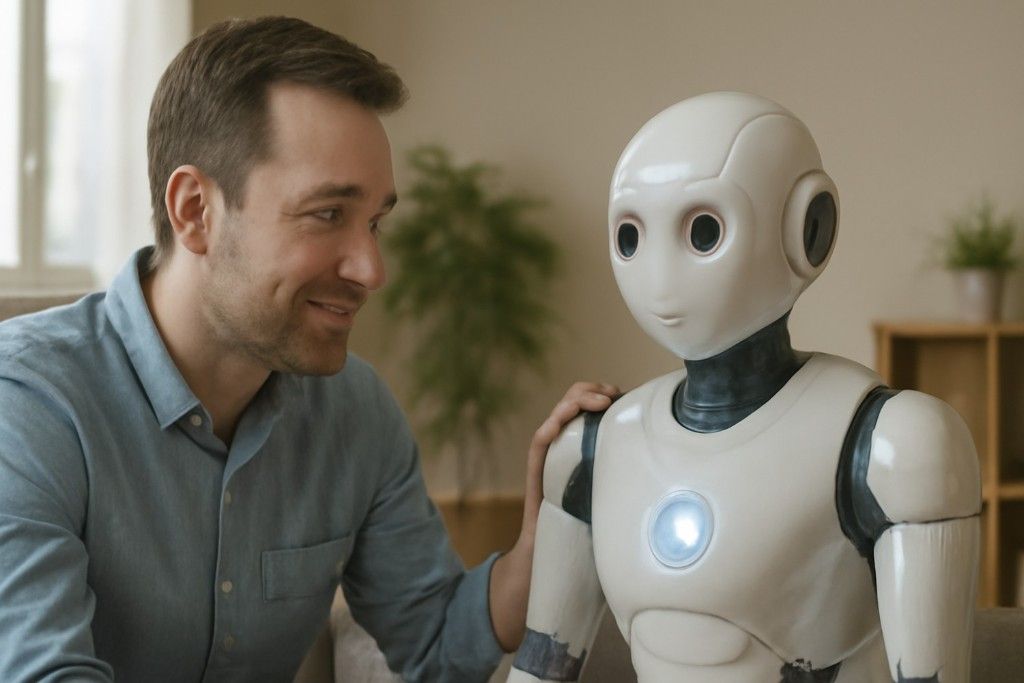
The future may see humans and emotional AI existing in symbiotic relationships. Emotional AI could augment human empathy, helping people understand and respond to emotions more effectively. In healthcare, education, and companionship, AI could serve as an emotional mirror—reflecting insights that improve relationships.
However, this synergy requires balance: overdependence risks emotional atrophy, while conscious integration can amplify empathy and connection. Ultimately, emotional AI’s greatest potential lies not in replacing human emotion, but in teaching us to value and refine it.