
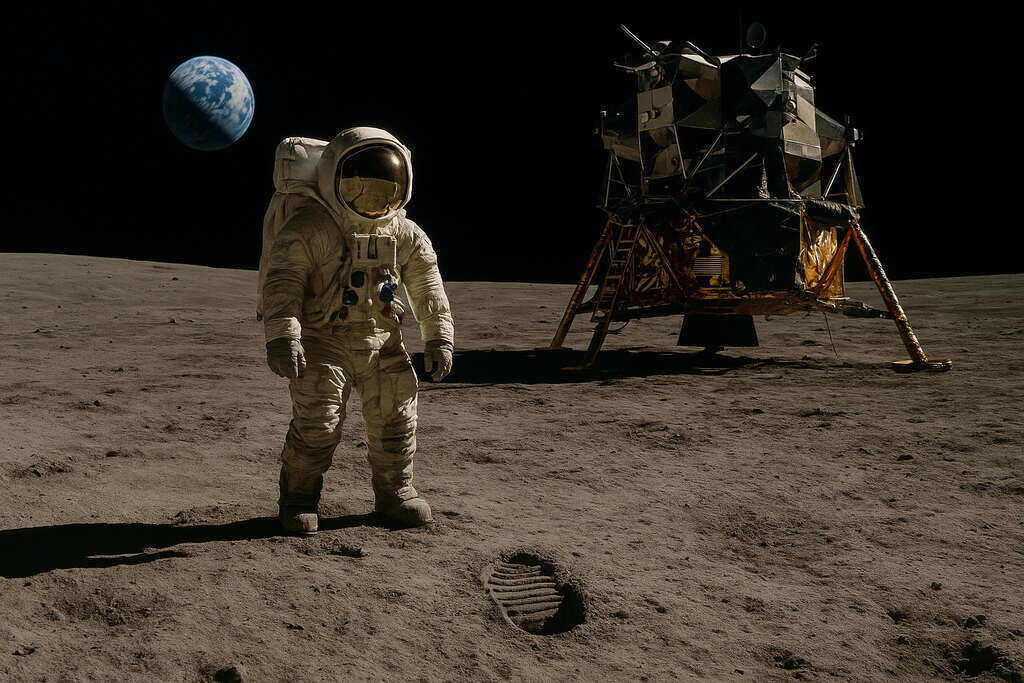
In 1969, when Neil Armstrong took that “giant leap for mankind,” the world collectively held its breath. Apollo 11 wasn’t just a space mission—it was humanity’s first real adventure beyond our home planet. It changed how we saw travel, courage, and even ourselves.
For the first time, humans looked back at Earth from afar and realized how small yet extraordinary our world is. The Apollo 11 mission didn’t just reach the Moon—it redefined what “travel” could mean, sparking a new age of discovery that still inspires us today.
1. Turning Space Dreams into Reality
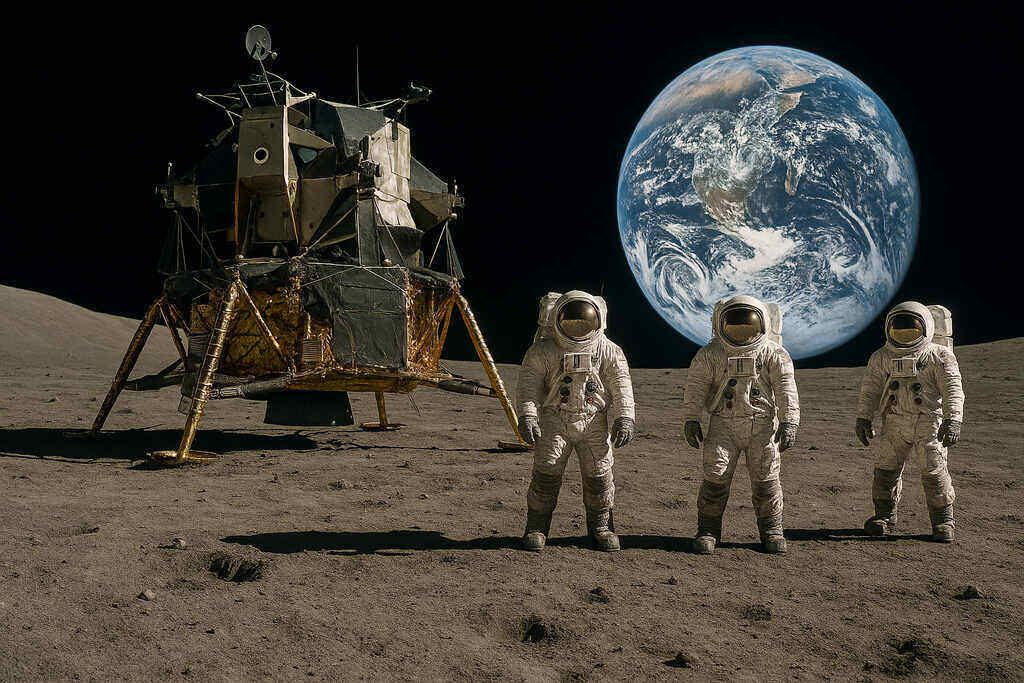
Before Apollo 11, space travel felt like science fiction. People dreamed of visiting the stars, but most thought it was impossible. When the Apollo 11 crew—Neil Armstrong, Buzz Aldrin, and Michael Collins—set off for the Moon, they turned that dream into reality. Their journey proved that with teamwork, science, and courage, humanity could break the boundaries of Earth.
It gave people hope that the impossible could be achieved, fueling decades of innovation. Suddenly, “travel” wasn’t limited to oceans or continents—it extended into space. The mission showed that imagination, backed by science, can take us anywhere.
2. Building the Technology That Made It Possible
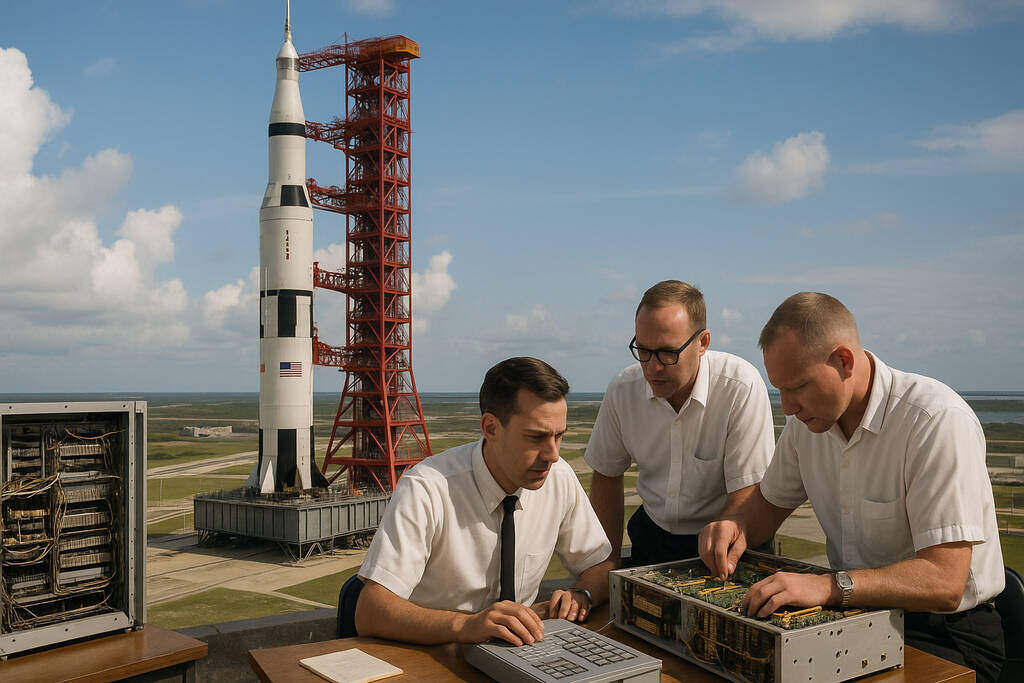
The technology behind Apollo 11 was revolutionary for its time. NASA’s Saturn V rocket was the most powerful ever built, capable of lifting 140 tons into space. Engineers designed computers so advanced that they laid the foundation for the digital age. The Apollo Guidance Computer, though weaker than a smartphone today, was a marvel of miniaturization and precision.
Every button, line of code, and calculation mattered. This technology didn’t just make space travel possible—it transformed industries on Earth. From computer chips to material science, Apollo 11’s legacy lives in our everyday devices and innovations.
3. The Courage to Step into the Unknown
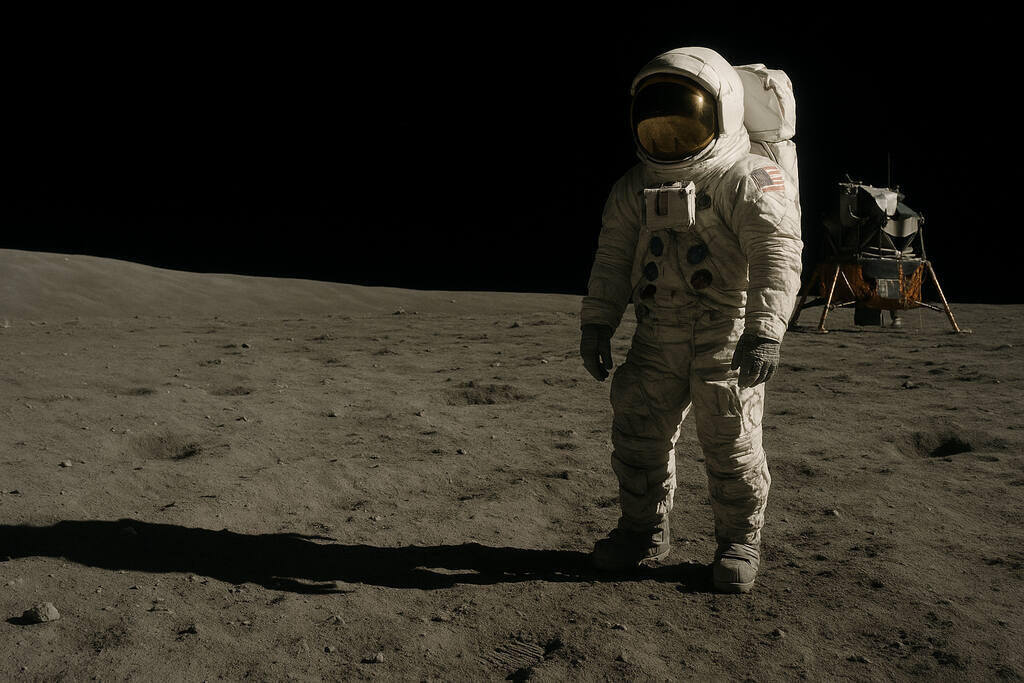
When Armstrong and Aldrin stepped out of the Lunar Module, they faced total uncertainty. No one knew how the Moon’s surface would react or what challenges lay ahead. Their courage wasn’t just physical—it was mental. They accepted risks no one had faced before. Millions watched live, but for the astronauts, it was quiet, eerie, and otherworldly.
That moment redefined bravery. It wasn’t about fighting battles or surviving danger—it was about exploring the unknown for the sake of human progress. Apollo 11 reminded the world that courage means moving forward even when fear is strongest.
4. The Power of Teamwork Across a Planet
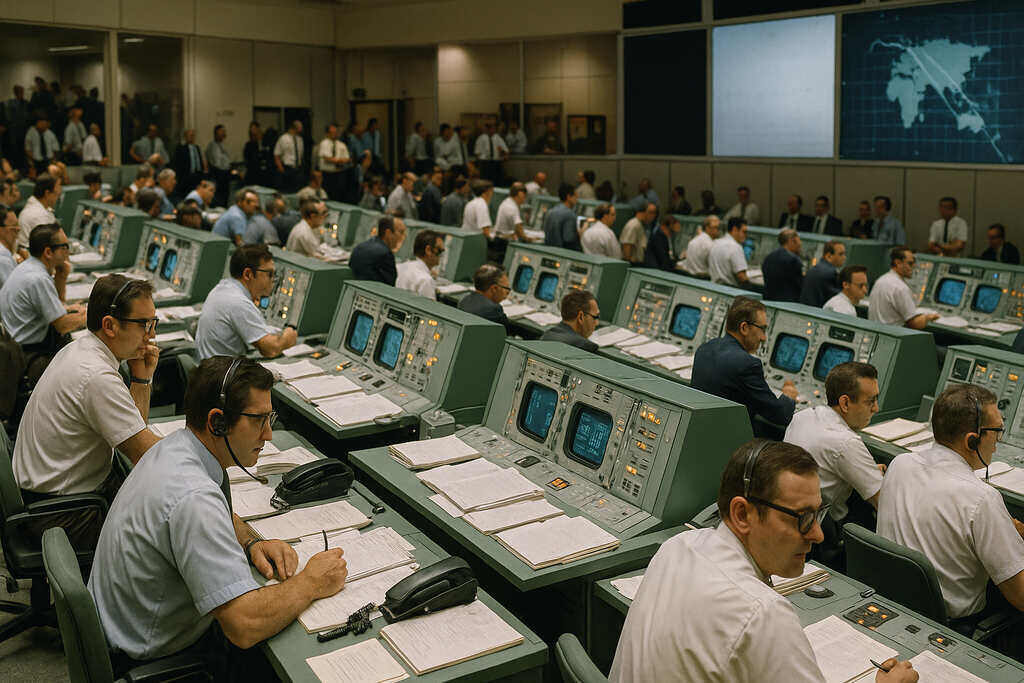
Though three astronauts went to the Moon, over 400,000 people worked behind the scenes. Engineers, scientists, mathematicians, seamstresses, and mission controllers—all contributed to every second of success. This teamwork across nations and disciplines showed how global collaboration could achieve wonders.
From the designers of space suits to the technicians who tested rockets, every role mattered. Apollo 11 became proof that great achievements are rarely individual—they’re collective. Today’s international space missions, like the ISS, owe much to that spirit of unity born during Apollo 11’s success.
5. The Moon Landing: Humanity’s Greatest Step

The world watched as Neil Armstrong stepped onto the Moon’s dusty surface. His words—“That’s one small step for man, one giant leap for mankind”—captured the moment perfectly. It wasn’t just a triumph for America; it was a victory for all humankind. That footprint in lunar dust symbolized human curiosity, courage, and persistence.
The Moon landing united billions in awe, showing that despite political divides, humans share one destiny—to explore, learn, and grow. That single event reshaped our collective imagination and forever changed how we define exploration.
6. Viewing Earth from Afar: A Shift in Perspective
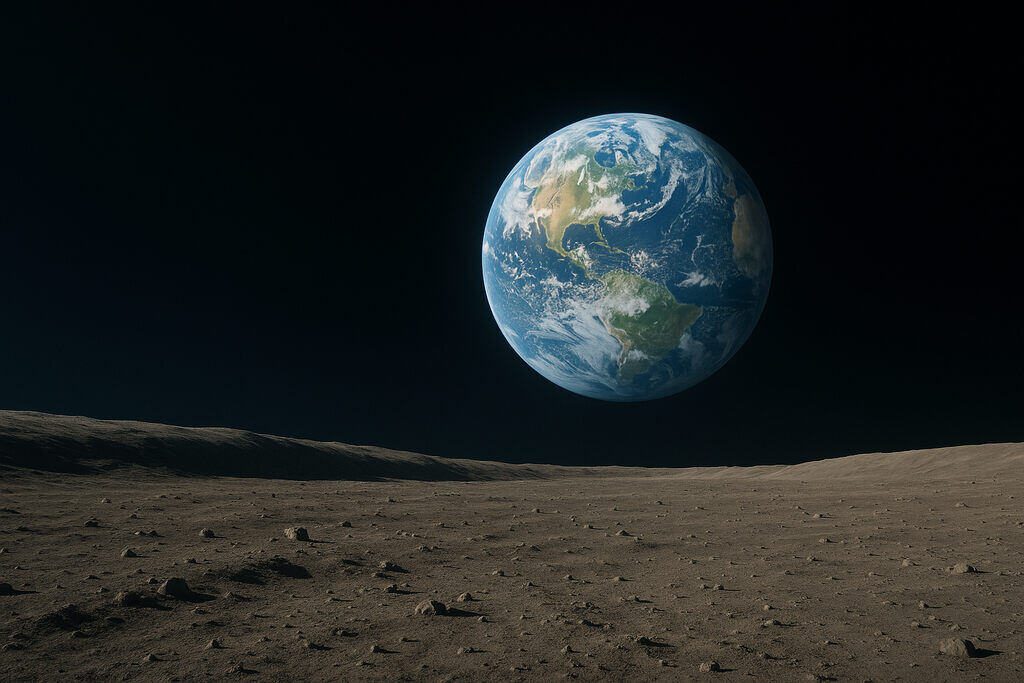
For the first time, humans looked back at Earth from space and saw a fragile blue sphere floating in darkness. The image, later known as the “Blue Marble,” transformed how we think about our planet. Boundaries, conflicts, and differences seemed insignificant compared to the vastness of space.
Many astronauts described feeling an “overview effect”—a profound realization of Earth’s unity and vulnerability. This new perspective inspired environmental movements and global cooperation. Apollo 11 didn’t just expand where we could go—it deepened our understanding of where we came from.
7. Inspiring Generations of Scientists and Dreamers

After Apollo 11, a wave of young people chose careers in science, engineering, and technology. Schools saw growing interest in astronomy and physics. The mission showed that science wasn’t cold or distant—it was adventurous and full of purpose.
It sparked curiosity in millions who grew up to create everything from Mars rovers to electric cars. Even today, space agencies and entrepreneurs cite Apollo 11 as their inspiration. It planted a seed of wonder that continues to grow, reminding us that exploration begins with curiosity.
8. The Global Unity Moment
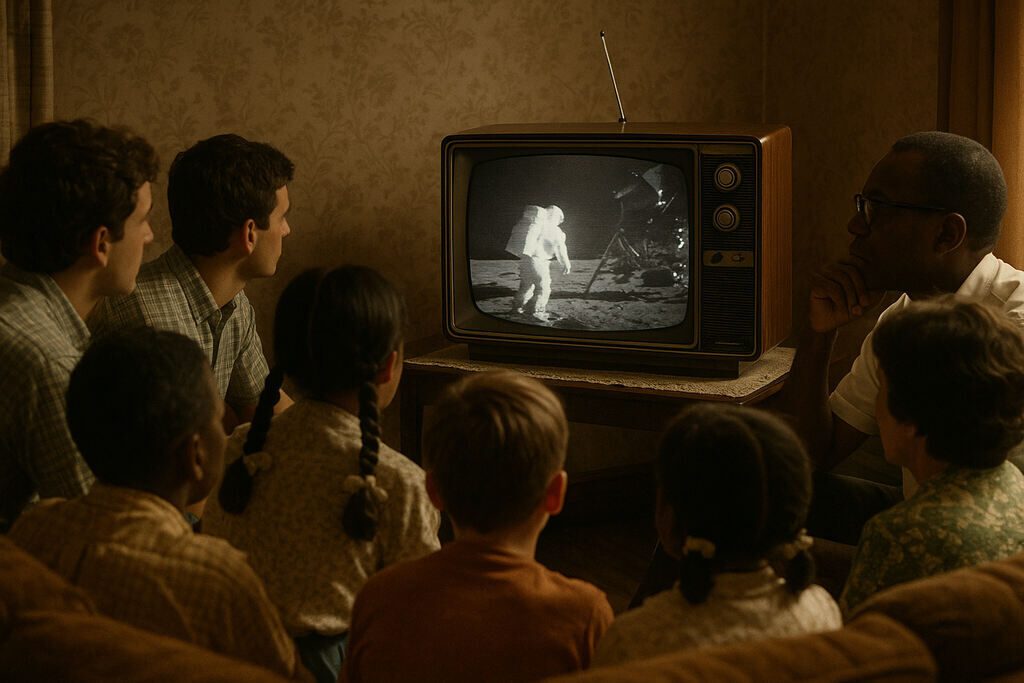
For once, the entire world celebrated the same achievement. Across continents, people crowded around black-and-white TVs, cheering together as humans walked on the Moon. It was a rare moment of unity during the Cold War—a reminder that we are all part of one species capable of greatness.
Political rivalries faded, if only briefly, under the light of the Moon. That shared pride and wonder connected humanity in a way no other event had before. Apollo 11 became proof that exploration can bring the world together.
9. How Apollo 11 Changed Modern Travel

The innovations developed for Apollo 11 changed the way we travel on Earth. Lightweight materials, improved navigation systems, and advanced safety protocols came from space research. Airplanes became safer and more efficient. Even GPS technology traces its roots to space missions.
Apollo 11 taught us how to plan for long-distance journeys with precision and care. It redefined travel not just as movement but as an experience requiring preparation, resilience, and innovation—values that still guide modern explorers, adventurers, and even everyday travelers.
10. Boosting Technological Evolution on Earth
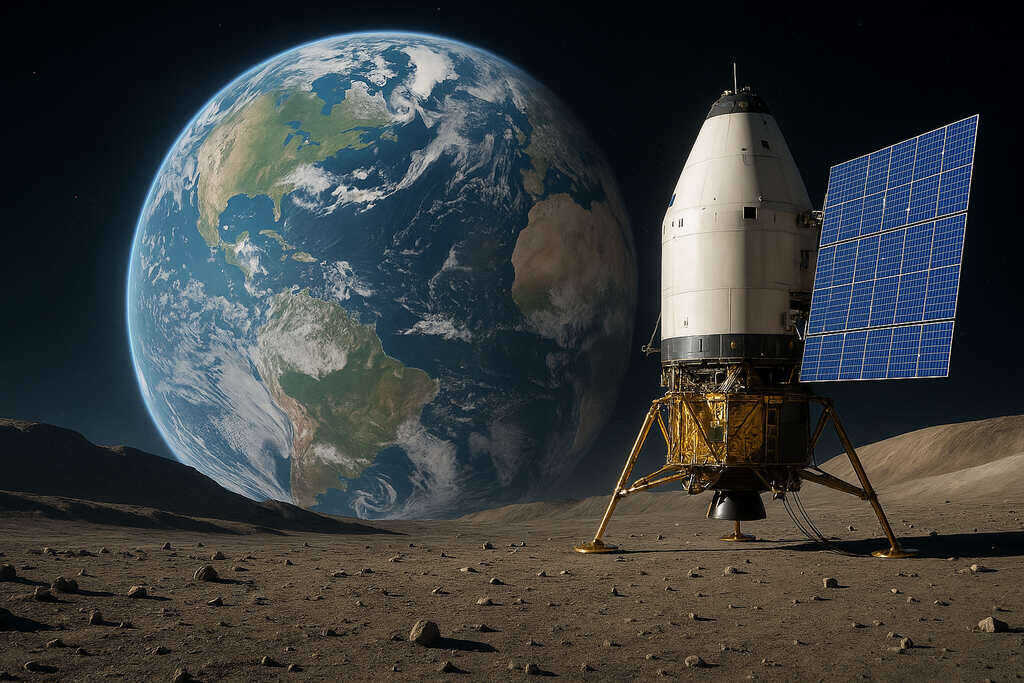
The demands of space travel accelerated technological progress back home. To survive space, NASA had to invent new ways to manage heat, store energy, and process data. These advancements led to breakthroughs in medicine, telecommunications, and manufacturing.
For instance, CAT scanners, water purification systems, and memory foam all have roots in NASA’s research. Apollo 11 didn’t just change space—it improved life on Earth. It showed that exploration creates ripple effects that benefit everyone, not just astronauts or scientists.
11. The Birth of Space Tourism and Exploration Goals
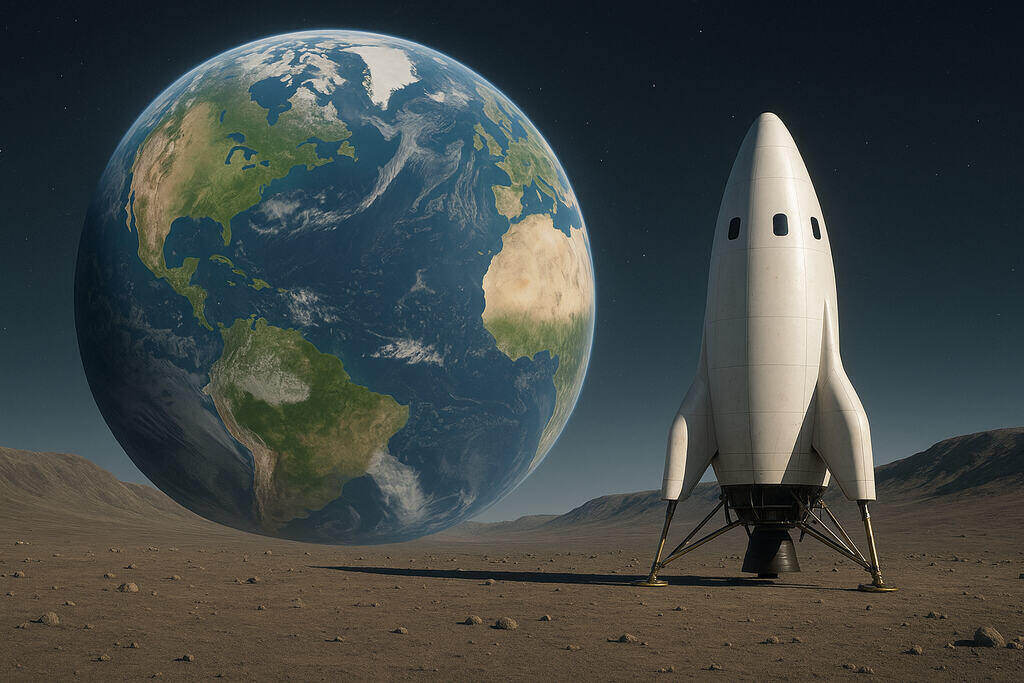
Without Apollo 11, private space companies like SpaceX or Blue Origin might not exist today. The mission proved that humans could survive and operate beyond Earth, paving the way for future commercial flights. Today, space tourism is becoming real, with people already paying to visit orbit. Apollo 11 showed that space wasn’t just for scientists—it could one day be for everyone. That idea, once unimaginable, is slowly becoming a reality, opening the door to new industries and possibilities for future travelers.
12. Women and Diversity in Space Sciences
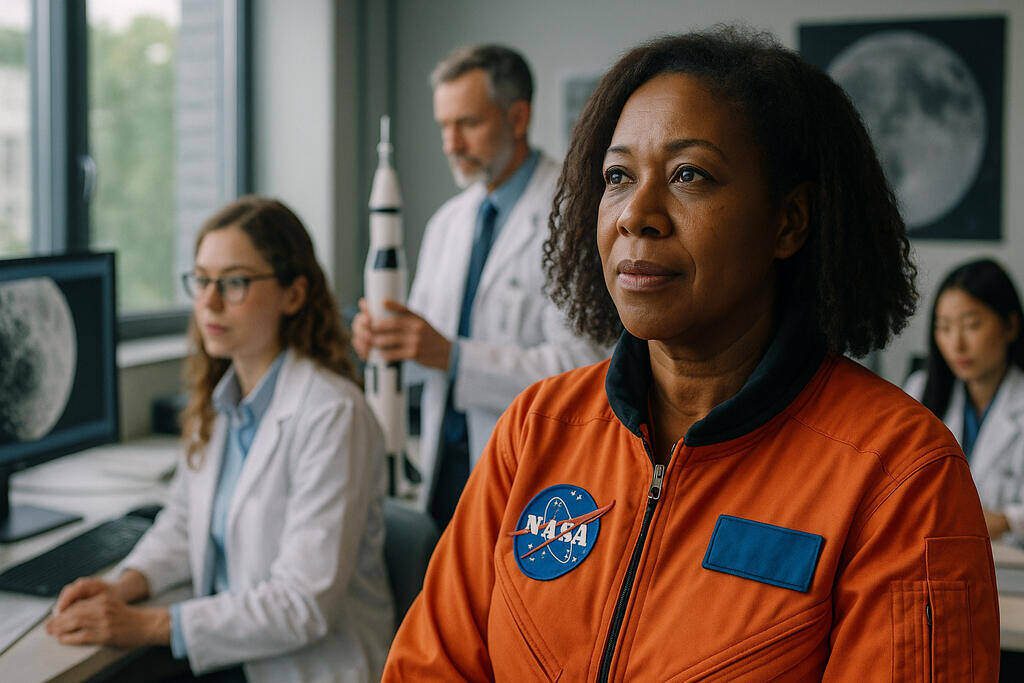
Apollo 11 also planted the seeds for inclusion in space exploration. Though the 1969 mission was male-dominated, it inspired generations of women and minorities to enter STEM fields. Figures like Katherine Johnson, whose calculations made the mission possible, became role models. Her story—and those of many others—reshaped how society viewed who could contribute to science. Today’s astronauts and engineers reflect a more diverse world, fulfilling the inclusive vision Apollo 11 helped ignite.
13. The Psychological Impact of Leaving Earth
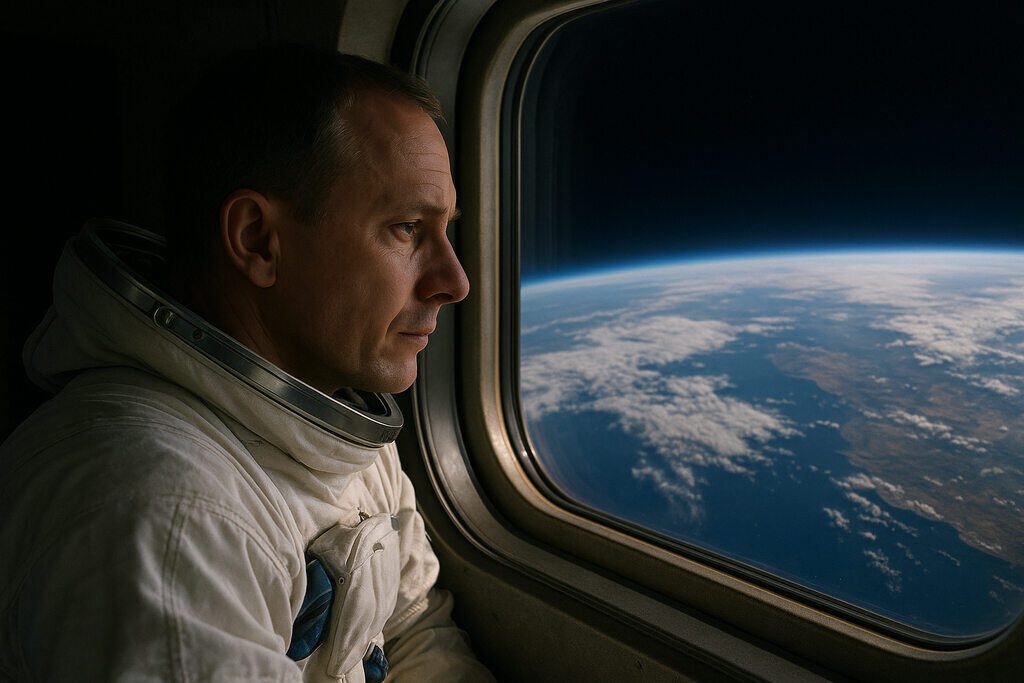
Traveling beyond Earth affects not just the body, but the mind. Apollo 11 revealed how isolation, distance, and silence can challenge human psychology. The astronauts’ ability to stay calm and focused under pressure became a study in mental resilience.
Their experience helped scientists understand how humans cope in extreme environments—a lesson useful for long missions to Mars or even stressful conditions on Earth. Apollo 11 showed that the next frontier isn’t just physical space—it’s mastering the human mind for exploration.
14. How Apollo 11 Sparked Environmental Awareness
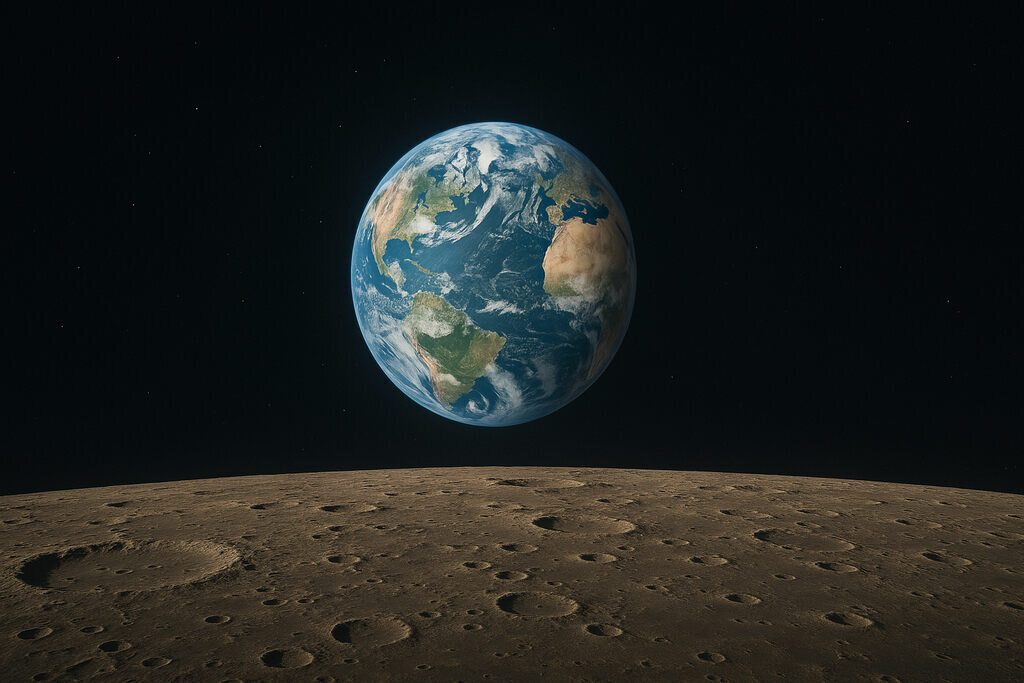
Seeing Earth from space made people realize how delicate our planet really is. The Apollo missions played a key role in starting the modern environmental movement. Images of Earth from space reminded everyone that we share one home that needs protection.
In the years following the Moon landing, movements like Earth Day gained momentum. Apollo 11 wasn’t just about reaching the Moon—it was about returning with a deeper love for Earth. That emotional connection remains one of its most profound legacies.
15. The Legacy That Still Shapes Our Future
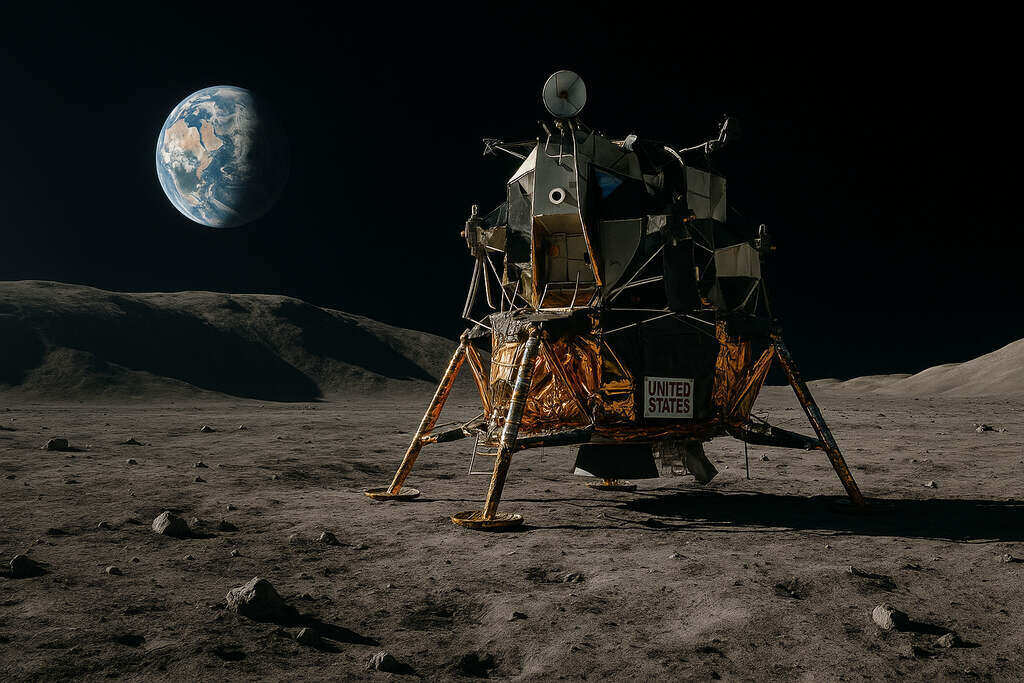
More than five decades later, Apollo 11 continues to inspire missions to Mars, lunar bases, and even interstellar exploration. Every new spacecraft, rover, or satellite carries a piece of Apollo’s spirit. It redefined travel not as escape, but as expansion—pushing boundaries while remembering our roots.
The mission taught us that humanity’s greatest adventures begin with bold dreams and shared effort. As we prepare to return to the Moon and beyond, Apollo 11 remains a guiding light, reminding us how far courage and curiosity can take us.
Conclusion
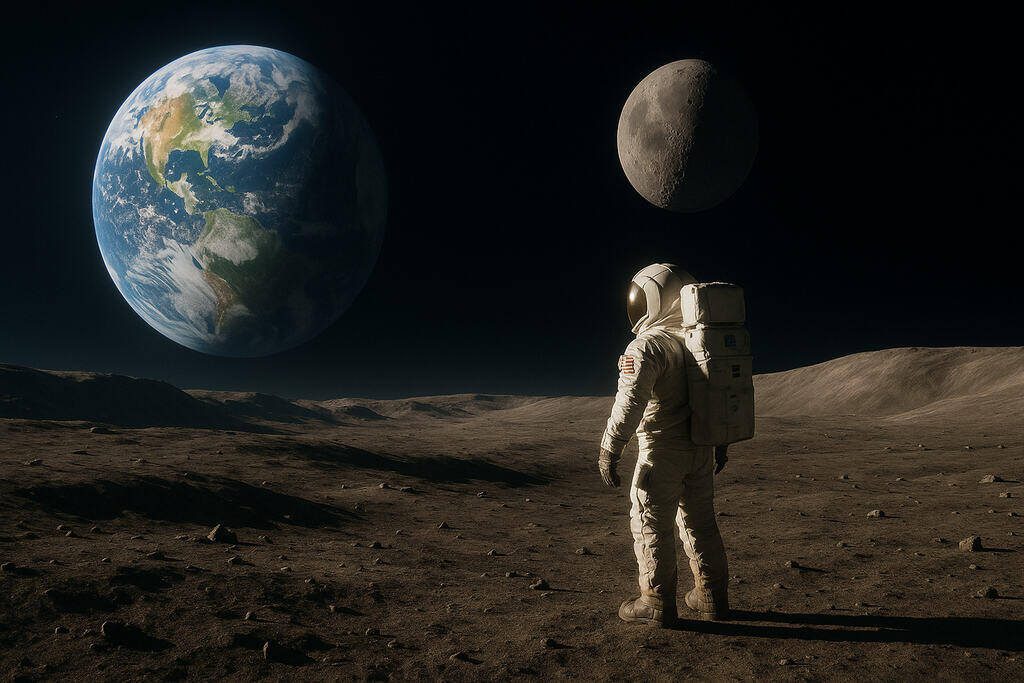
Apollo 11 redefined travel forever—not just by reaching the Moon, but by changing how we see ourselves and our planet. It showed that true exploration begins in the human heart and ends in the stars. That spirit of discovery still drives every scientist, dreamer, and traveler who dares to go beyond what’s known. The journey that began in 1969 continues today, reminding us that the next great step is always waiting—just beyond the horizon.