
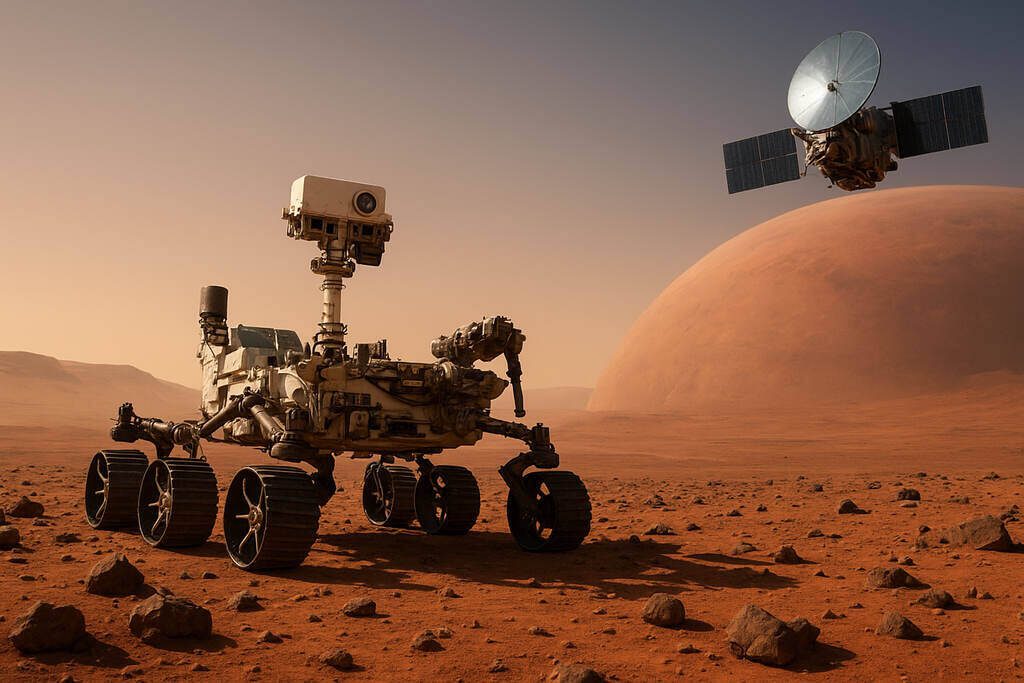
Space exploration is entering a new era—one powered by AI and robotics. Instead of relying only on astronauts or slow signals from Earth, we now have machines that can think, learn, and make quick decisions millions of kilometers away. From Mars rovers to robotic arms repairing satellites, technology is making space missions safer and smarter.
And the exciting part? These innovations aren’t science fiction—they’re being used right now. As AI improves and robots become more capable, our reach in the universe will grow even farther, opening doors to discoveries we once thought impossible.
1. Smarter Rovers Transforming Planetary Travel
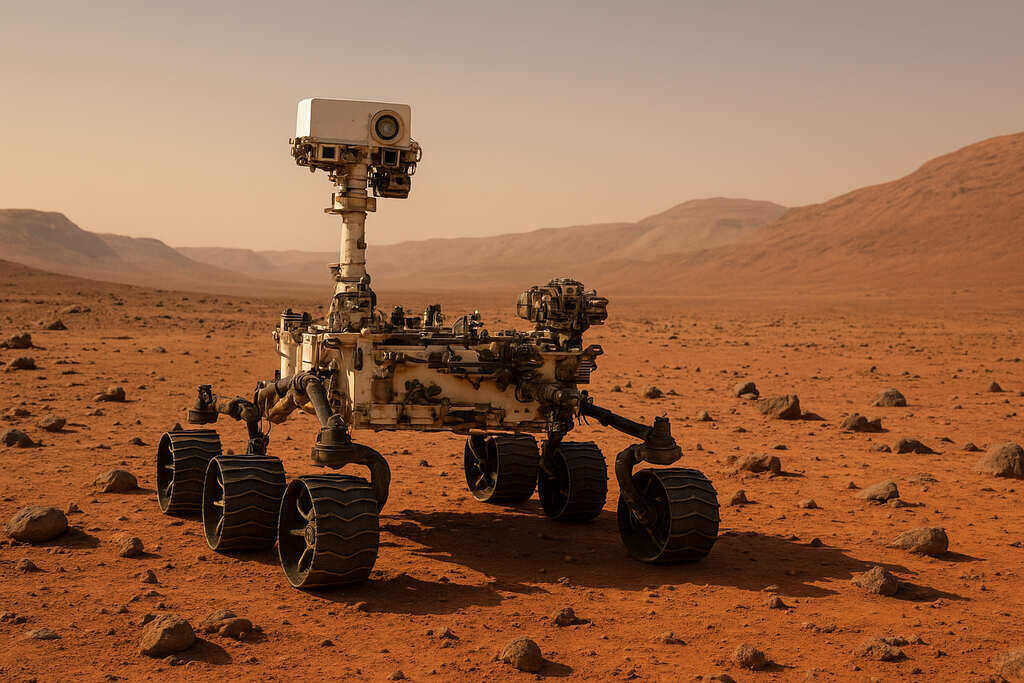
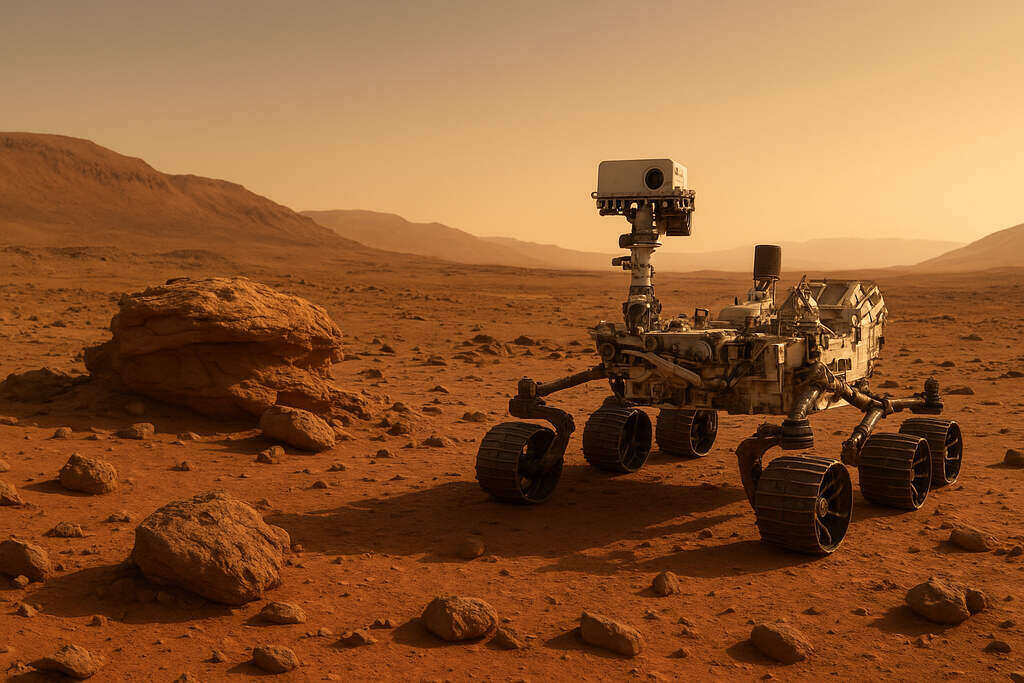
AI has turned modern rovers into explorers that can think for themselves. In older missions, every move needed commands from Earth, which took minutes or hours to arrive. Today, rovers like Perseverance use AI to avoid rocks, choose safer paths, and analyze soil samples independently. This helps scientists gather more data in less time.
AI allows the rover to learn from past navigation mistakes and improve future travel routes. This freedom means rovers can explore deeper and more dangerous areas on Mars that humans cannot reach. As AI progresses, future rovers may work in teams or even build small structures, making distant worlds easier for humans to visit.
2. Robots Making Spacewalks Safer for Astronauts
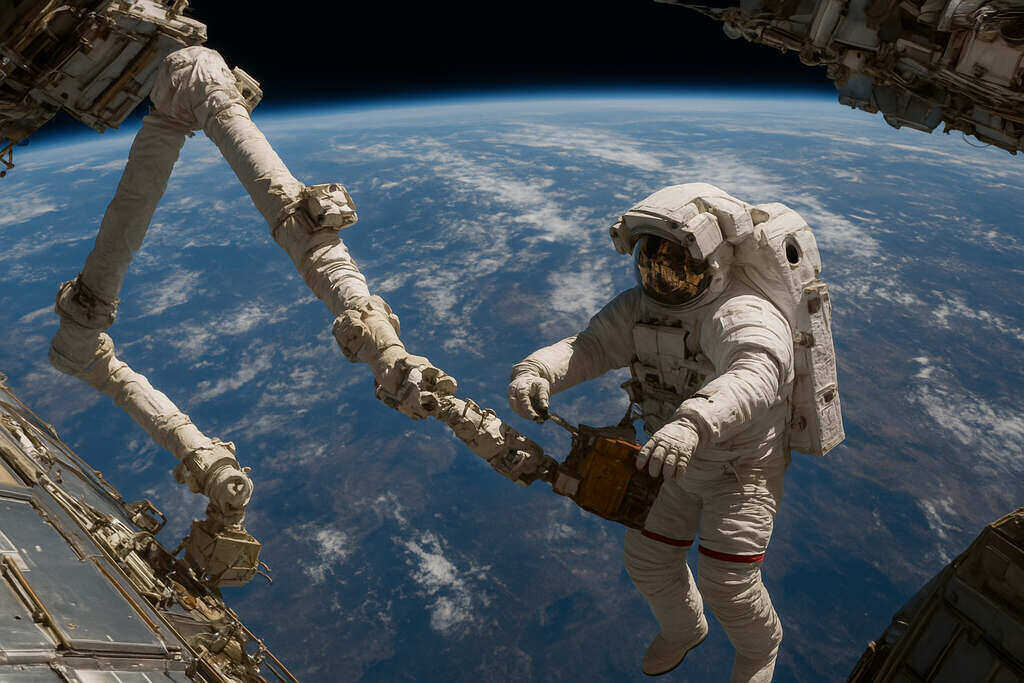
Spacewalks are risky—astronauts face extreme temperatures, sharp debris, and the danger of drifting away. Robots like Canadarm2 reduce that risk by performing many outdoor tasks from inside the station. These robotic arms handle repairs, move cargo, and even catch visiting spacecraft. Newer models with AI can work with greater precision, spotting problems faster than humans.
NASA’s Robonaut is designed to carry out repetitive or dangerous jobs so astronauts can focus on more important tasks. In the future, fully autonomous robots may inspect spacecraft, replace damaged parts, or prepare landing sites before humans even arrive. This teamwork between humans and machines is making space safer than ever.
3. AI Helping Spacecraft Navigate Without Human Control
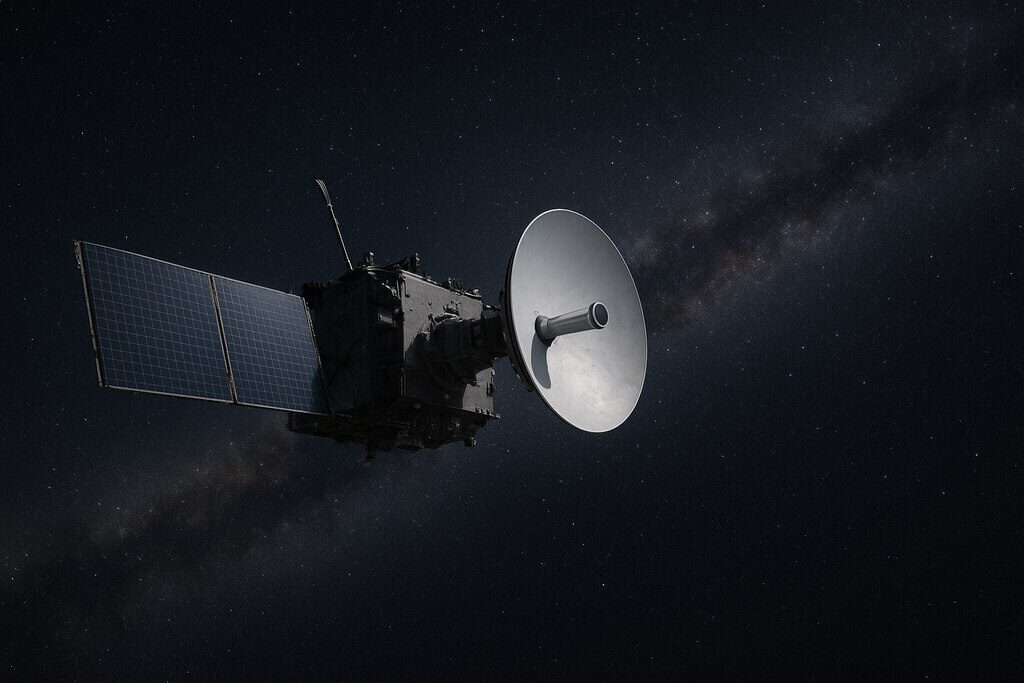
In deep space, communication delays make human control too slow. A signal to Jupiter can take almost an hour round-trip. AI solves this problem by allowing spacecraft to guide themselves. Missions like OSIRIS-REx used AI-based navigation to land on an asteroid with incredible accuracy. These systems identify stars and landmarks, adjust the spacecraft’s position, and avoid hazards automatically.
AI navigation reduces human error and increases mission success, especially when exploring distant planets or moons. As missions venture farther into the solar system, self-steering spacecraft will be essential for survival, allowing probes to make split-second decisions that humans simply cannot.
4. Robots Preparing the Moon for Human Settlement
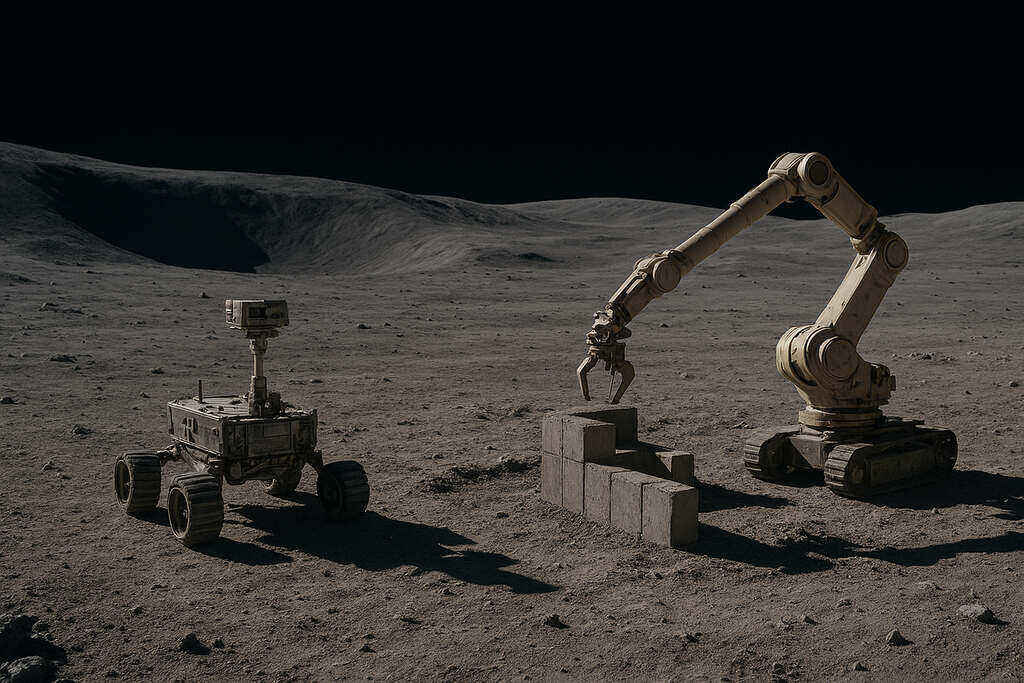
Before humans return to the Moon, robots will do most of the preparation. They can scout craters, test soil for building materials, and search for ice that future astronauts will turn into drinking water and fuel. Some robots will act like construction workers—building landing pads, setting up power systems, and clearing debris.
Robotic teams, or “swarms,” can cover large areas quickly and support one another. This reduces the cost and danger of sending humans too early. Eventually, robots may even build the first lunar homes using Moon dust through 3D printing. Their work will pave the way for sustainable human life on the lunar surface.
5. AI Making Satellites More Efficient and Reliable
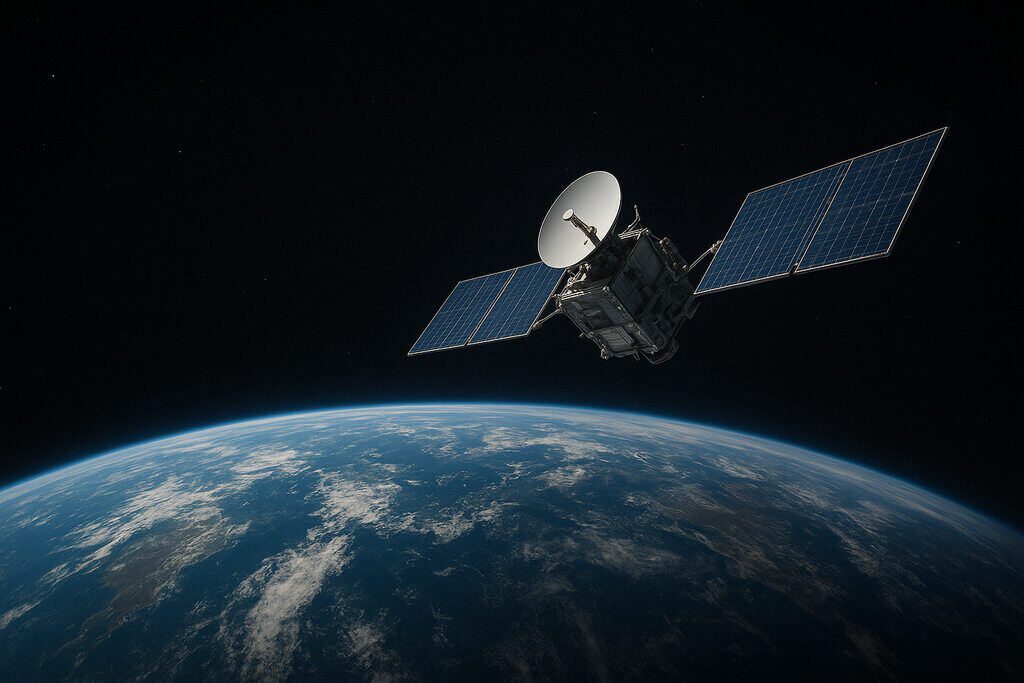
Satellites collect huge amounts of data every minute—weather patterns, ocean temperatures, rainfall, and traffic movement. AI helps organize and analyze this data much faster than humans. It can detect storms, forest fires, or floods in real time, giving emergency teams faster warnings. AI also helps satellites avoid collisions by predicting the movement of space debris.
Companies like SpaceX rely on AI to control thousands of Starlink satellites, preventing interference and keeping signals strong. AI-powered satellites require fewer commands from Earth, reducing human workload and mistakes. As space becomes more crowded, smart satellites will be essential for safety and communication.
6. Robotic Repair Systems Extending Satellite Lifespan
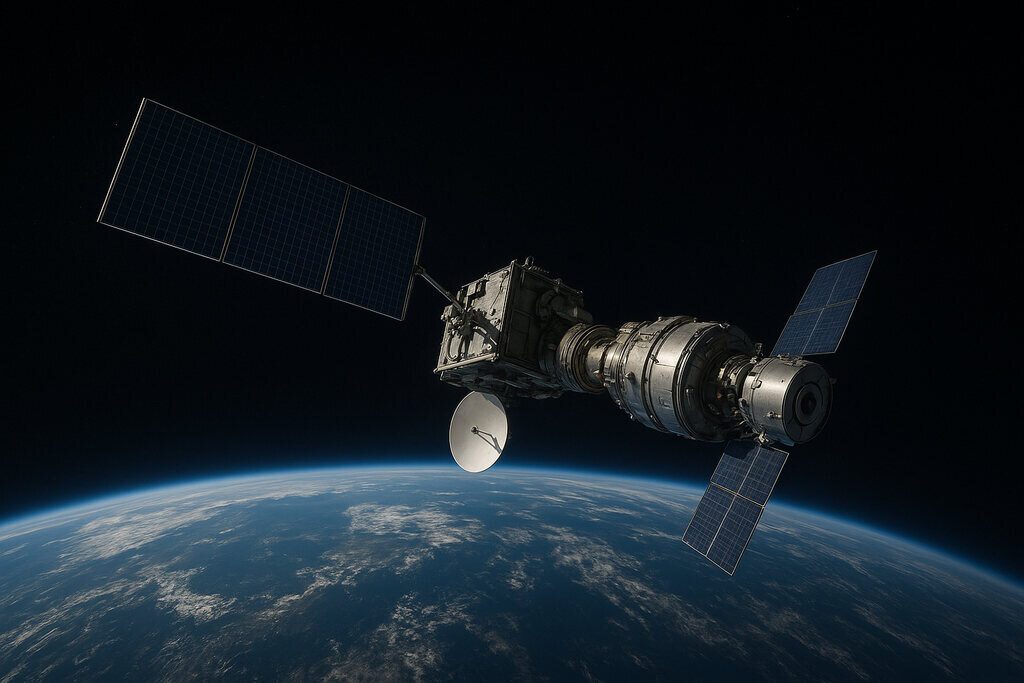
When satellites break or run low on fuel, replacing them is incredibly expensive. Robotic repair systems are changing that. Machines like the Mission Extension Vehicle (MEV) dock with old satellites and give them extra years of life. AI helps these robots stabilize spinning objects, adjust their tools, and perform delicate repairs without human hands.
This reduces space junk and saves millions of dollars. Future orbital “servicing stations” may upgrade satellites with new parts or refuel them on the spot. This keeps essential services like GPS, communication, and weather forecasting running smoothly and sustainably.
7. AI Speeding Up the Search for Life
AI is becoming one of our best tools for finding life beyond Earth. By scanning massive amounts of data from telescopes, AI can spot unusual patterns—strange atmospheres, chemical signals, or unexpected light variations. These clues may point to planets that could support life. AI has already helped scientists discover new exoplanets hidden in old data.
On Mars, AI identifies promising rock formations for studying organic molecules. In future missions to icy moons like Europa, AI-powered robots will analyze samples without exposing them to contamination. With its ability to detect tiny details that humans might miss, AI is pushing the search for life into a new era.
8. Robots Exploring Harsh and Dangerous Worlds
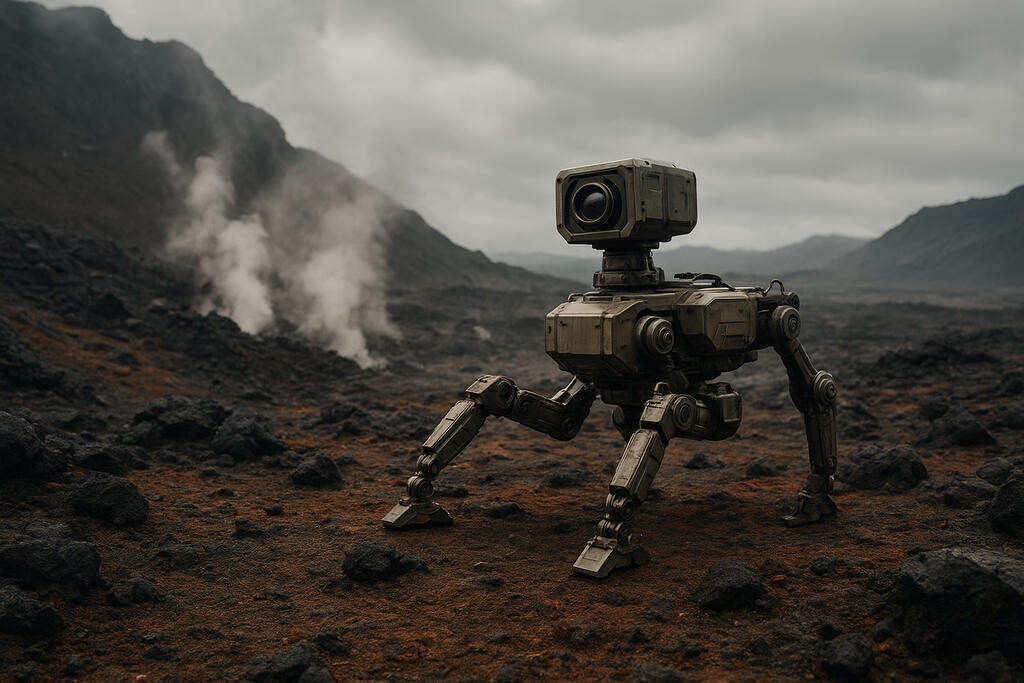
Many places in our solar system are too dangerous for humans—Venus’s extreme heat, Europa’s icy surface, Titan’s methane lakes. Robots are built to handle these challenges. They can survive conditions that would instantly harm a person. NASA’s Dragonfly mission will send a flying robot to Titan to study its strange landscapes and chemical lakes.
These machines operate independently, making decisions based on local conditions. Engineers test similar robots in Earth’s harsh environments, like volcanoes and polar ice, to prepare them for their extraterrestrial missions. Robots allow us to explore worlds that would otherwise remain completely unreachable.
9. AI Helping Missions Learn from Past Mistakes
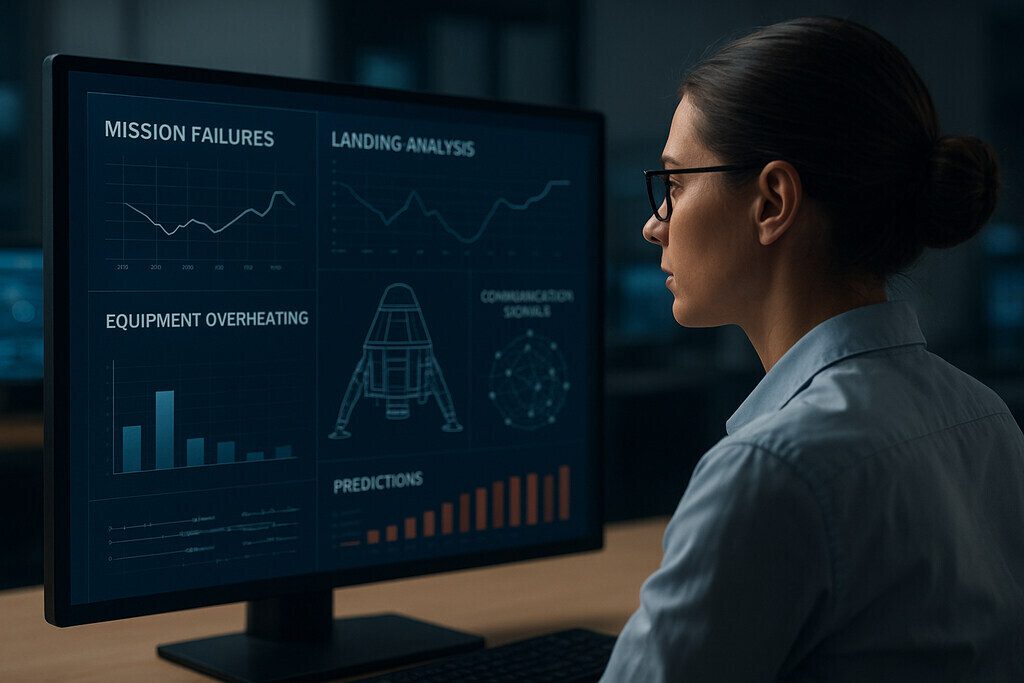
AI can study past mission failures to prevent them from happening again. It analyzes patterns—landings that went off-course, equipment that overheated, and communication signals that dropped. By learning from these issues, AI provides mission planners with better predictions and safer strategies.
For example, AI can suggest more stable landing zones or point out which designs are most likely to fail under stress. This makes each new mission smarter and more reliable. Over time, AI collects a huge library of lessons, giving space agencies a powerful tool to reduce risk and increase success.
10. Robots Building Future Homes Beyond Earth
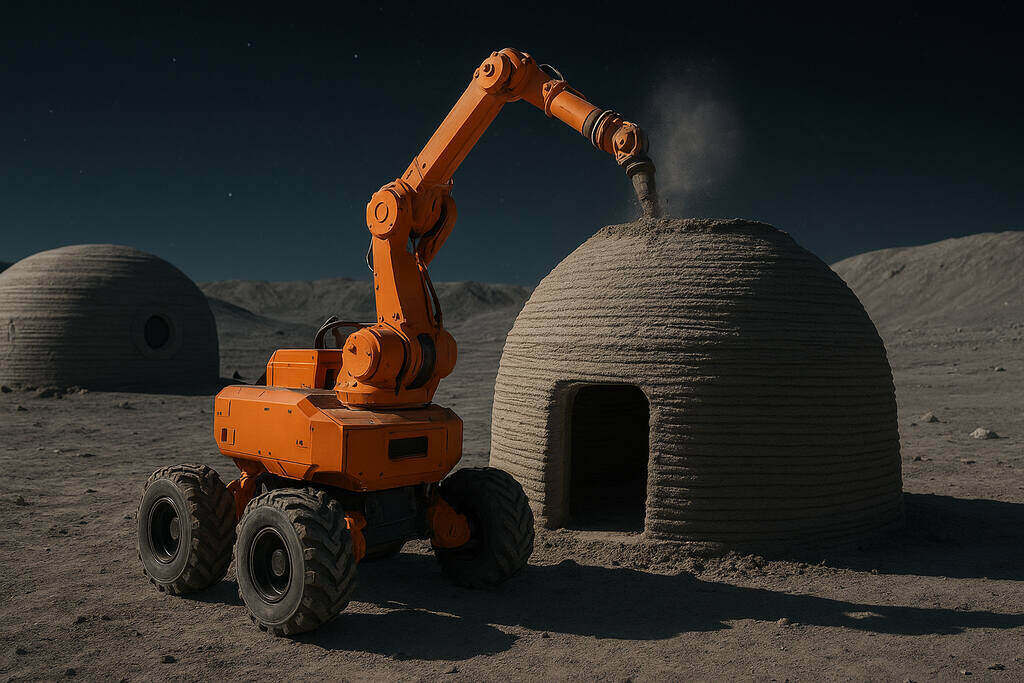
One day, humans may live on the Moon or Mars—but our homes there will likely be built by robots. Using 3D printing and local materials like dust or soil, robots can build walls, floors, and protective shelters. This method saves money and reduces the need to transport heavy materials from Earth.
AI ensures the construction process is efficient and safe, adjusting designs based on temperature, wind, or terrain. Some robots can repair damage or reinforce structures when storms hit. As these systems improve, we may see entire bases built robotically—ready for human explorers to move in.
11. AI for Smarter Mission Planning
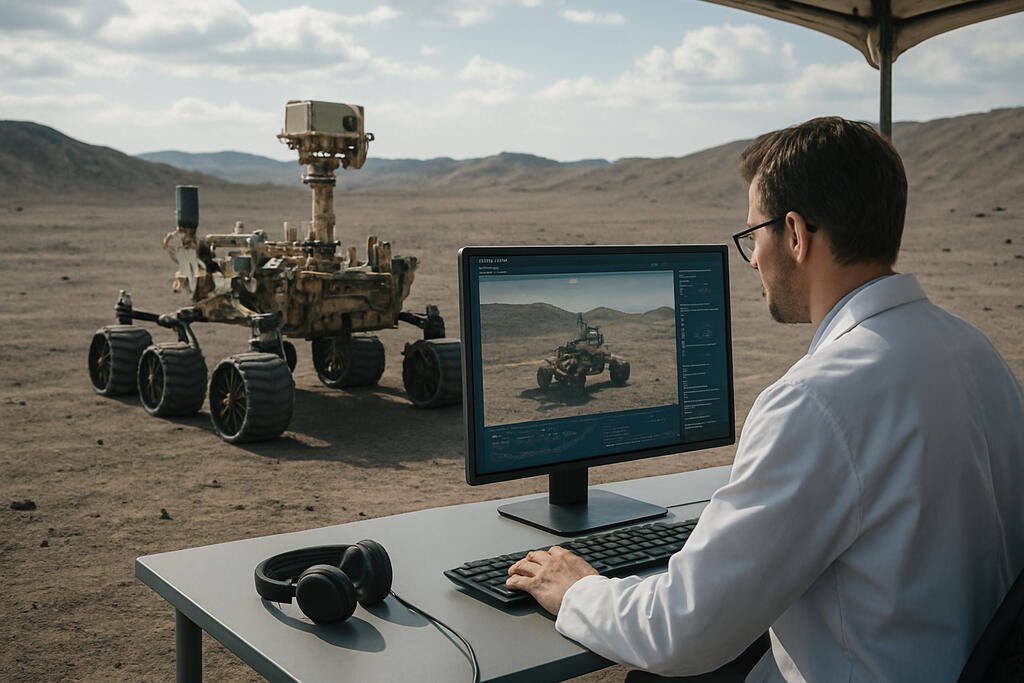
Planning a space mission involves hundreds of decisions—choosing launch windows, managing fuel, predicting weather, and scheduling scientific tasks. AI helps experts simulate thousands of scenarios quickly, showing which choices offer the best results. This reduces human error and saves time.
During rover missions, AI analyzes weather, terrain, and battery levels to help scientists choose the safest and most productive routes. For satellite missions, AI schedules observations based on cloud cover and orbital paths. By acting like a smart assistant, AI helps missions run more smoothly while improving scientific output.
12. Robots Handling Samples with Precision and Safety
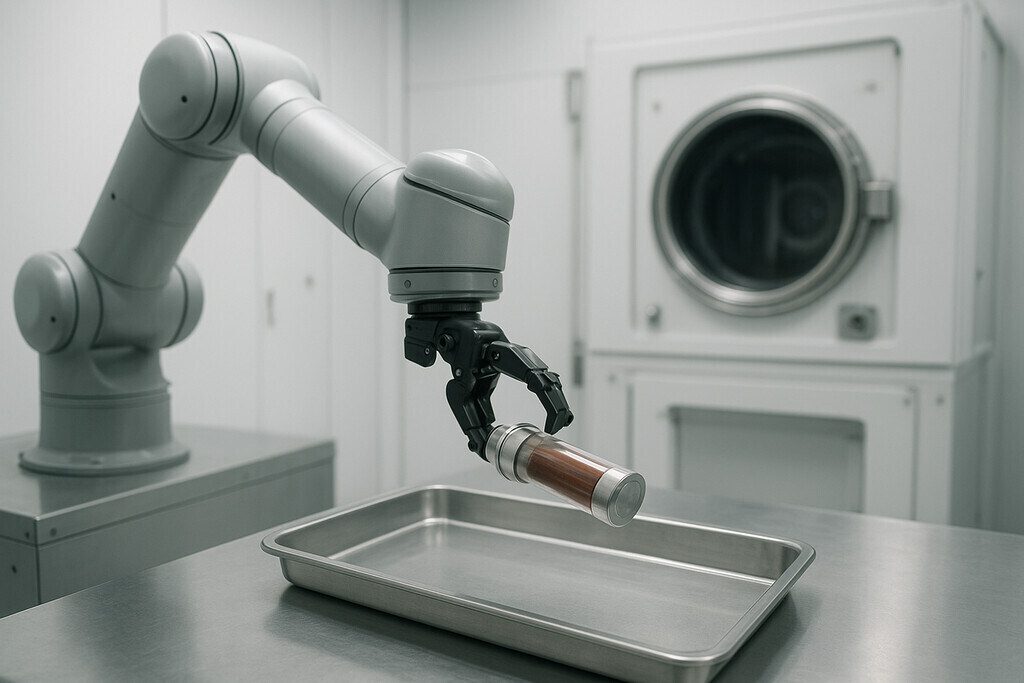
Collecting samples from other worlds requires extreme care to avoid contamination. Robots are perfect for this job. The upcoming Mars Sample Return mission will rely on robots to retrieve sealed tubes collected by Perseverance and load them into a spacecraft. AI helps guide these robots with high precision, ensuring no sample is damaged.
Inside laboratories, robotic arms sort, open, and analyze samples in airtight chambers to keep them clean and scientifically valuable. This careful handling increases the chances of discovering important clues about ancient environments—or even signs of past life.
13. AI Improving Rocket Safety and Performance
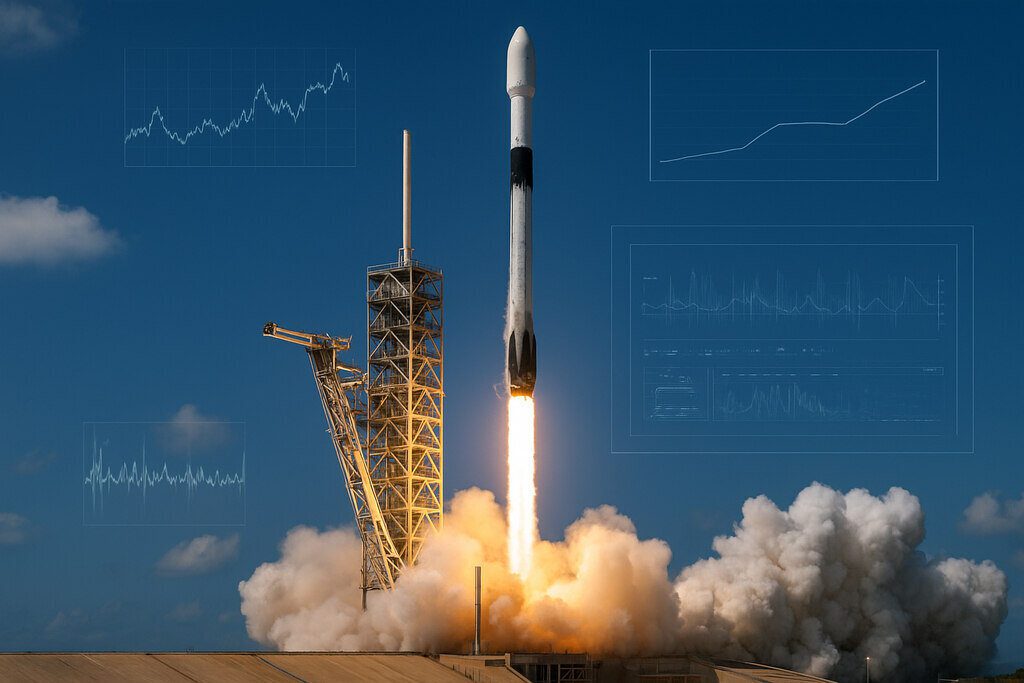
AI plays a major role in making modern rockets safer. It monitors engine vibrations, fuel flow, temperature, and pressure in real time. If something looks wrong, AI can alert engineers or trigger safety systems. AI also helps identify the best launch times based on weather and wind conditions.
Reusable rockets, like SpaceX’s Falcon 9, rely heavily on AI to land safely on Earth. Algorithms control the rocket’s descent, balance, and engine burns with incredible accuracy. These advancements make space travel cheaper, more reliable, and accessible for future missions.
14. Swarm Robots for Faster Exploration
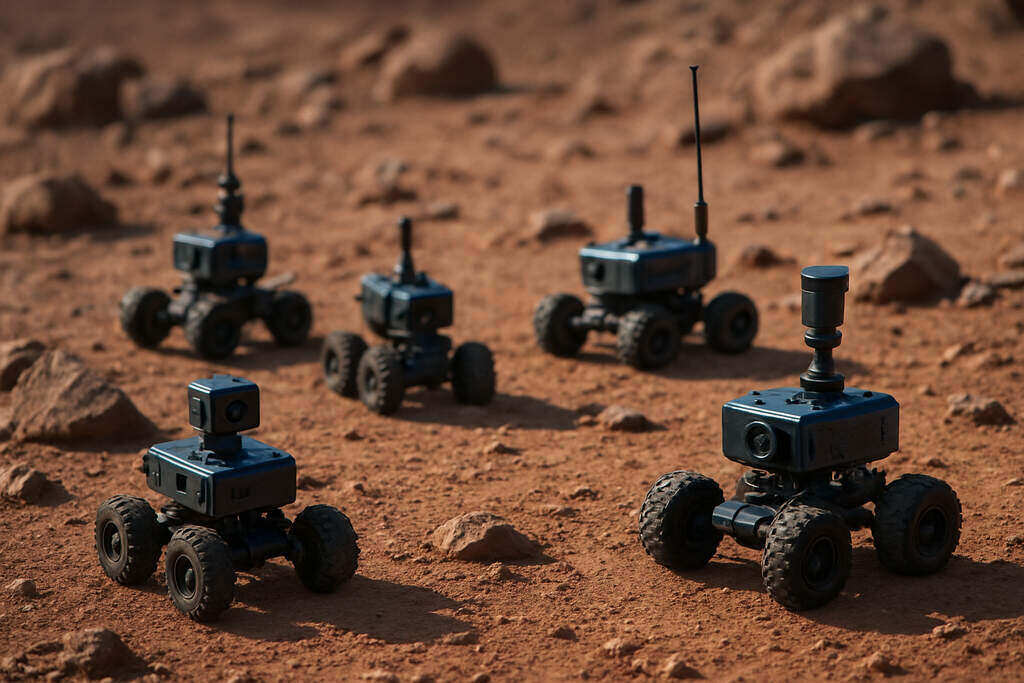
Instead of sending one large robot, future missions may send dozens of small ones that work together. These “swarm robots” communicate like insects—sharing tasks, mapping surfaces, and supporting each other. If one robot breaks, the mission continues. This makes exploration more efficient and less risky.
Swarms can enter tight spaces, explore caves, or spread across wide areas in minutes. Each robot may have a different tool—one for digging, one for scanning, one for measuring radiation. AI keeps the group organized so they don’t overlap or collide. Swarm exploration could reveal secrets hidden deep in alien landscapes.
15. Humans and Robots: A Powerful Space Team
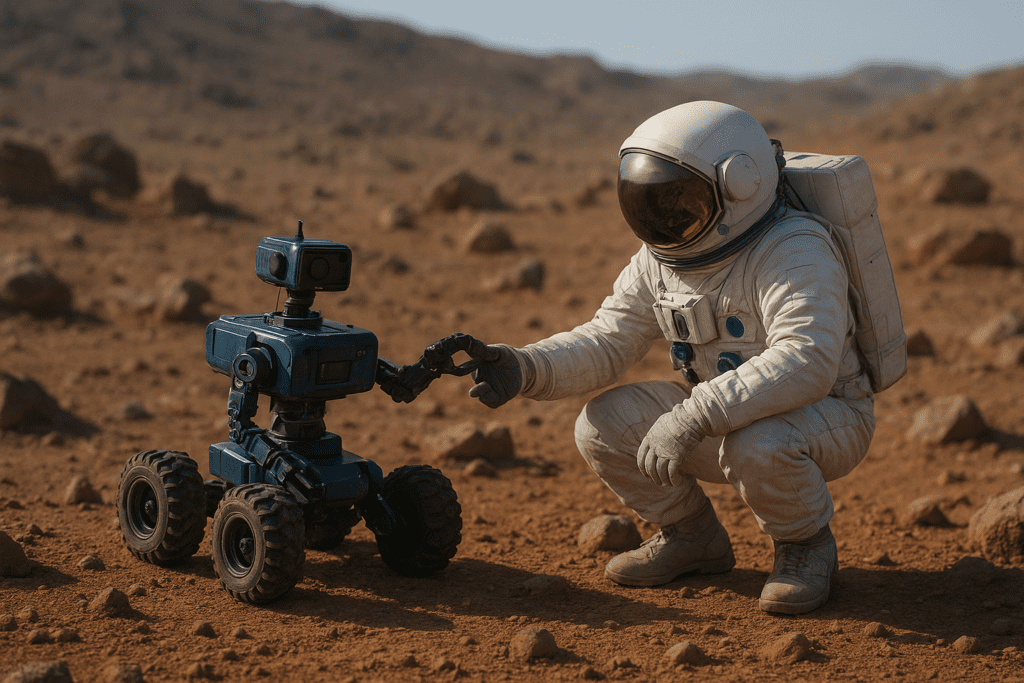
The future of space exploration isn’t humans or robots—it’s both working together. Robots will handle dangerous or tiring tasks, while humans focus on creativity, problem-solving, and decision-making. AI assistants could help astronauts fix equipment, plan routes, or monitor their health during long missions.
Robotic partners might explore caves, carry tools, or test new areas before humans enter. This teamwork strengthens safety and efficiency, making long-term missions more realistic. When humans and robots combine strengths, we can build habitats, search for resources, and push farther into the universe. It’s a partnership that will shape the future of space travel.