
Historians play a crucial role in shaping our understanding of the past. Through their writings, they provide insight into the events, ideas, and figures that have influenced the course of human history. The work of historians transcends time and place, offering us a window into different cultures and epochs.
Some have become iconic for their groundbreaking contributions, leaving lasting legacies that continue to inform historical scholarship. Here are 15 of the greatest historians in the world whose works have shaped how we view history.
1. Herodotus
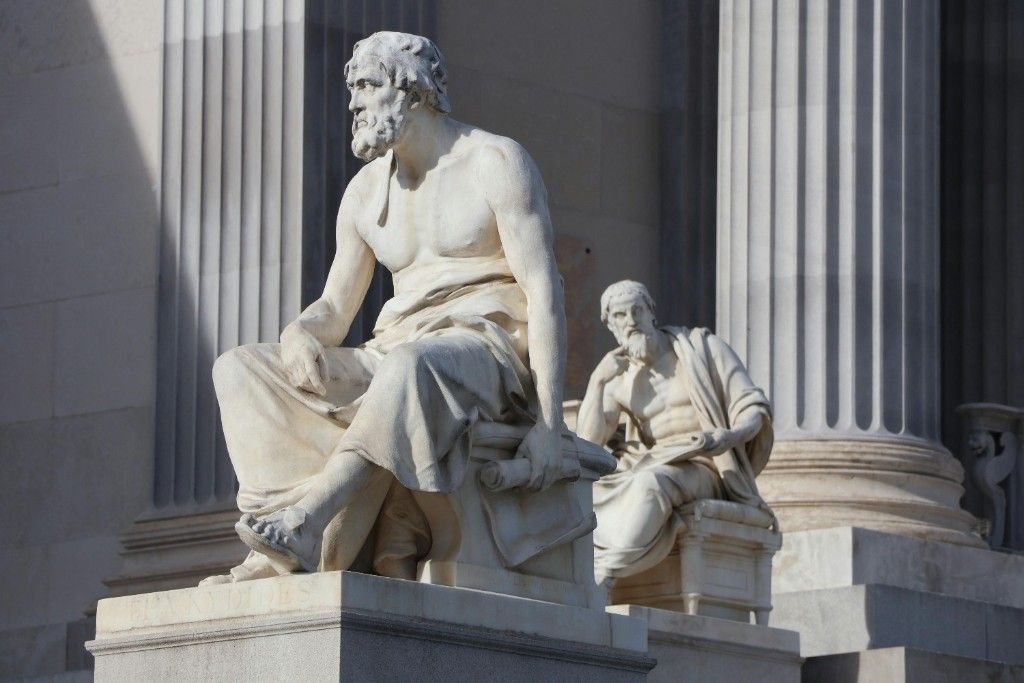
Herodotus, the Greek historian, is often referred to as the “Father of History.” His seminal work, Histories, covers the Greco-Persian Wars, exploring the origins of the conflict, its key battles, and the cultures involved. Herodotus aimed to explain not just events but also the reasons behind them, incorporating myths, legends, and diverse cultural accounts.
His pioneering approach to documenting history made him a trailblazer, although his tendency to mix fact with folklore has invited criticism. Nonetheless, his curiosity and narrative style laid the foundation for historical writing and set a precedent for future historians.
2. Thucydides
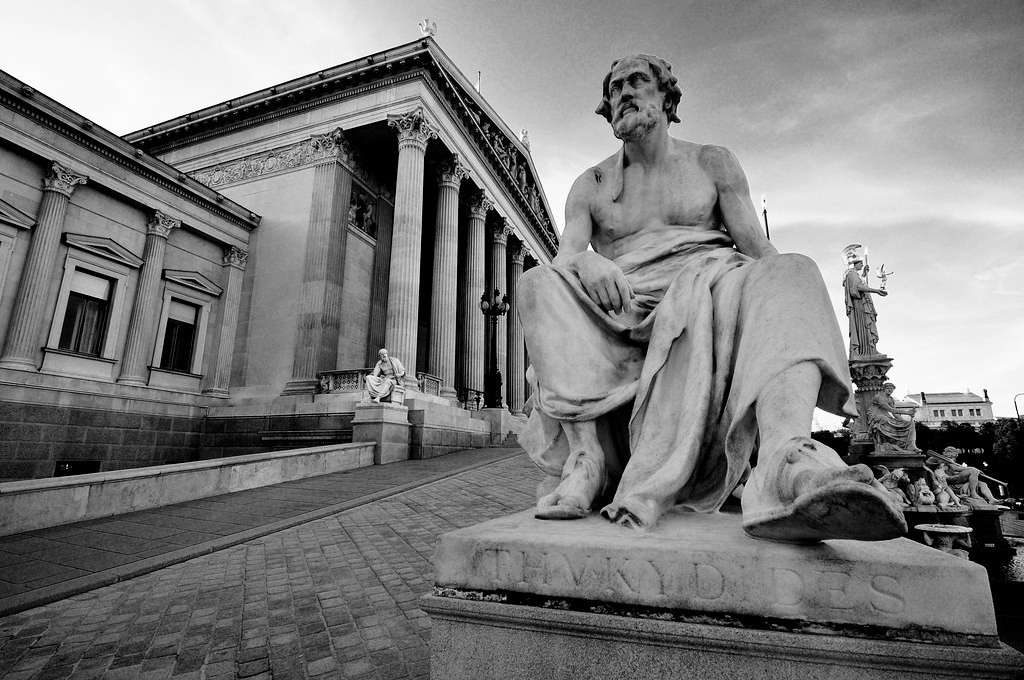
Thucydides, another ancient Greek historian, is renowned for his detailed account of the Peloponnesian War in his work History of the Peloponnesian War. Unlike Herodotus, Thucydides focused on empirical analysis and a more critical, less mythological approach.
He emphasized the role of human nature and power dynamics in historical events, presenting history as a cyclical struggle for dominance. His emphasis on facts, objectivity, and the complexity of political events set a new standard in historical writing, influencing not only historians but also political scientists.
3. Plutarch
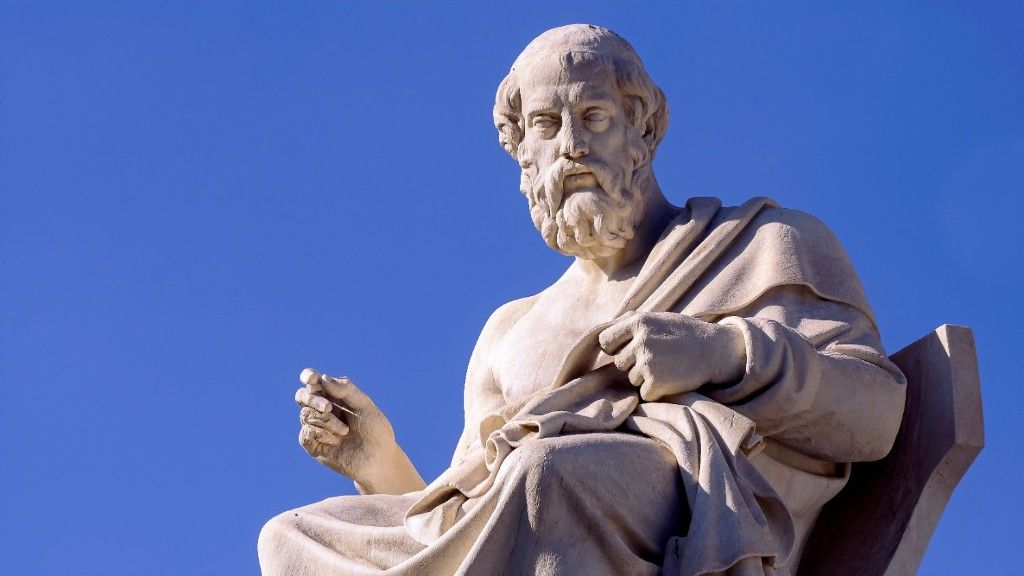
Plutarch was a Greek biographer and philosopher, best known for his Parallel Lives, a series of biographical sketches of notable Greek and Roman figures. He compared pairs of figures, such as Alexander the Great and Julius Caesar, to highlight their moral virtues and flaws.
This comparative approach to biography not only provided insights into individual lives but also into broader cultural and historical themes. Plutarch’s work has remained influential throughout history, offering timeless lessons on leadership, ethics, and the impact of character on events.
4. Edward Gibbon
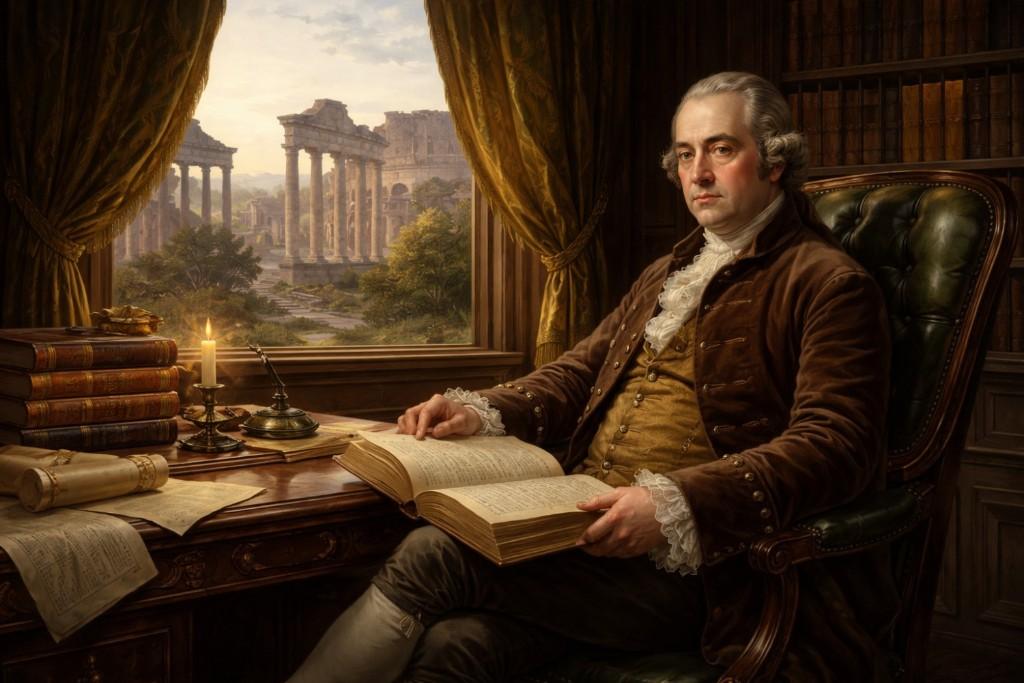
Edward Gibbon’s The History of the Decline and Fall of the Roman Empire is a landmark in Western historical writing. Gibbon analyzed the collapse of the Roman Empire from a socio-political perspective, arguing that internal decay, particularly the rise of Christianity, played a pivotal role in Rome’s downfall.
His critical examination of historical sources and focus on secular rather than divine explanations was revolutionary at the time. Though some of Gibbon’s conclusions have been disputed, his work remains an essential reference for anyone studying Roman history and the fall of empires.
5. Karl Marx
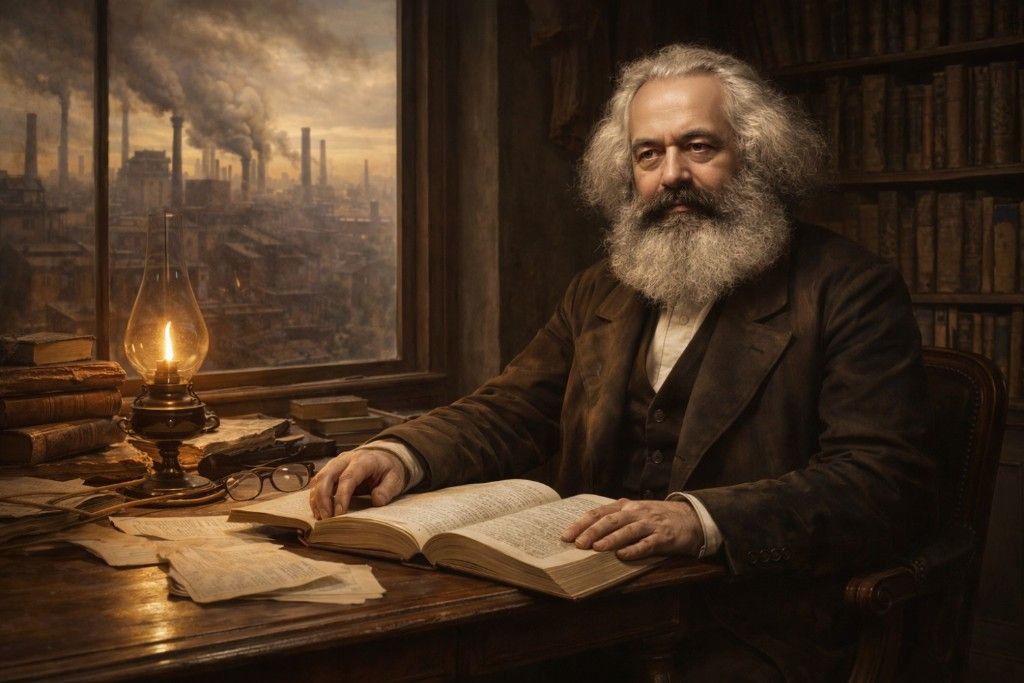
Karl Marx, the influential philosopher and economist, reshaped historical analysis with his theory of historical materialism. In works like The Communist Manifesto and Das Kapital, Marx argued that history is driven by class struggles, with economic forces at the heart of societal change.
His analysis of capitalism’s evolution and eventual demise laid the groundwork for both socialist movements and critical historical scholarship. Marx’s focus on economic systems and their relationship to power structures has influenced countless historians, sociologists, and political theorists worldwide.
6. Fernand Braudel
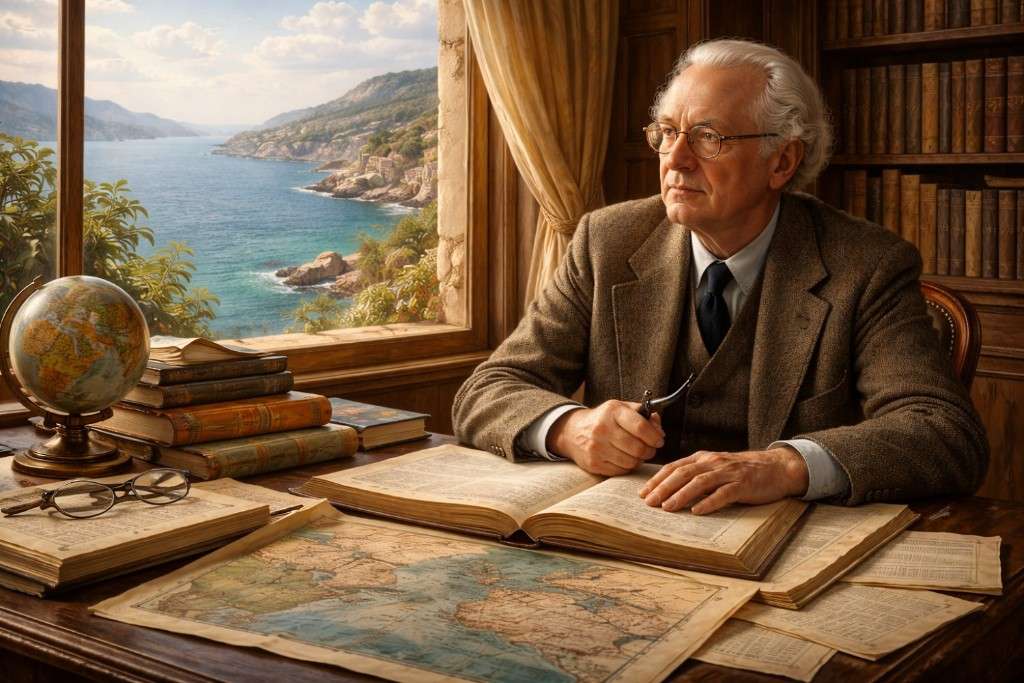
Fernand Braudel was a French historian associated with the Annales School, which emphasized long-term social and environmental factors over traditional political history. His book The Mediterranean and the Mediterranean World in the Age of Philip II examined the Mediterranean’s geography, climate, and economic structures to explain historical events.
Braudel’s approach shifted the focus from individual leaders and battles to broader, more enduring forces shaping history. His work marked a significant departure from traditional historical methods, and his ideas continue to inform interdisciplinary research in history.
7. Eric Hobsbawm
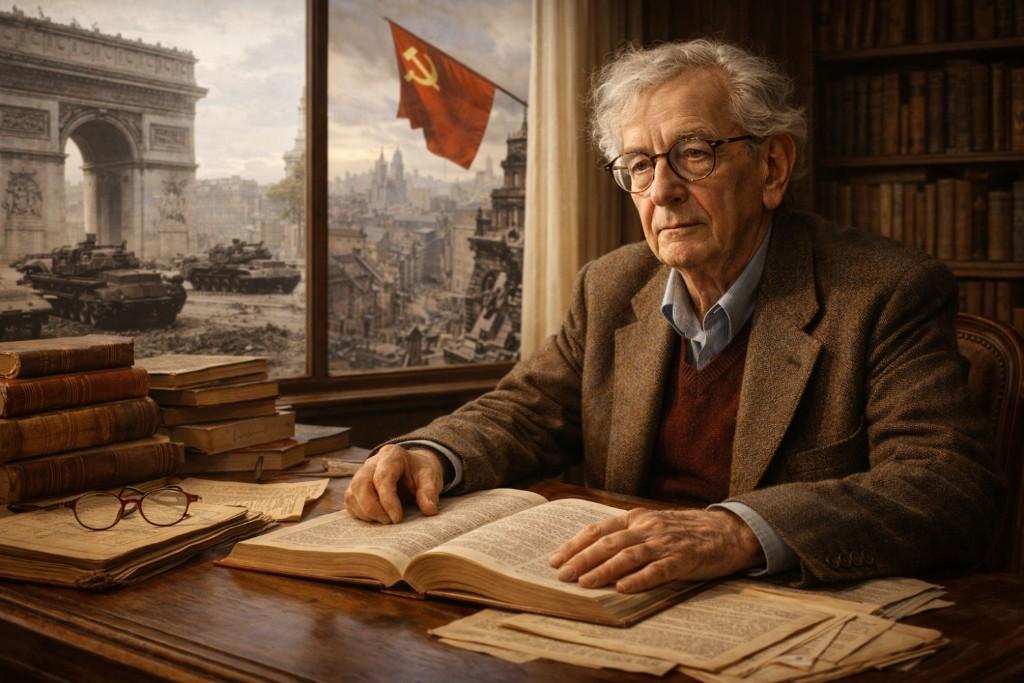
Eric Hobsbawm was a British Marxist historian known for his wide-ranging work on the history of Europe, especially during the 19th and 20th centuries. His books The Age of Revolution and The Age of Extremes offer an in-depth analysis of the forces that shaped the modern world, from the French Revolution to the rise of fascism and communism.
Hobsbawm’s Marxist framework provided a critical lens for understanding the social and economic transformations that underpinned global events. His work remains an essential contribution to the study of modern history.
8. Michel Foucault
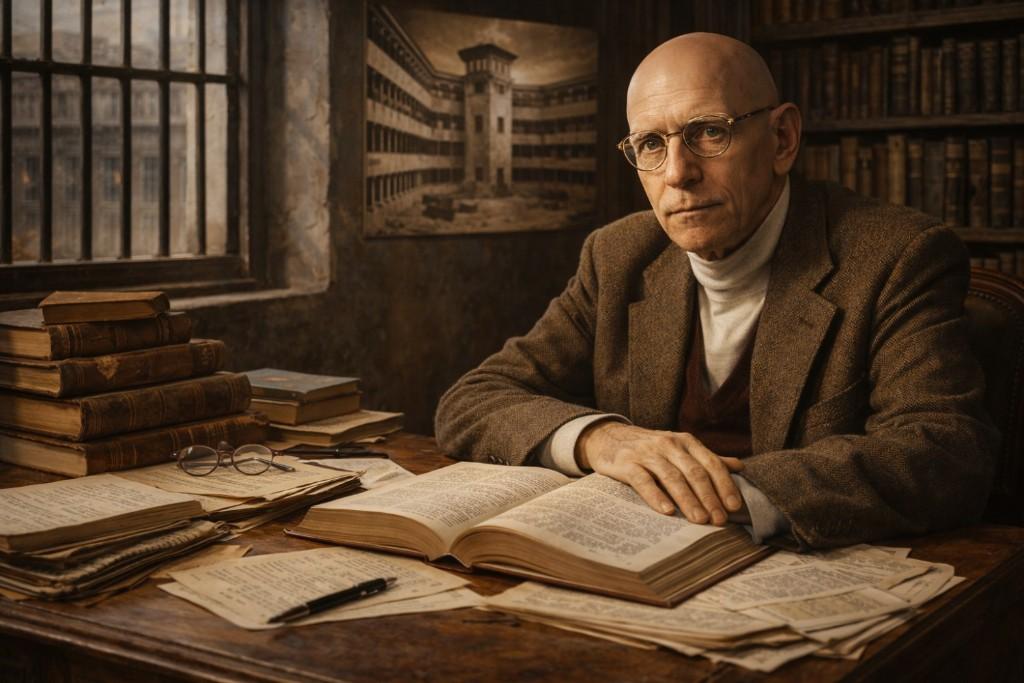
Michel Foucault, though primarily known as a philosopher, made profound contributions to historical scholarship. His works, such as Discipline and Punish and The History of Sexuality, explore the relationship between power, knowledge, and societal institutions. Foucault argued that historical events and movements are often shaped by underlying structures of power.
His concept of “power/knowledge” challenges traditional historical narratives and opens up new avenues for understanding how social norms and institutions evolve. Foucault’s influence extends far beyond history, impacting sociology, political science, and cultural studies.
9. Simon Schama
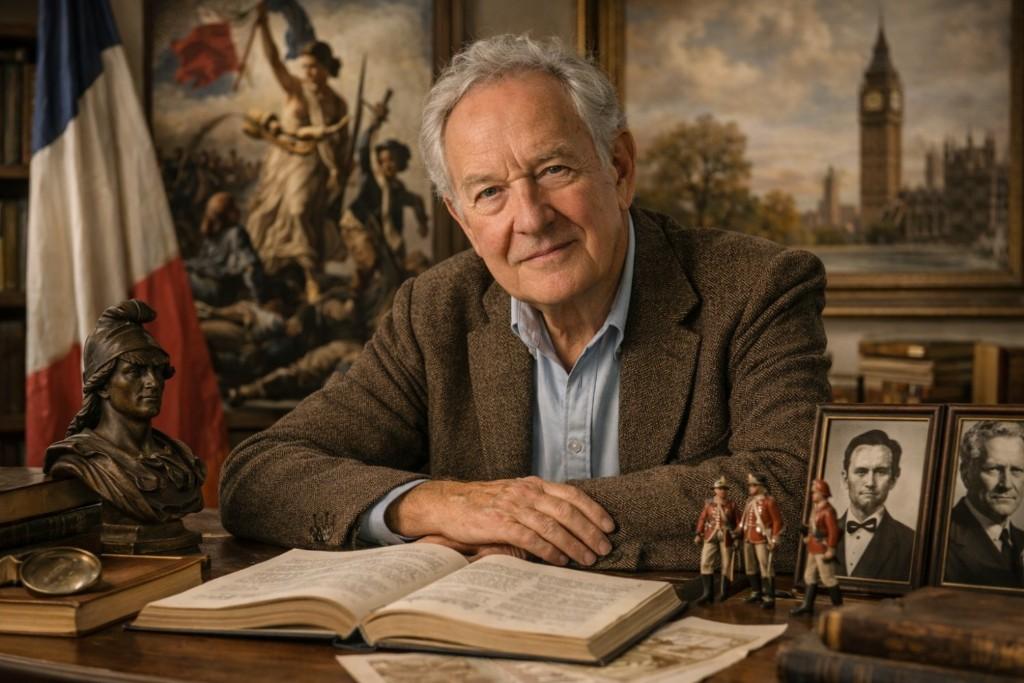
Simon Schama is a British historian whose work has brought history to life for both academic audiences and the general public. His book Citizens explores the French Revolution, while his A History of Britain series reinterprets British history in a compelling and accessible manner.
Schama combines thorough research with engaging storytelling, making complex historical events both entertaining and educational. His ability to connect past events to contemporary issues has made him one of the most influential public historians of our time.
10. John Keegan
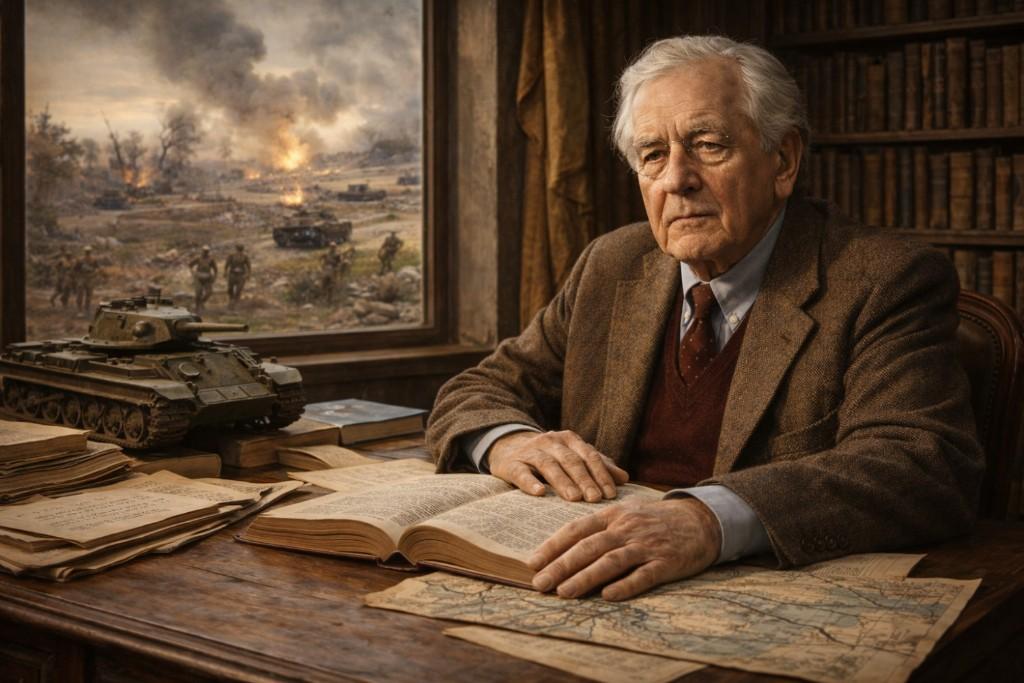
John Keegan was a British military historian whose books, such as The Face of Battle and A History of Warfare, revolutionized the study of combat. Unlike traditional military history, which often focuses on strategy and leadership, Keegan focused on the experiences of ordinary soldiers.
He examined the human cost of war and its effects on individuals, offering a more personal and empathetic view of history. Keegan’s work continues to shape military studies, providing new insights into how wars are fought and experienced by those involved.
11. Barbara Tuchman
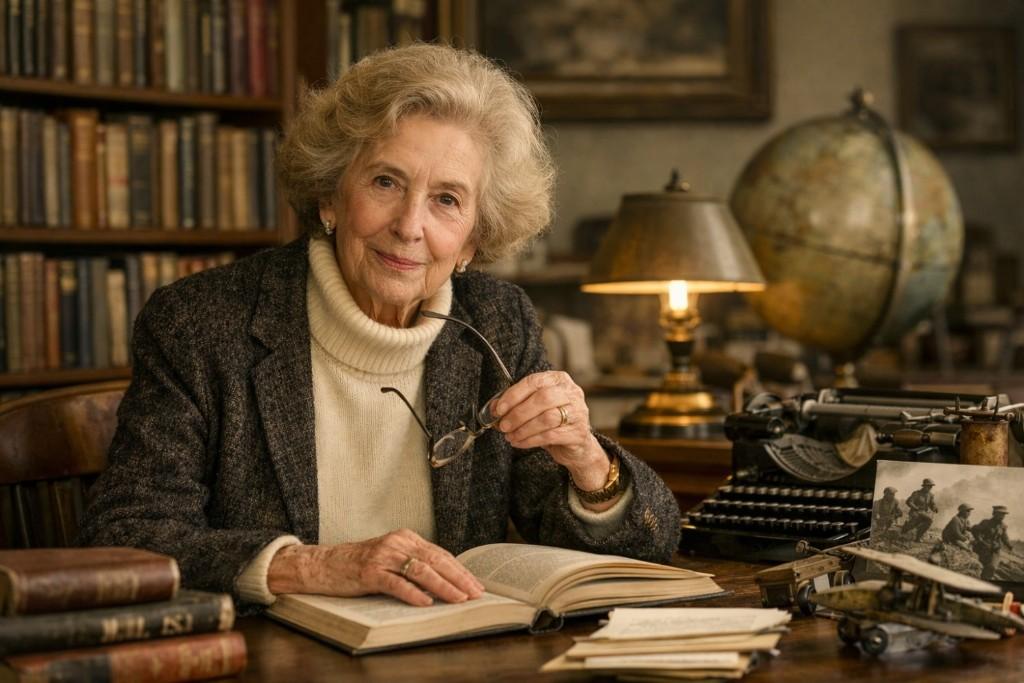
Barbara Tuchman was an American historian and author whose books, such as The Guns of August and A Distant Mirror, provided in-depth, narrative-driven accounts of historical events. Her work on World War I, particularly The Guns of August, is considered one of the best books on the topic, offering insights into the causes and miscalculations that led to the war. Tuchman’s engaging writing style, coupled with meticulous research, has made her one of the most widely-read historians of the 20th century.
12. Louis Mumford
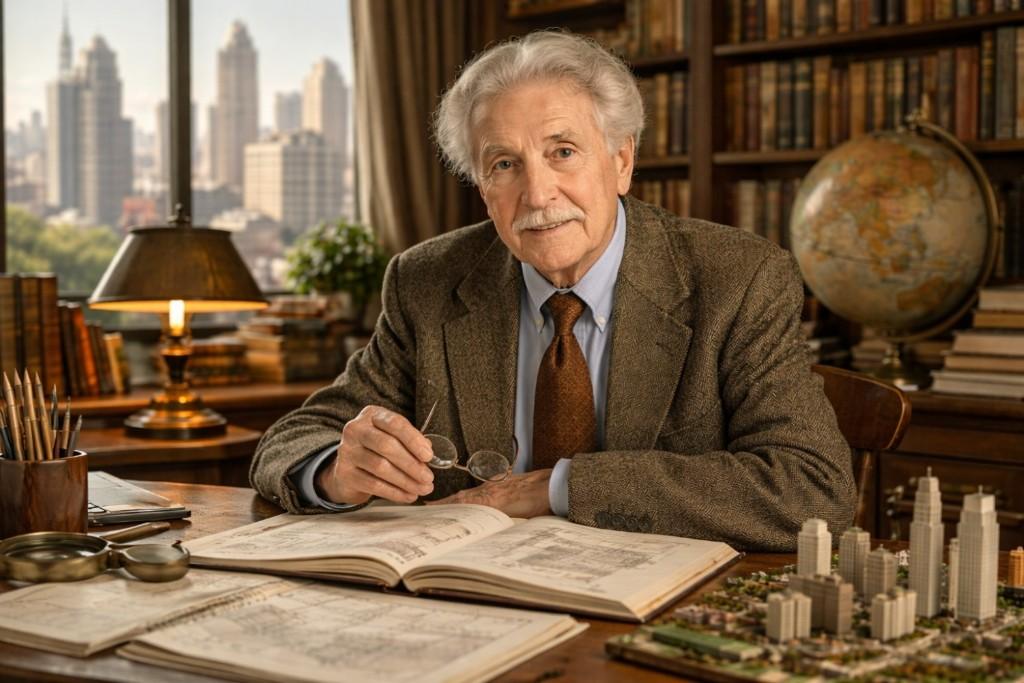
Louis Mumford was a historian of technology and urban development, best known for his work The City in History. Mumford explored the evolution of cities, analyzing how technological advancements, societal values, and urban planning intersect to shape civilization.
His work examined the impact of industrialization on urban life and warned of the dangers of unchecked technological progress. Mumford’s interdisciplinary approach to history influenced fields like urban studies, sociology, and architecture, and his ideas continue to resonate with contemporary discussions on the future of cities.
13. A. J. P. Taylor
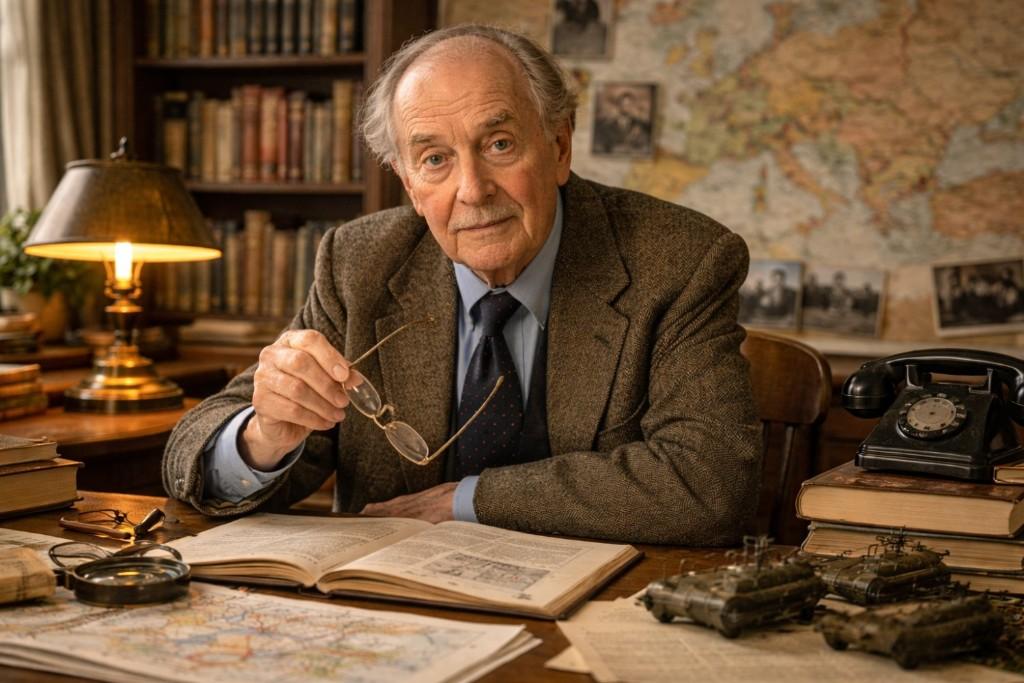
A. J. P. Taylor was a British historian whose provocative writings, such as The Origins of the Second World War, challenged traditional narratives of history. Taylor argued that the outbreak of World War II was not the result of a grand conspiracy or inevitable path but rather a series of mistakes and miscalculations.
His controversial conclusions sparked debates and reshaped historical discourse on the causes of war. Taylor’s bold approach to historical analysis and his ability to present complex ideas in an accessible way made him one of the most influential historians of the 20th century.
14. Howard Zinn
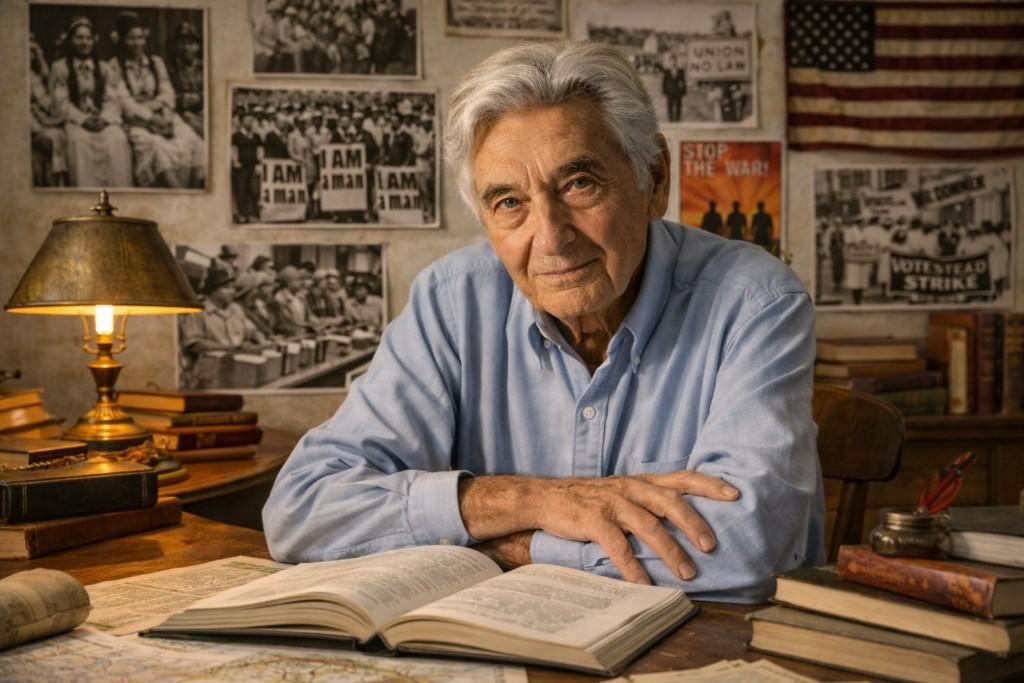
Howard Zinn’s A People’s History of the United States provides a radical rethinking of American history, focusing on the experiences of marginalized groups. Zinn challenges traditional historical narratives by highlighting the struggles of Native Americans, African Americans, women, and labor movements.
His work has been influential in reshaping how people view U.S. history, offering alternative perspectives that are often overlooked in mainstream accounts. Zinn’s emphasis on social justice and the experiences of the oppressed continues to inspire historians and activists today.
15. Doris Kearns Goodwin

Doris Kearns Goodwin is a Pulitzer Prize-winning historian known for her in-depth biographies of U.S. presidents, including Abraham Lincoln and Franklin D. Roosevelt. Her book Team of Rivals explores Lincoln’s leadership during the Civil War and his ability to unite a divided nation.
Goodwin’s meticulous research, combined with her engaging writing style, offers profound insights into the lives of these historical figures. Her work on political leadership has been widely praised, providing valuable lessons on governance and the complexities of leadership during times of crisis.