
The gaming industry has undergone countless transformations over the years, with each change pushing the boundaries of what players can experience. From revolutionary controls to groundbreaking storytelling techniques, certain game mechanics have had a lasting impact on how games are designed and played. These mechanics not only redefine how players interact with games but also shape the future of the industry. Let’s explore 13 game mechanics that have revolutionized the gaming world.
1. Open-World Exploration
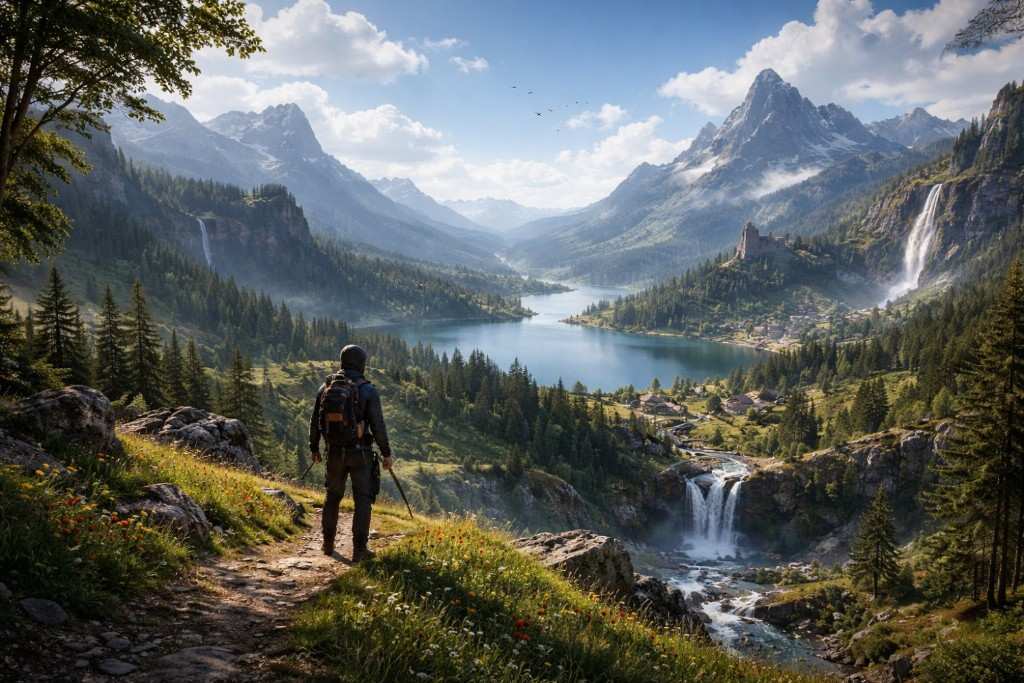
The open-world mechanic allows players to explore vast, interconnected environments without the constraints of linear progression. This shift offers unprecedented freedom, enabling players to choose their path, explore side quests, and interact with the game world at their own pace.
Titles like The Legend of Zelda: Breath of the Wild and Grand Theft Auto V exemplify this mechanic, offering immersive worlds where every corner hides a new discovery. Open-world games have become a staple of modern gaming, encouraging deep exploration and a sense of agency.
2. Real-Time Combat
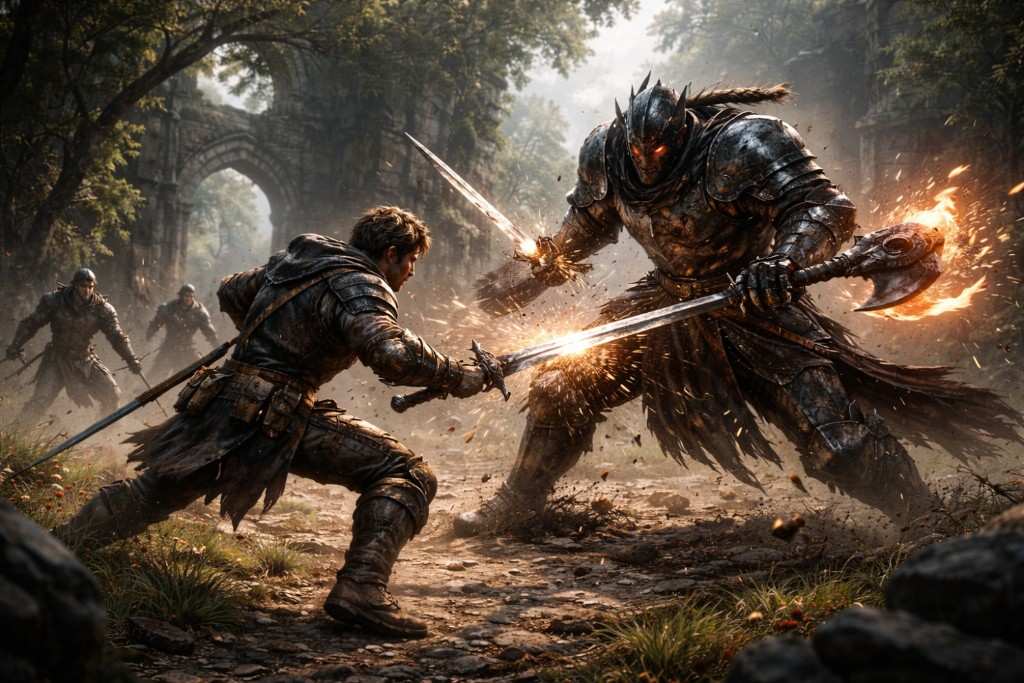
Real-time combat mechanics, where players engage in action during gameplay without waiting for turns, have brought a dynamic and fluid energy to games. From the Final Fantasy XV to Dark Souls, real-time combat forces players to stay alert, time their attacks, and react on the fly.
This mechanic has become a central aspect of action RPGs, pushing the need for precise control and strategic thinking. The excitement and intensity of real-time combat have helped shape many of the most beloved and challenging games today.
3. Leveling and Progression Systems

The leveling and progression system, in which characters gain experience and grow stronger over time, has been fundamental in shaping RPGs and action-adventure games. Games like Skyrim and World of Warcraft feature detailed progression systems that encourage players to invest time and energy into developing their characters. These systems add depth and replayability, allowing players to craft their ideal playstyle through skills, abilities, and equipment, making each player’s journey unique and rewarding.
4. Stealth Mechanics
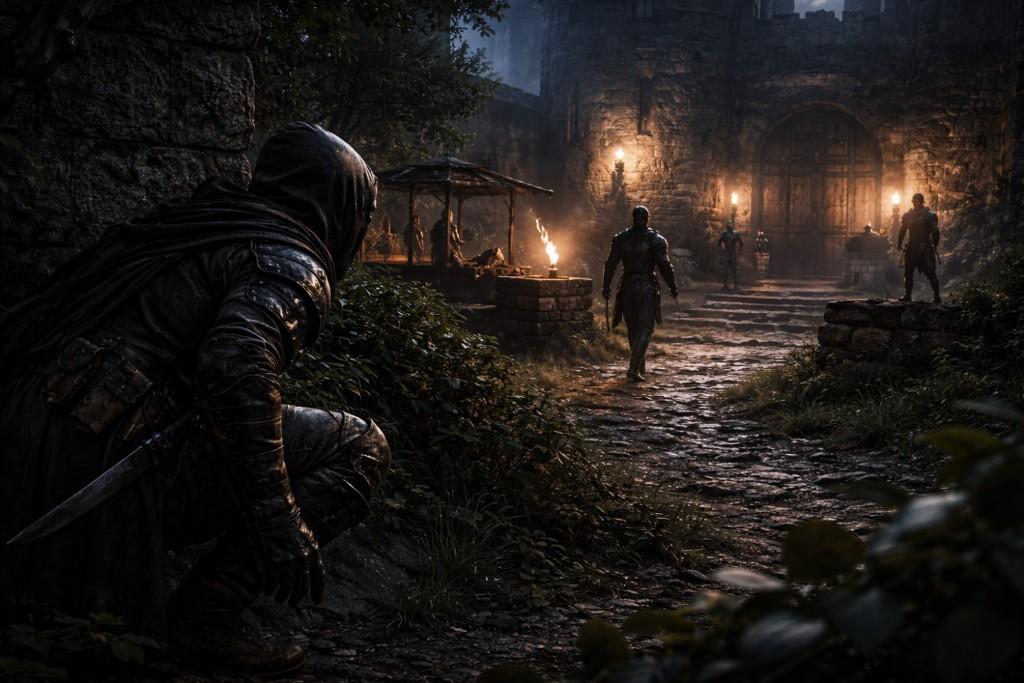
Stealth-based gameplay, where players must avoid detection and use strategy to outwit enemies, has been a game-changer for action-adventure games. Metal Gear Solid is often credited with popularizing stealth mechanics, where careful planning and timing are key to success.
Modern stealth games like Assassin’s Creed and Hitman continue to build on this foundation, creating tension and excitement through the art of sneaking past foes. Stealth mechanics encourage players to think critically, making it a unique and rewarding challenge.
5. Narrative-Driven Choices
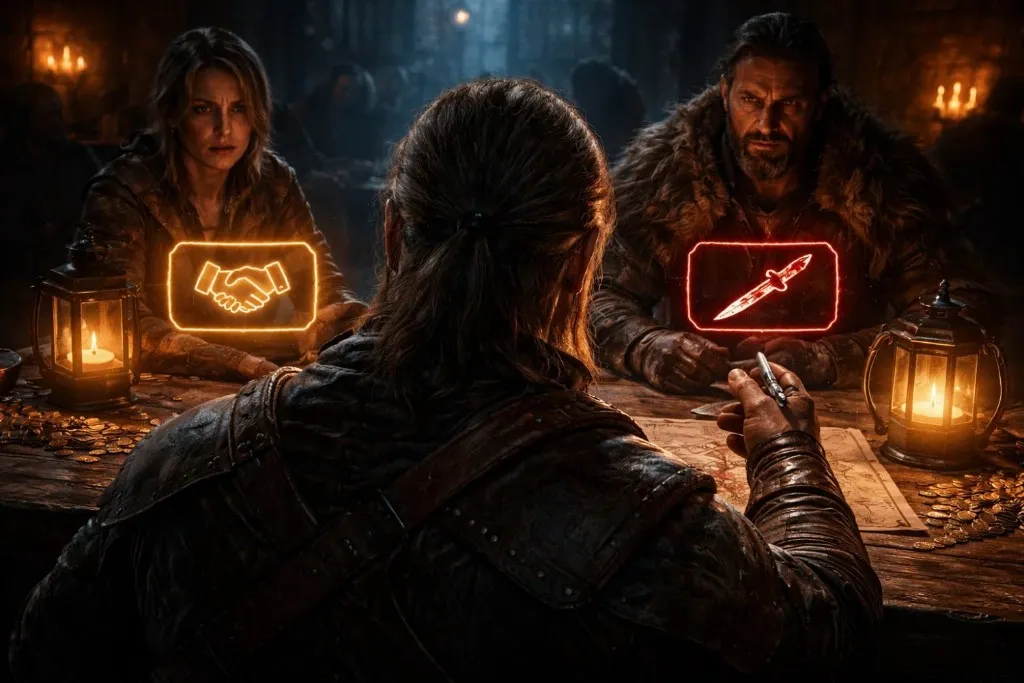
Narrative-driven choice mechanics allow players to influence the outcome of a game through their decisions. This mechanic is at the heart of games like The Witcher 3: Wild Hunt and Telltale’s The Walking Dead, where every choice has consequences, shaping character relationships, story arcs, and world events.
These choices add emotional weight to the game and provide a level of replay ability, as players explore different outcomes. It revolutionized storytelling by putting control in the hands of the player, making the narrative experience more personal.
6. Permadeath

Permadeath, where characters or even entire game worlds are permanently lost upon death, creates high-stakes gameplay that has redefined how players approach risk. Games like XCOM and Fire Emblem introduced this mechanic, where every decision feels meaningful, and the consequences of failure are significant.
The tension that arises from permadeath pushes players to make careful choices, heightening the emotional investment in each character. This mechanic fosters a deeper connection to the game world and encourages strategic thinking.
7. Procedural Generation
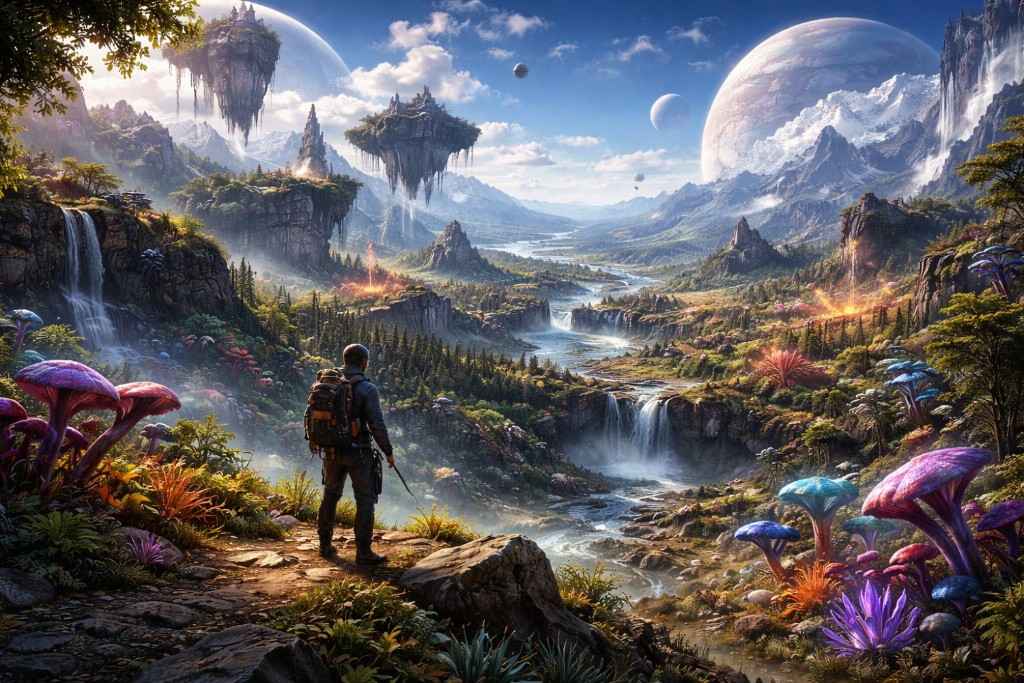
Procedurally generated content, in which game environments, levels, or even stories are created algorithmically rather than manually, has introduced a sense of unpredictability and replayability. Games like Minecraft and No Man’s Sky use procedural generation to create vast, unique worlds each time you play.
This mechanic allows for virtually endless exploration, ensuring that no two playthroughs are the same. It also provides developers with a way to create massive game worlds without the need for exhaustive hand-crafting of every detail.
8. Quick-Time Events (QTEs)
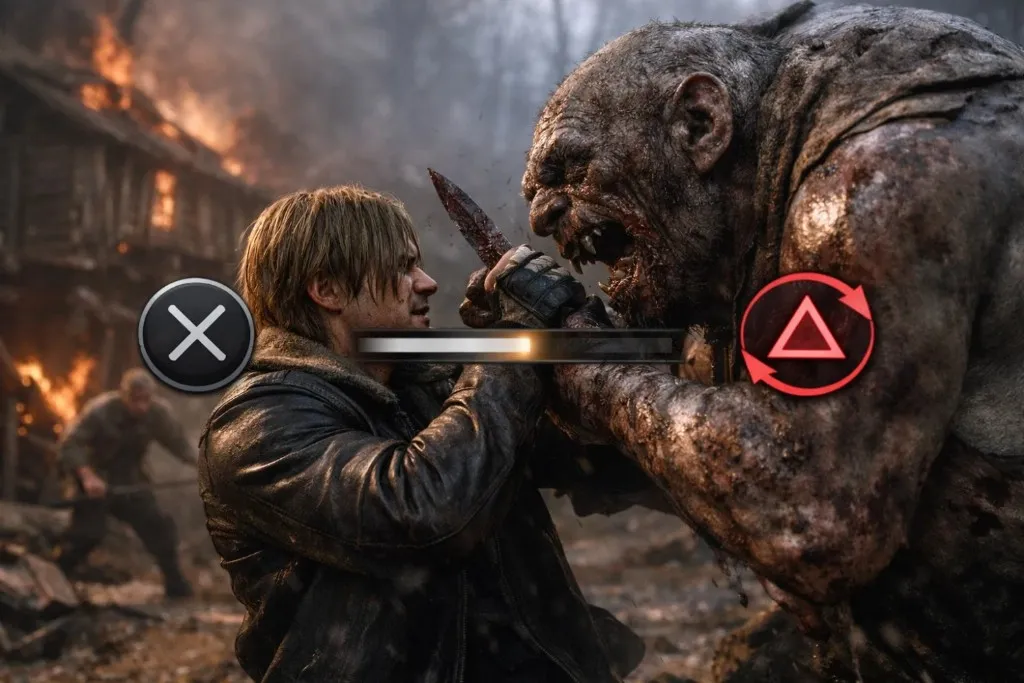
Quick-Time Events (QTEs) are interactive sequences where players must press buttons or perform actions within a limited time to progress the story or avoid failure. Games like God of War and Resident Evil 4 popularized this mechanic, adding a cinematic feel to gameplay.
QTEs inject intensity into cutscenes and action sequences, making the player feel directly involved in high-stakes moments. When used effectively, QTEs can immerse the player in the action, blending storytelling and gameplay seamlessly.
9. Co-Op Gameplay
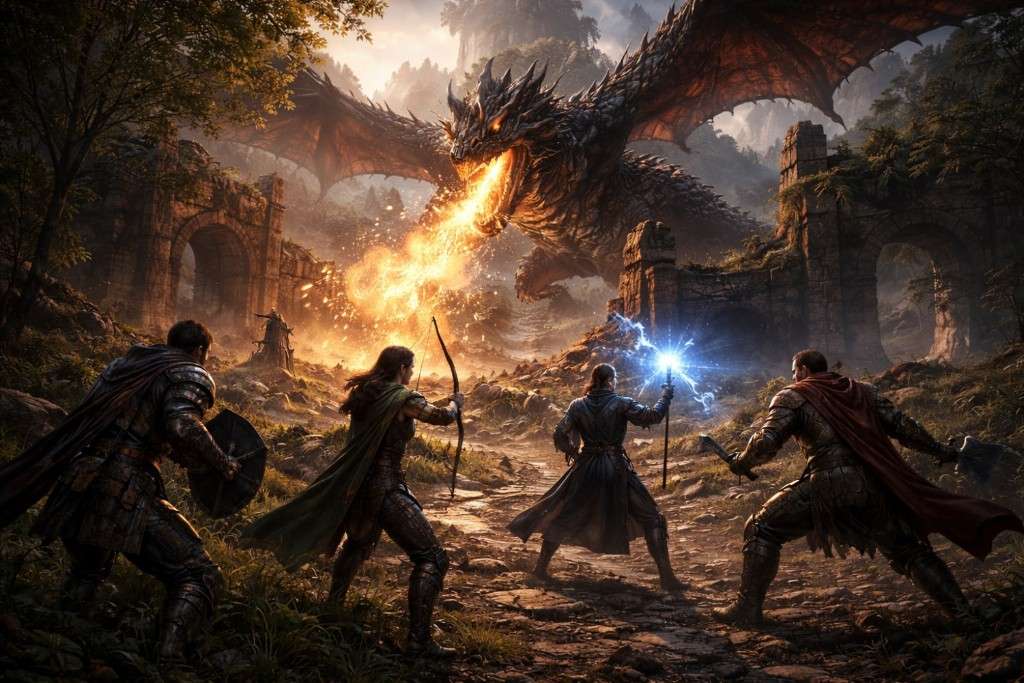
Cooperative gameplay mechanics, where players team up to tackle challenges together, have brought a new level of social interaction to gaming. Games like Overcooked and Left 4 Dead have emphasized the importance of teamwork, fostering collaboration between players.
This mechanic has led to a surge in online multiplayer experiences, where players must rely on each other’s strengths to succeed. Co-op gameplay encourages communication, strategy, and shared goals, making it a favorite among friends and gaming communities.
10. Dynamic Weather and Day/Night Cycles

The introduction of dynamic weather and day/night cycles has added a layer of realism and immersion to games. In titles like Red Dead Redemption 2 and The Elder Scrolls V: Skyrim, changing weather conditions and the passage of time can affect gameplay, from altering enemy behavior to changing available activities. This mechanic creates a living, breathing world, making the game environment feel more reactive and alive. It also adds variety and challenge, as players must adapt to different conditions.
11. Multiplayer Online Battle Arenas (MOBAs)
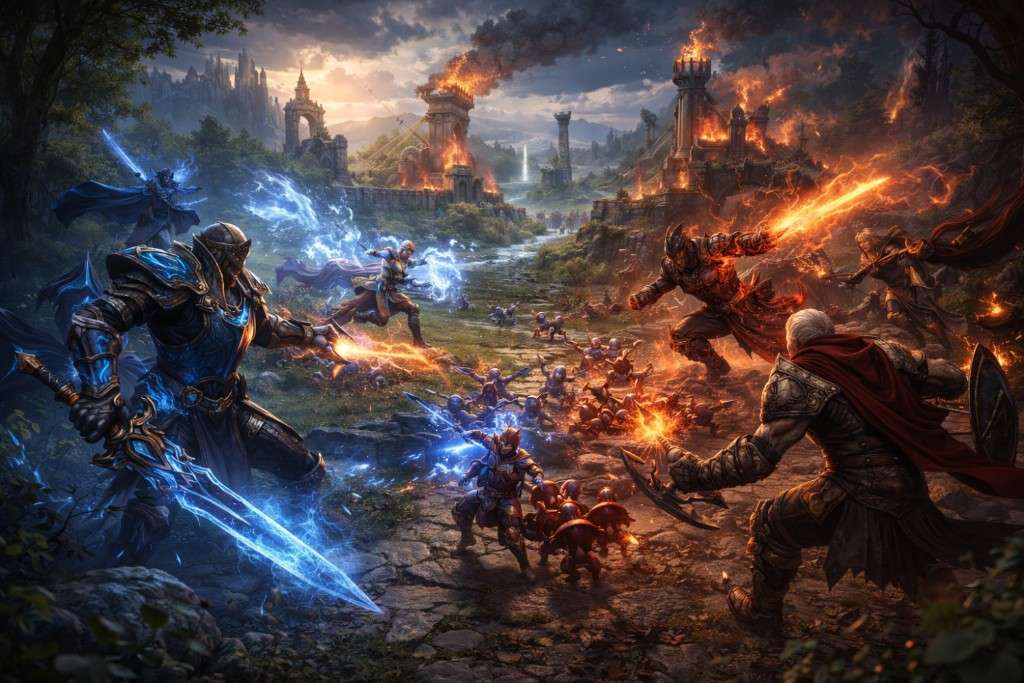
The MOBA (Multiplayer Online Battle Arena) genre has revolutionized competitive gaming with mechanics that emphasize teamwork, strategy, and quick decision-making. Games like League of Legends and Dota 2 popularized this genre, where players control individual heroes with unique abilities, working together to defeat opponents.
MOBAs introduced a competitive, skill-based approach to online gaming, with an emphasis on both individual skill and teamwork. The genre continues to thrive with a massive, dedicated player base and high-stakes tournaments.
12. Loot Boxes and Microtransactions

Loot boxes and microtransactions have altered the landscape of game monetization. In games like Overwatch and FIFA, players can purchase virtual items or loot boxes for a chance to receive in-game rewards. While controversial, this mechanic has created new ways for developers to monetize their games beyond initial sales.
The randomness of loot boxes introduces an element of chance and excitement, though it has sparked debates about fairness and gambling. Despite the controversy, microtransactions have become a staple in the modern gaming industry.
13. Augmented Reality (AR) Integration
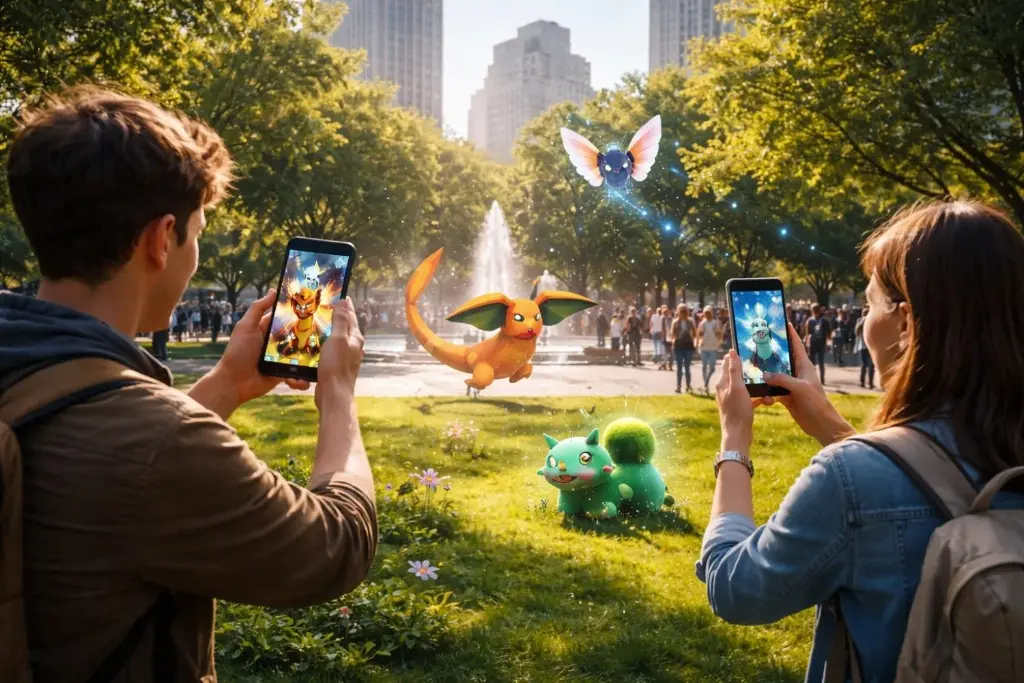
Augmented Reality (AR) has blended the digital and physical worlds, offering innovative new ways for players to interact with their environment. Games like Pokémon GO have popularized AR by allowing players to explore real-world locations to catch virtual creatures.
This mechanic has opened up new possibilities for immersive gaming experiences, where the real world becomes part of the game. AR gaming encourages physical activity, social interaction, and exploration, all while offering a unique experience that traditional gaming cannot match.