
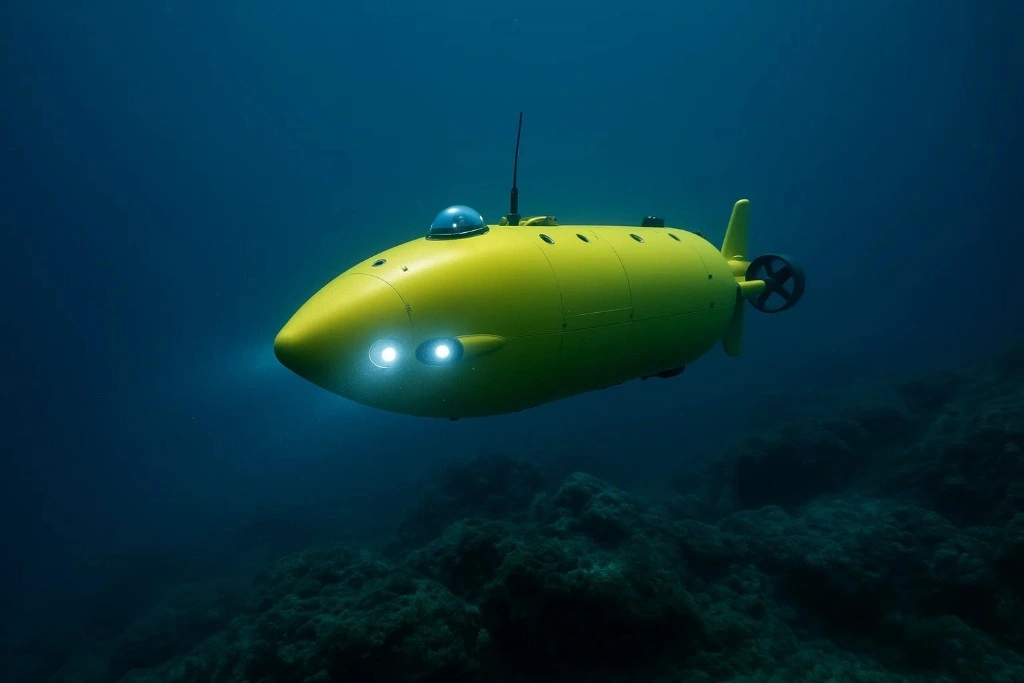
Unmanned Underwater Vehicles (UUVs) are pushing the boundaries of what’s possible beneath the surface of our oceans. These technological marvels are used for a variety of purposes, ranging from military operations to environmental monitoring and scientific research. As advancements continue to unfold, the potential applications of UUVs expand, offering new possibilities for deep-sea exploration, resource management, and data collection. Let’s dive into the world of UUVs and explore the key innovations shaping their future.
1. Autonomous Navigation Systems
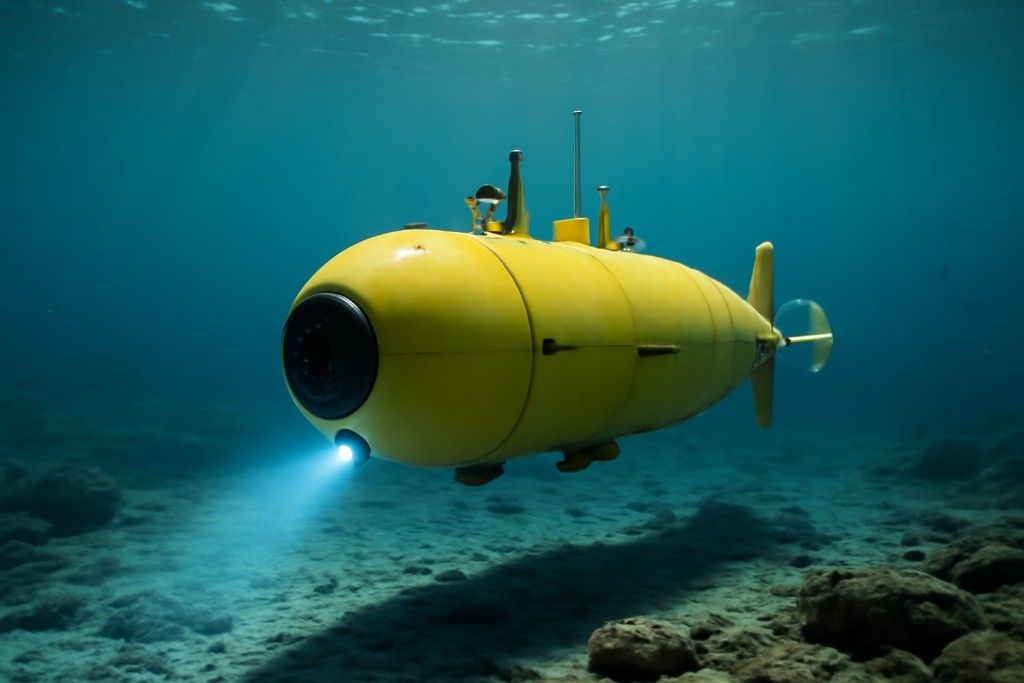
Autonomous navigation is a game-changer in UUV technology. These systems use advanced algorithms, machine learning, and sensor fusion to allow vehicles to navigate complex underwater environments without human intervention. By utilizing sonar, GPS, and acoustic sensors, UUVs can map the seafloor, avoid obstacles, and follow pre-programmed paths.
Autonomous navigation is crucial for long-duration missions, as it increases efficiency and reduces the risk of human error. This technology is increasingly relied upon for tasks like oceanography, underwater surveying, and even military reconnaissance missions.
2. Advances in Battery Technology
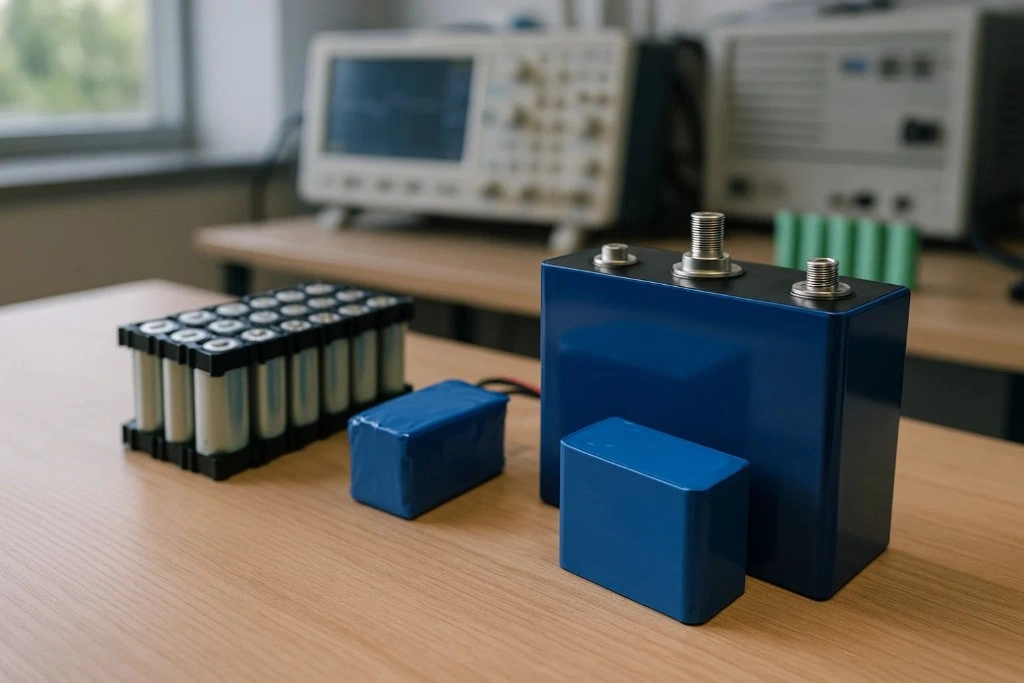
Battery technology is at the heart of UUV performance. Traditional power sources, like lead-acid batteries, are being replaced with more efficient and compact options such as lithium-ion and lithium-polymer batteries. These advancements allow UUVs to stay submerged for longer periods, making them suitable for extended operations.
Additionally, new battery systems are being developed to offer faster charging times and greater energy density, ensuring that UUVs can travel further and operate in harsher conditions. With growing demand for energy-efficient and sustainable underwater exploration, these innovations are critical for the future of UUVs.
3. Enhanced Communication Systems
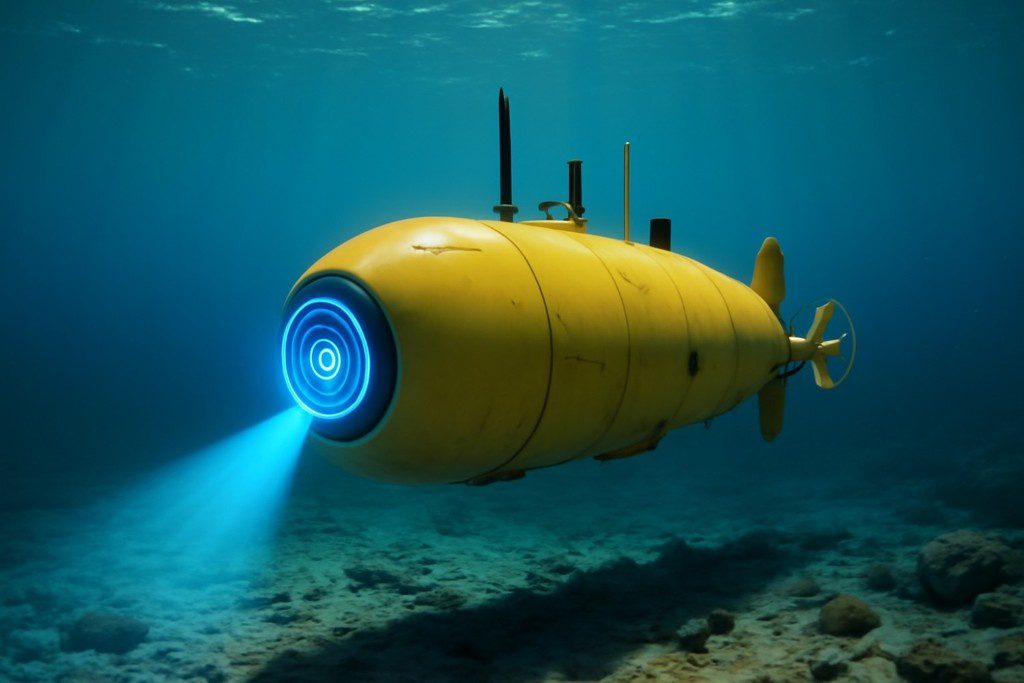
Underwater communication has always been a challenge due to the limitations of radio waves in water. As a result, UUVs rely on acoustic waves to transmit data, but these systems can be slow and susceptible to interference. However, new technologies are being developed to enhance communication systems.
Through the use of low-frequency acoustic signals, optical communication, and even wireless underwater data transfer, UUVs can now transmit real-time information more efficiently. These improvements are particularly important for mission-critical operations like deep-sea exploration, rescue missions, and monitoring marine ecosystems.
4. Environmental Monitoring Capabilities
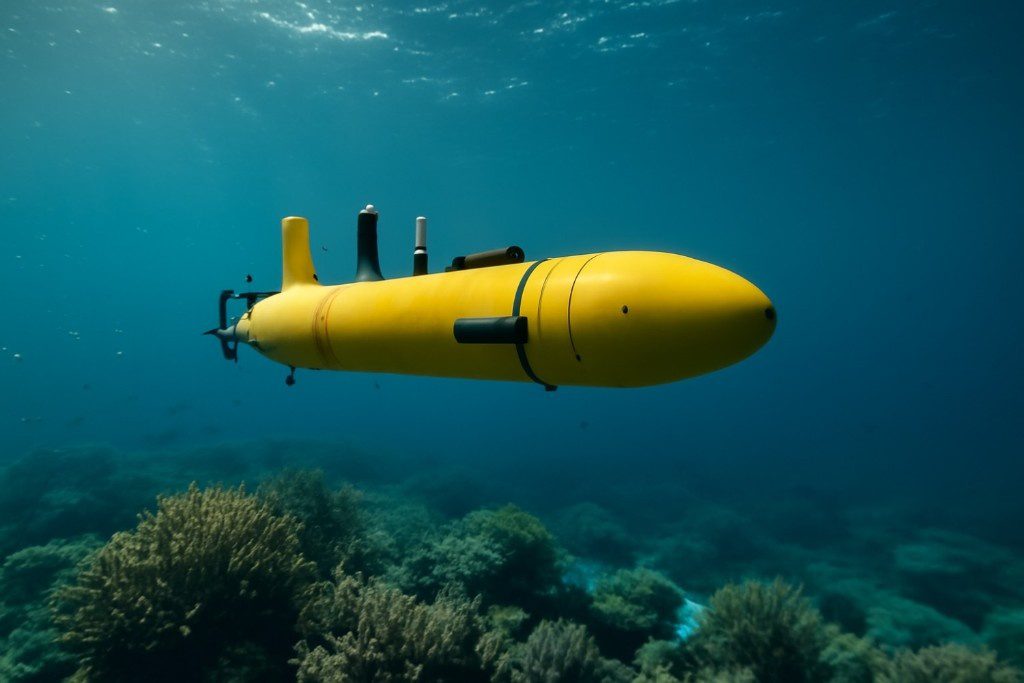
UUVs are becoming essential tools for environmental monitoring, offering new ways to study and protect the world’s oceans. Equipped with sensors that measure water temperature, salinity, pressure, and pollution levels, these vehicles are used to track climate change, ocean acidification, and biodiversity loss.
For example, UUVs have been deployed to monitor coral reef health and detect pollutants in coastal regions. This technology allows researchers to gather vast amounts of data from remote and often hazardous underwater environments, helping to inform conservation efforts and policy decisions aimed at preserving marine ecosystems.
5. Military and Defense Applications
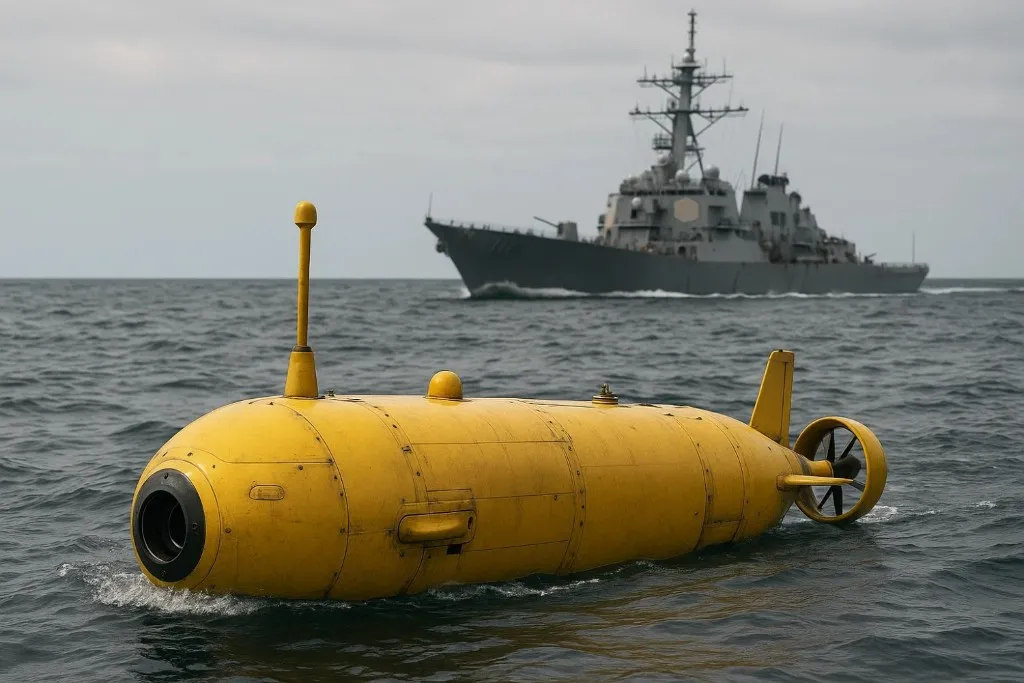
In the realm of defense, UUVs are revolutionizing underwater operations. The military is increasingly relying on these vehicles for intelligence gathering, reconnaissance, and underwater mine detection. Their ability to operate in hostile environments, where human divers or manned submarines would be at risk, gives UUVs a distinct advantage.
Advanced sonar systems and stealth technologies make them highly effective at performing covert surveillance missions, while their smaller size allows them to infiltrate enemy waters undetected. As military UUVs evolve, they are becoming integral components of modern naval fleets.
6. Deep-Sea Exploration and Resource Management
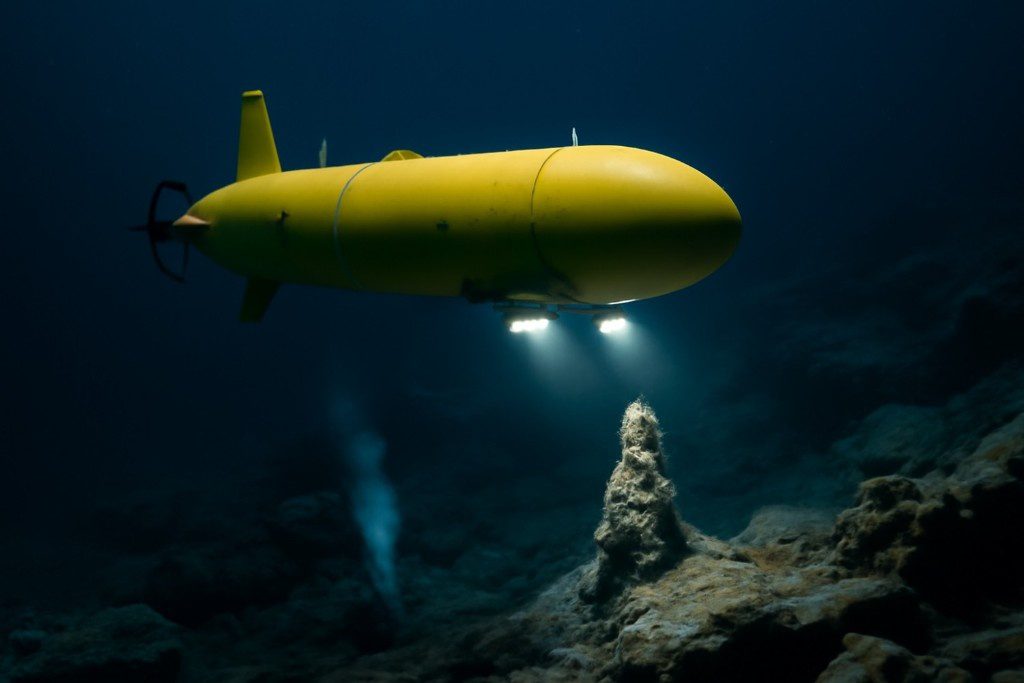
The potential for UUVs in deep-sea exploration is vast. With their ability to reach depths that are inaccessible to human divers, UUVs are instrumental in studying the deep ocean’s ecosystems, geology, and potential resources. These vehicles are used to map the ocean floor, discover new species, and explore underwater volcanoes and hydrothermal vents.
Additionally, UUVs are being deployed to locate and extract valuable resources such as oil, gas, and minerals from the ocean floor. As technology improves, these vehicles will play an even greater role in sustainable resource management and exploitation.
7. Multi-Vehicle Coordination
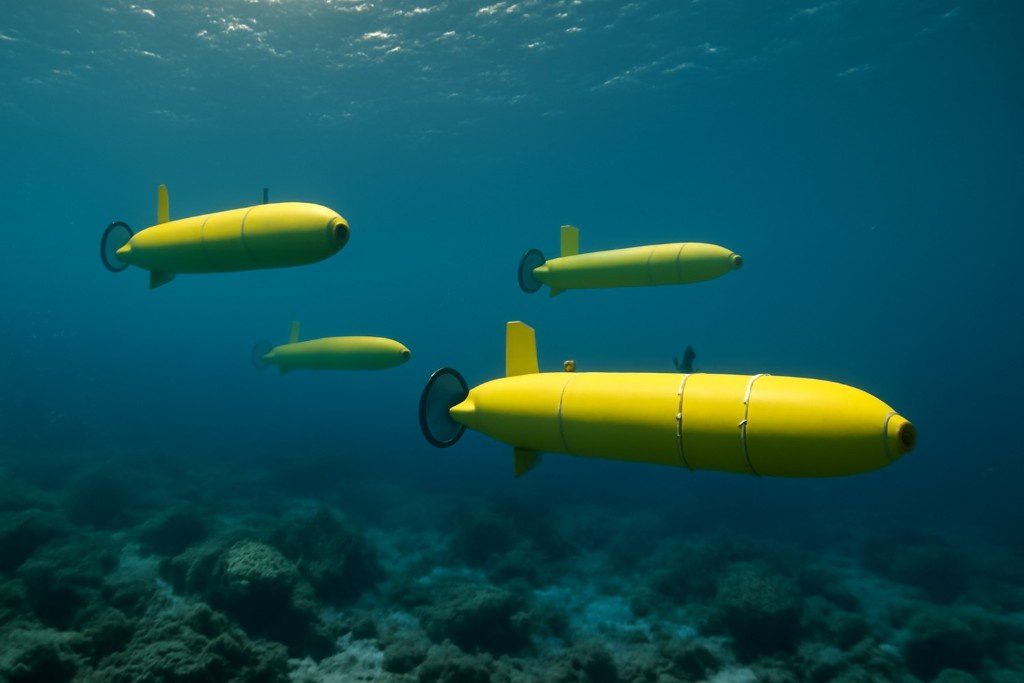
Multi-vehicle coordination is a cutting-edge development in UUV operations. Rather than using a single UUV, fleets of vehicles can now work together to cover larger areas and conduct more complex missions. Through the use of advanced communication systems and swarm technology, UUVs can coordinate their movements, share data in real-time, and perform tasks that would be impossible for a single vehicle.
This technology is being used in large-scale surveys, underwater mapping, and even search-and-rescue operations, where the simultaneous use of multiple UUVs can drastically increase efficiency and success rates.
8. Improved Propulsion Systems
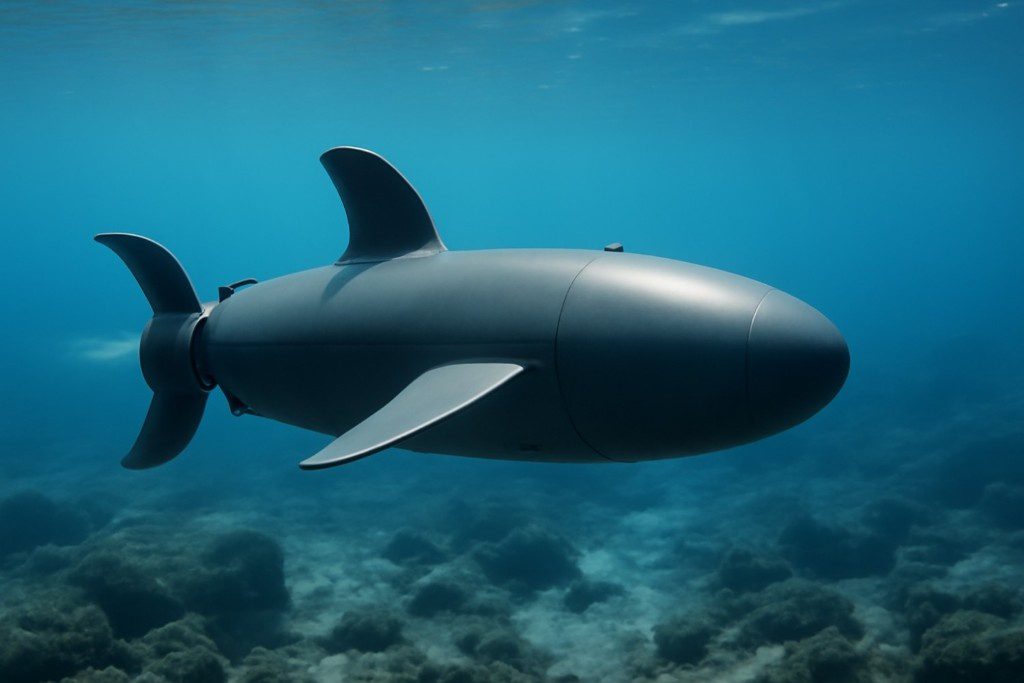
The propulsion systems of UUVs are continually evolving to meet the demands of longer missions and more complex environments. Traditional UUVs often relied on basic propeller systems, but newer designs incorporate advanced technologies such as biomimetic propulsion and electric jet propulsion.
These systems offer greater efficiency, quieter operation, and enhanced maneuverability, allowing UUVs to move faster and more discreetly. Some designs even mimic the movements of fish and marine mammals, improving fuel efficiency and agility. These innovations are crucial for the development of UUVs capable of operating in both shallow and deep water environments.
9. Miniaturization and Flexibility
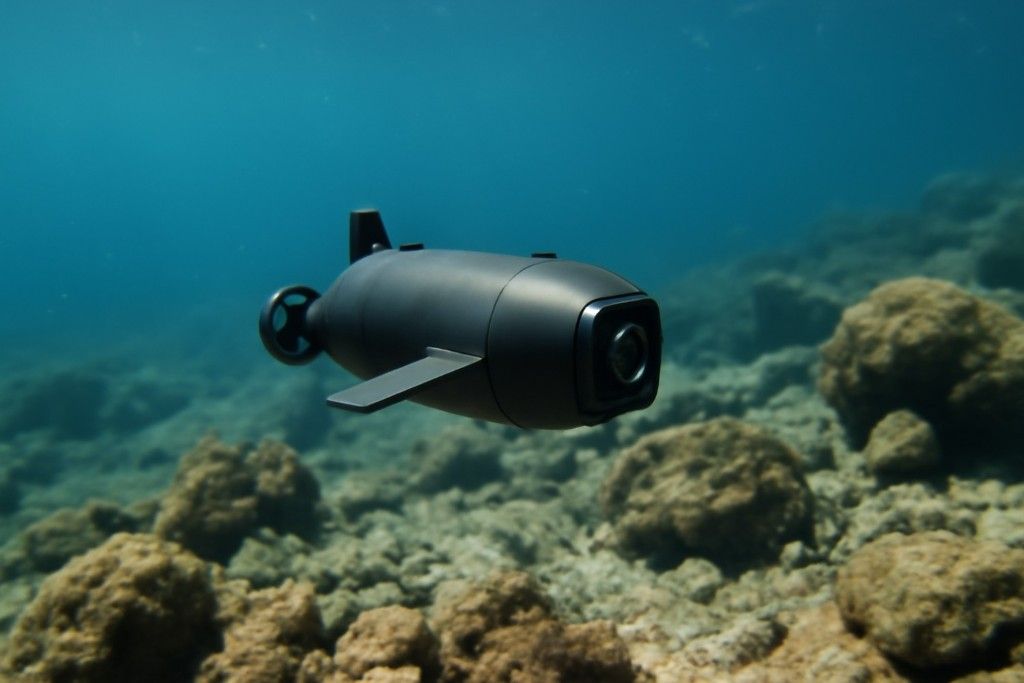
Miniaturization is a key trend driving UUV innovation. Smaller and more compact vehicles are becoming increasingly common, offering greater flexibility and the ability to access tighter spaces. These miniature UUVs, often referred to as “micro” or “nano” vehicles, can be used for a wide range of applications, including inspection of pipelines, cables, and underwater infrastructure.
Despite their small size, these vehicles are equipped with powerful sensors and cameras, making them highly effective for detailed inspections. As technology advances, these small-scale UUVs will be able to tackle even more specialized and challenging underwater tasks.
10. Underwater Drones for Surveying and Mapping
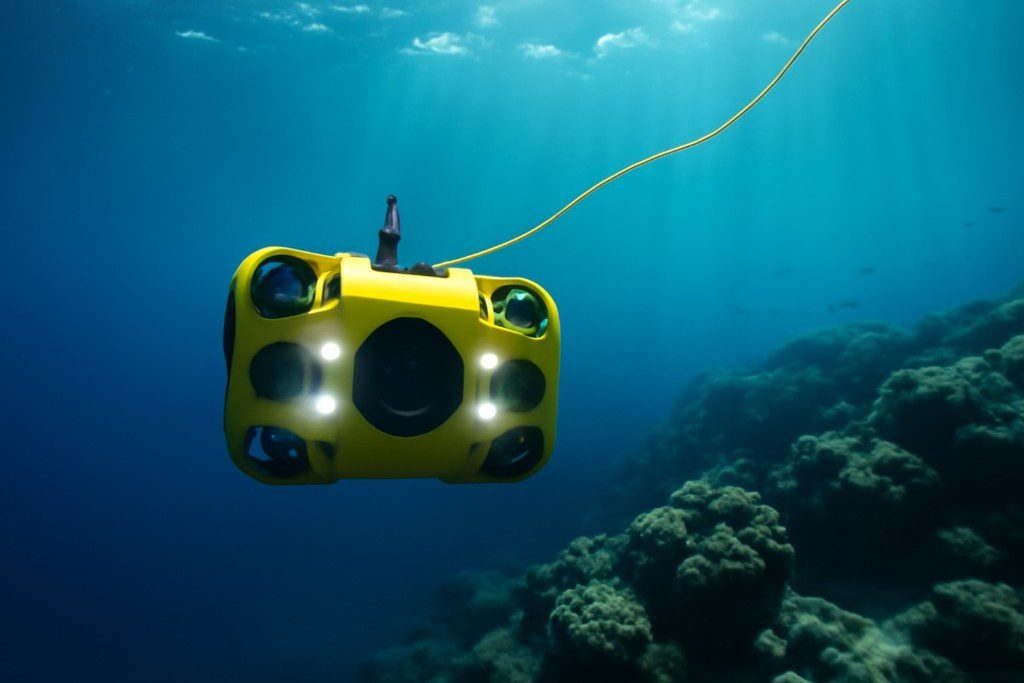
Underwater drones have revolutionized the field of surveying and mapping. Equipped with high-resolution cameras, sonar systems, and 3D scanning capabilities, these drones can create detailed maps of the ocean floor and underwater structures. They are used for a variety of purposes, including the inspection of shipwrecks, offshore oil rigs, and submerged infrastructure.
By providing real-time data and high-quality imagery, underwater drones are saving time and resources that would otherwise be spent on manual surveys. These vehicles are indispensable tools for industries ranging from shipping to oil and gas.
11. Collaboration with Artificial Intelligence
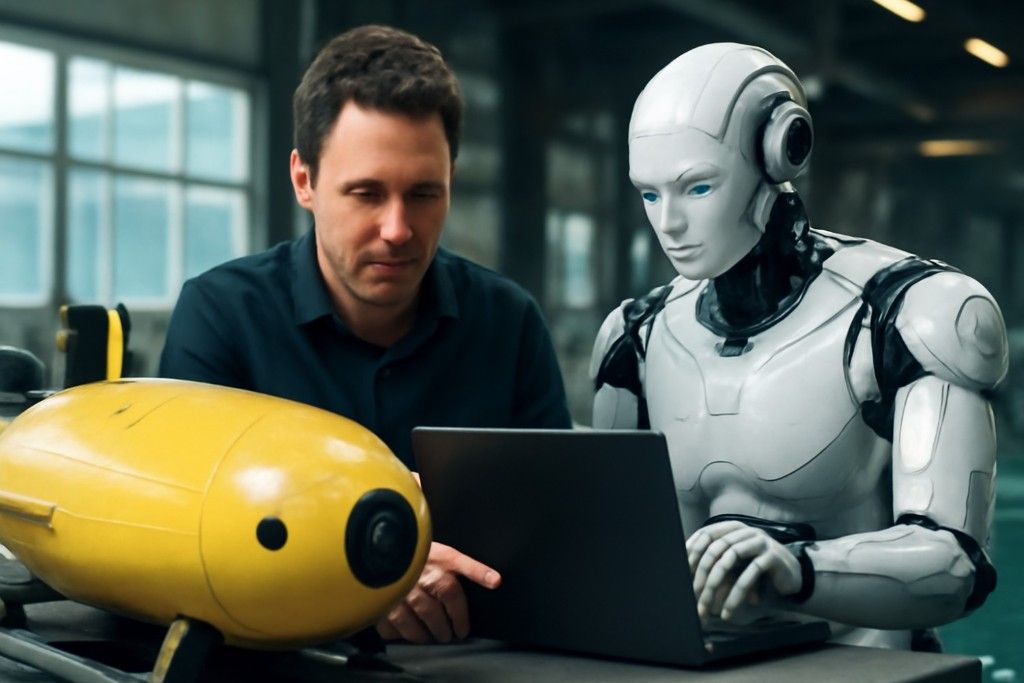
Artificial intelligence (AI) is playing a growing role in enhancing the capabilities of UUVs. Through machine learning algorithms, UUVs can process large amounts of data and make decisions on their own without needing to be constantly controlled by human operators. AI allows UUVs to perform tasks such as pattern recognition, object identification, and anomaly detection in real-time.
By leveraging AI, UUVs can become more autonomous, making them ideal for long-term missions where human intervention is limited or not possible. This collaboration is set to revolutionize how UUVs conduct complex tasks like environmental monitoring and underwater surveillance.
12. Remote Operated Vehicles (ROVs) vs. Autonomous Underwater Vehicles (AUVs)
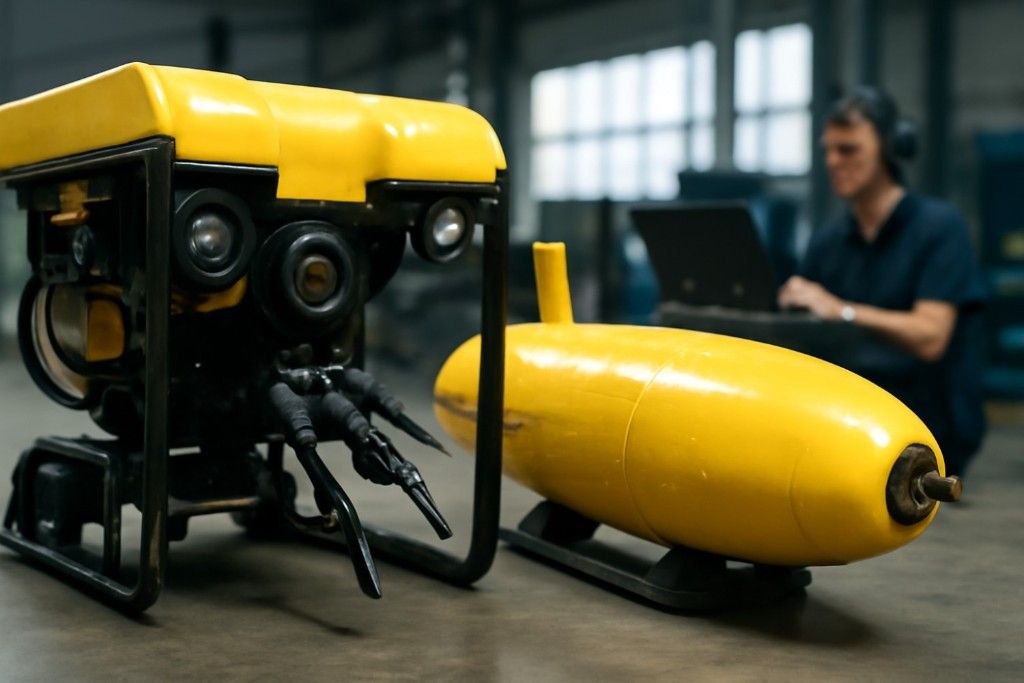
While both ROVs and AUVs are essential to underwater exploration, they differ significantly in their operations. ROVs are controlled remotely by operators on the surface, making them ideal for real-time tasks that require human oversight. On the other hand, AUVs are fully autonomous and can operate independently, collecting data without the need for surface control.
Each vehicle type has its advantages: ROVs are better suited for delicate tasks and inspections, while AUVs excel in large-scale surveys and exploration where human intervention is impractical. The choice between the two depends on the mission’s requirements.
13. Underwater Construction and Inspection
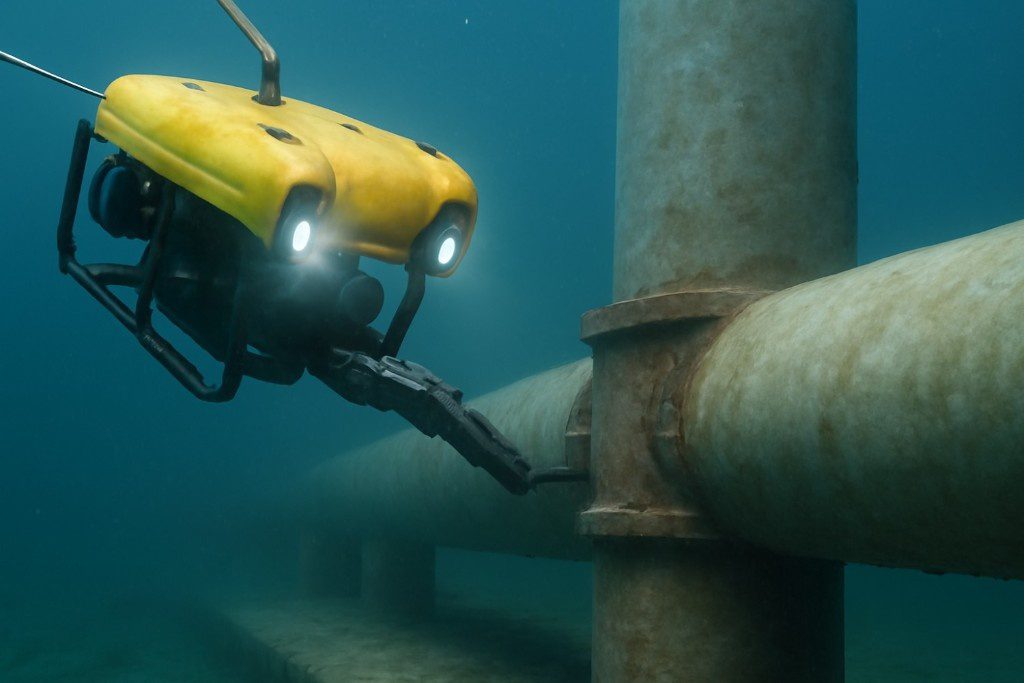
UUVs are increasingly used in the construction and inspection of underwater structures such as bridges, pipelines, and subsea installations. These vehicles are equipped with cameras, sonar, and manipulator arms to assess the condition of structures and even perform repairs.
In the oil and gas industry, UUVs are used to inspect offshore platforms and pipelines, ensuring that they are free from damage or corrosion. By reducing the need for human divers, UUVs significantly reduce the risks and costs associated with underwater construction and inspection projects.
14. The Future of UUVs
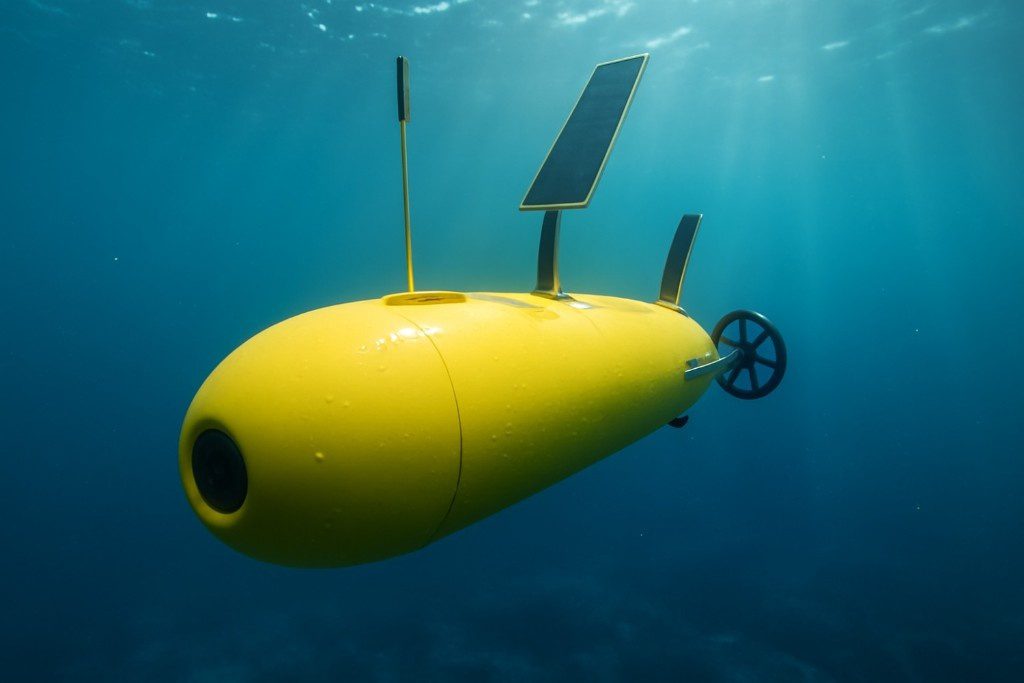
Looking ahead, the future of UUVs is promising, with ongoing innovations aimed at increasing their autonomy, endurance, and versatility. Emerging technologies like energy harvesting, advanced materials, and hybrid propulsion systems will allow UUVs to operate in more extreme environments, including the deep trenches of the ocean.
Moreover, advancements in AI and machine learning will make UUVs smarter and more capable of performing increasingly complex tasks. As these vehicles evolve, they will play an even larger role in marine research, resource extraction, environmental monitoring, and military applications, shaping the future of underwater exploration.