
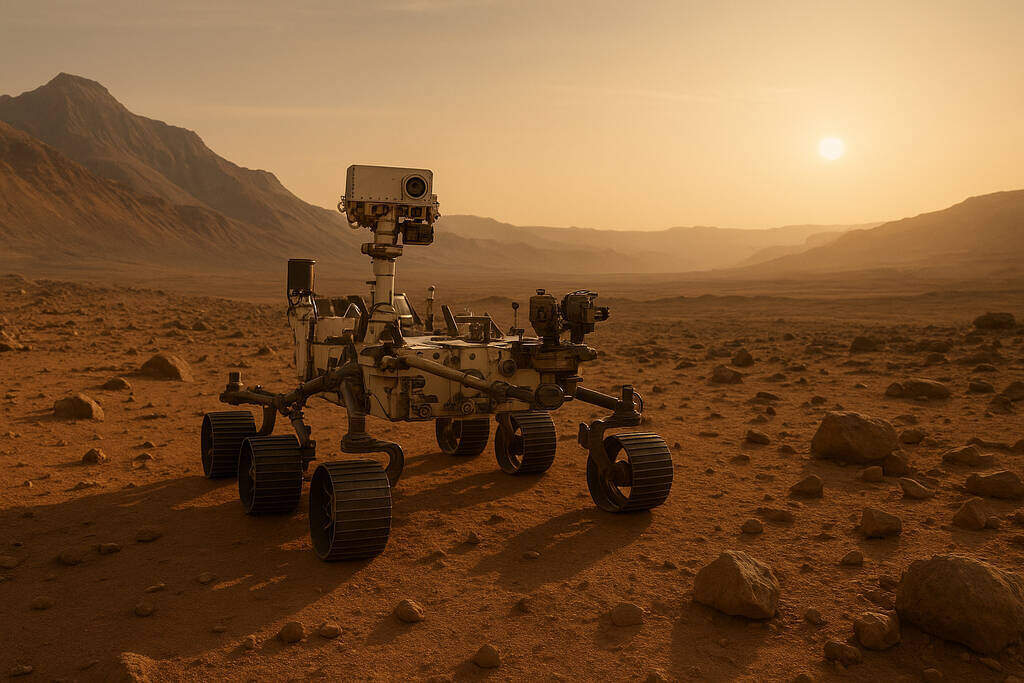
Imagine sending a robot millions of miles away, across space, to explore a planet humans have never set foot on. That’s exactly what NASA did with the Mars rovers—tiny explorers on wheels that have rewritten what we know about the Red Planet.
From dusty Martian sunsets to the hunt for ancient life, these machines have captured our imagination and reshaped our understanding of what’s possible in space travel. The story of the Mars rovers isn’t just about technology—it’s about human curiosity, determination, and our endless desire to explore the unknown.
1. The Birth of a Dream: Why Mars?
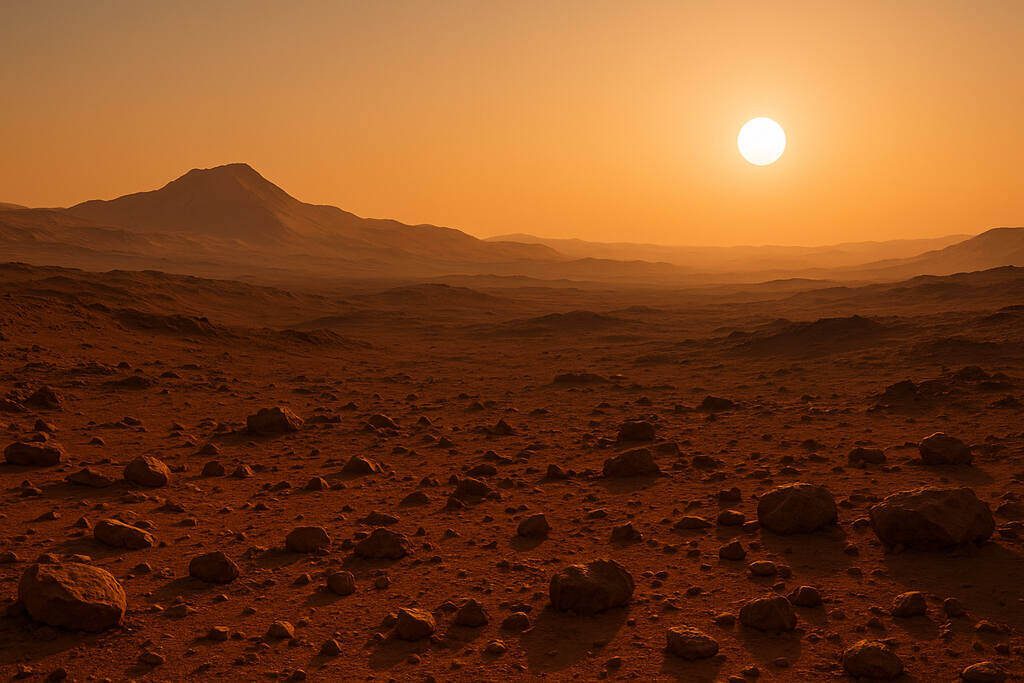
Mars has always fascinated humankind. For centuries, it has been called the “Red Planet,” glowing brightly in our night sky, inspiring myths, art, and science fiction. But beyond its rusty hue lies something deeper—a world that might once have looked like Earth. Scientists have long suspected that Mars could have held water, and possibly life, billions of years ago.
This idea fueled decades of planning to send probes and eventually rovers to investigate its secrets. NASA’s first successful missions paved the way for robotic explorers designed to study Mars up close. The ultimate goal? To find signs of habitability and prepare for future human missions.
2. Why Mars Exploration Matters
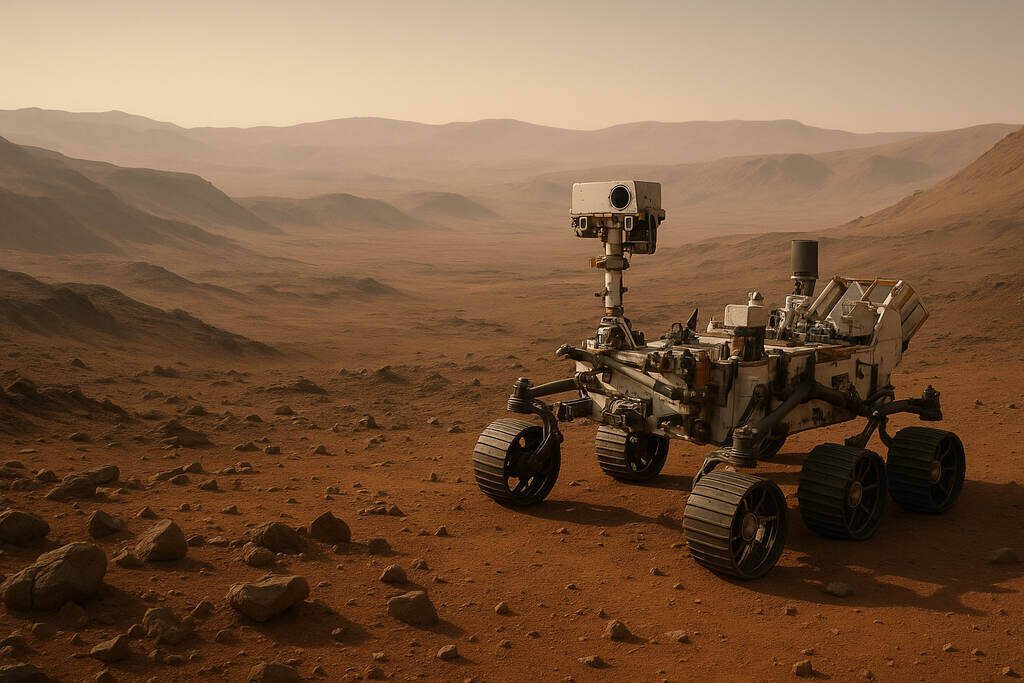
Exploring Mars isn’t just about curiosity—it’s about understanding our own planet and humanity’s future. Mars offers a window into Earth’s past, helping scientists study how planets evolve over billions of years. By studying its rocks, atmosphere, and dust storms, we learn about climate change, geology, and even how to protect Earth from similar fates.
On a practical level, every mission to Mars advances technology, from robotics to communications. And perhaps most importantly, Mars symbolizes hope—the idea that humans can one day live beyond Earth, ensuring the survival of our species even if disaster strikes at home.
3. The Early Pioneers: Pathfinder and Sojourner

In 1997, NASA’s Mars Pathfinder mission marked a turning point. It carried the Sojourner rover—the first wheeled vehicle ever to move on another planet. Though it was small, roughly the size of a microwave, Sojourner proved that mobility on Mars was possible. It analyzed rocks, sent back thousands of images, and demonstrated vital technologies for future missions.
This success reignited public excitement for Mars exploration after decades of setbacks. Pathfinder and Sojourner showed that exploration didn’t require massive spacecraft—just innovation and the courage to try something new.
4. Spirit and Opportunity: The Twin Explorers
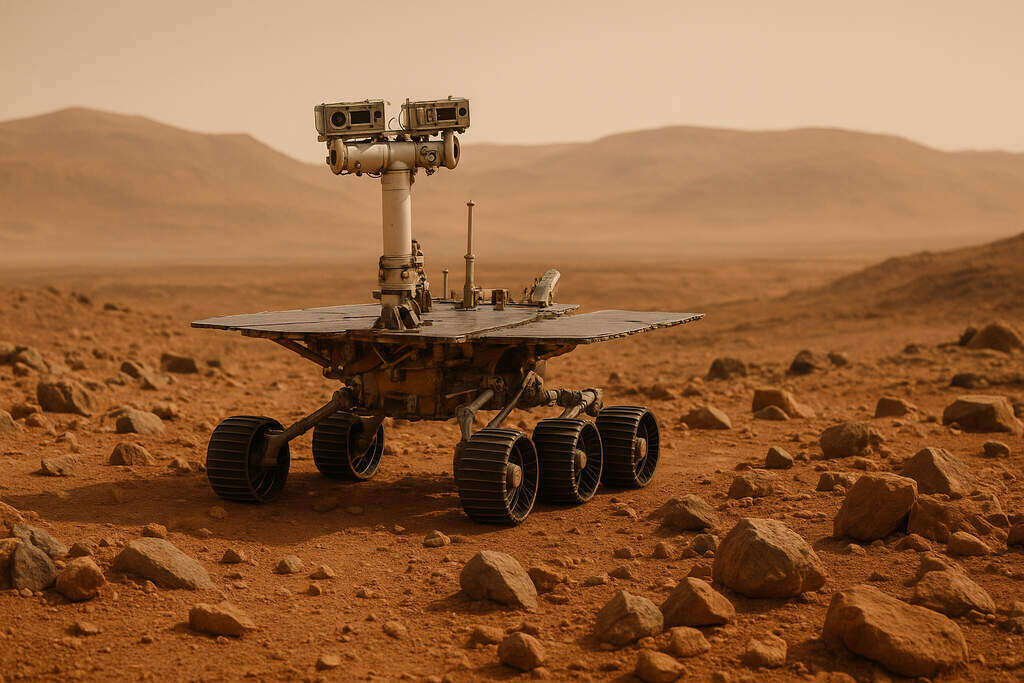
Launched in 2003, NASA’s twin rovers, Spirit and Opportunity, became legends. Designed to last 90 days, they explored Mars for years—Spirit for six years and Opportunity for nearly fifteen. Their mission was to study the planet’s geology and search for signs of ancient water.
Both rovers faced sandstorms, freezing temperatures, and mechanical failures but kept going thanks to smart engineering and remote problem-solving by NASA teams. Opportunity’s final message—“My battery is low, and it’s getting dark”—became a symbol of endurance and human emotion in space exploration.
5. The Discovery of Ancient Water

One of the greatest achievements of Spirit and Opportunity was finding evidence that Mars once had liquid water. Opportunity discovered minerals like hematite—formed in water—and sedimentary rocks shaped by flowing streams. Spirit, exploring another region, found silica deposits, hinting at ancient hot springs.
These findings transformed our understanding of Mars from a barren wasteland to a planet that once had conditions suitable for life. This breakthrough shifted NASA’s focus from “Is there water?” to “Did life ever exist here?”—a question that continues to drive every new mission.
6. The Arrival of Curiosity: A New Era Begins
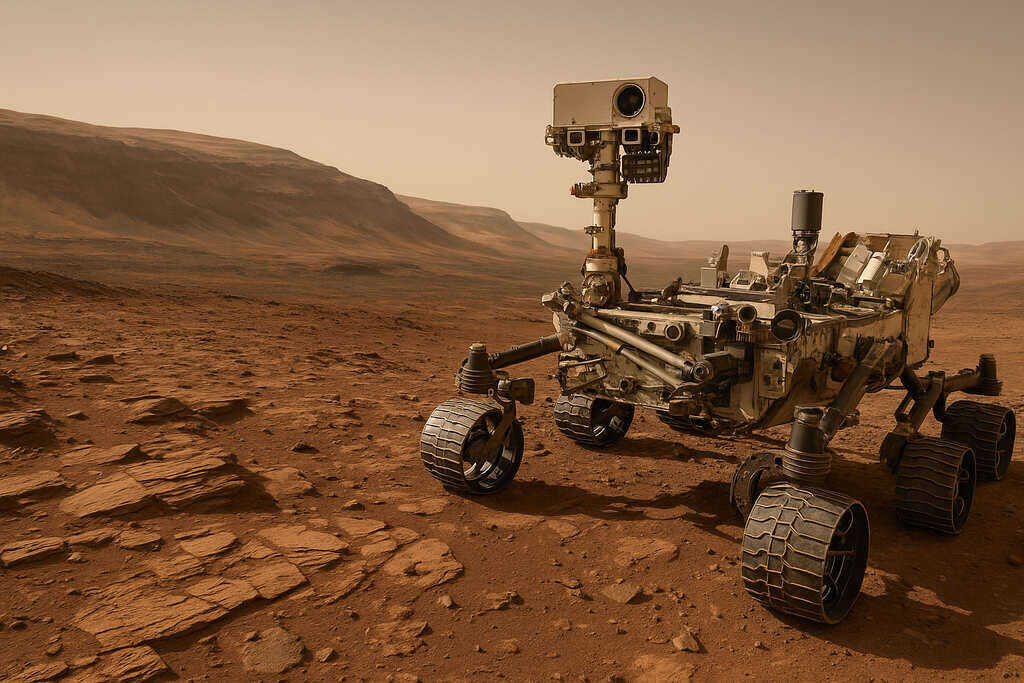
In 2012, NASA’s Curiosity rover landed dramatically inside Gale Crater, using a “sky crane” system that lowered it safely onto the Martian surface—a first in space history. Unlike its predecessors, Curiosity was a full-fledged mobile science lab, equipped with 17 cameras and instruments capable of drilling, analyzing, and even “sniffing” Martian air.
Its mission: to determine if Mars could have supported microbial life. Curiosity discovered organic molecules and found evidence of ancient lakes—confirming that Mars was once a potentially habitable world. It also showed that long-term robotic exploration on Mars was sustainable.
7. Perseverance: The Search for Life Intensifies
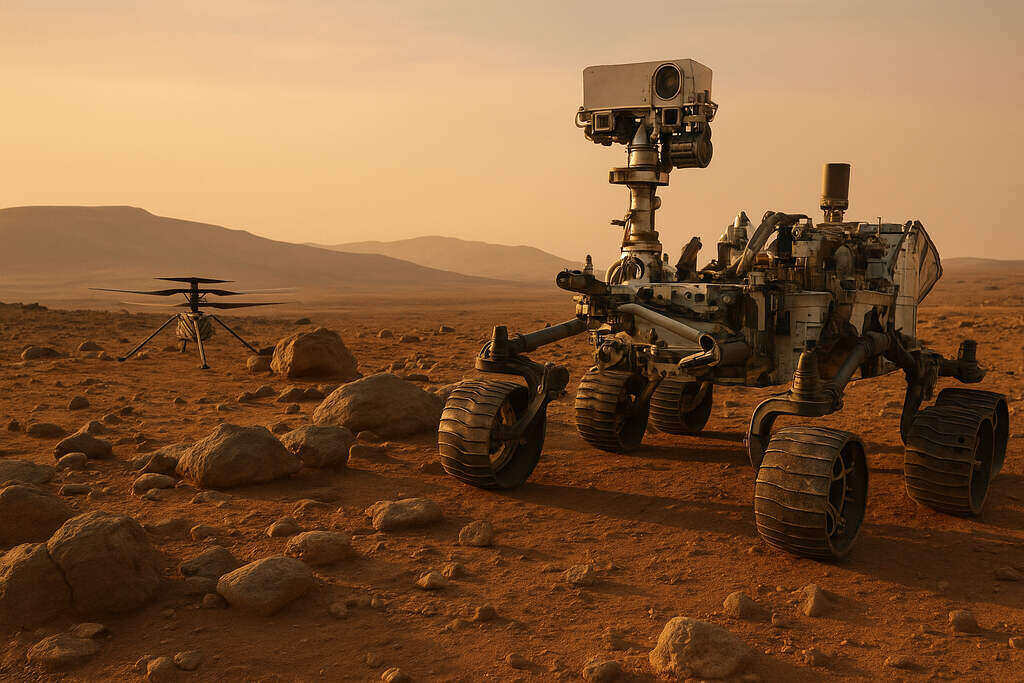
In 2021, the Perseverance rover took the next giant step. Landing in Jezero Crater—an area believed to be an ancient river delta—it carried advanced instruments to detect signs of past microbial life. Perseverance also began collecting and sealing rock samples that will one day be returned to Earth.
It’s the first rover to bring a helicopter companion—Ingenuity—which made history by achieving the first powered flight on another planet. Together, they represent a new phase of exploration, combining mobility, aerial reconnaissance, and high-precision science.
8. Ingenuity: The Little Helicopter That Could
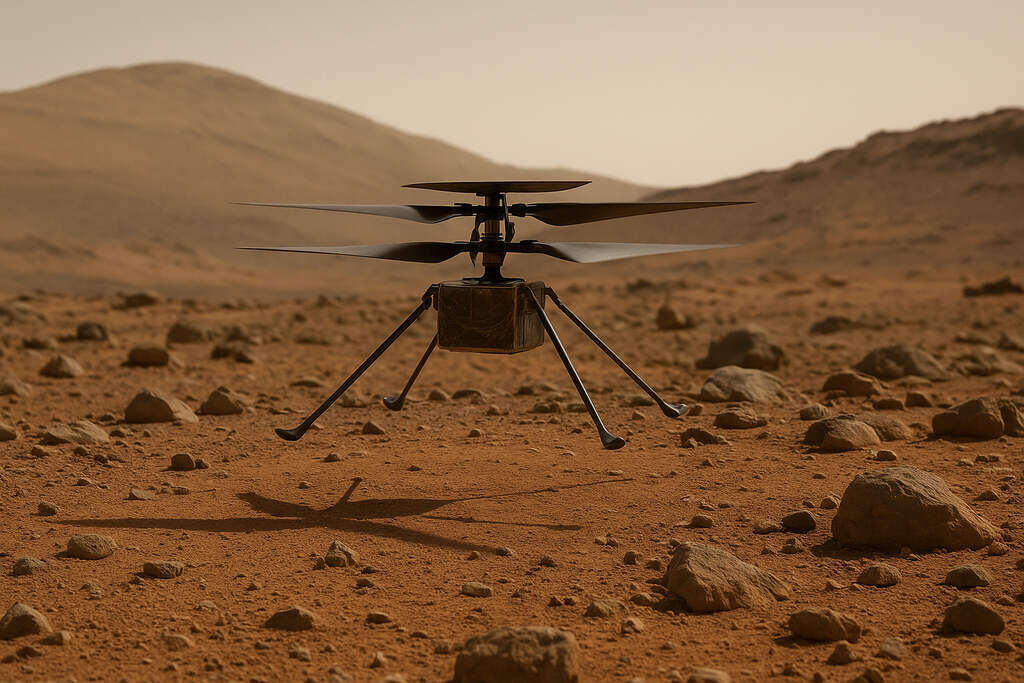
When NASA engineers proposed flying a helicopter on Mars, many thought it was impossible. The Martian atmosphere is less than 1% as dense as Earth’s, making flight extremely difficult. Yet Ingenuity proved them wrong. Standing just 19 inches tall, it made dozens of successful flights, scouting terrain and assisting Perseverance in planning routes. Its success opened the door to a future where drones could explore hard-to-reach areas like cliffs and caves. Ingenuity’s story is a reminder that bold ideas often lead to groundbreaking achievements.
9. Lessons from Mars for Future Human Travel
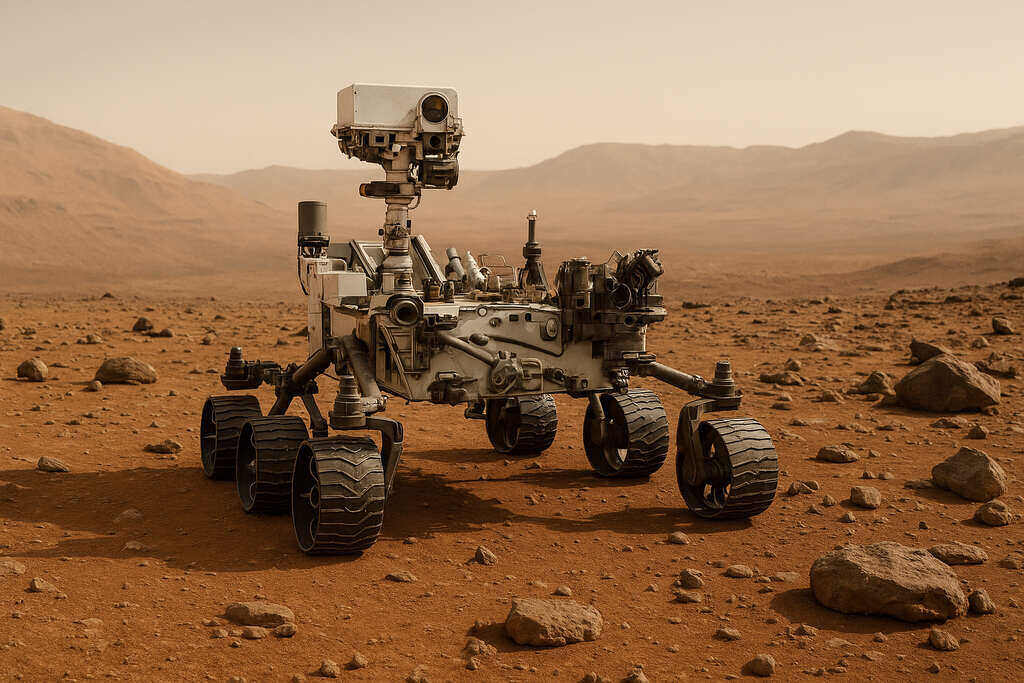
The rovers have done more than collect data—they’ve taught us how to survive on another world. Every mission helps scientists understand Martian radiation, soil toxicity, and temperature extremes—crucial information for human exploration. The technology used to land and operate rovers informs the design of future habitats, rovers, and life-support systems for astronauts.
Mars missions are also psychological tests—showing how teams can manage years-long projects with no margin for error. These lessons are shaping NASA’s Artemis program and the long-term goal of sending humans to Mars in the 2030s.
10. The Role of AI and Automation
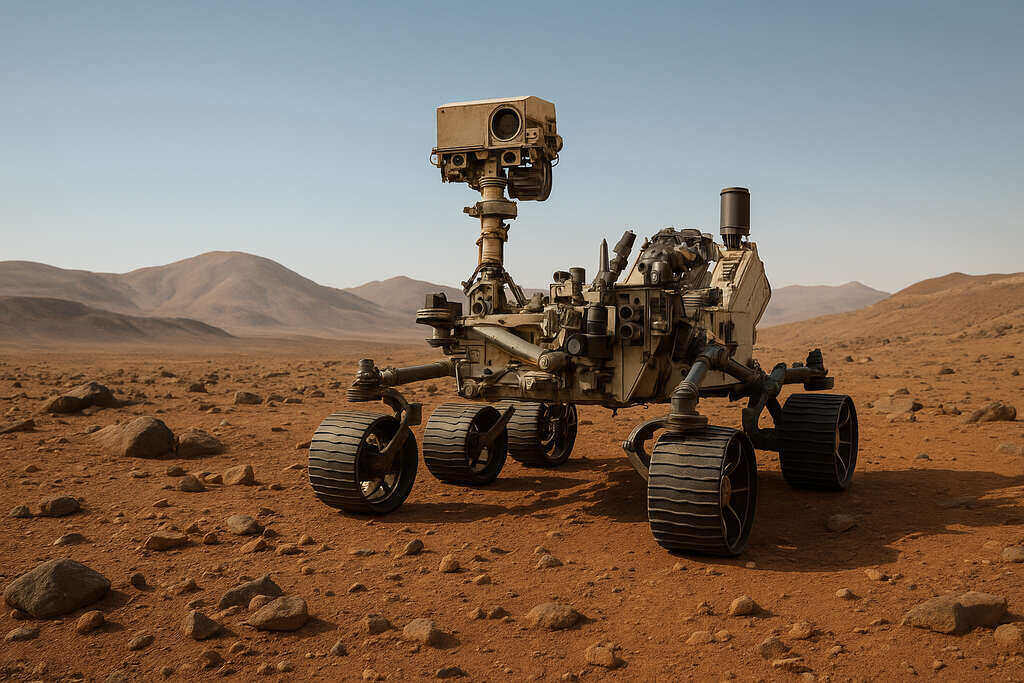
Operating a rover millions of miles away isn’t easy. It takes up to 20 minutes for signals to travel between Earth and Mars, meaning real-time control is impossible. To solve this, engineers built artificial intelligence into the rovers, allowing them to make independent decisions—like avoiding rocks or choosing which samples to study.
Perseverance’s onboard software even prioritizes scientific targets automatically. This blend of human ingenuity and machine autonomy has transformed how we explore space, creating smarter, more adaptive robots for future missions.
11. Communication Across Space
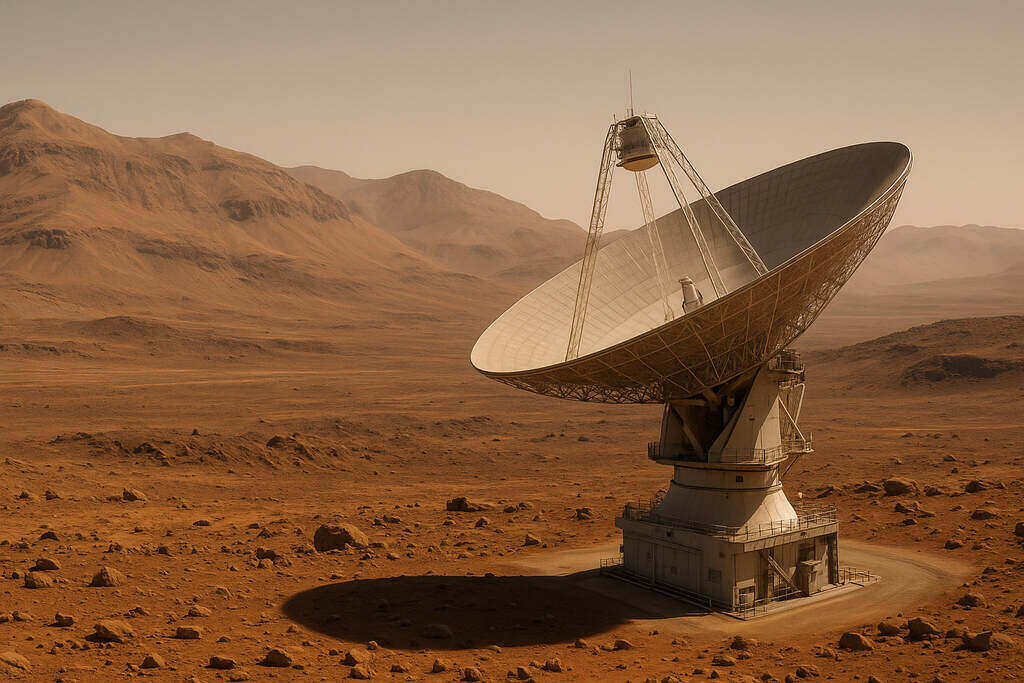
Keeping in touch with a robot on another planet is an engineering marvel. Mars rovers send data through orbiters that relay signals back to Earth via NASA’s Deep Space Network—a system of giant antennas positioned around the globe. This network allows round-the-clock communication despite the vast distance.
Engineers must carefully balance data rates, power levels, and timing to ensure nothing is lost. Without this invisible web of communication, the stunning photos, videos, and scientific data we enjoy from Mars would never reach us.
12. The Global Impact of Mars Exploration
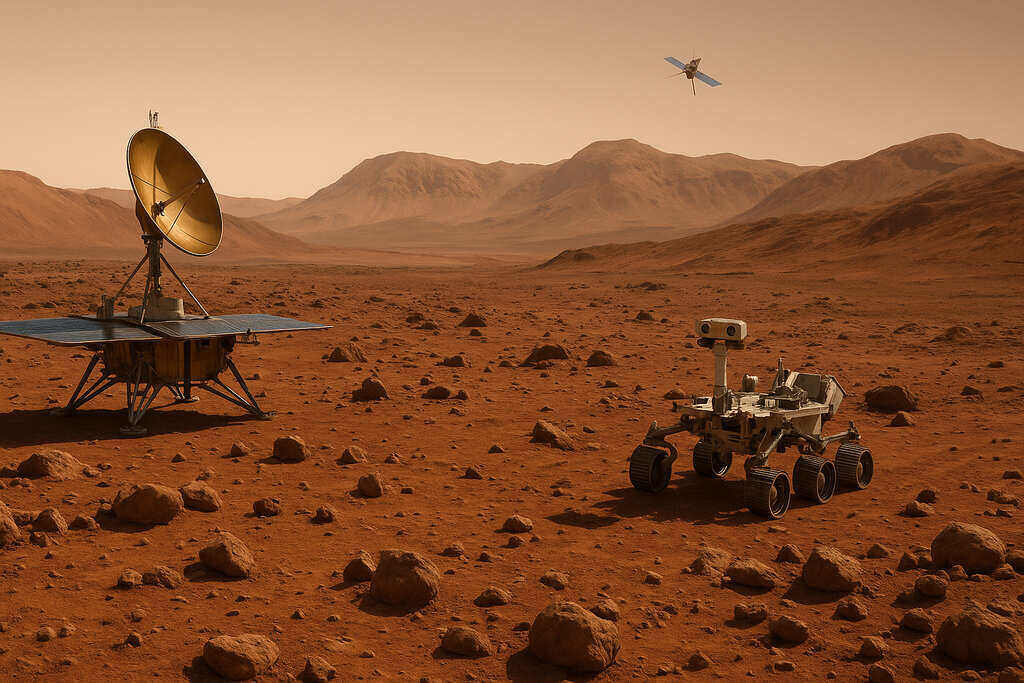
Mars missions are not just NASA’s achievement—they’re a global collaboration. The European Space Agency, China, India, and the UAE have all launched their own Mars missions, each contributing to the growing pool of knowledge. The UAE’s “Hope” orbiter studies the Martian atmosphere, while China’s Zhurong rover explores the planet’s surface.
These efforts show how space exploration unites humanity beyond borders and politics. Together, we’re building the foundation for a shared future in space—one where exploration becomes a truly international endeavor.
13. The Challenges of Mars Travel
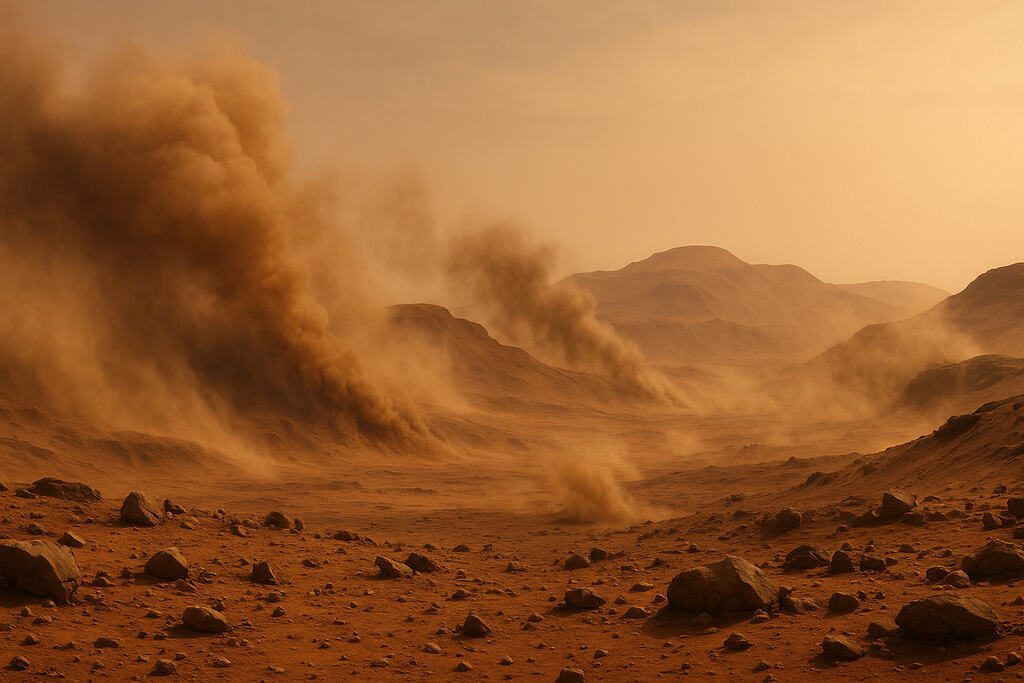
Exploring Mars comes with immense challenges. Dust storms can block sunlight for weeks, cutting off solar power. Temperatures can drop to -125°C, freezing machinery. Landing safely is notoriously difficult because of Mars’ thin atmosphere—it’s called the “seven minutes of terror” for a reason.
Engineers must design systems that handle every possible scenario, often relying on creativity and luck. Each mission that survives teaches vital lessons about resilience and innovation in the harshest conditions imaginable.
14. What Mars Teaches Us About Ourselves
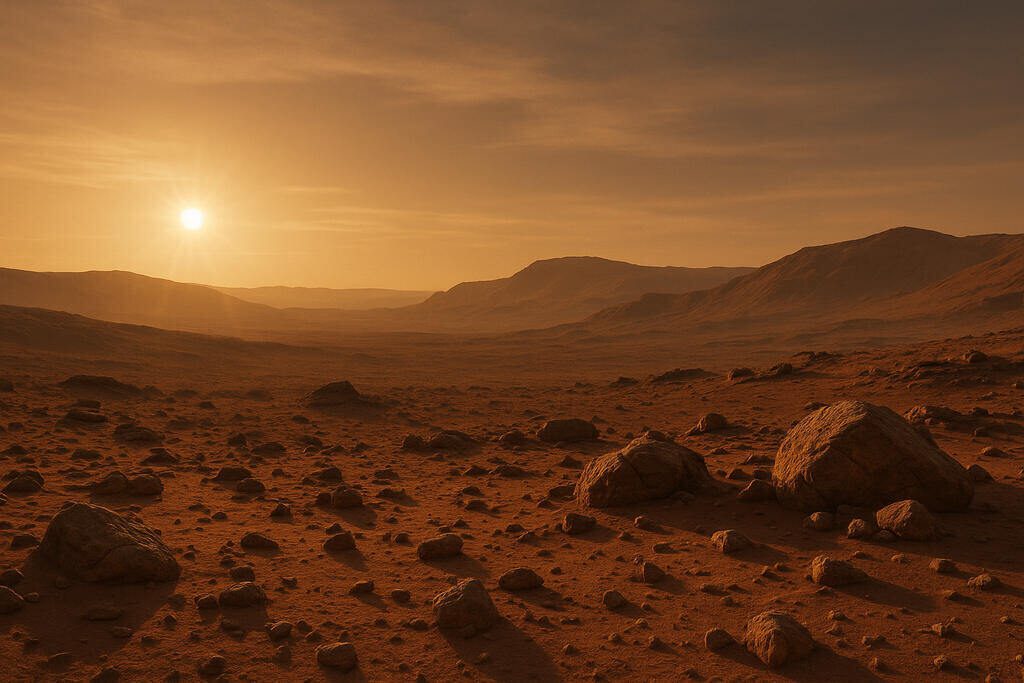
Every image from Mars—every sunset, dust devil, and rock—reminds us of our shared curiosity and courage. The rovers are human extensions, representing our desire to explore, learn, and endure. They also remind us of Earth’s fragility. Seeing another barren planet helps us appreciate our own home more deeply. Mars exploration isn’t just science—it’s a reflection of who we are as a species: dreamers, explorers, and storytellers always looking beyond the horizon.
15. The Future: From Robots to Humans
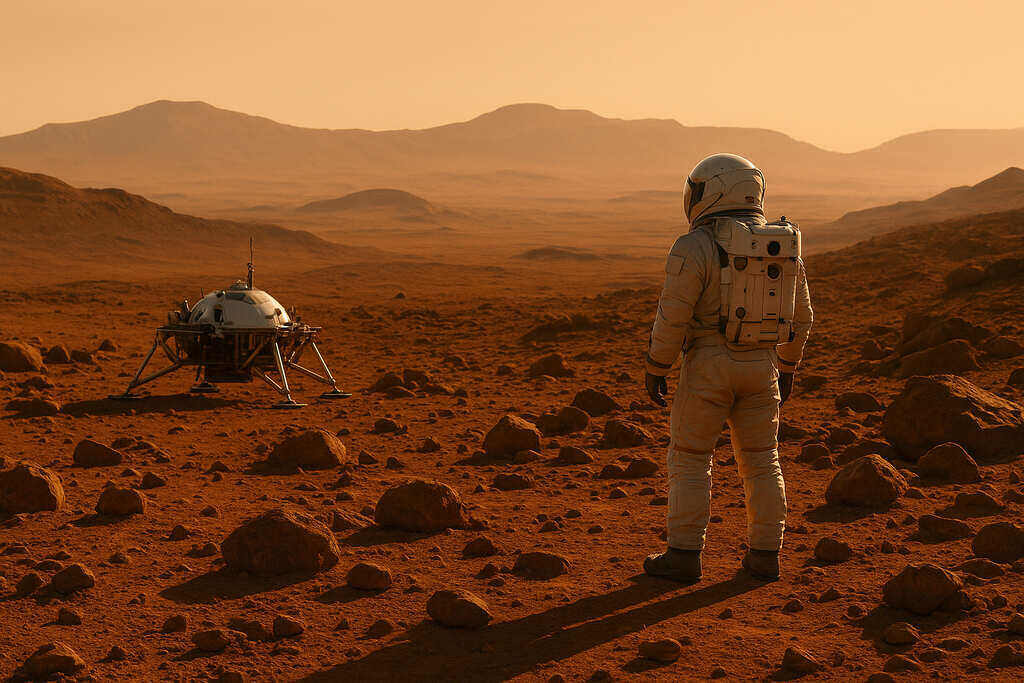
The journey to Mars is far from over. NASA, SpaceX, and international partners are planning the first crewed missions within the next two decades. These missions will build on what the rovers have taught us—how to live, work, and thrive in a world beyond Earth. The dream of standing on the Red Planet’s surface is no longer science fiction—it’s a goal within reach. When that day comes, humanity’s story will expand beyond one planet. The Mars rovers have shown us the way; now, it’s up to us to take the next step.