

Dehydration is more than just feeling thirsty. When the body lacks enough fluid, almost every system begins to struggle. Mild dehydration can quietly drain energy, slow thinking, and strain vital organs long before obvious symptoms appear. Recognizing the subtle warning signs early helps protect long-term health, performance, and well-being. These science-backed signals reveal when the body is seriously dehydrated and urgently needs attention.
1. Persistent Thirst That Never Seems Satisfied

Persistent, unquenchable thirst is often the first obvious sign of serious dehydration. By the time constant thirst appears, the body is already low on fluids and electrolytes. The brain signals thirst to encourage drinking, but many people ignore or delay it during busy days, intense workouts, or hot weather. Thirst that returns soon after drinking, or worsens at night, suggests the body is struggling to restore balance.
Paying attention to patterns—such as always needing water after minimal activity—can highlight chronic underhydration. When thirst is paired with dry lips, sticky saliva, and a rough tongue, dehydration is likely significant. Over several days, this constant urge to drink can noticeably affect comfort and performance.
2. Dark, Strong-Smelling Urine

Urine color is one of the easiest dehydration indicators to monitor. Well-hydrated bodies usually produce pale yellow, almost straw-colored urine. When dehydration sets in, the kidneys conserve water, resulting in darker, amber, or honey-colored urine. A strong, concentrated smell often appears at the same time. Infrequent bathroom trips—such as urinating only a few times a day—can reinforce the warning.
Certain foods, supplements, and medications also change urine color, so patterns matter more than a single observation. If urine consistently appears dark and pungent, especially alongside thirst and fatigue, fluid intake is likely too low. Keeping an eye on this simple “color chart” can help detect serious dehydration early.
3. Dry Mouth, Bad Breath, and Sticky Saliva
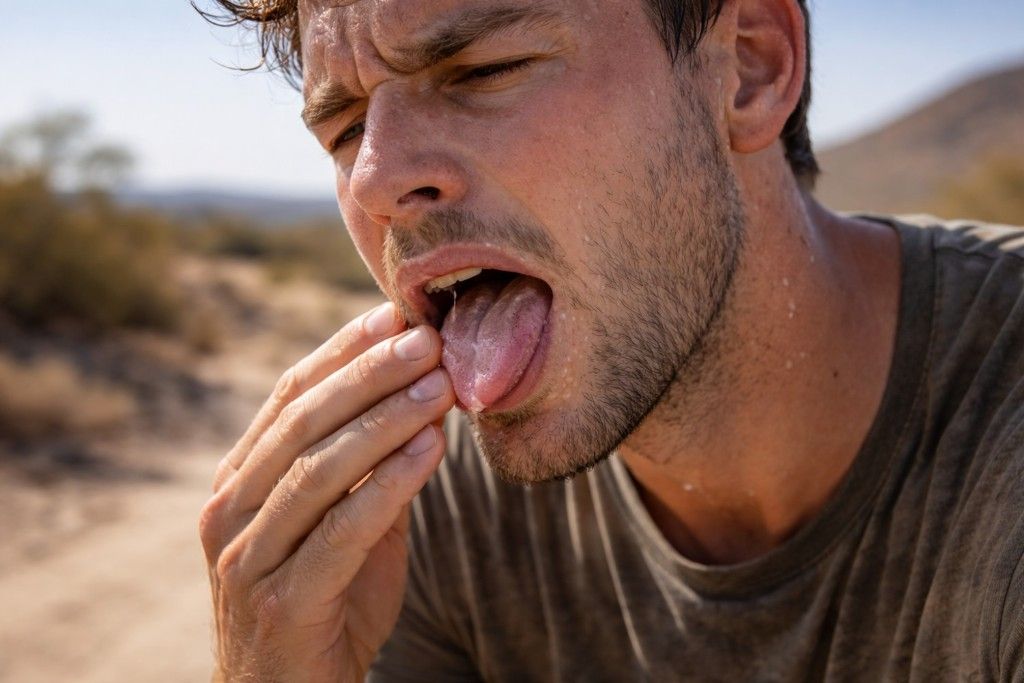
Saliva is mostly water, and dehydration quickly disrupts its production. A persistently dry mouth, even after drinking, is a classic sign of reduced fluid levels. Saliva normally helps wash away bacteria in the mouth; when it decreases, bacteria multiply more easily. This change can lead to bad breath, a sour taste, or a coated feeling on the tongue.
Saliva may feel thicker or stickier than usual, making swallowing less comfortable. People sometimes mistake this for dental or digestive problems, when the root cause is actually fluid loss. If dry mouth appears together with cracked lips, thirst, and dark urine, increasing water and electrolyte intake becomes especially important.
4. Headaches, Lightheadedness, and Dizziness
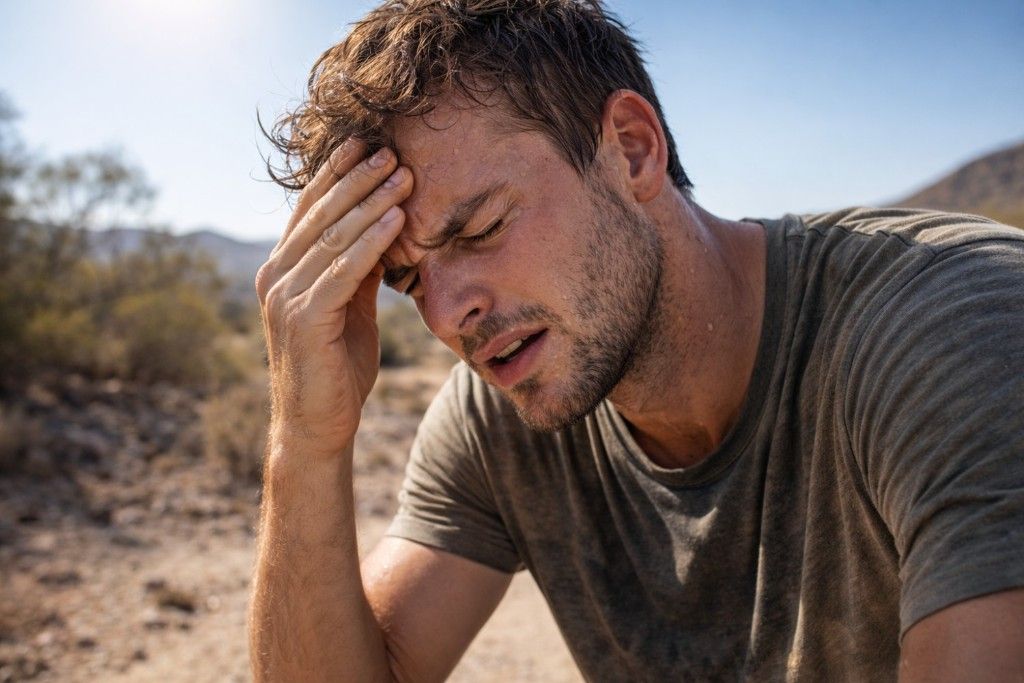
The brain is highly sensitive to fluid balance. When the body is seriously dehydrated, blood volume can drop, limiting the amount of oxygen and nutrients reaching brain tissue. This often leads to headaches that feel dull, throbbing, or pressure-like, especially after heat exposure or exercise. Standing up quickly may cause lightheadedness or brief dizziness because blood pressure struggles to adjust.
Some people describe a floating sensation or momentary black spots in vision. These symptoms are sometimes mistaken for stress or lack of sleep. If headaches repeatedly appear after sweating, long workdays, or travel—particularly when fluids were limited—dehydration should be considered a likely contributor.
5. Unusual Fatigue and Low Energy

Dehydration can quietly drain energy levels even without intense physical activity. Blood becomes slightly thicker as fluid decreases, forcing the heart to work harder to circulate it. Muscles and organs then receive less oxygen and nutrients, leading to sluggishness. Tasks that usually feel easy, such as climbing stairs or concentrating on a document, may suddenly feel exhausting.
Afternoon crashes can become more frequent, especially in hot or dry environments. Unlike ordinary tiredness, dehydration-related fatigue often improves noticeably after drinking water and resting briefly. If low energy consistently follows long meetings, travel, workouts, or hot commutes with little fluid intake, chronic underhydration is a strong possibility.
6. Dry, Itchy Skin and Reduced Sweating

Skin is the body’s largest organ and relies heavily on hydration to maintain elasticity and barrier function. With serious dehydration, skin may appear dull, tight, or flaky rather than plump and supple. Fine lines can look more pronounced, and itching may increase, particularly on the arms, legs, and scalp.
During heat or exercise, sweating might decrease because the body is conserving fluid, making temperature regulation less efficient. A simple “skin turgor” check—lightly pinching the skin on the back of the hand—may show it returning slowly instead of snapping back quickly. When dry skin appears together with thirst, dark urine, and fatigue, dehydration becomes a strong suspect.
7. Muscle Cramps and Uncomfortable Spasms

Dehydration affects both fluid levels and electrolytes like sodium, potassium, and magnesium, all crucial for muscle function. When these become imbalanced, muscles may misfire, leading to cramps or spasms. These can appear in the calves, feet, hands, or even the abdominal muscles, especially during or after exercise and in warm environments.
Night-time leg cramps are a common complaint among people who sweat heavily but replace only water, not electrolytes. Muscles may feel tight, twitchy, or unusually sore after routine activity. While overuse and mineral deficiencies can also trigger cramps, dehydration is often an overlooked factor, particularly when other dehydration symptoms show up at the same time.
8. Rapid Heartbeat and Breathing Changes

As fluid levels drop, the heart must pump harder to move a reduced blood volume through the body. This extra effort can cause a faster-than-normal resting heartbeat or palpitations—sensations of pounding, fluttering, or racing in the chest. Some individuals also notice slightly quicker breathing, especially when climbing stairs or walking briskly.
These changes are the body’s attempt to maintain blood pressure and oxygen supply despite the dehydration stress. While many conditions can affect heart rate, a rapid pulse that appears after heat exposure, diarrhea, vomiting, or intense sweating may strongly point to fluid loss. Ignoring these signs can increase strain on the cardiovascular system.
9. Constipation and Digestive Discomfort

The digestive system depends on adequate water to move food smoothly through the intestines. When the body is seriously dehydrated, it pulls more water out of stool to maintain essential functions elsewhere. This process leaves stool hard, dry, and difficult to pass, often leading to constipation, bloating, and abdominal discomfort.
People may strain more during bowel movements or go several days without normal elimination. Fiber intake alone cannot correct this if fluids remain low; in fact, high-fiber diets without enough water can worsen symptoms. If constipation appears along with dark urine, dry mouth, and headaches, dehydration is a likely underlying factor needing attention.
10. Brain Fog, Poor Focus, and Irritability

Even mild dehydration can impair cognitive performance, making thinking feel fuzzy or slow. Tasks that normally require moderate concentration—reading emails, analyzing data, or driving—can suddenly feel mentally demanding. Short-term memory may suffer, and decision-making can feel less sharp. Mood often shifts as well; some people become unusually irritable, anxious, or impatient when dehydrated.
Studies have shown that even a small drop in body water percentage can negatively affect alertness and reaction time. When brain fog appears during long meetings, study sessions, or gaming marathons with little fluid intake, the brain may be signaling serious dehydration. Rehydration often restores clarity surprisingly quickly.
11. Sunken Eyes and Dark Circles

Facial appearance can offer visible clues about hydration status. When the body is seriously dehydrated, tissues around the eyes may lose volume, making the eyes appear slightly sunken or hollow. Dark circles can become more noticeable as blood vessels under thinner skin stand out more clearly.
While genetics, sleep deprivation, and allergies also contribute, sudden changes after illness, travel, or heat exposure often point toward fluid loss. In infants and older adults, sunken eyes are considered a particularly important clinical sign of dehydration. Combined with dry skin, fatigue, and dizziness, this subtle change in facial appearance should not be dismissed as purely cosmetic.
12. Decreased Urination and Long Gaps Between Bathroom Trips

How often someone urinates can reveal a lot about hydration. A healthy, well-hydrated adult typically urinates several times throughout the day. When the body is seriously dehydrated, the kidneys reduce urine output to conserve water, leading to long gaps between bathroom visits.
If several hours pass without needing to urinate, especially in warm conditions or during physical activity, dehydration is very likely. When urination finally occurs, the volume may be small and the color dark. People sometimes mistake this for convenience—believing fewer bathroom trips are normal—when it is actually a warning that the body is operating in conservation mode.
13. Sugar and Salt Cravings

Dehydration affects not only fluids but also electrolyte concentrations and blood sugar regulation. As levels shift, the brain may interpret these imbalances as cravings for sweets or salty snacks. Reaching for chips, candy, or processed foods during long, dry periods—such as extended screen time or travel—can be the body’s attempt to correct underlying deficits.
Unfortunately, heavily salted or sugary foods without adequate water can worsen dehydration. For example, eating salty fast food and drinking little water may intensify thirst later. When unusual cravings appear alongside headaches, fatigue, or dark urine, increasing both fluids and balanced electrolytes can help restore internal stability.
14. Overheating and Heat Intolerance

Water is essential for regulating body temperature through sweating and blood flow to the skin. When dehydration becomes serious, sweating may decrease and heat dissipation suffers. This can lead to feeling overheated quickly, even with modest exertion or in moderately warm environments. Some people experience flushing, excessive warmth, or difficulty cooling down after exercise or time outdoors.
In extreme cases, this can progress to heat exhaustion or heatstroke, both medical emergencies. Compared with well-hydrated individuals, dehydrated bodies struggle more with hot weather, saunas, or crowded indoor spaces. Persistent heat intolerance, especially with dizziness or rapid heartbeat, is a strong warning sign that hydration status needs urgent correction.