
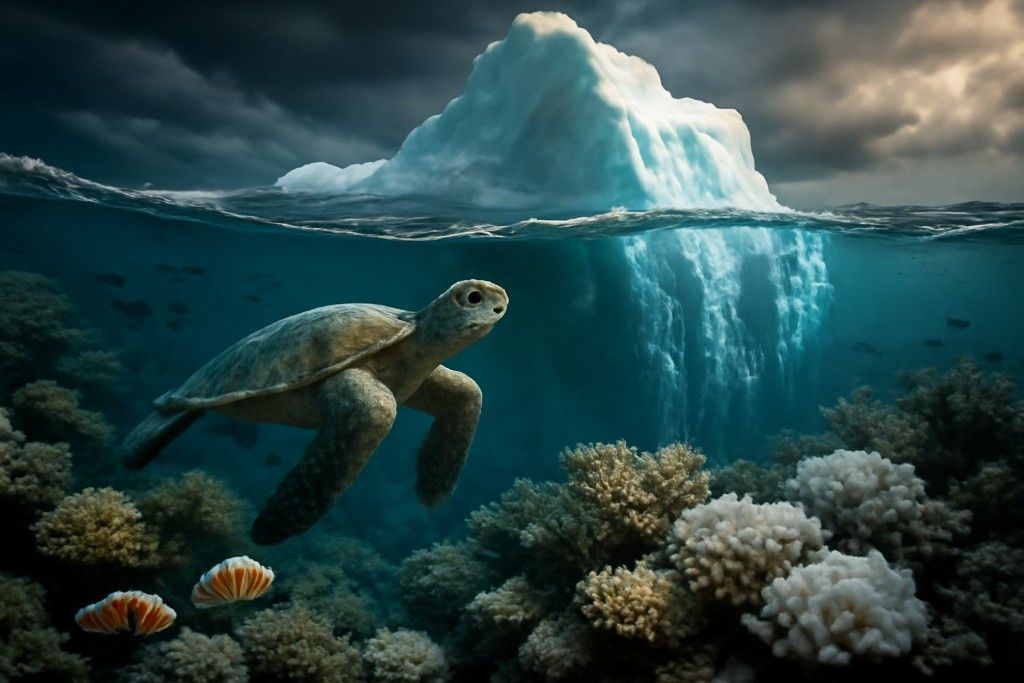
Climate change is having an undeniable impact on the world’s oceans, threatening the delicate ecosystems that thrive beneath the surface. Rising temperatures, ocean acidification, and pollution are altering the environment in profound ways. Underwater life, from coral reefs to marine species, is facing increasing stress, with some species on the brink of extinction.
This shift in the marine ecosystem poses significant challenges not only to marine biodiversity but also to global food security and economies dependent on the ocean. Below, we delve into the various ways climate change is affecting underwater life.
1. Ocean Acidification: A Growing Threat to Marine Life
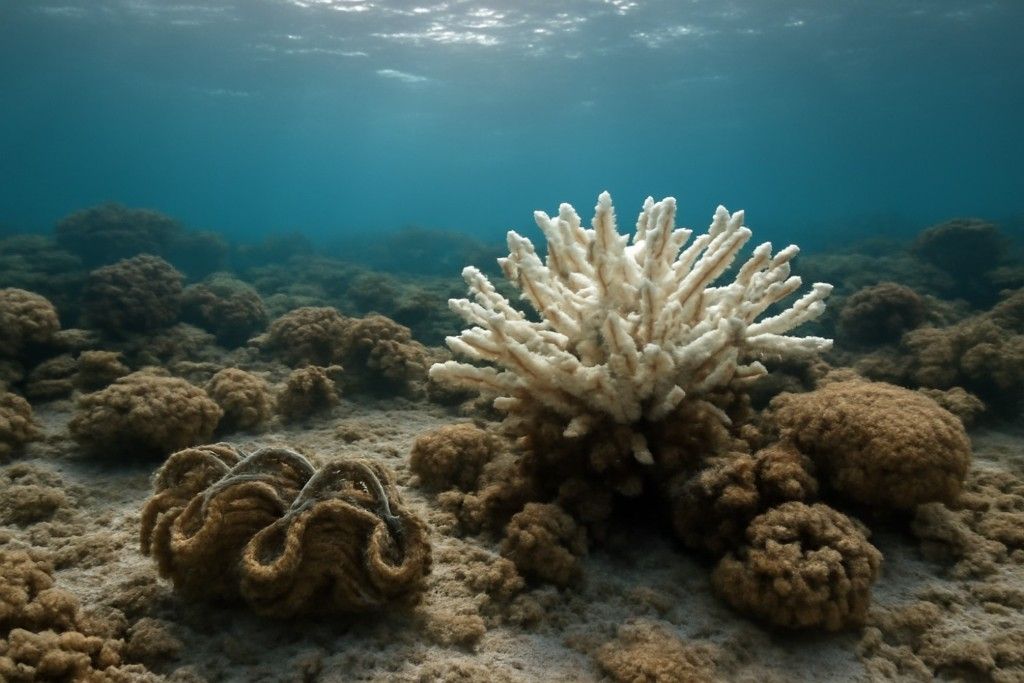
Ocean acidification occurs as the oceans absorb excess carbon dioxide (CO2) from the atmosphere. The increased acidity harms marine species, particularly shellfish and coral reefs. The process weakens the shells of mollusks, including oysters and clams, making it difficult for them to survive.
Corals, which rely on calcium carbonate to build their skeletons, face similar challenges. Without proper protection, coral reefs, which serve as biodiversity hotspots, are at risk of disappearing, leaving marine species with fewer habitats to thrive in.
2. Coral Bleaching: The Silent Killer of Reefs
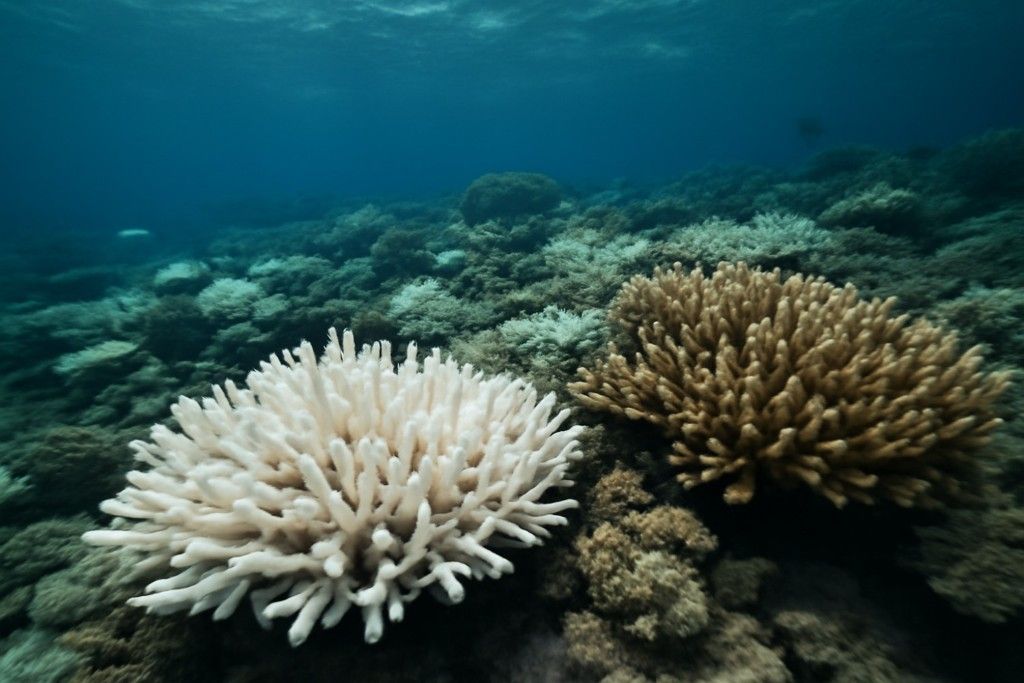
Coral bleaching happens when coral polyps expel the algae that live in their tissues due to stress from rising ocean temperatures. The algae provide corals with nutrients through photosynthesis, and without them, the corals become weak and vulnerable.
This phenomenon has been increasingly observed due to global warming, leaving coral reefs exposed to further environmental pressures like diseases. As a result, entire coral ecosystems are being lost, which affects countless marine species that depend on them for shelter, food, and breeding grounds.
3. Temperature Rise and Migration Patterns
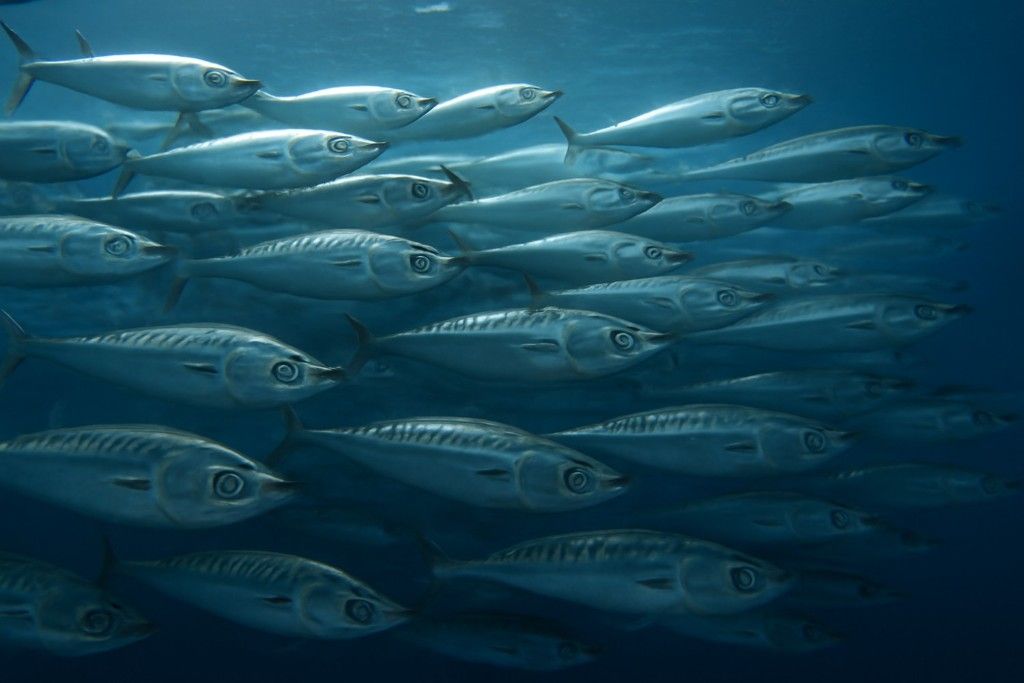
Rising ocean temperatures due to climate change are causing marine species to shift their habitats toward cooler waters. This is particularly evident with fish species, such as cod and herring, that are moving away from traditional breeding grounds in search of more suitable conditions.
This shift can have significant impacts on local fisheries, as fishing communities struggle to adapt to changing fish populations and migratory patterns. In the long run, this could lead to the disruption of entire marine ecosystems and the collapse of regional industries.
4. Threats to Marine Food Chains
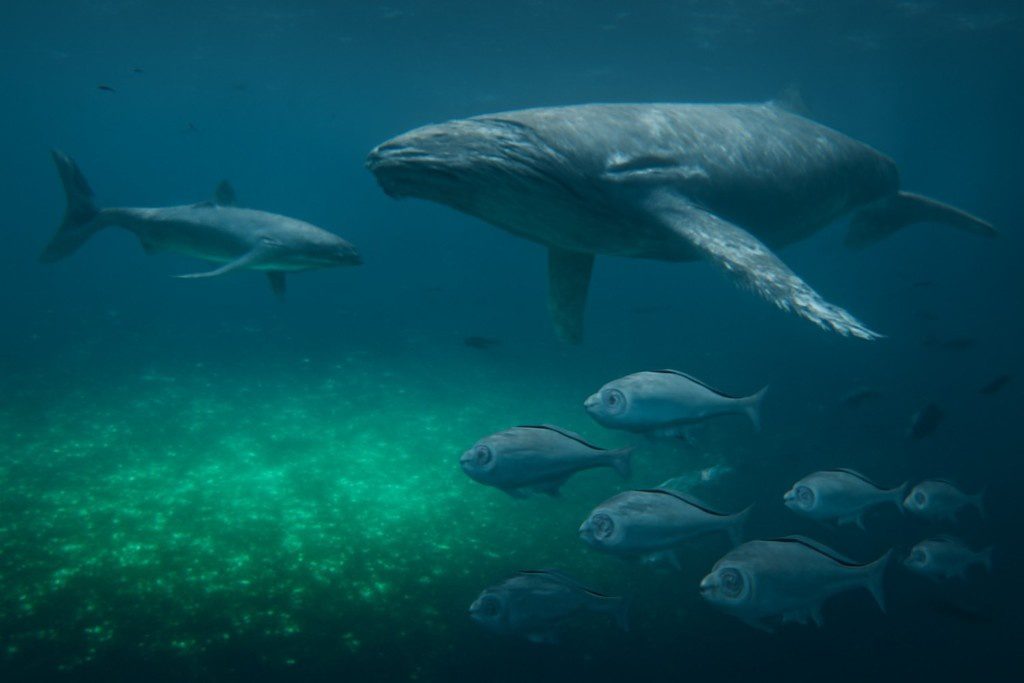
Changes in water temperature and salinity levels are disrupting the delicate balance of marine food chains. Phytoplankton, which forms the foundation of the ocean food web, is sensitive to changes in temperature and water chemistry.
As phytoplankton populations decline due to climate stress, it affects the species that rely on them, including small fish, which are a primary food source for larger predators like whales, sharks, and seabirds. This creates a cascading effect that endangers entire marine food webs and threatens global food security.
5. The Melting of Polar Ice Caps
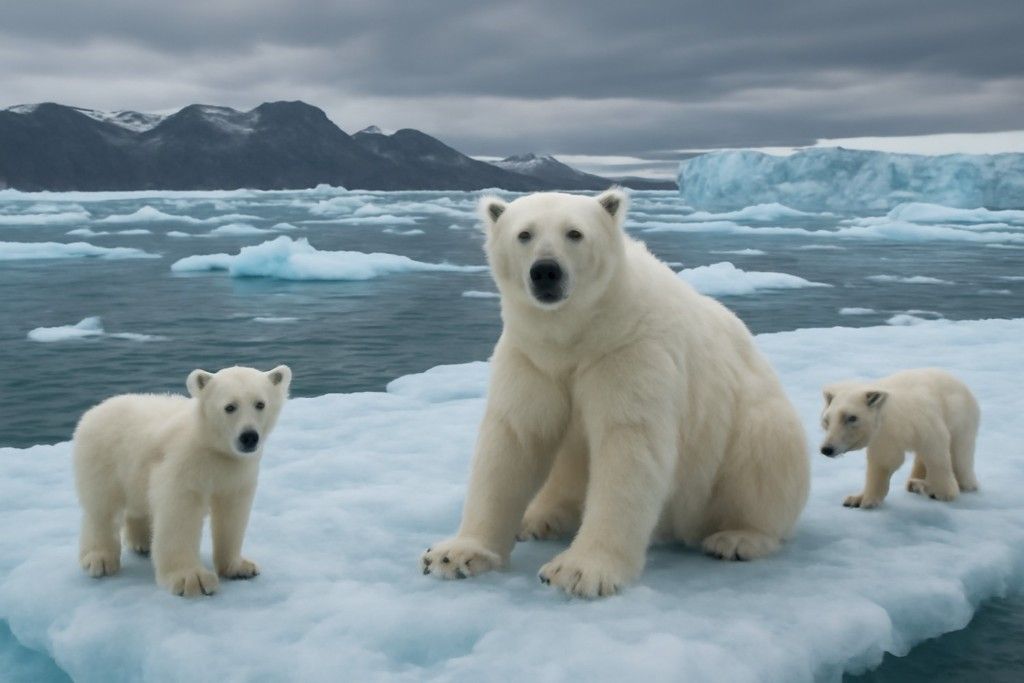
The polar ice caps, which are vital to the global climate system, are melting at an alarming rate due to higher global temperatures. This not only raises sea levels but also disrupts ecosystems in polar regions, particularly those in the Arctic and Antarctic.
Species like seals, penguins, and polar bears depend on ice-covered habitats for breeding, hunting, and protection. The loss of ice reduces available habitats and forces these species to migrate to less suitable areas, increasing the risk of extinction.
6. Decreased Oxygen Levels in Oceans
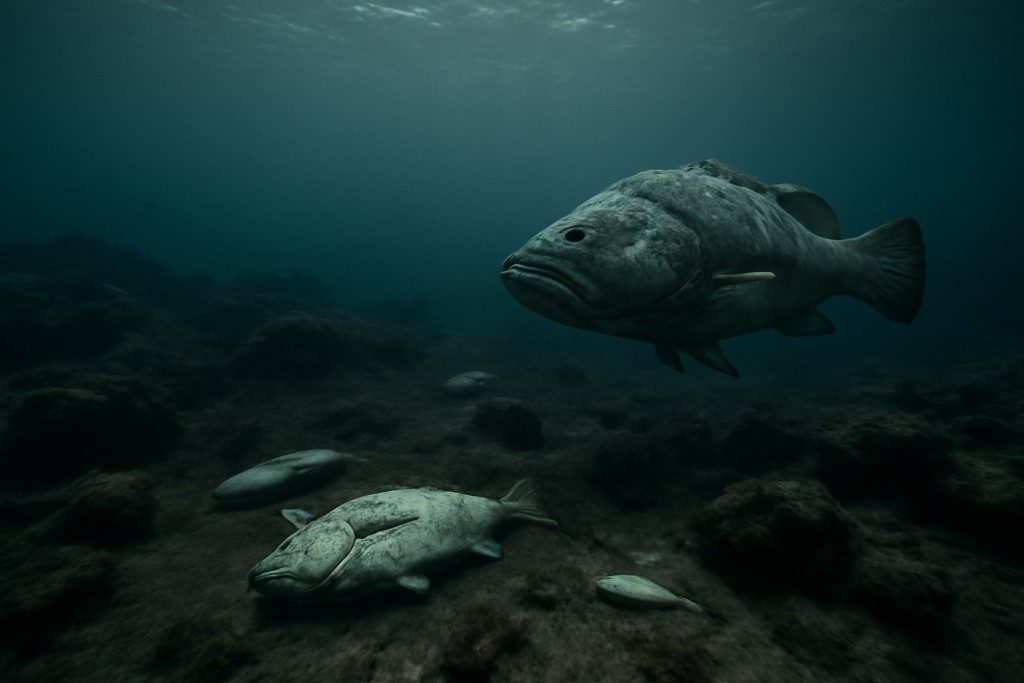
The oceans are experiencing a decline in oxygen levels, particularly in deeper waters. This phenomenon, known as ocean deoxygenation, is caused by rising temperatures and the increased breakdown of organic material in warmer waters.
Oxygen-deprived areas, also called “dead zones,” are expanding, suffocating marine life and leading to the destruction of biodiversity. Species that rely on oxygenated waters, such as fish and crustaceans, are most vulnerable to these conditions, causing disruptions in marine ecosystems.
7. Impact on Marine Mammals
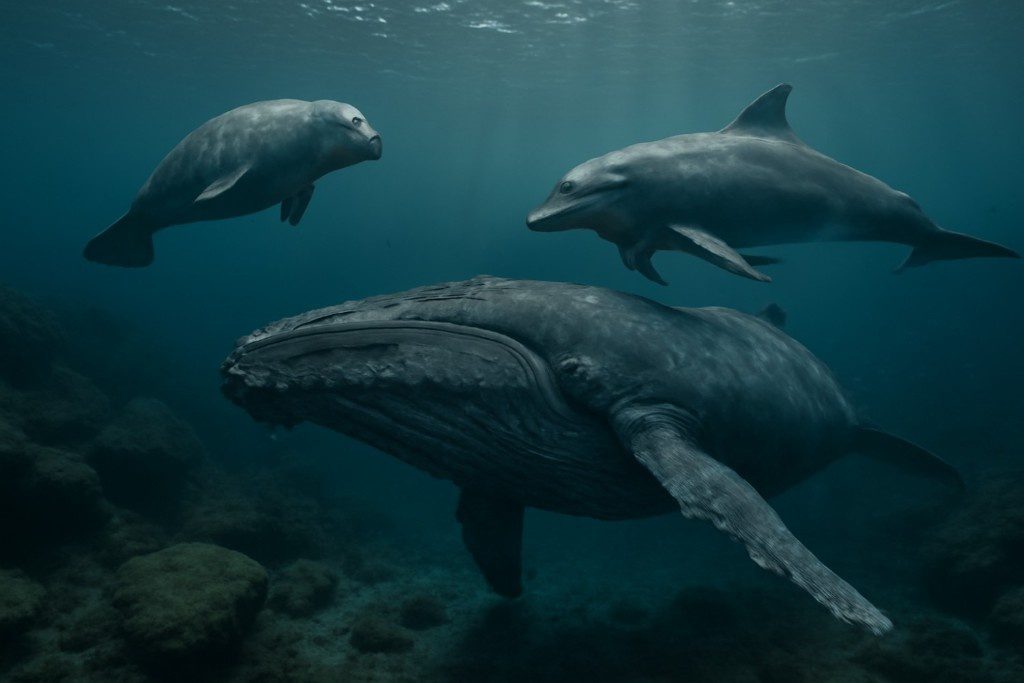
Marine mammals, including whales, dolphins, and seals, are particularly susceptible to climate change due to their reliance on specific habitats and food sources. Rising ocean temperatures affect the distribution of prey species, forcing these mammals to travel longer distances for food.
Additionally, melting sea ice reduces breeding and resting areas for species like polar bears and walrus. These stressors increase the risk of disease, malnutrition, and reduced reproductive success, threatening the long-term survival of these animals.
8. Impact of Rising Sea Levels on Coastal Ecosystems
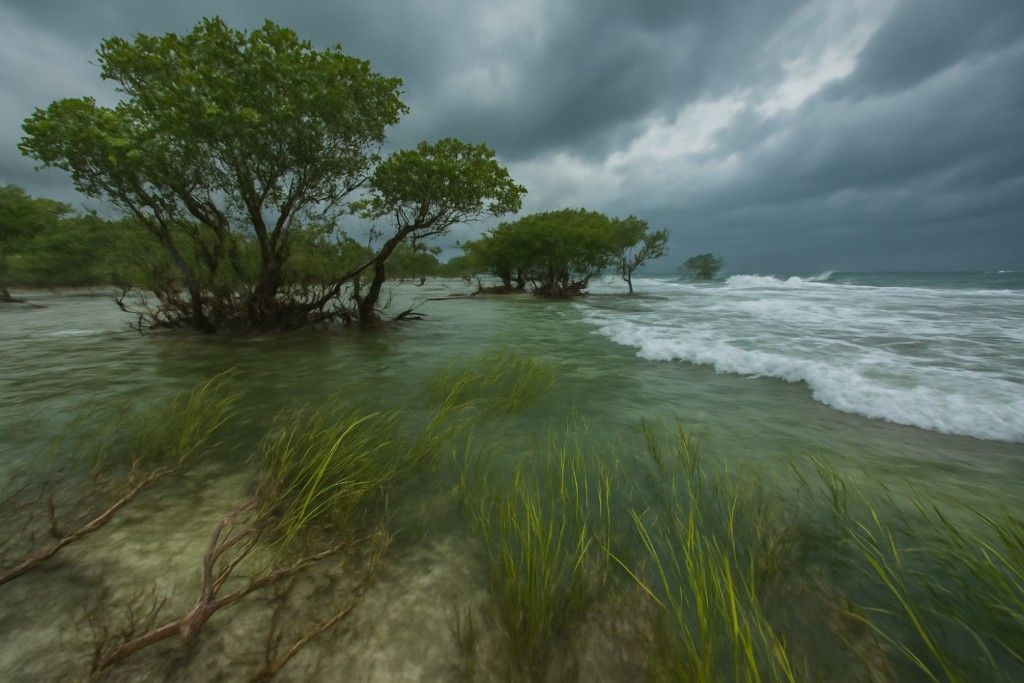
As sea levels rise, coastal ecosystems such as mangroves, seagrass meadows, and salt marshes are increasingly inundated with water. These habitats are crucial for supporting marine biodiversity, providing food, shelter, and breeding grounds for a wide range of species.
Rising sea levels not only threaten the physical existence of these habitats but also increase their salinity, making them less hospitable to the species that depend on them. In the long term, this disruption can lead to the loss of biodiversity and the collapse of coastal ecosystems.
9. Changes in the Distribution of Marine Species
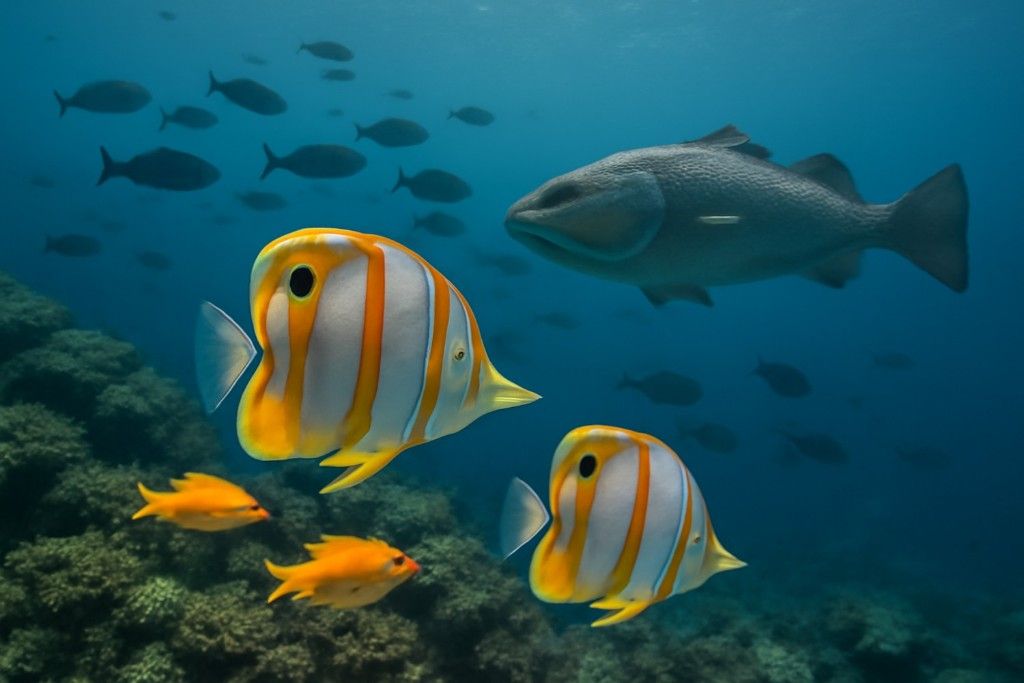
Climate change is altering the distribution patterns of marine species worldwide. Warmer waters are driving tropical species to move toward higher latitudes, while cold-water species are retreating to deeper or cooler areas. This shift has profound implications for fishing industries, as well as for biodiversity, as species that are not adapted to new environments may struggle to survive. This movement also affects species that rely on specific habitats, further disrupting marine ecosystems.
10. The Role of Ocean Currents in Climate Regulation
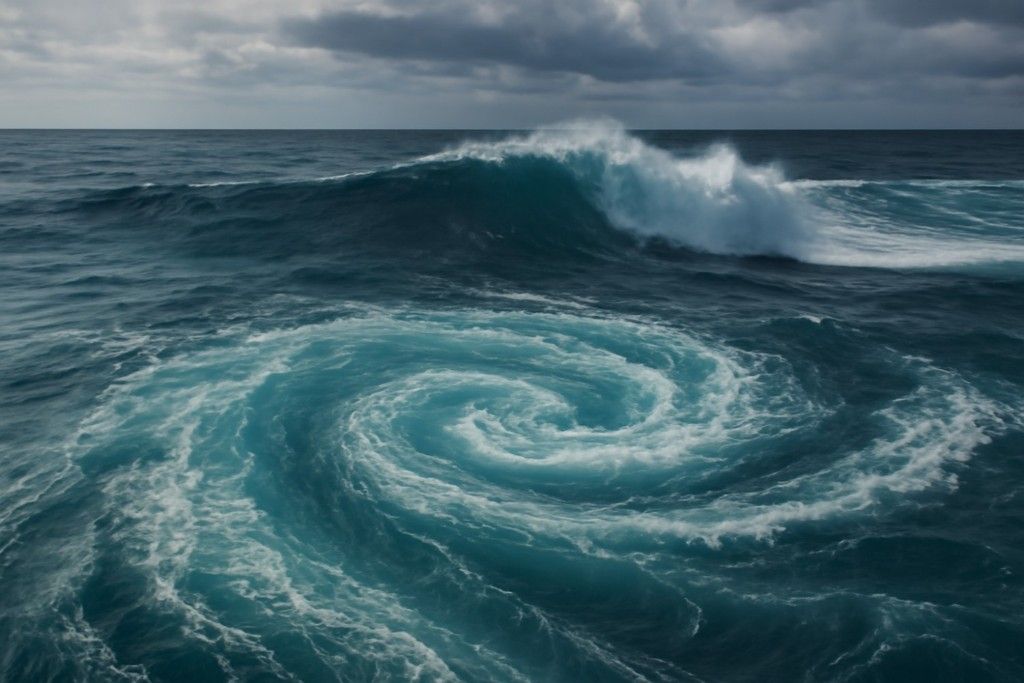
Ocean currents play a crucial role in regulating the Earth’s climate by redistributing heat and nutrients around the globe. However, climate change is altering the strength and direction of these currents. The weakening of currents, such as the Gulf Stream, could lead to more extreme weather patterns, rising temperatures, and disruptions to marine ecosystems. This shift in ocean circulation could create more unstable environments for marine species, affecting their survival and the overall health of marine ecosystems.
11. Loss of Biodiversity in the Deep Sea
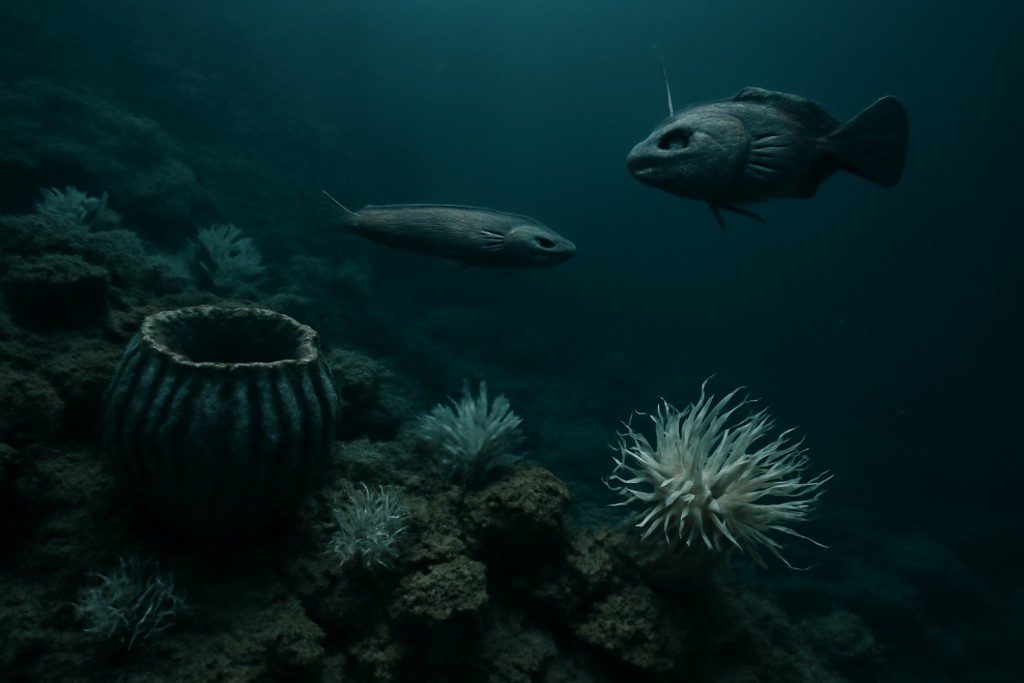
The deep sea water, one of the most unexplored and least understood environments on Earth, is increasingly threatened by climate change. Rising temperatures and acidification are altering the chemistry of the deep sea water, making it less hospitable for species that have adapted to extreme conditions.
This threatens the biodiversity of deep sea water ecosystems, which are home to unique species that play a vital role in the ocean’s overall health. The loss of these species could have ripple effects throughout the global marine ecosystem.
12. The Impact of Pollution on Marine Life
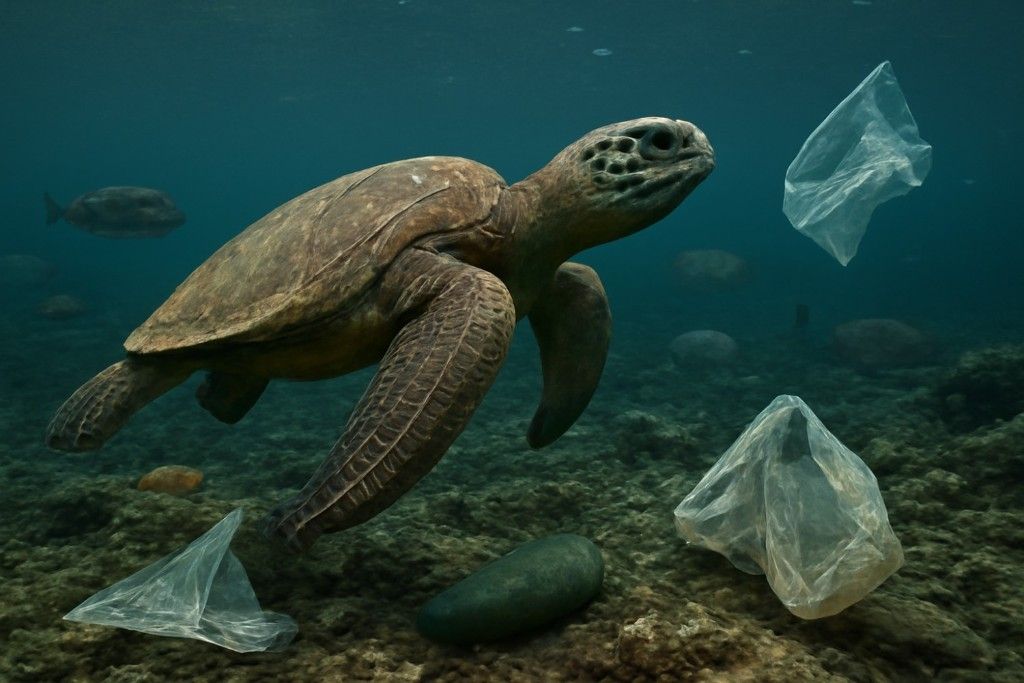
Pollution from plastic waste, chemicals, and other human-made contaminants is exacerbating the effects of climate change on marine life. As ocean temperatures rise, pollutants become more toxic, affecting the health of marine species.
Marine animals can ingest or become entangled in plastic debris, leading to injury or death. Chemicals from industrial runoff can disrupt reproductive processes in fish and other marine organisms, further contributing to the decline of marine biodiversity.
13. Impact on Fisheries and Global Food Security
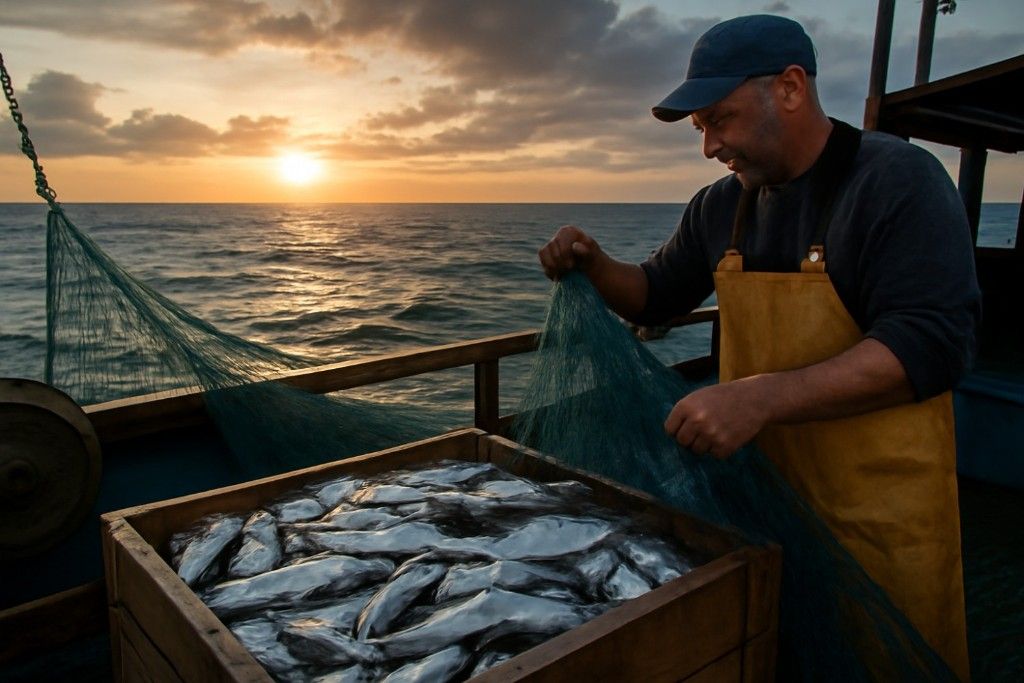
Climate change poses a significant threat to global fisheries, which provide food and income for millions of people worldwide. Rising temperatures, changing migration patterns, and the destruction of habitats all reduce the availability of fish stocks.
As fish populations decline, it becomes harder for fishing communities to sustain their livelihoods, and food security becomes more uncertain. The impacts on fisheries also affect global supply chains, leading to higher food prices and economic instability in coastal communities.
14. Effects on Marine Plant Life
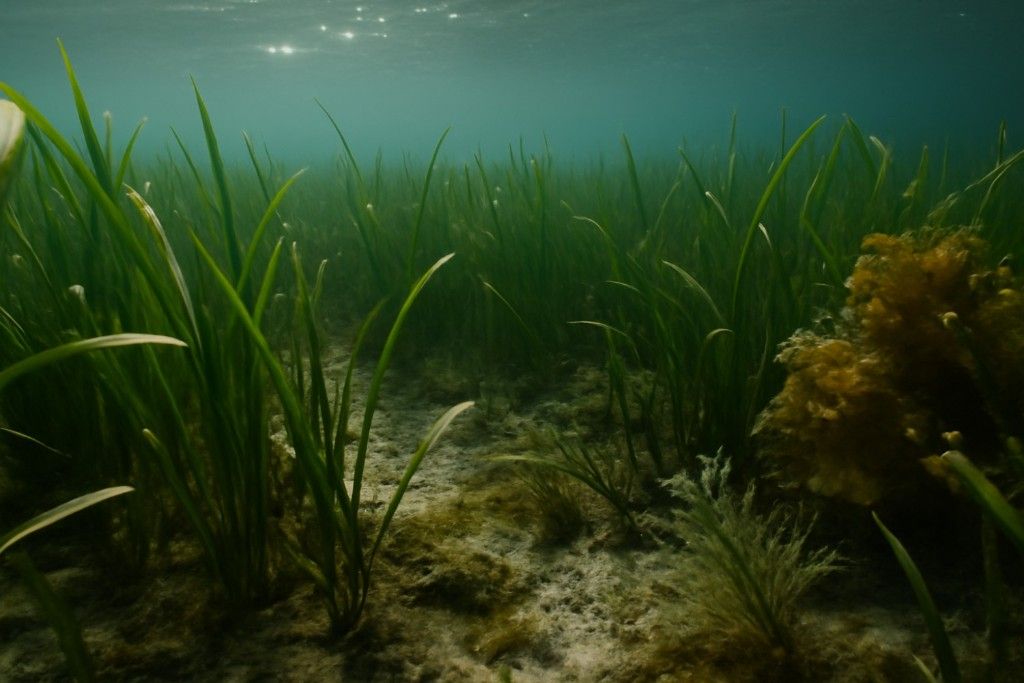
Marine plants, such as seagrasses and algae, play an essential role in maintaining healthy underwater ecosystems by producing oxygen and providing habitat for marine life. Rising temperatures and ocean acidification are threatening these vital organisms.
For example, seagrass meadows are particularly vulnerable to changes in water temperature and coastal development. As these plants die off, the biodiversity that relies on them faces serious consequences, further destabilizing marine ecosystems.
15. The Role of Climate Change in Accelerating Extinctions
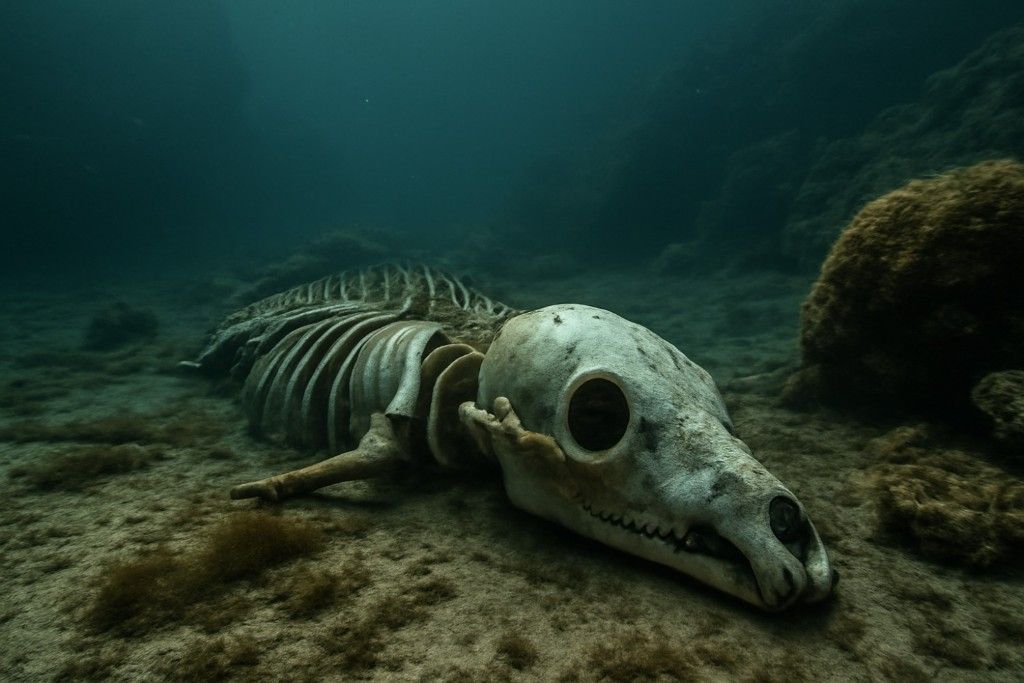
The combination of rising temperatures, habitat loss, and altered food chains is pushing many marine species toward extinction. Some species, particularly those with narrow habitat requirements or slow reproductive rates, cannot adapt quickly enough to the changing environment.
For example, the Vaquita, a small marine mammal in the Gulf of California, is critically endangered due to climate change and human activity. Without immediate action to mitigate climate change, these species will continue to face an uncertain future.