

Toothbrush and floss are powerful tools, yet everyday habits often reduce their benefits or even cause harm. Subtle mistakes in technique, timing and product choice can slowly damage enamel, irritate gums and invite decay. Understanding these common errors makes it easier to protect oral health, keep breath fresher and avoid costly dental treatments. The following evidence-based guide breaks down frequent brushing and flossing mistakes and explains how simple adjustments can transform a routine into true preventive care.
1. Brushing Too Hard
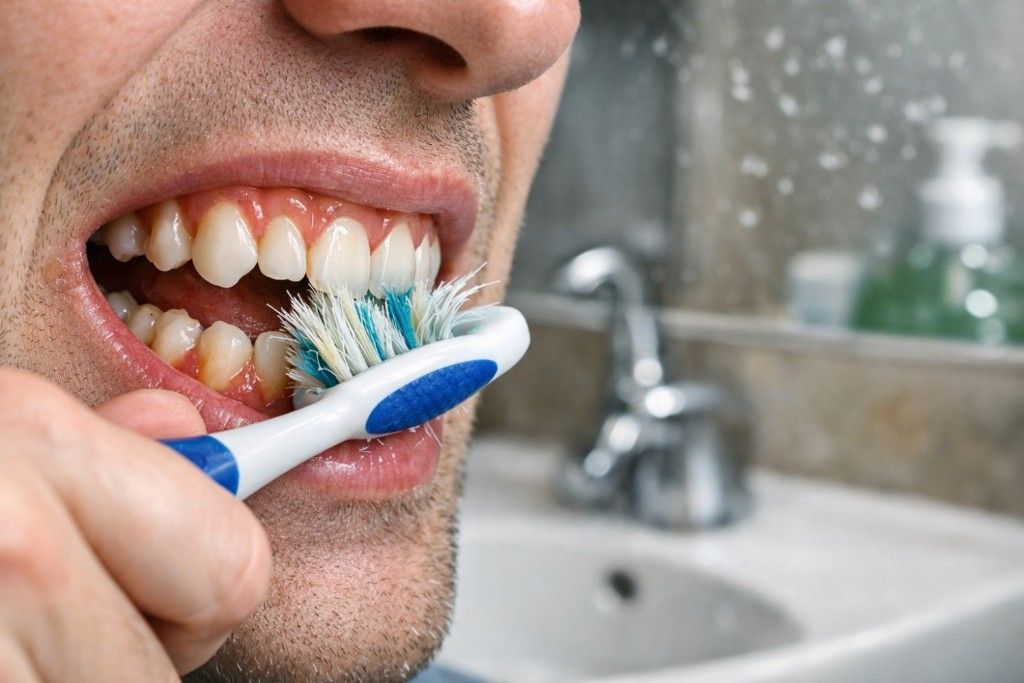
Brushing with excessive force may feel like a deep clean, but it slowly scrapes away enamel and irritates the gums. Over time, sensitivity to hot and cold drinks increases, and the gums can recede, exposing vulnerable root surfaces. Many people press harder when seeing plaque on the mirror, assuming more pressure equals better cleaning.
In reality, soft, gentle strokes remove plaque just as effectively without damaging tissues. A soft-bristled toothbrush held with a light “pencil grip” gives better control than a tight fist. If bristles splay outward within a few weeks, that is a clear sign of brushing too hard.
2. Using the Wrong Toothbrush
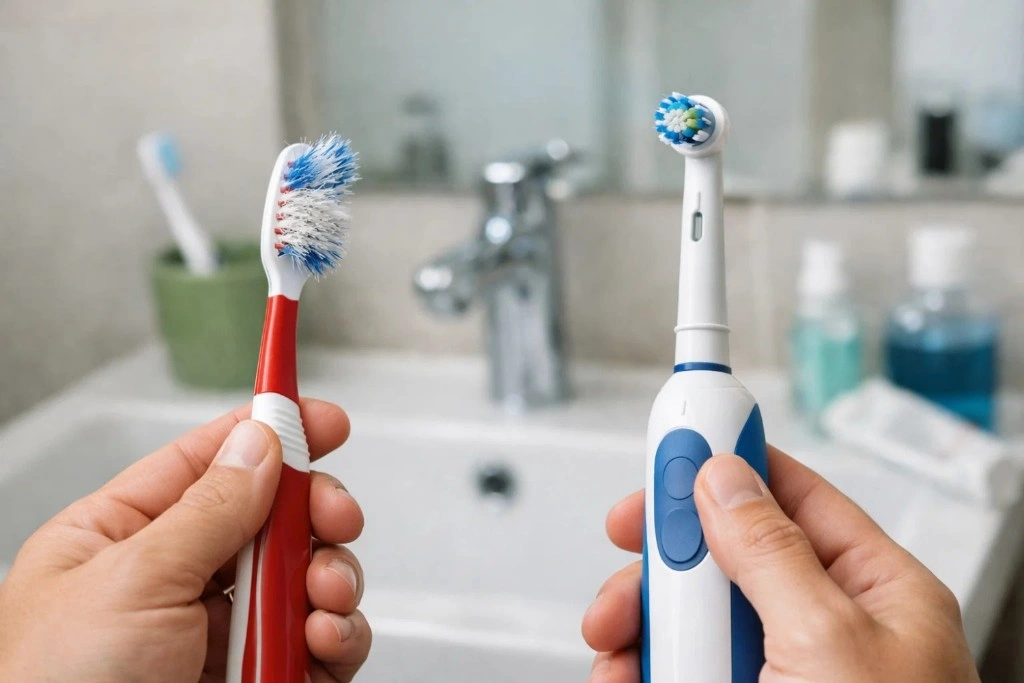
Choosing the wrong toothbrush quietly undermines daily oral care. Hard or medium bristles are more likely to erode enamel and irritate delicate gum tissue, especially along the necks of the teeth. A brush head that is too large cannot reach behind back molars or maneuver into tight spaces, leaving plaque behind.
Dentists usually recommend a soft-bristled brush with a compact head that can comfortably fit into the mouth and reach all surfaces. Electric toothbrushes with pressure sensors can also help prevent over-scrubbing. Replacing the brush or head every three to four months keeps bristles effective and hygienic. Comfort in the hand and in the mouth matters more than flashy design.
3. Brushing for Too Short a Time
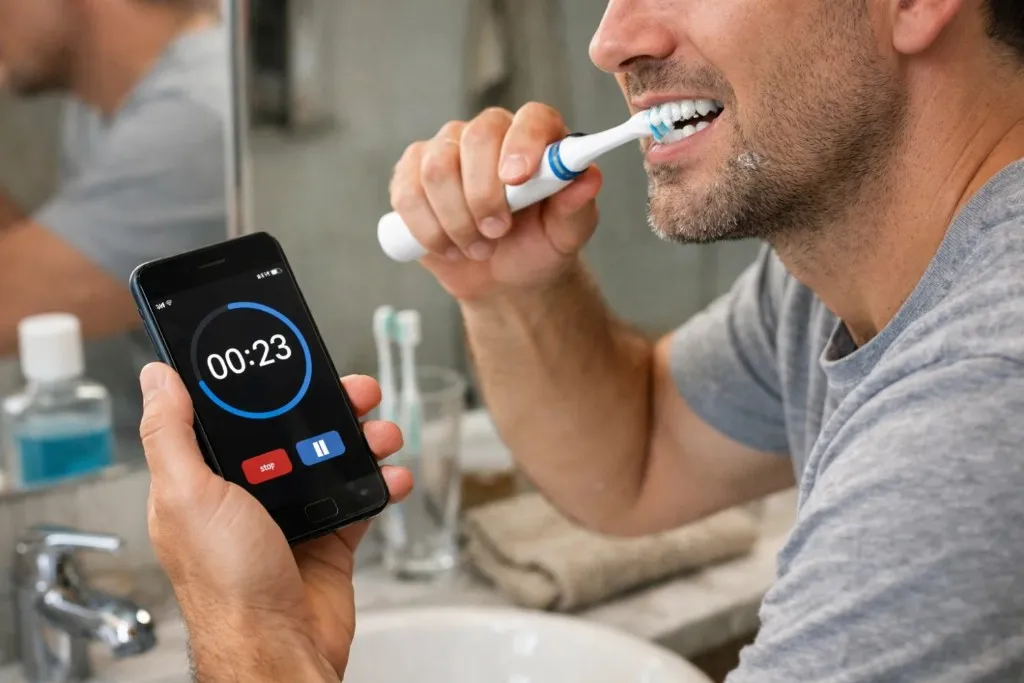
Rushing through brushing in less than two minutes leaves harmful plaque on teeth and along the gumline. Many people stop when the mouth feels “fresh,” even though several areas, especially the back molars and inner surfaces, remain uncleaned. Dental professionals consistently recommend brushing for a full two minutes, twice a day, covering all quadrants of the mouth.
A simple timer on a phone or a built-in timer on an electric toothbrush can remove guesswork and improve consistency. Splitting the mouth into four sections and spending about thirty seconds on each ensures more thorough coverage and better long-term protection. Turning this into a daily ritual builds strong lifelong habits.
4. Ignoring the Gumline
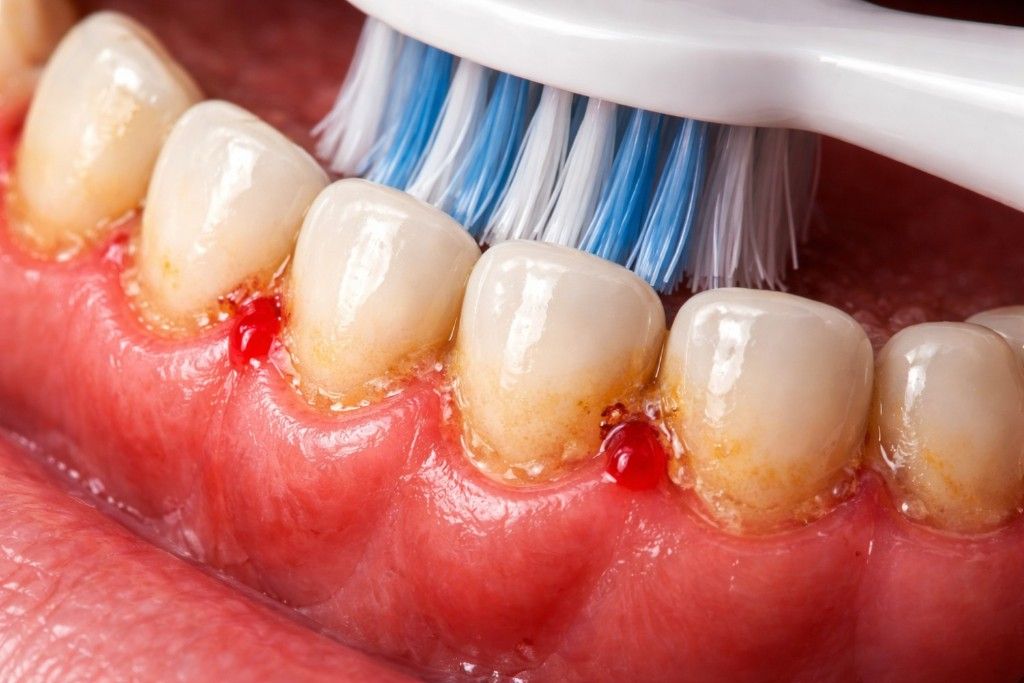
The thin edge where teeth meet the gums is a hotspot for plaque, tartar and inflammation. When the brush glides only across the chewing surfaces and the middle of the teeth, sticky biofilm at the gumline remains undisturbed. Over time, this buildup can lead to gingivitis, swelling, and bleeding during brushing or flossing.
Tilting the bristles at a forty-five-degree angle toward the gums and using small circular motions helps clean this critical zone. Gently massaging the gumline, rather than scrubbing it, encourages healthy blood flow. Focusing on this area at every brushing session significantly reduces the risk of gum disease.
5. Scrubbing Horizontally Instead of Using Proper Technique
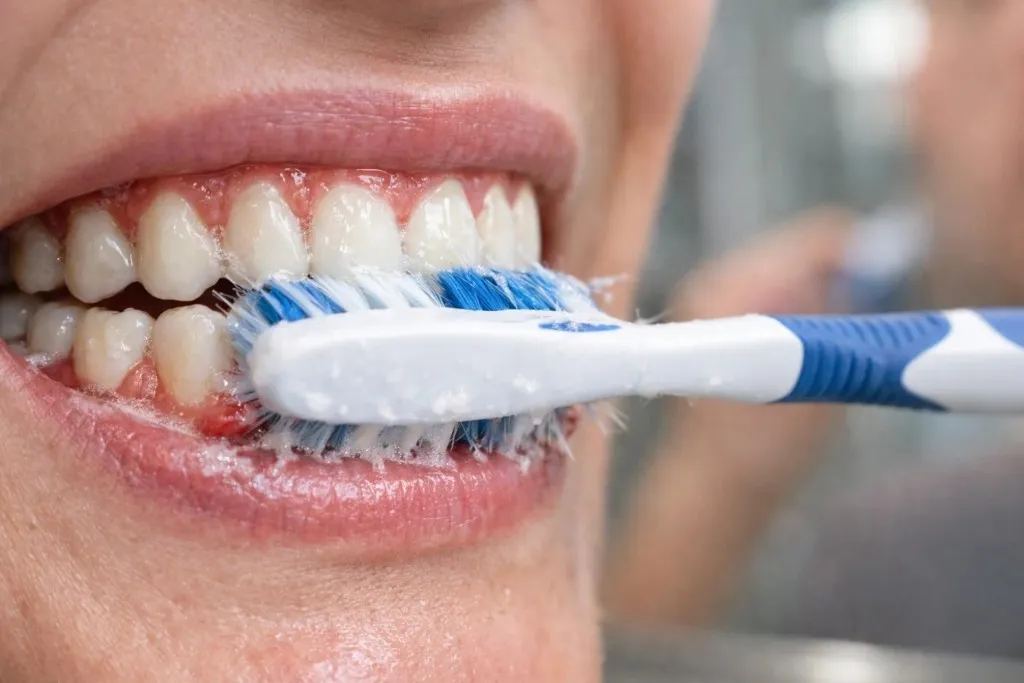
Vigorous back-and-forth scrubbing across the teeth may look efficient, but it can act like sandpaper on enamel and gum tissue. This habit is especially harmful near the gumline, where roots are more vulnerable. A better method uses small, controlled circular or vibrating motions, moving systematically from tooth to tooth.
Many professionals recommend the modified Bass technique, where bristles angle toward the gums and gently wiggle to dislodge plaque. The brush is then swept away from the gumline. Practicing in front of a mirror helps refine the motion. Over time, this technique becomes automatic and far kinder to teeth and gums.
6. Skipping Flossing or Doing It Inconsistently
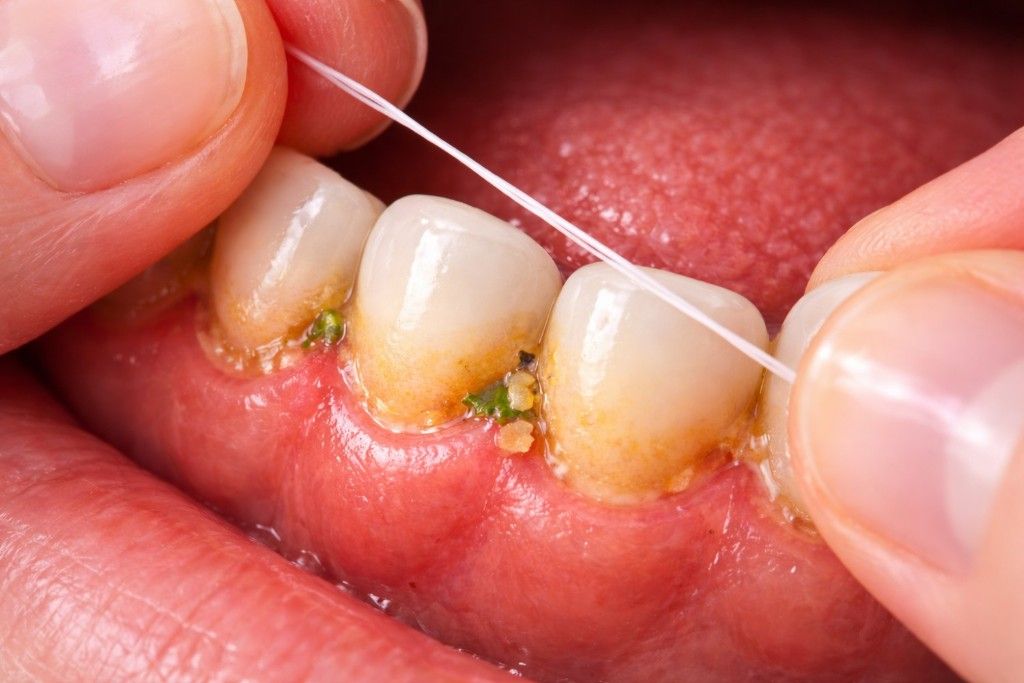
Brushing alone cannot remove plaque and food particles from the tight spaces between teeth, where many cavities and gum problems begin. When flossing is skipped or only done before dental visits, bacteria enjoy a protected home along the contact points and under the gumline. Consistent daily flossing, ideally once in the evening, reduces this hidden buildup and freshens breath.
Traditional string floss allows precise control, while floss picks or interdental brushes can be easier for people with braces or tight contacts. Building flossing into an existing routine, such as before bed, improves adherence and overall oral health. Leaving these spaces uncleaned turns them into long-term trouble spots.
7. Snapping or Forcing the Floss
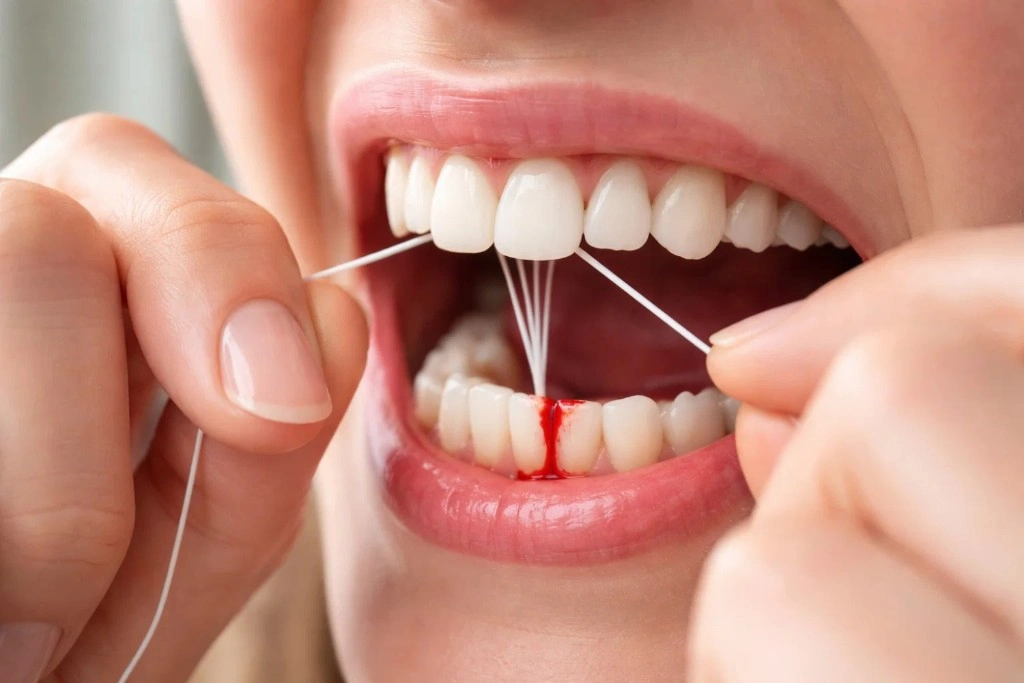
Floss that is snapped abruptly between teeth can cut into the gums, causing pain, bleeding and eventual avoidance of flossing. Forcing the string straight down and pulling it sharply back up works like a tiny knife against delicate tissue. Instead, floss should be guided gently between teeth with a sawing motion, then curved into a C-shape around each tooth.
The floss is slid up and down along the side of the tooth, slightly under the gumline, to remove plaque. Repeating this for every gap, with a clean section of floss each time, maximizes cleaning while minimizing irritation and injury. Practicing slowly in front of a mirror helps refine technique.
8. Brushing Immediately After Acidic Foods or Drinks
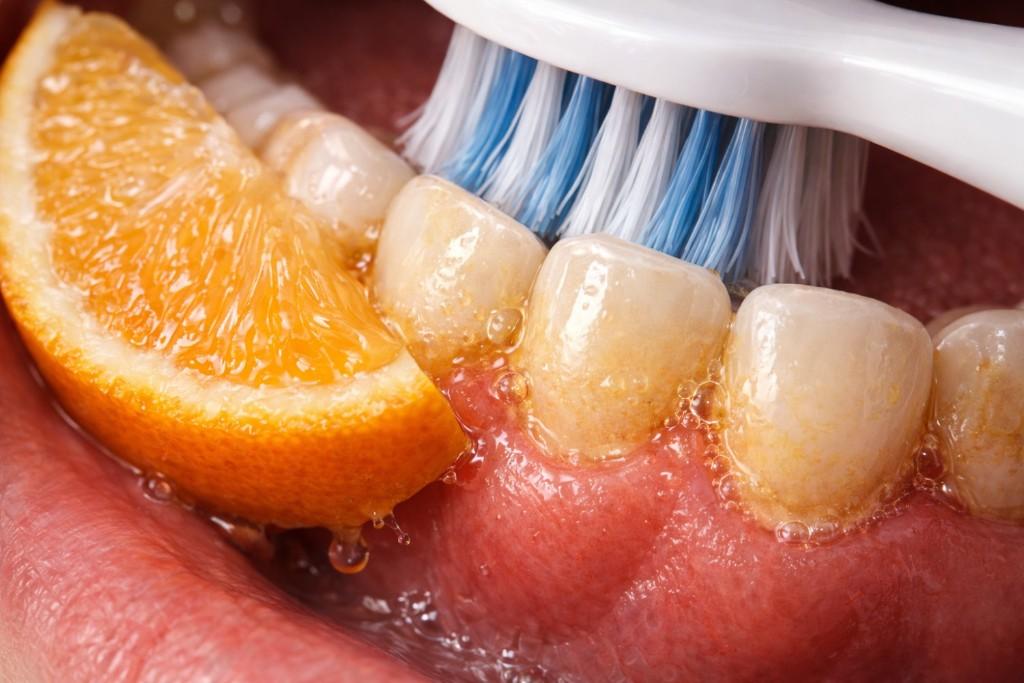
After consuming acidic items like citrus fruits, soda, energy drinks or vinegar-based dressings, the enamel surface temporarily softens. Brushing right away can scrub away this weakened layer, gradually thinning protection and increasing sensitivity. Instead, it is safer to rinse the mouth with plain water, or a fluoride mouthwash, and wait at least thirty minutes before brushing.
During this pause, saliva naturally neutralizes acids and begins repairing the enamel. Chewing sugar-free gum can also stimulate saliva flow. Adopting this habit is particularly helpful for people who frequently sip acidic beverages throughout the day or manage acid reflux symptoms. Small timing changes here can prevent years of avoidable damage.
9. Neglecting the Tongue and Inner Surfaces
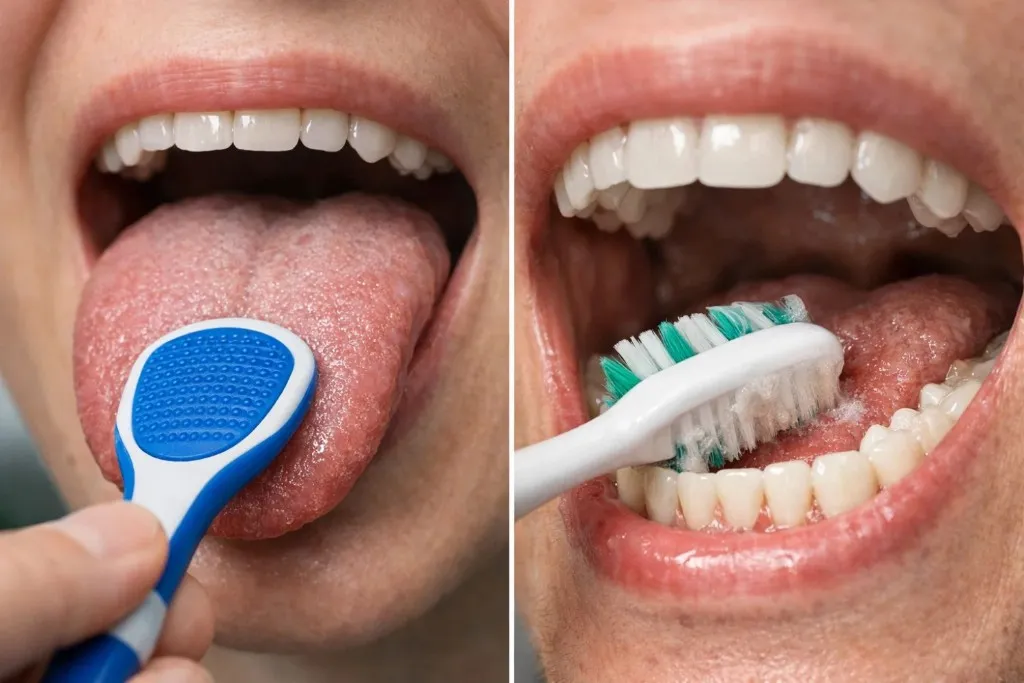
Focusing only on the front surfaces of teeth leaves a significant amount of bacteria untouched. The tongue’s rough surface can harbor odor-causing microbes, while the inner sides of teeth often accumulate plaque unnoticed. Thorough brushing includes gently cleaning the tongue, either with the toothbrush or a tongue scraper, moving from back to front.
Inner surfaces of upper and lower teeth should also receive equal attention using small strokes. This complete approach not only improves breath but also reduces the total bacterial load in the mouth. Over time, the habit supports healthier gums, fewer cavities, and a noticeably fresher feeling. A quick final check in the mirror confirms full coverage.
10. Using Too Much or the Wrong Toothpaste
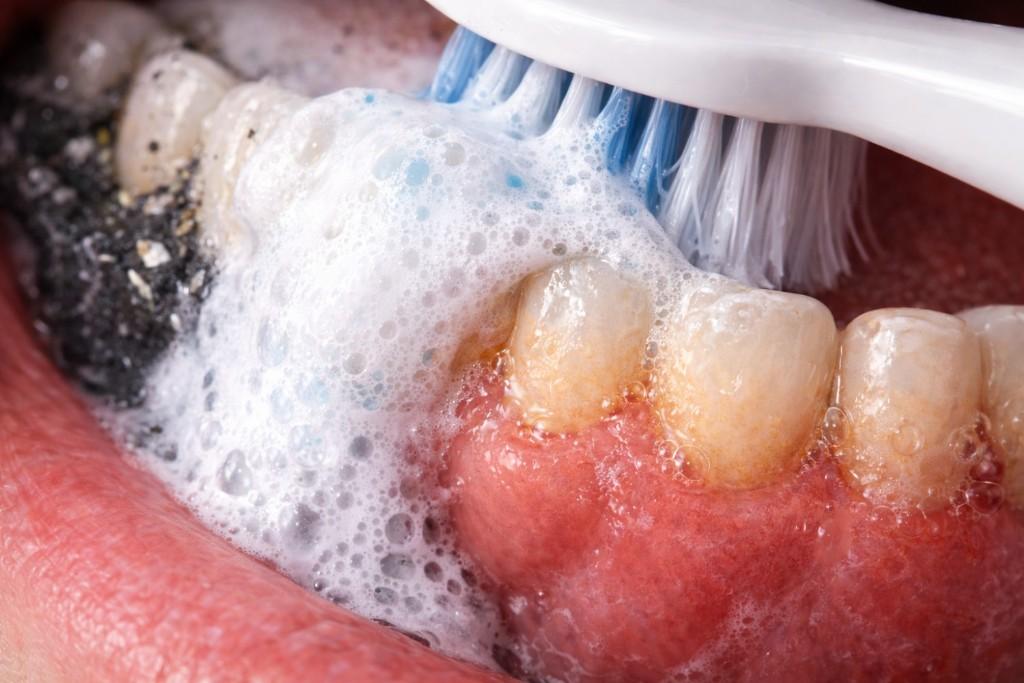
A brush overloaded with toothpaste creates abundant foam, which can encourage stopping early because the mouth feels full and clean. Adults typically need only a pea-sized amount of fluoride toothpaste to protect enamel and prevent cavities. Whitening or charcoal pastes may contain more abrasive ingredients that, when used daily, can wear down tooth surfaces and increase sensitivity.
People with sensitive teeth may benefit from specialized formulas that block microscopic tubules. It is also important to supervise children, who require even smaller amounts to reduce swallowing. Choosing a toothpaste that matches individual needs supports gentle, effective, and sustainable oral care. Reading ingredient labels carefully makes selection easier.
11. Overusing Mouthwash as a Replacement for Brushing or Flossing

Mouthwash can freshen breath and deliver beneficial ingredients like fluoride or antibacterial agents, but it is not a shortcut that replaces mechanical cleaning. Swishing liquid around the mouth cannot fully remove sticky plaque clinging to teeth and under the gumline. Relying on mouthwash alone may mask early signs of gum disease or tooth decay while problems continue to progress.
The most effective routine uses mouthwash as a supportive step after thorough brushing and flossing, especially at night. Alcohol-free formulas are often preferable for people with dry mouth or sensitive tissues, helping maintain comfort while still providing chemical protection. Thinking of mouthwash as a helper, not a hero, keeps priorities clear.
12. Using Old, Frayed, or Contaminated Toothbrushes
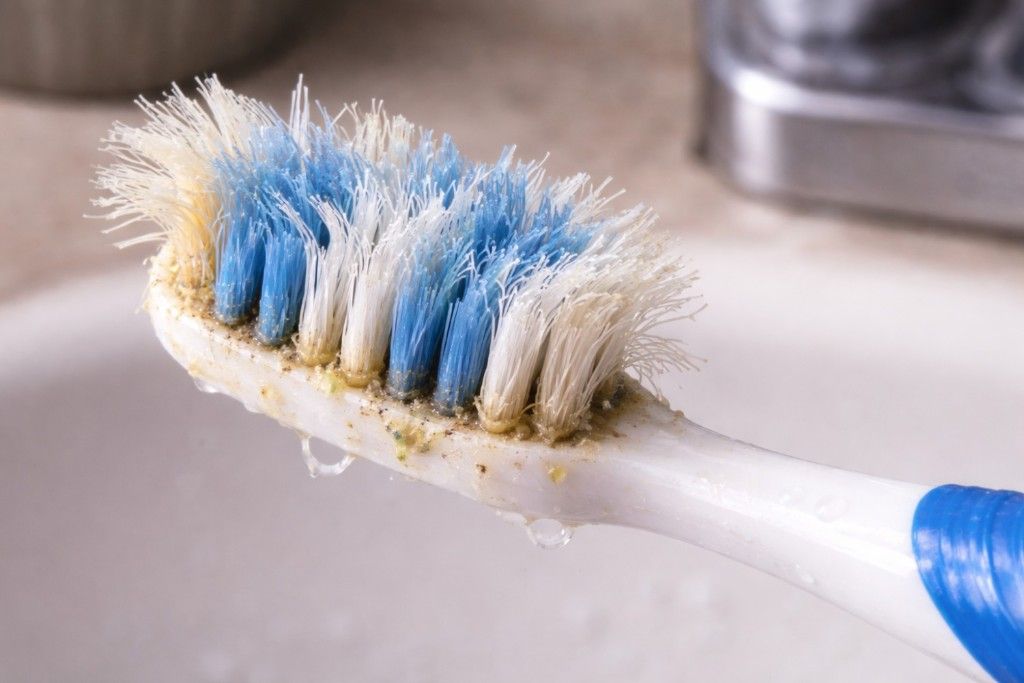
A toothbrush that has been used for months often shows frayed, splayed bristles that no longer clean effectively. Worn bristles struggle to reach into grooves and between teeth, allowing plaque to accumulate even with regular brushing. Old brushes may also harbor bacteria, especially if stored in closed, damp containers where they cannot dry properly.
Most experts recommend replacing a toothbrush or electric brush head every three to four months, or sooner if the bristles deform. After each use, the brush should be rinsed thoroughly and left upright to air-dry. Avoiding shared brushes reduces the risk of transmitting infections between family members.
13. Skipping Regular Dental Check-Ups and Professional Cleanings
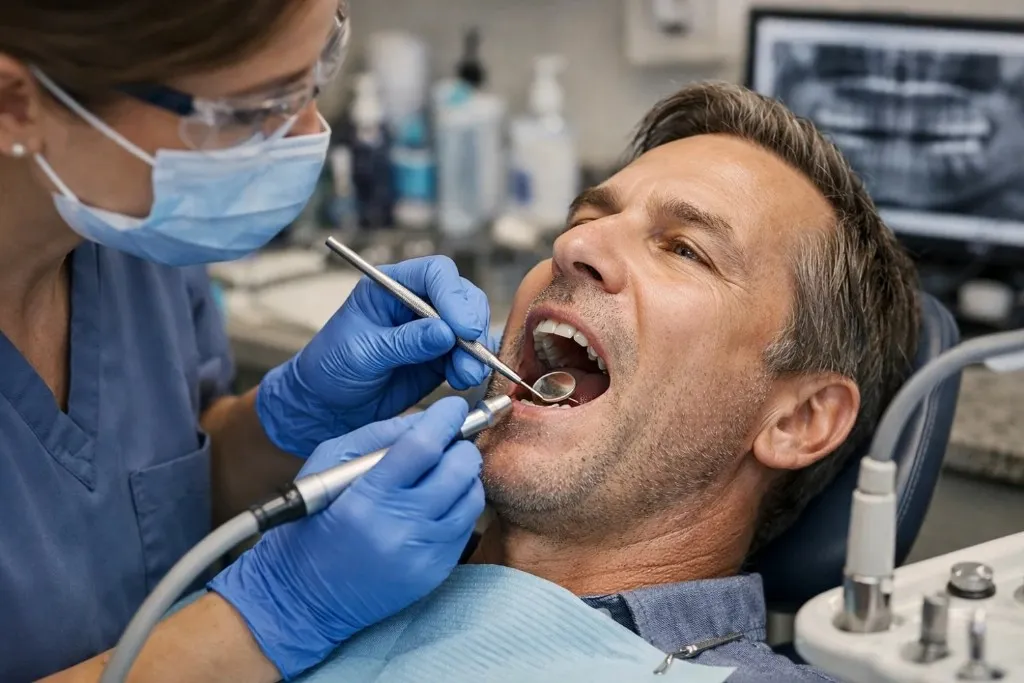
Even perfect home care cannot fully replace professional assessments and cleanings. Tartar, or hardened plaque, eventually builds up in areas that brushes and floss cannot adequately reach. Dental professionals use specialized instruments to safely remove these deposits and check for early signs of cavities, gum disease and oral cancer.
When appointments are postponed until pain appears, problems are usually more advanced, costly and difficult to treat. Regular visits, often every six months or as recommended, allow personalized advice on brushing and flossing technique. This partnership between daily habits and professional care forms the strongest defense against long-term oral problems. Early detection almost always means simpler, less invasive treatment.