
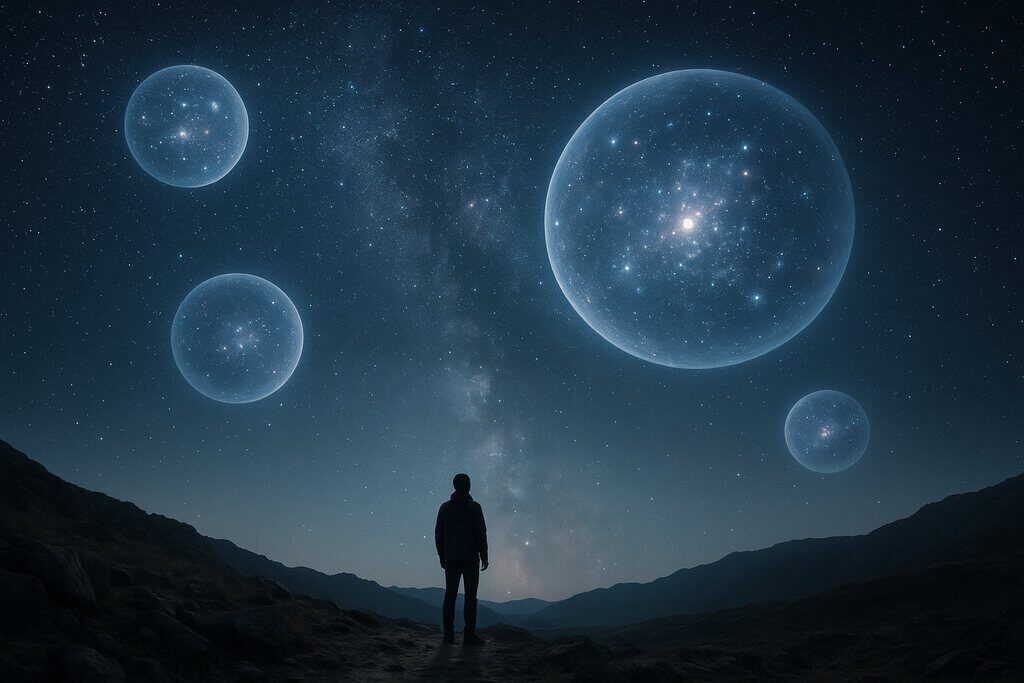
Have you ever looked up at the stars and wondered if there’s more out there than what we see? Imagine our universe as just one bubble floating in a vast cosmic ocean. Some scientists believe that beyond our bubble, countless others may exist—each with its own stars, planets, and maybe even versions of us. This is the fascinating idea of the multiverse. It’s a concept that blends science with imagination, and while it’s still debated, exploring it helps us think bigger about our place in reality.
1. The Birth of the Multiverse Idea
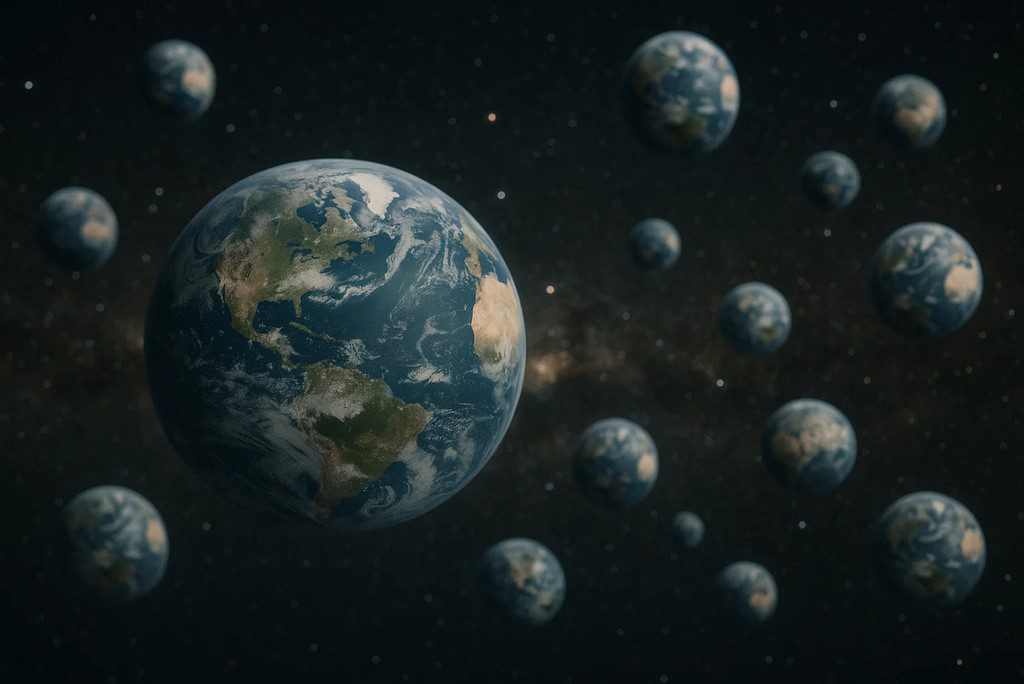
The multiverse isn’t just a fantasy from comic books. Philosophers centuries ago wondered if reality could be infinite. Modern science picked up the idea when physicists noticed strange patterns in cosmic expansion. Theories like “cosmic inflation” suggest our universe may have formed alongside others, like bubbles in boiling water.
Each bubble could be a universe with its own laws of physics. This idea helps explain why our universe seems “fine-tuned” for life. If countless universes exist, it’s not surprising that at least one—ours—has the right conditions for stars, planets, and people.
2. Cosmic Inflation and Bubble Universes
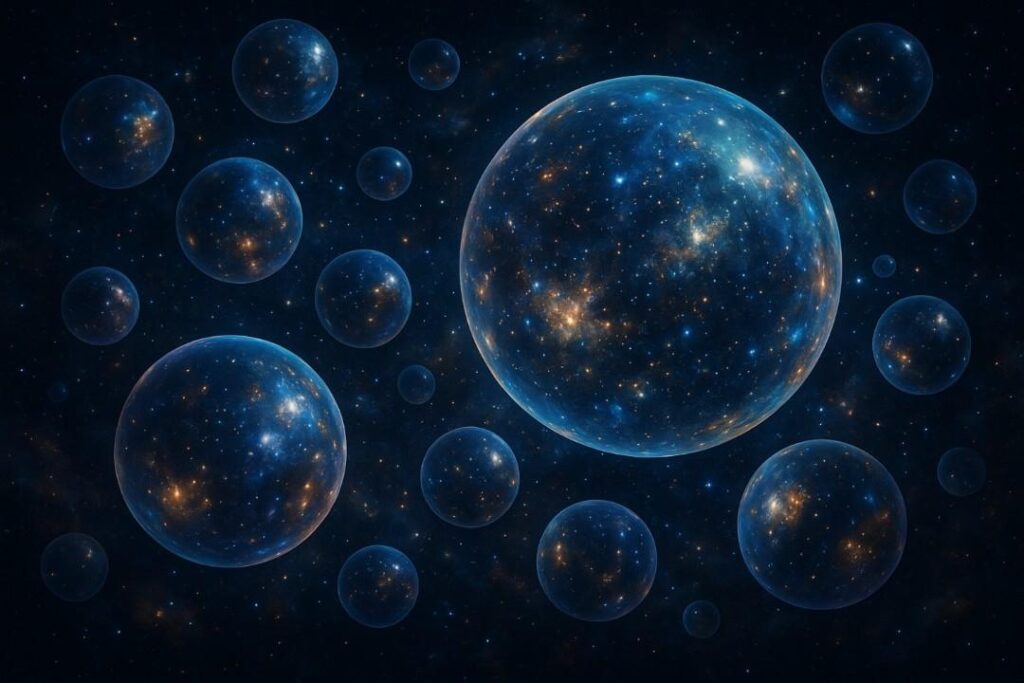
In the 1980s, scientists proposed the “inflation theory,” which says the universe expanded faster than light right after the Big Bang. This rapid expansion could have created multiple “bubble universes.” Imagine blowing soap bubbles—each bubble is separate, but all exist in the same space.
If inflation had happened everywhere, it might have produced infinite universes. Some could look like ours, while others might be wildly different, with no stars or galaxies at all. This theory is one of the strongest scientific reasons people take the multiverse seriously.
3. Quantum Mechanics and Many Worlds
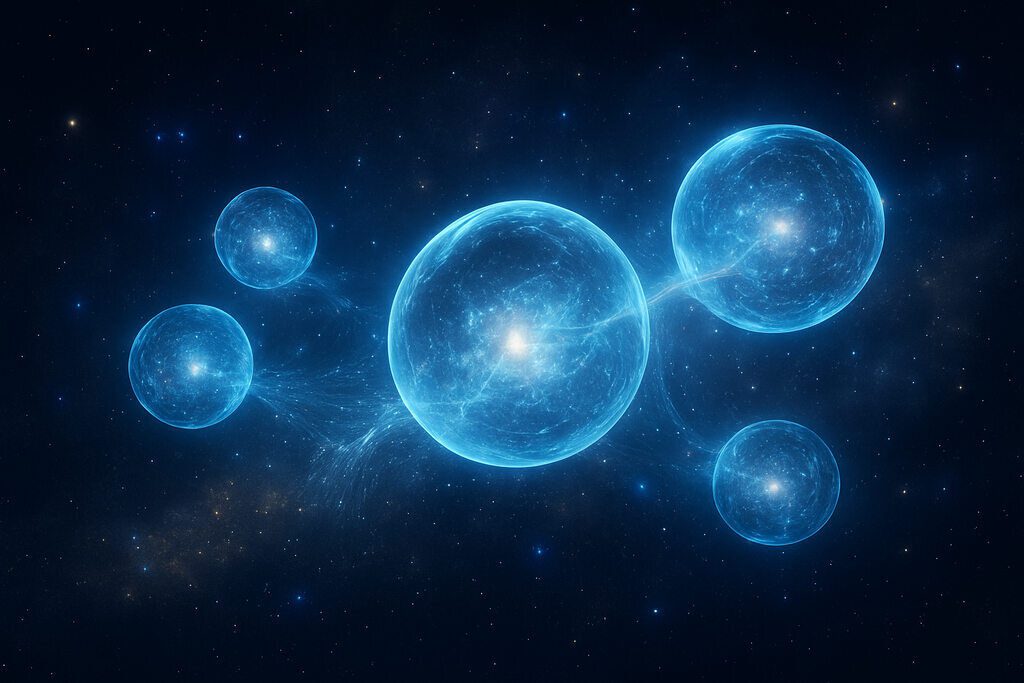
Quantum mechanics—the science of the very small—adds another twist. In the 1950s, physicist Hugh Everett suggested the “Many Worlds Interpretation.” It says that every time a quantum event happens, reality splits. For example, if you flip a coin, in one universe it lands heads, in another it lands tails. This means every choice, every chance, creates parallel realities. While this sounds wild, it’s a serious attempt to explain quantum mysteries. If true, there could be infinite versions of you, living out different possibilities.
4. Fine-Tuning of the Universe
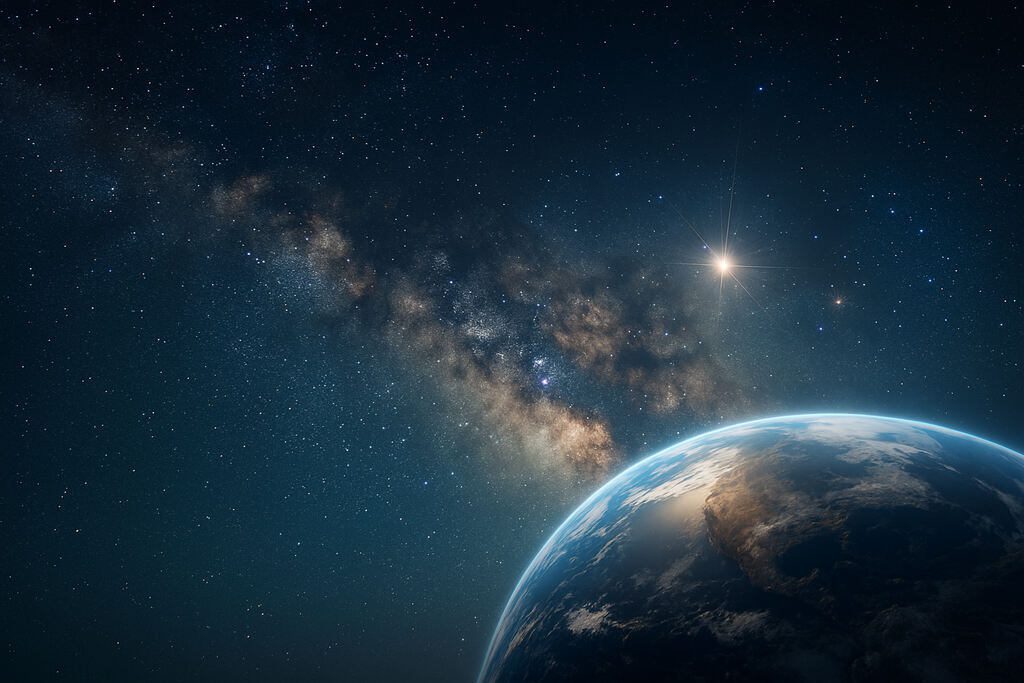
Our universe seems perfectly balanced for life. If gravity or dark energy were slightly stronger or weaker, stars and planets couldn’t form. This “fine-tuning” puzzles scientists. One explanation is the multiverse: if countless universes exist, each with different physical laws, it’s not surprising that one happens to support life. It’s like buying millions of lottery tickets—eventually, one wins. This idea doesn’t prove the multiverse, but it makes the fine-tuning problem less mysterious.
5. String Theory and Extra Dimensions
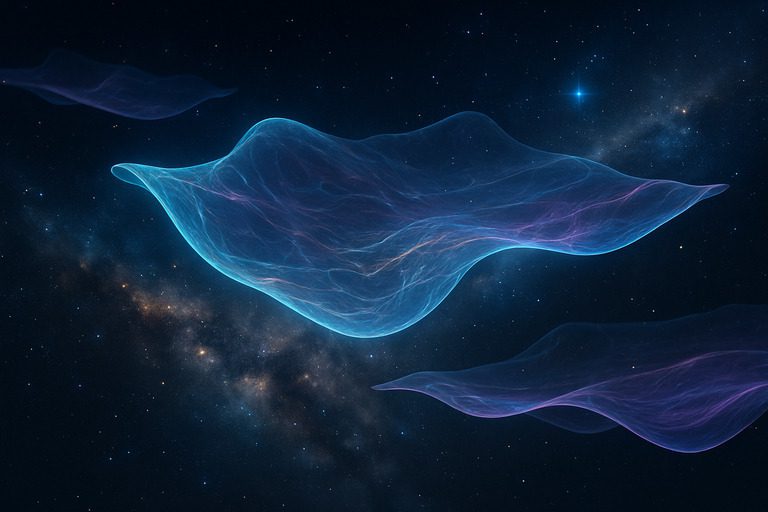
String theory, a leading idea in physics, suggests that reality is made of tiny vibrating strings. It also predicts extra dimensions beyond the three we know. These extra dimensions could allow multiple universes to exist side by side. Some physicists think our universe is just one “brane” (like a sheet) floating in higher-dimensional space. Other branes could exist nearby, invisible to us. If true, the multiverse isn’t just possible—it’s built into the fabric of reality.
6. Black Holes and Baby Universes
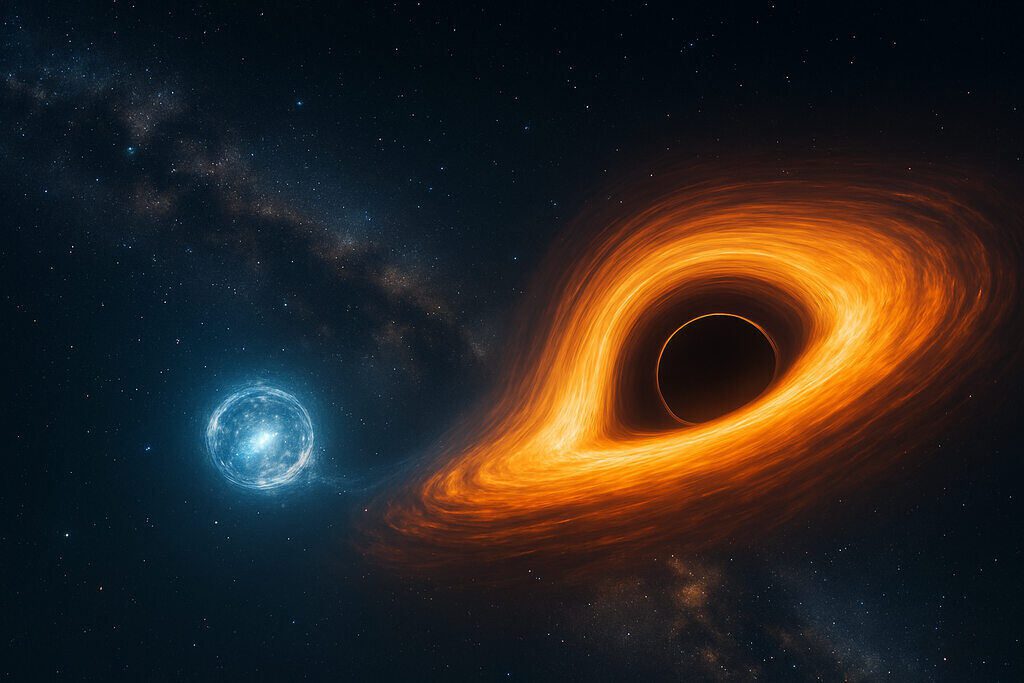
Black holes are mysterious objects where gravity is so strong that nothing escapes. Some scientists think black holes might create new universes. When matter falls into a black hole, it could trigger a “big bang” in another reality. This means every black hole in our universe might be the seed of a new universe. If so, the multiverse could be constantly growing, with new universes born all the time.
7. Parallel Universes in Pop Culture
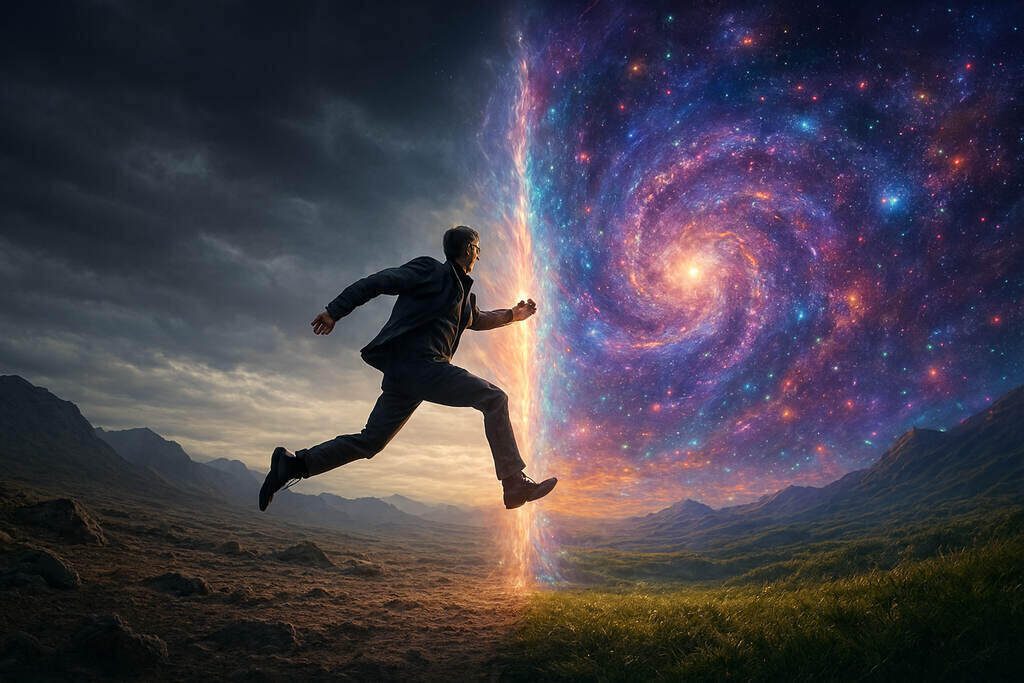
Movies like Doctor Strange or Everything Everywhere All at Once show characters jumping between universes. While these are fictional, they reflect real scientific ideas. Pop culture makes the multiverse easier to imagine, even if it exaggerates. These stories inspire people to think about choices, possibilities, and the vastness of reality. They remind us that science isn’t just equations—it’s about wonder and imagination.
8. Evidence We Might Look For
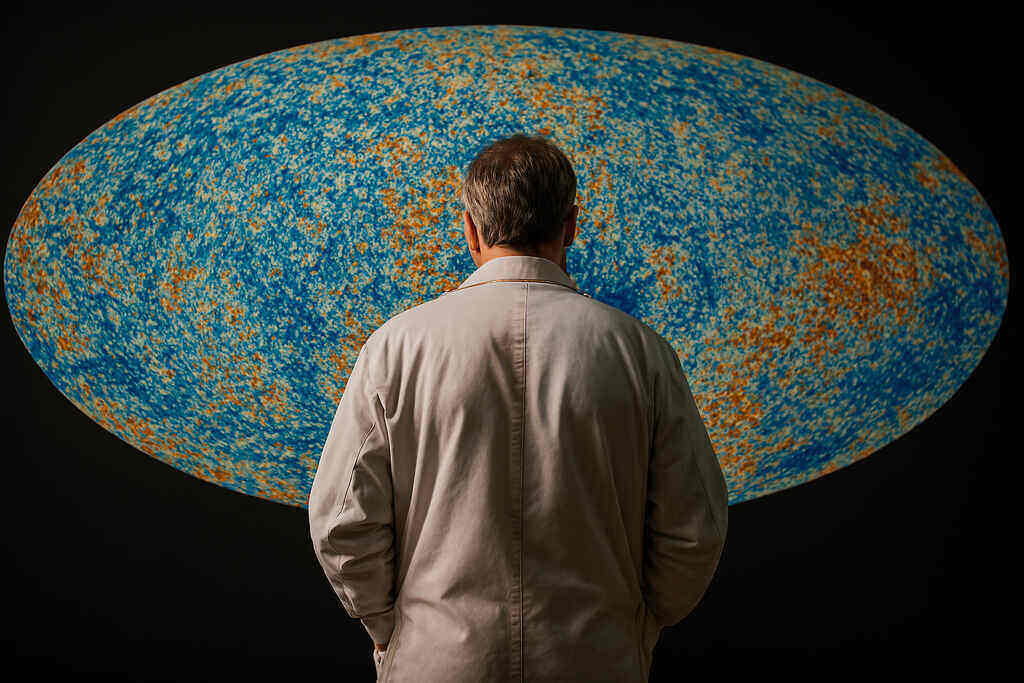
Right now, we don’t have direct proof of other universes. But scientists search for clues. For example, they study the cosmic microwave background—the faint glow left from the Big Bang. If our universe bumped into another, it might leave strange patterns in this radiation. So far, no clear evidence has been found, but the search continues.
9. The Problem of Testing the Multiverse
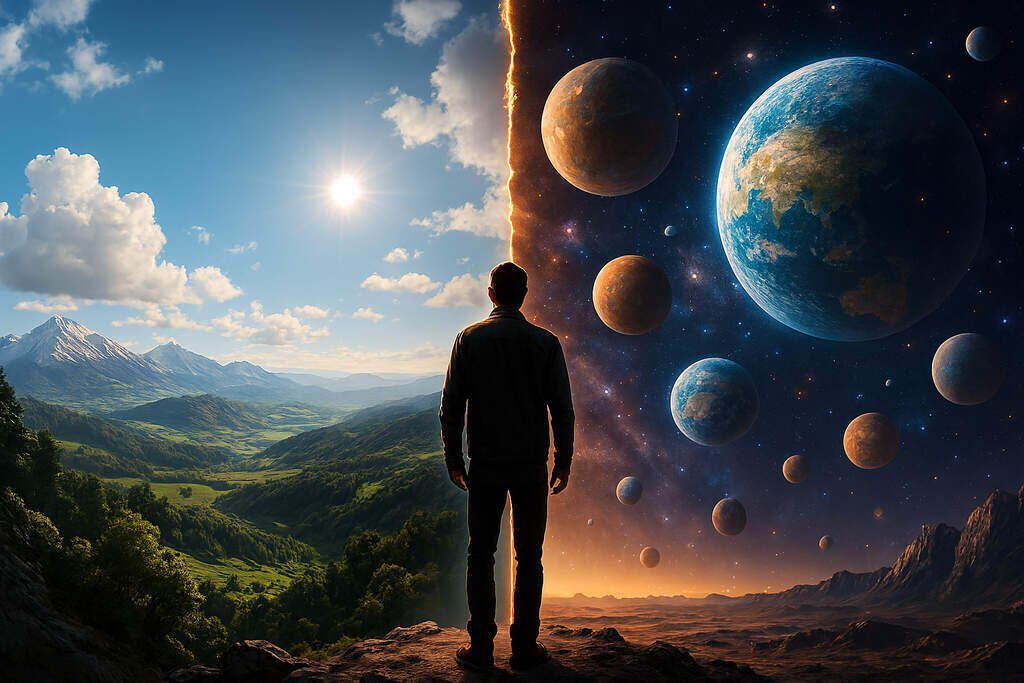
One challenge with the multiverse is that it may be impossible to test. If other universes are completely separate, we can’t see or measure them. Science usually relies on experiments, but the multiverse might be beyond our reach. Some critics say this makes it more philosophy than science. Still, many physicists argue that if the multiverse explains real problems—like fine-tuning—it’s worth considering.
10. Philosophical Questions

The multiverse raises deep questions. If infinite universes exist, does that mean infinite versions of you? What does “choice” mean if every possibility happens somewhere? Philosophers debate whether this makes life more meaningful or less. Some say it shows how precious our reality is, while others think it makes everything inevitable. Either way, the multiverse forces us to think about existence in new ways.
11. The Role of Mathematics

Mathematics often predicts things before we see them. For example, math predicted black holes long before they were observed. Some physics equations naturally suggest multiple universes. While math isn’t proof, it’s a powerful guide. If our best theories keep pointing to the multiverse, scientists take it seriously—even without direct evidence.
12. Could Life Exist Elsewhere?
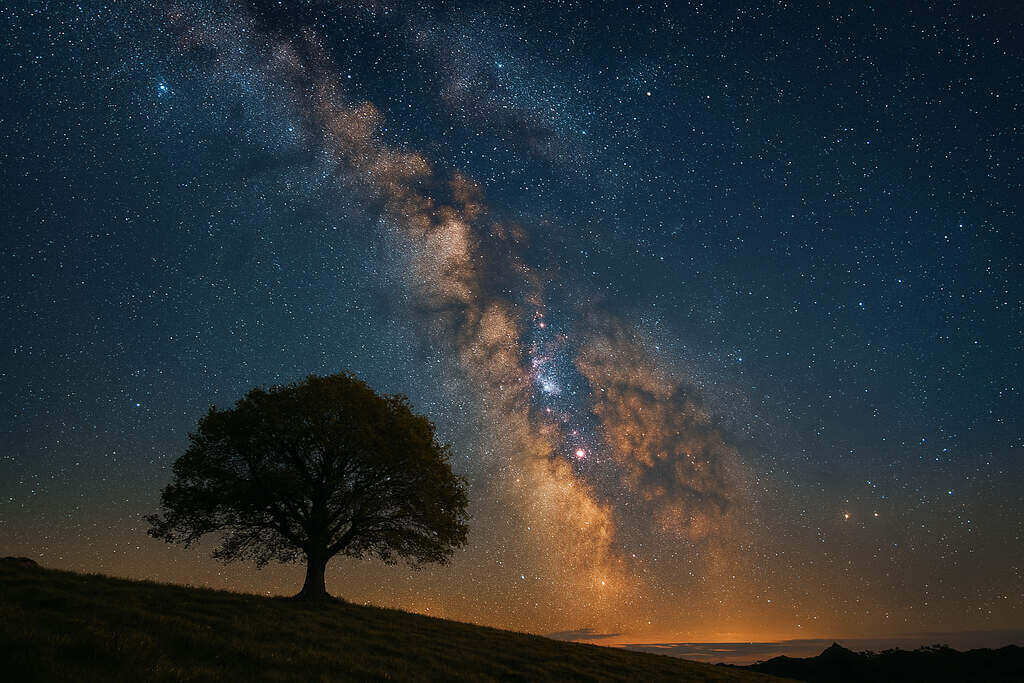
If other universes exist, could they have life? Some might have similar physics, allowing stars and planets. Others might be too chaotic for life. The multiverse expands the possibility of life beyond Earth—not just in our universe, but in countless others. It makes the search for extraterrestrial life even more exciting.
13. The Human Connection

Thinking about the multiverse isn’t just science—it’s personal. It makes us wonder about our choices, our lives, and our place in reality. Even if we never prove it, the idea inspires creativity, art, and philosophy. It reminds us that the universe is bigger than we can imagine, and that curiosity is part of being human.
14. Critics of the Multiverse

Not everyone agrees with the multiverse idea. Some scientists argue it’s untestable and distracts from real physics. Others think it’s unnecessary—our universe might just be the way it is. Healthy skepticism keeps science strong. The debate shows that the multiverse is still an open question, not a settled fact.
15. Why the Multiverse Matters
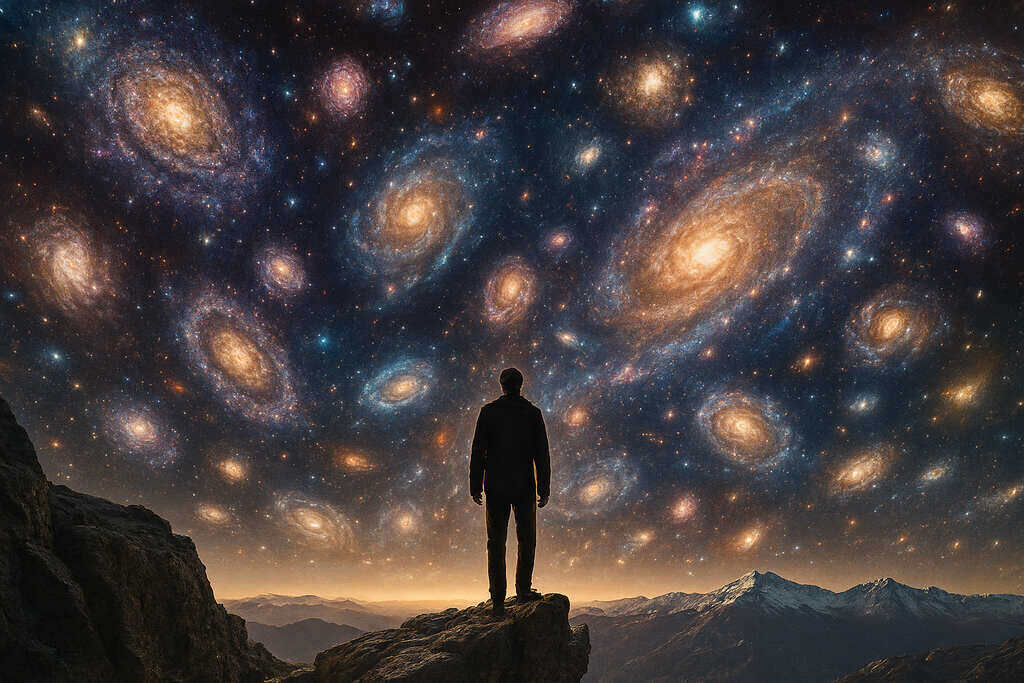
Even if we never prove it, the multiverse matters because it pushes us to think bigger. It challenges our assumptions and expands our imagination. Whether real or not, it teaches us humility: our universe may not be the only one. And that makes our existence even more precious.
Conclusion

The multiverse may remain a mystery, but exploring it helps us grow. It teaches us to embrace curiosity, wonder, and possibility. Whether or not other universes exist, the journey of asking “what if?” makes life richer. Keep looking up—you’re part of something vast and extraordinary.