
Look up at the night sky. Those tiny pinpricks of light are whole other worlds. It makes you wonder, doesn’t it? If we ever visit them, would our world work there the same way? Would a ball fall to the ground? Would a compass point north?
We take for granted that the laws of physics—gravity, light, motion—are the same everywhere. It’s a trust we build our lives on. But is this trust universal? This question isn’t just for scientists in labs. It’s a fundamental curiosity about the rulebook of our universe. Let’s explore this grand idea together, from our backyards to the cosmic horizon.
1. The Foundation: What Are “Physical Laws”?

Think of physical laws as the ultimate rulebook for our universe. They’re not rules written on paper that can be bent, like traffic laws. Instead, they are consistent, mathematical descriptions of how nature always behaves under given conditions. For example, the “law” of gravity doesn’t command apples to fall; it describes the predictable force that makes them fall.
We discover these laws through observation and experiment. We see an apple fall, we measure how planets move, and we find a pattern: gravity. The incredible thing is that this rulebook appears to be reliable. Every time you jump, you come down. The sun rises and sets on schedule. This consistency is what allows engineers to build bridges and doctors to use MRI machines. We bet our lives, quite literally, on these laws being stable.
2. Our Earthly Laboratory: How We Know What We Know
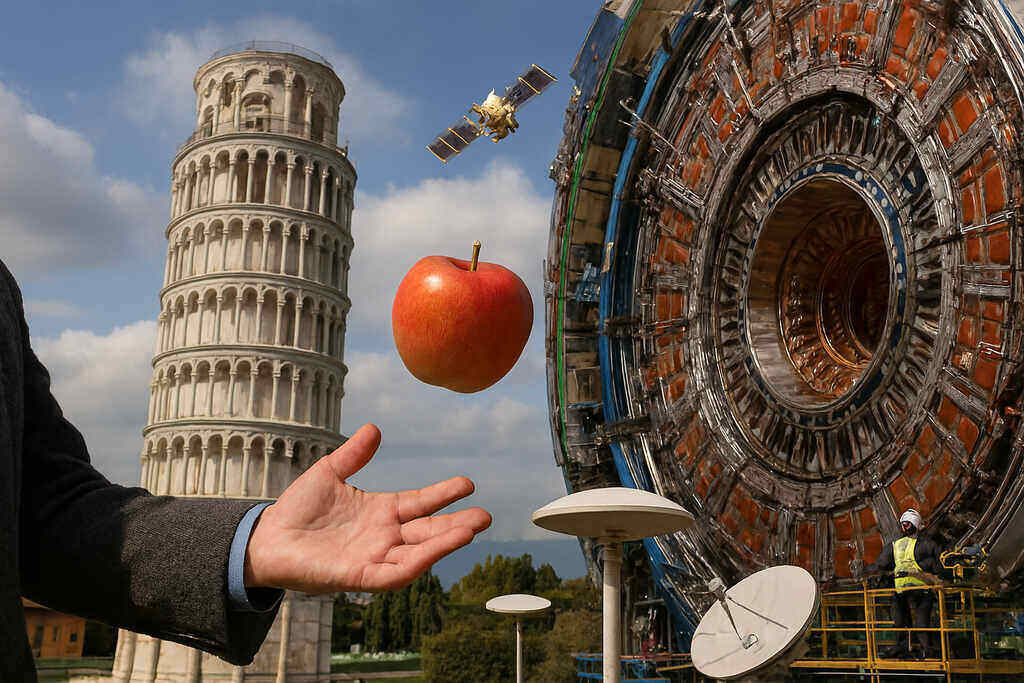
All our science starts right here at home. For centuries, we’ve been testing physics in our earthly laboratory. Galileo (legend says) dropped balls from the Leaning Tower of Pisa. Newton watched an apple fall. These weren’t just quirky stories; they were experiments proving that motion and gravity behaved consistently. Today, this happens in more sophisticated ways.
The Large Hadron Collider in Switzerland smashes particles together to uncover fundamental rules. GPS satellites in orbit must account for both special and general relativity to give you accurate directions to the coffee shop. Every time you use your phone, you’re relying on validated, earth-tested physics. This local testing gives us a solid baseline. It’s the “control” in the universe’s grand experiment. We have to assume it works the same elsewhere, or we couldn’t even begin to explore.
3. The Cosmic Check: Looking at Distant Stars
To check if the rules are universal, we look outward. Astronomers use a cosmic trick: starlight. When a star burns, it emits light with a specific chemical fingerprint, like a barcode. We know what hydrogen’s barcode looks like from labs on Earth. By analyzing the light from stars billions of light-years away, we can read their barcodes.
What we’ve found is astonishingly reassuring. The hydrogen, oxygen, and iron in a galaxy 10 billion light-years away have the exact same signatures as the elements in your body. The forces holding those atoms together—governed by laws like electromagnetism—appear identical across vast cosmic distances and back in time. It’s a powerful piece of evidence that the rulebook is truly universal.
4. The Gravity Test: Does It Pull the Same Way?
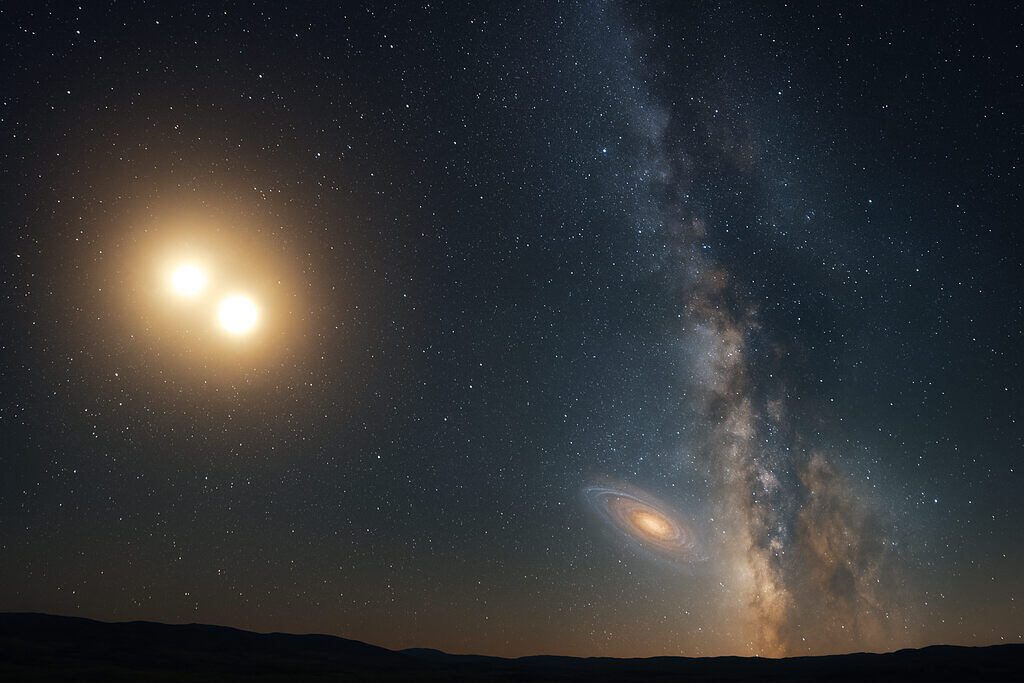
Gravity feels so constant. But is its strength the same on a planet orbiting another star? We can’t go there with a scale, but we can watch how things move. We observe binary stars waltzing around each other and galaxies spinning. Their motions follow the predictions of Newton’s and Einstein’s laws of gravity perfectly. Even wilder tests come from cosmic collisions.
When neutron stars collide, they send out ripples in spacetime called gravitational waves. The signals detected by observatories like LIGO match Einstein’s predictions exactly. This suggests the law of gravity, as described by general relativity, works the same in those cataclysmic events billions of light-years away as it does for Earth orbiting our Sun. So far, gravity seems to be a steadfast universal constant.
5. The Speed of Light: Universe’s Ultimate Speed Limit
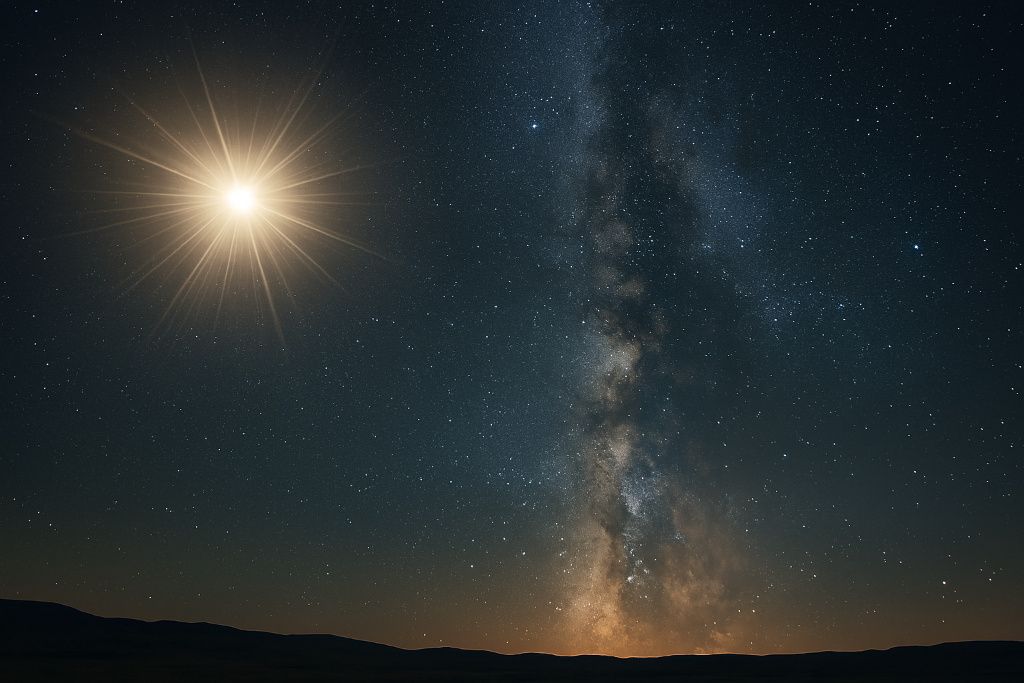
Nothing travels faster than light in a vacuum: 299,792,458 meters per second. This isn’t just a local traffic law; it’s a cornerstone of Einstein’s theory of relativity. If this speed were different somewhere else, the whole structure of modern physics would crumble. We have excellent evidence that it’s constant. Distant cosmic explosions called gamma-ray bursts send light across the universe.
High-energy and low-energy light from the same burst arrive at virtually the same time, even after traveling for billions of years. If the speed of light depended on its energy or location, they’d arrive at different times. They don’t. This universal speed limit seems rigorously enforced everywhere we look, tying the cosmos together with a consistent thread.
6. A Wrinkle in Time: The Role of Relativity
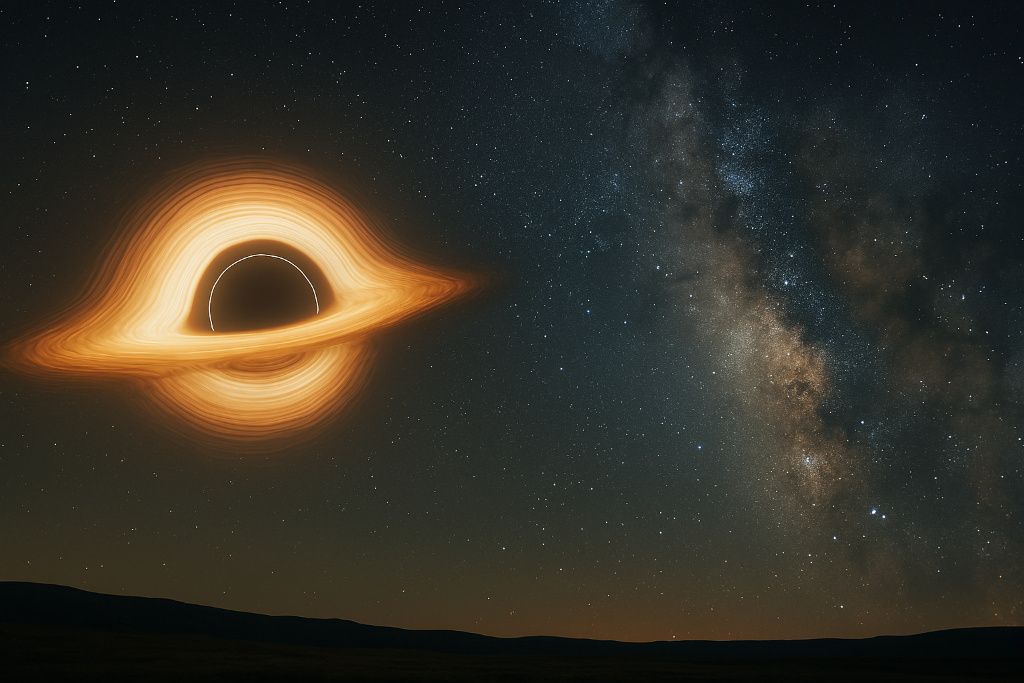
Here’s where it gets mind-bending. While the laws are the same, measurements can differ due to relativity. Einstein taught us that time and space aren’t rigid. A clock on a fast-moving satellite ticks more slowly than one on Earth. A strong gravitational field, like near a black hole, also slows time dramatically. This doesn’t mean the laws change.
It means the stage on which the laws play out—spacetime itself—is flexible. The rulebook is the same for all observers, but their experience of time and distance depends on their speed and gravity. It’s like two people reading the same recipe but using slightly different measuring cups. The proportions (the laws) are identical, but the local ingredients (time and space) are relatively measured.
7. Probing the Extreme: Black Holes and Neutron Stars
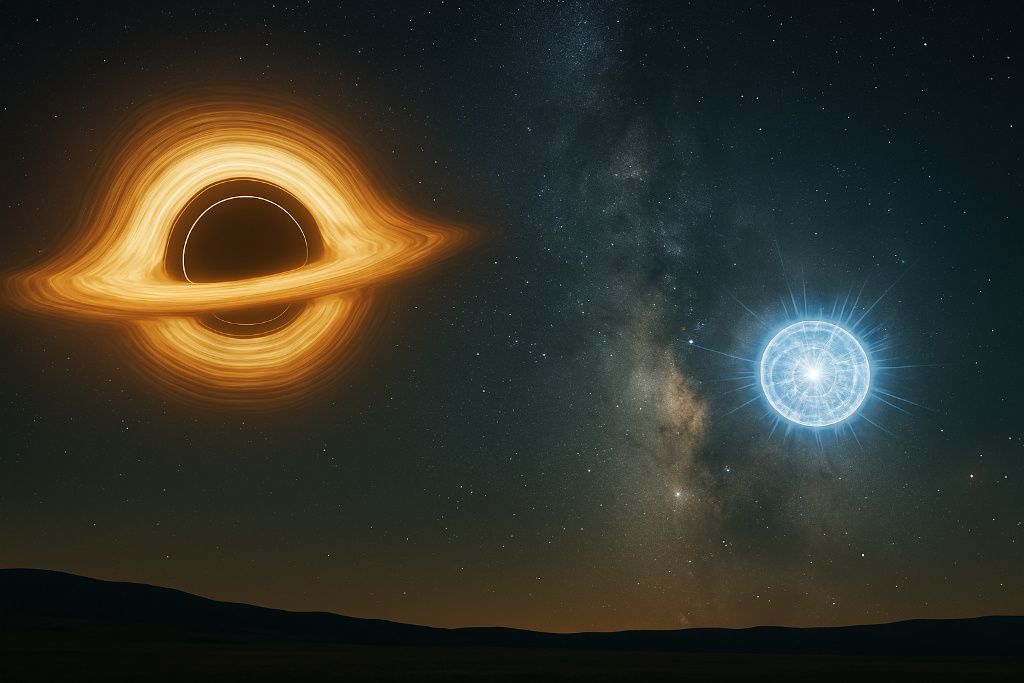
Black holes are the ultimate physics labs. They warp spacetime so severely that our known laws are stretched to their breaking point. Yet, even at their edges (the event horizon), everything we observe suggests the same laws of gravity and quantum mechanics are at work—they just operate under insane conditions.
For instance, the way matter spirals into a black hole, heating up and emitting X-rays, follows our understood physics of gravity and thermodynamics. Neutron stars, with densities a teaspoon of which would weigh a billion tons, also obey the known rules of nuclear physics. Studying these extremes is our best stress test. So far, the rulebook holds, but it forces us to expand our understanding of how the rules manifest.
8. The Mystery of Dark Matter and Dark Energy
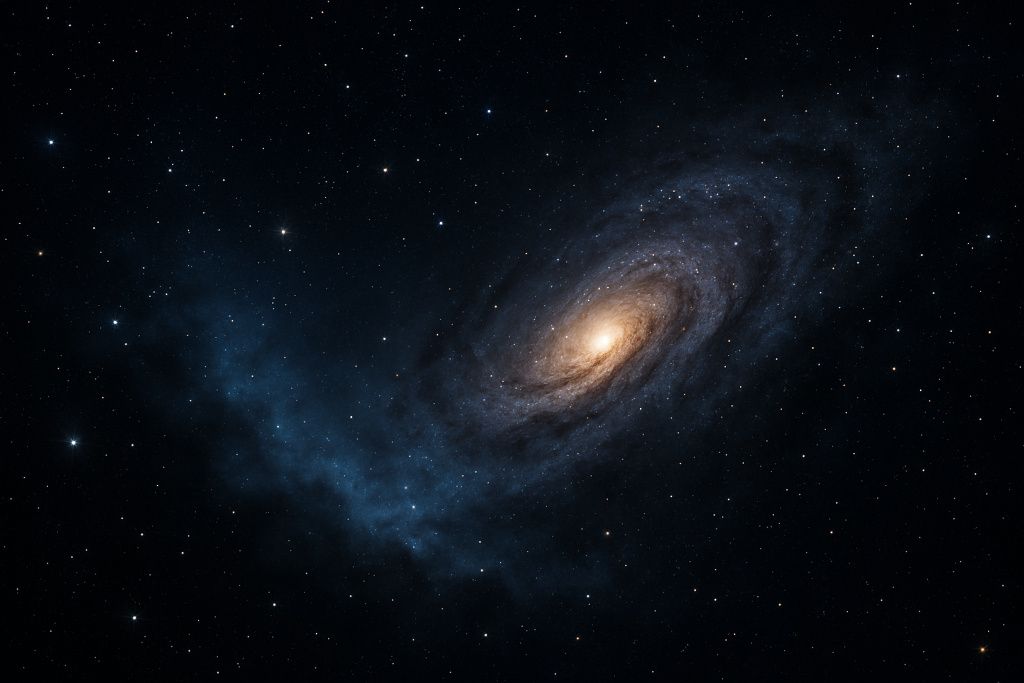
Here’s a humbling twist: we see the effects of cosmic rules we don’t fully understand. Galaxies spin too fast to be held by visible matter. The universe’s expansion is accelerating. We call the causes “dark matter” and “dark energy.” Their existence doesn’t mean the laws are different there.
It means our inventory of the universe is incomplete. The gravitational law we know works on the scales we’ve tested; dark matter suggests there’s more stuff that gravity acts upon. It’s like knowing the rule of gravity perfectly, but being surprised by the weight of an invisible box. The law is constant; our knowledge of what it’s acting upon is not.
9. The Early Universe: A Test of Time
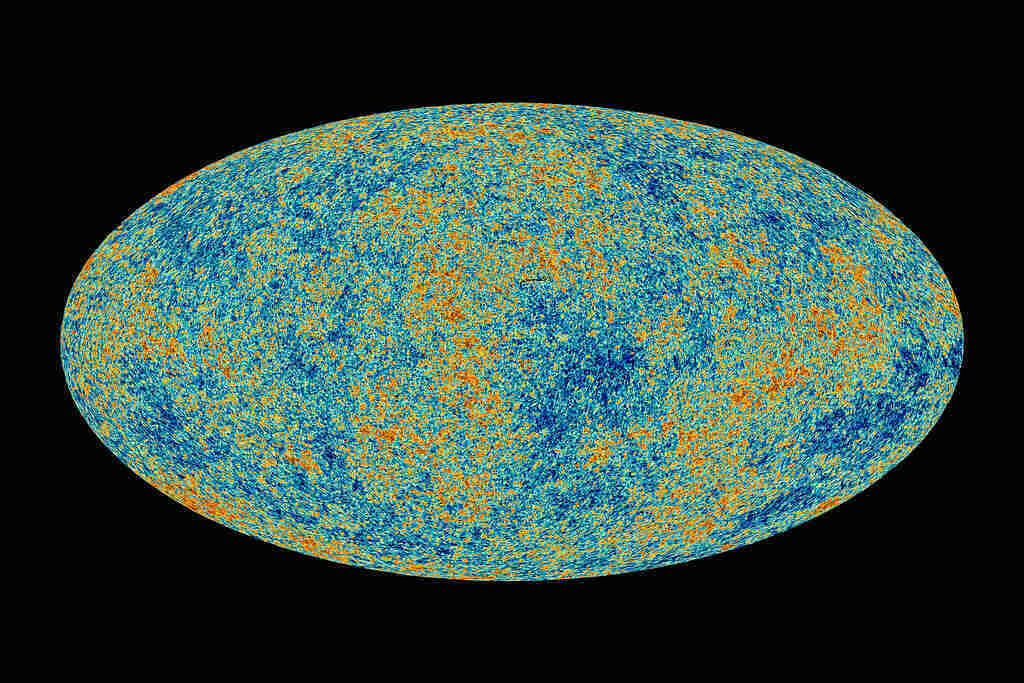
Looking far away is looking back in time. When we observe the first light after the Big Bang (the Cosmic Microwave Background), we are seeing a baby picture of the universe, 13.8 billion years old. The patterns in this light are precisely what our laws of physics and cosmology predict if the universe evolved uniformly.
The temperatures, the distribution of matter, the ratios of fundamental particles—all match what we’d expect if the same laws of thermodynamics, nuclear physics, and gravity have governed every single moment since the beginning. This is perhaps our strongest evidence for universal constancy. The rulebook wasn’t written as it went along; it seems to have been printed in full at the start.
10. The “Fine-Tuning” Question: Could They Be Different?
Some scientists and philosophers note that our laws seem perfectly “tuned” for life. If gravity were slightly stronger, the universe would have collapsed. If the nuclear force were weaker, stars wouldn’t form. This leads to a profound question: Are these laws the only possible ones, or just the ones in our universe?
This ventures into speculative realms like the “Multiverse” hypothesis—the idea that other universes with different rulebooks might exist. We have no way to test this (yet). But for our observable universe, every piece of data confirms a single, self-consistent rulebook. It’s the only one we’ve got, and it works with breathtaking precision everywhere we look.
11. Practical Magic: Why This Consistency Matters to You
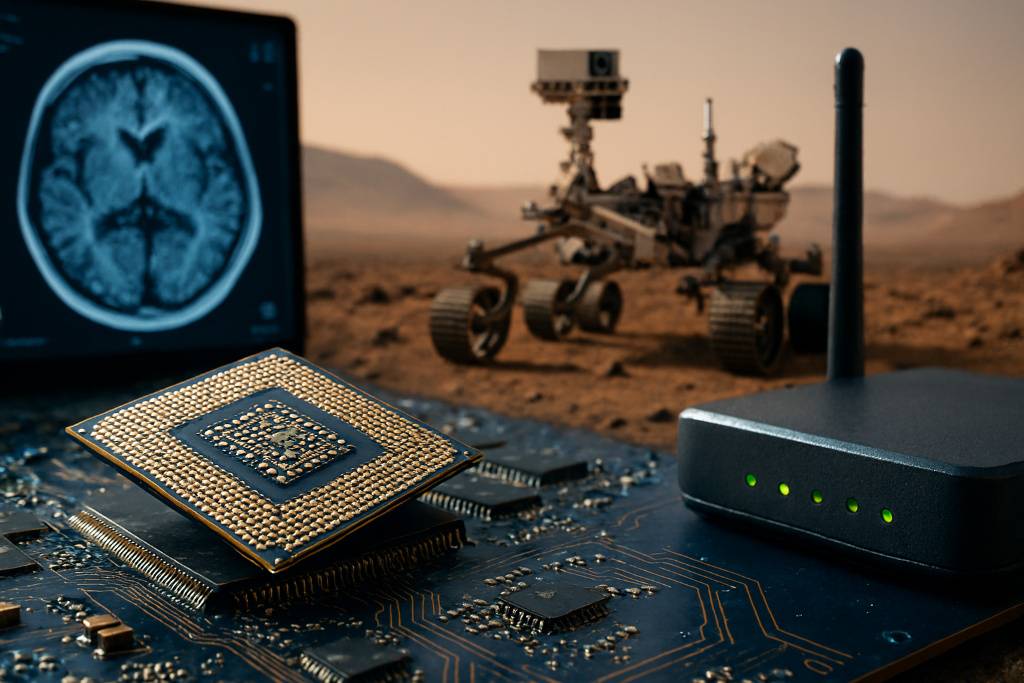
You might think, “This is abstract cosmic stuff.” But it’s the bedrock of your daily life. The fact that silicon physics is the same in a U.S. lab and a Taiwanese factory means your computer chip works. The fact that electromagnetic waves obey the same laws globally means your Wi-Fi connects.
When NASA navigates the Perseverance rover on Mars, they use the same calculus and physics you learned in school. Medical imaging, weather forecasting, and even the timing of the electrical grid all rely on the unwavering consistency of physical laws. Our entire technological civilization is a testament to a reliable universe.
12. The Search for Cracks: Ongoing Experiments
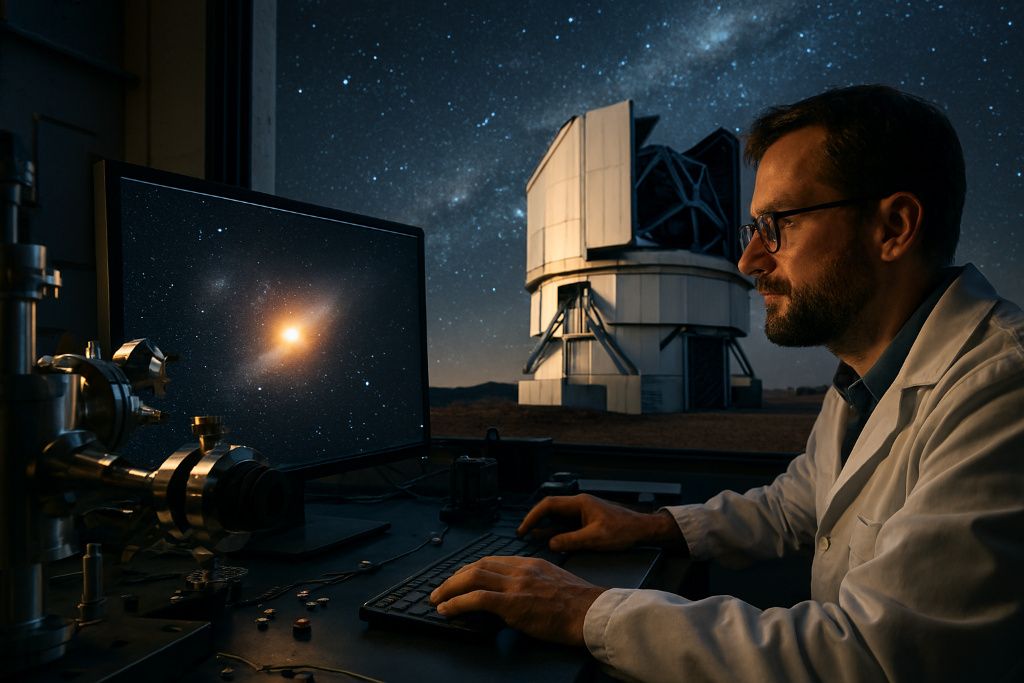
Scientists are never complacent. They actively search for any variation in constants. Projects like the Very Large Telescope in Chile measure the “fine-structure constant,” which governs electromagnetism, in distant quasars. Other experiments monitor the stability of particle masses over decades.
If even a tiny drift were found, it would revolutionize physics. So far, the results are null—no change detected. But the search continues with ever more precision. This isn’t doubt; it’s the essence of science. The greatest trust is earned by constantly questioning, and the laws have passed every test so far.
13. The Human Connection: Our Place in a Consistent Cosmos
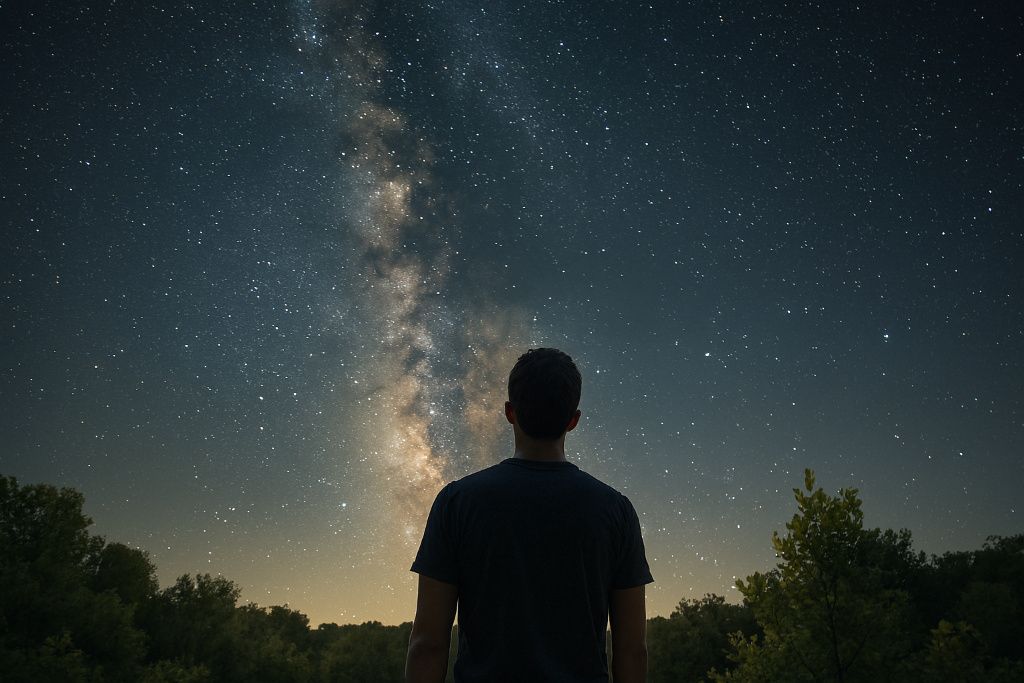
There’s a beautiful philosophical comfort here. The calcium in your bones, the iron in your blood, was forged in stars that died billions of years ago. The same nuclear forces that shaped them there now sustain life in you here. We are not separate from the cosmos; we are a product of its consistent, elegant laws.
The rules that govern a spinning galaxy also govern the spin of an electron in a leaf during photosynthesis. This shared code connects us to every star, planet, and distant nebula. We are the universe becoming aware of itself, using its own consistent logic to understand its own origins.
14. What If We Find an Exception?
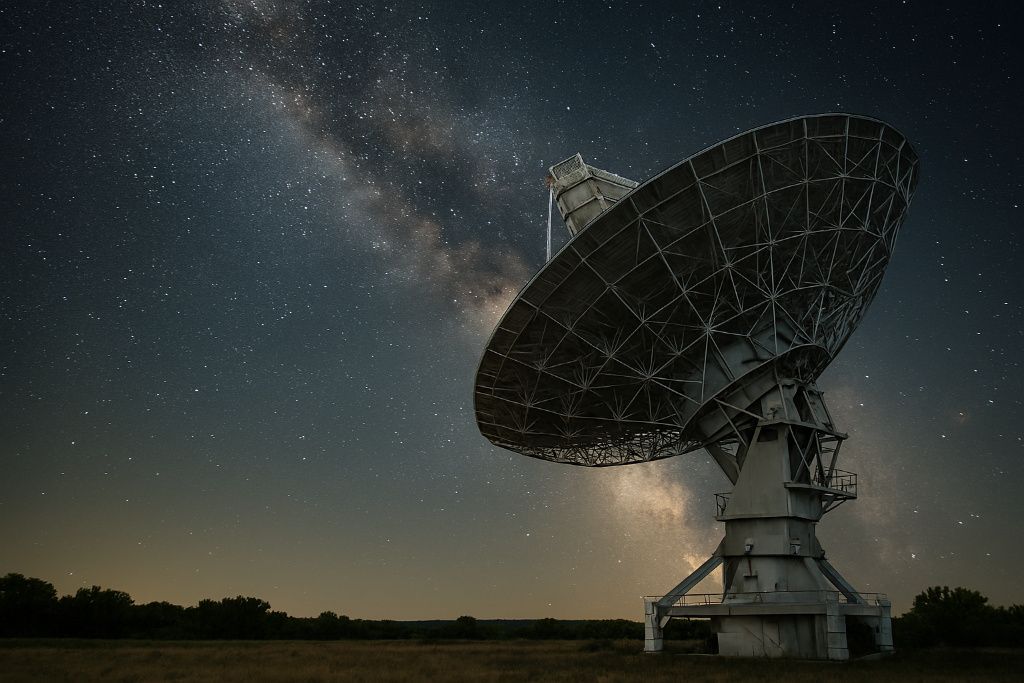
What if, one day, a telescope or experiment finds a definitive crack? It wouldn’t be a disaster; it would be the most exciting discovery in centuries! It would mean our universe is even more fascinating and complex. Science progresses by finding the boundaries of its knowledge.
An exception would point to a deeper, more beautiful set of laws—a “meta-law” that explains when and why the rules can change. It would be a new chapter in our story of understanding, not the end of the book. The quest for knowledge embraces both constancy and surprise.
15. Conclusion: Trusting the Rules, Embracing the Mystery
So, are physical laws the same everywhere? Every scrap of evidence we have shouts a resounding “Yes.” From your kitchen to the edge of the observable universe, the same rulebook applies. This magnificent consistency is why we can explore, innovate, and dream of the stars.
Let this be a motivational thought: You live in a universe that is knowable, reliable, and stunningly vast. The same forces that light the sun also power your curiosity. Trust in that consistency to build, create, and explore your world. And yet, keep looking up with wonder. The universe has shown us its rules, but it surely has more marvels hidden within them. Our journey to understand is just beginning.