
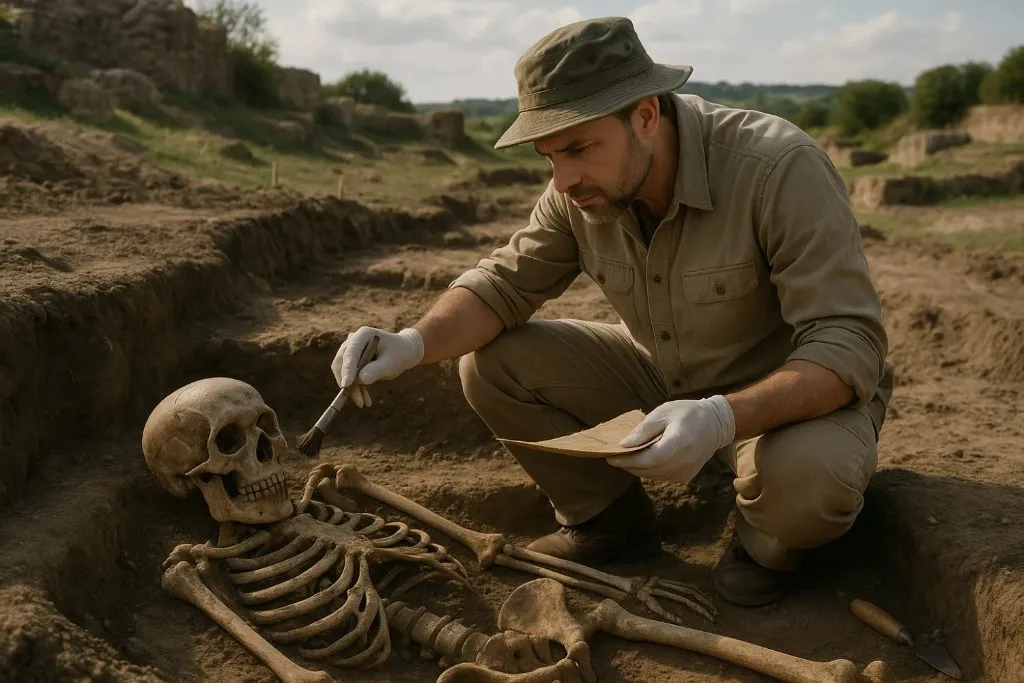
Archaeology is a window into the distant past, offering invaluable insights into the origins of human civilization. Through the careful study of ancient artifacts, ruins, and fossils, archaeologists piece together the complex puzzle of human history. This fascinating discipline helps us understand our ancestors’ daily lives, societal structures, technological advancements, and even their belief systems, painting a rich picture of where humanity came from and how it evolved.
1. Unearthing Ancient Civilizations

Archaeology provides crucial insights into ancient civilizations such as the Egyptians, Mesopotamians, and the Indus Valley. Excavations at iconic sites like the Pyramids of Giza or the ruins of Babylon shed light on their societal structures, technologies, and cultural practices.
Through careful study of artifacts, tools, and inscriptions, archaeologists reconstruct ancient life, unveiling details about governance, religious beliefs, and technological advancements. These findings help us understand the foundational aspects of human history, such as the development of writing systems, the rise of cities, and early forms of trade and economy, providing us with the building blocks of modern civilization.
2. Decoding Hieroglyphs and Ancient Scripts

Ancient scripts, such as Egyptian hieroglyphs and Mesopotamian cuneiform, are indispensable tools for archaeologists to decode past civilizations. These written records document everything from trade transactions to laws and monumental events. Deciphering these languages allows us to understand the thoughts, culture, and governance of ancient peoples.
For instance, the discovery of the Rosetta Stone enabled the translation of Egyptian hieroglyphs, unlocking vast amounts of knowledge about Ancient Egypt. By studying these texts, archaeologists not only gain insights into political structures and daily life but also understand ancient philosophies, religion, and historical narratives, connecting us to the past in ways words alone cannot.
3. Reconstructing Daily Life Through Artifacts
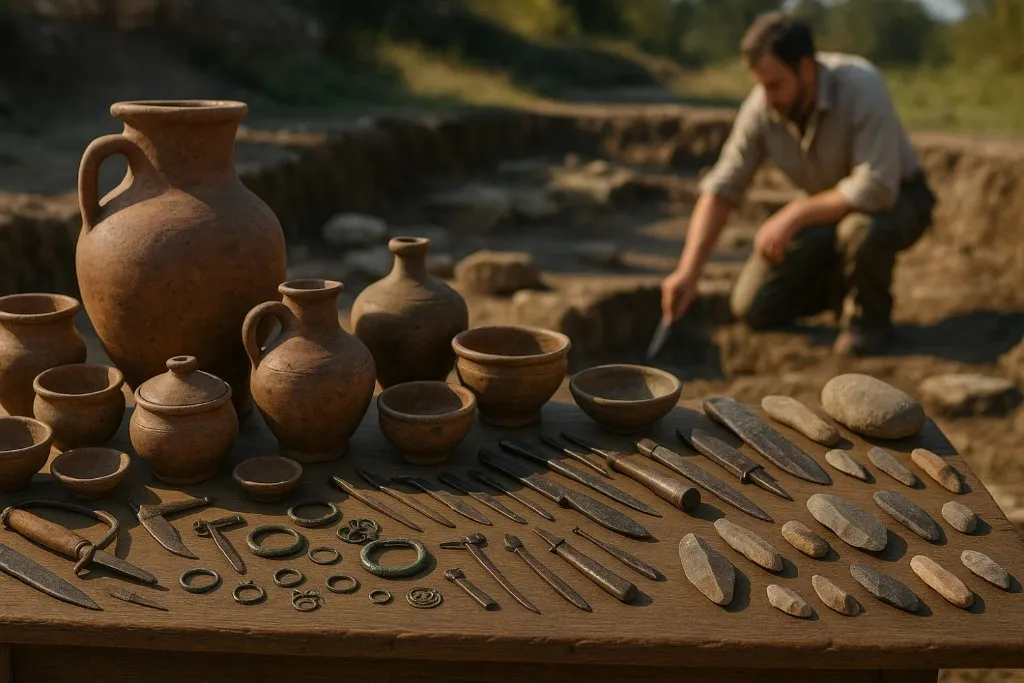
Artifacts like pottery, tools, jewelry, and weapons reveal crucial details about the daily lives of ancient peoples. These items offer direct evidence of how people lived, worked, and interacted with their environment. For example, Roman pottery found in Pompeii helps archaeologists reconstruct domestic activities, while stone tools discovered in prehistoric sites provide insight into early human survival techniques.
By studying these objects, archaeologists can determine trade patterns, technological advancements, and even social hierarchies. The materials, shapes, and decorations of these artifacts offer a glimpse into the cultural practices and personal lives of individuals from long-gone civilizations.
4. Excavating Ancient Burial Sites
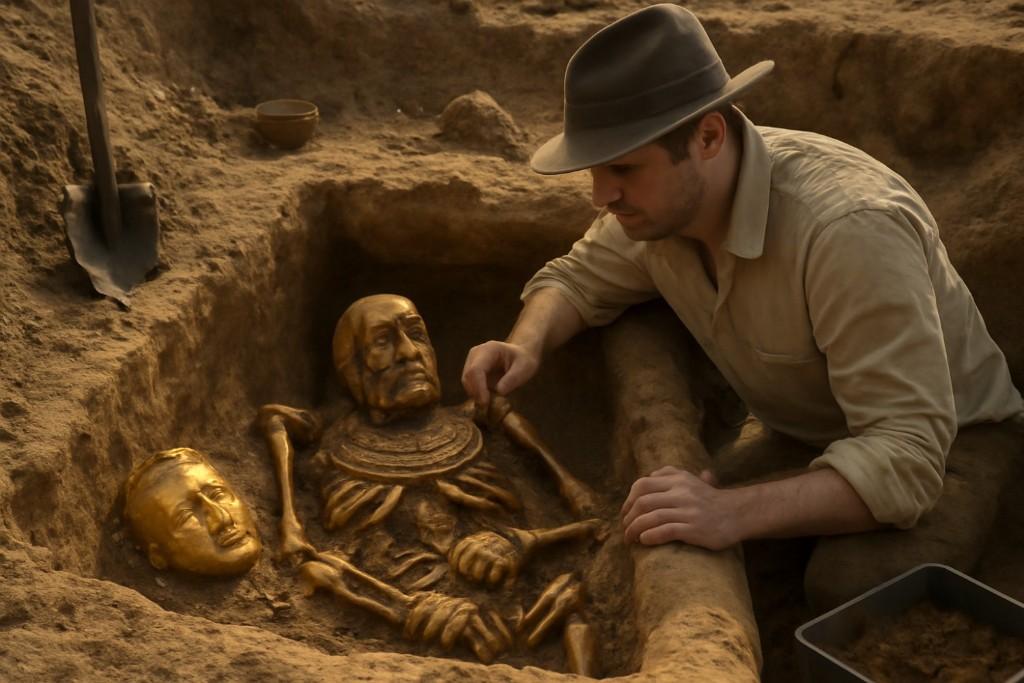
Ancient burial sites are essential for understanding a culture’s religious beliefs, social hierarchy, and burial practices. Tombs, graves, and even mass burial sites offer invaluable information about how past societies treated death and the afterlife. Richly adorned tombs, like those of Egyptian pharaohs or the burial sites of Chinese emperors, reveal the status and wealth of the individuals buried there.
In addition to valuable artifacts, burial sites often contain inscriptions and items meant to accompany the deceased into the afterlife, providing insights into religious rituals and cosmological views of different cultures, enriching our understanding of ancient spiritual beliefs.
5. Studying Prehistoric Cave Art
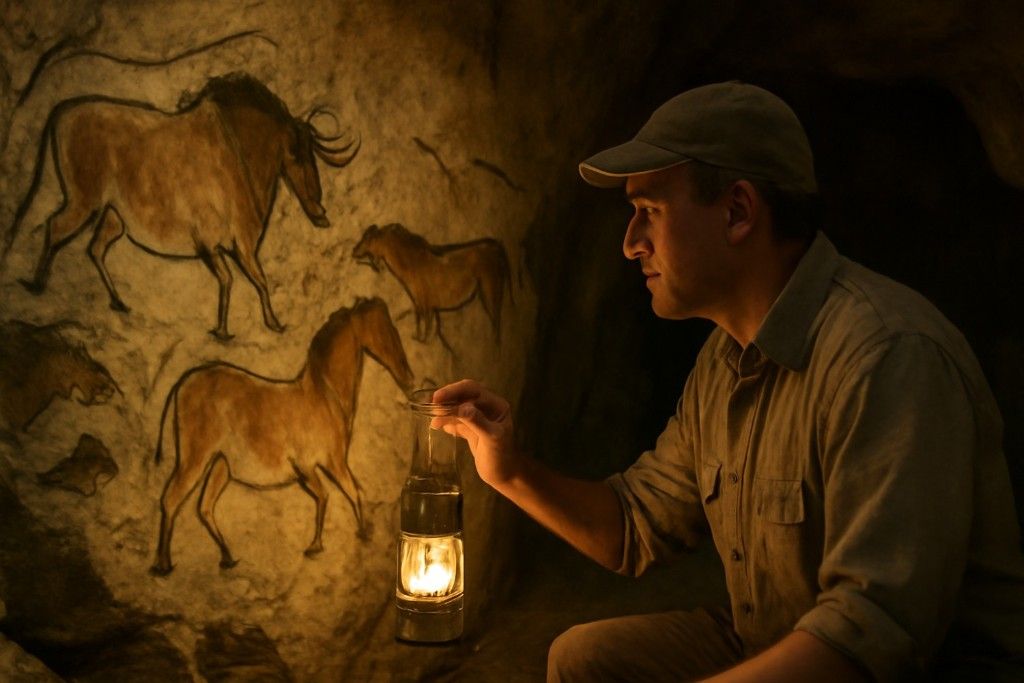
Cave paintings and carvings are among the earliest forms of human expression, offering a glimpse into the cognitive and artistic capabilities of prehistoric humans. Sites such as the Lascaux Cave in France, famous for its vivid depictions of animals, help archaeologists understand early human spirituality and social structure.
These paintings likely had symbolic meanings, representing hunting scenes or religious beliefs, and may have been used in rituals. The discovery of such artwork not only sheds light on early human creativity but also provides insight into how early societies communicated and viewed the world around them, long before written language.
6. Exploring Ancient Architecture
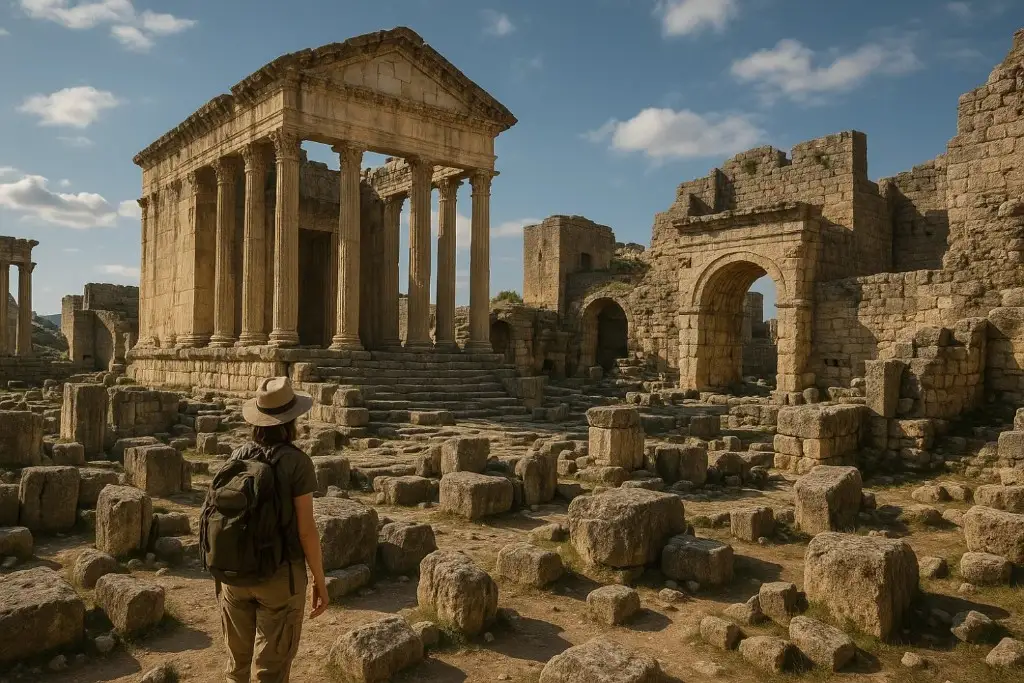
The ruins of ancient architecture, such as temples, palaces, and fortifications, speak volumes about the technological and cultural achievements of ancient societies. The Parthenon in Greece or the massive structures at Machu Picchu in Peru showcase the architectural skills that advanced civilizations possessed. Through detailed studies of these ruins, archaeologists learn about construction techniques, religious practices, and the societal roles of these buildings.
For example, the layout of Roman cities with their central forums and temples demonstrates the importance of civic life, while the design of Mayan pyramids shows a connection between architecture and religious beliefs, emphasizing the significance of place in ancient cultures.
7. Tracing Human Migration Through Fossils
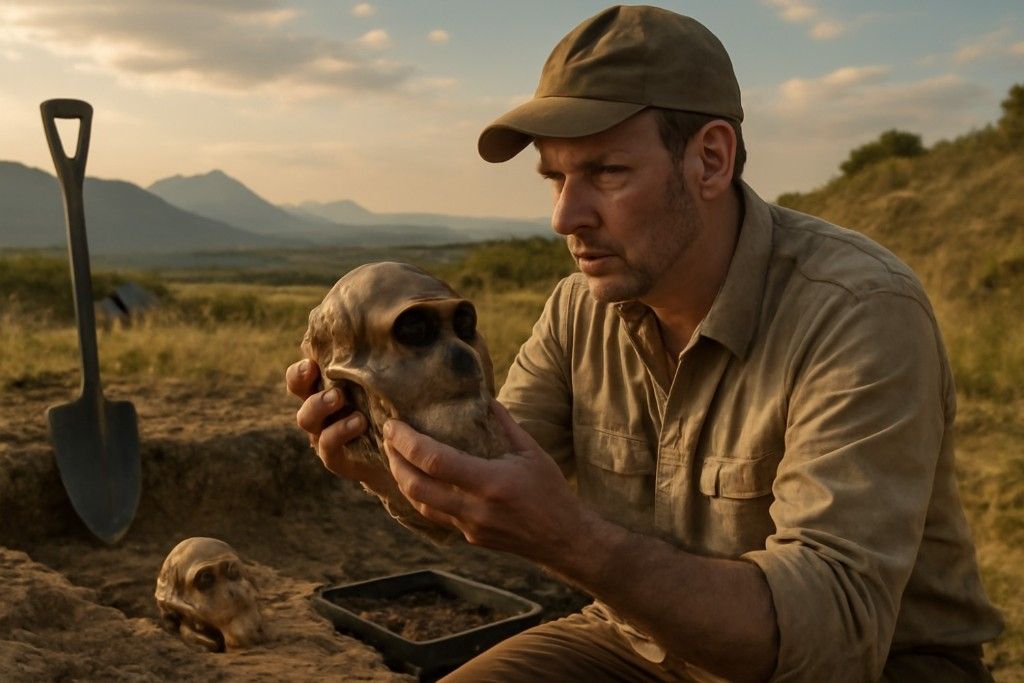
Human fossils, such as those of Homo erectus or Neanderthals, are instrumental in tracking the migration patterns of early humans. Fossil discoveries provide physical evidence of how humans adapted to different environments and interacted with other species. For example, the discovery of Neanderthal remains in Europe helps trace the movement of early humans across continents.
The analysis of skeletal remains also reveals how humans evolved over time, showing changes in bone structure, brain size, and tool use. These findings help archaeologists piece together the story of human evolution and migration, shedding light on how Homo sapiens emerged as the dominant species.
8. Analyzing Ancient Weapons and Warfare
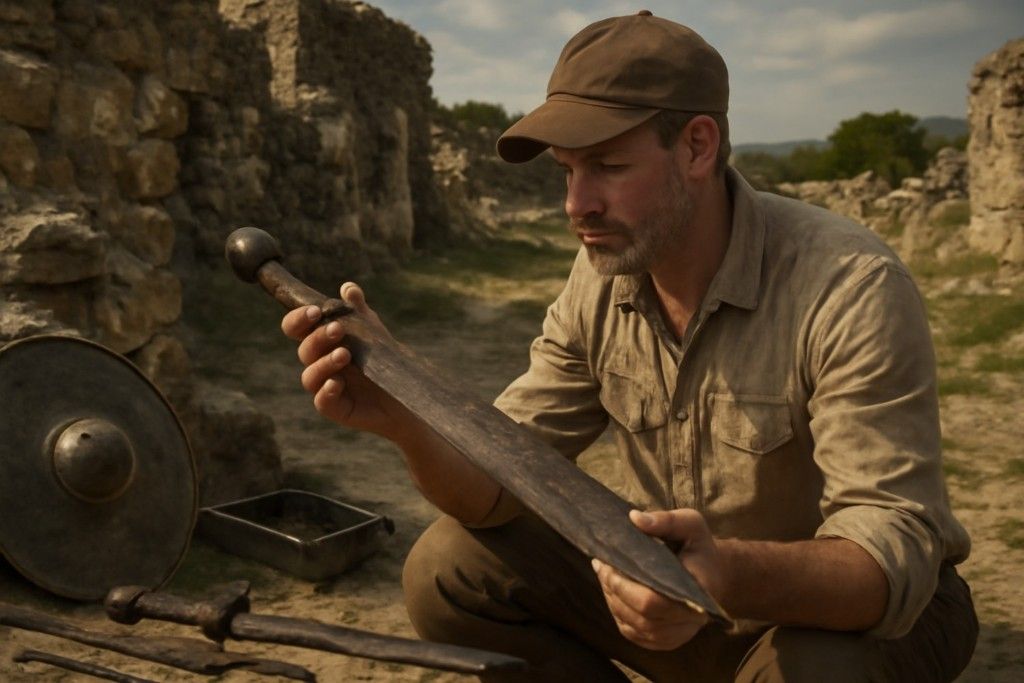
Weapons and armor discovered in archaeological sites provide crucial insights into ancient military practices and conflicts. Tools like swords, spears, and shields, found in sites ranging from Viking settlements to Roman battlefields, reveal the role of warfare in shaping the course of history.
For example, the discovery of Roman gladius swords highlights the effectiveness of Roman military strategies and their empire-building tactics. Studying these artifacts also allows archaeologists to understand the technologies that fueled ancient warfare, as well as the social dynamics around military service, including the influence of warriors and their status within their societies.
9. Investigating Ancient Trade Routes
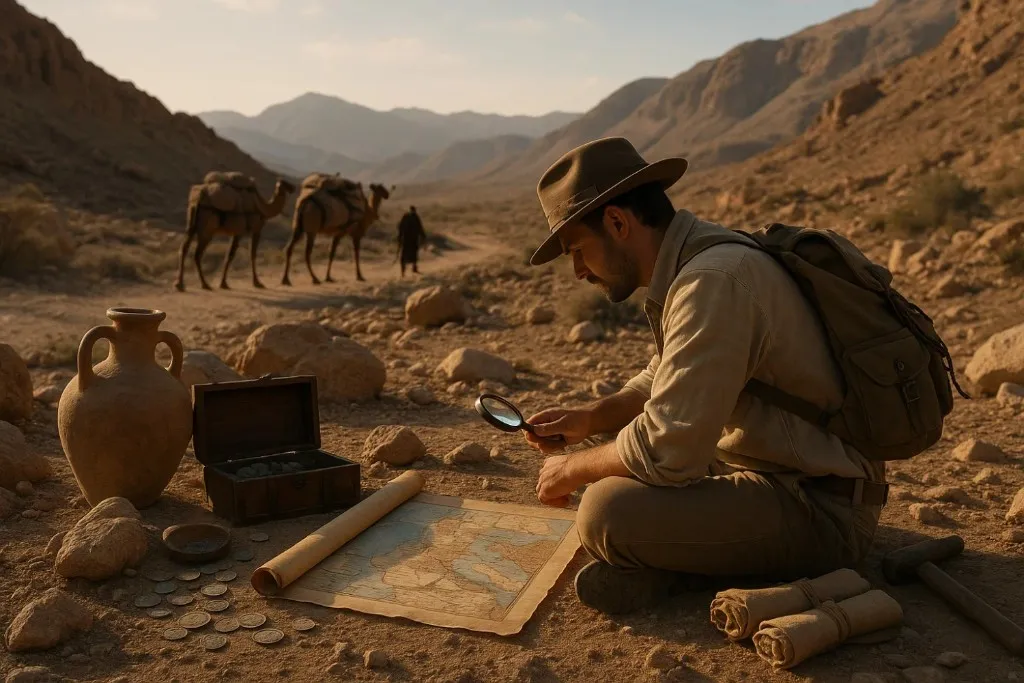
Ancient trade routes such as the Silk Road and the Incense Route played vital roles in connecting different civilizations. Through archaeological evidence like trade goods, maps, and transportation tools, researchers can trace the movement of commodities, ideas, and culture between distant regions.
Artifacts found along these routes, such as Roman coins in India or Chinese silk in Rome, demonstrate how extensive these trade networks were. Archaeology helps to illustrate how goods like spices, textiles, and precious metals were exchanged, as well as the cultural and technological impacts that these interactions had on societies worldwide, contributing to the spread of knowledge.
10. Revealing Ancient Agriculture and Technology
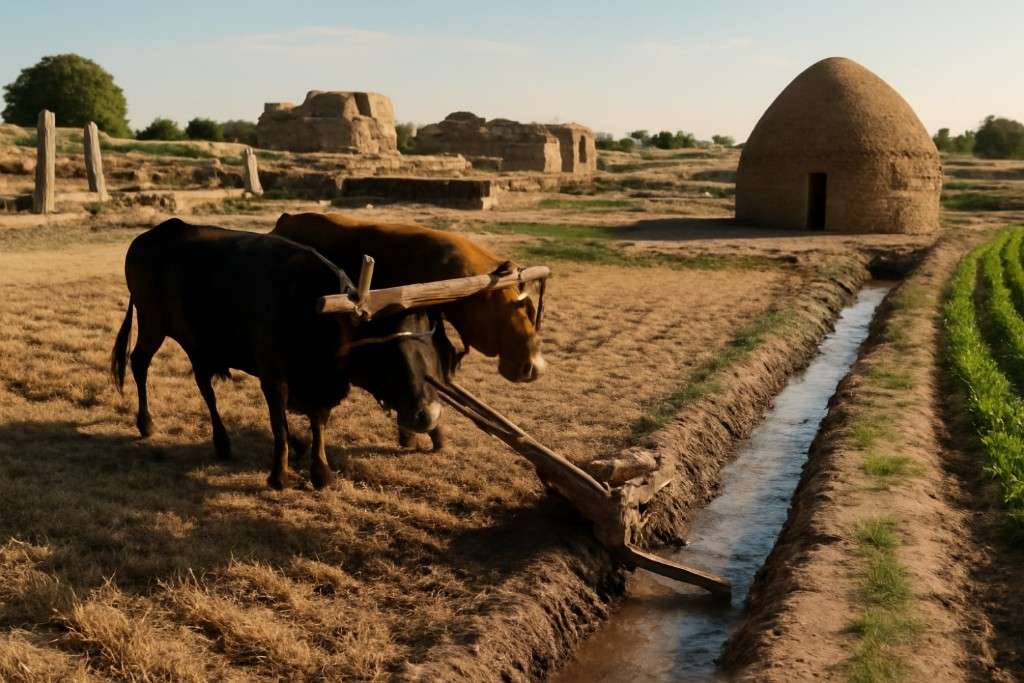
The study of ancient agricultural tools and irrigation systems offers a glimpse into the technological innovations that supported early civilizations. The development of farming allowed societies to transition from nomadic lifestyles to permanent settlements, leading to the rise of cities.
Tools like plows and irrigation channels uncovered in Mesopotamia demonstrate early advancements in agriculture, while evidence of grain storage sheds light on food management practices. These innovations enabled civilizations like the Sumerians and Egyptians to sustain large populations and create surplus crops, which ultimately fueled the development of trade, economic systems, and urbanization.
11. Examining Ancient Religious Practices
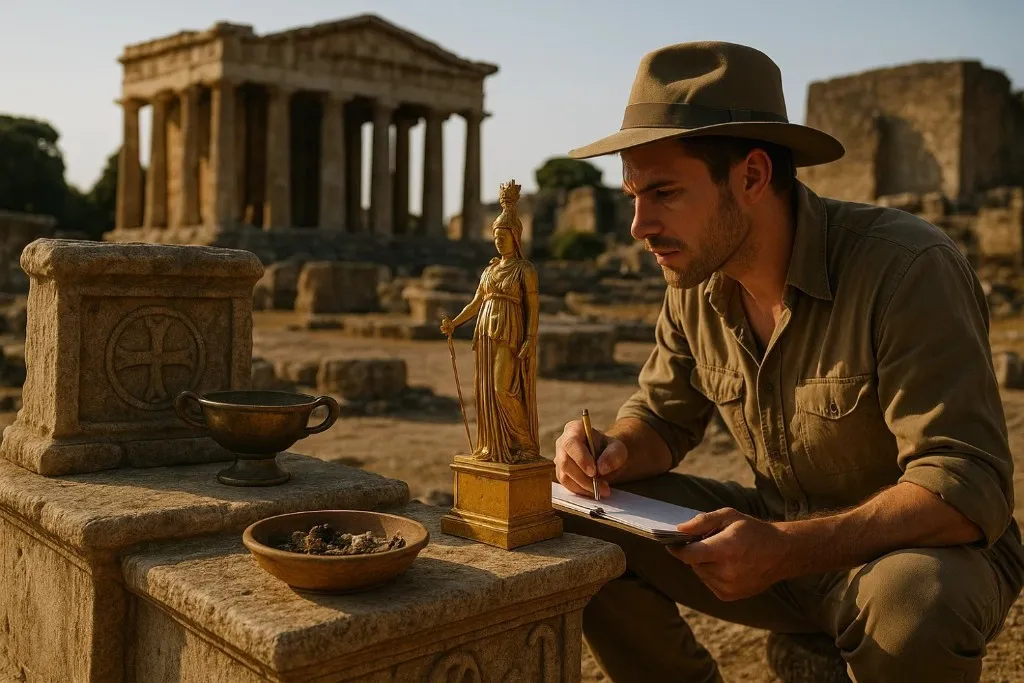
Ancient religious practices, evidenced through the study of temples, altars, and religious symbols, offer key insights into the spiritual lives of early civilizations. Temples like those in ancient Greece or Egypt were not only places of worship but also hubs of political and social life.
Rituals, sacrifices, and religious artifacts, such as the golden statues of gods or ceremonial vessels, reveal much about the belief systems that guided these societies. Archaeologists analyze these sites to uncover the role of religion in shaping daily life, governance, and societal cohesion, offering us a deeper understanding of how ancient peoples viewed their gods and the afterlife.
12. Understanding the Rise and Fall of Empires
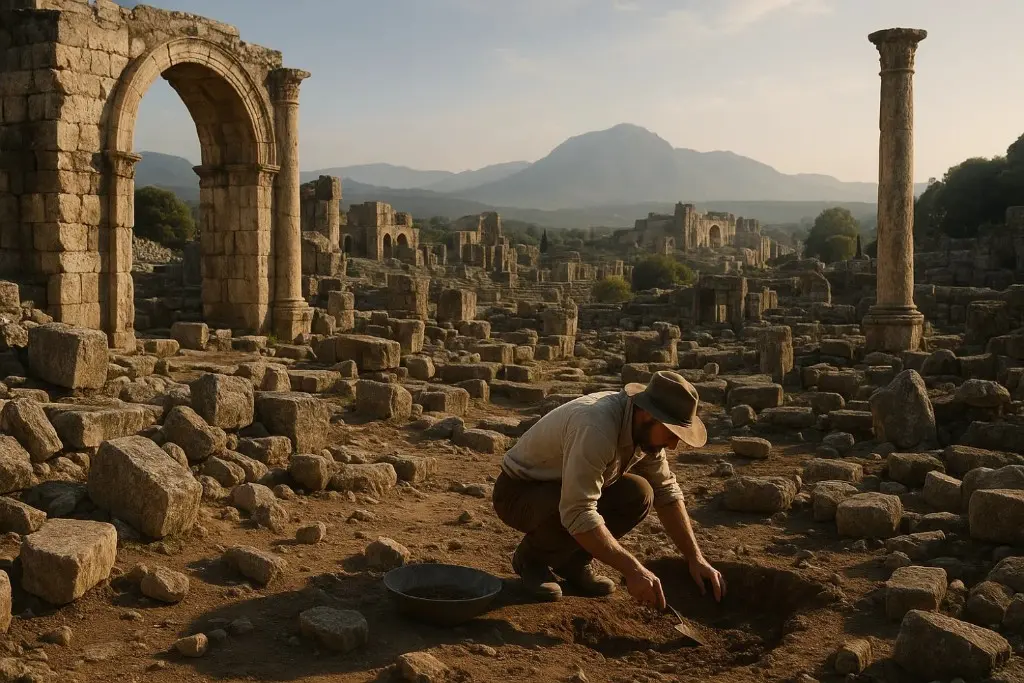
Archaeology plays a critical role in understanding the factors behind the rise and fall of empires. By excavating ancient cities and analyzing the remnants of infrastructure, researchers can identify clues about why great civilizations like the Romans, Maya, or the Indus Valley declined. These clues often point to environmental factors, internal political instability, or foreign invasions.
For example, the collapse of the Mayan civilization is linked to environmental stress and overpopulation, while the fall of Rome involved military defeat, economic strain, and leadership crises. These findings help explain how and why powerful empires eventually disintegrated.
13. Studying Ancient Diets and Cuisine

The study of ancient diets provides insight into the environmental, social, and economic factors that shaped ancient communities. By analyzing food remains, like seeds, bones, and cooking utensils, archaeologists reconstruct what ancient peoples ate and how they sourced their food. For example, the discovery of wheat and barley in Mesopotamian settlements highlights the early use of grain-based diets.
Similarly, the remains of fish and meat in Viking settlements reveal the importance of hunting and fishing in Norse culture. These dietary habits are not only a reflection of environmental adaptation but also a window into the cultural and social values of ancient societies.
14. Reconstructing Ancient Social Structures
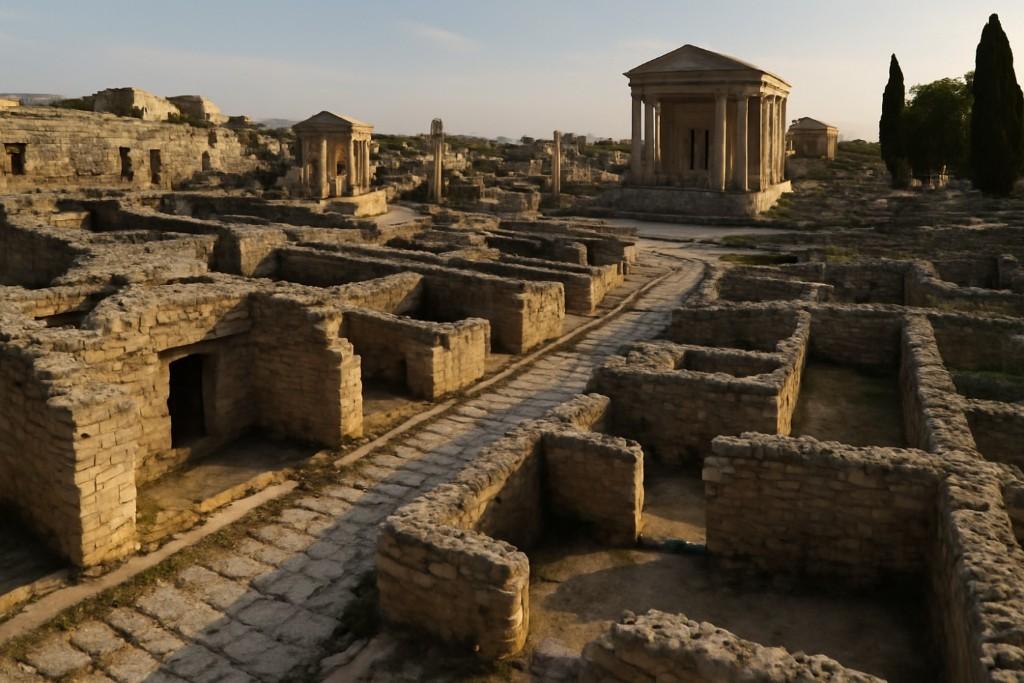
The layout of ancient settlements and the positioning of public and private spaces can reveal much about the social structures of past societies. In cities like ancient Rome, the arrangement of buildings and the placement of temples and forums reflect a society organized around political and religious authority.
Archaeologists analyze the size, location, and contents of residential areas to infer class divisions, with wealthier citizens residing in more prominent areas. Similarly, burial sites can reveal social stratification, with the elite buried in grand tombs, while commoners had simpler graves. These findings help us understand how power and status were distributed in ancient cultures.
15. Discovering Lost Civilizations
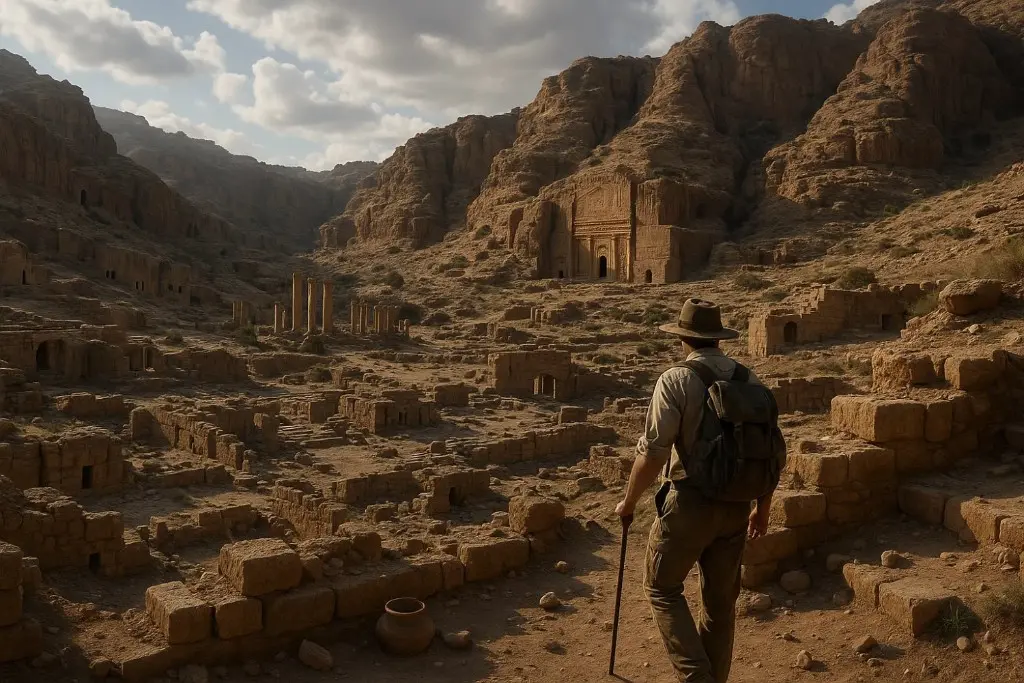
One of the most thrilling aspects of archaeology is the discovery of lost civilizations. From the ancient city of Pompeii, preserved by volcanic ash, to the long-lost city of Petra in Jordan, archaeology uncovers civilizations that time had obscured. These sites often yield well-preserved artifacts, buildings, and writings that provide a detailed picture of ancient life.
The unearthing of such civilizations offers new perspectives on history, revealing the achievements and downfalls of cultures that had previously vanished from memory. These discoveries challenge existing historical narratives and open new chapters in our understanding of human heritage.