

Archaeology serves as the key to understanding humanity’s origins, evolution, and the intricate societies that came before us. Through the meticulous study of ancient artifacts, structures, and human remains, archaeologists piece together the story of our distant ancestors.
This discipline not only unearths historical facts but also helps us understand cultural, social, and technological advancements that shaped modern civilization. By examining various techniques and discoveries, we gain valuable insights into the depths of human history that would otherwise remain hidden.
1. Unearthing Ancient Civilizations through Excavation
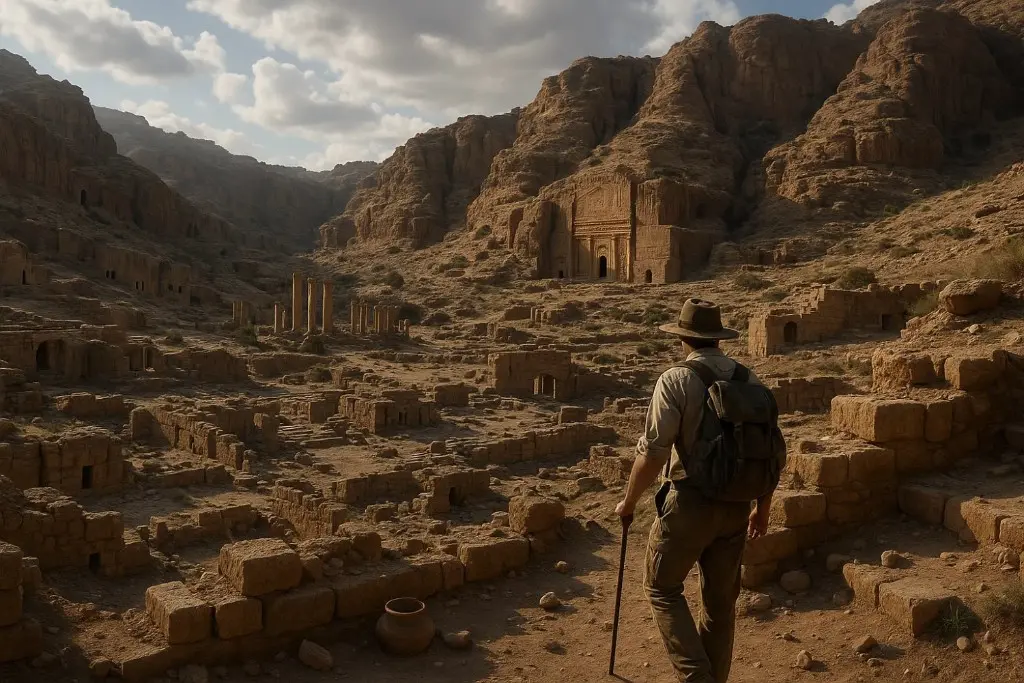
Excavation is one of the most critical aspects of archaeology, involving the systematic digging and careful recovery of buried artifacts and structures. These sites, ranging from ancient cities to burial mounds, hold the key to understanding early human society.
For example, the ruins of Pompeii offer a snapshot of Roman life, frozen in time by the eruption of Mount Vesuvius. Excavations uncover not only objects but also the layout of ancient settlements, providing insights into the social, economic, and cultural life of past civilizations.
2. Dating Techniques: Decoding the Past’s Timeline
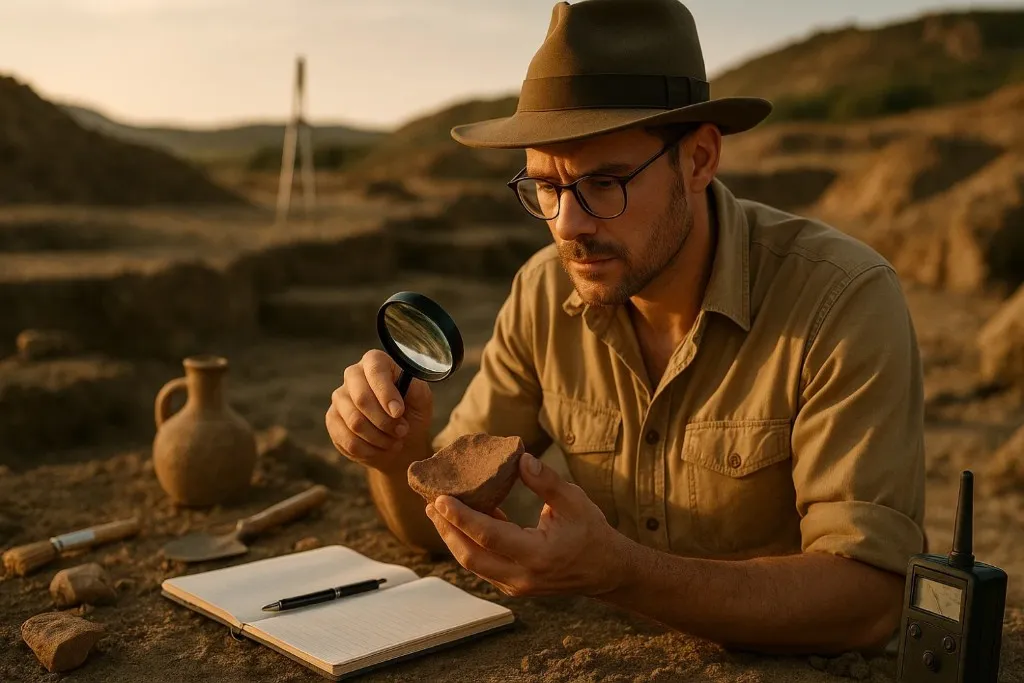
Dating methods, such as radiocarbon dating and dendrochronology, play a vital role in establishing the timeline of archaeological finds. Radiocarbon dating measures the decay of carbon isotopes in organic materials, allowing researchers to estimate the age of artifacts and fossils.
Dendrochronology, on the other hand, uses tree rings to determine the exact year a tree was felled. These techniques are crucial for reconstructing the sequence of events in ancient societies and understanding their development over time.
3. Ancient Texts: Deciphering the Written Word
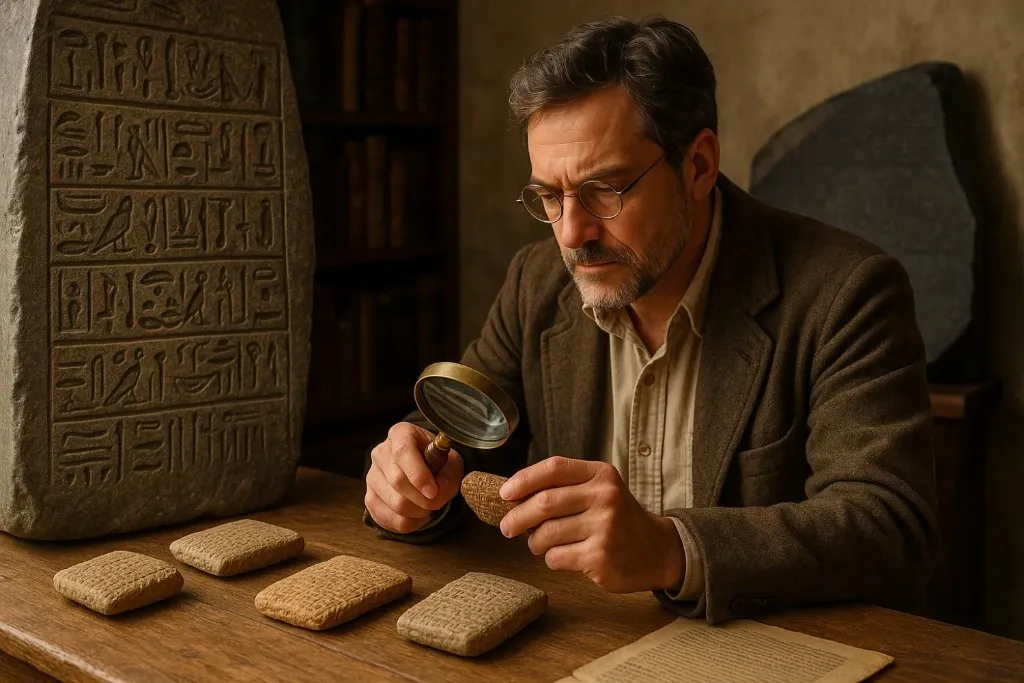
Written records from ancient cultures provide invaluable insights into their beliefs, laws, and daily life. The deciphering of ancient scripts, such as Egyptian hieroglyphs or the Sumerian cuneiform, has significantly advanced our understanding of early human civilizations.
The Rosetta Stone, for example, unlocked the mystery of Egyptian hieroglyphs, enabling historians to interpret countless texts. These written accounts allow archaeologists to connect physical artifacts with the narratives of ancient peoples, offering a more comprehensive view of history.
4. Artifacts: Objects That Tell a Story
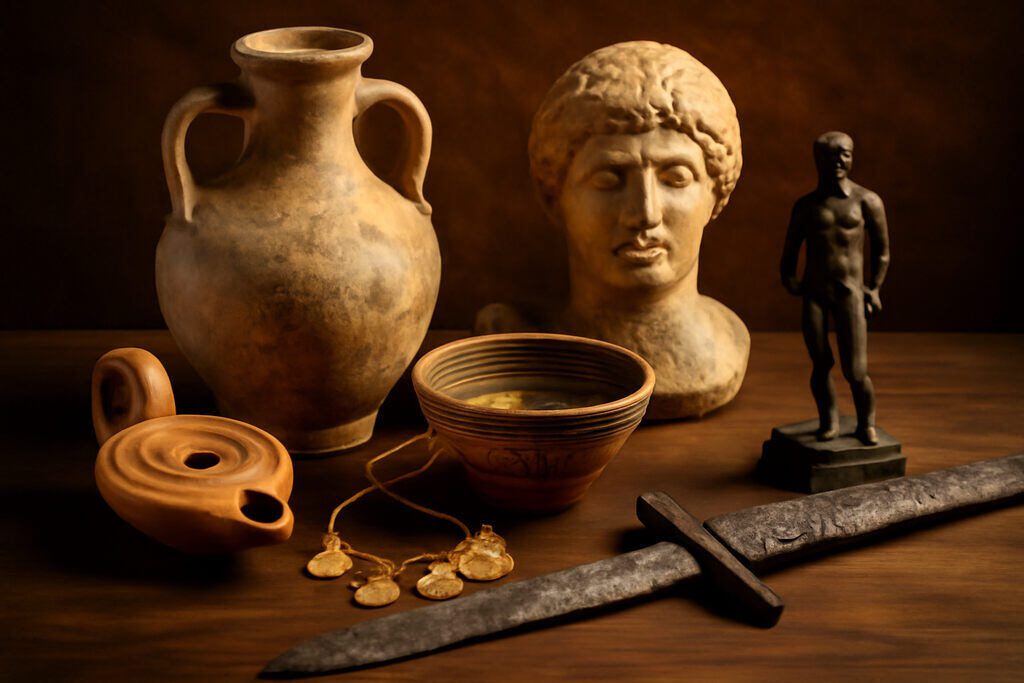
Artifacts—tools, pottery, jewelry, and artwork—offer direct evidence of past civilizations’ daily activities, trade, and cultural practices. The discovery of a Bronze Age sword, for instance, can reveal much about the technological advancements of a particular era, while pottery fragments may provide insight into social customs or dietary habits. Each artifact, no matter how small, plays a role in building a broader picture of history and culture, and each discovery adds a piece to the puzzle of our shared past.
5. Human Remains: The Physical Evidence of Ancestors
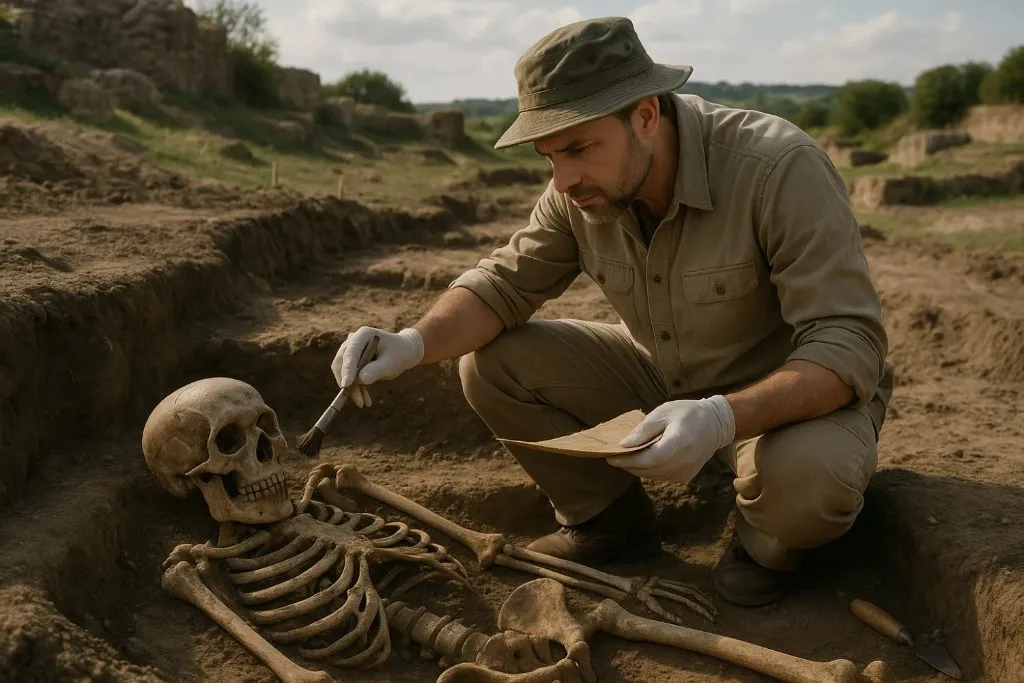
Studying human remains is a cornerstone of archaeology, providing crucial information about the health, diet, and lifestyles of ancient peoples. By analyzing bones, teeth, and even mummified bodies, scientists can deduce age, sex, and genetic information, as well as reveal evidence of diseases or injuries.
The study of ancient burial practices, such as the elaborate tombs of the Egyptian pharaohs or the burial mounds of Native American cultures, also sheds light on societal norms, religious beliefs, and social hierarchy.
6. The Role of Technology in Modern Archaeology
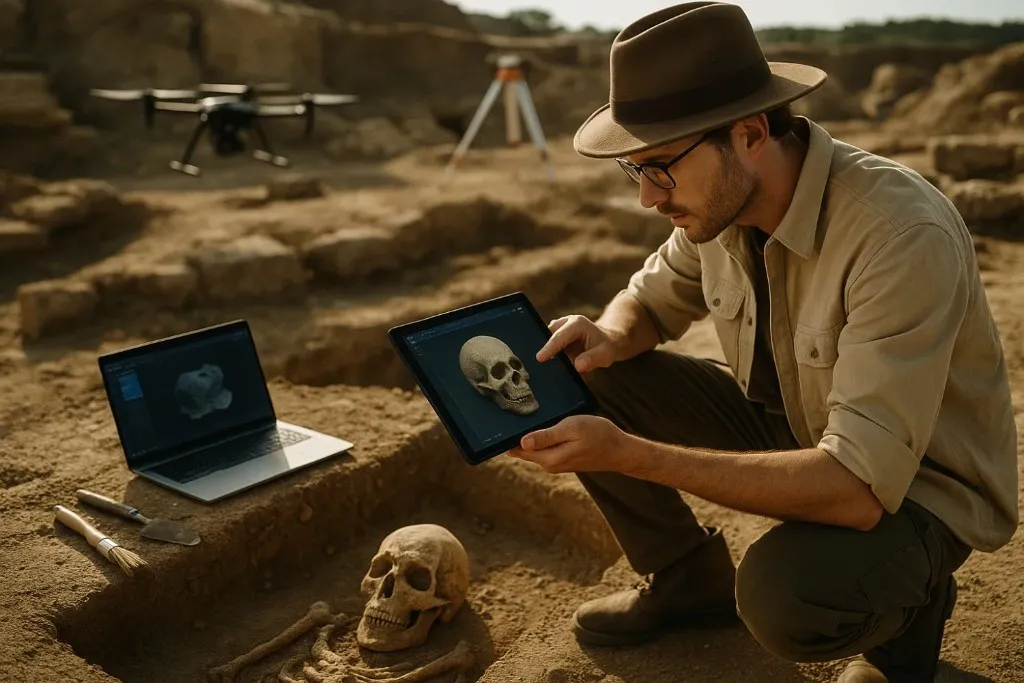
Modern technology has revolutionized archaeology, enabling researchers to uncover ancient secrets more efficiently and accurately. Ground-penetrating radar (GPR), for example, allows archaeologists to see beneath the earth’s surface without disturbing the site.
Similarly, 3D scanning and laser mapping have made it possible to create detailed digital models of ancient structures and artifacts. These technologies not only help preserve fragile remains but also offer new perspectives on archaeological sites, leading to groundbreaking discoveries.
7. The Importance of Stratigraphy in Archaeological Sites
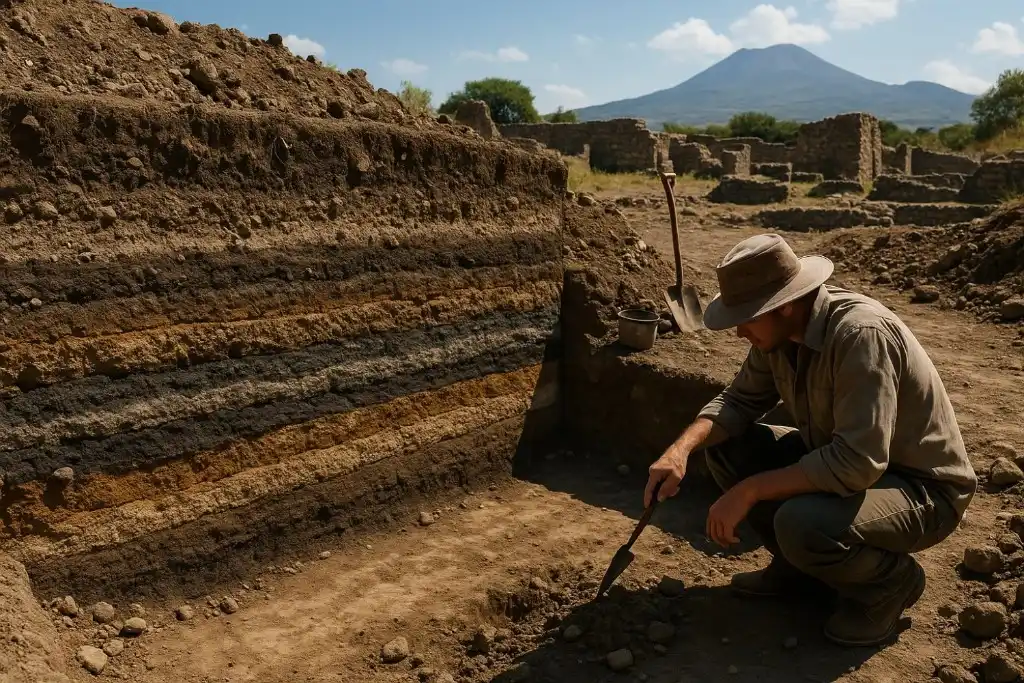
Stratigraphy, the study of rock layers, is crucial for understanding the chronological sequence of human activity at archaeological sites. Each layer represents a different period, and by examining these layers, archaeologists can determine the relative age of artifacts and structures.
This method helps to establish the order of events, providing a timeline for historical development. For example, excavations at the ancient city of Jericho have revealed layers of destruction and rebuilding, offering insights into the region’s turbulent history.
8. Burial Sites: A Window into Ancient Beliefs
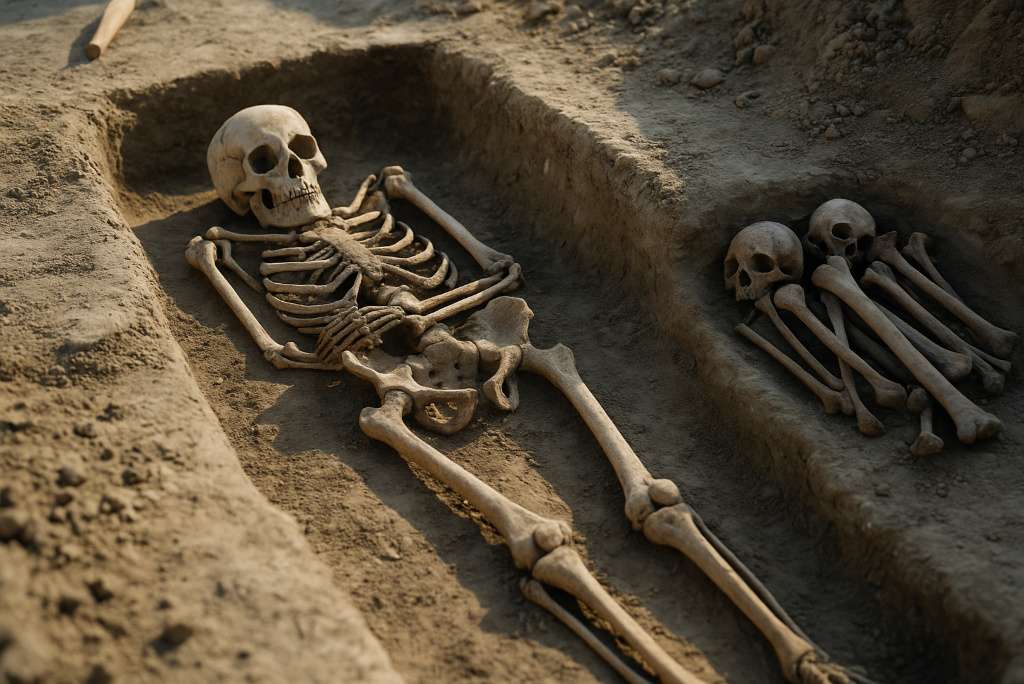
Burial sites are some of the most significant sources of information about ancient cultures’ beliefs and customs. From the grand tombs of pharaohs in Egypt to the simple burial practices of indigenous tribes, these sites offer a glimpse into how different societies viewed death and the afterlife.
For instance, the tomb of Tutankhamun, discovered in 1922, contained a wealth of artifacts that not only provided clues about the young king’s life but also reflected the religious and cultural practices of Ancient Egypt.
9. Studying Ancient Diets through Plant and Animal Remains

The analysis of plant and animal remains, also known as archaeobiology, reveals essential information about ancient diets and agricultural practices. By studying ancient seeds, pollen, and animal bones, archaeologists can reconstruct the diets of past civilizations.
This method has shown that ancient Egyptians relied heavily on wheat and barley, while the Inca civilization thrived on potatoes and maize. Understanding these diets provides context for the development of early agricultural systems and their impact on society.
10. Underwater Archaeology: Exploring Sunken Civilizations

Underwater archaeology is a fascinating branch of the field that focuses on submerged sites, such as shipwrecks, ports, and entire cities. The discovery of the sunken city of Heraklion in Egypt, for example, revealed a wealth of artifacts and buildings that had been lost to the sea for centuries.
Underwater archaeology requires specialized tools and techniques, such as diving and sonar mapping, and has opened up new avenues for understanding ancient trade, exploration, and cultural exchange.
11. The Study of Ancient Architecture
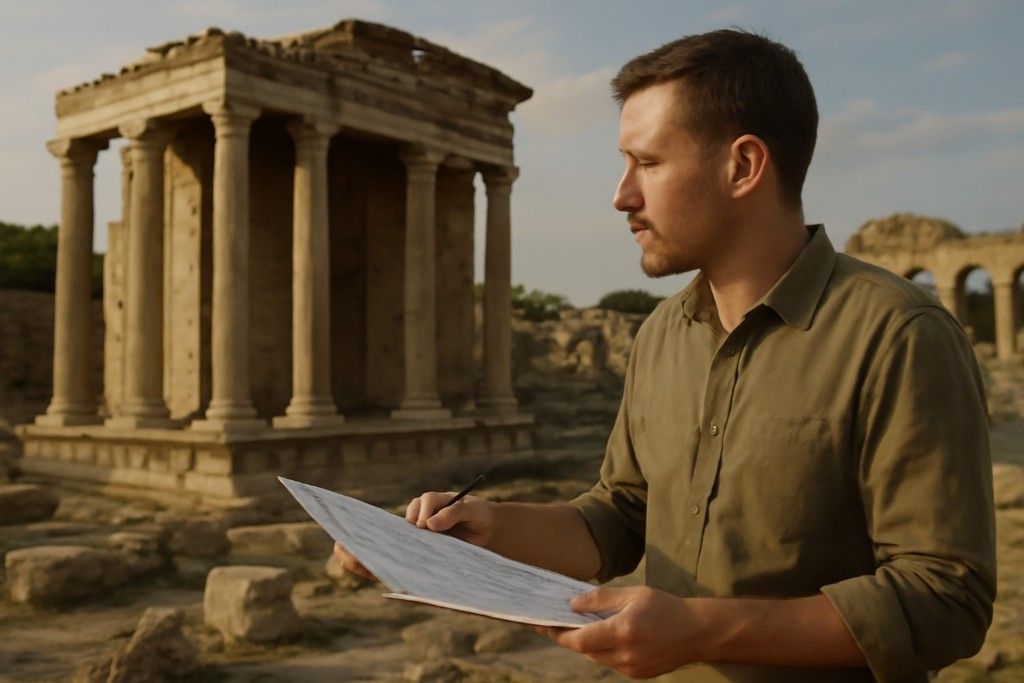
Ancient architecture offers a tangible connection to past civilizations and their engineering prowess. Monumental structures, such as the Pyramids of Giza or the Colosseum in Rome, reflect the advanced knowledge of architecture and construction techniques in the ancient world.
By studying these structures, archaeologists can gain insight into the religious, social, and political significance of architecture in ancient societies. They also shed light on the technological innovations that allowed such remarkable feats of construction.
12. The Role of Archaeological Museums in Preserving the Past
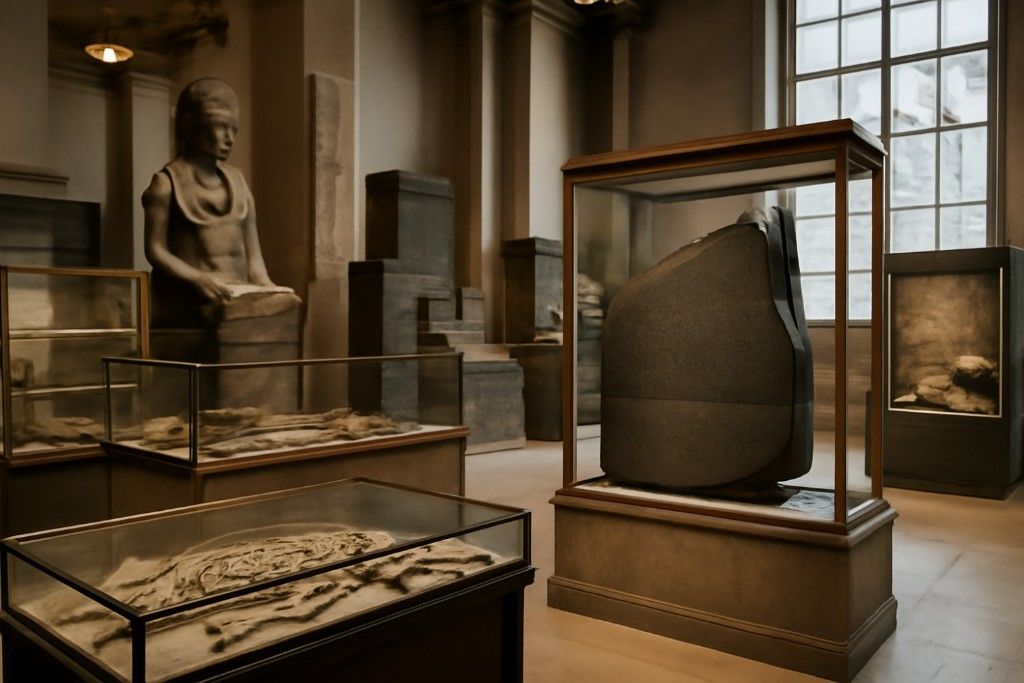
Archaeological museums play an essential role in preserving and showcasing the discoveries made in the field. These institutions house artifacts, skeletons, and ancient tools, offering the public an opportunity to engage with history.
For example, the British Museum holds an extensive collection of Egyptian antiquities, including the famous Rosetta Stone. Museums not only protect and display archaeological finds but also serve as educational resources that make history accessible to a broader audience.
13. Forensic Archaeology: Solving Modern-Day Mysteries
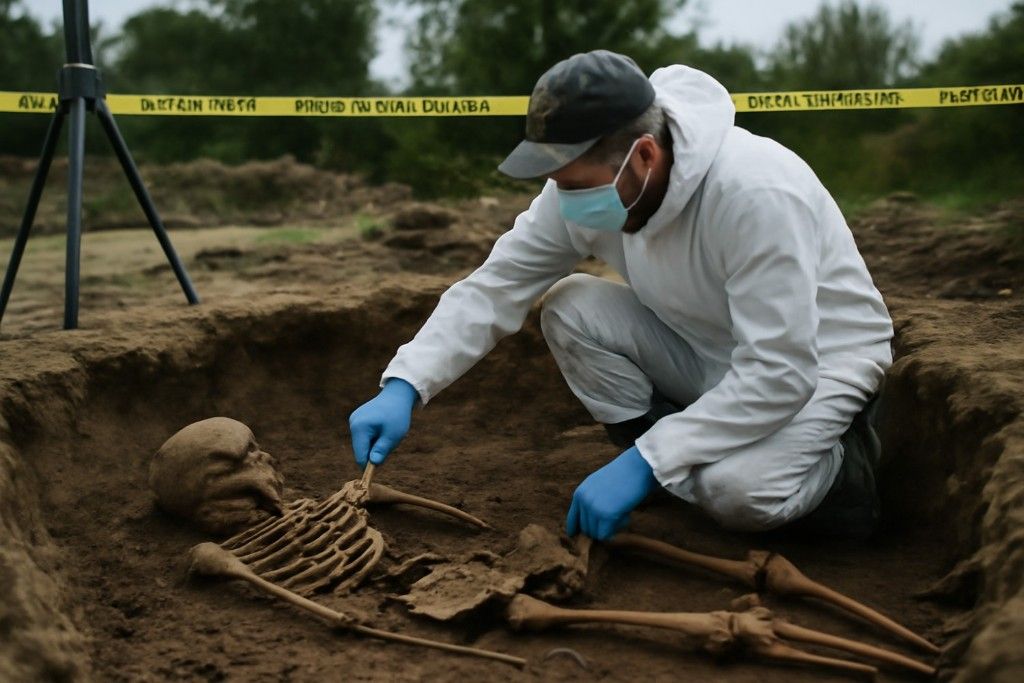
Forensic archaeology applies archaeological methods to modern-day investigations, often in cases of human rights violations or criminal investigations. Forensic archaeologists work to uncover evidence at crime scenes, mass graves, or disaster sites, using techniques such as excavation and skeletal analysis. Their work has been pivotal in identifying the victims of conflicts, such as the Bosnian War, and in uncovering the truth behind historical events like the Holocaust.
14. The Study of Rock Art and Petroglyphs
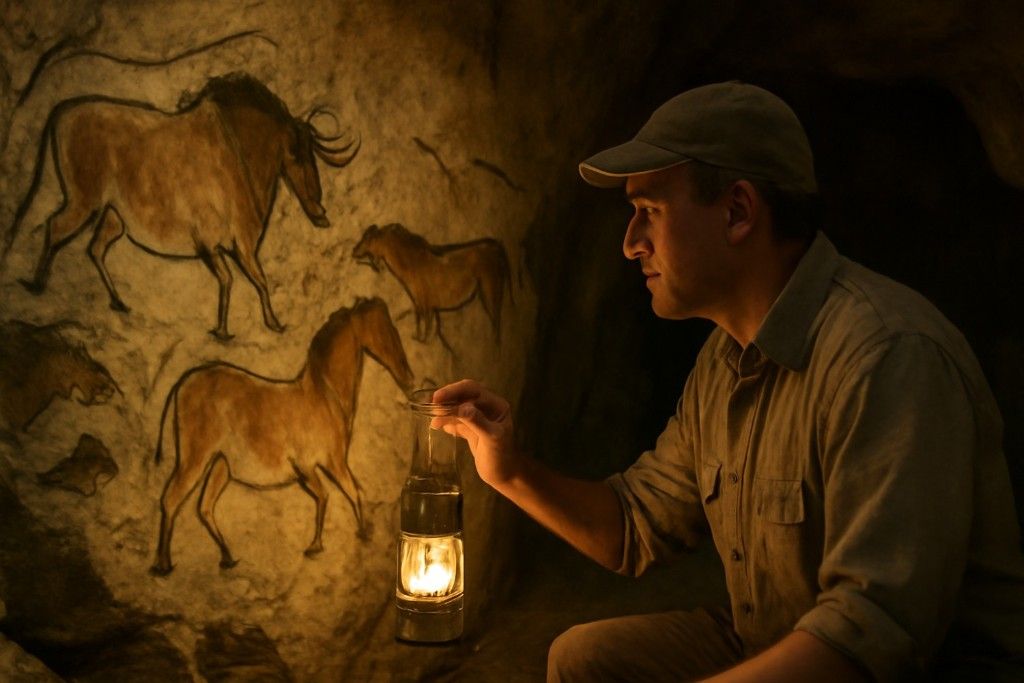
Rock art, including cave paintings and petroglyphs, provides fascinating insights into the early human experience. These ancient artworks, found in locations like Lascaux in France and Altamira in Spain, depict scenes of daily life, animals, and spiritual beliefs.
Studying these images helps archaeologists understand the symbolic and cultural significance of art in prehistoric societies. For instance, the intricate cave paintings in Spain offer a glimpse into the spiritual life of early humans, possibly linked to hunting rituals or ancestral worship.
15. The Ethics of Archaeology: Preserving Cultural Heritage
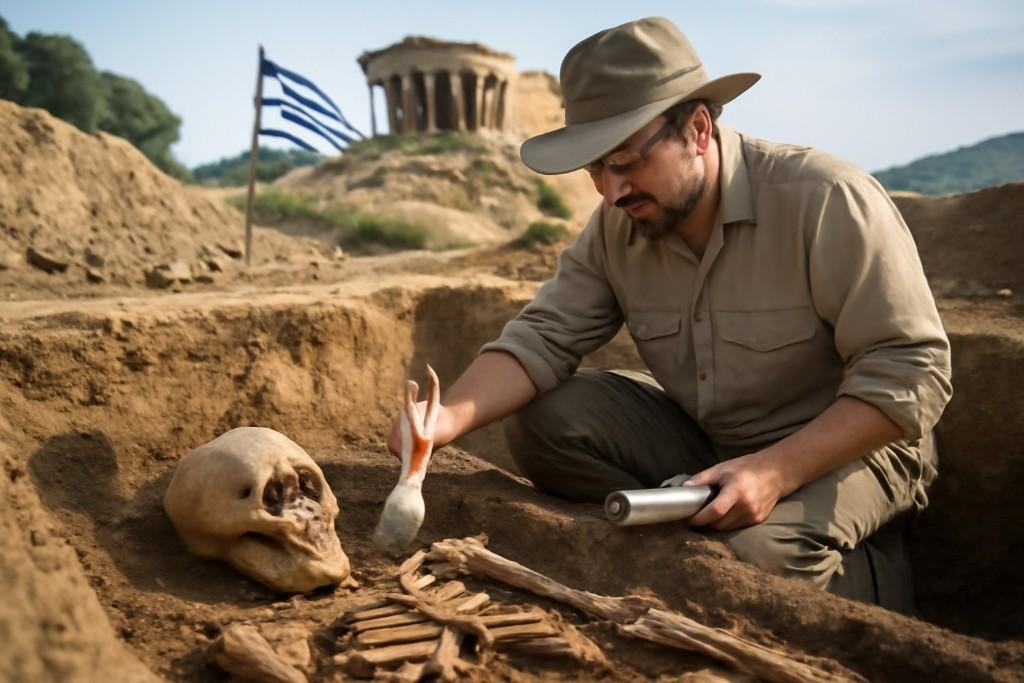
Archaeology is not just about discovery; it also involves ethical considerations. The preservation of cultural heritage is a key concern, particularly when it comes to protecting sacred or historically significant sites. The looting of ancient artifacts and the destruction of archaeological sites pose significant challenges to the field.
Efforts to combat these issues include international conventions and collaborations aimed at preventing the illegal trade of antiquities and ensuring that archaeological discoveries remain accessible for future generations.