

Archaeology blends the art of storytelling with the science of discovery. By studying ancient civilizations, lost cities, and the remnants of our ancestors, archaeologists unlock hidden histories that shape our understanding of the world. Through a combination of fieldwork, advanced technology, and scientific analysis, this discipline uncovers valuable insights about human evolution, culture, and the environment.
From deciphering ancient languages to reconstructing ancient societies, archaeology is a dynamic field that continues to reshape our understanding of the past. Below, we explore the fascinating world of archaeology through 17 key areas of focus.
1. The Role of Archaeological Excavation
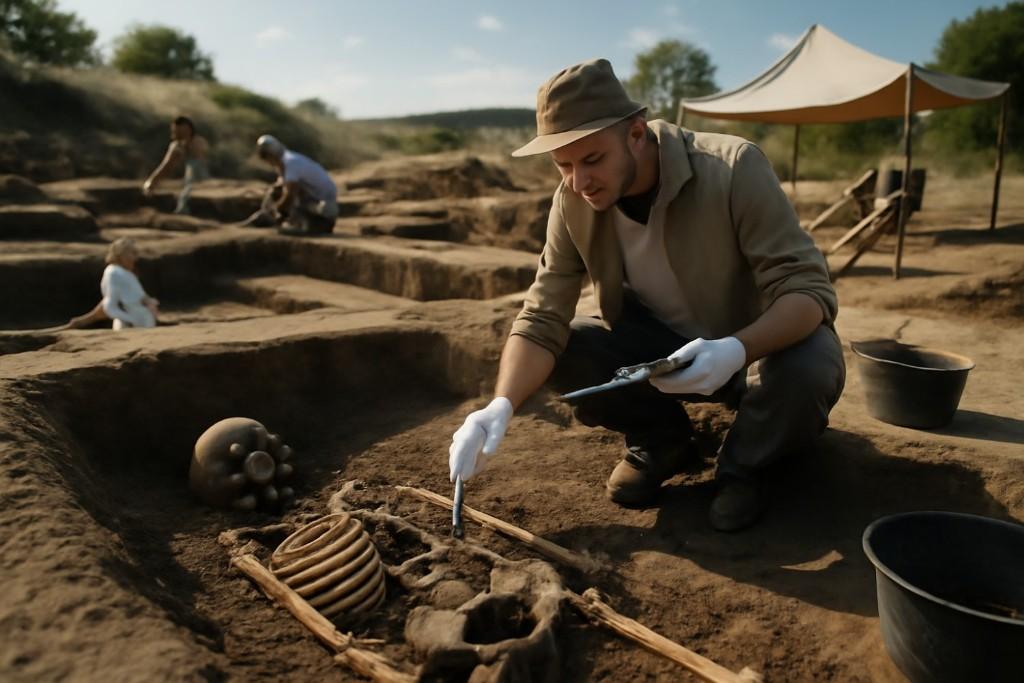
Archaeological excavation is the cornerstone of understanding past societies. Excavation involves the careful digging, documenting, and preserving of artifacts, architecture, and remains that lie beneath the earth’s surface. Archaeologists use tools like trowels, brushes, and sieves to ensure every fragment is carefully recovered.
These findings can provide invaluable insight into ancient daily life, including food, technology, and social organization. One of the most famous excavations, the uncovering of King Tutankhamun’s tomb, revealed a wealth of information about ancient Egypt’s burial practices and royal life. Excavation, combined with meticulous analysis, brings the past to life.
2. Radiocarbon Dating: Unlocking the Age of Artifacts

Radiocarbon dating is a revolutionary scientific technique that has transformed archaeology. This method measures the decay of carbon isotopes in organic materials, such as bones, wood, or textiles, to determine their age. By examining the remaining carbon-14, scientists can accurately estimate the time of an artifact’s creation or the death of a living organism.
The discovery of early human fossils in Africa, for instance, relied on radiocarbon dating to confirm the age of some of the oldest known human remains. This technique is invaluable in constructing chronologies of past civilizations, allowing archaeologists to establish timelines of human history.
3. Stratigraphy: Understanding Layers of the Past
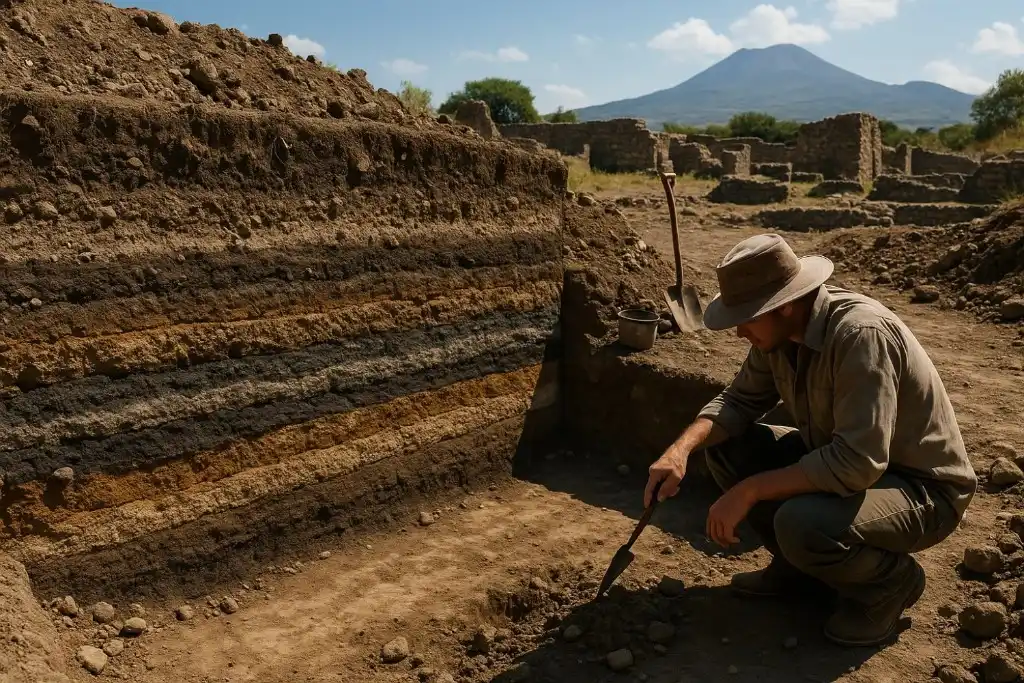
Stratigraphy is the study of soil layers, or “strata,” that build up over time. Each layer holds a snapshot of a particular era in history. Archaeologists analyze these layers to determine the sequence of events or changes that occurred at a site. The principle of stratigraphy operates on the assumption that deeper layers are older than those above them.
This technique is crucial in sites like Pompeii, where the volcanic eruption of Mount Vesuvius preserved a snapshot of daily Roman life, allowing archaeologists to study the layers of ash and debris to reconstruct the city’s final days.
4. Artifact Analysis: Decoding the Past
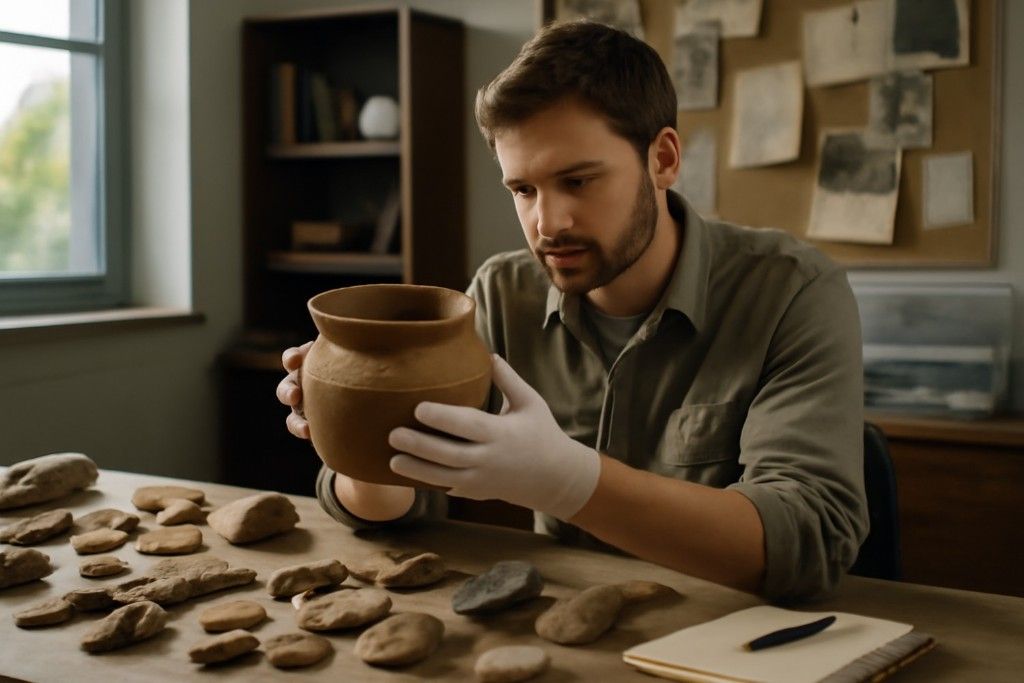
Artifacts are the physical remains left behind by past cultures. These objects, whether pottery, tools, or jewelry, serve as windows into ancient lifestyles, technologies, and traditions. Through detailed analysis, archaeologists can interpret the materials, craftsmanship, and wear patterns to understand how the artifacts were used.
For example, the intricate stone tools found at Olduvai Gorge in Tanzania reveal much about early hominids’ hunting and gathering techniques. Understanding the context and purpose of artifacts allows archaeologists to connect the dots between cultural practices and technological advancements over time.
5. Ancient Written Languages: Deciphering Lost Texts
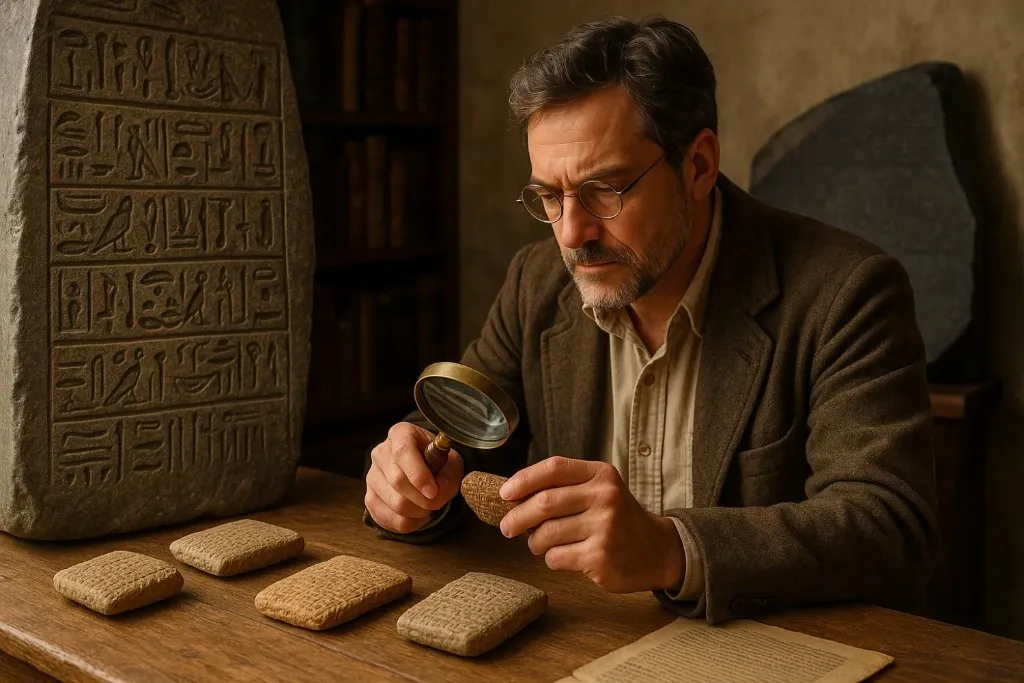
The study of ancient languages provides crucial insights into past civilizations. By deciphering written scripts, archaeologists can unlock historical records, religious texts, and laws that reveal the worldview of ancient peoples. One of the most famous examples is the decipherment of the Rosetta Stone, which allowed scholars to understand Egyptian hieroglyphs.
Similarly, the cuneiform tablets of Mesopotamia, written in a script that dates back to the 4th millennium BCE, have provided vast amounts of knowledge about early civilization, including economics, politics, and religion. Ancient written languages are vital tools in piecing together historical narratives.
6. Bioarchaeology: The Study of Human Remains
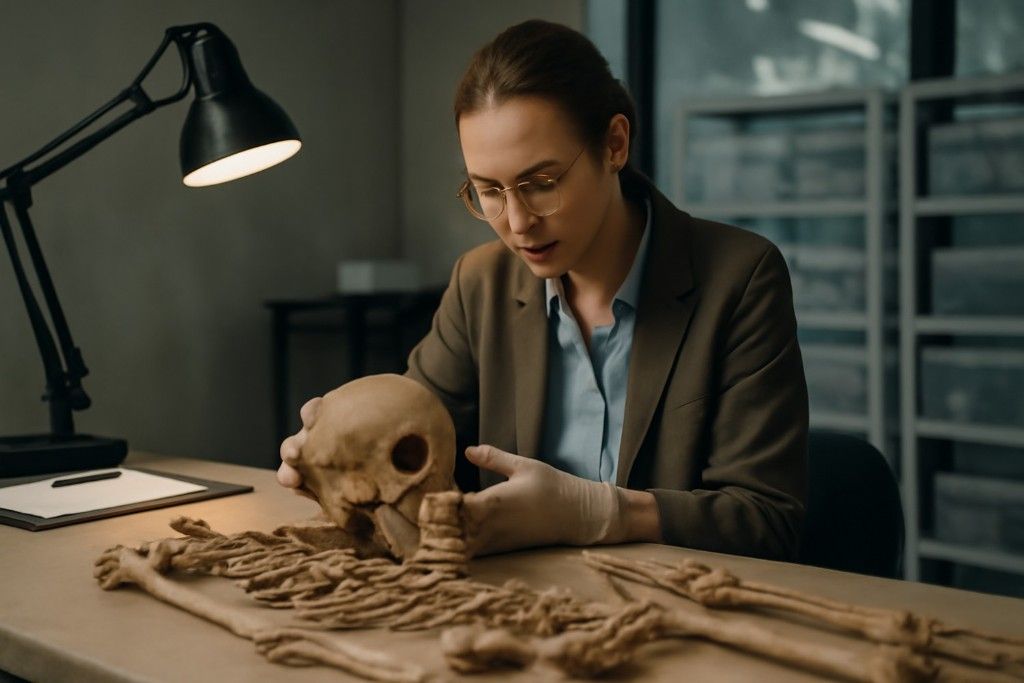
Bioarchaeology involves the examination of human remains to understand past populations’ health, diet, and lifestyle. By studying bones, teeth, and other biological markers, bioarcheologists can infer various aspects of a culture’s everyday life. For instance, analysis of skeletal remains from ancient Rome revealed evidence of malnutrition and disease, shedding light on the challenges faced by the population.
Bioarcheology also helps reconstruct ancient burial practices and social hierarchies. Whether it’s understanding the impact of plagues or the health effects of diet, bioarcheology provides a direct connection to the past’s human experiences.
7. The Use of Drones in Archaeology
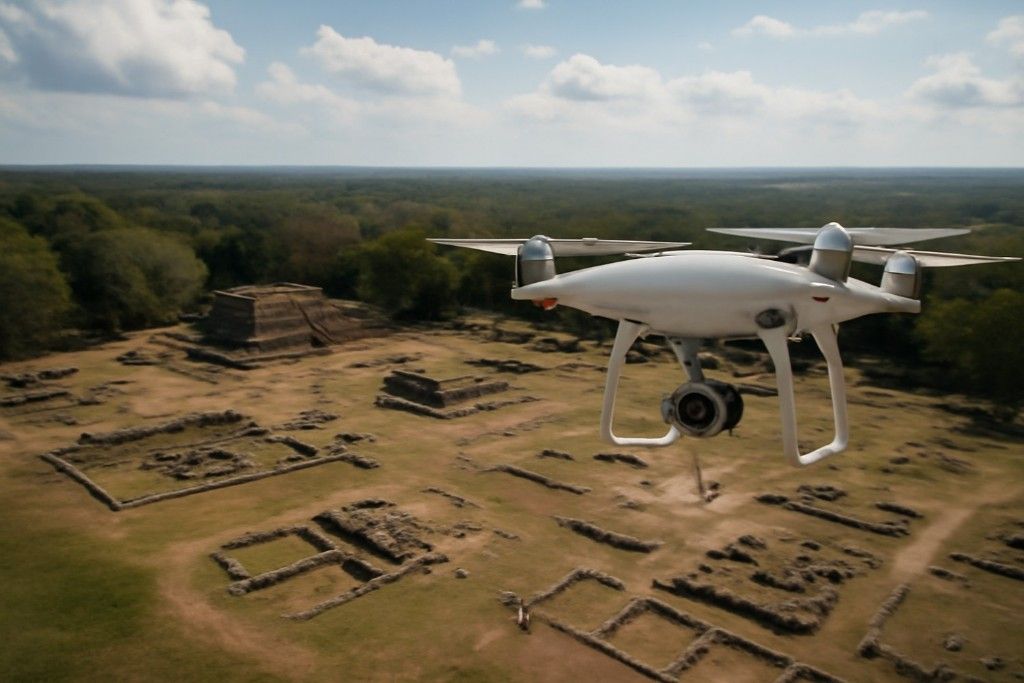
Drones are becoming increasingly popular in archaeological research, offering a bird’s-eye view of excavation sites. Equipped with high-resolution cameras and GPS technology, drones can capture detailed images of large areas quickly and efficiently. These aerial views help archaeologists map out a site’s layout, uncover hidden features, and monitor excavation progress.
Drones have been instrumental in revealing ancient ruins beneath dense forests, like those found in Guatemala’s Maya cities, which were previously hidden from view. The ability to fly over a site and collect data has greatly expanded the scope of archaeological exploration.
8. Archaeological Surveys: Mapping the Past

Surveys are an essential part of archaeology, as they help locate sites of interest before excavation begins. These surveys involve systematically walking over a landscape to identify surface artifacts, features, and structures. By mapping out these finds, archaeologists can pinpoint areas to focus on for future excavation.
For example, the survey of the Nile Valley has uncovered numerous ancient settlements and burial sites, contributing to our understanding of Egypt’s ancient civilization. Archaeological surveys combine fieldwork with advanced technology like geophysical tools to identify subsurface features that would otherwise remain hidden.
9. Paleoethnobotany: The Study of Ancient Plants
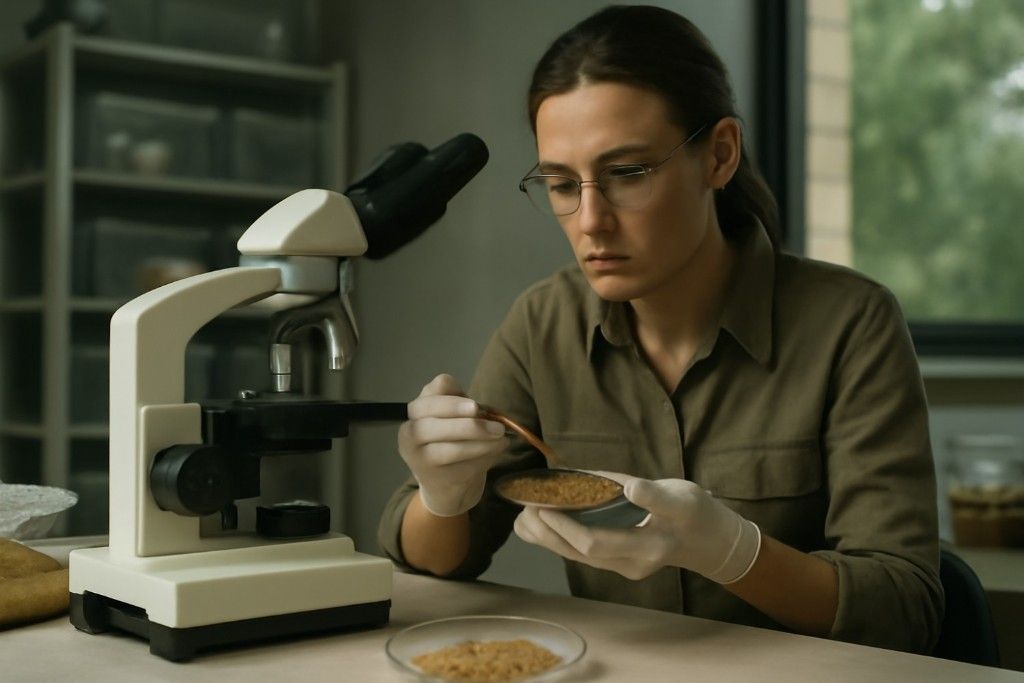
Paleoethnobotany is the study of plant remains from archaeological sites, shedding light on ancient diets, agriculture, and environmental changes. By analyzing seeds, pollen, and plant fibers, researchers can understand what crops were grown, how they were used, and how they shaped human societies.
For example, the discovery of ancient wheat seeds in Mesopotamia revealed the origins of early agriculture and its importance in developing settled communities. Paleoethnobotany helps archaeologists reconstruct ancient environments and examine how humans adapted to their surroundings by exploiting local flora for food, medicine, and materials.
10. Archaeological GIS: Mapping the Past Digitally

Geographic Information Systems (GIS) is a digital tool that has revolutionized archaeological mapping and analysis. GIS allows archaeologists to create detailed, interactive maps of excavation sites, integrating spatial data with environmental and historical context. This technology is invaluable in understanding patterns of settlement, trade routes, and ancient landscapes.
The ancient city of Rome has been mapped extensively using GIS, helping researchers visualize how the city grew and evolved over centuries. By integrating various data layers, GIS helps archaeologists better understand the relationship between people and their environment.
11. Underwater Archaeology: Exploring Sunken Worlds
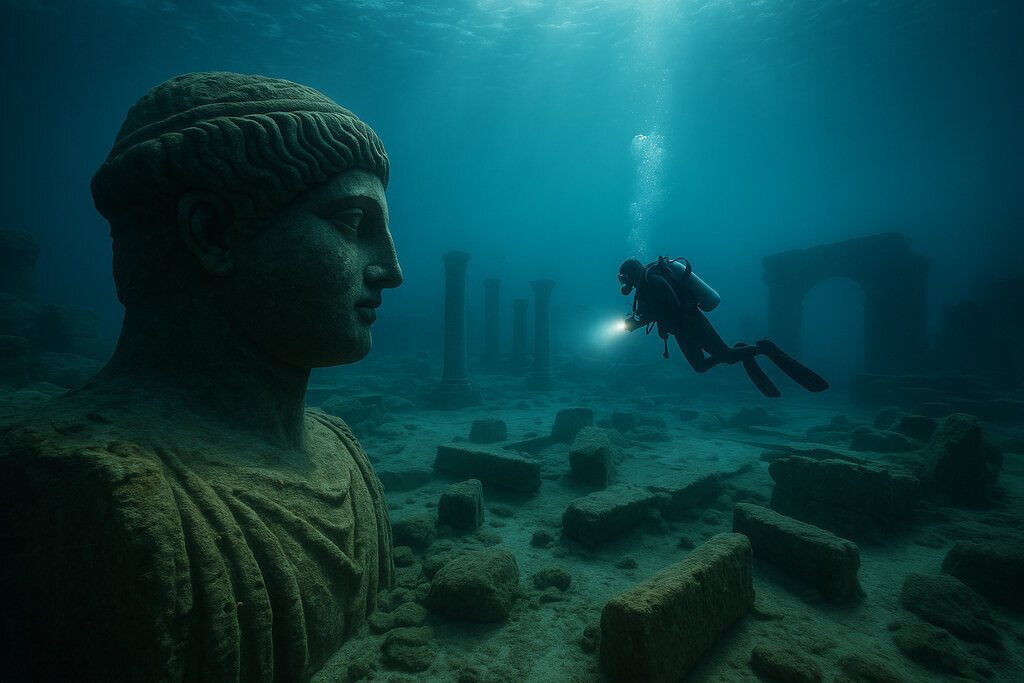
Underwater archaeology focuses on the exploration of submerged sites, such as shipwrecks, harbors, and sunken cities. This branch of archaeology often involves specialized techniques like diving, sonar mapping, and submersibles to explore the deep.
One of the most famous underwater excavations is the discovery of the Antikythera mechanism, an ancient Greek analog computer found in a shipwreck off the coast of the Greek island of Antikythera. Underwater archaeology reveals unique artifacts and structures that cannot be found on land, offering a glimpse into the maritime history of past civilizations.
12. The Study of Ancient Architecture
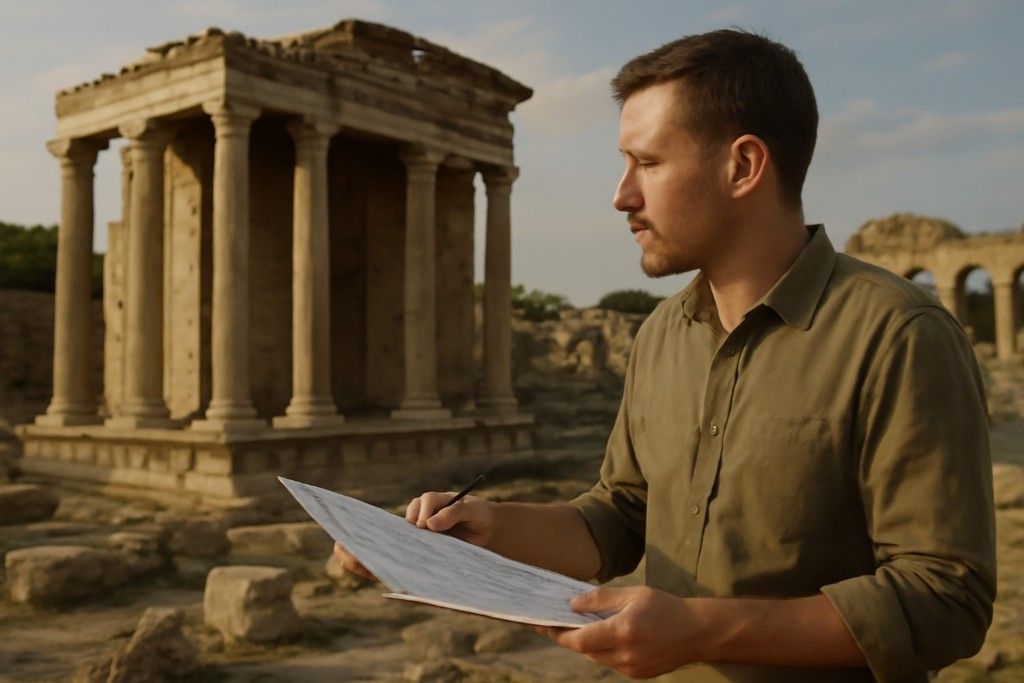
Ancient architecture is a key area of focus in archaeology, providing insights into the social, cultural, and technological advancements of past civilizations. Archaeologists study the design, construction methods, and materials used in ancient buildings to understand the values and priorities of their creators.
The Great Pyramids of Giza, for instance, reveal advanced engineering techniques and a strong belief in the afterlife. In contrast, the Colosseum in Rome exemplifies Roman innovations in entertainment and crowd control. Through careful study of ancient buildings, archaeologists can piece together the grandeur and complexity of ancient urban planning and engineering.
13. Experimental Archaeology: Recreating the Past
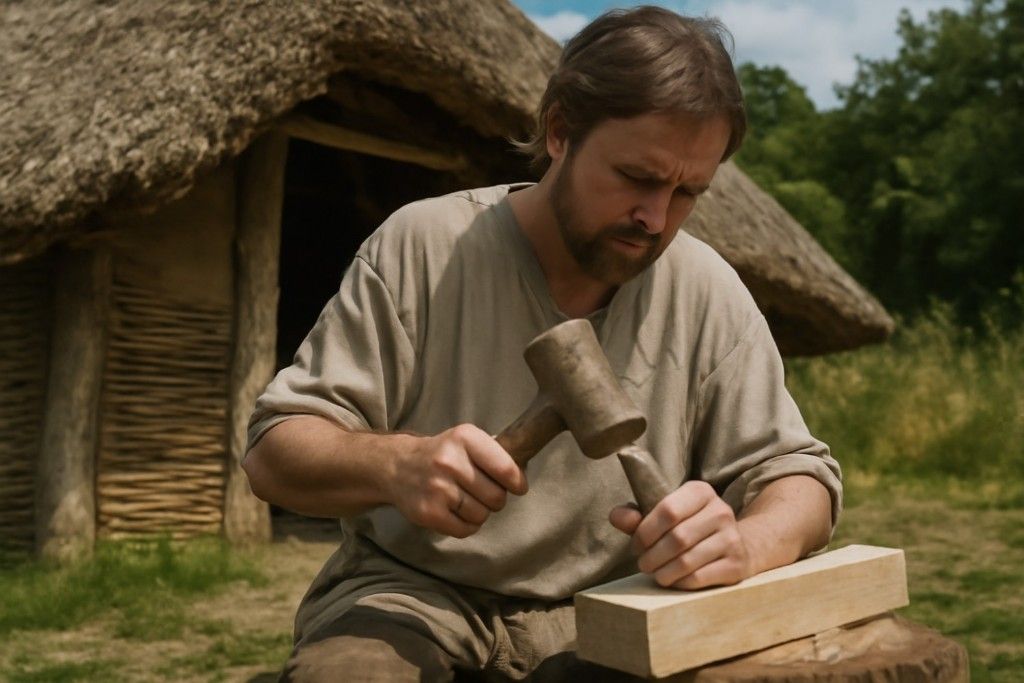
Experimental archaeology is the practice of recreating ancient tools, techniques, and structures to better understand how they were made and used. By engaging in hands-on experiments, archaeologists can test hypotheses about ancient technologies.
For example, building a replica of a Neolithic longhouse allows researchers to assess the practicality of its design and construction methods. Experimental archaeology provides valuable insights into the daily lives of past peoples and helps fill in gaps in our understanding of ancient technologies, such as metalworking, pottery-making, and tool crafting.
14. The Role of Ancient DNA in Archaeology
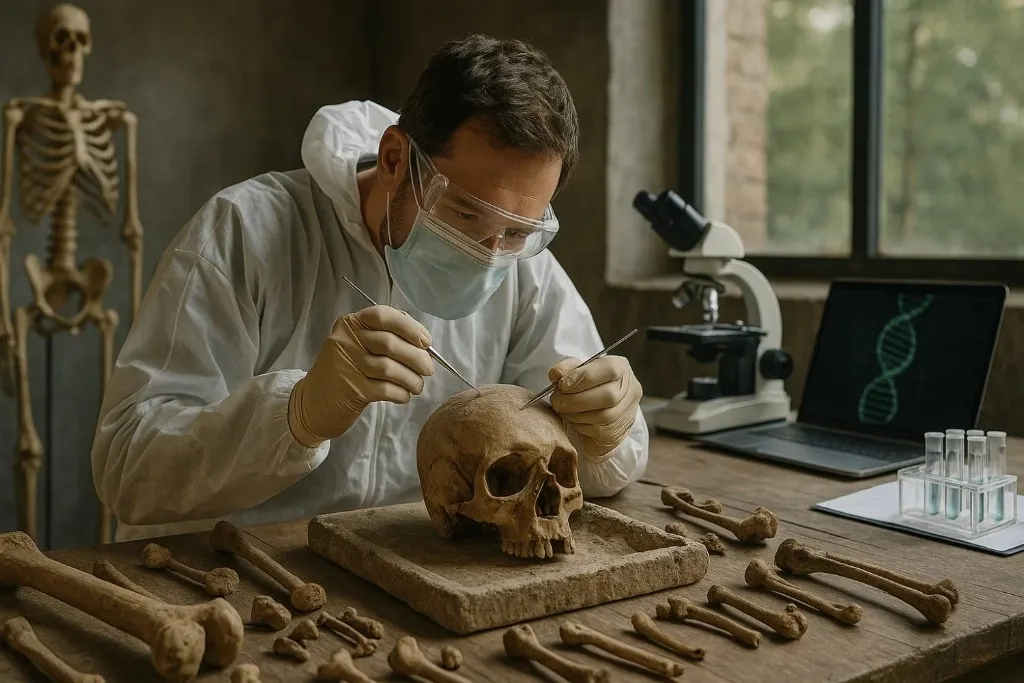
Ancient DNA (aDNA) analysis has revolutionized the study of human prehistory. By extracting genetic material from ancient bones, teeth, or hair, researchers can trace the migration patterns of early human populations and their interactions with other species.
The sequencing of Neanderthal DNA, for instance, revealed that modern humans share a small percentage of their genetic material with this extinct species. aDNA also provides insights into ancient diseases, health conditions, and even cultural practices like burial rituals. As DNA technology advances, it is offering a deeper, more precise look at human history.
15. Archaeometallurgy: The Study of Ancient Metals
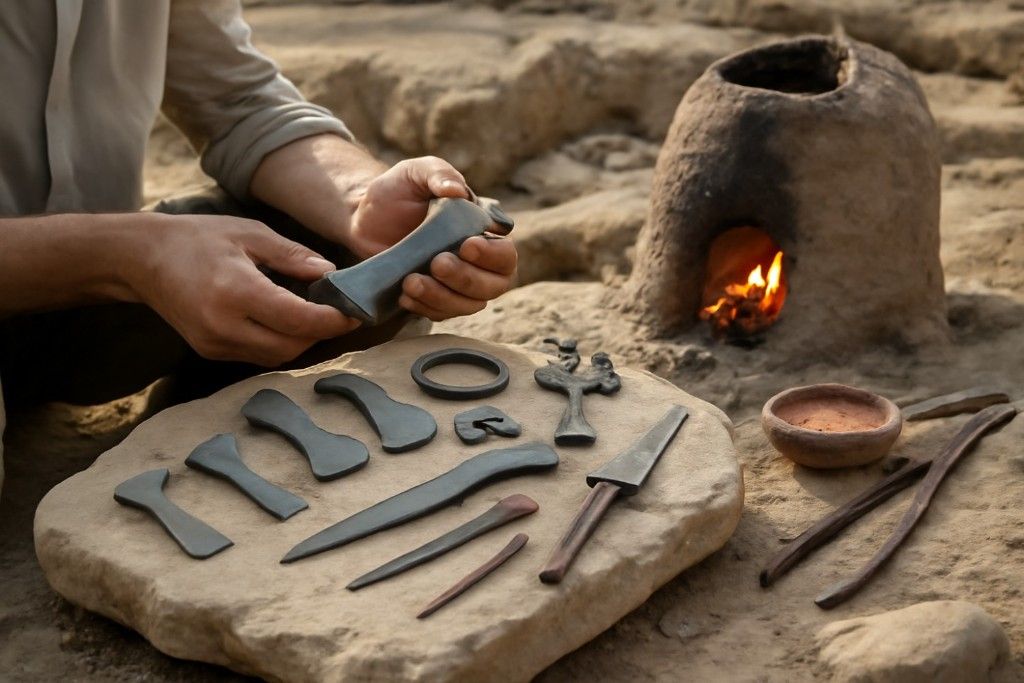
Archaeometallurgy focuses on the study of ancient metals and their use in tools, weapons, and art. By examining metal artifacts and the traces of metalworking found at excavation sites, archaeologists can understand the technological advances of past cultures.
The analysis of bronze tools from the ancient Near East, for example, reveals the development of metallurgy, which marked a significant leap in human craftsmanship. Archaeometallurgy also investigates ancient smelting processes, allowing researchers to reconstruct the techniques used to extract metals from ores, as well as the trade networks that facilitated the distribution of metals.
16. Cultural Heritage Preservation: Protecting the Past
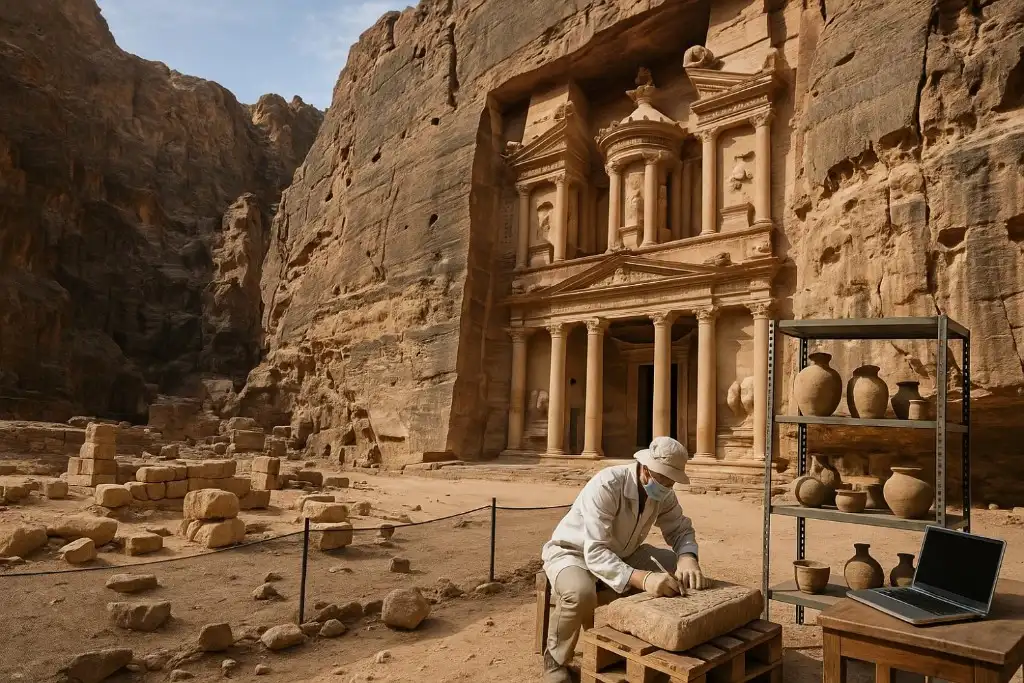
Cultural heritage preservation is a crucial aspect of archaeology, ensuring that important artifacts, structures, and traditions are safeguarded for future generations. Preservation methods include climate-controlled storage, careful restoration, and digital archiving of fragile materials.
The preservation of the ancient city of Petra in Jordan, for instance, involves careful monitoring of environmental factors that may erode the rock-cut architecture. As archaeological sites face threats from urban development, climate change, and looting, cultural heritage preservation helps maintain the integrity of humanity’s shared history.
17. The Ethics of Archaeology: Respecting the Past
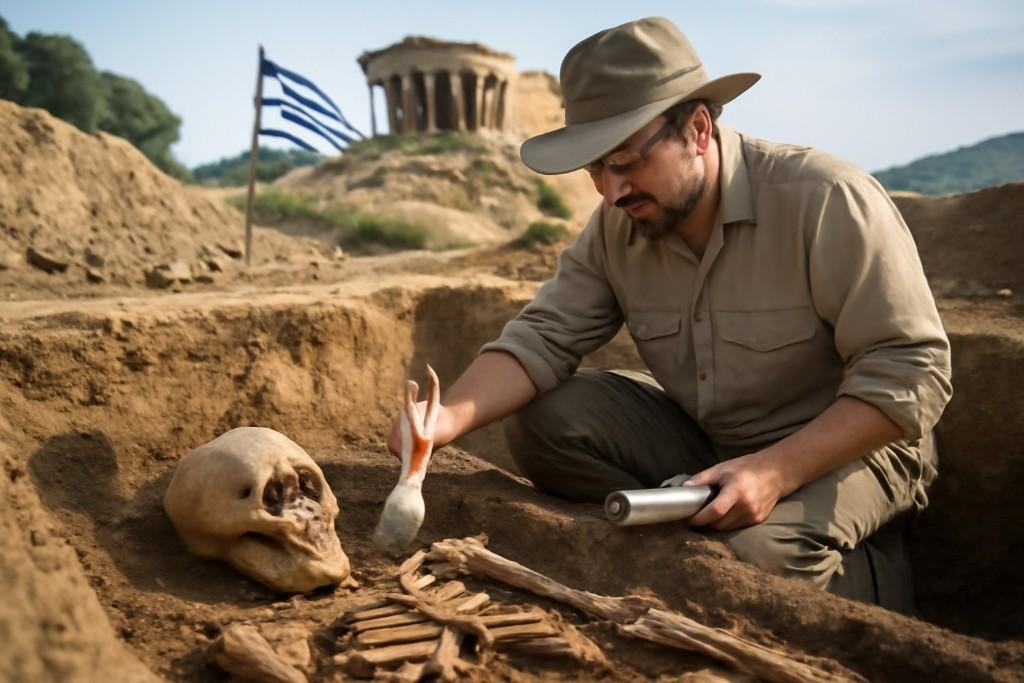
The ethics of archaeology involve questions of ownership, cultural sensitivity, and respect for the communities tied to ancient sites. Modern archaeologists must navigate complex issues, such as repatriating cultural artifacts to indigenous groups or dealing with the remains of ancestors.
For example, the debate over the Elgin Marbles, originally taken from the Parthenon in Greece, highlights the ongoing tension between museum collections and the cultural heritage of the countries they come from. Ethical considerations are vital in ensuring that archaeology contributes positively to both scientific knowledge and cultural understanding.