

Archaeological digs are a fascinating intersection of history, science, and discovery. Every excavation site provides valuable insights into ancient civilizations, revealing the tools, traditions, and environments that shaped human evolution.
The process of excavation is far more than just unearthing artifacts; it involves a careful blend of technology, scientific analysis, and meticulous fieldwork. Understanding the science behind archaeological digs enhances the appreciation of the process, as well as the critical role they play in expanding our understanding of past cultures.
1. The Role of Stratigraphy in Archaeology
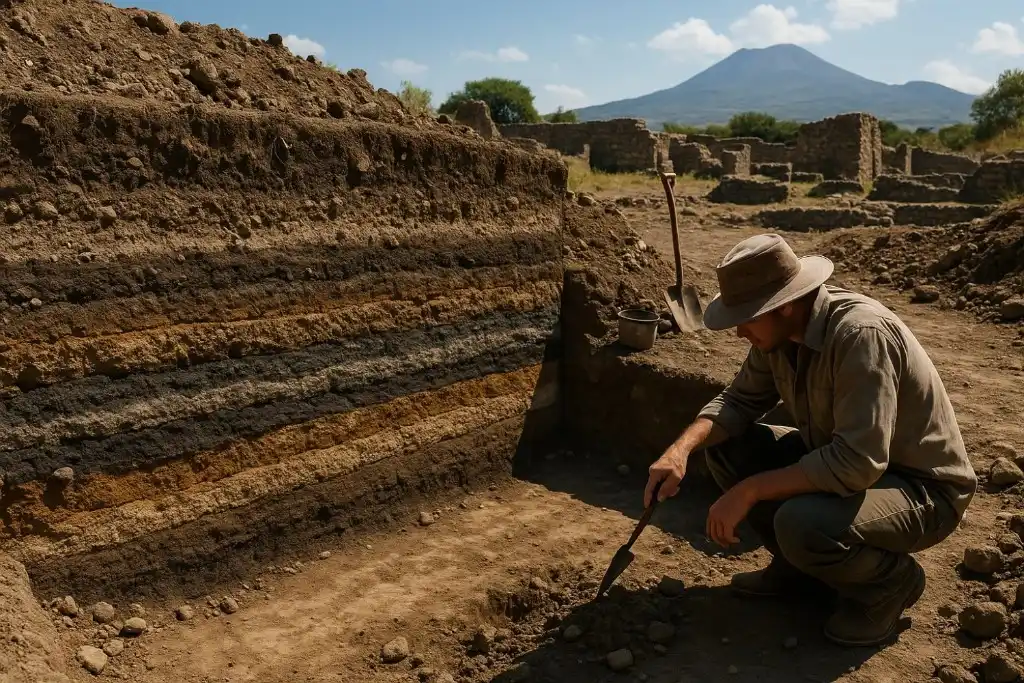
Stratigraphy is the study of rock layers and their sequence. In archaeology, it is used to understand the chronological order of events at a site. By analyzing the layers of soil, archaeologists can determine the relative ages of artifacts and features within those layers.
This technique helps build a timeline of human activity at a site, offering a clearer understanding of how cultures evolved over time. A well-known example is the excavation of Pompeii, where layers of ash preserved the city’s inhabitants and their everyday lives, allowing scientists to study Roman culture in unprecedented detail.
2. Tools of the Trade: Trowels, Brushes, and Beyond
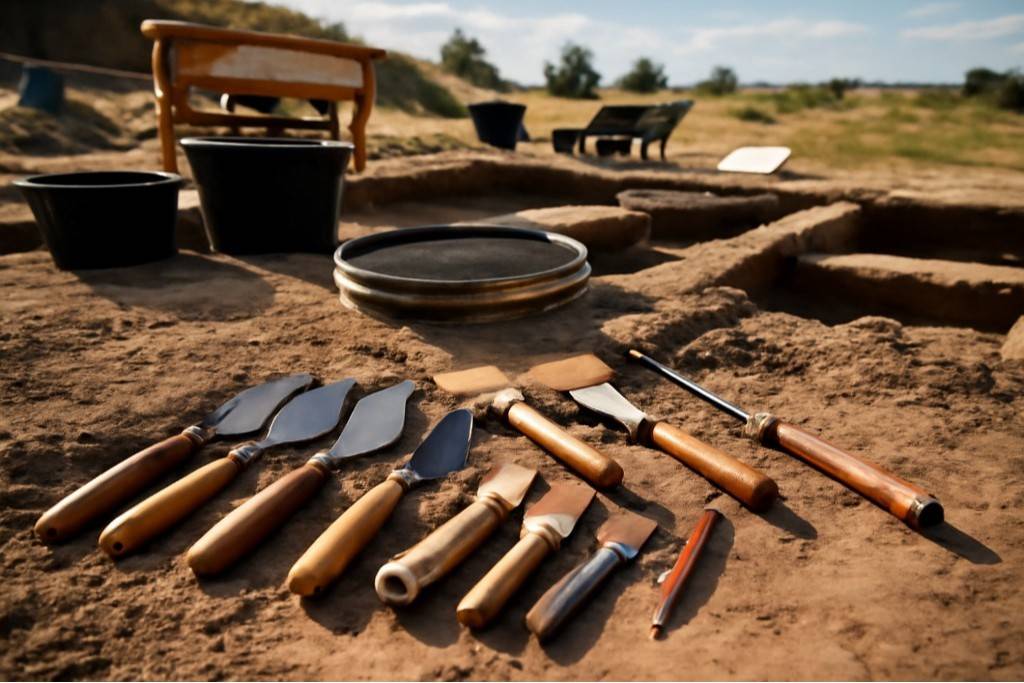
Archaeological tools are specifically designed to prevent damage to delicate artifacts. Trowels, the primary tool used for digging, allow archaeologists to scrape away soil without disturbing underlying materials. Brushes are then used for finer cleaning of surfaces, revealing inscriptions or carvings that might otherwise go unnoticed.
Other specialized tools, such as sieves for sorting dirt and augers for digging core samples, help in gathering a comprehensive view of the site. The precision and care in handling tools are critical to the excavation process, as even the smallest mistake can lead to irreparable damage.
3. The Importance of Dating Methods
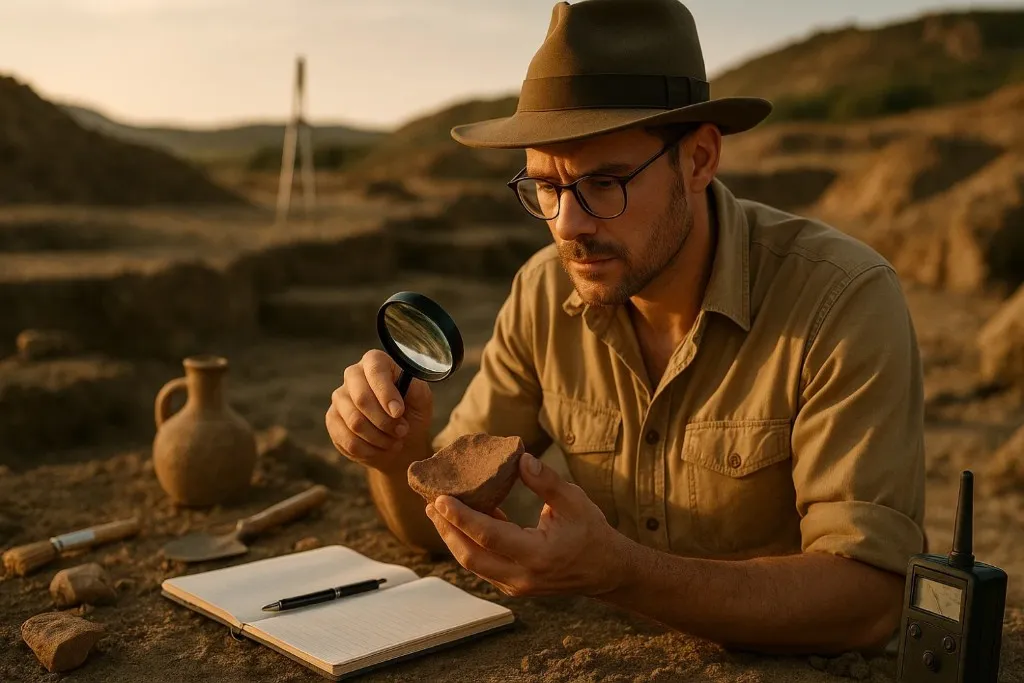
Accurate dating of artifacts is vital for constructing historical timelines. Archaeologists rely on several methods to determine the age of a find, including radiocarbon dating, dendrochronology, and thermoluminescence. Radiocarbon dating measures the decay of carbon isotopes in organic material, while dendrochronology uses tree-ring patterns to establish precise dates.
These methods provide valuable insights into the timeframe in which artifacts were used, offering an important context for understanding past civilizations. For example, carbon dating of the Dead Sea Scrolls has helped pinpoint their creation to around the 2nd century BCE.
4. Excavating in Extreme Environments
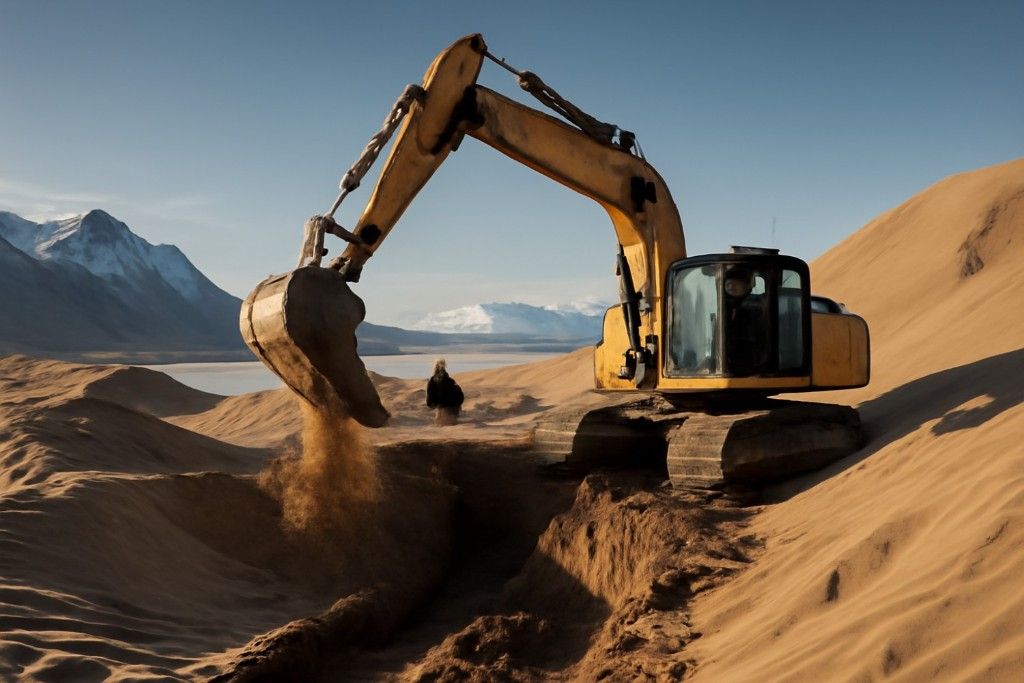
Archaeologists often work in extreme environments, from desert dunes to frozen tundras, each presenting unique challenges. In places like Egypt’s Valley of the Kings, the heat and shifting sands can complicate digs, while in the Arctic, the permafrost preserves remains but makes excavation painstaking. Despite these challenges, extreme environments offer unparalleled insights.
For instance, the preservation of Viking settlements in Greenland has provided invaluable data on Norse culture and migration patterns. Working in these areas requires adaptability, specialized knowledge, and cutting-edge technology to ensure that discoveries are preserved and documented.
5. The Significance of Soil Analysis
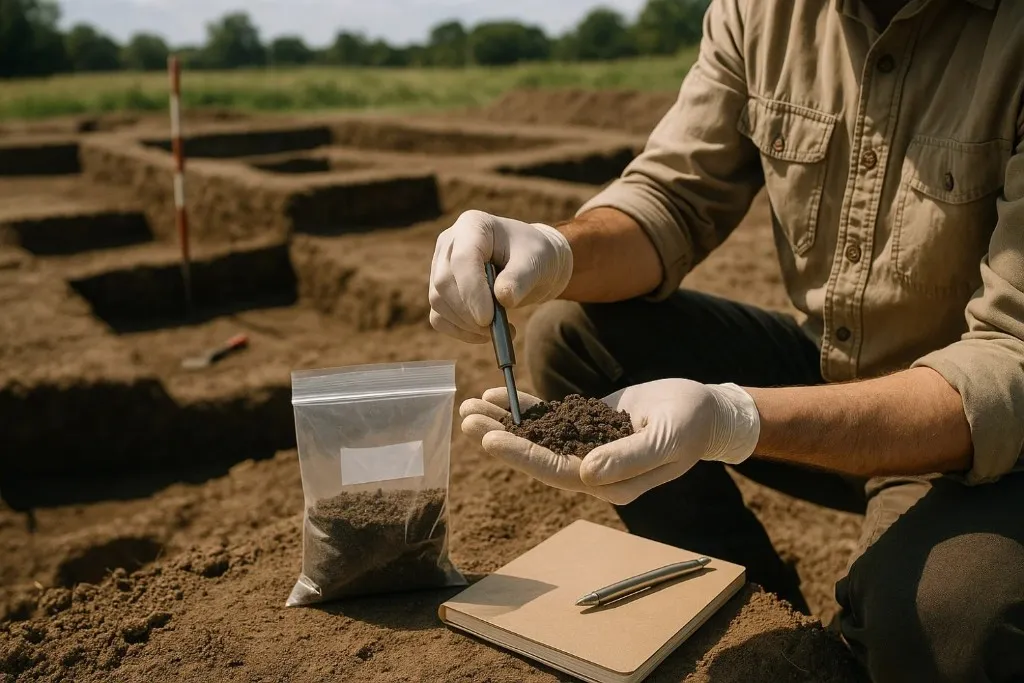
Soil analysis is a fundamental part of archaeological digs. The composition of the soil can provide clues about the environment and the activities that took place at a site. For example, soil samples can reveal evidence of past agricultural practices, animal domestication, or even the use of certain tools.
Soil color, texture, and chemical composition also help identify the presence of artifacts and their origins. At the ancient site of Cahokia, soil analysis played a pivotal role in understanding the complex trade networks that flourished there, indicating interactions between distant regions.
6. The Role of Geoarchaeology in Excavation
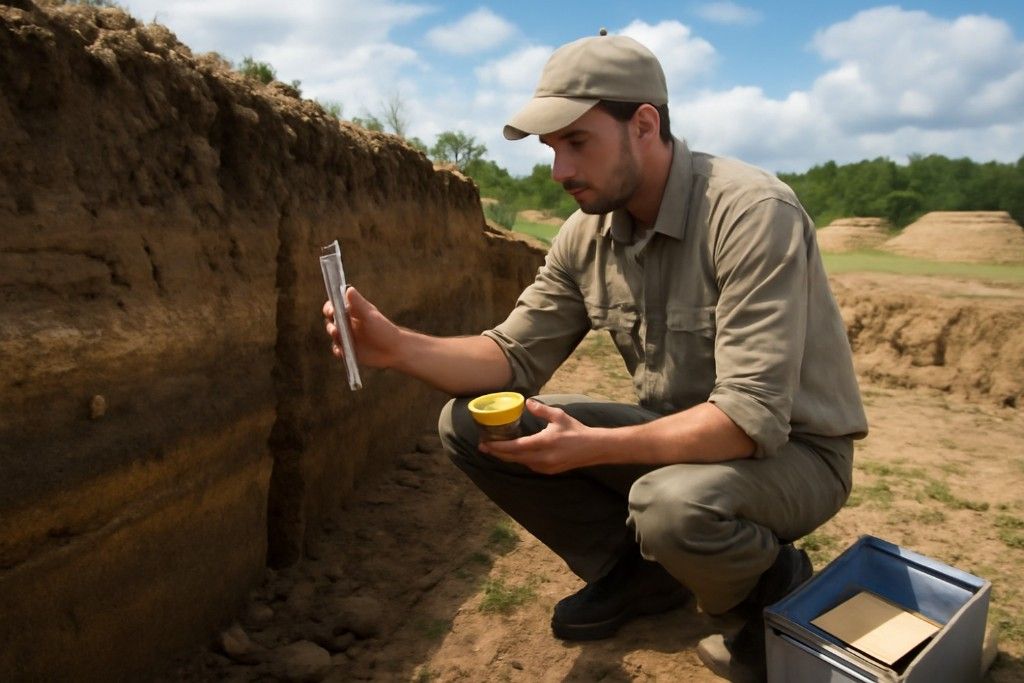
Geoarchaeology is the study of the relationship between geology and archaeology. By analyzing the physical properties of the land, geoarchaeologists can gain insights into past climates, human settlement patterns, and even the causes of ancient disasters.
For example, studying the sediment layers at the site of ancient Mesopotamia has revealed how shifts in river courses influenced urban development. Geoarchaeology also helps archaeologists identify areas likely to contain artifacts or human remains, improving excavation efficiency and reducing the risk of missing important findings.
7. The Value of Remote Sensing Technology
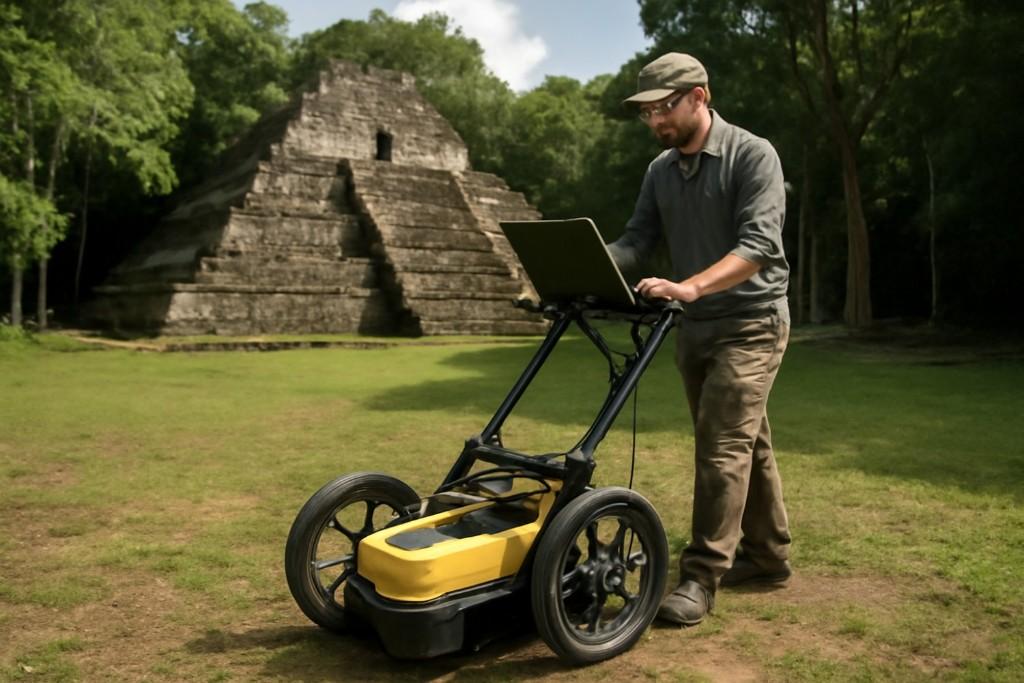
Remote sensing technology, such as ground-penetrating radar (GPR) and LiDAR (Light Detection and Ranging), has revolutionized the way archaeologists survey sites. These tools allow for the non-invasive detection of buried structures, artifacts, or other features, often before any physical digging occurs.
For example, LiDAR was instrumental in uncovering hidden Maya cities in the dense jungles of Central America, offering a glimpse into a once-thriving civilization. By combining these technologies with traditional excavation methods, archaeologists can gather a wealth of information while preserving the integrity of the site.
8. The Study of Ancient Human Remains
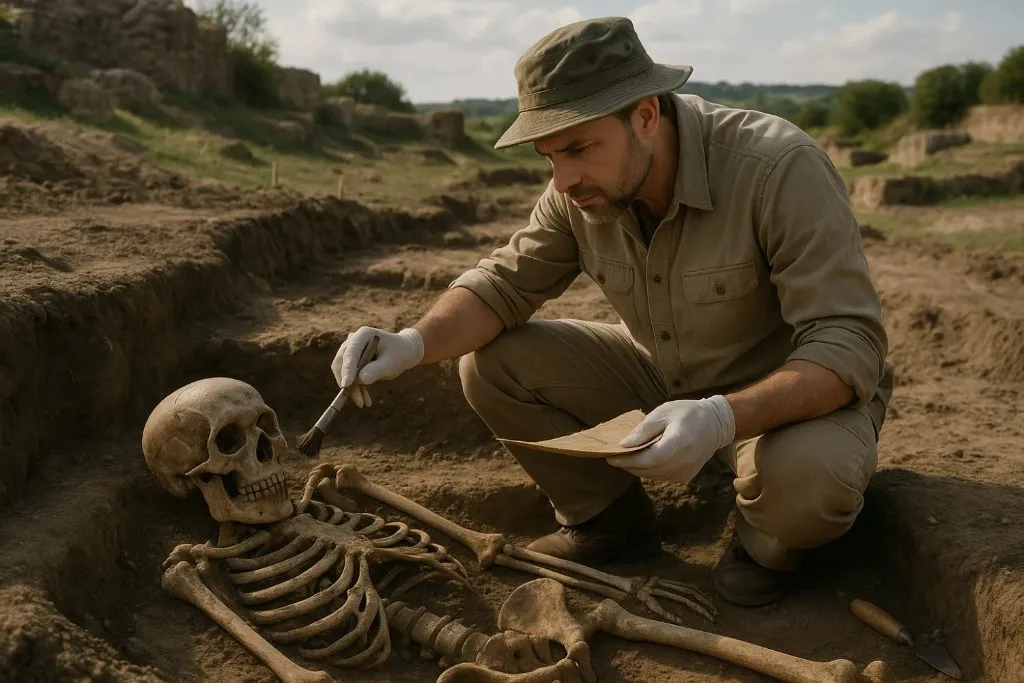
Human remains provide some of the most direct evidence of past societies, shedding light on health, lifestyle, and cultural practices. Excavating burial sites reveals information about ancient rituals, social structures, and daily life. For example, the excavation of Neanderthal remains in Europe has helped scientists understand the physical characteristics and behaviors of early humans.
Osteoarcheology, the study of bones, allows researchers to determine causes of death, age, diet, and even mobility patterns. Advances in DNA analysis also offer insights into ancient genetics, migration, and relationships between different human groups.
9. The Role of Preservation in Archaeological Digs
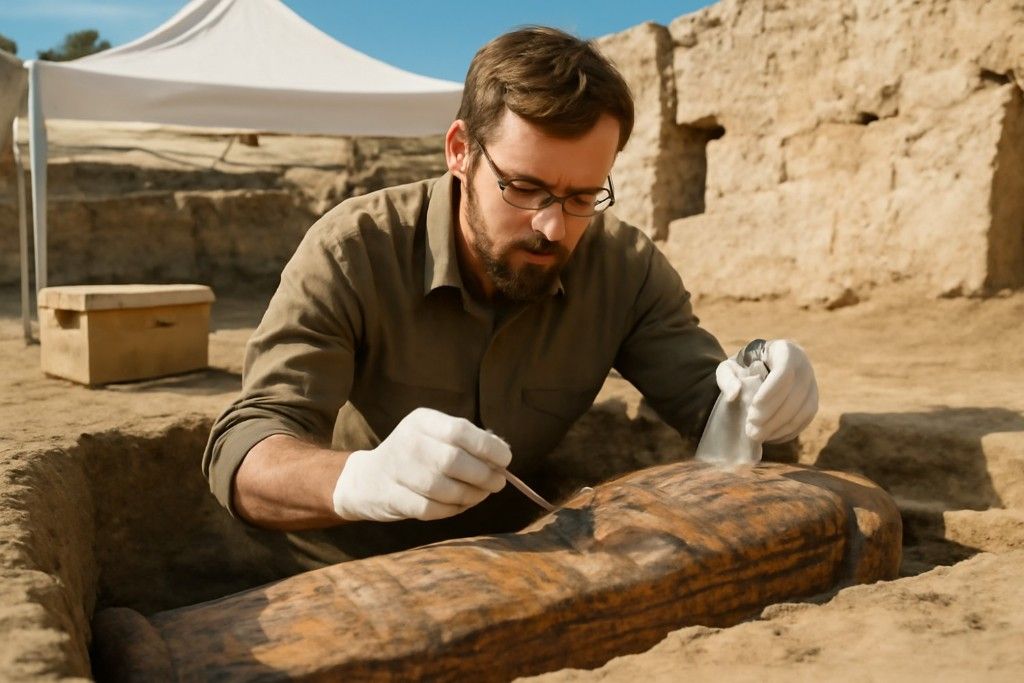
Preservation is crucial to maintaining the integrity of artifacts and structures uncovered during excavation. Environmental factors such as temperature, humidity, and exposure to light can degrade materials over time, making careful preservation essential. In some cases, artifacts are preserved in situ, meaning they are left in place and protected during excavation.
For fragile items, like textiles or wood, specialists may use advanced techniques such as freeze-drying or chemical treatments. The preservation of Tutankhamun’s tomb, for instance, has allowed for ongoing study and understanding of Ancient Egyptian burial practices.
10. The Study of Ancient Artifacts
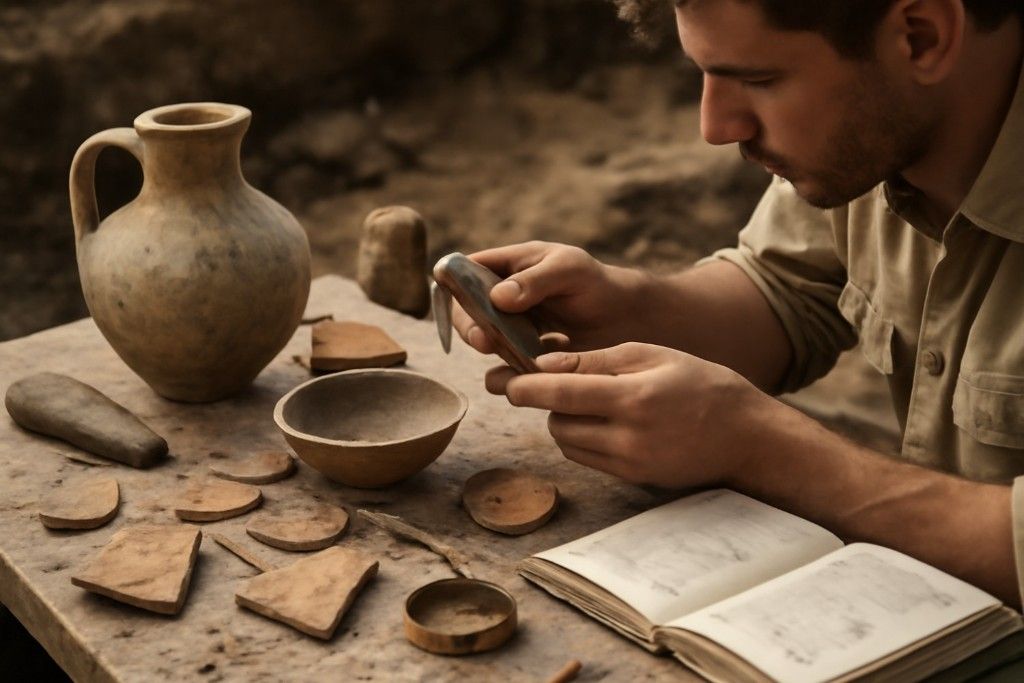
Artifacts, such as pottery, tools, and jewelry, offer a glimpse into the everyday lives of past societies. Through detailed analysis, archaeologists can determine their function, origin, and significance. The pottery shards discovered at the ancient city of Troy, for example, have been key to understanding trade patterns and cultural exchanges in the Aegean region.
Artifacts also provide clues about technological advancements, artistic expression, and social hierarchies. By studying how artifacts were made and used, archaeologists can reconstruct ancient economies, technologies, and even social structures.
11. The Impact of Archaeobotany
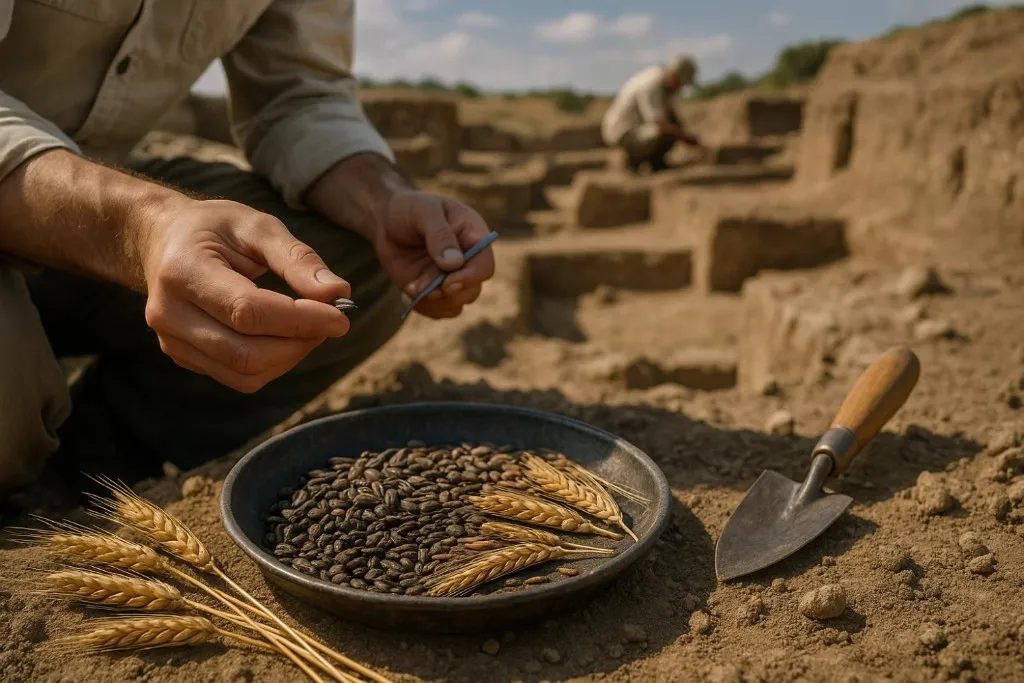
Archaeobotanical, the study of ancient plant remains, is essential for understanding past diets, agriculture, and ecological conditions. Plant remains found at excavation sites can provide evidence of domesticated crops, cooking methods, and trade.
For instance, the discovery of wheat and barley remains in ancient Mesopotamian cities shows the region’s reliance on these grains, which were key to its economy. Additionally, studying ancient pollen and seeds helps archaeologists reconstruct past climates and environmental changes, offering valuable insights into the relationship between humans and the natural world.
12. The Science of Bioarchaeology
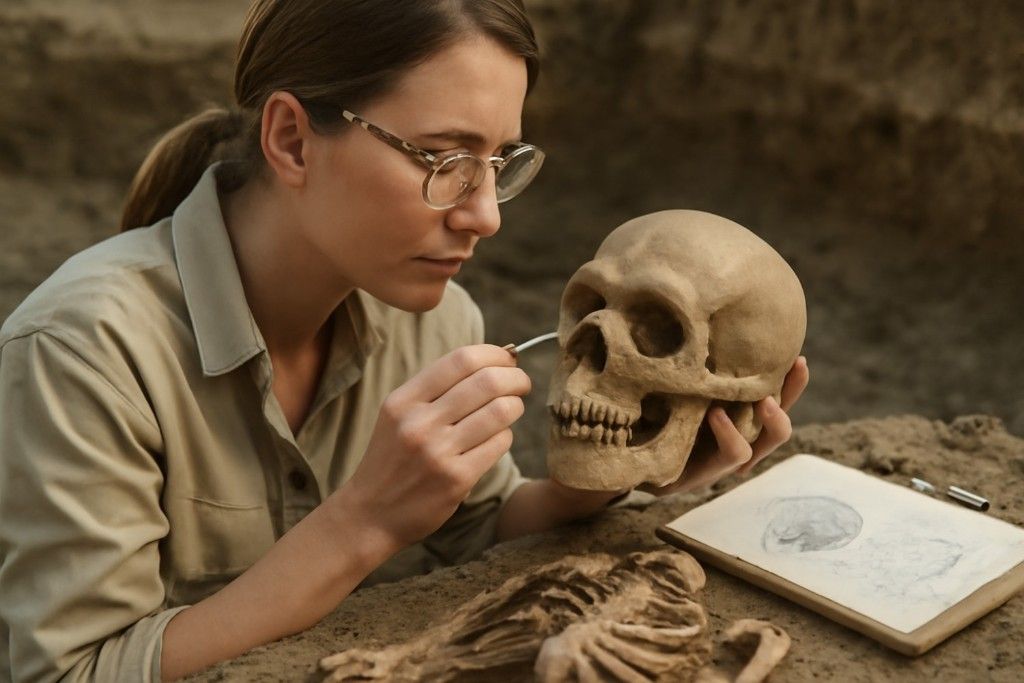
Bioarchaeology examines the relationship between humans and their environment by studying remains such as bones, teeth, and plant material. This field has helped uncover how ancient populations adapted to their surroundings.
For example, bioarchaeology analysis of teeth from Ancient Egypt has revealed dietary shifts over time, such as the introduction of grains and the decline of hunting. This research also provides information on migration patterns, social health, and even individual life experiences, shedding light on the diverse ways humans lived and interacted with their environments.
13. The Role of Conservation in Artifacts Handling
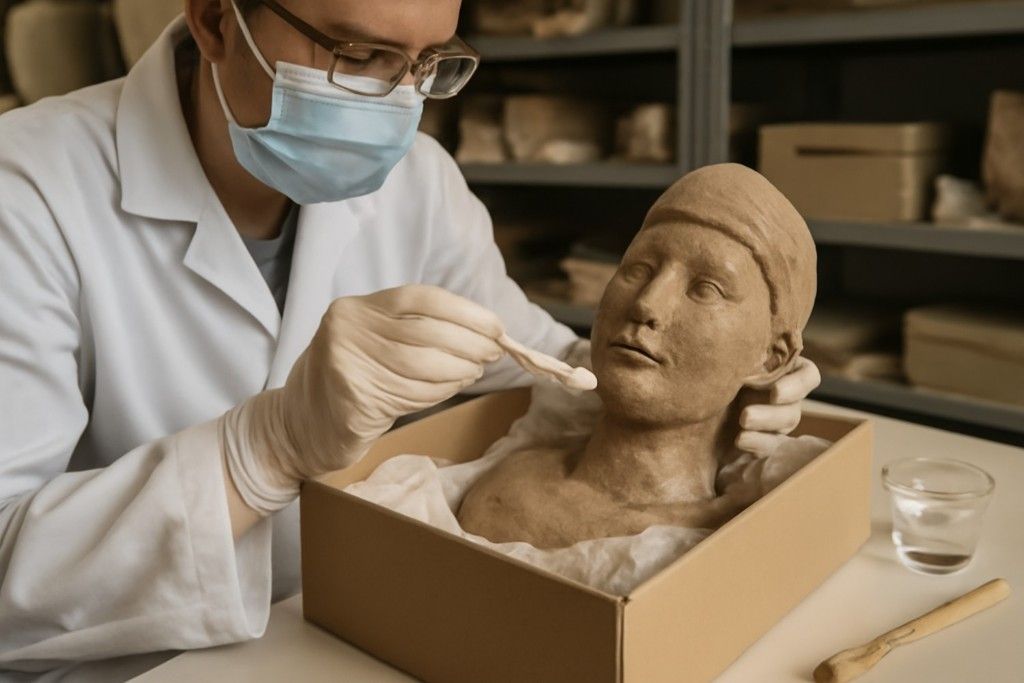
Handling and conserving artifacts found during archaeological digs require specialized skills. Proper documentation, cleaning, and storage are essential to avoid damage. Artifacts are often fragile and can deteriorate when exposed to air or light. Conservation scientists apply various techniques to preserve these items for future study and display.
For example, the conservation of the Terracotta Army in China has involved careful cleaning and restoration, preserving thousands of clay soldiers for generations to come. The goal of conservation is not only to protect but also to allow for ongoing research and educational opportunities.
14. The Challenges of Underwater Archaeology
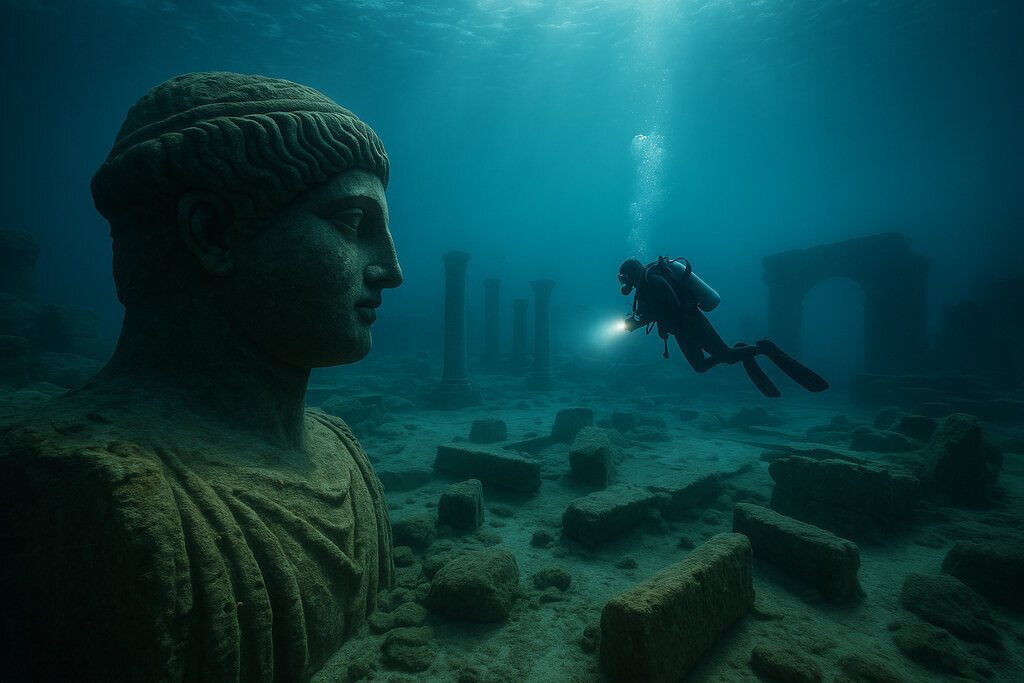
Underwater archaeology presents unique challenges, such as working in submerged environments and recovering items that have been in contact with water for centuries. Sites like shipwrecks or sunken cities require divers and submersibles to access and excavate, using specialized equipment.
The excavation of the Titanic wreck site, for instance, revealed numerous artifacts that have offered insights into early 20th-century life. Preservation under water can also create unique conditions, as items like wood and metal may be better preserved due to the absence of oxygen. Underwater archaeology opens up an entire field of study that links history with marine science.
15. The Evolution of Archaeological Methods
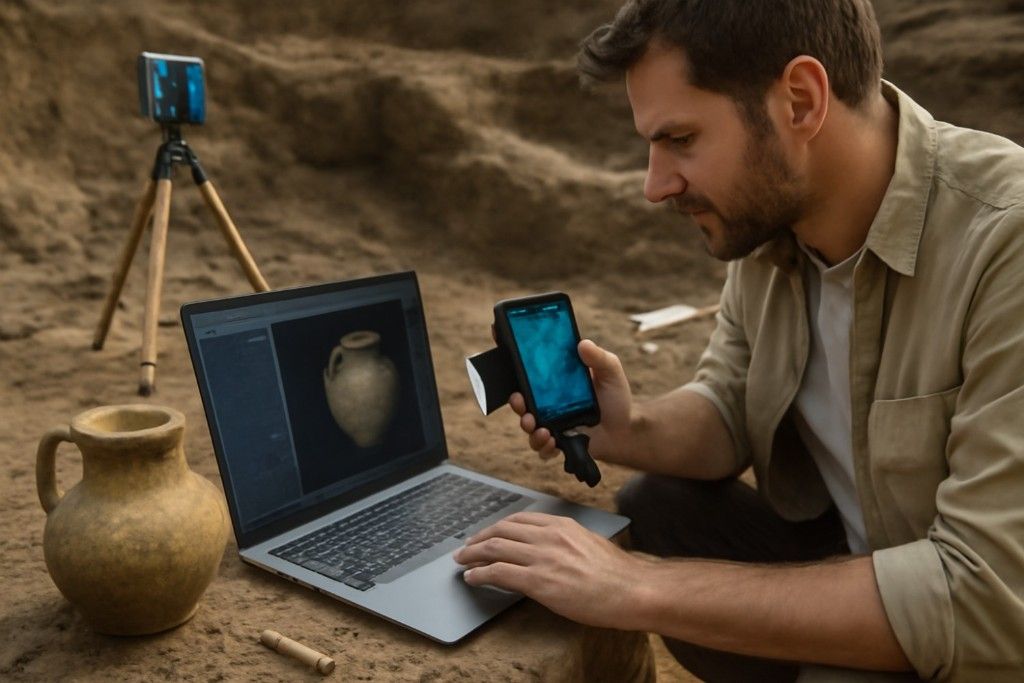
The science of archaeology has evolved dramatically over the years, with technological advancements enabling more accurate and efficient excavations. Early excavations were often crude, relying on basic tools and methods, while modern digs use sophisticated technologies like 3D scanning, laser mapping, and DNA analysis.
These innovations have allowed archaeologists to uncover more data than ever before. For example, the use of 3D modeling has helped recreate ancient structures, offering a virtual glimpse into the past. These advancements continually enhance the field, providing new ways to explore and understand the depths of human history.