
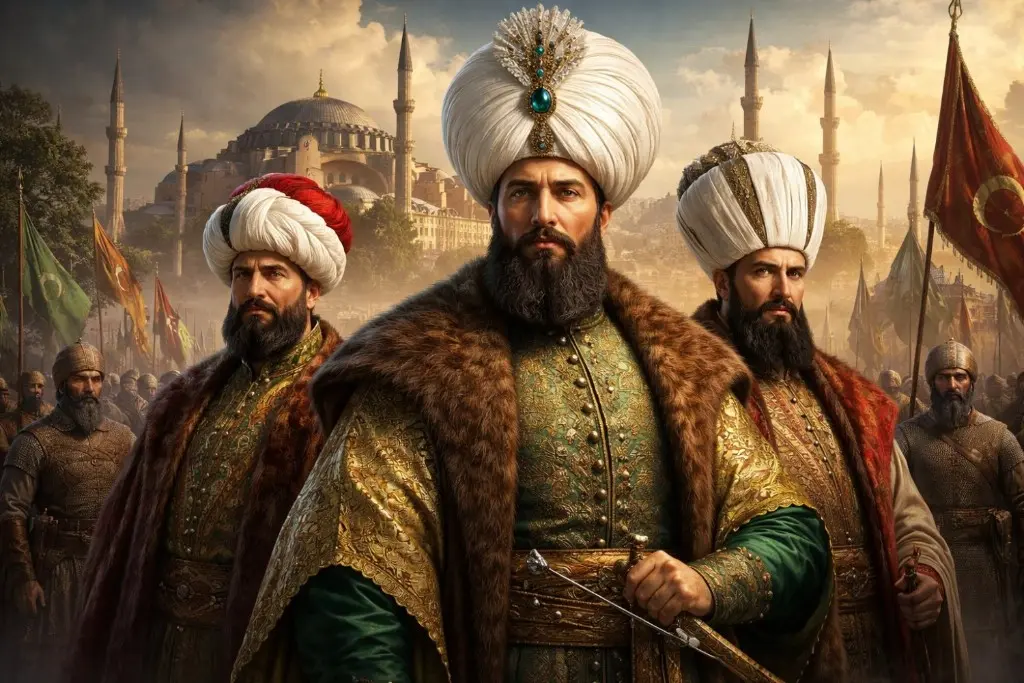
The Ottoman Empire, one of the longest-lasting empires in history, spanned over 600 years and had a profound impact on world history. At the helm of this grand empire were the sultans, who not only governed vast territories but also shaped the cultural, political, and military landscape of the time.
The Ottoman Empire Sultan list chronicles the rulers who led the empire from its early beginnings in the 13th century to its eventual dissolution in the 20th century. This article explores the key figures on the Ottoman Empire Sultan list, offering insights into their reigns and legacies.
1. Osman I (1299-1326)
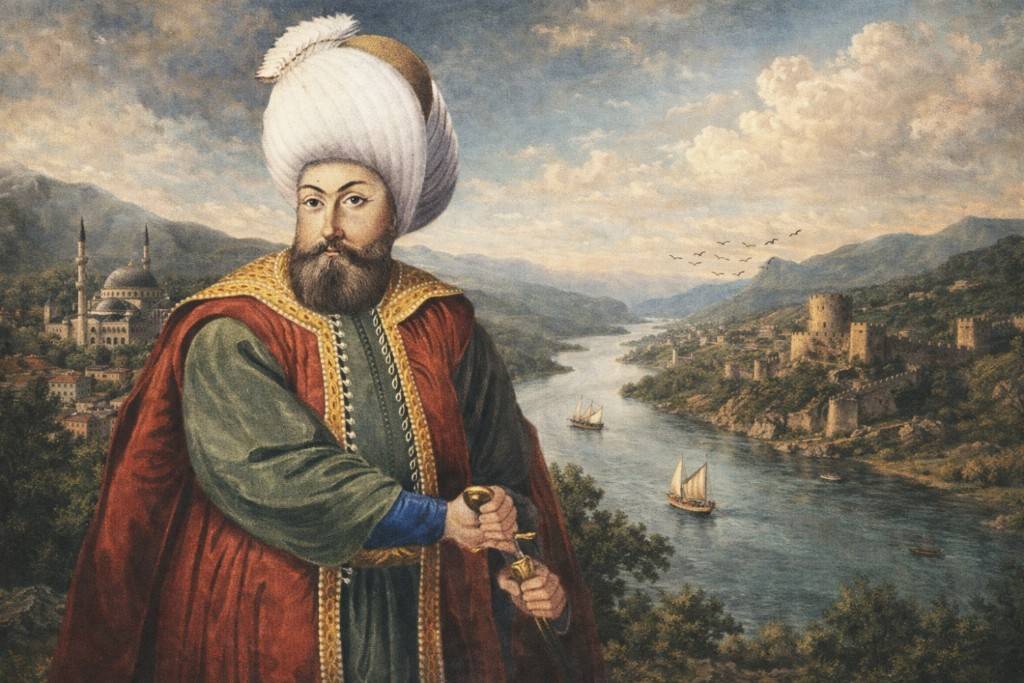
Osman I, the founder of the Ottoman Empire, begins the Ottoman Empire Sultan list. His leadership and strategic vision set the foundation for the empire’s rise. Osman led successful campaigns that helped establish Ottoman control over Anatolia, culminating in the creation of the Ottoman state. His name became synonymous with the empire itself, as “Ottoman” derives from Osman.
His rule is remembered for uniting disparate tribes under one banner and setting the stage for the empire’s expansion, both militarily and culturally. Osman’s influence continued to echo through the reigns of his successors, making him a central figure on the Ottoman Empire Sultan list.
2. Orhan I (1326-1362)
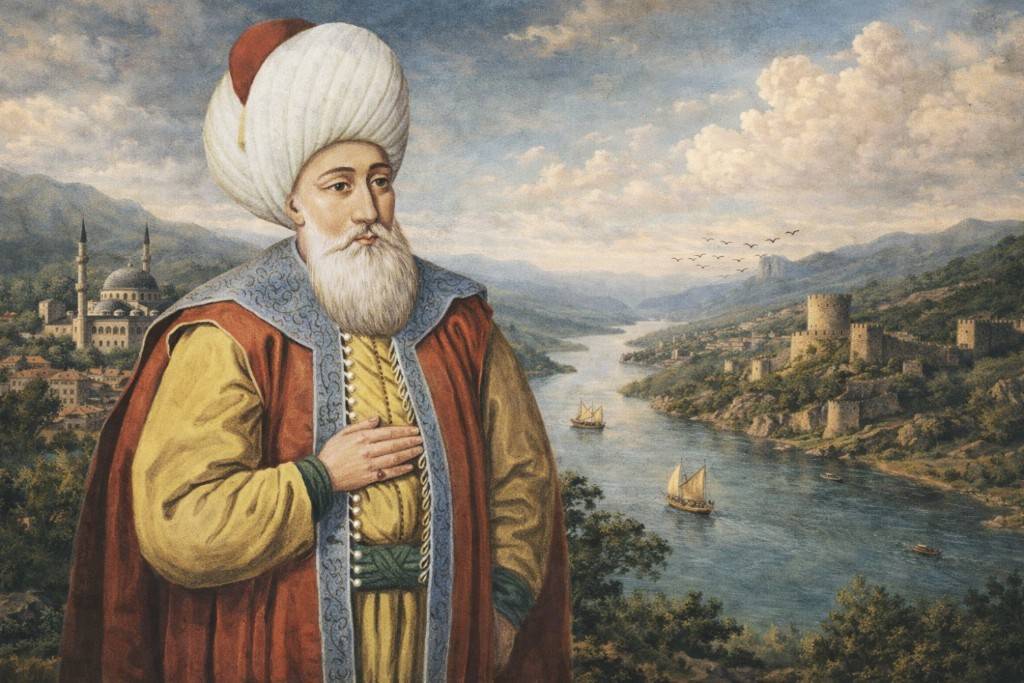
Orhan I, the son of Osman I, was the second sultan in the Ottoman Empire Sultan list. His reign marked a significant expansion of the empire, both geographically and institutionally. Orhan moved the capital from Söğüt to Bursa, establishing it as the new heart of the empire. He introduced the Janissary corps, a military force that would become central to Ottoman military success.
Orhan’s efforts in consolidating power and solidifying Ottoman rule in Anatolia paved the way for future conquests into Europe, ensuring the empire’s strength for generations. His reign was a pivotal period in Ottoman history, securing his place on the Ottoman Empire Sultan list.
3. Murad I (1362-1389)
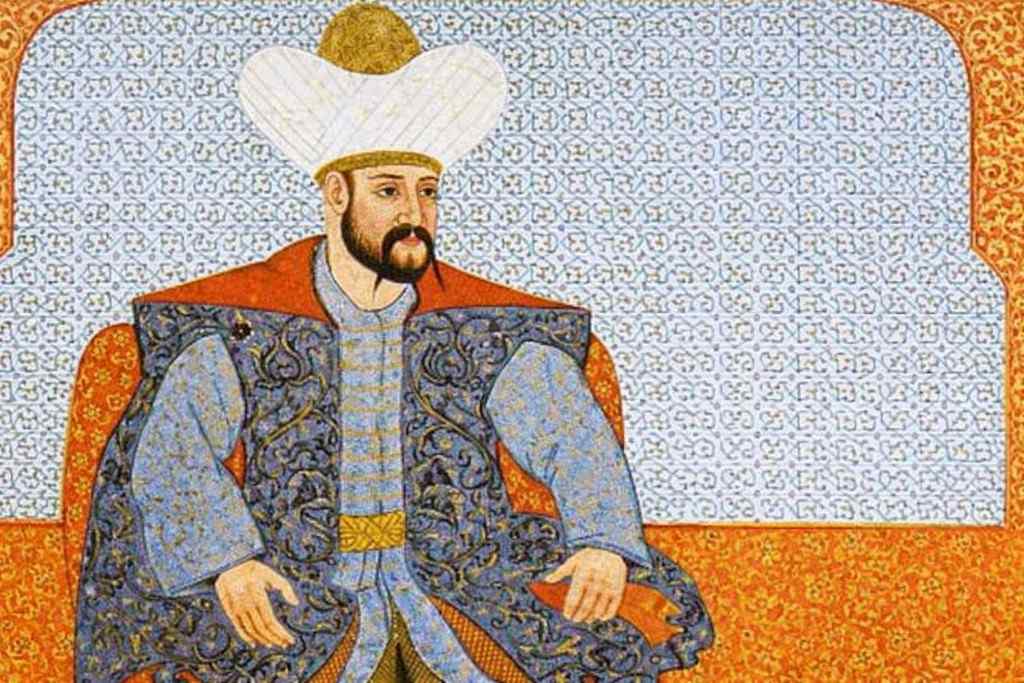
Murad I played a crucial role in the Ottoman Empire’s sultanate by expanding Ottoman rule into the Balkans. His reign witnessed the pivotal Battle of Kosovo in 1389, which secured Ottoman control over much of southeastern Europe. Murad I was a skilled military commander who implemented reforms to strengthen the empire’s army, notably institutionalizing the Janissary corps.
His leadership solidified the Ottomans’ hold over the region, and his military successes laid the foundation for further Ottoman dominance in Europe. Murad I’s influence extended beyond his military campaigns, contributing significantly to the empire’s political and administrative structure during his reign.
4. Bayezid I (1389-1402)
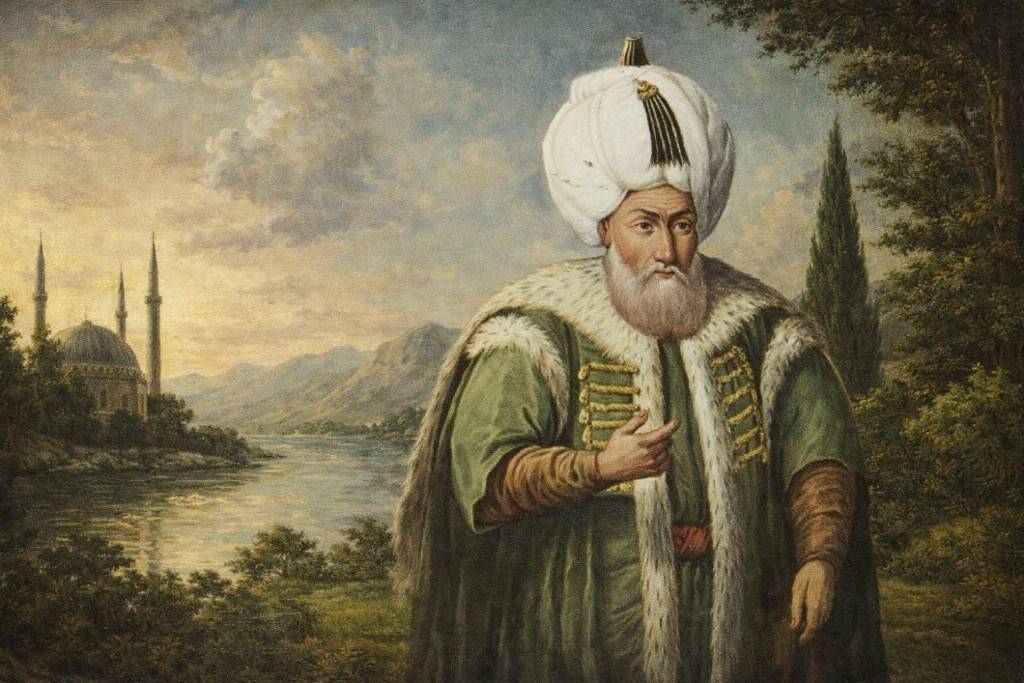
Bayezid I, also known as “The Thunderbolt,” was a dynamic leader of the Ottoman Empire. His reign is defined by rapid military expansion, particularly in Europe and Anatolia. Bayezid I is best remembered for his aggressive campaigns, including the siege of Constantinople and the Battle of Nicopolis.
However, his reign ended tragically after his defeat at the Battle of Ankara in 1402 by Timur (Tamerlane). This setback temporarily weakened the empire, but Bayezid’s legacy in military reforms and territorial expansion earned him a lasting place in the Ottoman Empire Sultan list as a significant figure in Ottoman history.
5. Mehmed I (1413-1421)
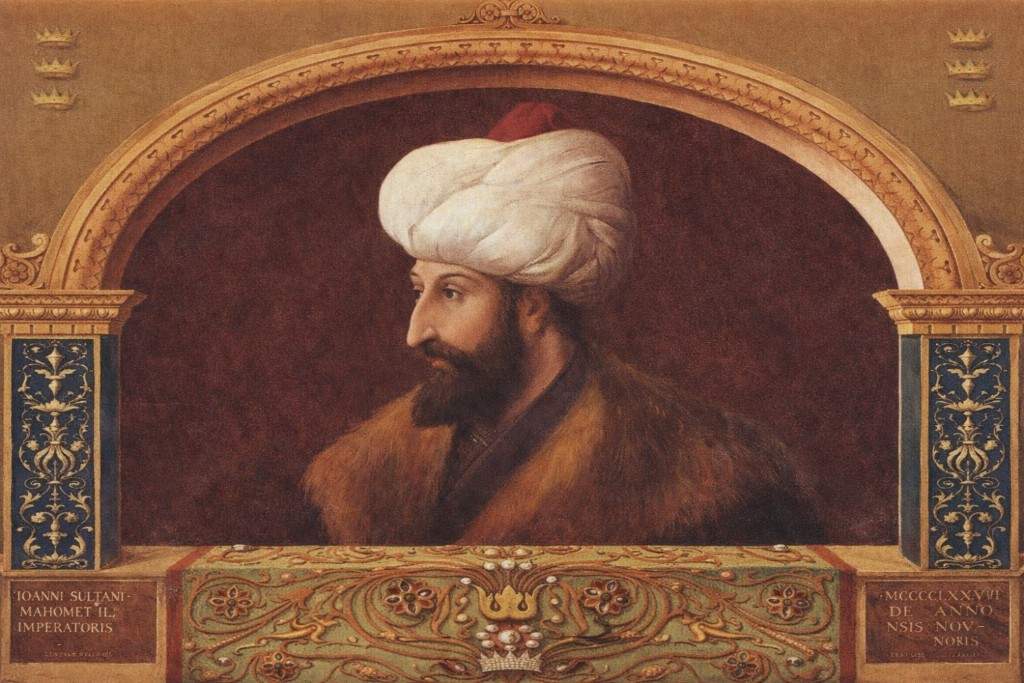
After the interregnum caused by the civil war following Bayezid I’s defeat, Mehmed I restored stability to the Ottoman Empire’s Sultan list. His reign was focused on reunifying the empire, which had been divided between his brothers. Through diplomacy and military prowess, Mehmed I consolidated Ottoman control and re-established central authority.
His leadership was instrumental in restoring order, paving the way for the empire’s future expansions. Mehmed I’s reign also saw the resurgence of Ottoman power in both Anatolia and the Balkans, and his efforts to unify the empire are crucial to understanding the success of later sultans.
6. Murad II (1421-1451)
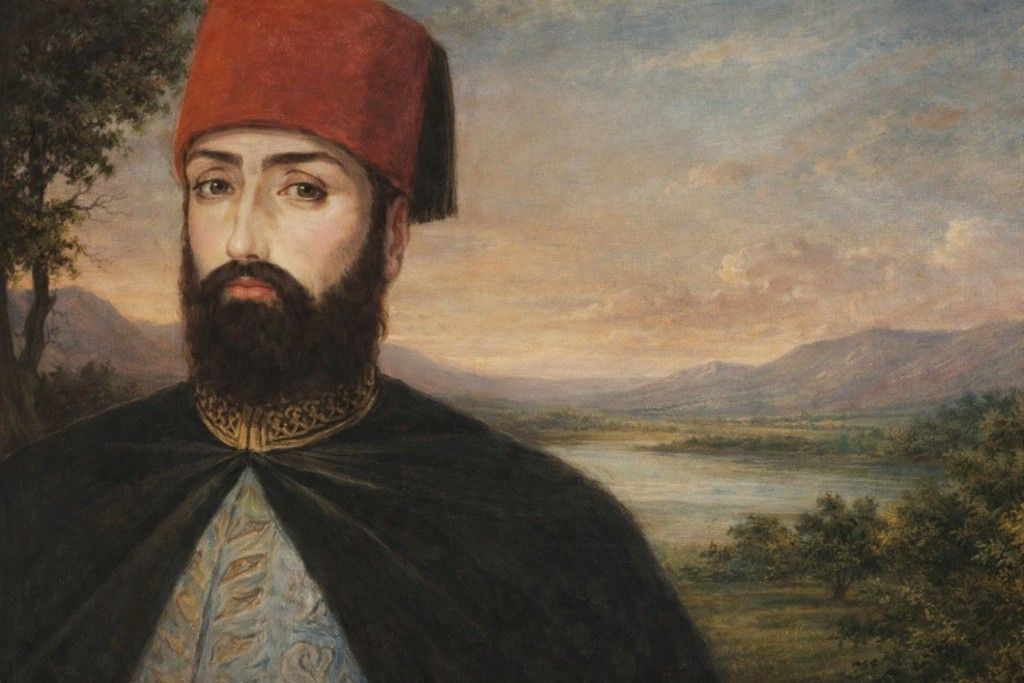
Murad II, a significant figure on the Ottoman Empire Sultan list, was responsible for both military and administrative reforms during his reign. He strengthened the empire’s position in southeastern Europe, achieving major victories over the Crusaders and the Kingdom of Hungary.
Murad II’s reign saw the introduction of new policies that helped centralize the Ottoman administration, which enabled the empire to function more efficiently. His efforts in defending Ottoman territories against external threats ensured the survival of the empire during a period of great turbulence, marking his place as a pivotal ruler in the Ottoman Empire’s Sultan list.
7. Mehmed II (1451-1481)
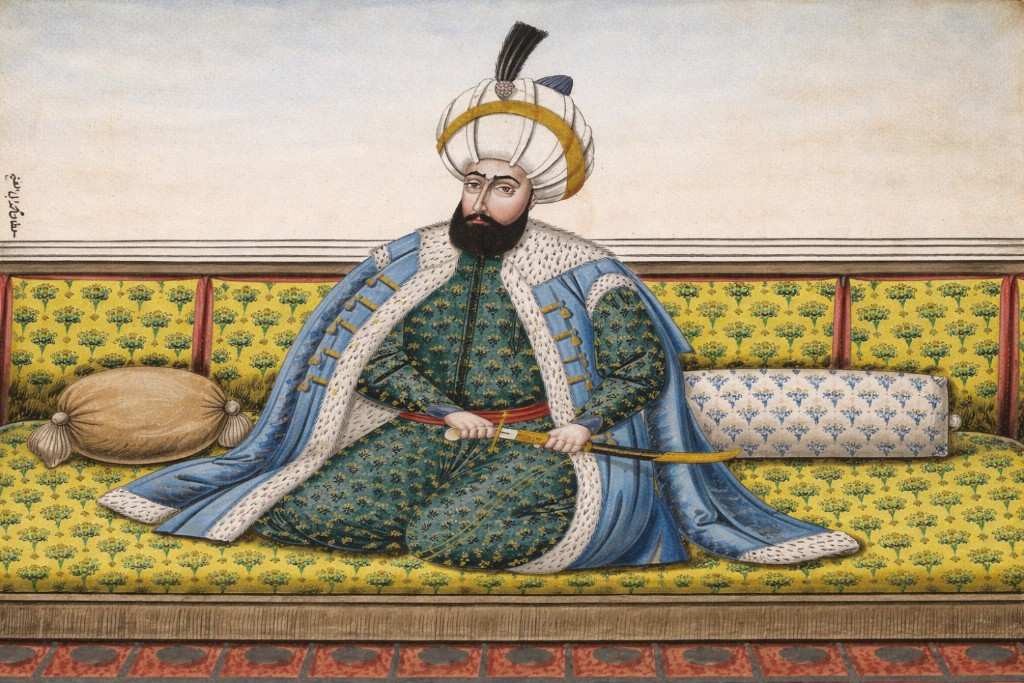
Mehmed II, known as “The Conqueror,” is one of the most celebrated sultans in the Ottoman Empire Sultan list. His conquest of Constantinople in 1453 is considered his crowning achievement, marking the end of the Byzantine Empire and solidifying Ottoman dominance in the Eastern Mediterranean.
This victory not only expanded the empire but also enhanced its strategic position, giving it control over crucial trade routes. Mehmed II continued to push the empire’s boundaries into Europe, Anatolia, and North Africa, ensuring that his reign marked the peak of Ottoman power. His rule symbolizes the transformation of the Ottoman Empire into a world empire.
8. Bayezid II (1481-1512)
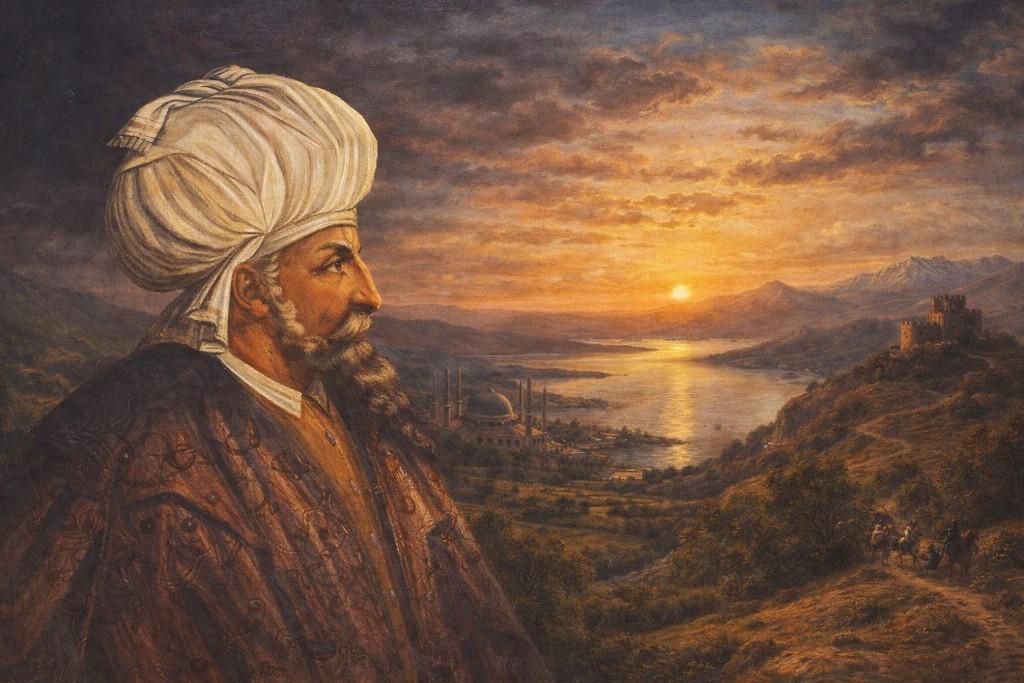
Bayezid II, known for his focus on consolidation and internal stability, made a significant impact on the Ottoman Empire Sultan list. His reign was marked by the strengthening of the Ottoman navy and territorial expansion into North Africa. Bayezid II’s diplomatic approach helped solidify the empire’s position in the Eastern Mediterranean.
He also focused on cultural and intellectual growth, fostering a renaissance of art and science. Bayezid’s reign is often remembered for maintaining peace within the empire’s borders and enhancing the infrastructure that would support future military and administrative success.
9. Selim I (1512-1520)
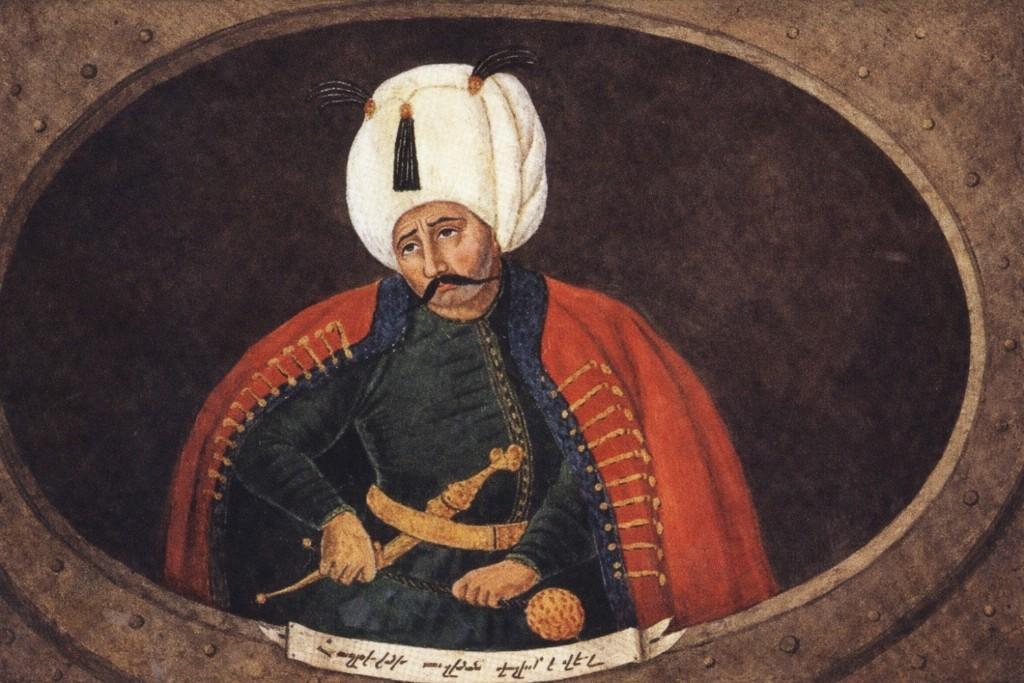
Selim I, known as “The Grim,” expanded the Ottoman Empire’s territories significantly during his reign, securing a place for himself on the Ottoman Empire Sultan list. He is best remembered for his conquest of the Mamluk Sultanate, which brought Egypt, Mecca, and Medina into the empire.
Selim I’s victories ensured Ottoman control over the holy cities of Islam, cementing the empire’s religious legitimacy. His reign marked a shift towards a more religiously defined empire, positioning the Ottomans as the protectors of Islam in the region.
10. Suleiman the Magnificent (1520-1566)
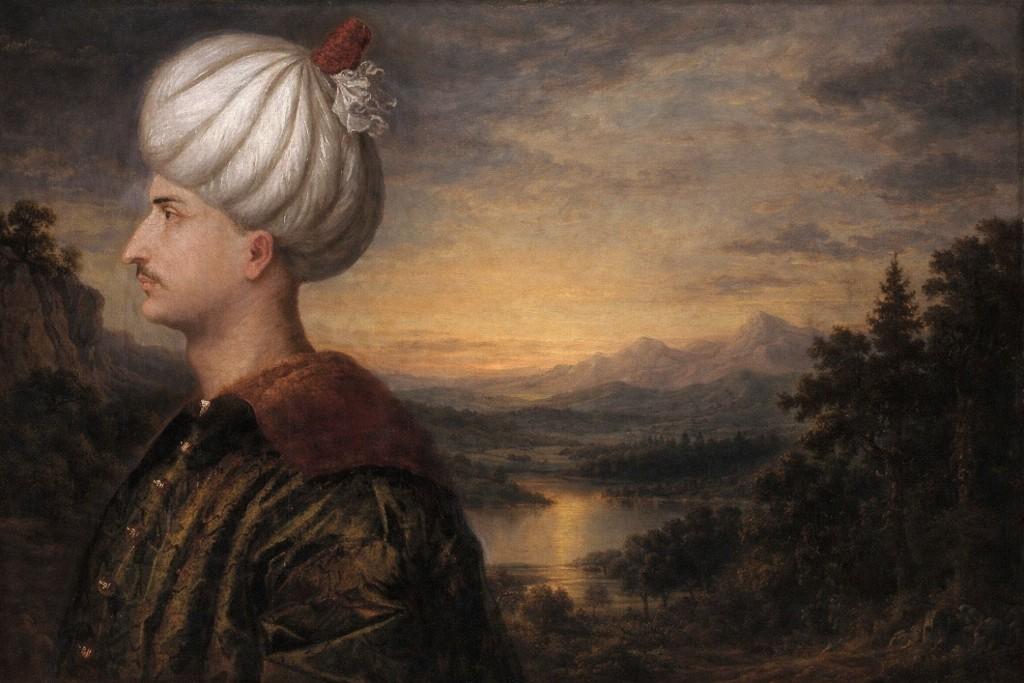
Suleiman the Magnificent, often considered the most powerful sultan on the Ottoman Empire Sultan list, oversaw the empire’s golden age. His military conquests expanded the empire to its greatest territorial extent, while his legal reforms transformed the empire’s administrative system.
Suleiman’s reign also saw a flourishing of Ottoman culture, with advancements in art, architecture, and science. His patronage of the arts and his strategic diplomacy cemented his legacy as one of history’s most influential rulers. Suleiman’s reign remains the pinnacle of Ottoman success, marking an era of prosperity and dominance.
11. Selim II (1566-1574)
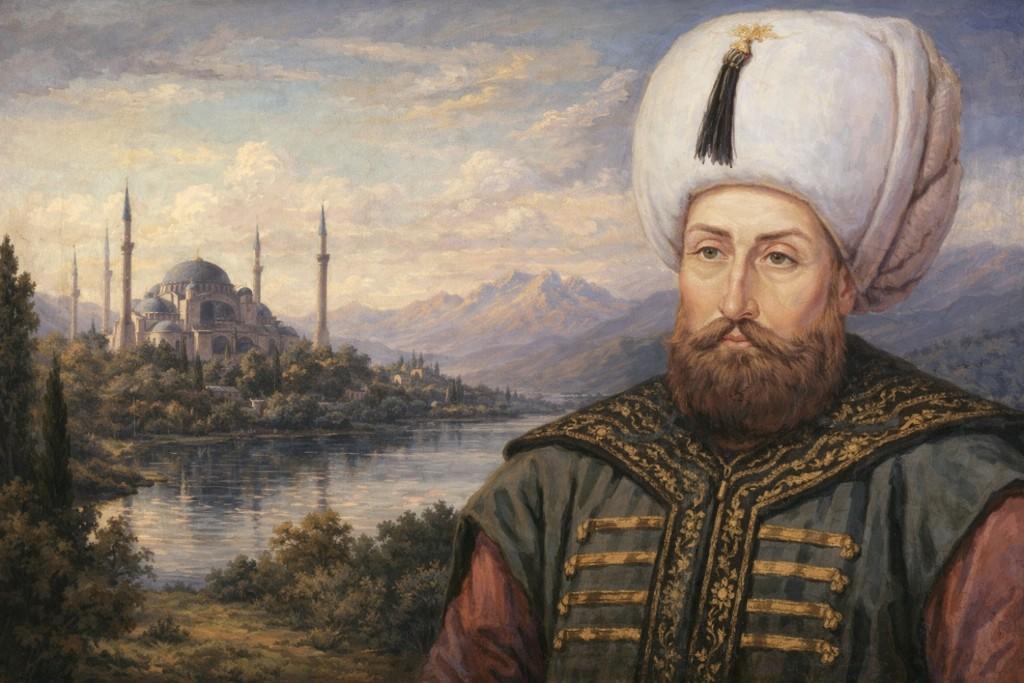
Selim II, often called “The Drunkard,” ruled during a period of relative peace compared to his predecessors, but his reign still left a significant mark on the Ottoman Empire Sultan list. His military campaigns were less successful, notably with the defeat at the Battle of Lepanto in 1571.
Despite setbacks, Selim II continued to consolidate Ottoman power in the Mediterranean, particularly focusing on naval strength. His reign also saw a flourishing of Ottoman culture, with significant developments in literature, art, and architecture, exemplified by the construction of the Selimiye Mosque.
12. Murad III (1574-1595)
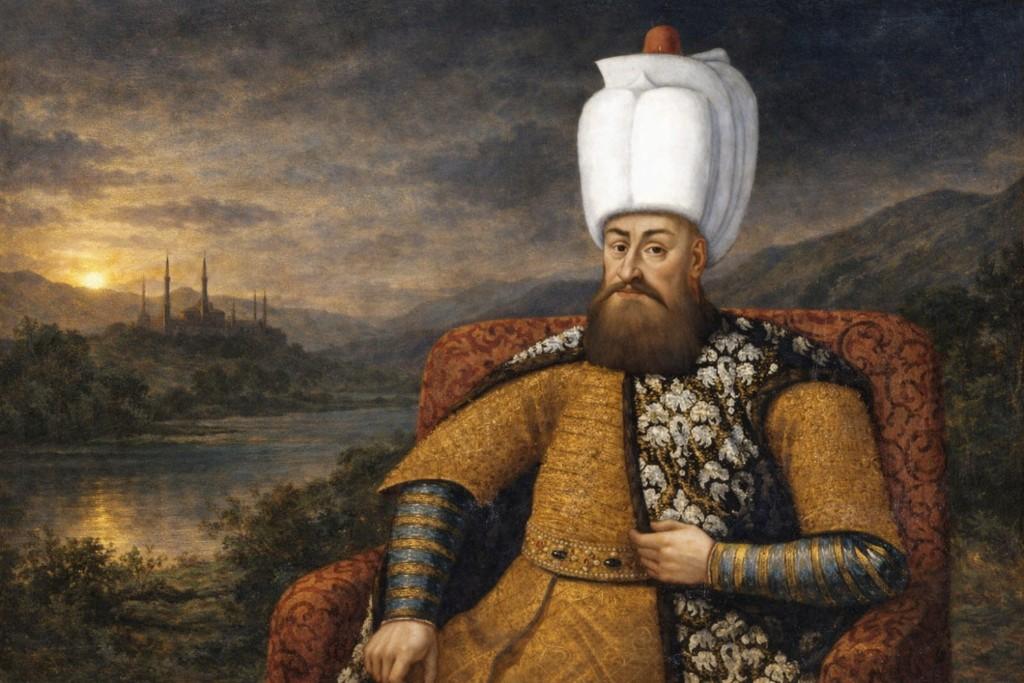
Murad III’s reign, while marred by internal strife, is an important chapter in the Ottoman Empire Sultan list. He faced challenges from both internal rebellions and external threats from the Safavids and the Habsburgs. Despite the military pressures, Murad III’s reign was notable for its cultural achievements.
The sultan’s patronage of the arts led to the construction of iconic architectural structures, and his reign saw the continued growth of Ottoman art and literature. Murad III’s efforts in diplomacy and military defense ensured the empire’s continued relevance during turbulent times.
13. Mehmed III (1595-1603)
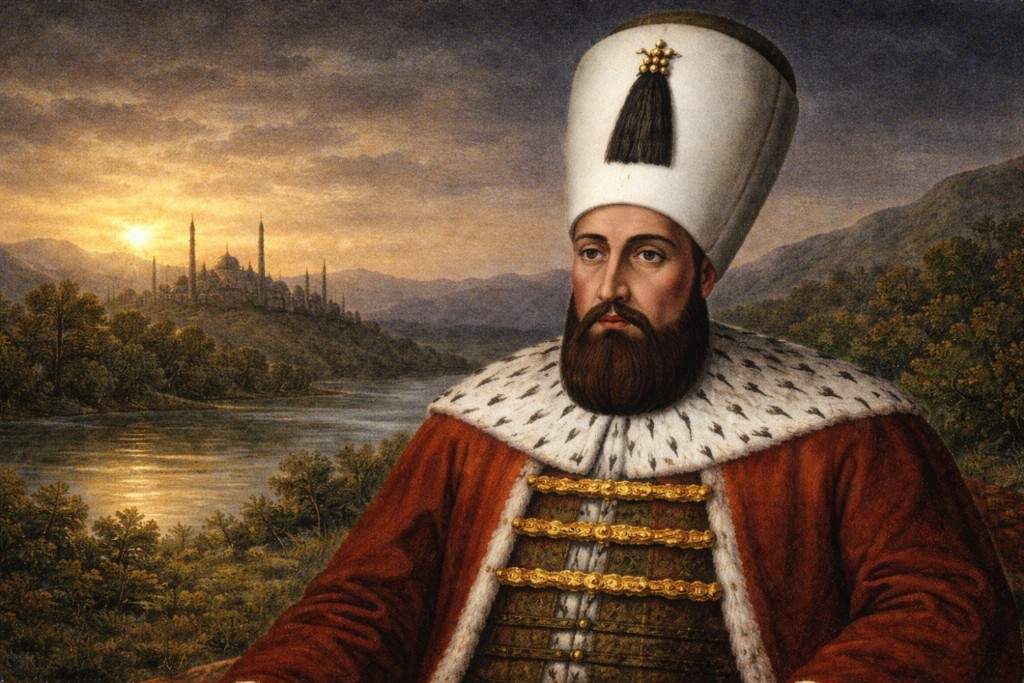
Mehmed III, who reigned during a difficult period for the Ottoman Empire Sultan list, faced internal turmoil and external threats. His reign saw continued military conflict with the Habsburgs and the Safavids, as well as economic challenges.
While Mehmed III is not remembered for significant military victories, his rule is notable for the execution of his brothers in accordance with the practice of fratricide, a policy designed to secure succession. His reign provides valuable insight into the struggles faced by the empire during a time of internal instability.
14. Ahmed I (1603-1617)
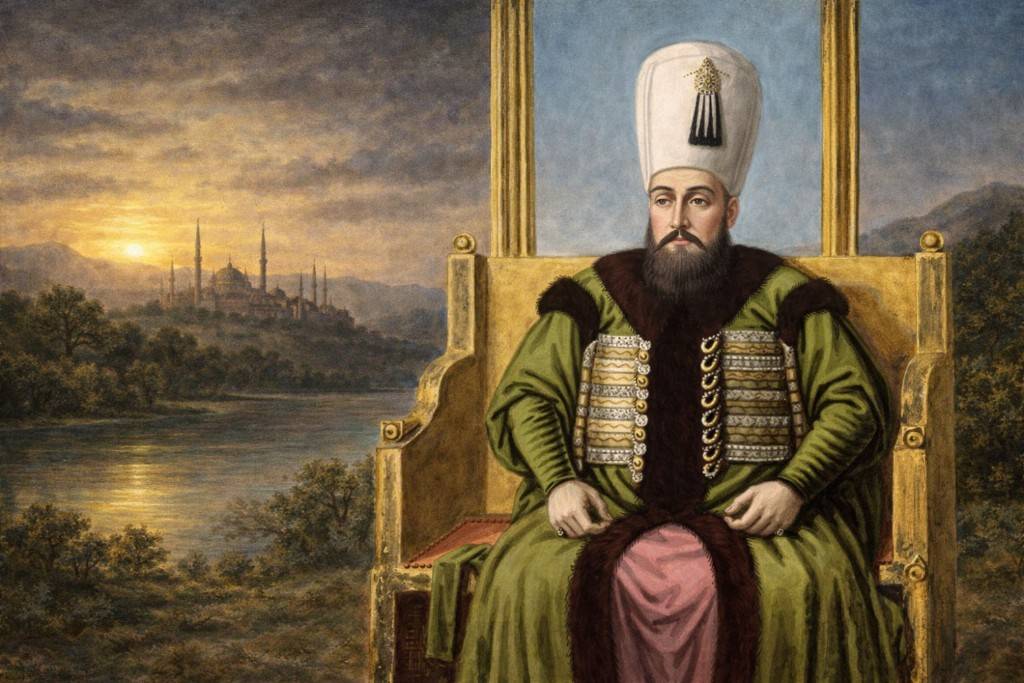
Ahmed I is best known for commissioning the construction of the stunning Blue Mosque in Istanbul, making his mark on the Ottoman Empire Sultan list. His reign, though short, is characterized by efforts to stabilize the empire during a period of internal unrest.
Ahmed I sought to strengthen the Ottoman military and diplomatic efforts, particularly against the Safavids. His reign was also marked by a renewed focus on arts and culture, contributing to the Ottoman legacy as a cultural powerhouse.
15. Mustafa I (1617-1618, 1622-1623)
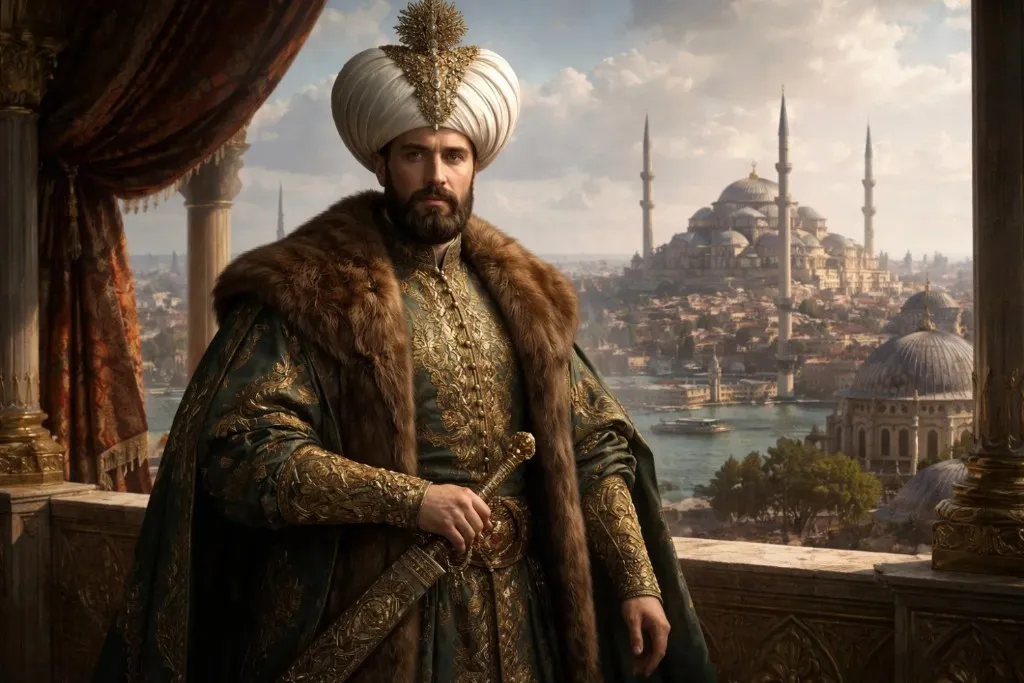
Mustafa I, though not as influential as some of the other sultans in the Ottoman Empire Sultan list, plays a key role in the empire’s history. His reign was marked by instability and brief interruptions in power. Mustafa I was deposed twice during his reign.
His time on the throne is often associated with the empire’s internal struggles for power. Despite this, his brief periods of rule highlight the challenges the Ottomans faced in maintaining centralized control as the empire began to confront issues of succession and governance.