
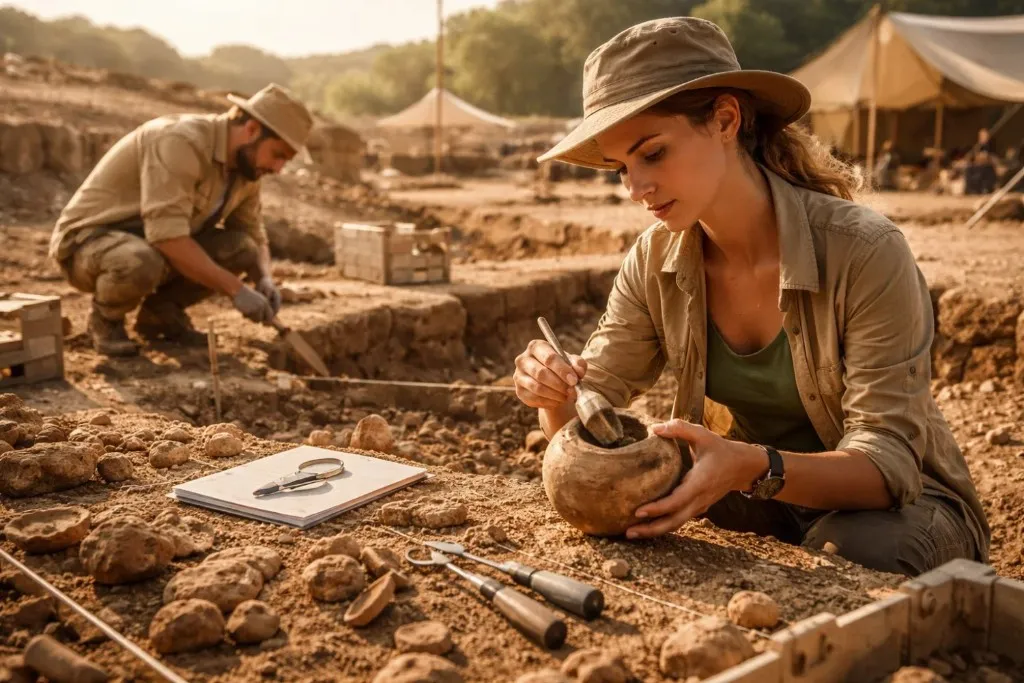
Archaeologists explore the past through the material remains of past human societies. By studying artifacts, structures, and other physical evidence, they uncover stories from ancient civilizations, helping us understand human evolution, culture, and history.
Their work not only informs us about the past but also aids in preserving cultural heritage for future generations. The diverse nature of archaeology means archaeologists play key roles in various sectors, from academic research to cultural preservation, with their responsibilities and salaries often reflecting the complexity of their field.
1. Archaeologist Jobs: A Diverse Career Path
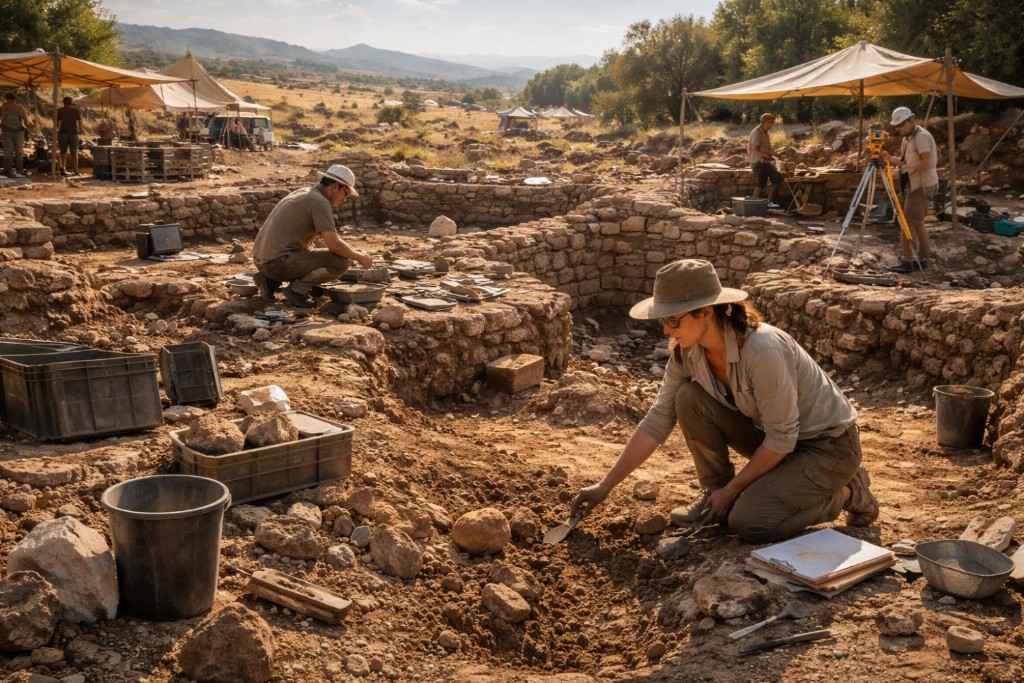
An archaeologist’s role is multifaceted, involving fieldwork, lab analysis, and research. Archaeologists specialize in different subfields, such as prehistoric archaeology, historical archaeology, and bioarchaeology, where they focus on human remains. While some archaeologists work in academia, others contribute to governmental agencies, museums, and private consulting firms.
The versatility of the role means an archaeologist’s career can vary significantly, depending on their focus area. The job salary for archaeologists can range widely, typically influenced by experience, location, and the sector in which they work.
2. Understanding Archaeology and its Methods
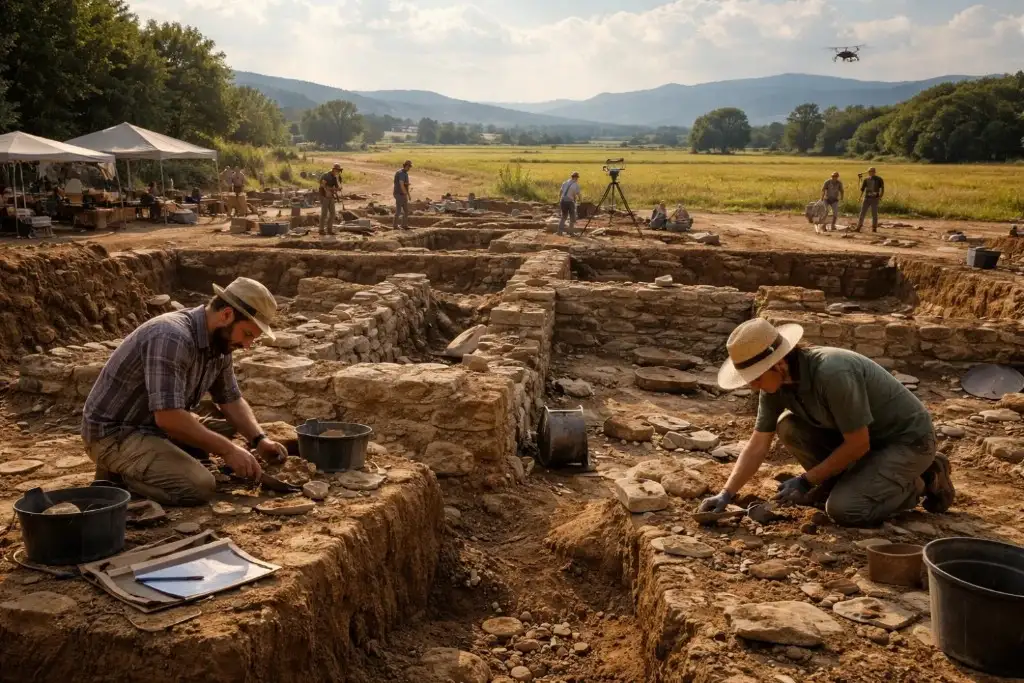
Archaeology is the scientific study of past human activity through the recovery and analysis of material remains. Methods used by archaeologists include excavation, survey, and remote sensing, where they gather evidence to understand ancient societies. These methods help archaeologists piece together how ancient people lived, worked, and interacted.
Excavation involves digging up sites to uncover artifacts, while remote sensing allows archaeologists to detect underground features. The comprehensive use of these methods provides valuable insights into the evolution of human civilizations.
3. Fieldwork: The Heart of Archaeological Discoveries
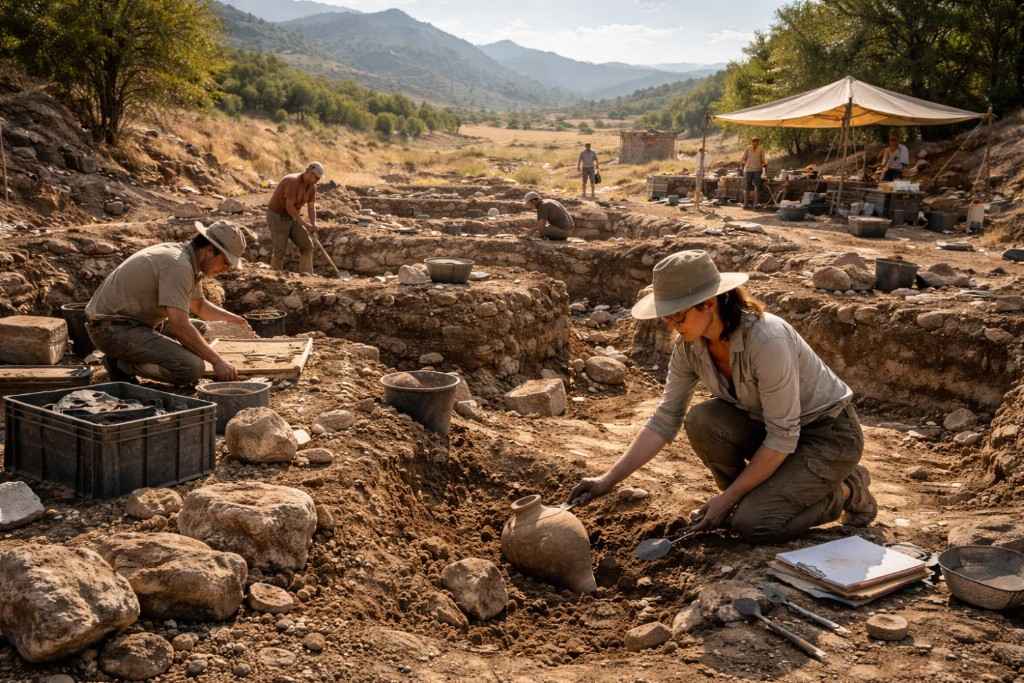
Fieldwork is a vital part of an archaeologist’s job. It involves traveling to excavation sites, often in remote or historically rich areas, where archaeologists search for artifacts or structures buried underground. Field archaeologists meticulously record their findings and collect samples, which are later analyzed in the lab.
These findings may include pottery, tools, or ancient buildings, shedding light on the cultural practices of the time. Archaeologist jobs in fieldwork often require physical endurance and the ability to work in challenging environments.
4. Laboratory Work: Unveiling the Past through Analysis
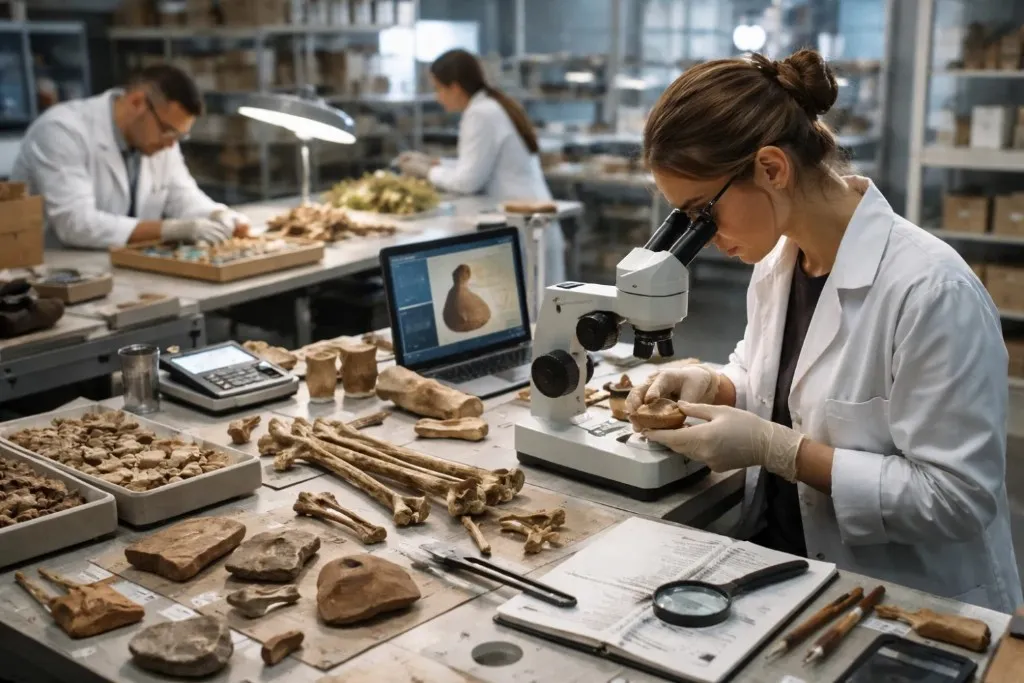
After collecting artifacts and samples during fieldwork, archaeologists turn to the lab for analysis. Laboratory work involves cleaning, cataloging, and examining materials such as bones, pottery shards, or plant remains.
Using advanced technology like carbon dating, archaeologists can determine the age of the items they uncover. The study of these artifacts helps archaeologists understand ancient diets, trade networks, and social structures. This work is integral in linking fieldwork discoveries to broader historical contexts.
5. Archaeologist Jobs in Cultural Resource Management (CRM)
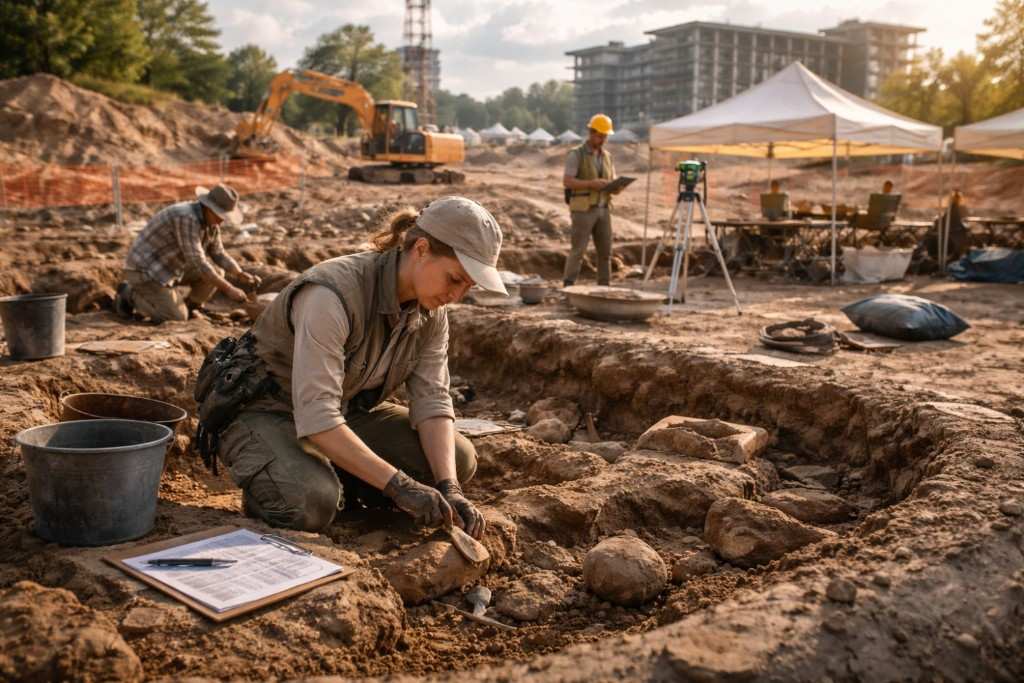
Many archaeologists find employment in Cultural Resource Management (CRM), working with developers, government agencies, and private companies. CRM archaeologists assess sites before construction or development projects to ensure that any historically significant artifacts or structures are preserved.
This role often requires archaeological surveys and excavations to ensure compliance with heritage protection laws. The growing demand for urban development ensures that CRM archaeologists play a crucial role in balancing progress with the preservation of our cultural heritage.
6. Archaeology in Museums and Public Education
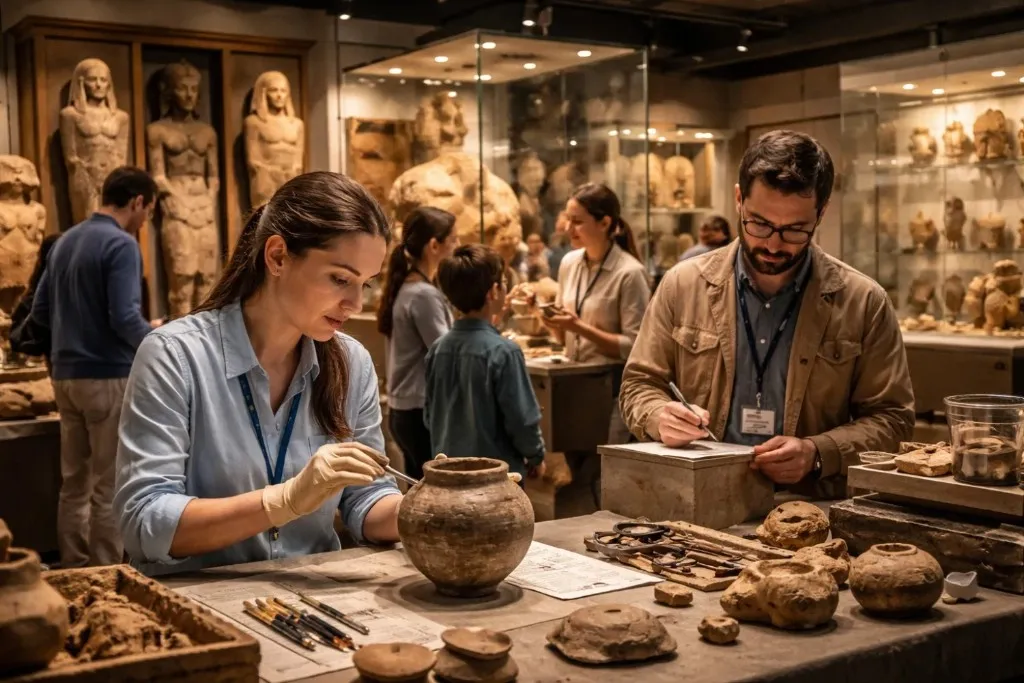
Archaeologists also contribute to museums and educational institutions, where they curate exhibits and provide educational insights about historical artifacts. Their work in museums often involves restoring ancient items, cataloging collections, and offering educational programs for the public.
These archaeologists help bridge the gap between academic research and public understanding, making history accessible and engaging. Working in a museum allows archaeologists to share their expertise with a wider audience and promote the preservation of cultural heritage.
7. The Impact of Archaeologists on Historical Preservation
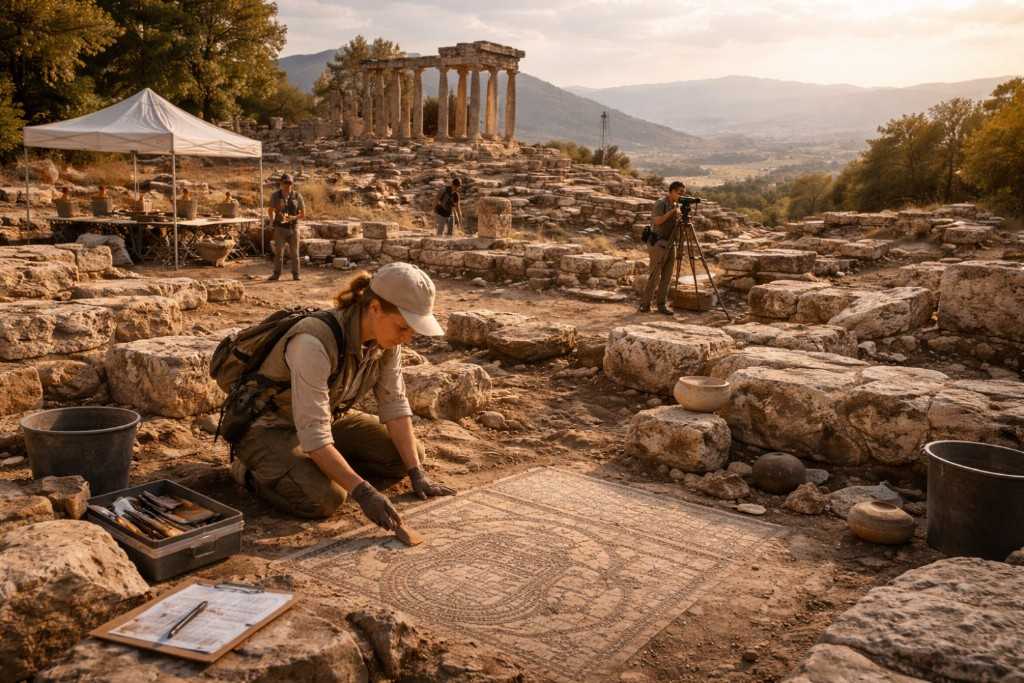
Archaeologists play a pivotal role in historical preservation. By identifying and protecting sites of cultural significance, they help safeguard humanity’s past for future generations. This includes not only ancient civilizations but also modern-day archaeological sites that are at risk of destruction due to natural disasters, urbanization, or neglect.
Archaeologists are involved in advocacy efforts to protect these sites, often working with governments and conservation organizations to ensure their survival. The preservation of these sites enriches our understanding of human history.
8. Archaeologist Salaries and Job Outlook
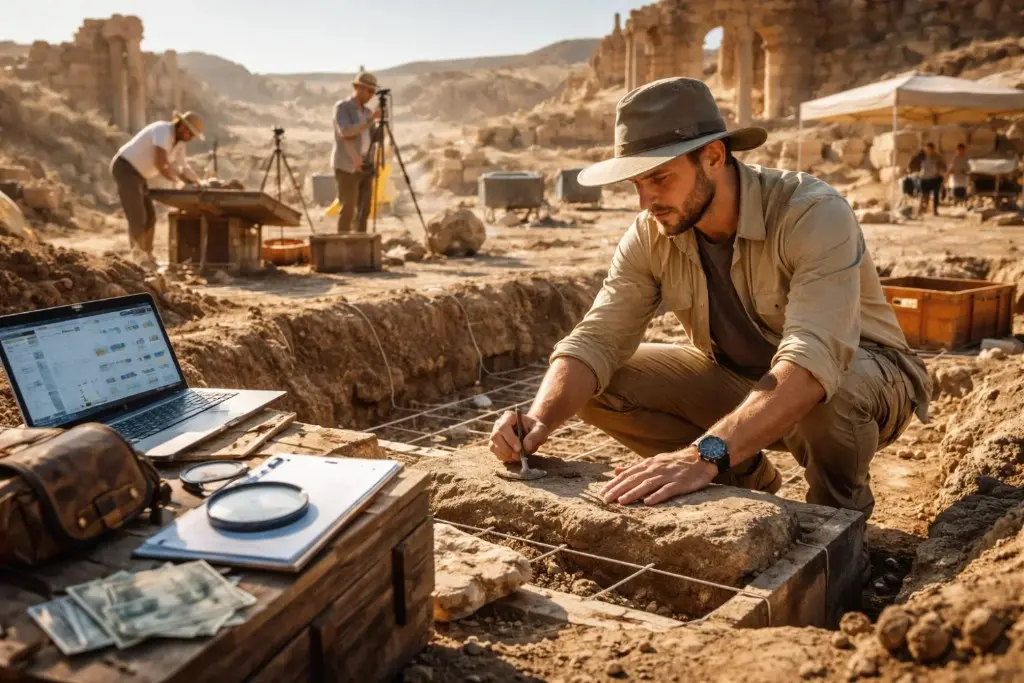
The salary of an archaeologist can vary depending on several factors such as location, expertise, and industry. On average, archaeologist jobs salary can range from $40,000 to over $80,000 annually. Archaeologists working in academia or specialized fields may earn higher salaries, while those in government or private industry might receive additional benefits. The job outlook for archaeologists is positive, with demand for professionals in the field growing, especially in cultural resource management and public archaeology.
9. Archaeology in Environmental Impact Assessments
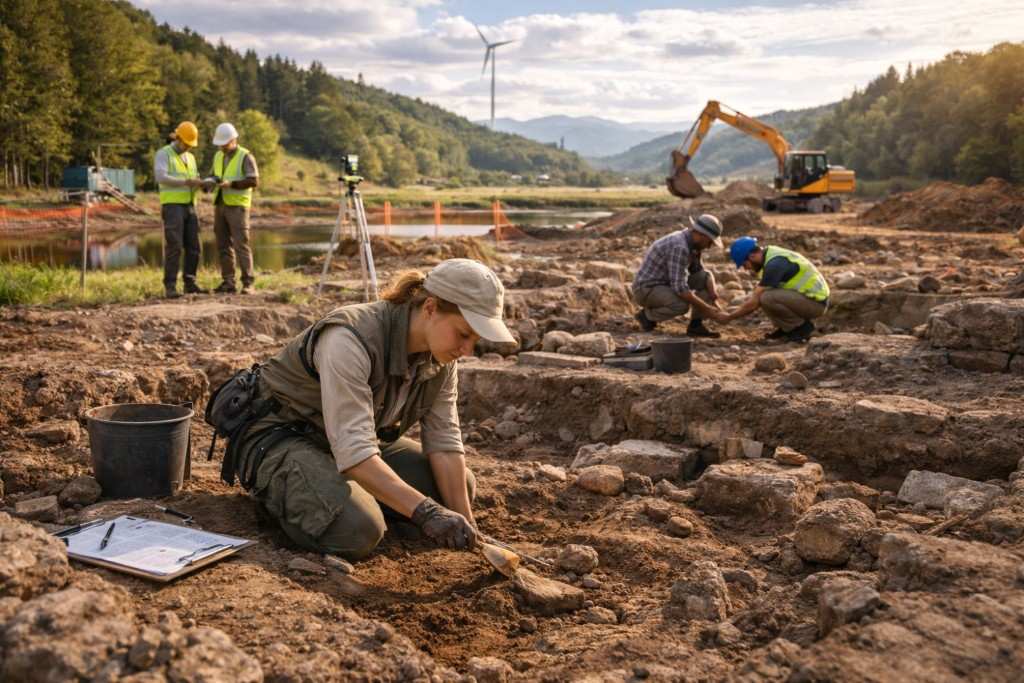
Archaeologists also play a crucial role in environmental impact assessments (EIAs). Before construction or development projects can proceed, archaeologists are often called upon to evaluate the potential impact on historical sites. This process ensures that development does not damage significant archaeological or cultural sites.
By working alongside environmental scientists and planners, archaeologists help to minimize the ecological and cultural damage caused by urbanization and infrastructure development, advocating for sustainable and responsible land use.
10. Archaeologist Jobs: Working with Indigenous Communities
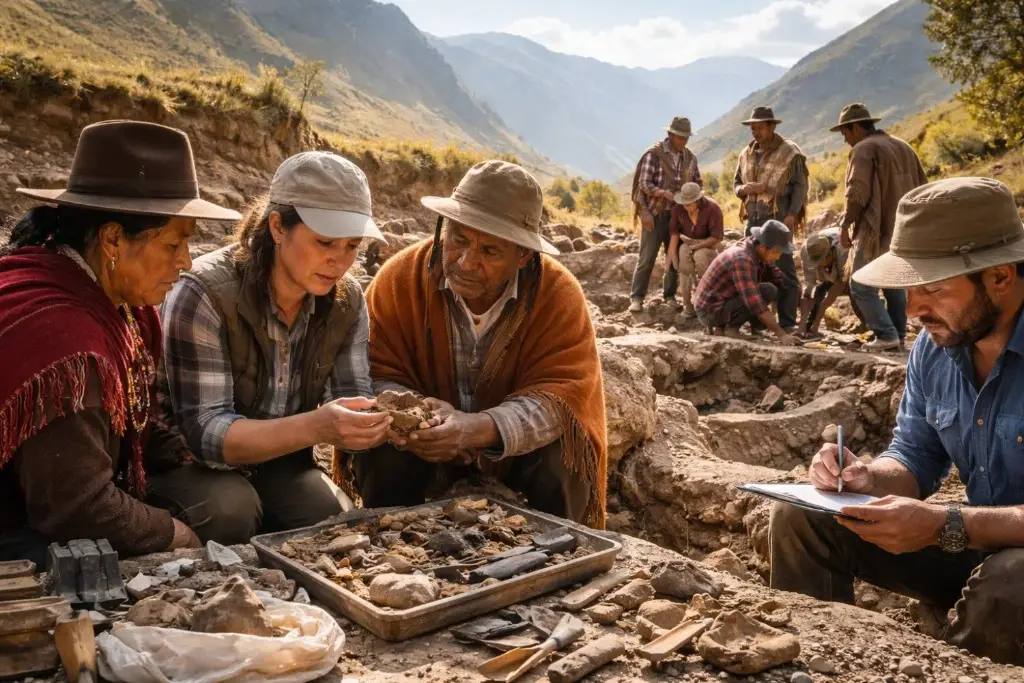
In many parts of the world, archaeologists collaborate with indigenous communities to protect their heritage and preserve ancestral sites. These collaborations are crucial for understanding the cultural significance of sites, artifacts, and traditions that may have been overlooked or misunderstood in the past.
Archaeologists respect indigenous knowledge and work closely with community leaders to ensure that archaeological practices are conducted ethically. This partnership not only aids in the protection of heritage but also fosters a deeper, more respectful understanding of history.