

The question Who is the first person on earth? has intrigued humanity for centuries. From religious interpretations to scientific theories, many have tried to answer this perplexing question. The concept of the “first person” touches on various beliefs, including creation stories and evolutionary science. Understanding who the first person on Earth is requires delving into different cultural, religious, and scientific viewpoints. Below are key insights into the search for the first human being and how different perspectives shape our understanding of this fascinating topic.
1. Evolutionary Perspective: Homo sapiens Emergence
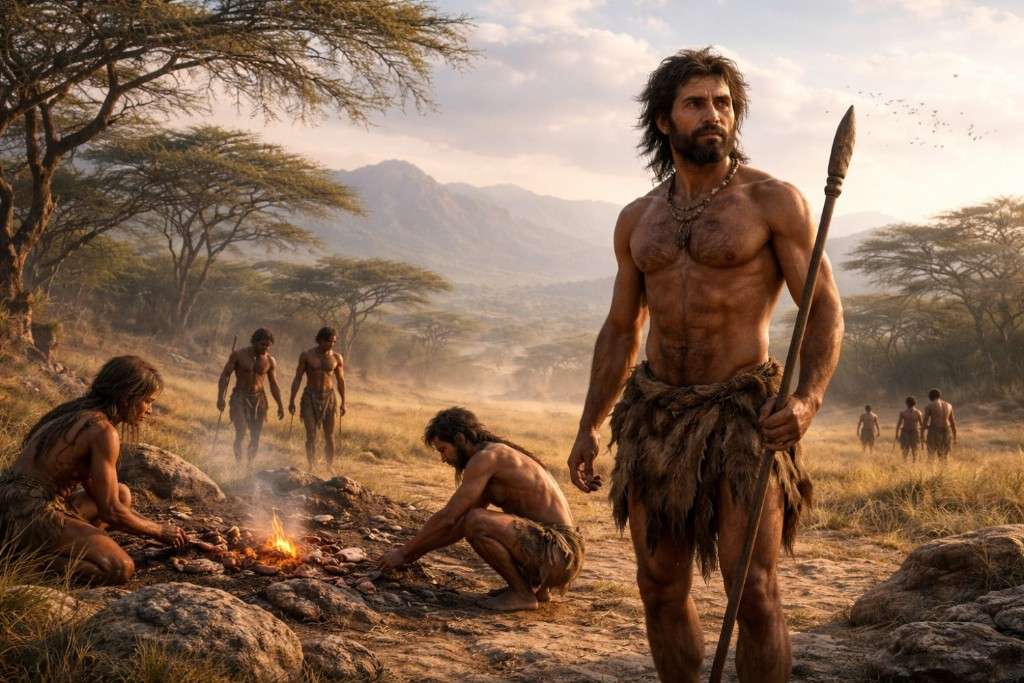
The question who is the first person on earth can be explored through the lens of evolutionary biology. Homo sapiens, our species, evolved around 300,000 years ago in Africa. The gradual shift from earlier hominids to anatomically modern humans marks the point where the first person likely emerged.
Unlike a singular individual, Homo sapiens evolved over generations, with no clear-cut first person. This perspective emphasizes the gradual nature of human evolution, suggesting that the “first person” was not a single moment but part of a long evolutionary process.
2. The Role of Mitochondrial Eve

One fascinating scientific concept when asking who is the first person on earth is the idea of Mitochondrial Eve. Mitochondrial Eve refers to the most recent common ancestor from whom all living humans inherit their mitochondrial DNA. This individual lived around 150,000 to 200,000 years ago.
While not the literal first person, Mitochondrial Eve is considered the most recent matrilineal ancestor of modern humans, helping trace back humanity’s genetic roots. This concept illustrates the continuous nature of human ancestry, even though Mitochondrial Eve was not the first person.
3. Y-Chromosomal Adam: A Parallel Story
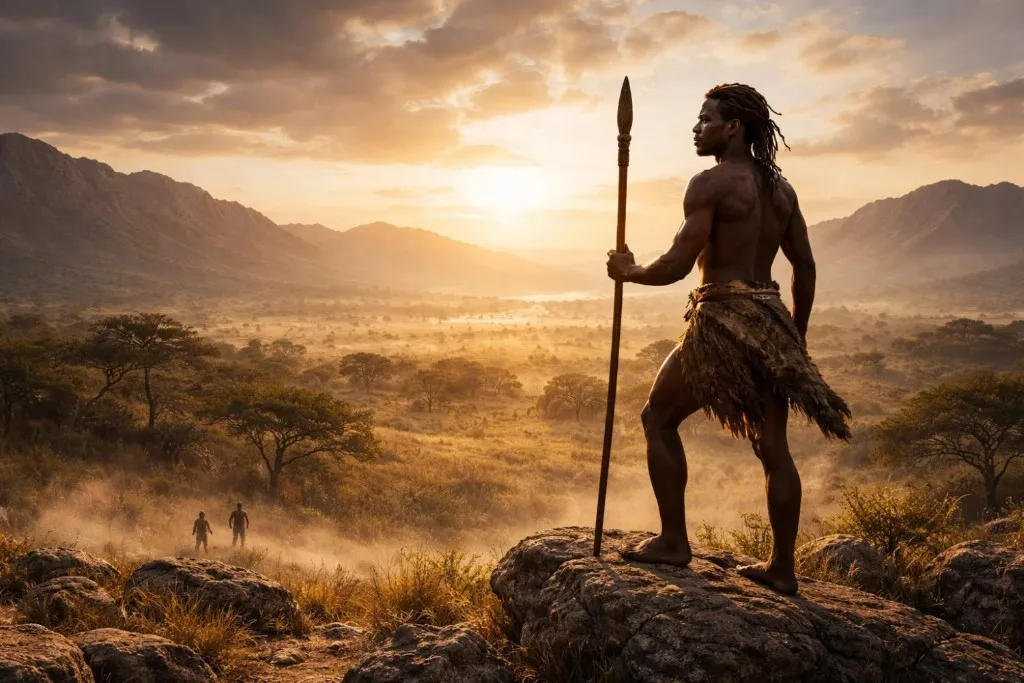
Similar to Mitochondrial Eve, Y-Chromosomal Adam is another ancestor tied to the question of who is the first person on earth. Y-Chromosomal Adam is the most recent common ancestor of all living men, traced through the Y chromosome. He likely lived between 200,000 and 300,000 years ago in Africa.
Though he and Mitochondrial Eve did not live at the same time, their existence provides a framework for understanding our genetic lineage. Y-Chromosomal Adam is not the first person, but his genetic contribution helped shape the human gene pool.
4. The Biblical Perspective: Adam and Eve

In many religious traditions, especially within Judeo-Christian beliefs, the answer to who the first person on earth is points to Adam and Eve. According to the Bible, God created Adam from dust and Eve from one of Adam’s ribs, marking them as the first human beings.
The biblical creation story offers a distinct perspective on the origin of humanity, one that contrasts with scientific interpretations and provides a foundation for many religious teachings. The biblical account of Adam and Eve is a central part of many cultures’ understanding of human beginnings.
5. The Role of Cultural Myths
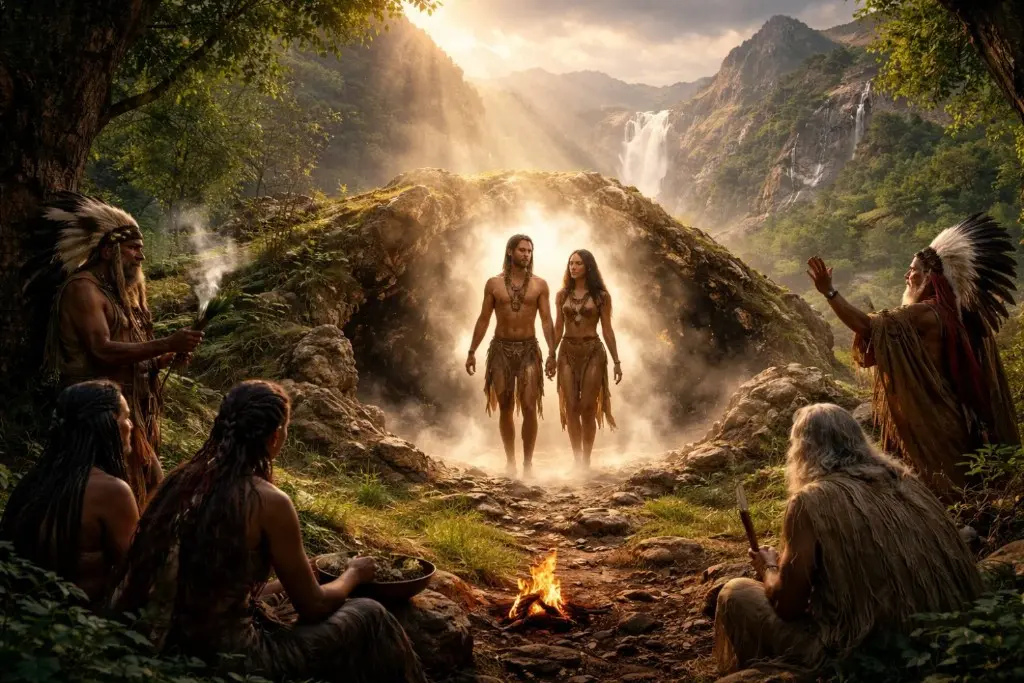
In various cultures around the world, myths about the first human being abound. For example, in some Native American traditions, the first person emerged from the earth or was created by deities who formed the first humans.
These cultural myths help answer the question who is the first person on earth in ways that are deeply connected to specific worldviews and historical contexts. Each culture offers a unique lens on humanity’s origin, with stories of creation that reflect the values, beliefs, and spiritual understandings of different peoples.
6. The Neanderthal Connection

When considering who the first person on earth is, the Neanderthals often come into the discussion. Though not direct ancestors of modern humans, Neanderthals are an important part of human evolution. They coexisted with early Homo sapiens and interbred with them, leaving a genetic legacy that still affects us today.
While the Neanderthals were not the first humans, their role in the broader human family tree plays an important part in answering this question. They were an important evolutionary branch, contributing to the development of modern humans.
7. The Out of Africa Theory
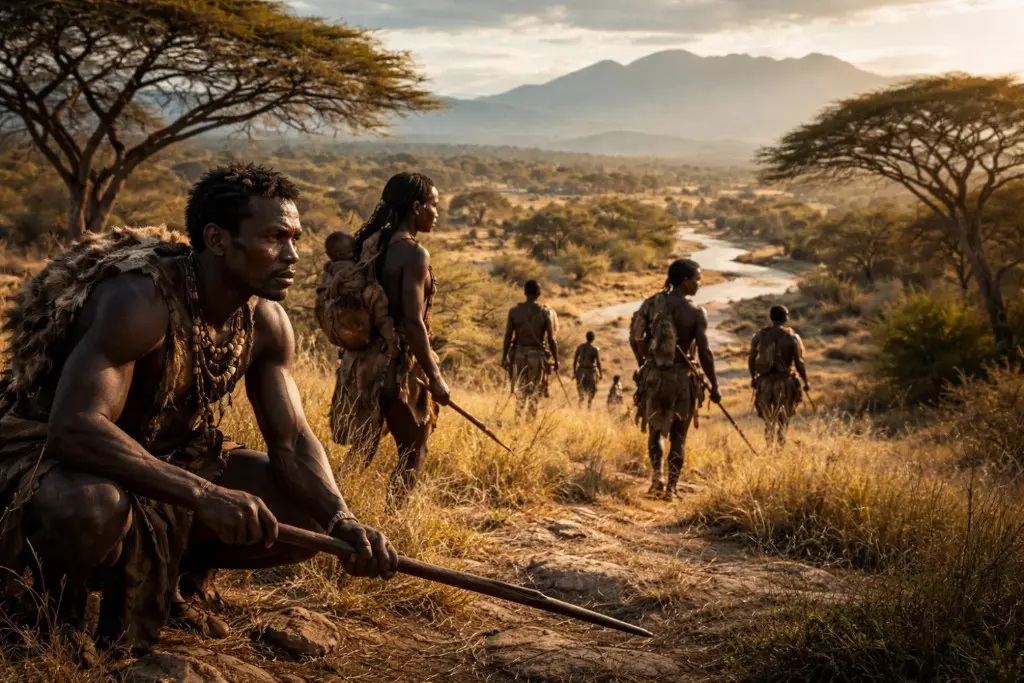
One popular scientific theory addressing who the first person on earth is the Out of Africa hypothesis. This theory suggests that Homo sapiens originated in Africa and eventually spread across the globe. The genetic evidence of this migration helps explain the origins of humanity.
This theory does not pinpoint a single first person but rather emphasizes a collective emergence of humans in a specific geographic region. The Out of Africa theory provides a framework for understanding the global spread and adaptation of humans after their initial emergence in Africa.
8. The Creation of Humans in Hinduism
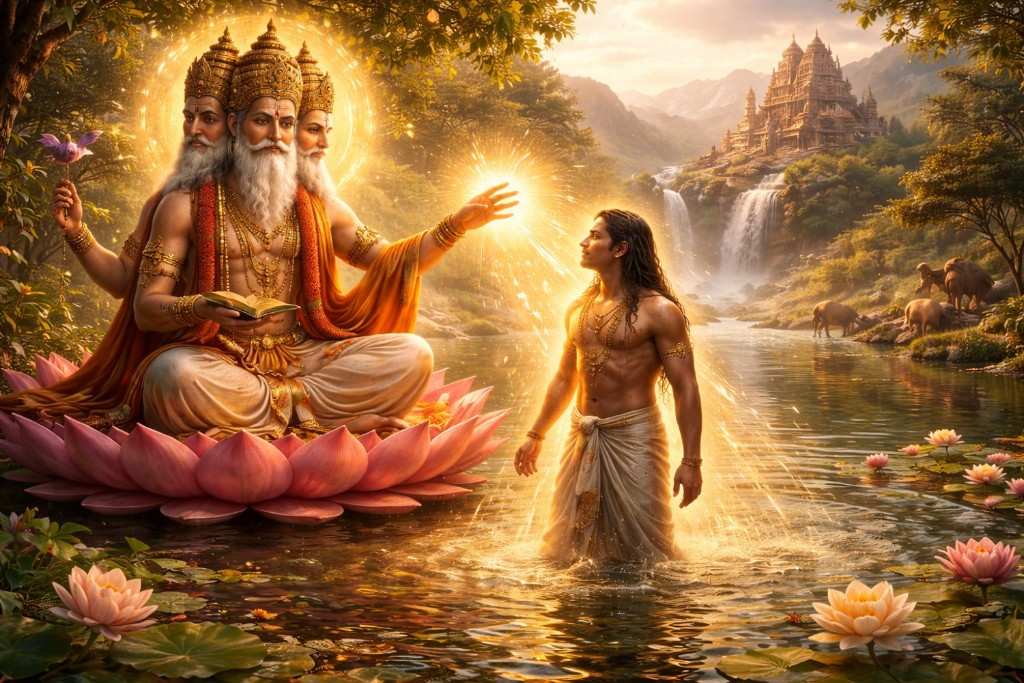
Hinduism offers another fascinating perspective on the question of who is the first person on earth. In Hindu belief, the god Brahma created the first human, Manu. According to Hindu texts, Manu was the progenitor of the human race.
This creation story reflects the cyclical nature of time in Hinduism, with each cycle beginning with Manu’s emergence and the renewal of humanity. In this view, the first person is not a one-time event but part of a continuous process of creation and rebirth in the Hindu cosmological framework.
9. The Impact of Genetic Mutations
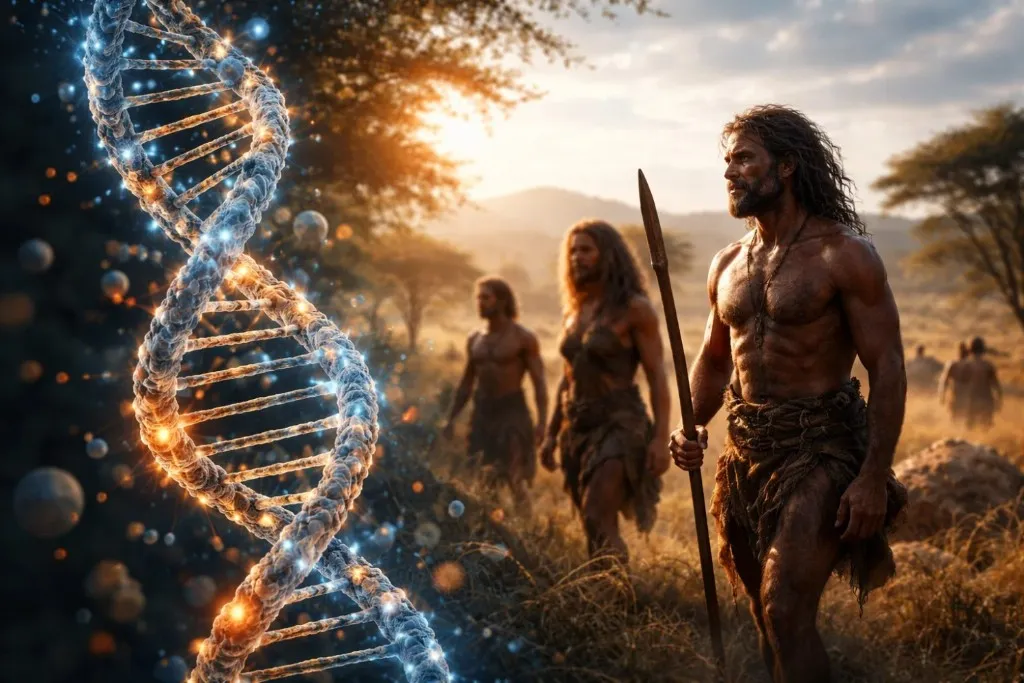
Genetic mutations play a critical role in the development of human beings. Over time, small mutations in DNA lead to changes that make each person unique. When asking who is the first person on earth, it’s important to understand that there was no single moment when one individual became human.
Instead, human traits evolved gradually through genetic mutations that accumulated over generations, eventually distinguishing Homo sapiens from other species. The mutations that occurred in early humans helped shape our species, making each individual a part of this evolutionary journey.
10. Fossil Evidence: The Oldest Human Relatives
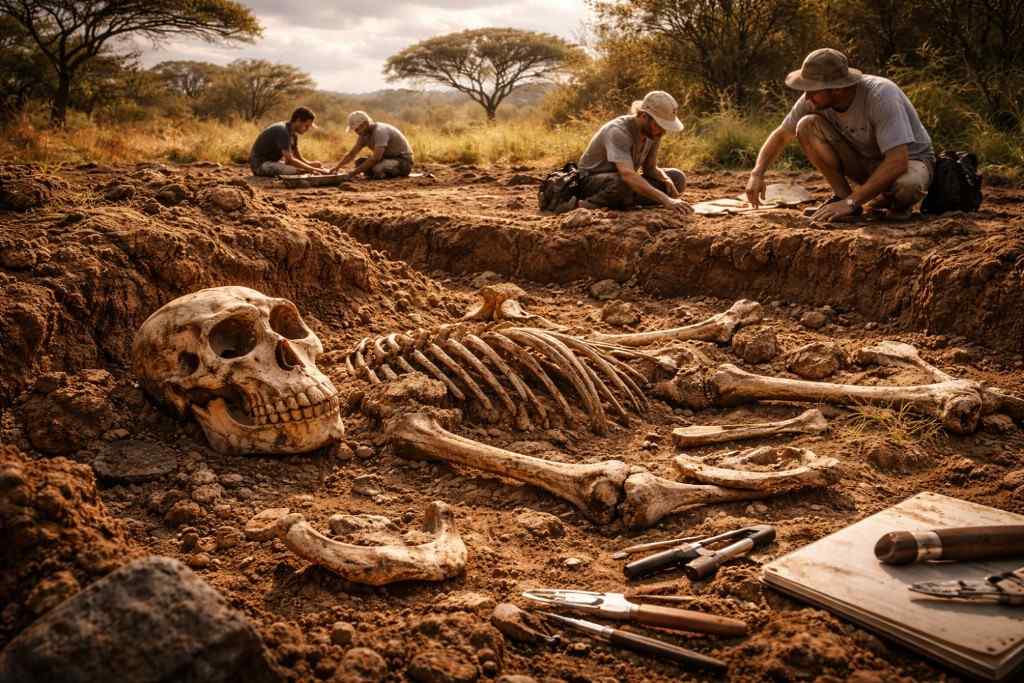
Fossil discoveries provide another important piece to the puzzle of who the first person on earth might have been. Fossils of early human ancestors, such as Australopithecus, Homo habilis, and Homo erectus, provide insight into the gradual process of human evolution.
While these species were not the first Homo sapiens, they played vital roles in shaping the human lineage, helping us understand the gradual emergence of our species. These fossilized remains show how early humans evolved and adapted over millions of years, forming the foundation for modern humanity.
11. The Role of Climate Change in Human Evolution
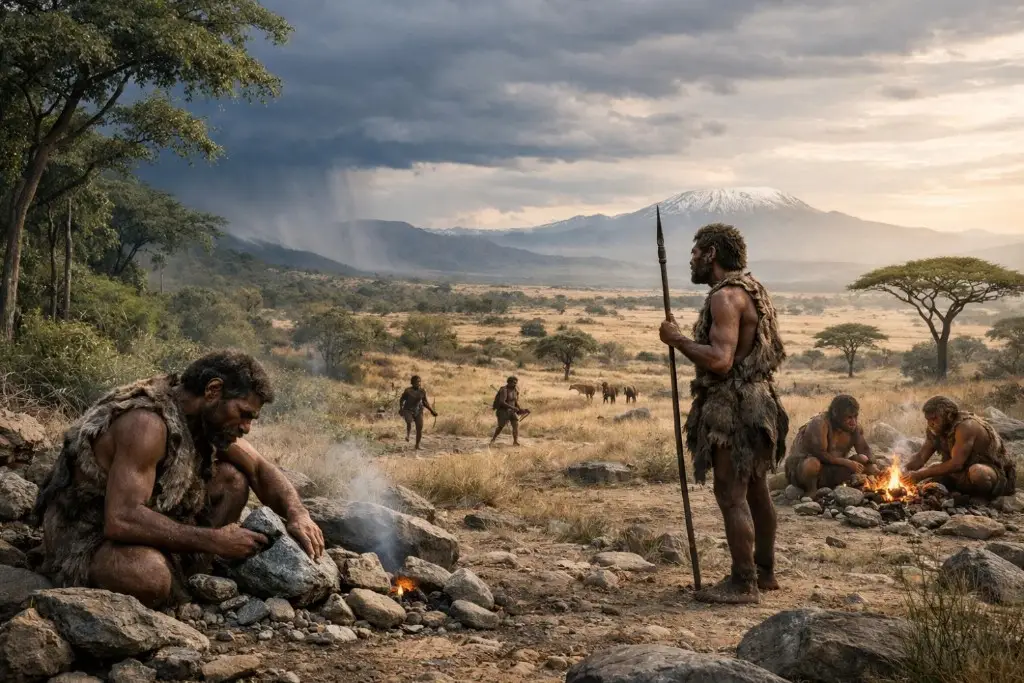
Climate change played a significant role in shaping the evolution of early humans. Fluctuating climates created new challenges that pushed human ancestors to adapt in unique ways. As early humans faced changes in their environment, such as the shift from tropical forests to savannas, they evolved new physical and cognitive traits.
This adaptation process is key to understanding the gradual emergence of who is the first person on earth. The changing environment influenced human evolution, encouraging the development of essential survival traits such as tool-making and social cooperation.
12. Homo Erectus: A Key Development
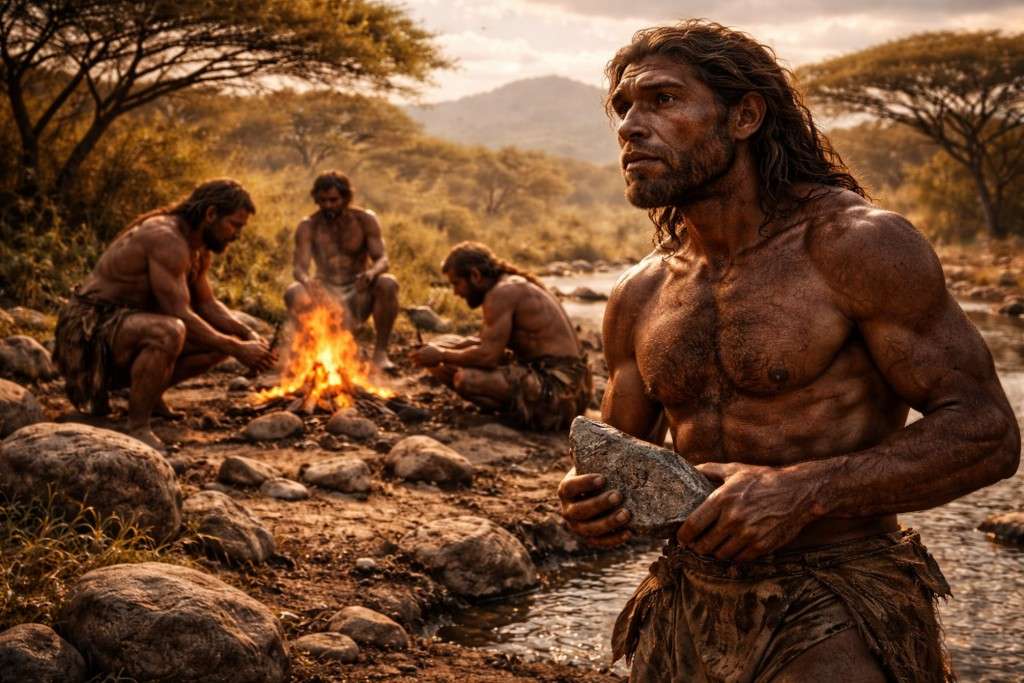
Homo erectus, which lived from about 1.9 million years ago to 110,000 years ago, is another important species when considering the question of who is the first person on earth. This species exhibited more advanced tools and behaviors than earlier hominids, and evidence suggests they may have used fire and engaged in more complex social behaviors.
Homo erectus was a significant step in the evolution toward modern humans. Though they were not the first Homo sapiens, their technological and social developments laid the groundwork for later human advancements.
13. The Role of DNA in Tracing Human Origins
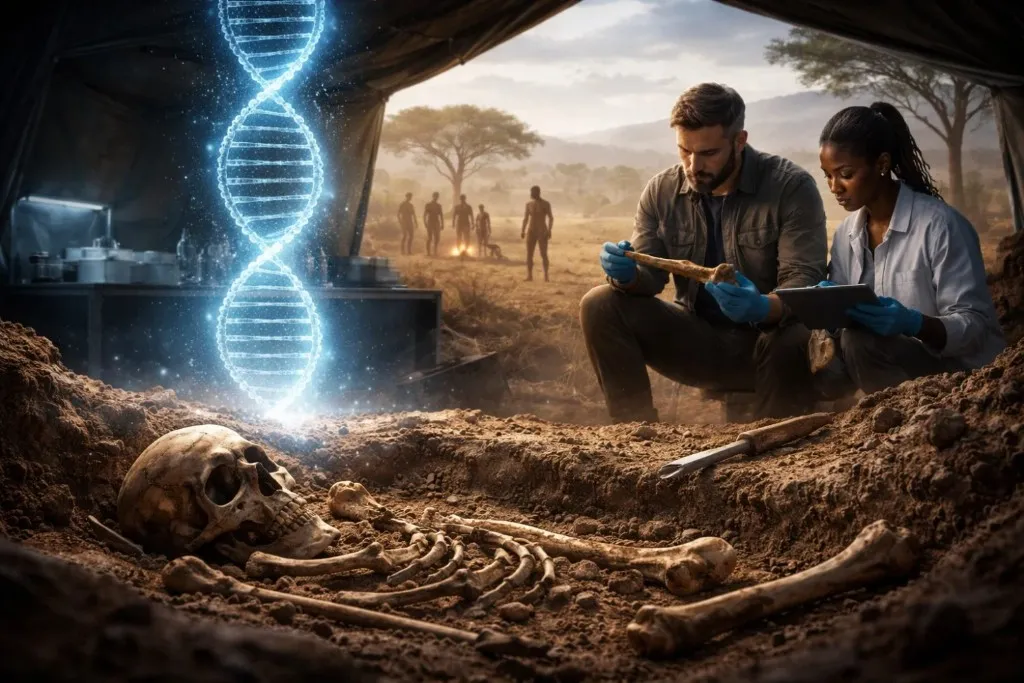
Understanding who is the first person on earth is made possible through the analysis of ancient DNA. Advances in genetics have allowed scientists to extract and study DNA from ancient human remains. This research provides valuable information about our ancestors and helps trace the genetic lineage that connects all modern humans.
Genetic evidence continues to reshape our understanding of human evolution. Through DNA analysis, scientists can uncover the deep connections between all humans, tracing our shared ancestry back to the earliest origins of humanity.
14. The Concept of Human Ancestors in Different Religions
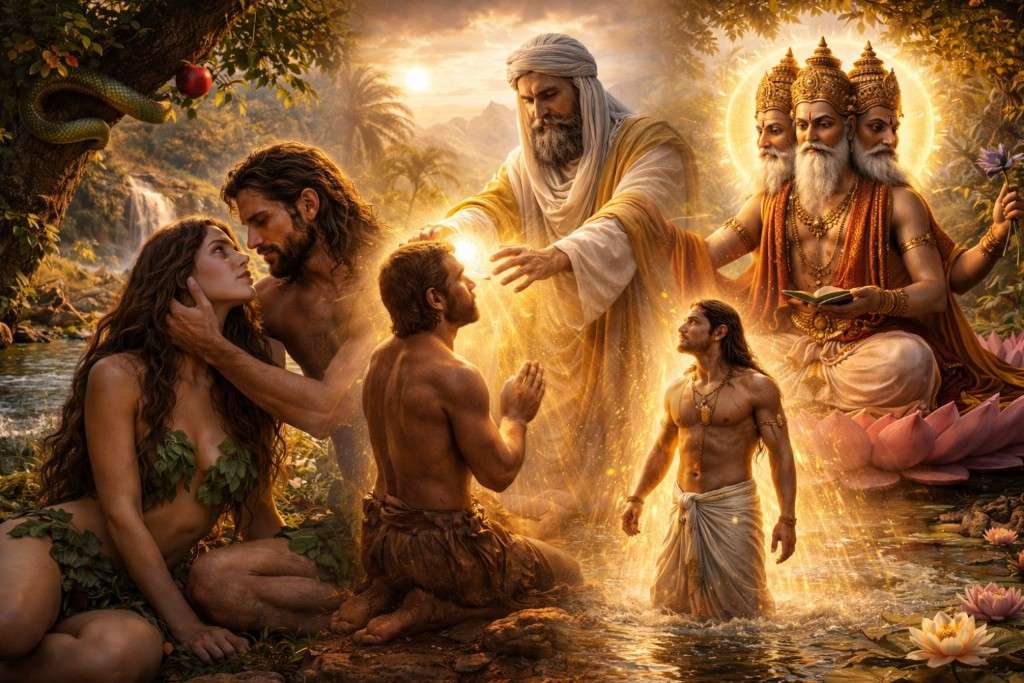
Religious texts worldwide offer diverse interpretations of the first human being. For instance, in Islamic teachings, Adam is considered the first human, created by Allah. Similarly, in other religious traditions, different gods or deities are credited with the creation of humanity.
Understanding these various religious narratives helps broaden the discussion of who is the first person on earth from a spiritual and theological viewpoint. These religious beliefs offer symbolic interpretations of human origin, providing meaningful frameworks for understanding the birth of humanity.
15. The Scientific Consensus on Human Origins
While there is no singular first person identified, scientific consensus suggests that Homo sapiens evolved gradually, with no single defining moment. Rather than pinpointing one individual as the first human, scientists focus on the evolutionary process that led to the emergence of modern humans.
This understanding of human origins reflects the complexity of the question who is the first person on earth. The continuous nature of human evolution makes it difficult to identify a single individual but instead highlights the gradual emergence of our species over time.