
Keeping Gums Healthy isn’t just about having a bright smile—it’s a key part of overall wellness. Strong gums help protect your teeth, reduce sensitivity, and lower the risk of infections that can spread beyond the mouth. Daily habits, smart food choices, and natural care methods can make a real difference, especially if you’re noticing early signs like bleeding or irritation. With consistent routines and the right gum disease self-care, you can support healing and prevent problems like receding gums before they worsen.
1. Brush Gently with a Soft-Bristle Toothbrush

One of the simplest ways to keep Gums Healthy is brushing the right way, not harder. A soft-bristle toothbrush removes plaque without scraping your gumline, which can worsen irritation and even contribute to receding gums over time. Use small circular motions instead of aggressive back-and-forth strokes.
If you’ve ever wondered “can gums grow back?” gentle brushing is a smart first step because it prevents further damage while supporting recovery. Electric brushes with pressure sensors can also help reduce over-brushing. Pair this habit with a fluoride toothpaste and replace your brush every 3 months for the best results.
2. Floss Daily to Remove Hidden Plaque
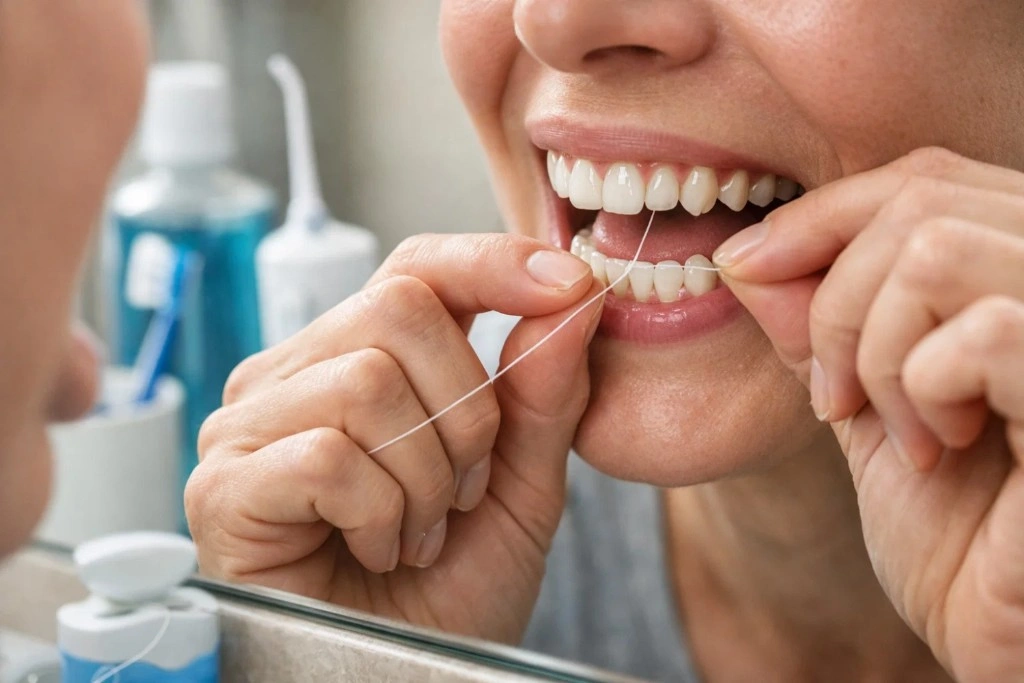
Flossing is essential because brushing alone can’t reach the tight spaces between teeth. When plaque builds up there, it inflames the gums and increases the risk of bleeding, swelling, and infections—making it harder to keep Gums Healthy long-term.
Think of flossing like cleaning the “edges” of your teeth where gum trouble often starts. If you struggle with traditional floss, try floss picks or a water flosser for easier use. Many people who say “i healed my receding gums” mention flossing as a turning point. It’s one of the most effective forms of gum disease self-care you can do at home.
3. Rinse with Warm Salt Water

Warm salt water is a classic natural remedy that supports Gums Healthy by soothing irritation and helping reduce harmful bacteria in the mouth. Salt creates an environment that makes it harder for bacteria to thrive, while the warm water helps calm swollen tissues.
Mix ½ teaspoon of salt in a glass of warm water and rinse for 20–30 seconds. This is especially useful after meals or when your gums feel tender. While it won’t instantly answer the question “can gums grow back?”, it can reduce inflammation that contributes to gum issues. Use it 1–2 times daily for best results.
4. Massage Your Gums to Boost Blood Flow
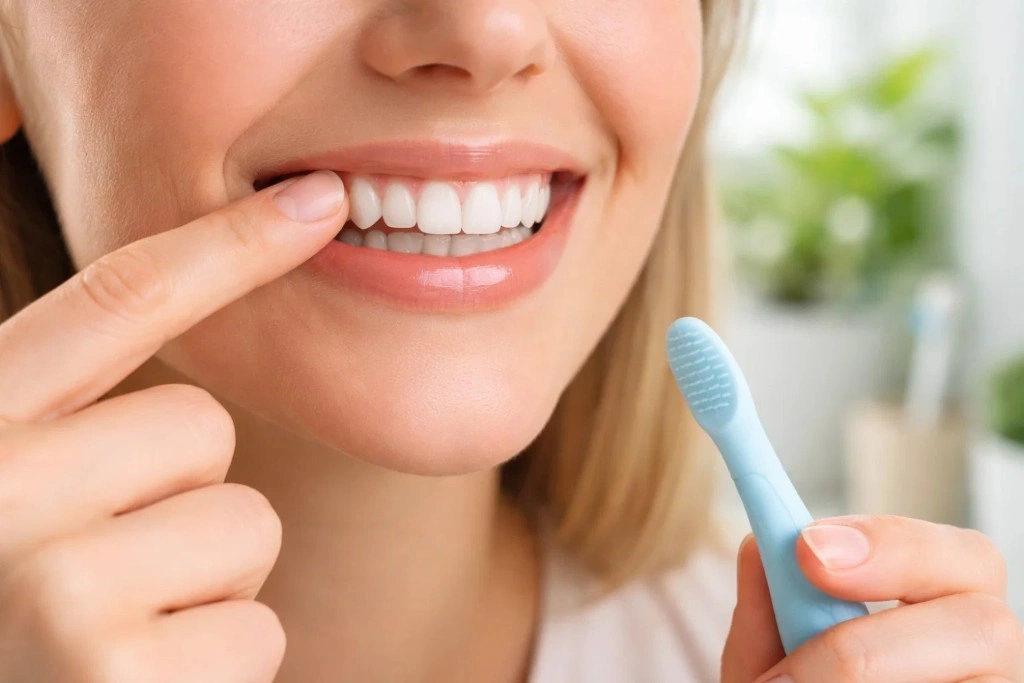
Gum massage is a gentle but powerful habit for keeping Gums Healthy because it improves circulation. Better blood flow means more oxygen and nutrients reach gum tissue, supporting repair and resilience. Use a clean finger or a soft silicone gum massager to rub along the gumline in slow circles for 1–2 minutes. This can also help relieve tightness and sensitivity.
People dealing with early receding gums often find gum massage calming and supportive when combined with good oral hygiene. While it doesn’t guarantee results for everyone, it’s a natural technique that fits well into daily routines without needing special products.
5. Eat Vitamin C-Rich Foods for Gum Strength

Vitamin C plays a major role in collagen production, which helps maintain firm gum tissue. If your diet lacks vitamin C, your gums may become weak, bleed easily, and struggle to stay healthy. Add oranges, guava, strawberries, bell peppers, and broccoli to your meals.
Compared to sugary snacks that feed harmful bacteria, vitamin C foods support healing and reduce inflammation. If you’ve asked “can gums grow back?”, Nutrition matters because gums need the right building blocks to recover. Pair vitamin C with plenty of water and limit acidic fruit juices to protect enamel while still getting the benefits.
6. Try Oil Pulling with Coconut Oil

Oil pulling is a traditional method where you swish oil in your mouth to reduce bacteria. Coconut oil is popular because it contains lauric acid, known for its antimicrobial properties. This practice can support gum health by reducing plaque buildup and improving breath freshness. Swish 1 tablespoon of coconut oil for 10–15 minutes, then spit it out (avoid swallowing it).
Many people compare it to a “deep clean” feeling after brushing. While it’s not a replacement for flossing, it can complement your routine—especially if you’re focusing on long-term gum support and preventing early inflammation around the gumline.
7. Use Aloe Vera Gel for Soothing Relief
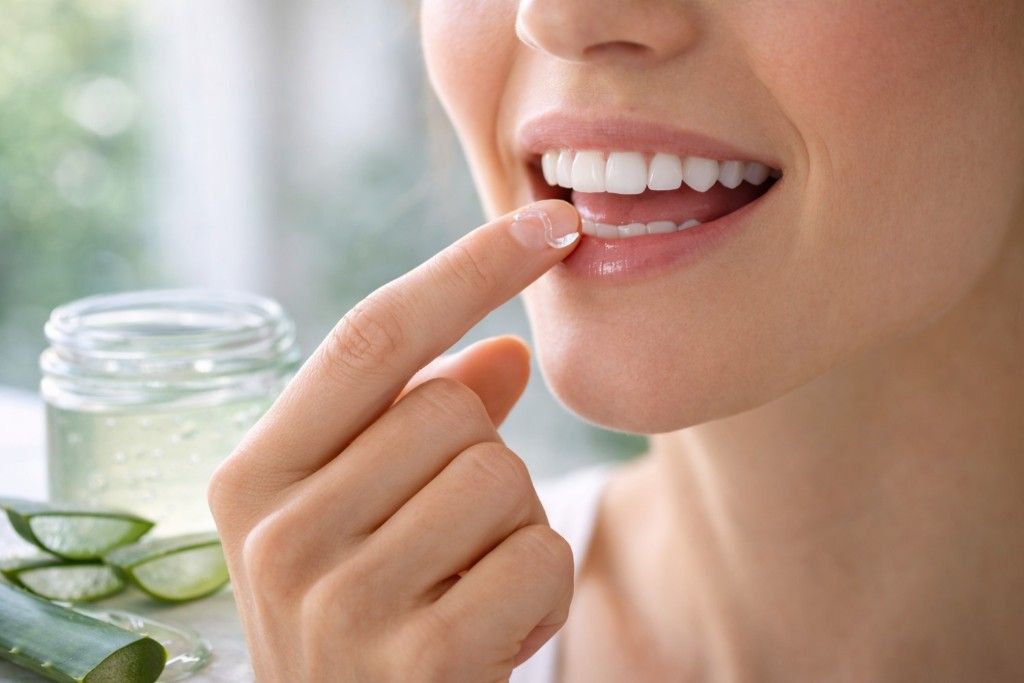
Aloe vera is well-known for calming irritated tissues, and it can help support Gums Healthy by reducing inflammation and discomfort. Look for food-grade aloe vera gel and apply a small amount along the gumline, then rinse after a minute or two.
This is especially useful if your gums feel sore after brushing or flossing. Compared to harsh mouthwashes with alcohol, aloe vera is gentler and less drying. People who say “i healed my receding gums” often mention switching to soothing natural options like aloe. Consistency matters—use it a few times weekly alongside proper cleaning habits.
8. Drink More Water and Chew Crunchy Foods

Hydration plays a bigger role than many people realize. Drinking water supports Gums Healthy by washing away food particles and reducing dryness, which can increase bacterial growth. Crunchy fruits and vegetables like apples, carrots, and celery act like natural scrubbers, gently cleaning the tooth surfaces while stimulating saliva. Saliva is your body’s built-in defense system against plaque acids.
If you’re worried about receding gums, staying hydrated helps keep gum tissue less irritated and more resilient. Compare water to sugary drinks: one protects your mouth, the other feeds bacteria. Aim for steady water intake throughout the day for best results.
9. Reduce Sugar and Acidic Drinks to Protect Gum Tissue

Sugar fuels harmful bacteria that create plaque, which irritates gums and makes it harder to maintain Gums Healthy. Acidic drinks like soda and energy drinks can also weaken enamel and inflame the gumline. A simple swap—water, unsweetened tea, or diluted herbal drinks—can lower bacterial activity dramatically.
If you’re asking “can gums grow back?”, reducing sugar is crucial because ongoing inflammation blocks healing. Instead of snacking on sweets, choose nuts, cheese, or vegetables that don’t feed bacteria. This change may feel small, but it often creates one of the biggest improvements in mouth freshness, gum comfort, and long-term oral stability.
10. Manage Stress to Reduce Gum Inflammation

Stress doesn’t just affect your mind—it can affect your mouth too. High stress levels may weaken immune function, making it harder for your body to keep Gums Healthy. Some people also clench their jaw or grind teeth under stress, which can strain gum tissues and worsen sensitivity. Try simple stress reducers like walking, stretching, deep breathing, or improving sleep quality.
Compared to relying only on mouth products, stress management supports the body’s internal healing system. If you’ve been thinking “can gums grow back?”, remember that healing isn’t just local—it depends on overall health. A calmer body often supports healthier gums.
11. Try Green Tea for Natural Gum Support

Green tea contains antioxidants called catechins that may help reduce inflammation and limit bacterial growth. Drinking it regularly can support Gums Healthy by improving gum comfort and reducing bad breath. Compared to sweetened drinks, green tea is a smarter daily habit because it supports the mouth without feeding plaque bacteria. Brew it fresh, drink it warm, and avoid adding sugar.
For extra benefit, rinse your mouth with cooled green tea after meals. If you’re working toward healthier gums and wondering “can gums grow back?”, green tea can be a supportive addition to your routine. Consistency, again, is the key to results.
Disclaimer: This article is for informational purposes only and does not constitute professional advice. Please consult a qualified professional for specific guidance.