
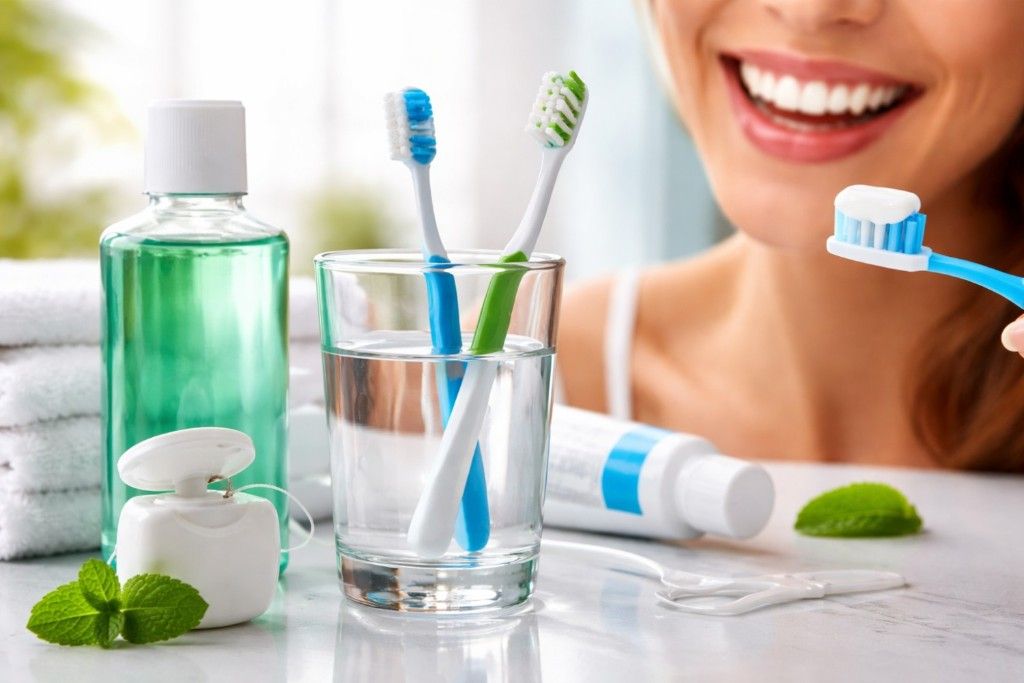
Dental health is a crucial aspect of overall well-being, influencing everything from self-confidence to your body’s overall health. Incorporating a few simple yet effective habits into your daily routine can significantly improve your oral hygiene and prevent common dental issues such as cavities, gum disease, and bad breath. Adopting these practices will not only keep your smile bright but also promote long-term oral health.
1. Brush Your Teeth Twice a Day

Brushing your teeth twice a day is essential for maintaining oral health. It helps remove plaque, food particles, and harmful bacteria. Make sure to use fluoride toothpaste, which strengthens tooth enamel and helps prevent cavities. Brush for at least two minutes, ensuring you clean all areas of your mouth, including the back teeth and tongue.
Gentle, circular motions are recommended to avoid damaging your gums. Using a soft-bristled toothbrush will protect your enamel while ensuring effective cleaning. Don’t forget to replace your toothbrush or brush head every three months to maintain its effectiveness.
2. Floss Daily

Flossing removes food particles and plaque from between your teeth and along the gum line—areas that a toothbrush can’t reach. This simple habit can significantly reduce the risk of gum disease and cavities. Gently guide the floss between your teeth, curving it around each tooth to clean the sides and beneath the gum line.
Be sure not to snap the floss, as it can damage your gums. If traditional floss feels cumbersome, try using floss picks or a water flosser. Flossing daily removes harmful bacteria and helps keep your breath fresh.
3. Use Mouthwash

Mouthwash is a helpful addition to your daily oral care routine. It helps kill bacteria, freshens breath, and provides an extra layer of protection. Choose an alcohol-free mouthwash to avoid drying out your mouth. Mouthwash can also reduce plaque buildup and promote gum health.
Rinse with mouthwash after brushing and flossing for a clean, refreshing finish to your routine. Many mouthwashes also contain fluoride, which can strengthen enamel. It’s a great option for those who struggle with bad breath or want to enhance their overall oral hygiene.
4. Avoid Sugary Snacks

Limiting sugary snacks and drinks is one of the most effective ways to prevent tooth decay. Sugar feeds the harmful bacteria in your mouth, which produce acids that attack tooth enamel. Frequent sugar consumption, especially between meals, increases the risk of cavities and gum disease.
If you need a snack, opt for healthier options like fruits, nuts, or cheese. These foods are less likely to cause harm to your teeth. Additionally, drinking water after consuming sugary items can help wash away food particles and neutralize acids in the mouth.
5. Drink Water Frequently

Water is not only essential for overall hydration, but it also helps maintain good oral health. Drinking water frequently throughout the day rinses away food particles, reduces acid buildup, and promotes saliva production.
Saliva is your mouth’s natural defense against cavities and gum disease, as it helps neutralize acids and remineralize teeth. After meals, sipping water can help wash away any food debris, keeping your mouth clean. If you’re craving a beverage, opt for water instead of sugary sodas or juices to keep your teeth healthy and hydrated.
6. Limit Acidic Foods and Drinks

Acidic foods and beverages like citrus fruits, wine, and soda can wear down tooth enamel over time. Excessive exposure to acid weakens enamel, leading to increased sensitivity and a higher risk of cavities. To protect your teeth, limit acidic foods and drinks, especially between meals.
If you indulge, rinse your mouth with water afterward to neutralize the acids. Avoid brushing your teeth immediately after consuming acidic foods, as the enamel is temporarily softened and may be more vulnerable to abrasion. Drinking through a straw can also help minimize direct contact with your teeth.
7. Chew Sugar-Free Gum

Chewing sugar-free gum after meals is a quick and easy way to improve your dental health. Sugar-free gum stimulates saliva production, which helps neutralize acids in your mouth and wash away food particles. Saliva is essential for protecting your teeth from decay and gum disease.
Choose gum that contains xylitol, a sugar substitute that has been shown to reduce the growth of cavity-causing bacteria. Chewing gum also increases blood flow to the gums, promoting gum health. Keep a pack of sugar-free gum with you to freshen your breath and protect your teeth on the go.
8. Maintain a Healthy Diet

A balanced diet is crucial for healthy teeth and gums. Foods rich in calcium, such as dairy, leafy greens, and fortified products, help strengthen tooth enamel. Vitamin D is equally important for the absorption of calcium, so include fatty fish, eggs, and fortified foods in your diet.
Vitamin C, found in fruits and vegetables, supports gum health and helps prevent gum disease. A diet rich in whole grains, lean proteins, and fiber also promotes overall oral health. Eating a variety of nutrient-dense foods can lower your risk of dental problems and support long-term oral wellness.
9. Don’t Smoke

Smoking is a leading cause of oral health problems, including gum disease, tooth loss, and oral cancer. It also causes bad breath and stains teeth. The chemicals in tobacco reduce blood flow to the gums, impairing the body’s ability to fight infections.
If you’re a smoker, quitting can significantly improve your dental health and reduce your risk of serious oral issues. Smokers are also more prone to plaque buildup and gum recession, which can lead to tooth decay. Seek support to quit smoking and protect both your oral and overall health.
10. Visit Your Dentist Regularly
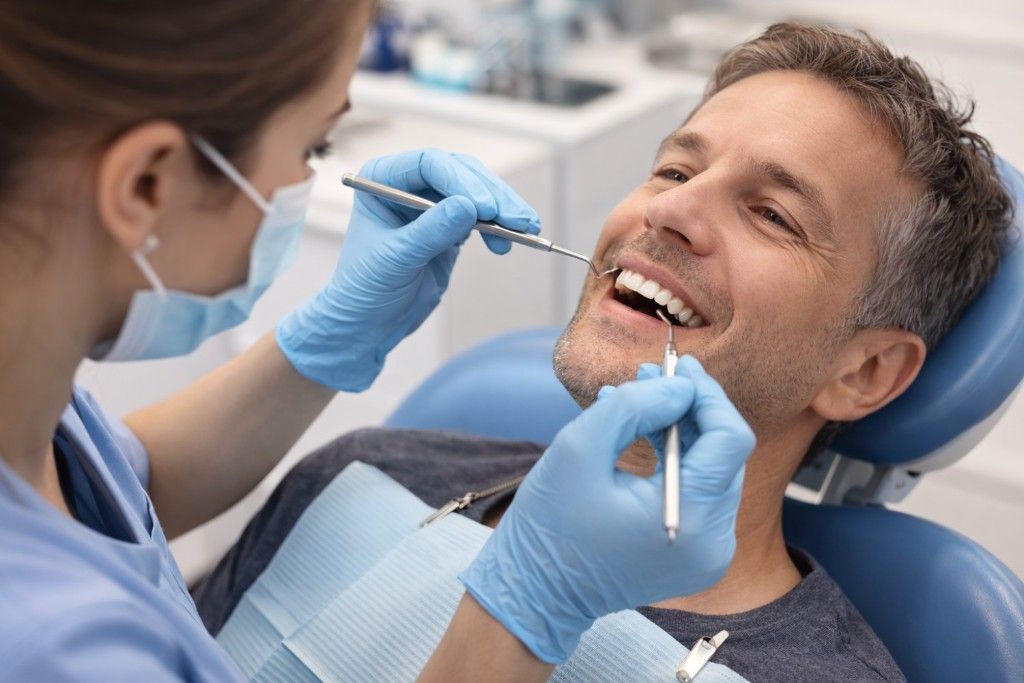
Regular dental check-ups are vital for maintaining optimal oral health. During these visits, your dentist can detect early signs of tooth decay, gum disease, or other oral health issues before they become serious. Professional cleanings remove plaque and tartar that build up over time and cannot be removed by regular brushing and flossing.
Dentists also offer valuable advice on how to improve your dental habits and address any concerns. Aim for at least two dental visits per year to ensure your teeth and gums remain in top condition.
11. Use a Tongue Scraper
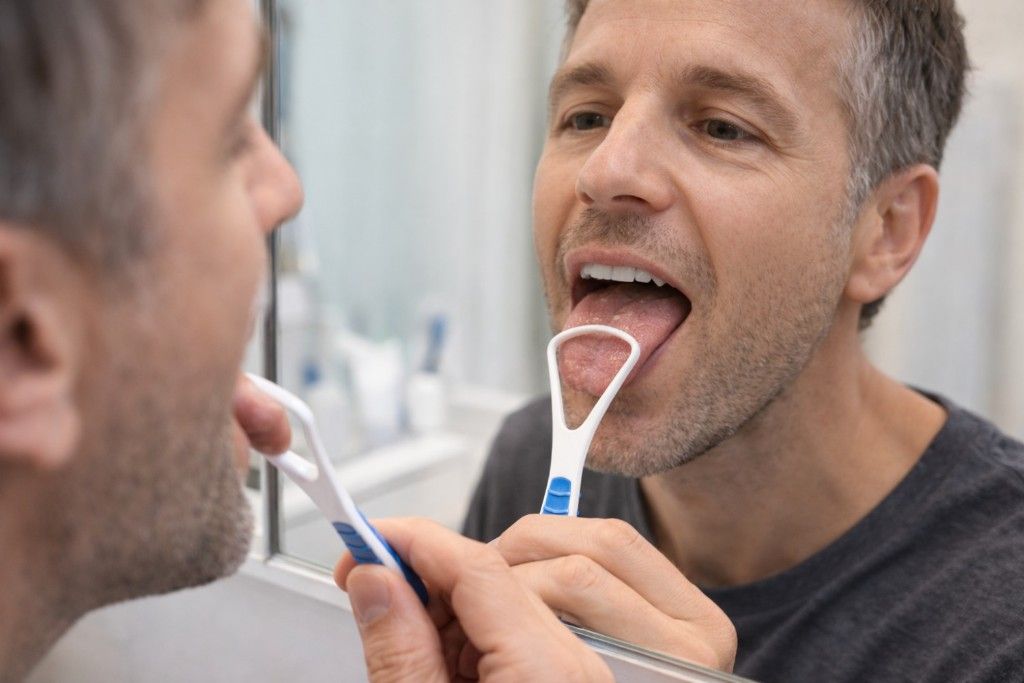
Your tongue can accumulate bacteria, dead cells, and food particles that contribute to bad breath and oral infections. Using a tongue scraper after brushing your teeth helps remove this buildup, improving your overall oral hygiene.
Gently scrape the surface of your tongue from back to front, rinsing the scraper after each pass. Regularly scraping your tongue helps reduce bacteria, freshen your breath, and maintain a cleaner mouth. It’s a quick and easy addition to your oral care routine that can make a big difference in your dental health.
12. Protect Your Teeth at Night

Many people unknowingly grind their teeth at night, which can cause wear, jaw pain, and tooth sensitivity. Teeth grinding, also known as bruxism, can be caused by stress or misaligned teeth. If you suspect you’re grinding your teeth, talk to your dentist about getting a custom mouthguard.
A mouthguard provides a protective barrier between your teeth, preventing damage caused by grinding. Additionally, if you experience jaw pain, headaches, or tooth sensitivity, your dentist may offer solutions to alleviate these issues and protect your teeth at night.
13. Avoid Over-Brushing
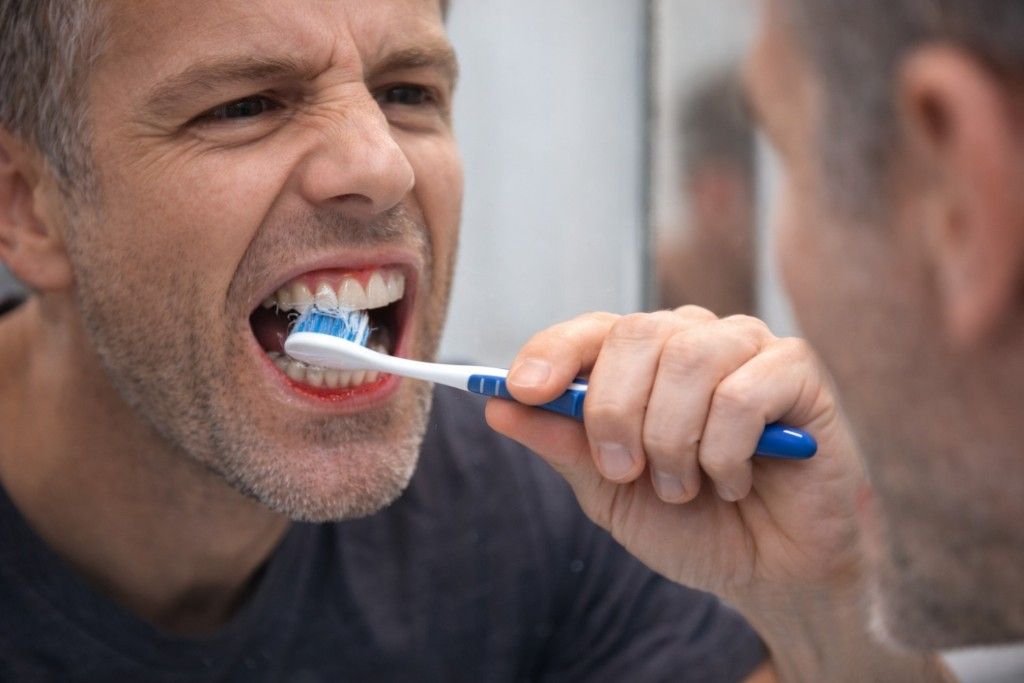
While brushing is essential for oral health, over-brushing can be harmful. Brushing too aggressively or using a hard-bristled toothbrush can wear down your enamel and irritate your gums, leading to sensitivity and gum recession. To prevent this, use a soft-bristled toothbrush and brush gently using circular motions.
Avoid scrubbing your teeth too hard, as this can cause damage to your enamel over time. If you’re unsure about your brushing technique, ask your dentist for guidance to ensure you’re cleaning your teeth effectively without harming them.
14. Incorporate Fluoride into Your Routine
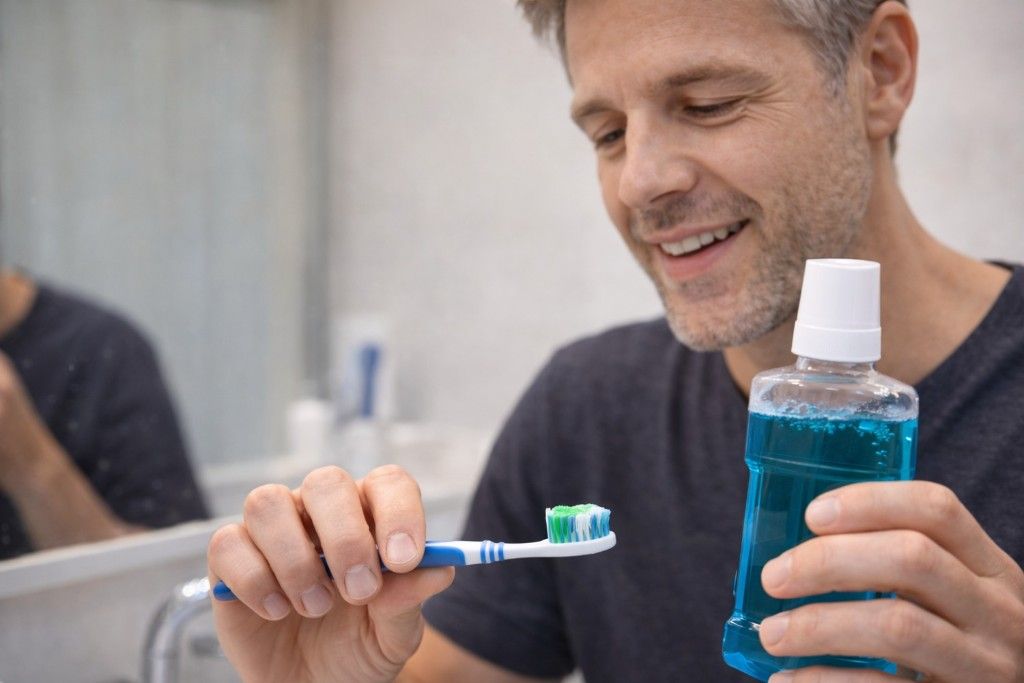
Fluoride is a key mineral in protecting your teeth from decay and strengthening enamel. Many toothpaste brands contain fluoride, but if you’re prone to cavities, ask your dentist about additional fluoride treatments. Fluoride helps remineralize weakened enamel, making your teeth more resistant to the acids produced by bacteria in your mouth.
Using a fluoride mouthwash or toothpaste as part of your daily routine offers added protection against tooth decay. If you have concerns about fluoride, your dentist can recommend the right products to suit your individual needs.
15. Manage Stress Effectively

Stress can negatively affect your dental health in several ways. It can lead to teeth grinding, which damages teeth and causes jaw pain. Additionally, high-stress levels can weaken your immune system, making it harder for your body to fight off infections like gum disease.
To manage stress, consider practicing relaxation techniques such as yoga, deep breathing, or meditation. Regular exercise can also help reduce stress and improve your overall well-being, including your dental health. Managing stress effectively can improve both your mental health and the health of your teeth and gums.
Disclaimer: This article is for informational purposes only and does not constitute professional advice. Please consult a qualified professional for specific guidance.