
Imagine driving across the country in a car that never needs refueling. That’s the dream scientists have for future spaceships powered by nuclear engines. Instead of relying on chemical fuel that burns out quickly, nuclear propulsion could give spacecraft nearly unlimited energy.
This means faster trips to Mars, safer missions to distant planets, and even the possibility of exploring beyond our solar system. It’s a bold vision, but one that’s already being tested today. And just like humanity has always found new ways to travel farther, nuclear engines may be the key to our next giant leap.
1. What Is Nuclear Propulsion?
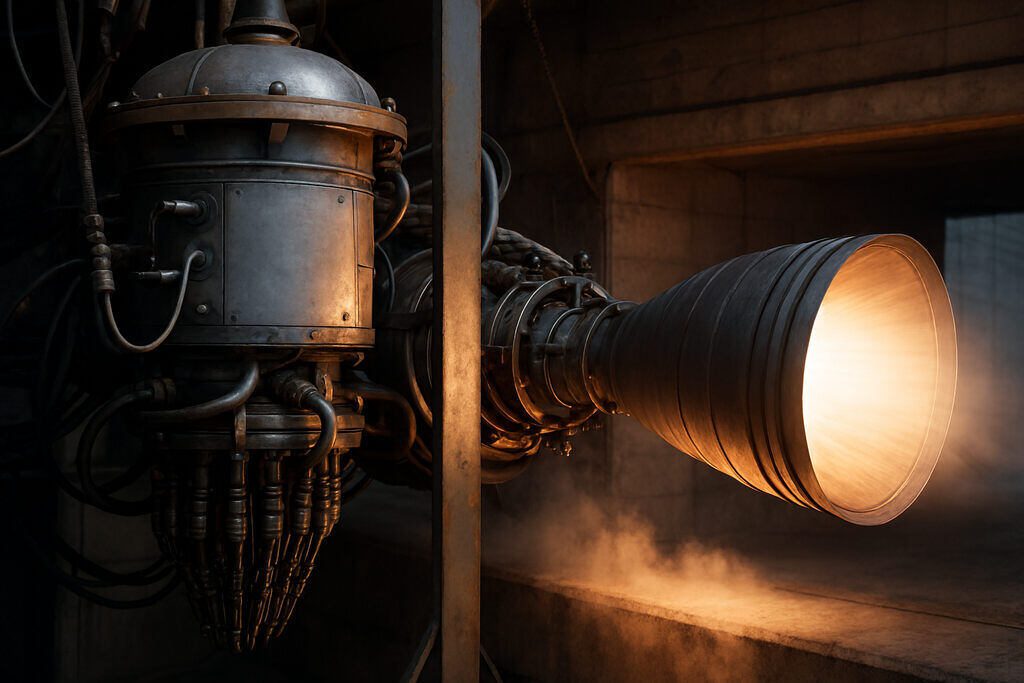
Nuclear propulsion uses energy from atomic reactions instead of chemical combustion. In nuclear thermal propulsion (NTP), a reactor heats hydrogen fuel until it expands and shoots out of the engine, creating thrust. Nuclear electric propulsion (NEP) works differently: it converts nuclear energy into electricity, which powers ion thrusters.
Both methods are far more efficient than chemical rockets. While chemical engines burn fuel quickly and limit payloads, nuclear propulsion offers sustained power, meaning spacecraft can travel longer distances with fewer stops. This efficiency could make interplanetary travel practical within our lifetimes.
2. Why Chemical Rockets Aren’t Enough
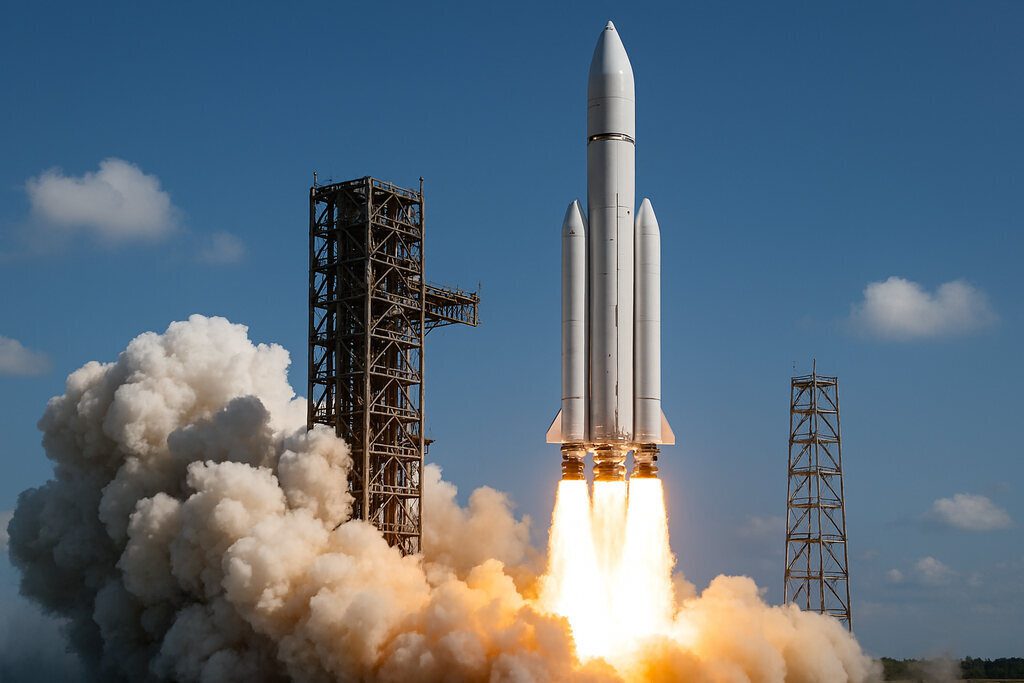
Chemical rockets have served us well, taking astronauts to the Moon and probes across the solar system. But they’re limited. A trip to Mars with chemical propulsion takes about seven months. That’s a long time for astronauts exposed to radiation and isolation.
Chemical rockets also require massive amounts of fuel, leaving less room for supplies. Nuclear engines solve both problems. They cut travel time significantly and allow spacecraft to carry more cargo. Faster trips mean safer missions, and more cargo means better chances of survival on distant worlds.
3. Nuclear Thermal Propulsion (NTP)
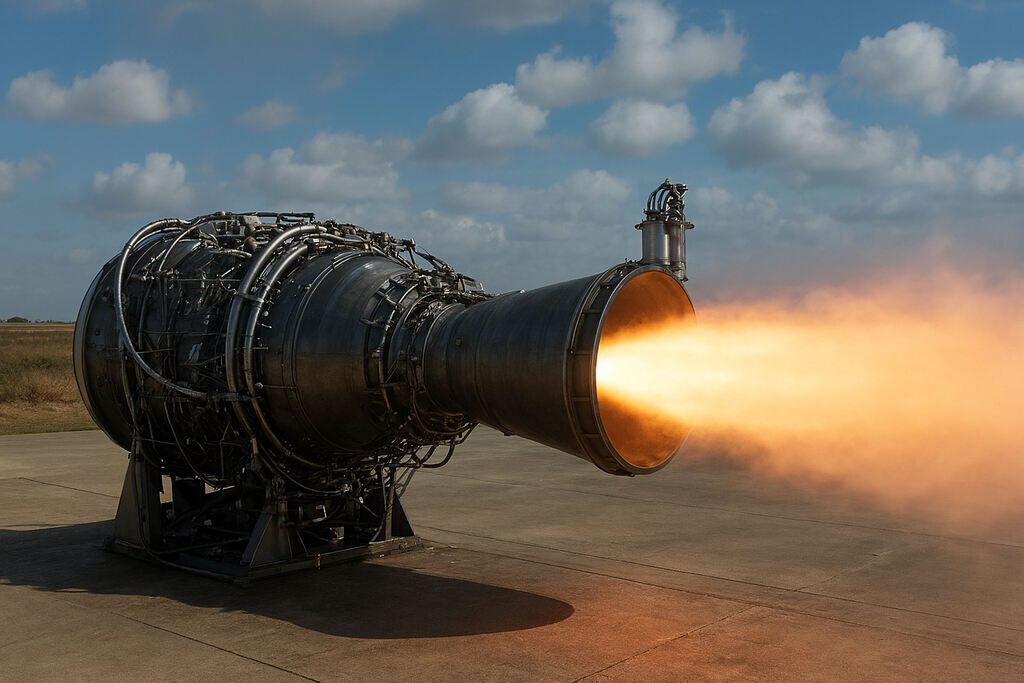
NTP is one of the most promising designs. A nuclear reactor heats liquid hydrogen to extreme temperatures. The hydrogen expands into gas and blasts out of the nozzle, producing thrust. This system is about twice as efficient as chemical rockets.
NASA and Lockheed Martin are working on NTP prototypes, aiming to test them in space within the next decade. The advantage of NTP is high thrust combined with efficiency, making it ideal for crewed missions to Mars. It’s like upgrading from a steam engine to a jet engine in terms of speed and power.
4. Nuclear Electric Propulsion (NEP)
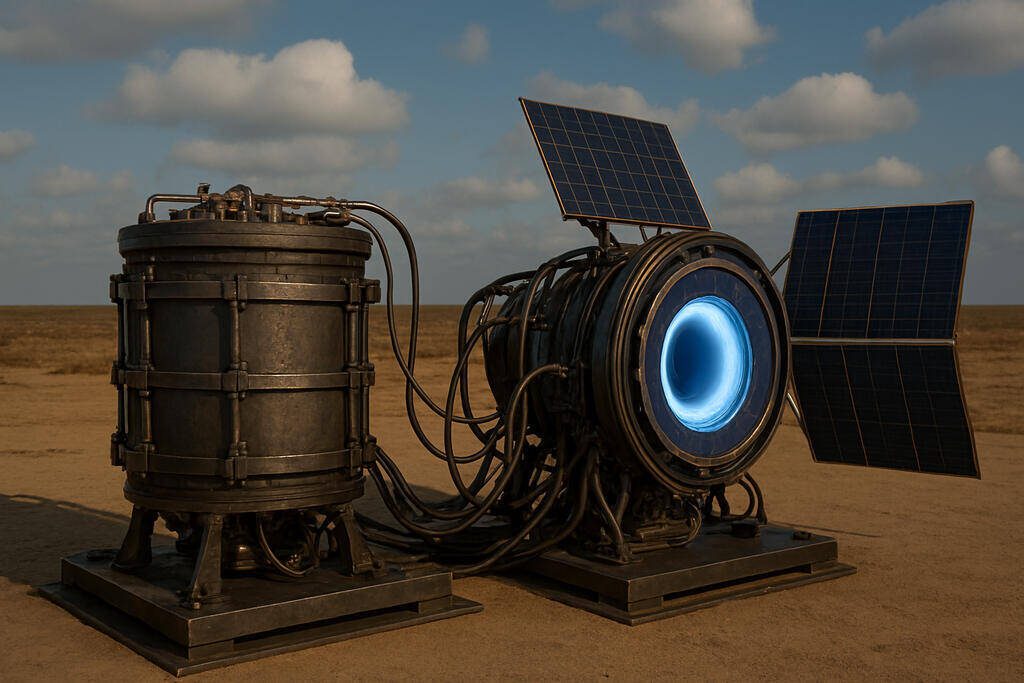
NEP takes a different approach. Instead of heating fuel directly, it uses a reactor to generate electricity. That electricity powers ion thrusters, which eject charged particles at high speed. NEP produces less thrust than NTP but is incredibly efficient.
It’s perfect for cargo missions or long-duration journeys where speed isn’t the only priority. NEP could power spacecraft exploring the outer planets or even missions beyond Pluto. Think of it as the difference between a freight train and a sports car—both useful, but for different purposes.
5. Fusion-Powered Rockets
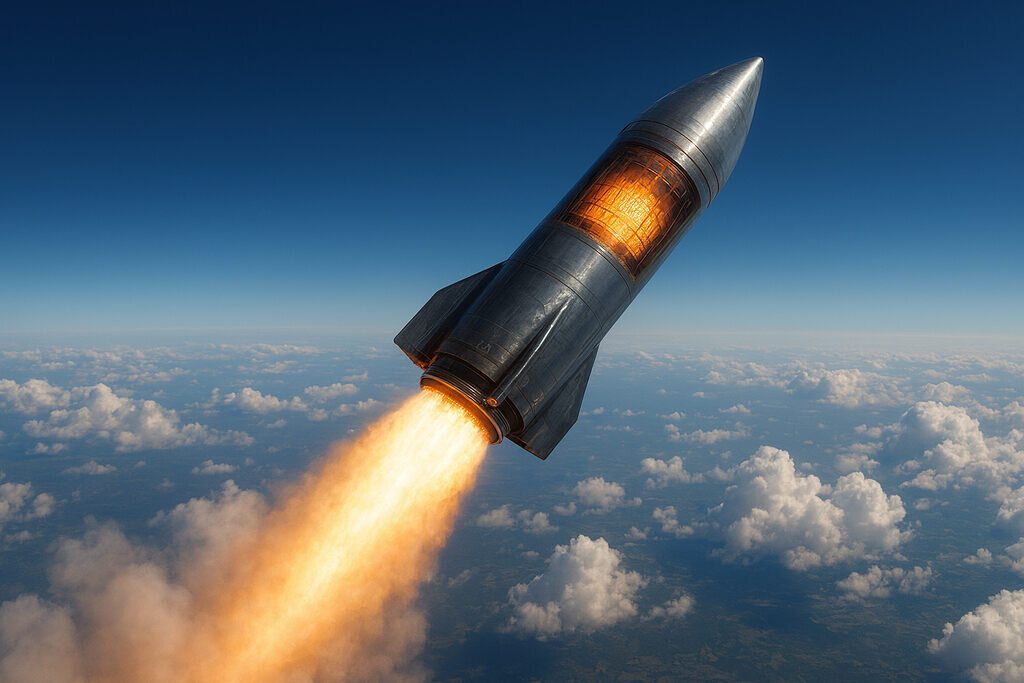
Beyond fission-based designs, companies like Pulsar Fusion are exploring nuclear fusion rockets. Fusion, the same process that powers the Sun, could provide nearly limitless energy. Pulsar’s “Sunbird” concept aims to cut Mars travel time in half and reach Pluto in just four years.
Fusion rockets would be game-changers, offering high thrust and efficiency without the radioactive waste of fission. While fusion technology is still experimental, progress is accelerating, and space travel may benefit sooner than expected.
6. Cutting Travel Time to Mars
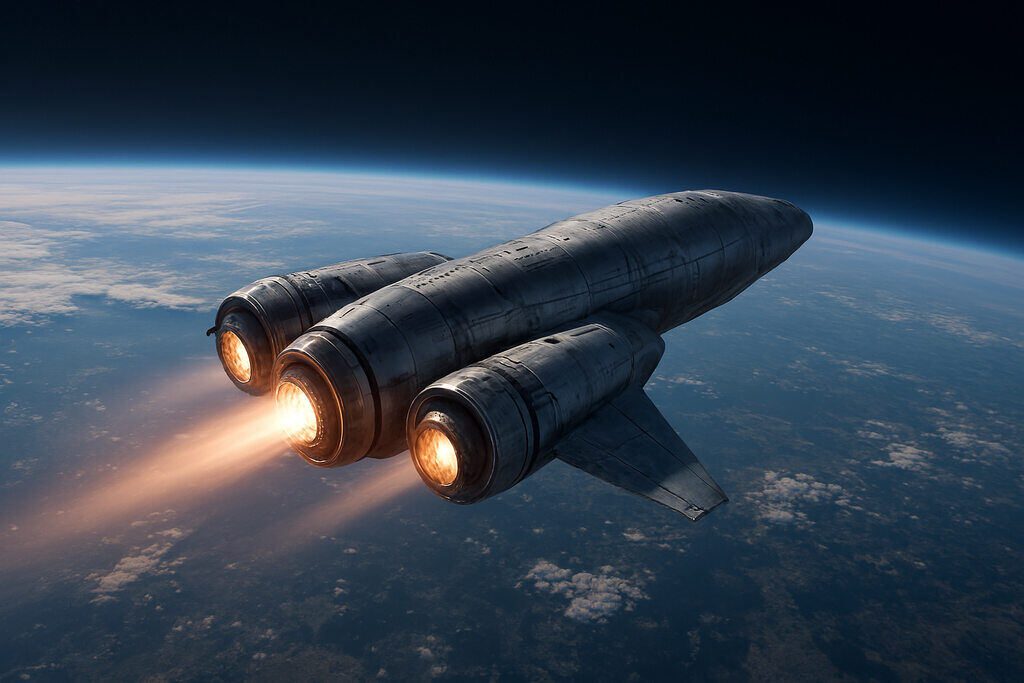
With nuclear propulsion, Mars could be reached in about three to four months instead of seven. This shorter journey reduces astronauts’ exposure to harmful cosmic radiation and psychological stress. Faster trips also mean more flexibility for mission planning. Instead of waiting years for the right planetary alignment, nuclear engines could make launches more frequent. This could turn Mars exploration from a rare event into a regular mission schedule, paving the way for colonization.
7. Safety Concerns
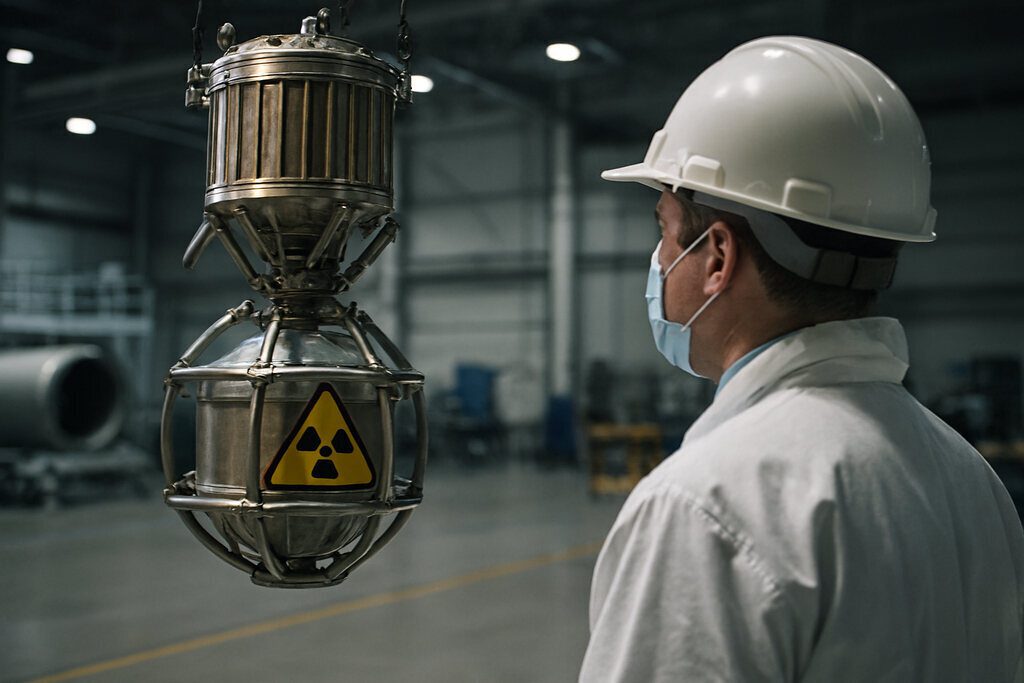
Nuclear engines raise safety questions. Launching a reactor into space carries risks if something goes wrong. However, designs focus on keeping reactors inactive until safely in orbit. Once in space, the risk of contamination is minimal. Engineers are also exploring fusion, which produces less radioactive waste. Safety protocols will be critical, but history shows that nuclear technology can be managed responsibly, as seen in submarines and power plants.
8. Carrying More Cargo
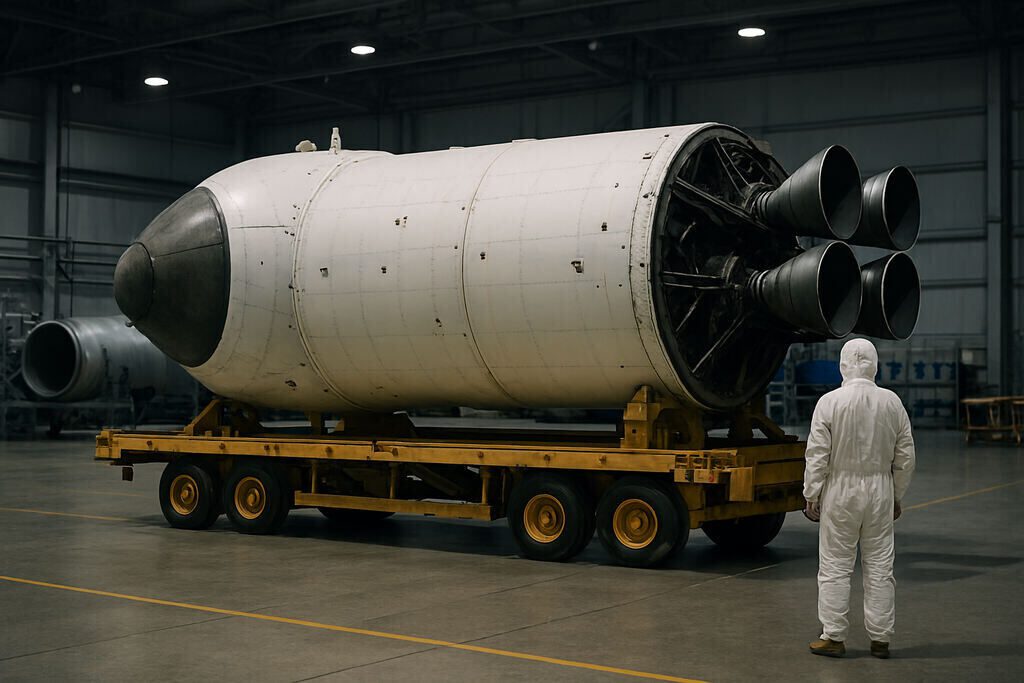
Efficiency means more payload capacity. Nuclear engines allow spacecraft to carry heavier supplies, habitats, and scientific equipment. This is vital for long missions where astronauts need food, water, and protection from radiation. More cargo also means more opportunities for scientific discovery, as missions can bring advanced instruments to study planets and moons.
9. Exploring Outer Planets
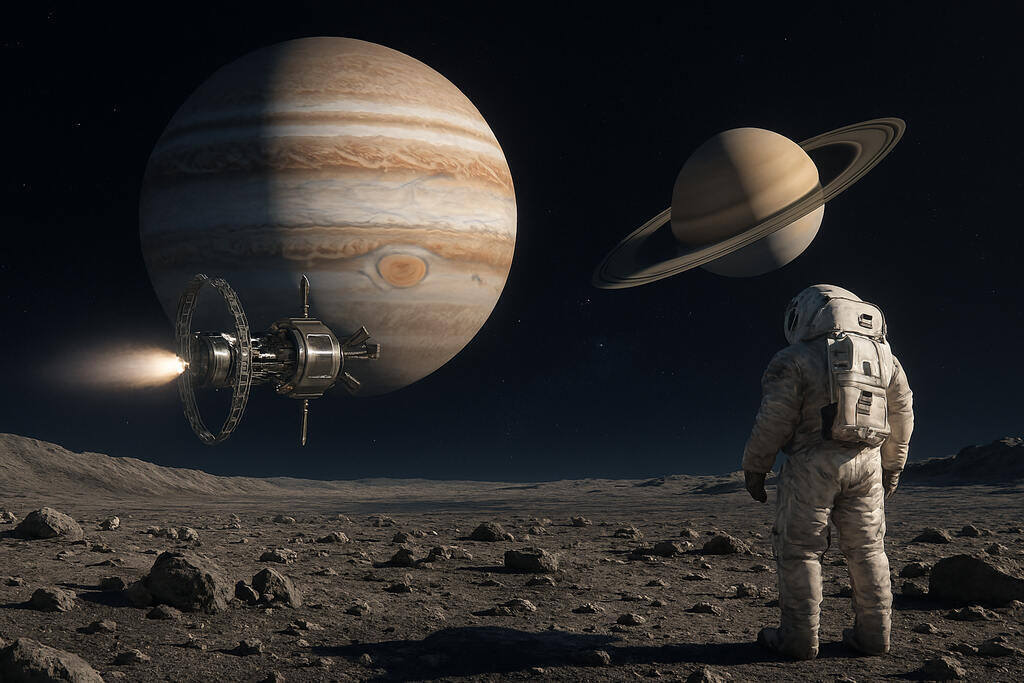
Nuclear propulsion isn’t just about Mars. It could open the door to missions to Jupiter, Saturn, and beyond. Chemical rockets take decades to reach these worlds, but nuclear engines could cut travel times dramatically. This means faster exploration of icy moons like Europa and Titan, which may hold clues to life.
10. Permanent Space Tugs
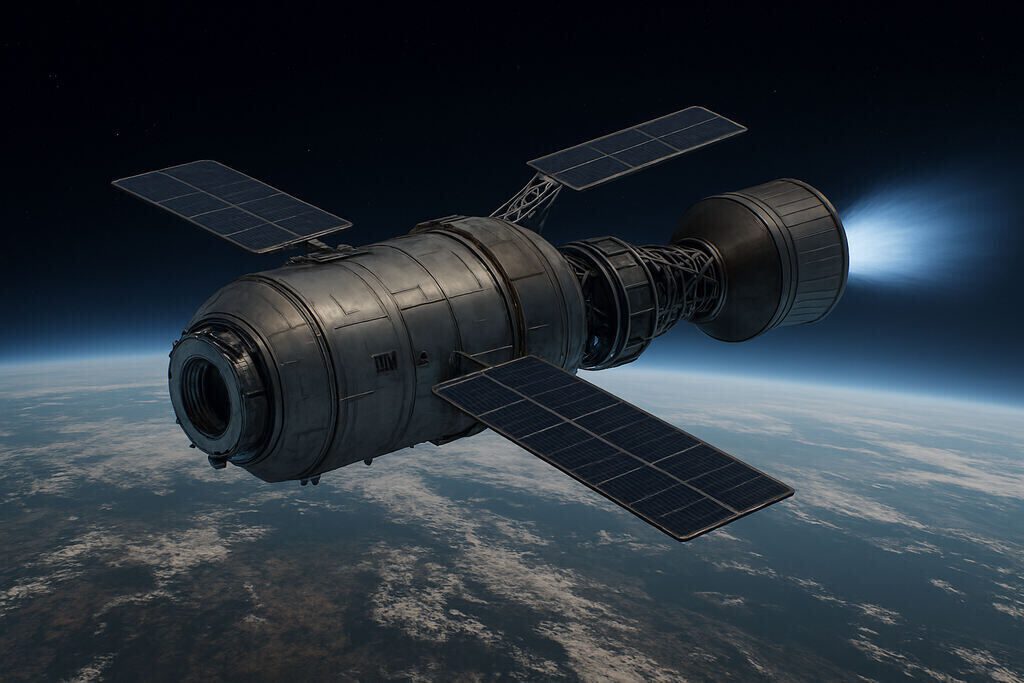
Pulsar Fusion envisions nuclear-powered “space tugs” permanently stationed in orbit. These tugs could dock with spacecraft and propel them across the solar system. Instead of building massive rockets for every mission, reusable tugs would make space travel more efficient and affordable.
11. Cost and Investment
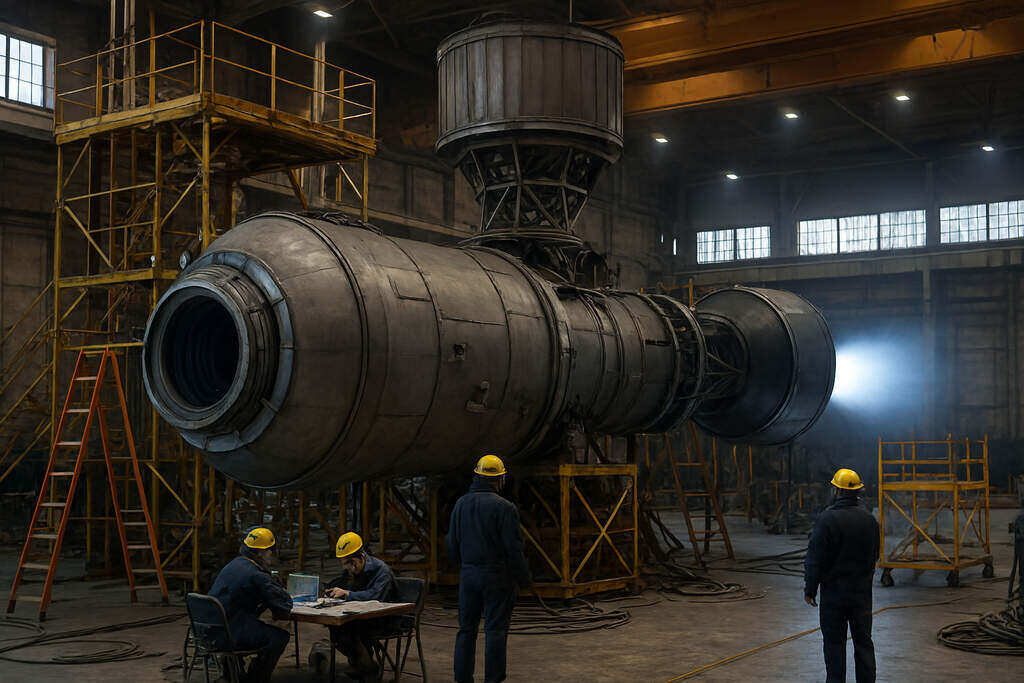
Developing nuclear propulsion is expensive, but the long-term benefits outweigh the costs. Faster missions save money, reduce risks, and expand opportunities. Governments and private companies are investing heavily, seeing nuclear engines as the future of exploration.
12. Lessons from Nuclear Submarines
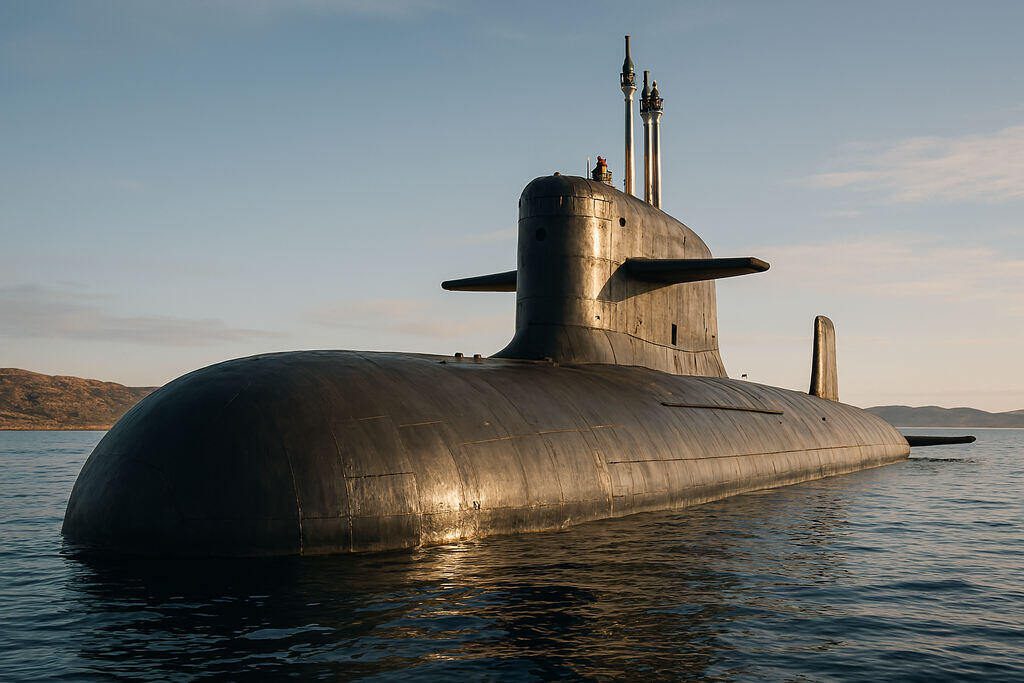
Nuclear-powered submarines have operated safely for decades. Their success shows that nuclear technology can be managed responsibly. Spacecraft reactors would be smaller and designed for maximum safety, learning from submarine engineering.
13. International Collaboration
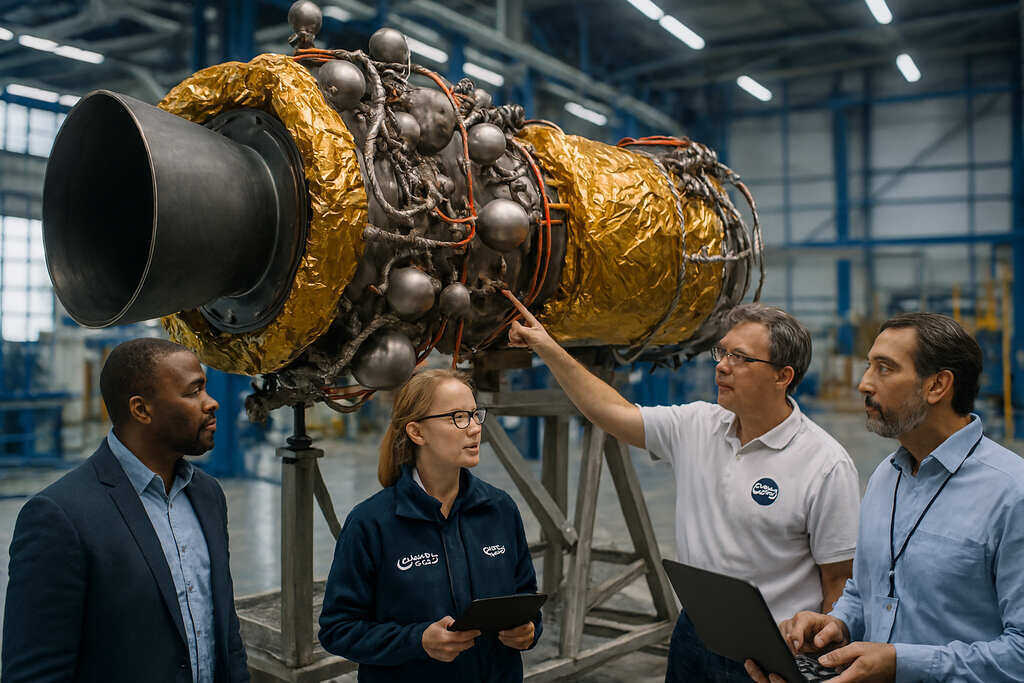
Nuclear propulsion is too big for one nation alone. NASA, ESA, and private companies are collaborating to develop these engines. International cooperation ensures safety standards and shared benefits, making space exploration a global effort.
14. Beyond the Solar System
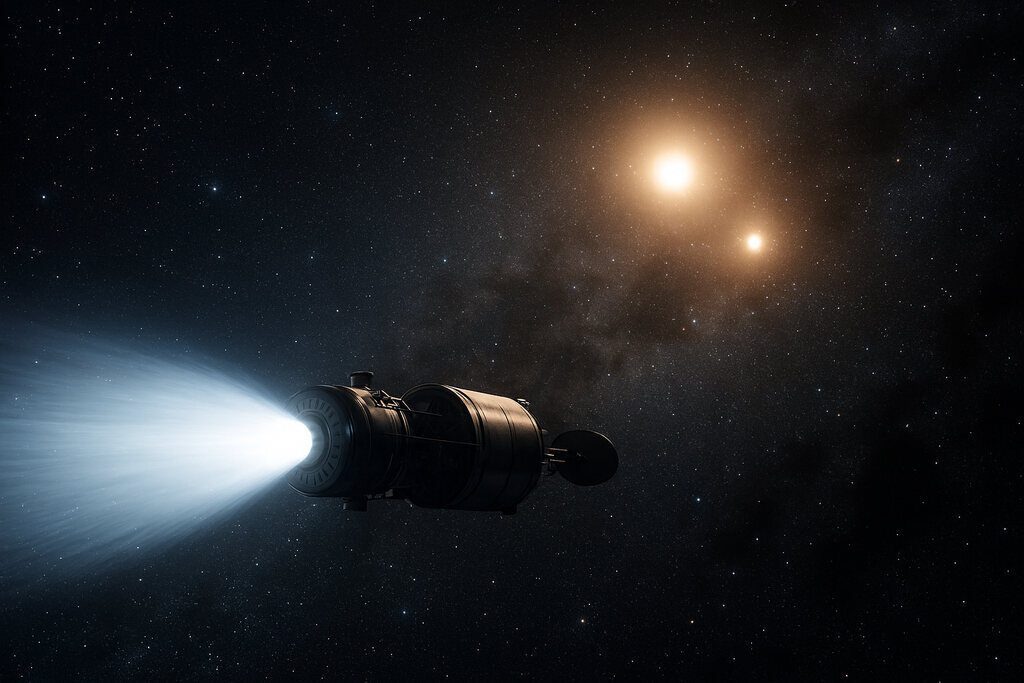
With nuclear propulsion, missions to nearby stars become more realistic. While interstellar travel is still far away, nuclear engines are a step toward faster journeys beyond our solar system. They could power probes to Alpha Centauri or other star systems, expanding humanity’s reach.
15. Motivational Conclusion
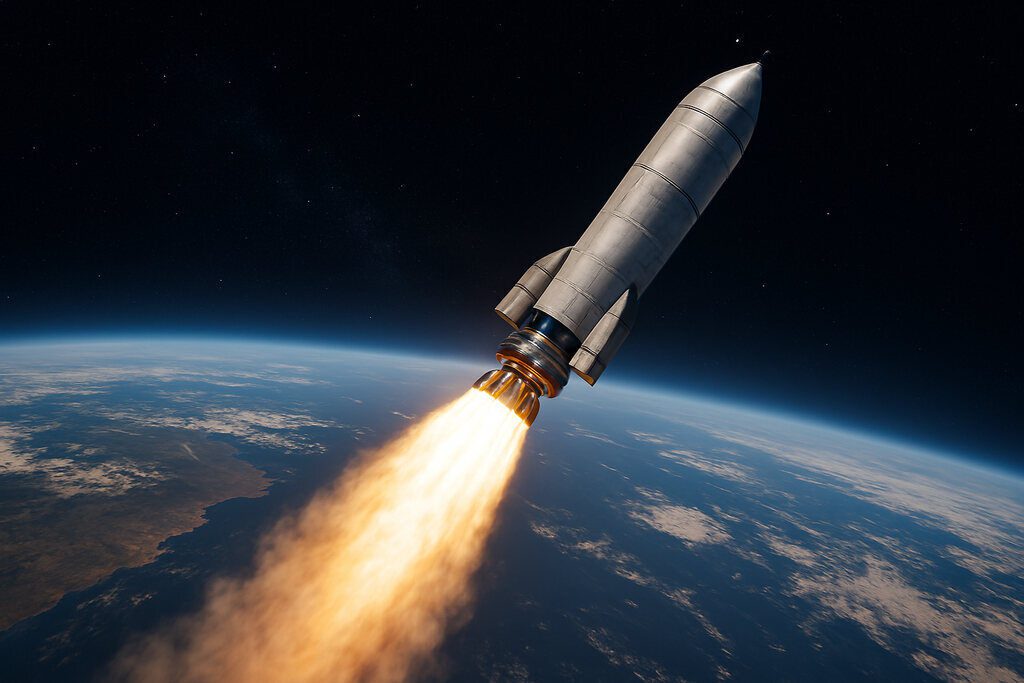
Nuclear engines represent humanity’s next great adventure. Just as steam-powered ships crossed oceans, nuclear propulsion could carry us across the stars. It’s a reminder that progress comes from bold ideas and persistence. The future of space travel isn’t just about reaching new worlds—it’s about proving that we can adapt, innovate, and dream bigger than ever before.