
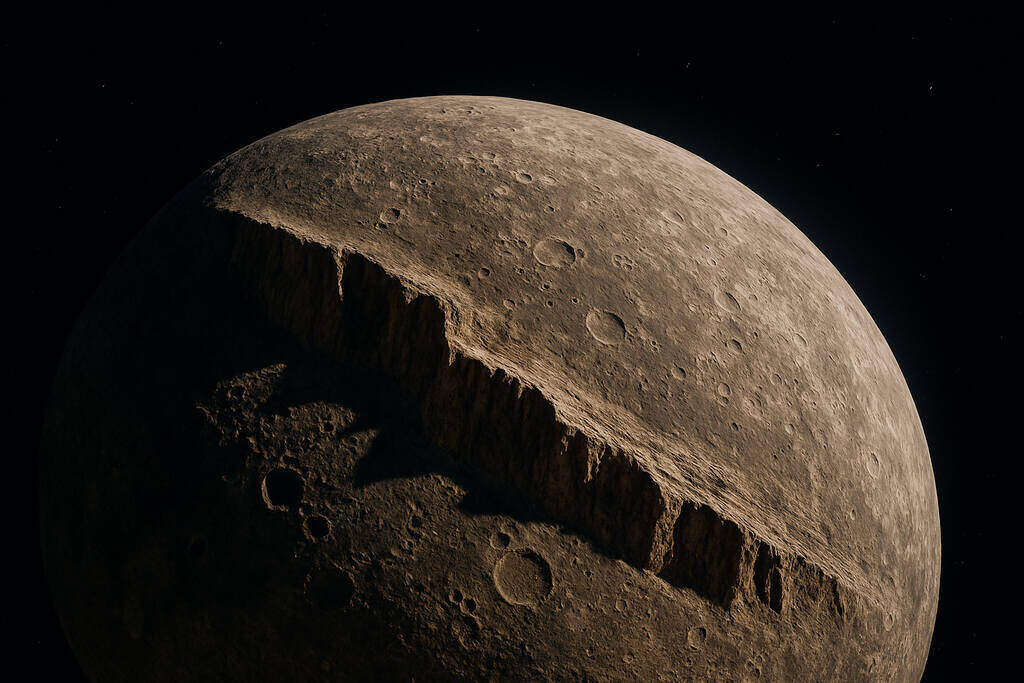
Think of Mercury like a loaf of bread fresh from the oven. When it cools, the crust tightens and cracks. Mercury, the smallest planet in our solar system, is going through something similar. Over billions of years, its hot insides have cooled down, causing the planet to shrink.
This slow change has left scars across its surface—towering cliffs that stretch for hundreds of kilometers. It’s a reminder that even planets evolve with time. And just like Mercury, we too adapt to pressures, carrying marks of growth and resilience.
1. Mercury’s Cooling Core
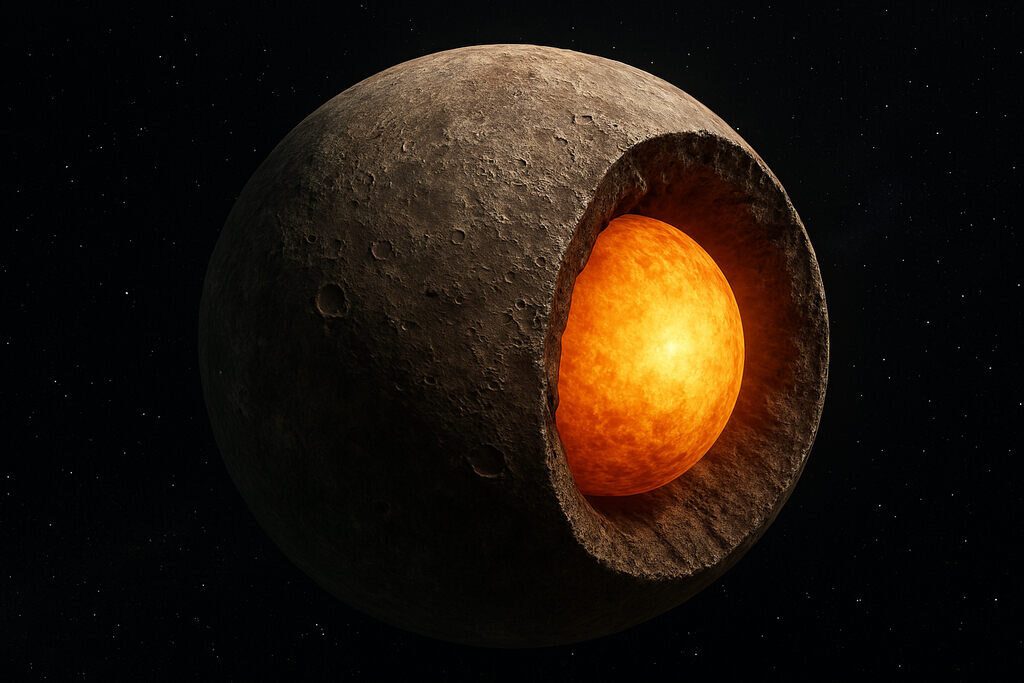
Mercury was born about 4.5 billion years ago, blazing hot from collisions and cosmic energy. Its massive iron core, which makes up about 85% of the planet’s volume, has been slowly losing heat ever since. As the core cools, it contracts, pulling the crust inward. Imagine a metal ball cooling—it shrinks slightly.
Mercury’s core behaves the same way, driving the planet’s slow shrinkage. This cooling is not a quick process; it takes billions of years. Scientists believe Mercury’s radius has decreased by several kilometers since its birth, showing how powerful and long-lasting planetary cooling can be.
2. The Rocky Crust
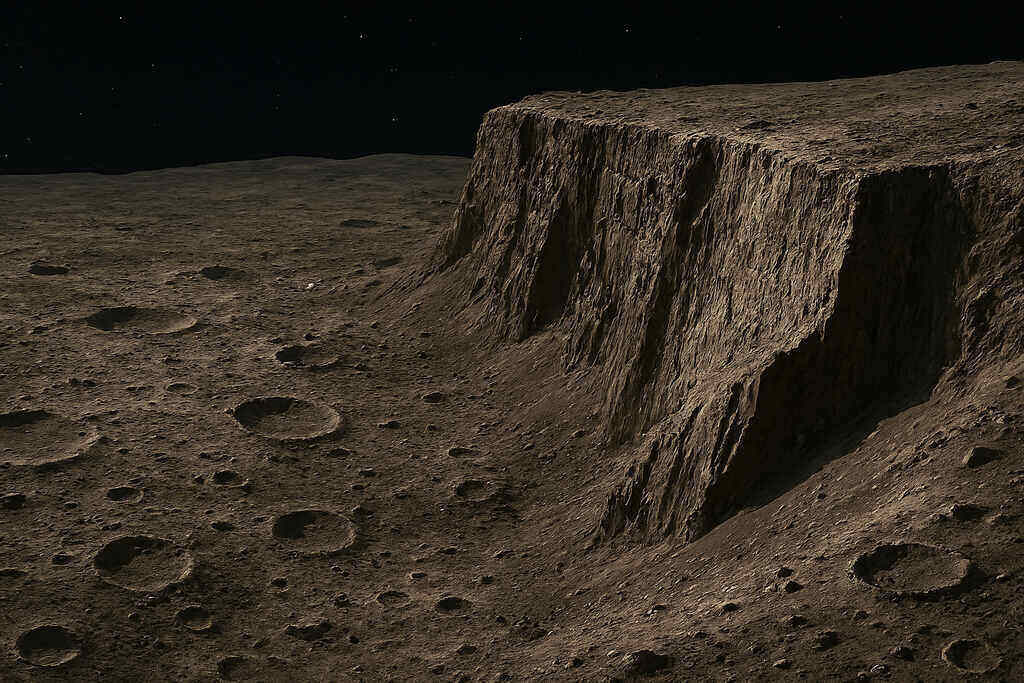
Mercury’s crust is rigid and brittle. Unlike soft materials that bend, rocks crack under pressure. As the core contracts, the crust fractures, forming thrust faults. These faults push sections of land over one another, creating massive cliffs. Some cliffs rise higher than Mount Everest, reshaping Mercury’s surface dramatically.
These cracks are permanent scars, evidence of the planet’s struggle to adjust to its shrinking interior. It’s like the wrinkles on an aging face—visible signs of time’s passage. Mercury’s crust tells the story of billions of years of stress and adaptation.
3. Evidence from Spacecraft
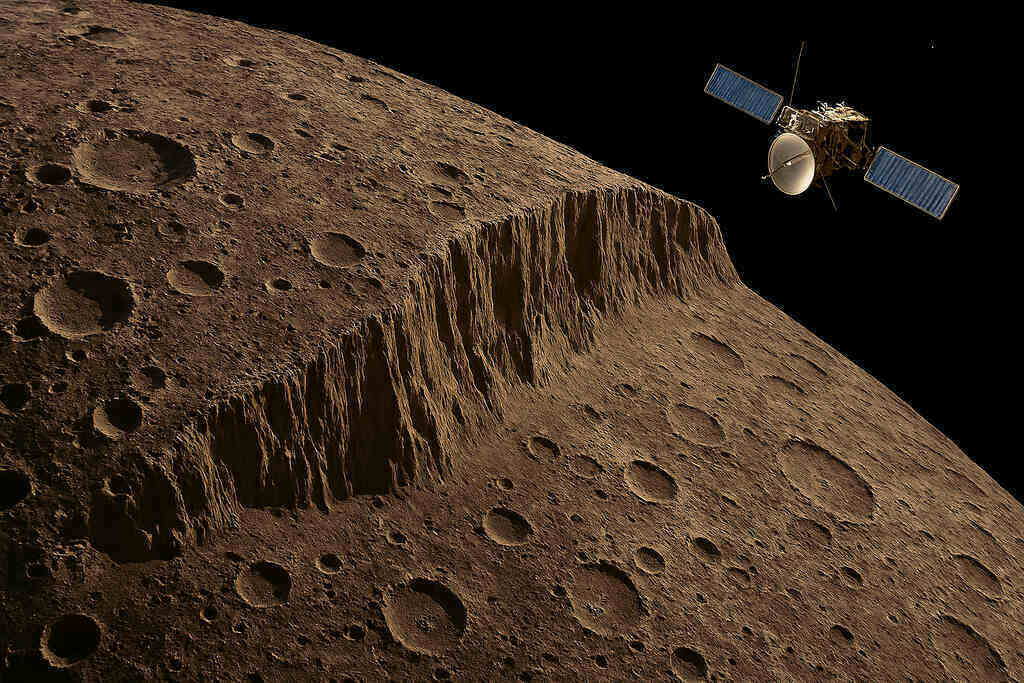
NASA’s MESSENGER spacecraft, which orbited Mercury from 2011 to 2015, gave us detailed images of the planet’s surface. It revealed thousands of scarps—giant cliffs formed by planetary contraction. These features proved Mercury is shrinking. Before MESSENGER, scientists had only vague ideas about Mercury’s shrinkage.
With its close-up images, they could measure the cliffs and confirm that Mercury’s radius had decreased significantly. MESSENGER turned Mercury from a mystery into a storybook of planetary evolution, showing us how even small worlds undergo dramatic changes over time.
4. How Much Shrinkage?
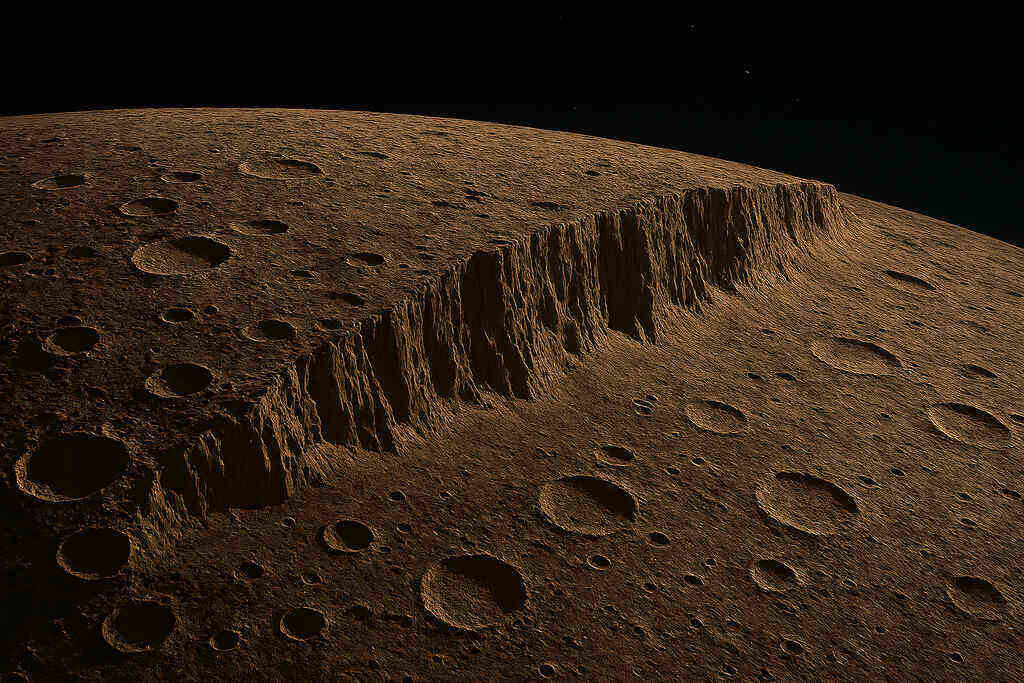
Studies estimate Mercury’s radius has decreased by 2.7–5.6 kilometers since its birth. Some research suggests up to 11 kilometers of contraction for a planet that’s enormous. Imagine Earth shrinking by several kilometers—it would cause oceans to shift and mountains to rise differently.
On Mercury, this shrinkage has reshaped the landscape, creating cliffs that stretch for hundreds of kilometers. These measurements give scientists clues about how Mercury’s interior has cooled and how long the process has been happening. Shrinkage is not just a number—it’s a window into planetary history.
5. Earth vs. Mercury
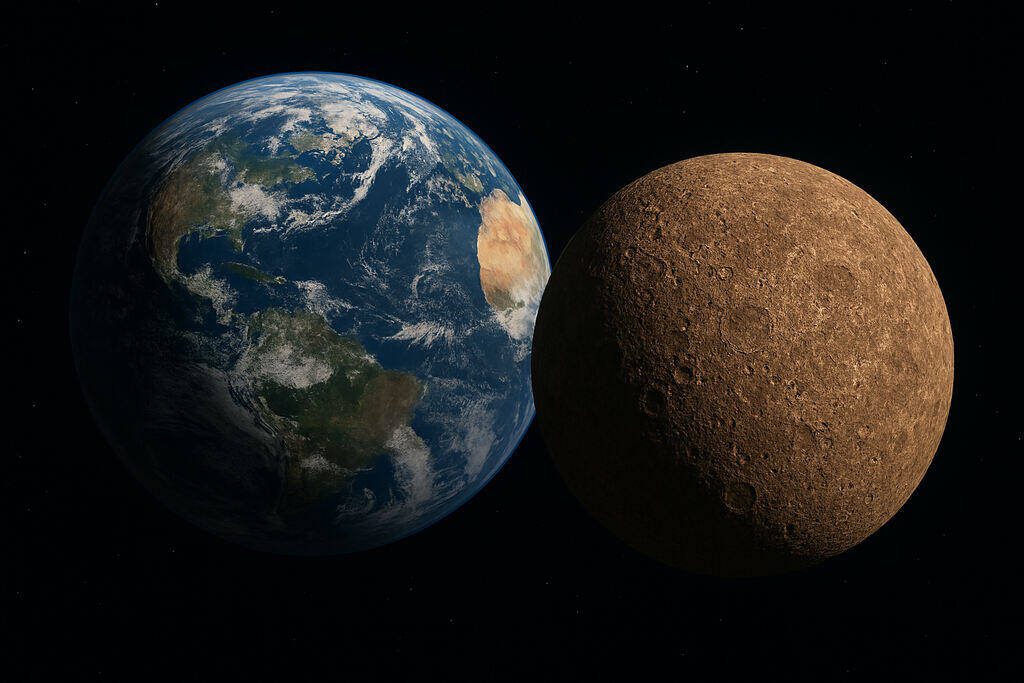
Earth also cools, but it doesn’t shrink the same way. Why? Because Earth has plate tectonics. Our crust moves and recycles itself, releasing stress. Mercury lacks this system, so stress builds up, cracking the crust instead. Earth’s oceans and atmosphere also help regulate its cooling, while Mercury, with no atmosphere to speak of, loses heat more directly. This difference shows why Mercury’s shrinkage is unique. It’s a planet without the safety valves Earth has, so its surface bears the full marks of contraction.
6. Why Shrinkage Is Slow
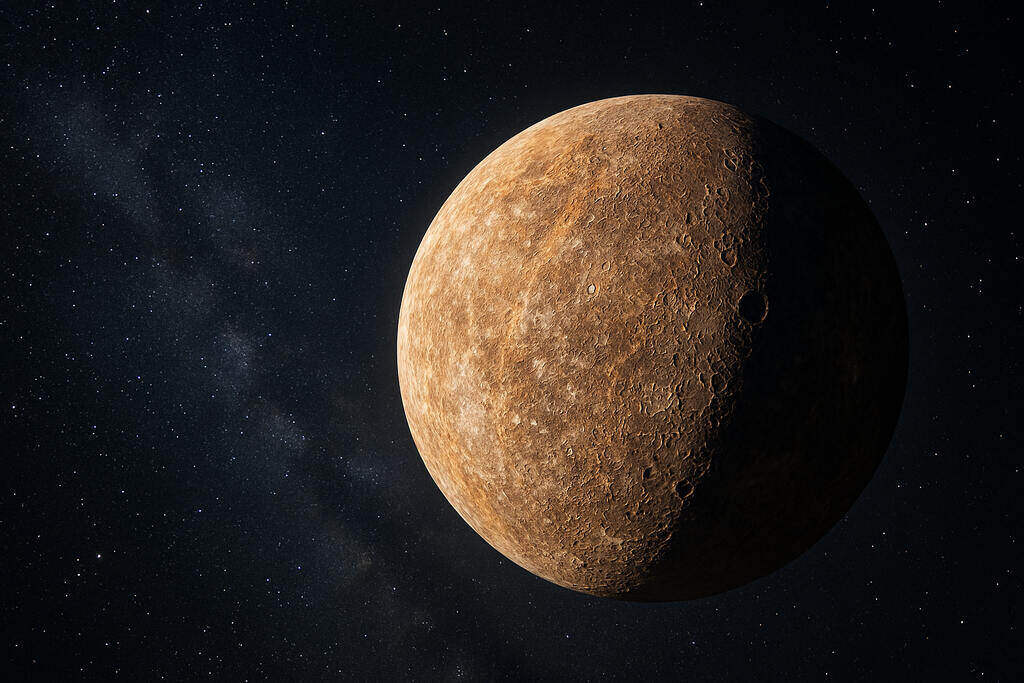
Cooling a planet takes billions of years. Mercury’s shrinkage is gradual, like waiting for a giant oven to cool. Even today, Mercury continues to lose heat, meaning the process hasn’t stopped. The slow pace is due to the planet’s size and composition. Smaller planets cool faster than larger ones, but the process is still incredibly long compared to human lifetimes. Mercury’s slow shrinkage reminds us that cosmic changes happen on timescales far beyond our daily experience.
7. The Sun’s Role
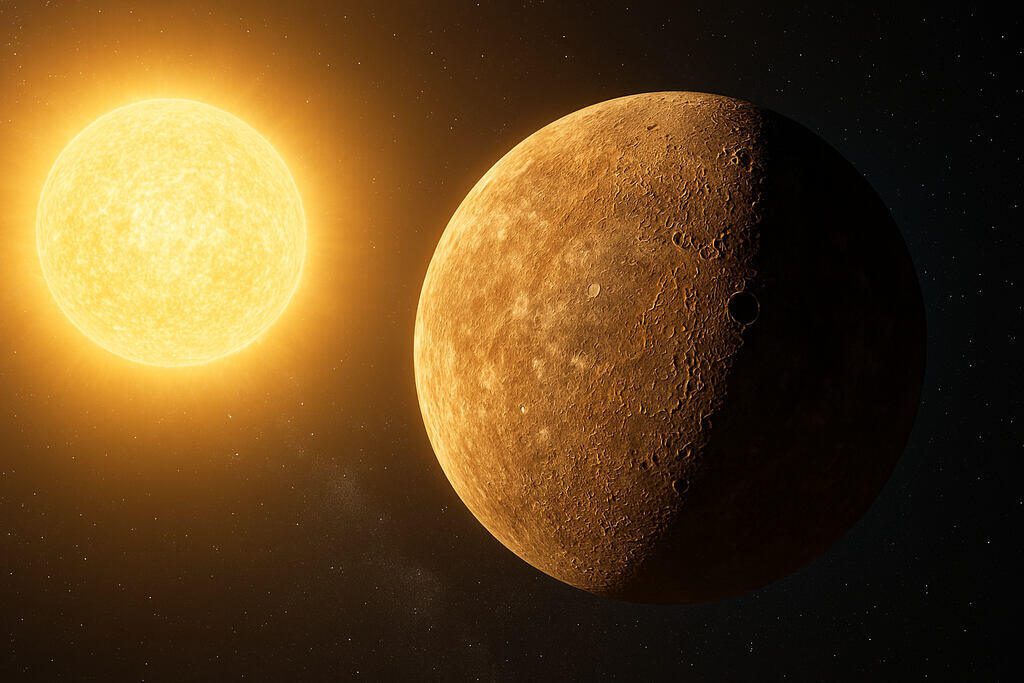
Mercury is closest to the Sun, enduring extreme surface heat. Daytime temperatures can reach 430°C, while nights plunge to -180°C. Yet its interior still cools. The Sun warms the outside, while the inside steadily loses energy. It’s like standing near a fire while your body still cools down. The Sun’s heat doesn’t penetrate deep enough to stop Mercury’s core from contracting. This contrast between scorching surface and cooling interior makes Mercury one of the most fascinating planets to study.
8. Lobate Scarps
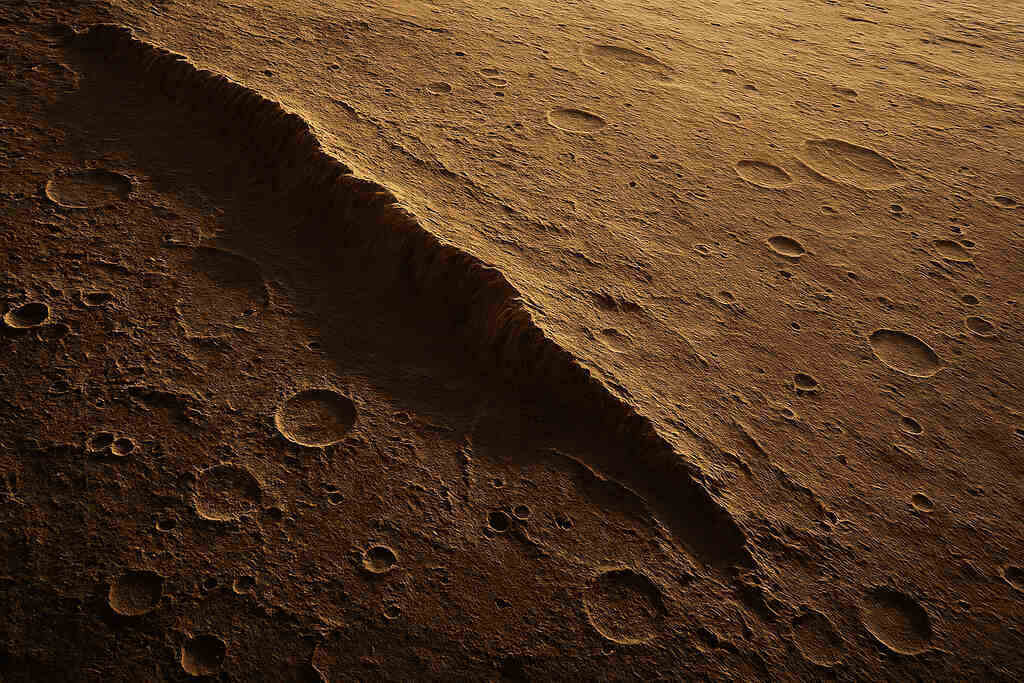
The cliffs Mercury bears are called “lobate scarps.” They stretch hundreds of kilometers and rise up to 3 km high. These scars are Mercury’s wrinkles—visible proof of its shrinking body. They form when the crust is forced to overlap itself, like folds in a blanket.
MESSENGER’s images showed scarps crisscrossing the planet, evidence that shrinkage is global, not local. These scarps are among the most dramatic geological features in the solar system, telling the story of Mercury’s long, slow contraction.
9. Mercury’s Iron Core
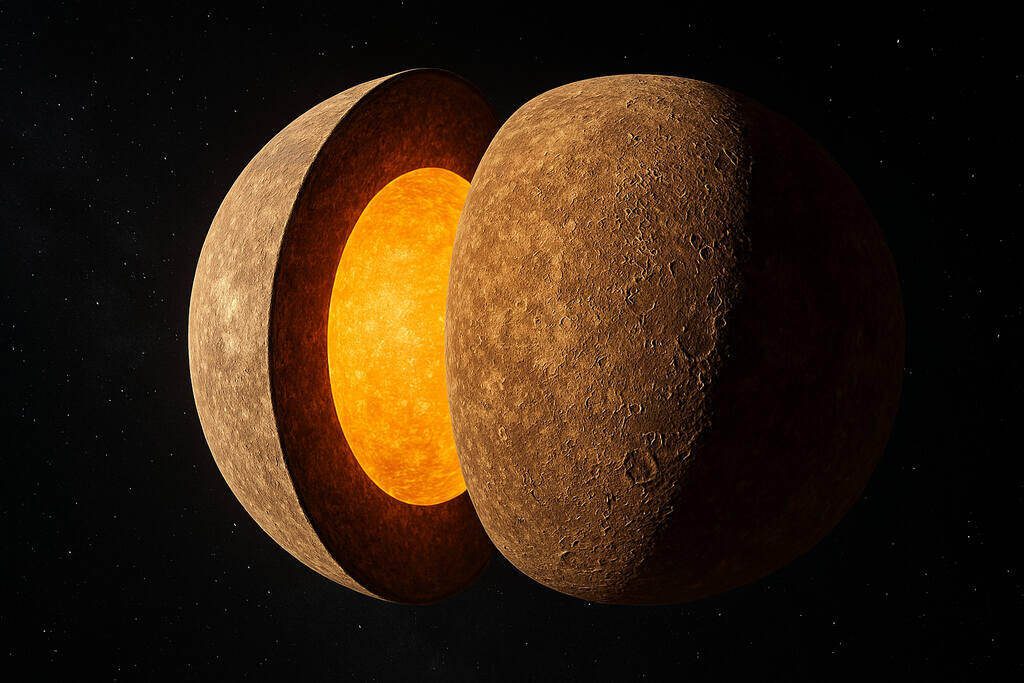
Mercury has an unusually large iron core compared to its size. This makes its cooling process more intense. The bigger the core, the more heat it loses, leading to more noticeable shrinkage than planets like Venus or Mars. Scientists think Mercury’s large core may be the result of early collisions that stripped away much of its outer layers. This unique history explains why Mercury shrinks more visibly than other planets. Its oversized core is both its defining feature and the reason for its dramatic geological changes.
10. Mercury-quakes
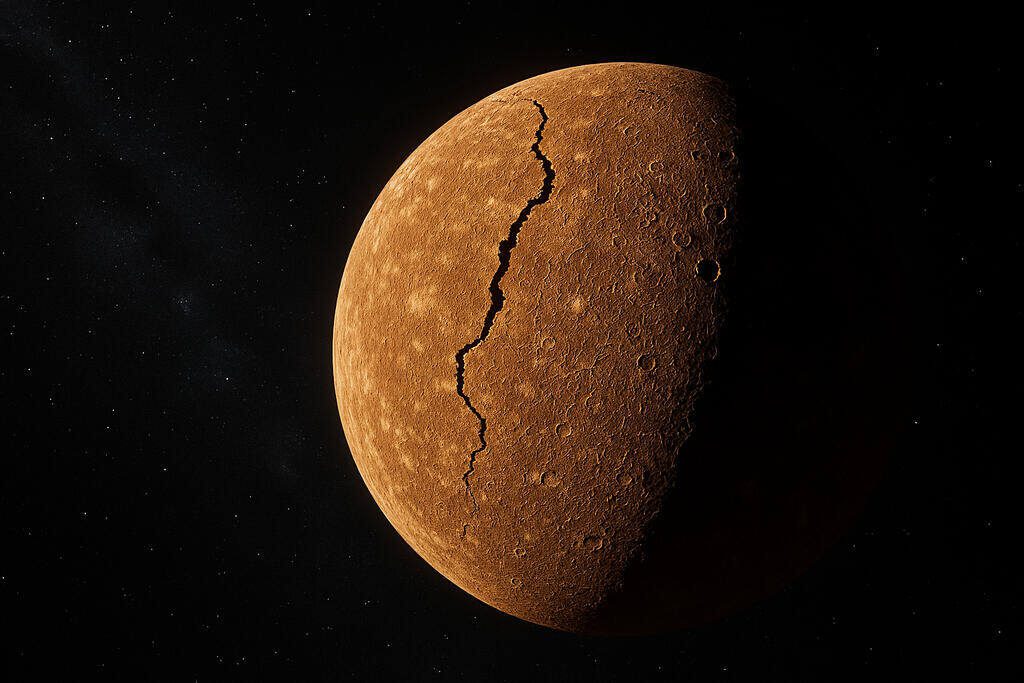
When Mercury’s crust cracks, it triggers “Mercury-quakes.” These are similar to earthquakes but caused by contraction. Scientists believe Mercury still experiences these quakes today, showing the planet is still active. These quakes are evidence that shrinkage is ongoing, not just a relic of the past. Studying Mercury-quakes helps scientists understand how stress builds up in planetary crusts and how planets continue to evolve long after their formation.
11. Lessons for Science
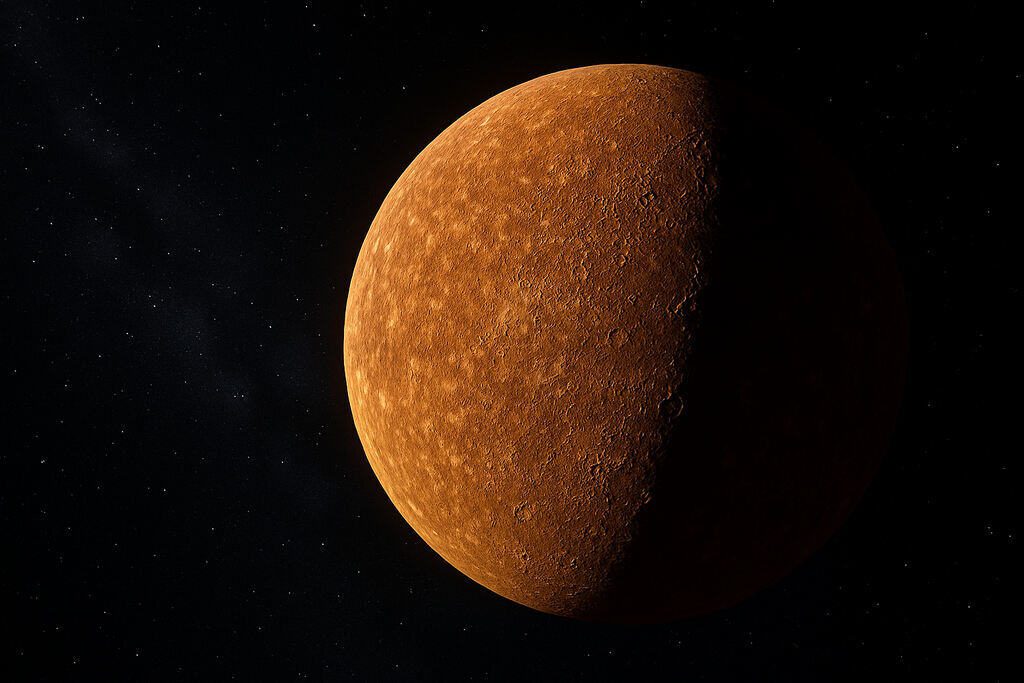
Studying Mercury helps scientists understand planetary evolution. Shrinkage shows that even solid worlds change over time. This knowledge helps predict what might happen to other planets and moons. For example, Mars also shows signs of contraction, though less dramatic than Mercury’s. By comparing planets, scientists can build models of how cooling and shrinkage work across the solar system. Mercury is a natural laboratory for understanding the long-term changes that shape rocky worlds.
12. Past vs. Present
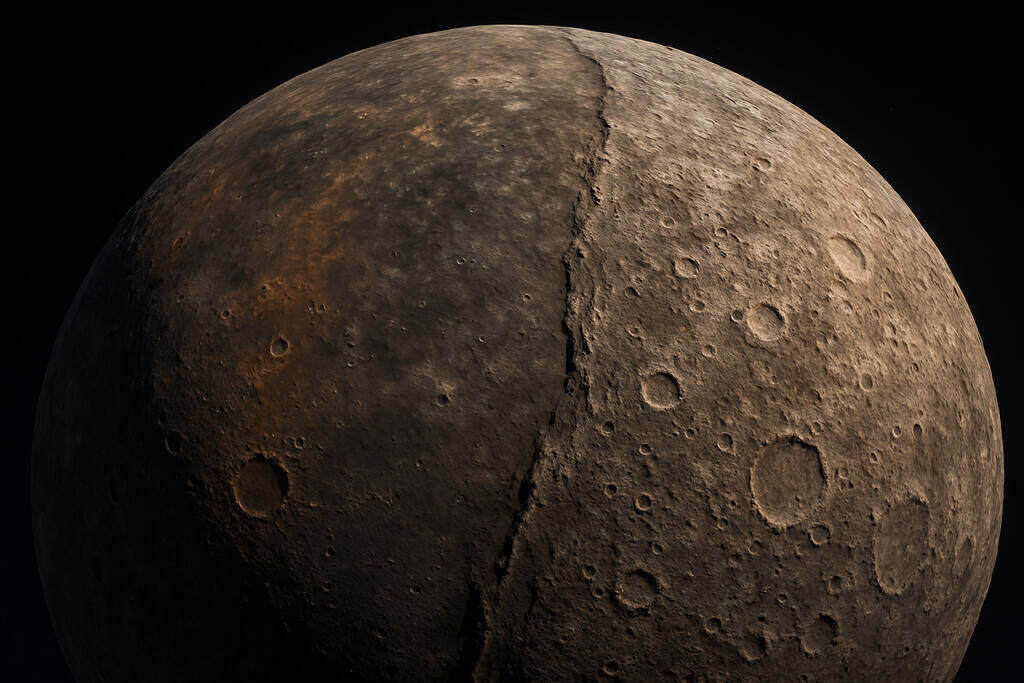
Billions of years ago, Mercury was more active, with volcanic eruptions and a hotter interior. Today, it’s quieter, but shrinkage continues. It’s like watching an elder—less active, but still changing. The planet’s past activity left lava plains and craters, while its present shrinkage leaves cliffs and faults. This contrast shows how planets evolve from fiery youth to quiet maturity, carrying scars from every stage of their lives.
13. Human Connection
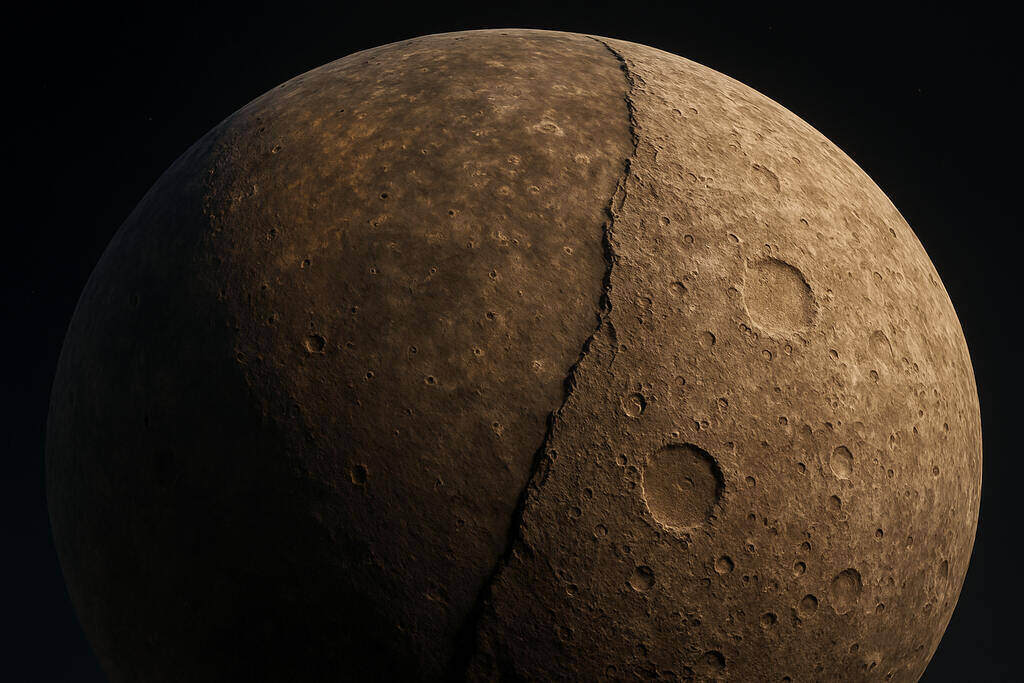
Mercury’s shrinkage is a metaphor for life. Just as the planet adapts to cooling, we adapt to challenges. Its scars are like the lessons we carry—visible reminders of growth and resilience. Mercury teaches us that change is constant, and survival means adapting. Even in silence, the planet continues to evolve, just as we continue to grow through life’s pressures.
14. Future of Mercury
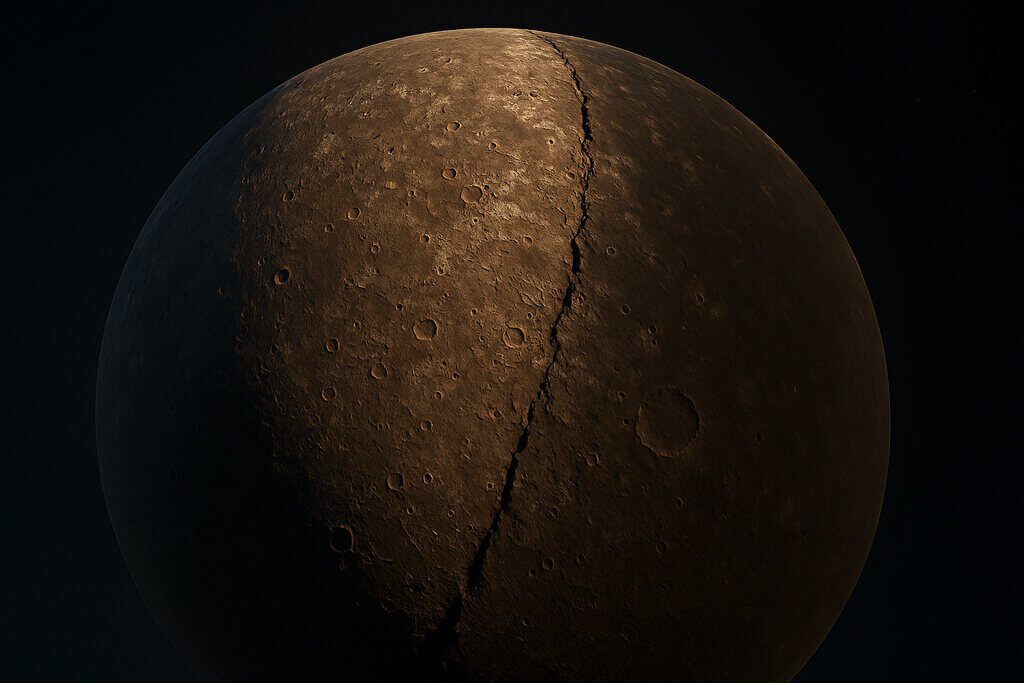
Scientists don’t know exactly how long Mercury will keep shrinking. But as long as its interior cools, the process will continue. It’s a slow transformation, reminding us that change is constant. Mercury’s future will be marked by more cliffs and quakes, silent signs of its ongoing evolution. Studying this future helps us understand not just Mercury, but the destiny of all rocky planets.
15. Motivational Conclusion
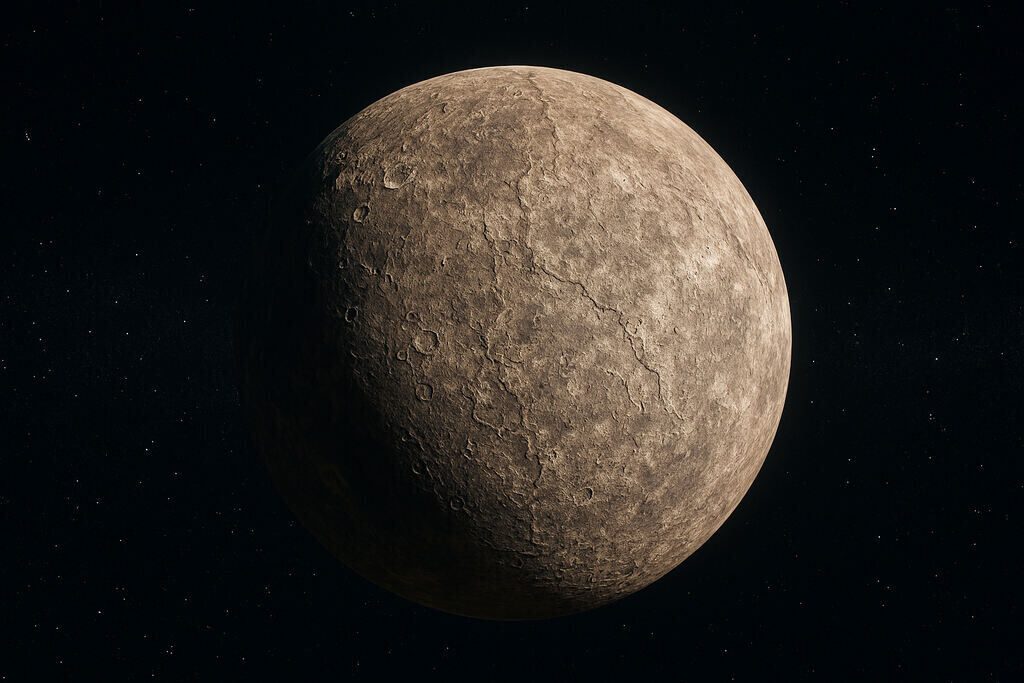
Mercury’s shrinking is a cosmic story of endurance. Over billions of years, it has faced heat, cooling, and cracking, yet it remains orbiting the Sun. In our own lives, we too face pressures and changes. Like Mercury, we may develop scars, but those marks tell stories of survival and strength. The universe teaches us that shrinking doesn’t mean weakness—it means adapting, and adaptation is the key to lasting through time. Mercury’s journey reminds us that resilience is written not just in planets, but in us too.