
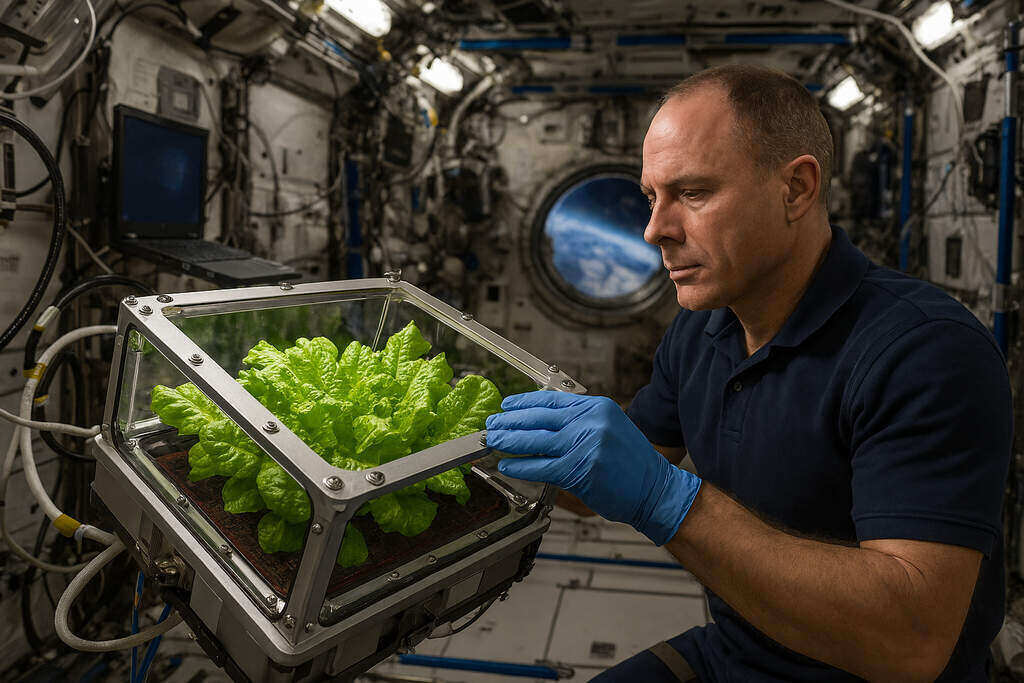
Imagine growing lettuce in space. Astronauts on the International Space Station have already done it, snipping fresh leaves for their meals. Farming without gravity sounds like science fiction, but it’s becoming a reality. As humans dream of living on Mars or traveling deeper into space, learning how to grow food in zero gravity is essential. It’s not just about survival—it’s about creating comfort, health, and independence far from Earth. Let’s explore the fascinating science behind zero-gravity farming and why it matters for our future.
1. Why Zero-Gravity Farming Matters
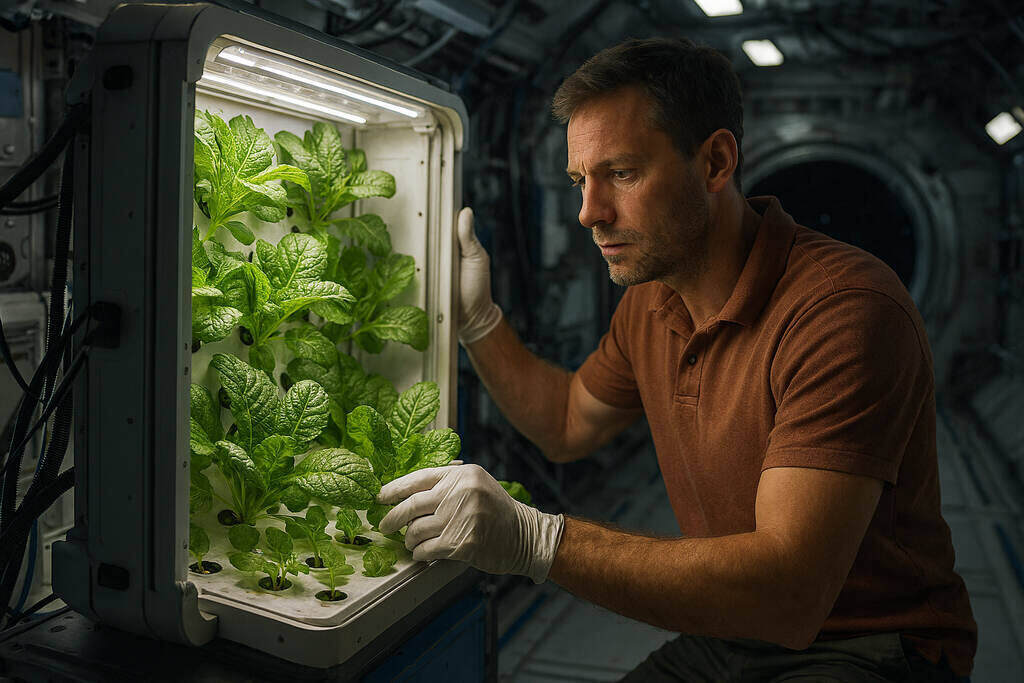
Food is more than fuel—it’s comfort, culture, and survival. In space, astronauts rely on packaged meals, but these lose nutrients over time. Fresh food provides vitamins, improves mental health, and reduces dependence on Earth resupply missions.
Imagine a Mars colony waiting months for shipments—local farming becomes vital. Zero-gravity farming is about resilience: growing food where gravity doesn’t help roots and water behave normally. It’s also about sustainability, teaching us new ways to farm efficiently even back on Earth.
2. The Challenge of Gravity Loss
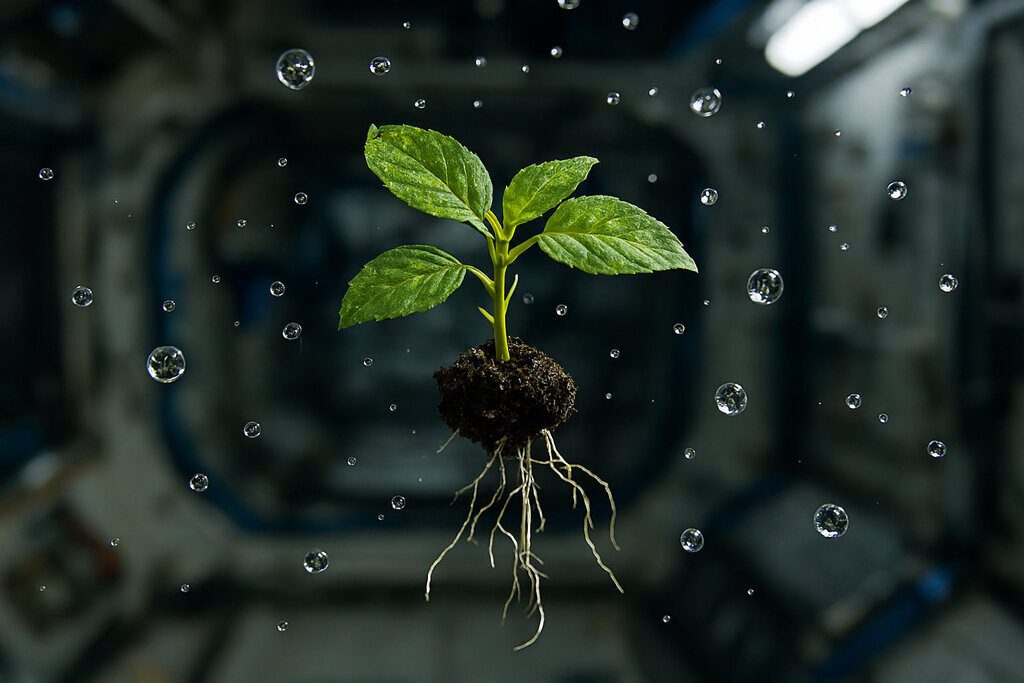
On Earth, gravity pulls water down into the soil, guiding roots to grow downward. In space, water floats, clinging to surfaces unpredictably. Roots don’t know which way to grow. This creates challenges: plants may drown in water droplets or dry out entirely. Scientists must rethink farming basics—how to deliver water, nutrients, and light without gravity’s guidance. It’s like teaching plants to grow in a world where “up” and “down” don’t exist.
3. Hydroponics in Space
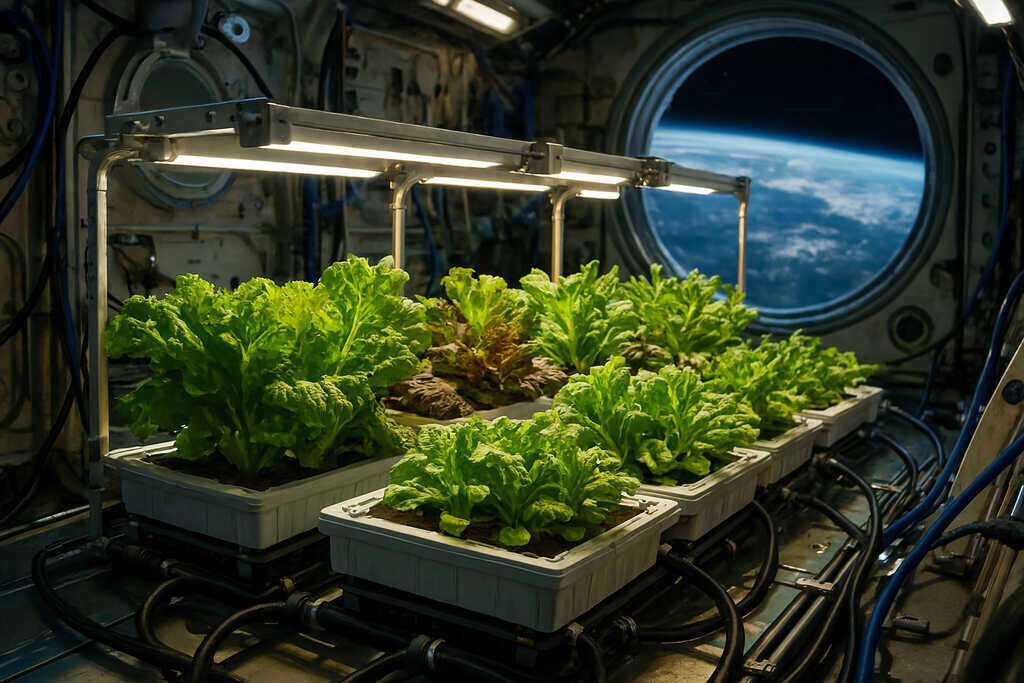
Hydroponics—growing plants without soil—has become the backbone of space farming. Instead of dirt, plants grow in nutrient-rich water solutions. In zero gravity, hydroponics systems use pumps and controlled chambers to keep water flowing around roots.
This method reduces mess, saves space, and ensures plants get exactly what they need. NASA’s Veggie experiment on the ISS used hydroponics to grow lettuce, radishes, and mustard greens. Hydroponics also teaches us how to farm more efficiently on Earth, especially in cities with limited land.
4. Aeroponics: Farming with Mist
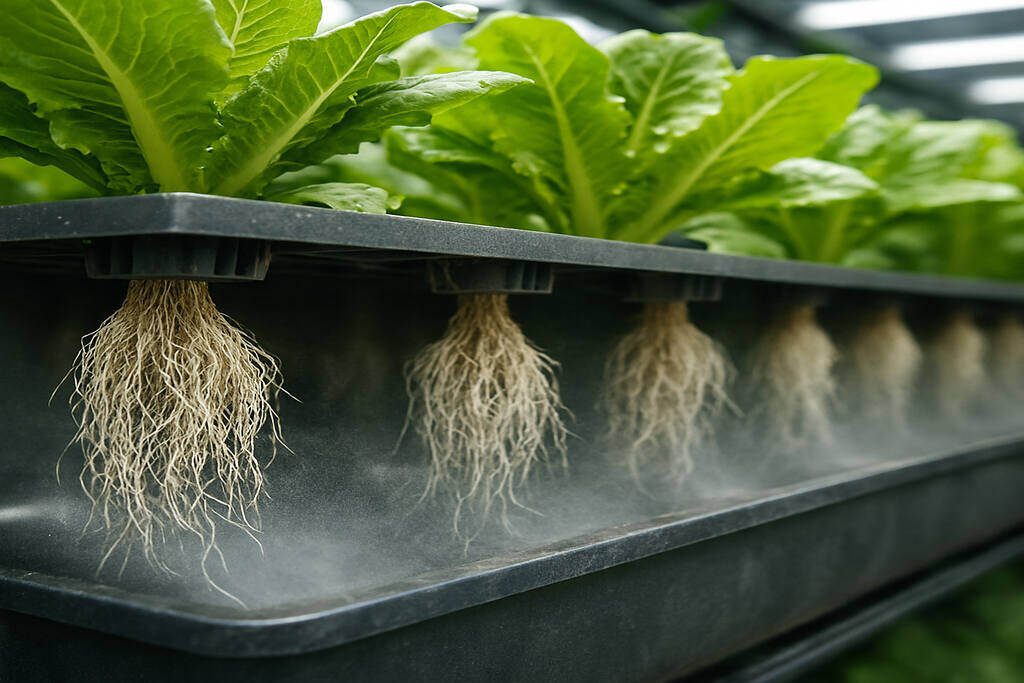
Aeroponics takes hydroponics further by growing plants in air, with roots sprayed by nutrient mist. In zero gravity, this method prevents water from floating away uncontrollably. Roots hang in chambers, absorbing fine droplets.
Aeroponics uses less water than hydroponics and reduces disease risks since roots aren’t submerged. It’s lightweight, efficient, and ideal for spacecraft where resources are limited. Back on Earth, aeroponics is already used in vertical farms, showing how space farming inspires sustainable agriculture here.
5. Light as a Substitute for Sun
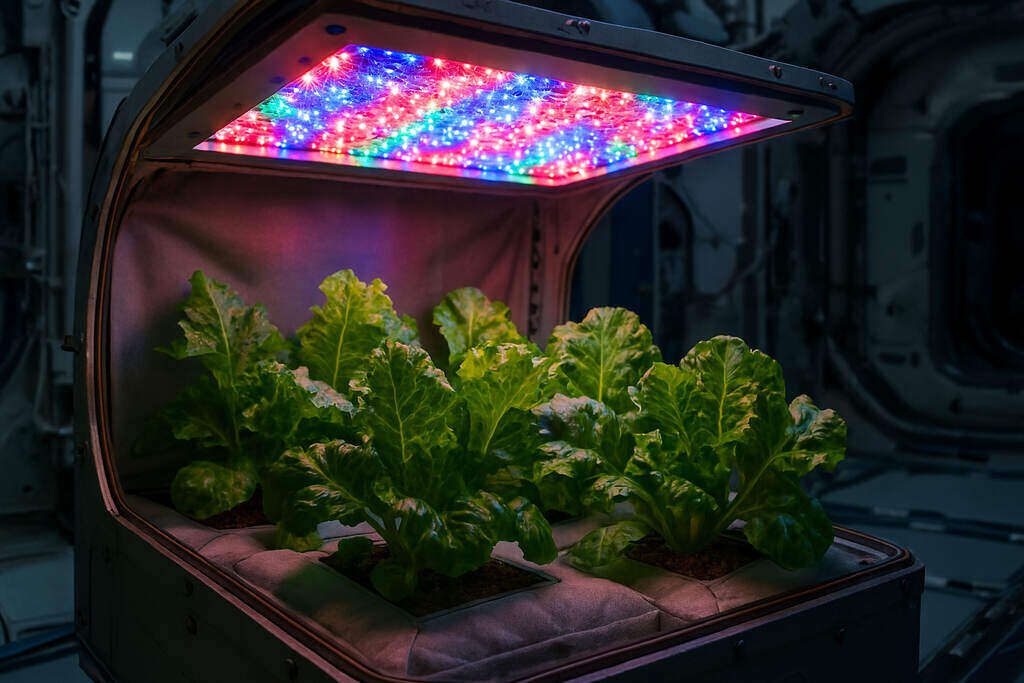
Plants need sunlight for photosynthesis, but in space, natural sunlight is inconsistent. LED lights provide the solution. Scientists use red, blue, and green LEDs to mimic sunlight, adjusting wavelengths to maximize growth. Red light encourages flowering, blue supports leafy growth, and green balances plant health. On the ISS, astronauts use “plant pillows” with built-in LED panels. These lights not only grow food but also create a calming environment—like a mini garden glowing in space.
6. Controlling Air and Atmosphere
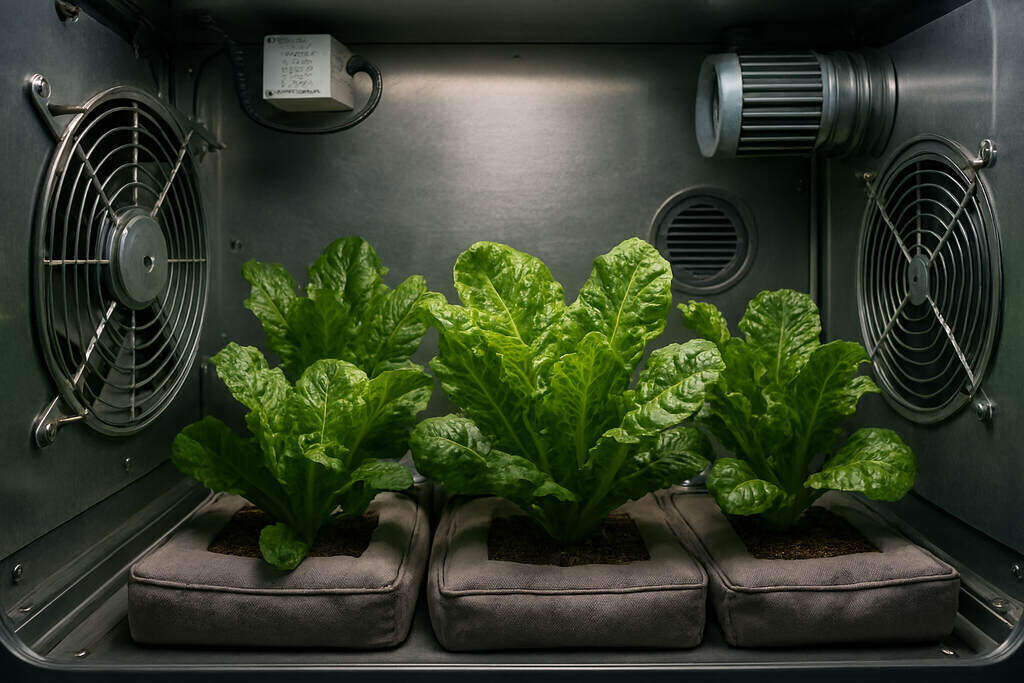
Plants breathe too. They absorb carbon dioxide and release oxygen, which is perfect for astronauts. But in space, air circulation is tricky. Without gravity, air doesn’t move naturally, so fans and ventilation systems are essential. Scientists design chambers where air, humidity, and temperature are carefully balanced. This creates a mini-Earth environment inside the spacecraft. The bonus? Plants help recycle air, reducing the need for artificial oxygen supplies. Farming becomes part of life-support systems.
7. Root Orientation Without Gravity
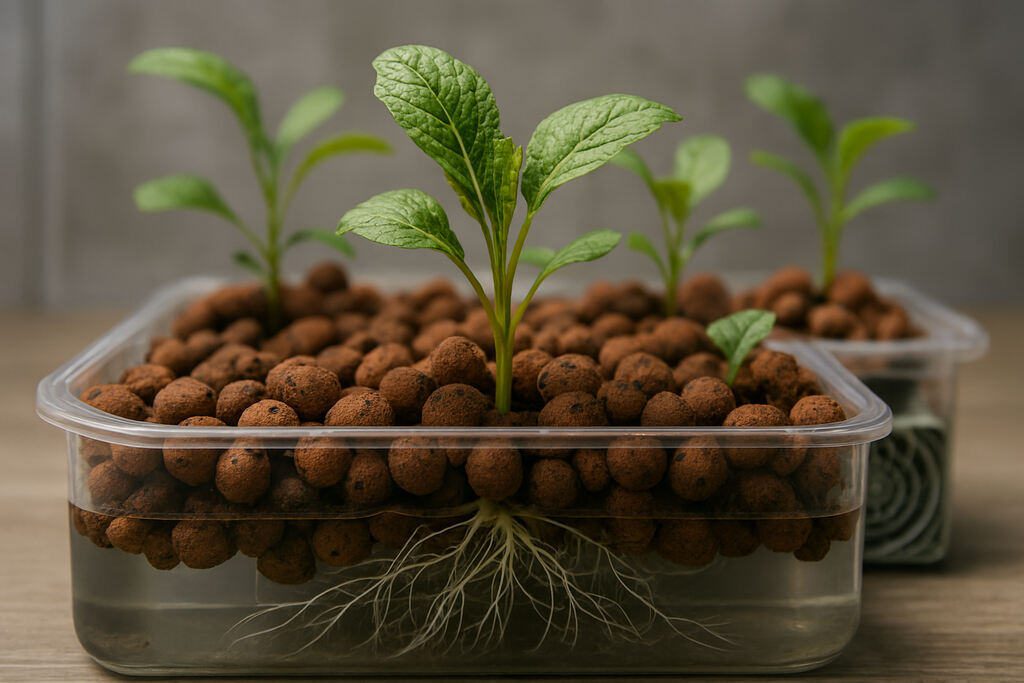
Roots usually grow downward, guided by gravity. In space, they grow in random directions. Scientists discovered that roots respond to moisture and nutrients even more strongly than gravity. By designing systems that guide water flow, they “trick” roots into growing properly. This research helps us understand plant biology better, even on Earth. It shows how adaptable life can be when faced with new environments.
8. Water Delivery Systems
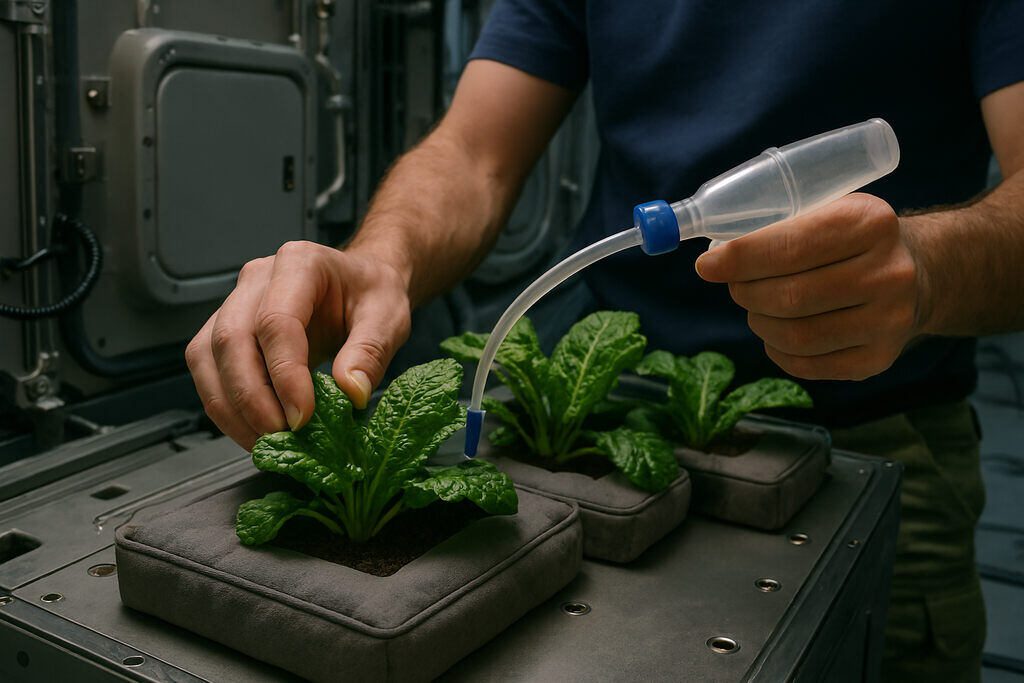
Water in space behaves strangely—it forms floating spheres. To prevent plants from drowning or drying out, scientists use capillary action, pumps, and absorbent materials. “Plant pillows” on the ISS hold seeds in small pouches with wicking materials that draw water to roots. This ensures plants get steady hydration without free-floating droplets. These innovations could improve irrigation systems on Earth, especially in drought-prone regions.
9. Nutrient Management
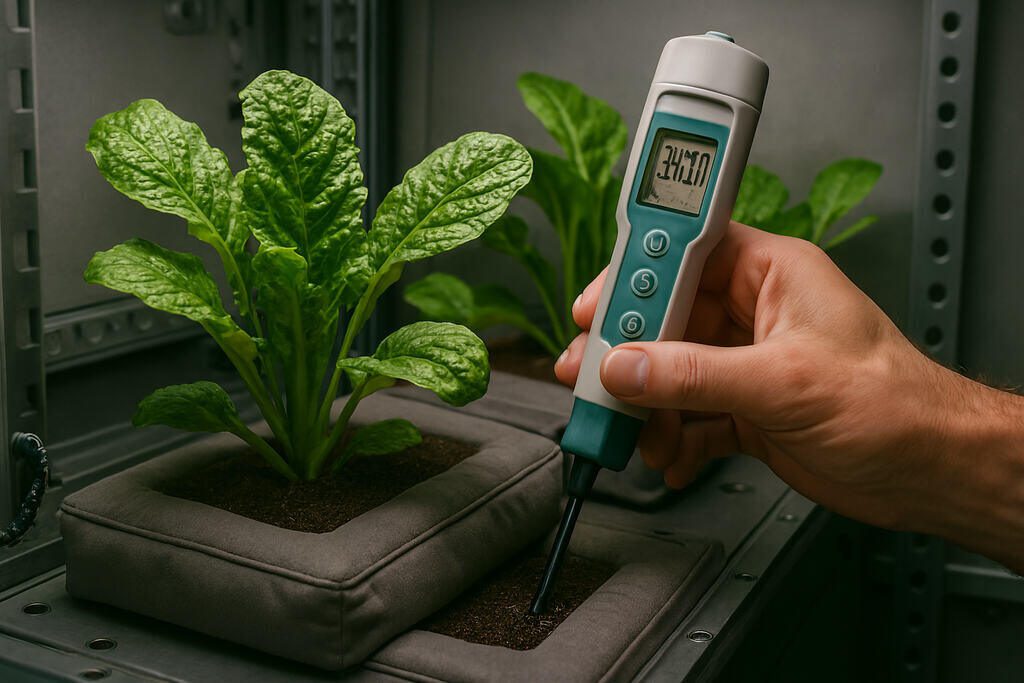
Plants need nitrogen, phosphorus, potassium, and trace minerals. In zero gravity, nutrients must be dissolved in water or mist and delivered precisely. Too much or too little can harm plants quickly. Scientists use sensors to monitor nutrient levels and adjust automatically. This precision farming is teaching us how to reduce waste and grow healthier crops on Earth. It’s farming at its most scientific—every drop counts.
10. Pollination Without Bees
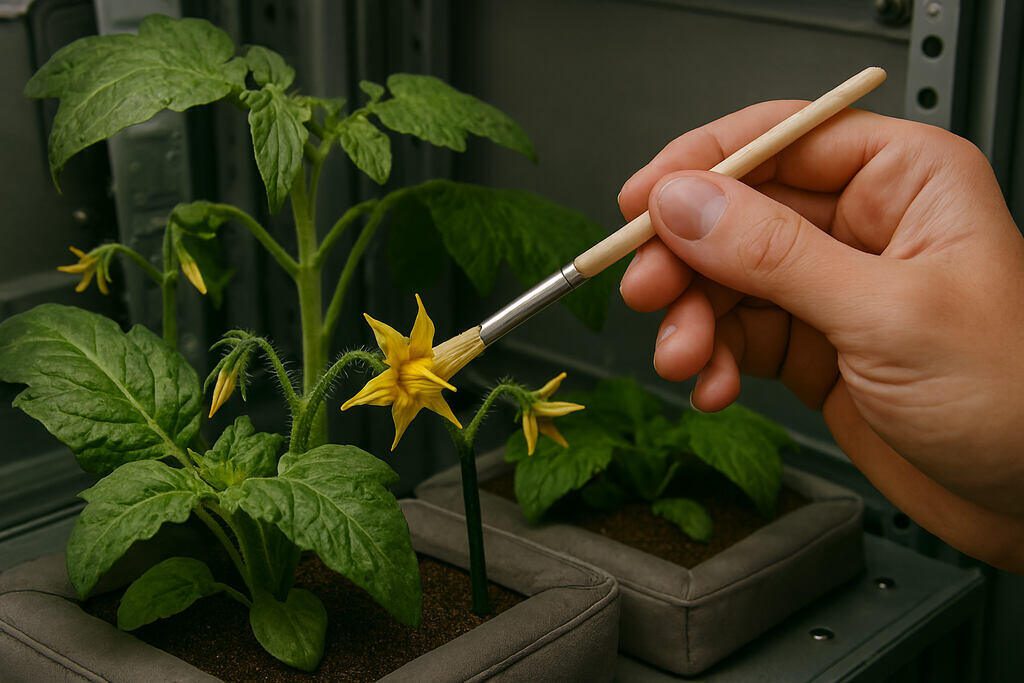
On Earth, bees and wind pollinate plants. In space, neither exists. Astronauts or robotic systems must hand-pollinate flowers using brushes or airflow devices. Scientists also experiment with self-pollinating crops like tomatoes and peppers. This challenge highlights how dependent Earth farming is on natural ecosystems—and how creative we must be when those ecosystems aren’t available.
11. Psychological Benefits of Space Gardens
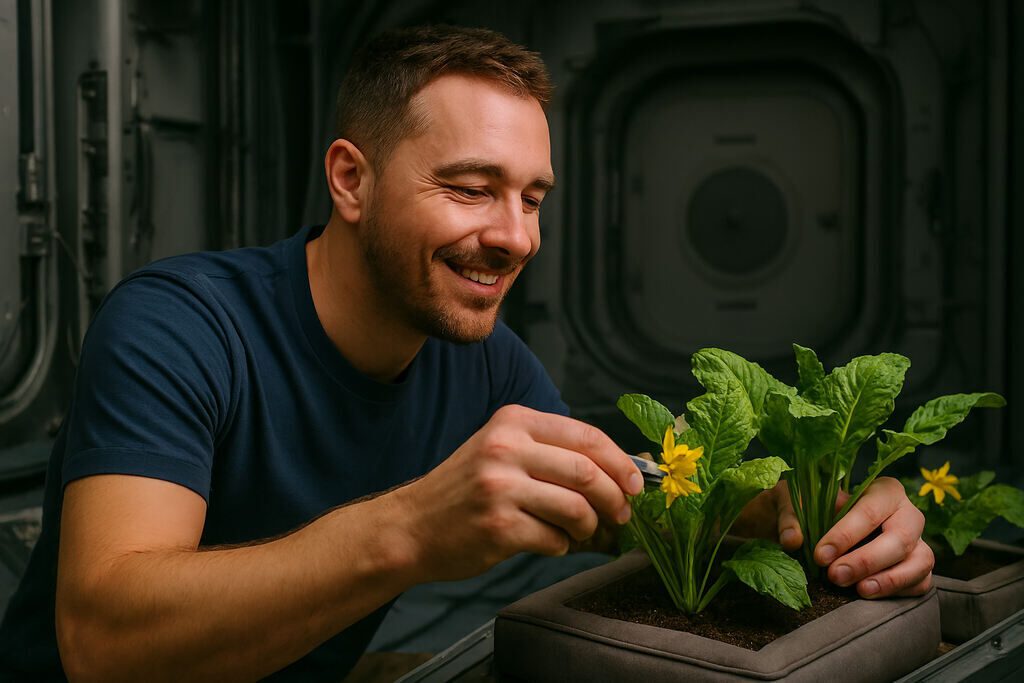
Beyond nutrition, plants provide emotional comfort. Astronauts report feeling calmer and happier when tending to plants. The sight of green leaves and the smell of soil-like growth chambers remind them of Earth. Farming becomes therapy, reducing stress and loneliness during long missions. This psychological benefit is as important as the food itself.
12. Closed-Loop Systems
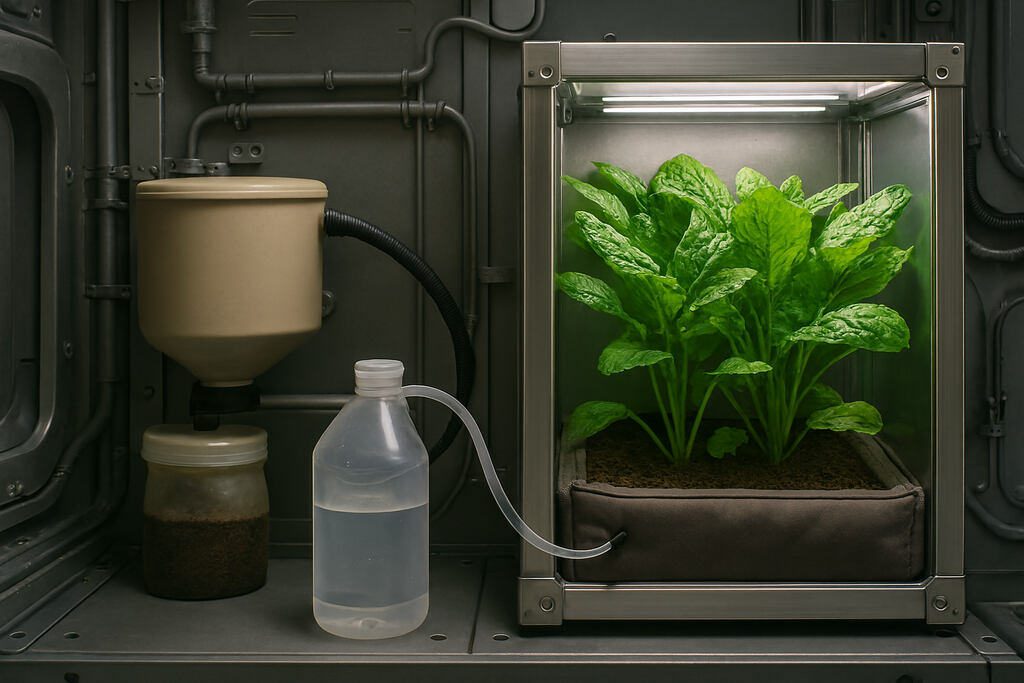
Zero-gravity farming is part of closed-loop life-support systems. Plants recycle carbon dioxide into oxygen, purify water, and provide food. Waste from humans can be converted into fertilizer. This creates a self-sustaining ecosystem where nothing is wasted. Such systems are vital for long-term missions to Mars or beyond. They also inspire sustainable living on Earth, where waste reduction is critical.
13. Crop Selection for Space
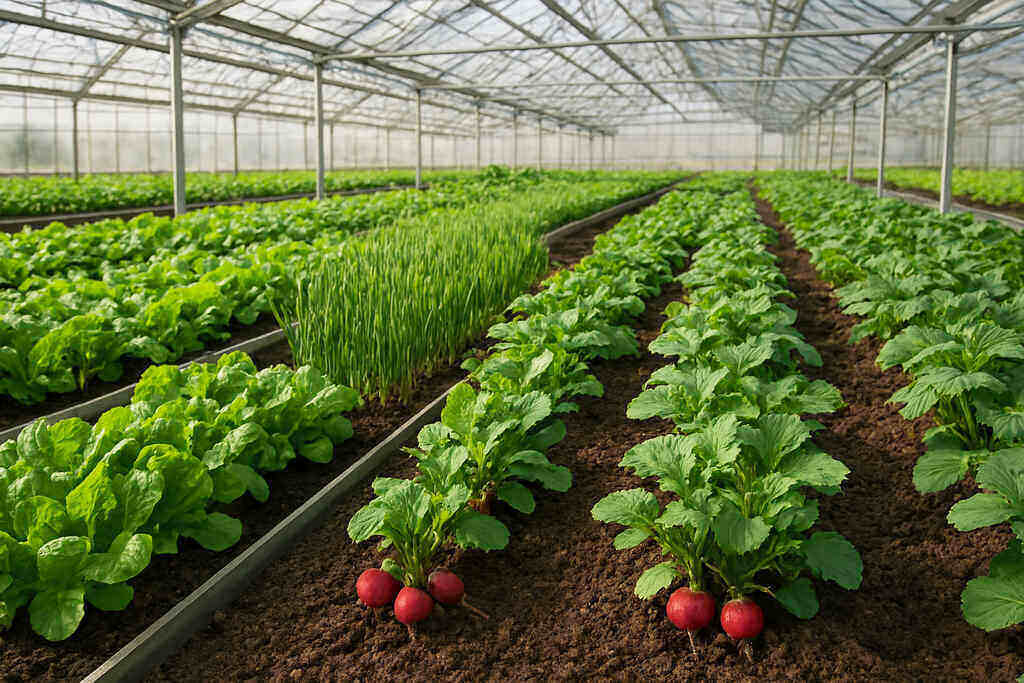
Not all crops are suitable for space. Scientists choose plants that grow quickly, require little space, and provide high nutrition. Leafy greens, radishes, and dwarf wheat are common choices. Future experiments may include strawberries, beans, and even dwarf fruit trees. The goal is to balance nutrition, variety, and practicality.
14. Lessons for Earth Farming
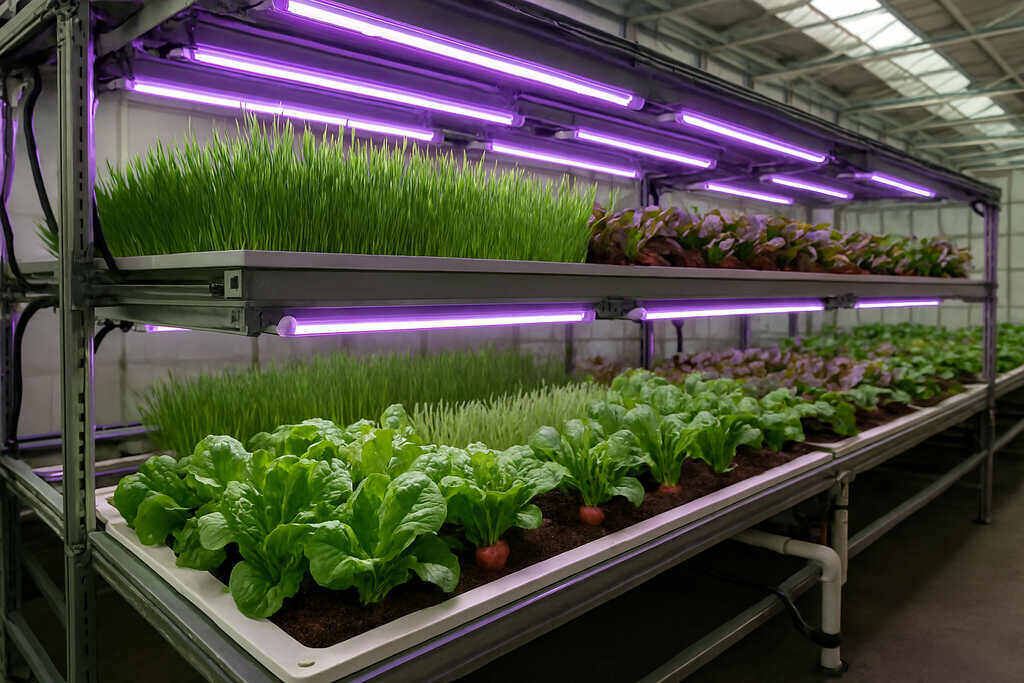
Zero-gravity farming teaches us efficiency. Hydroponics, aeroponics, LED lighting, and closed-loop systems are already improving urban farming. These methods reduce water use, maximize yields, and allow farming in places like deserts or city rooftops. Space farming isn’t just about astronauts—it’s about solving Earth’s food challenges too.
15. The Future of Cosmic Agriculture
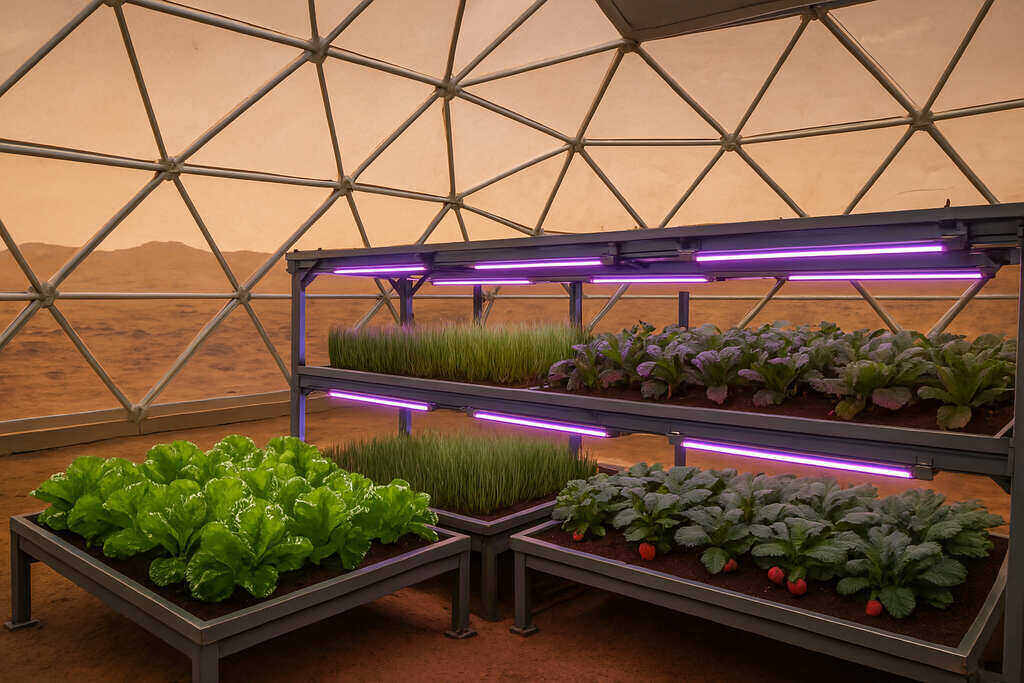
Imagine greenhouses on Mars, glowing with LED lights, feeding explorers. Zero-gravity farming is the first step toward that vision. It’s about resilience, sustainability, and hope. By learning to grow food in space, we prepare for a future where humanity thrives beyond Earth. And back home, we gain tools to farm smarter, cleaner, and more sustainably. Farming among the stars is no longer a dream—it’s a plan in motion.